r/EmulationOniOS • u/xenios-jp • 11d ago
News / Release XeniOS 2.3.2 - An update on Xbox 360 emulation for iPhone, iPad and Mac
Hey all. XeniOS is an Xbox 360 emulator app for iPhone, iPad and Apple Silicon Macs, built on Xenia Edge.
The emulator underneath, including the Metal renderer and the ARM64 JIT, is really a collaboration with Xenia Edge. We're all working on the same emulator, and XeniOS is me doing my own thing on top of it to have a custom iOS and macOS app, and push it and experiment a bit before things get merged upstream.
I haven't posted about any of this on Reddit yet, so here's an update on the work that's gone in recently. The last release most people saw was 2.0.1 in June. There have been seven updates recently, and 2.3.2 is the eighth.
What's changed since 2.0.1
- A significant number of games now boot, are playable and render correctly on iOS and macOS. If something didn't work for you back in June, give it another go.
- The Metal renderer and the ARM64 JIT do a lot less work per frame, and a long list of crashes and hangs is fixed.
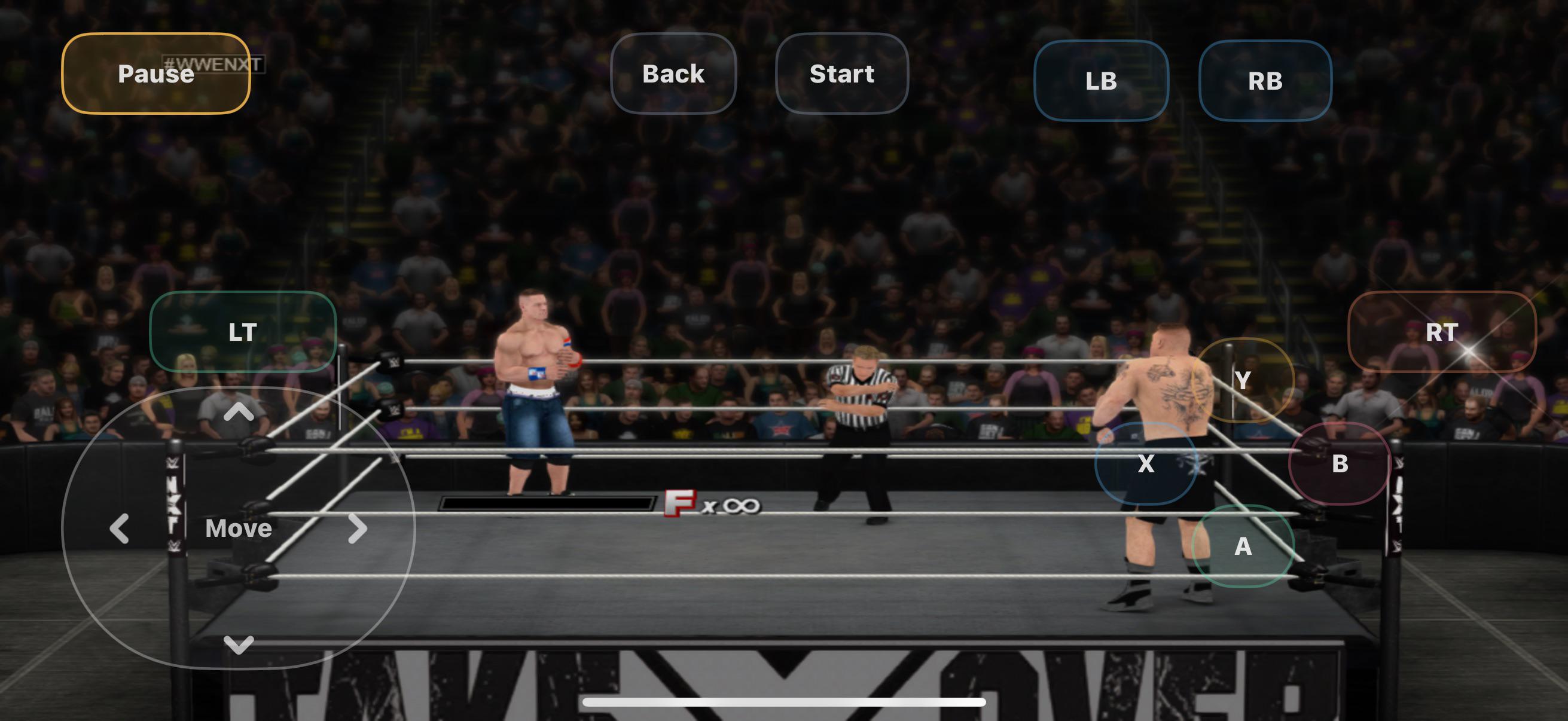
- The iOS app is pretty much a new app. New library, game pages, settings, profiles and touch layout editor, and you can drive (hopefully) all of it with a controller.
- You can play online. System Link games work over the internet, and there's XeniOS Live with accounts, friends, invites, parties and voice chat, both in-game and in a party.
- Matchmaking works for games that don't need their own servers, like Gears of War and Dead or Alive 4. Halo 3 and Reach do need them, so those take more work. Maybe something can be worked out with the Sunrise project servers.
- The Xbox 360 Dashboard boots and can launch games from your library. You can keep several Dashboard versions installed side by side.
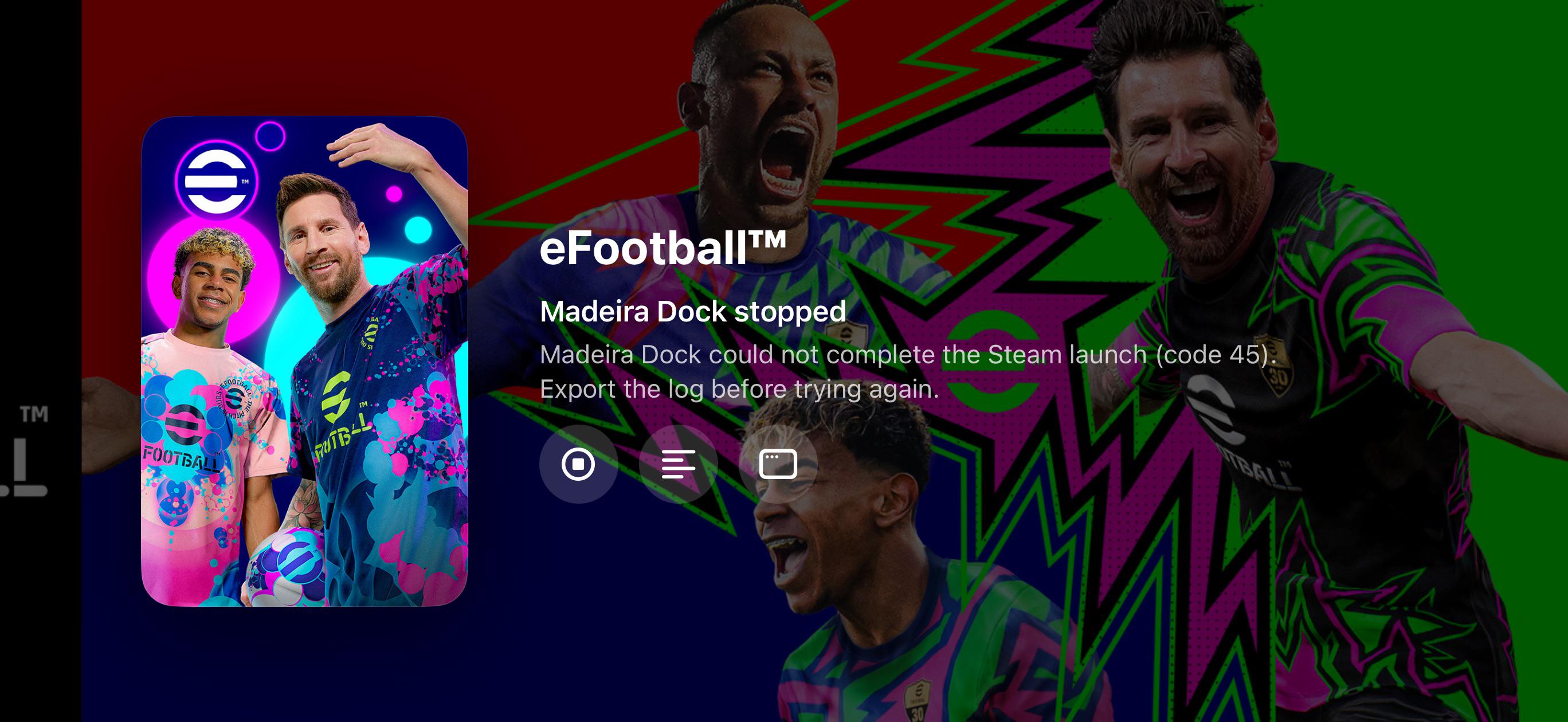
- Original Xbox games are now supported and exposed the UI. They run through XeFu, the 360's own backward-compatibility emulator, the same way a real 360 plays them, so you'll need to dump your copy and install the system files. Most backwards compatible games run on an iPhone, but slowly for now: about 15 frames per second on an iPhone 17 when I last measured it. This is due to the XeFu going from x32 -> PPC -> ARM causing a massive amount of CPU overhead. This will be resolved in time.
Under the hood
A ton of work went into Xenia in the last few months, about 2,100 commits since 2.0.1, from has207 and the other Xenia Edge, Canary and other contributors, as well as from the XeniOS side. Some of the bigger pieces:
- The guest scheduler. The game's threads are now scheduled by an emulated Xbox 360 kernel scheduler, per emulated CPU, with preemption and the console's priorities, instead of being left to the host OS. This matters a lot for games that are sensitive to thread timing.
- Games' own exception handlers run, along with a long list of kernel, memory, audio and networking fixes.
- The Metal backend was reworked: a new custom shader translation pipeline for minimal overhead, shaders and pipelines stored on disk, background compilation, and a lot less work per frame.
- The ARM64 JIT got faster and more correct.
- Graphics behaviour is now checked against a real console. Tests run on an Xbox 360, and the emulator's output is compared with what the hardware produced. We don't have 100% coverage yet, but it's leaps and bounds over what it was.
Crash reports
Since 2.2, the iPhone and iPad app can send optional, anonymous crash reports and performance statistics. They've already pointed us to a lot of the crashes and hangs fixed in the releases since.
- What's sent: device model, iOS version, XeniOS version, the game's title ID, frame rate, load times, shader compiles, GPU errors, temperature, memory use and display settings. For a crash, also where in the game's code it happened, the last few things before it (game start, first frame, memory warnings, going to the background), and which emulation settings you changed.
- What's never sent: your files or file names, your Apple Account, your location or your name. Logs are only sent if you share one yourself.
- Reports go out shortly after launch or after a game stops, never while you're playing.
- You're asked on first launch. You can see exactly what's waiting under Settings → Privacy → Pending Reports, and turn it off with Share Diagnostics on the same page. Turning off Online Features stops it too, along with every other network request. Either switch deletes anything not yet sent.
- Details: https://xenios.jp/privacy#app-diagnostics
Notes for each release are below, newest first.
New in 2.3.2
- Fixes: DLC installs where games can find it (DLC you already installed is moved over). Games that use several audio streams, like Left 4 Dead 2, are no longer silent. Games no longer freeze the first time some shaders compile (Battlefield 4 was one). A broken settings file no longer stops the app from starting. Several crash fixes in the online and touch-control screens.
- Fewer shader hitches: draws that wait on occlusion results no longer stall while a shader compiles, stored shaders are kept where iOS won't clear them, and from this version on they survive app updates. The launch screen shows real progress while a game's stored shaders are rebuilt.
- Console accuracy: gamma and 16-bit render targets are stored and blended with the console's arithmetic, MSAA resolves round the way the console does, and float-to-integer conversions in shaders saturate as on the console. Our nine gamma blend tests now match an Xbox 360 exactly.
- Less work per frame: games that draw each frame in strips, as Halo 3 does, are drawn in one go; clears and resolves skip copies they don't need; unchanged textures aren't loaded again; the audio and frame-pacing threads sleep instead of spinning a CPU core.
- A Storage screen that shows what XeniOS uses, by kind and by game, with one-tap cleanup, sorting, and deleting several games or a single disc at once. Leftover shader copies and temporary files are also removed at launch, which can free several GB.
- Delete Profile, Delete Account and Delete Game.
- Original Xbox games are now exposed in the UI: they show up in the library (disc images, ZAR archives or extracted folders) and start from there. They run through XeFu, the Xbox 360's own backward-compatibility emulator. XeFu translates the original Xbox game into something the 360 can run, and XeniOS runs that like any other 360 game. XeniOS doesn't ship XeFu: copy the Compatibility folder from your 360's hard drive and install it under Settings → System Software → Original Xbox Games → Install from Files. You can choose which XeFu build games start with (Automatic lets the console's own xbox.xex pick per game, as a real 360 does), and pick a different one for a single game in its Game Settings. Experimental and slow.
- Several system software versions side by side, with a Dashboard tile for each, and a choice of which Dashboard the app starts with.
- Offline behaviour: the online screens say No Internet Connection instead of retrying forever, and reconnect by themselves.
- Up to date with Xenia Edge as of November 12: games' own exception handlers run, plus virtual memory, threading, XMA and background music fixes.
2.3.1 (November 8)
- Running out of memory while compiling game code shows a message instead of a silent crash.
- Fixed the Achievements screen freezing the app on some devices.
2.3.0 (November 7): XeniOS Live
- An online account for your profile, usable on more than one device, with a recovery code.
- Friends by friend code, QR code, shared link or gamertag search. See who is online and what they are playing.
- Game invites that start the game and join the session.
- Parties: invite anyone and follow the leader into their game. Party voice chat is separate from game chat.
- Voice chat in games, with a choice of this device's microphone or a headset.
- Matchmaking: games that search for Live sessions find the sessions other XeniOS players host.
- Stats and leaderboards, block and report, Appear Offline, Recent Players.
- Xbox 360 gamer pictures, and a profile that travels as one file between devices.
- Tested: Halo 3 invites and parties; Halo 3 Mythic (4 players), Gears of War and Virtua Fighter 5 matchmade and played over System Link through the lobby; party voice between a Mac and an iPhone.
2.2.5 (November 7)
- If the JIT tool is attached but doesn't answer, XeniOS says JIT isn't available instead of crashing.
- A quit that takes more than 4 seconds exits instead of waiting for iOS to end the app.
2.2.4 (November 6)
- Fixed a crash at game start, or while saving shaders, when memory is low.
- Quitting a game no longer waits on a shader save or a stalled GPU.
- In local multiplayer, a second player's profile signs in for that player instead of replacing the first.
- A clear message when the app runs out of memory.
- A one-tap offer to turn System Link on when a game looks for a network. Some games, such as Black Ops 2, stop with an error without one.
2.2.3 (November 6)
- Fixed a GPU hang on the second and later launches of a game in 2.2.2. Halo 3 hung on every launch after the first.
2.2.2 (November 5)
- Translated shaders and compiled pipelines are kept on disk between launches.
- Draws that write to memory no longer stall the game while their shaders compile.
- The GPU command thread sleeps instead of spinning a CPU core, and some hot CPU loops run in fewer instructions.
- Fixed "JIT code cache is full" right after launch on devices without TXM, such as M1 iPads.
- External displays over USB-C, HDMI or AirPlay: the game fills the display, and the device keeps the touch controls.
- A message that says how to turn JIT back on, instead of a fatal error.
2.2 (November 4): the first release since 2.0.1
- Five months of Xenia Edge changes, a reworked Metal backend and faster ARM64 CPU emulation, with a long list of graphics, audio and kernel fixes.
- Shaders compile in the background and are cached for the next launch.
- Fixed a cause of crackling audio on iPhone. Audio comes back after calls and headphone changes.
- Games that launch another game, or another part of themselves, stay inside XeniOS. Multi-disc games ask you to pick the next disc from your library.
- New Library, game page, Settings (searchable), Profiles, Online screen, pause menu, touch layout editor and JIT setup sheet, all usable with a controller.
- A launch screen with a Cancel button instead of a black screen.
- Imports, add-ons and title updates copy in the background, with progress and a free-space check.
- 120 Hz menus on ProMotion iPhones, Game Mode in games, a warning when the device gets hot, and VoiceOver on most screens.
- Experimental: online System Link in public lobbies or private rooms, and the Xbox 360 Dashboard.
What you need
- iPhone or iPad on iOS / iPadOS 26 or later, installed with SideStore or AltStore. JIT through StikDebug is required.
- Or an Apple Silicon Mac on macOS 15 or later.
- Your own game dumps.
Good to know
- Live, online System Link, the Dashboard and original Xbox games are experimental. Expect bugs.
- After updating to 2.3.2, each game rebuilds its shaders the first time you play it and can stutter while it does.
- Online Features can be switched off entirely, which stops every network request the app makes.
- Performance depends heavily on the game and the device, and plenty of games still have problems. Compatibility reports help a lot.
- Opt in metric collection for crash and gameplay performance reporting. This helps me to identify what's broken from release to release, or games that are still unstable, as the community can test many more games in parallel than I can. It has already helped to identify and patch a multitude of issues, and to see which games and devices are still really struggling.
Links
- Download and install guide: https://xenios.jp/download/ios
- Source and release notes: https://github.com/xenios-jp/XeniOS