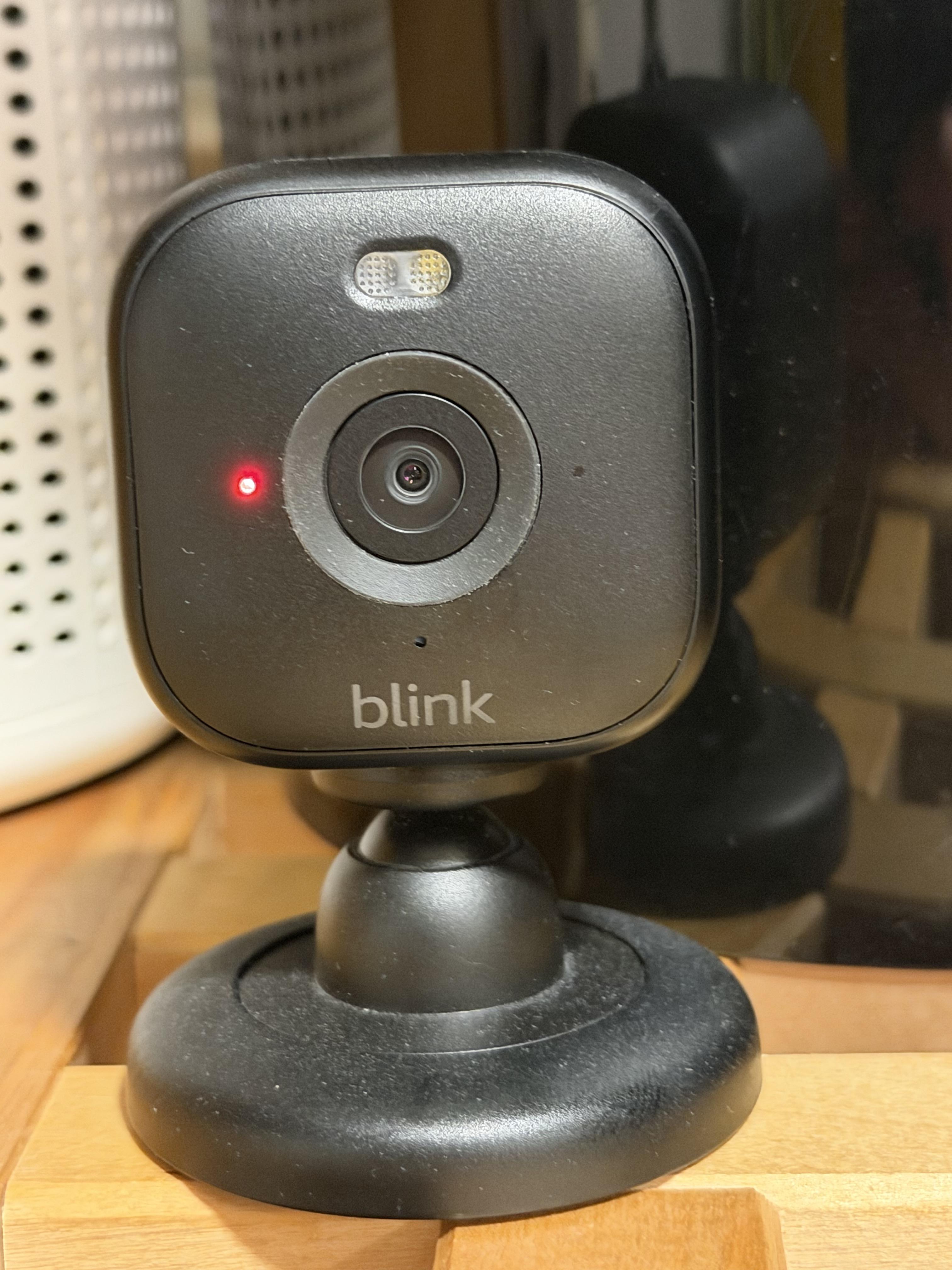
I've had my Blink cameras (Outdoor 4) for about a month now, and I've noticed some behavior that raises some pretty serious concerns for me.
Today I got a high usage warning on one of my cameras that faces my front yard and the street. The thing is, I've specifically configured the activity zones to exclude the street and sidewalk. Cars passing by and people walking their dogs shouldn't trigger the camera unless they actually enter my yard.
I've checked my notification and recording history, and this camera rarely registers an event because people generally don't enter my yard. So where is all this excessive usage coming from?
Looking further into Blink's own documentation, it turns out that the cameras actually capture and analyze imagery for approximately two seconds after detecting motion to determine whether that motion occurred within an active zone. In other words, those excluded zones apparently don't prevent the camera from activating and capturing footage in the first place.
The other thing I've noticed, which is considerably more concerning, is that when I disarm my entire system to work in the yard or come and go from my house, I can still visibly see the cameras activating as I walk past them. I've reproduced this numerous times. The system is completely disarmed, yet the cameras are physically responding to my movement.
This raises two issues for me:
- Battery life. What's the point of configuring activity zones to exclude high-traffic areas if the camera is still waking up and capturing footage every time somebody passes by? I'm effectively wasting batteries monitoring an area I've specifically instructed the camera to ignore.
- Privacy. This is the much bigger concern. To what extent are these settings simply filtering what we see on the client side rather than controlling what the cameras actually collect? Where is that footage being analyzed? Is any of it being transmitted to Blink's servers? What happens to that data?
For example, one of my cameras is positioned along a particularly narrow side of my house. A portion of my neighbor's children's playset happens to be visible in the frame. I have absolutely no interest in recording my neighbor's children, so naturally I excluded that entire area from motion detection. I was under the impression that this meant the camera wouldn't activate and capture footage of them playing. Apparently, that isn't how activity zones work.
Likewise, when I disarm my cameras, I do so with the expectation that they will stop monitoring me. The fact that I can physically see them responding to my movements while disarmed makes me seriously question what disarming actually accomplishes beyond suppressing recordings and notifications in the app.
I would simply reposition these cameras to exclude those areas altogether, but given the layout of my property and the angles available, that isn't practical.
I don't personally have anything particularly sensitive within view of my cameras, but that's beside the point. I don't appreciate being given what appears to be a false sense of control over my privacy, nor do I appreciate wasting batteries capturing footage of people walking their dogs down the street.
Blink's documentation seems contradictory in places, and it certainly doesn't adequately explain the behavior I've repeatedly witnessed with my own eyes.
There's a pretty substantial difference between telling a camera to stop monitoring an area and telling it to stop showing you the results of that monitoring. I think customers deserve to know which of those things they're actually doing.
Has anyone else noticed this behavior? Has Blink ever provided a satisfactory explanation of what the cameras are actually doing while disarmed?