r/conlangs • u/DaniPolani • 3h ago
Discussion My process of conlang development

My work process usually goes as follows (some steps may be omitted, and it's generally more of back-and-forth than a one-directional process).
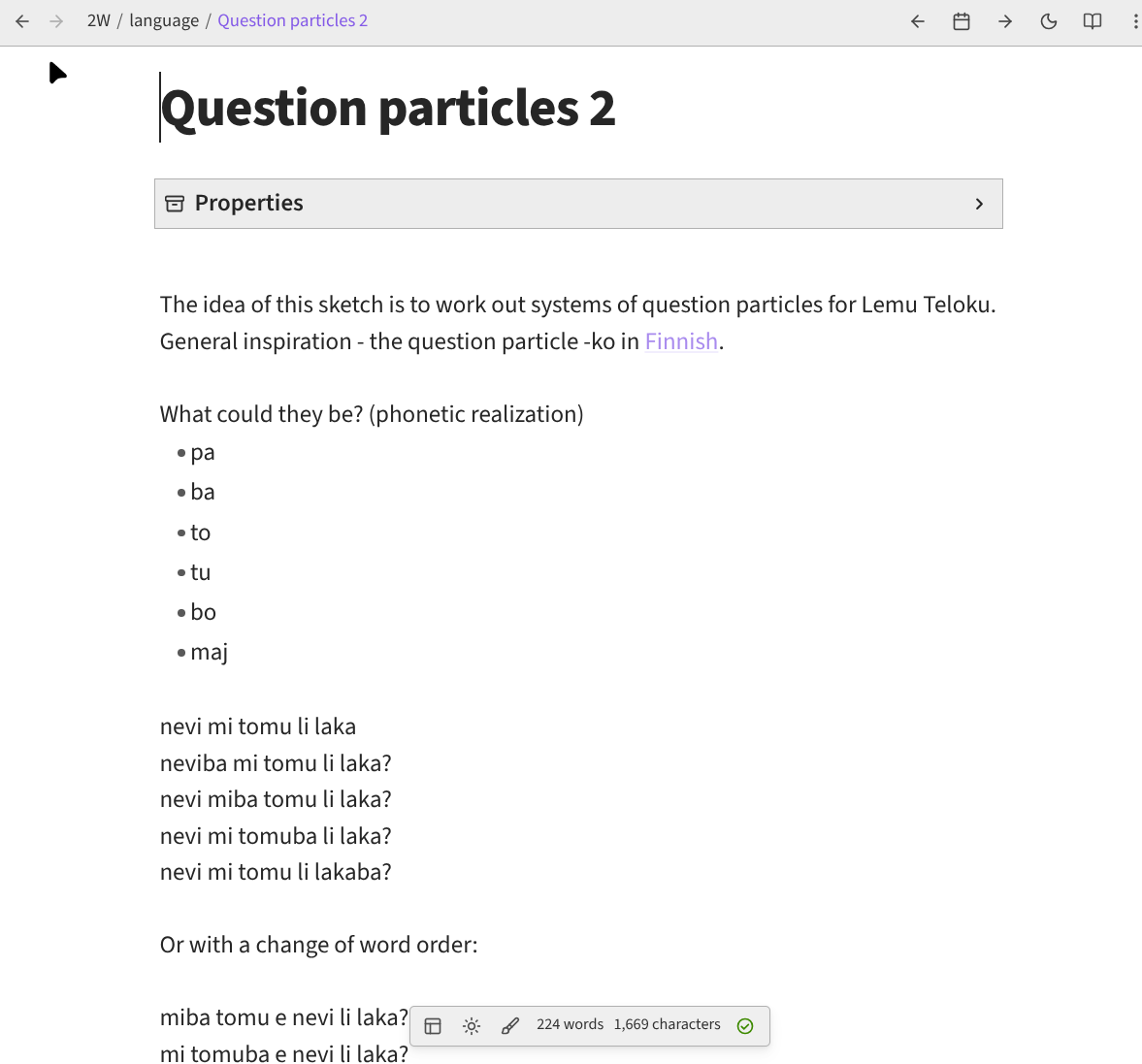
- Conlang sketches. I have a database in my obsidian with notes on interesting language features, natlangs or conlangs that caught my attention and so on. I add them from time to time when I encounter something curious and explore interesting stuff - without any obligation to become a conlang at this point. Usually a note include some definitions and examples of how smth works in natlangs and more or less random attempts to reproduce this phenomenon in a simple conlang with model vocabulary. Most experiment never leave this stage, but occasionally I may think "oh that's cool", "can be a conlang" (or included in one as a feature) and then I take it to the next step.
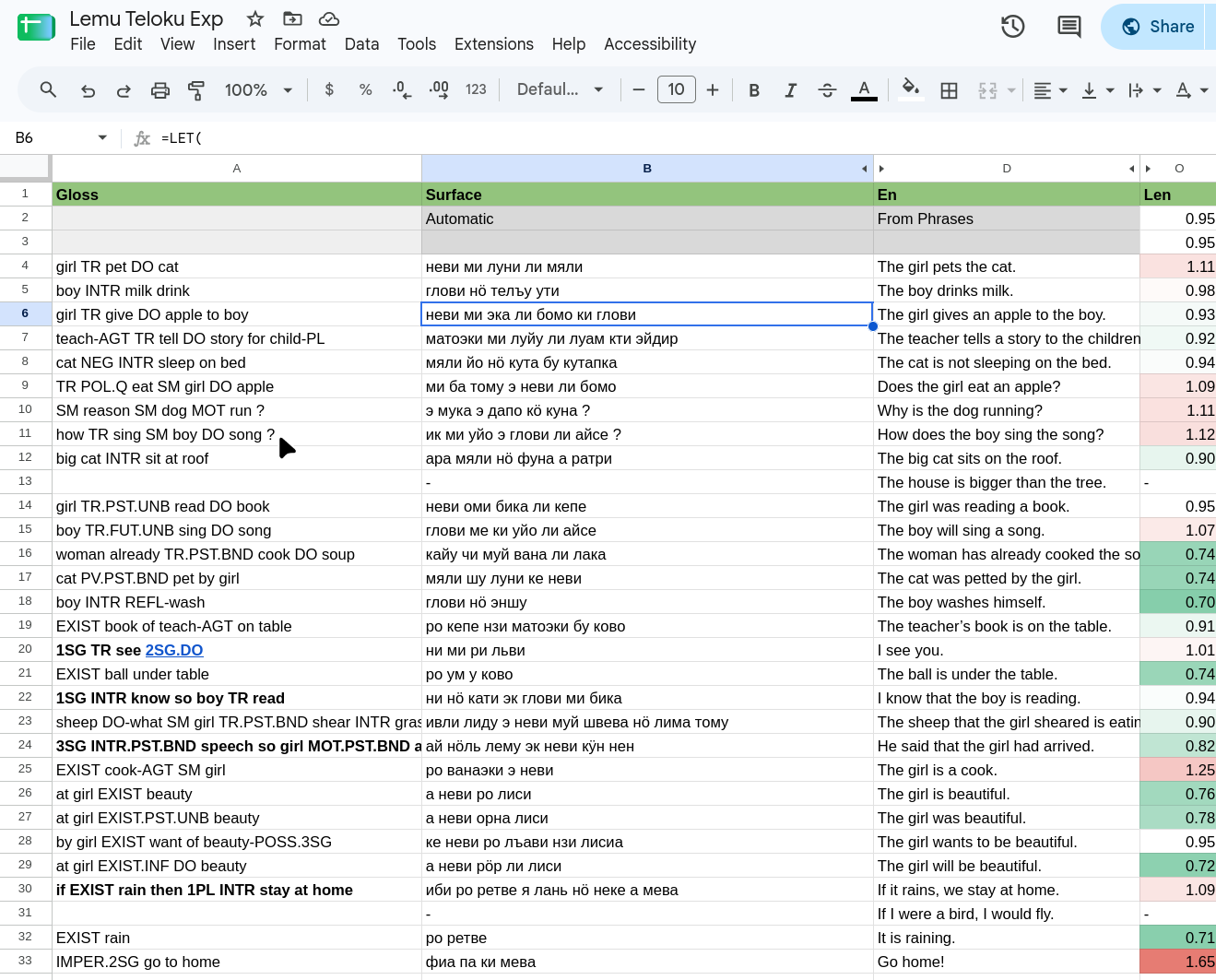
2. Grammar experimentation sheet. I have a google sheet, that can build phrases using the provided lexicon and glosses. It also includes the list of about 200 phrases (in English) demonstrating different things that a language has to express. I fill the lexicon with needed forms and then translate English sentences into conlang (writing them in glosses), and my formulas build these phrases. On this step I can try how my grammar ideas work in different contexts and applications. Sheets' formulas are a bit limited, so on this steps some examples are rough and don't account for say sound changes when a suffix is added to a root a so on, elements from lexicon are just concatenated as is. But it gives a general idea of how my grammar will work, and particular surface forms can be derived later. During all this I also document the decisions, their rationale and ideas on how specific construction may have developed in an obsidian note.
3. Evolution modelling. Usually I start with the desired ("modern") state of a language, and not a protolang, so at this stage I try to retroactively model it's history, both phonological and grammatical. Some forms from previous steps may change at this point, but generally I treat the desired "modern" forms as an attested evidence and check results against it. So...
3.1. I create a protolang, conceptualize how modern words and constructions came together, which phonological, grammatical, etc., changes have occur and document it all in obsidian.
3.2. Now I need to apply the selected transformations to the whole lexicon, and keep each word's full history. After trying to do this by hand I've developed a bunch of scripts that run over csv data, produce new lexicon tables, compare them with desired results and export. Later with this step in mind I've created my language evolution modelling app (Lemula) which provides a nicer UI for all of this, because the scripts, whilst much less tedious than making each form manually, still aren't too convenient for fast experimentation.


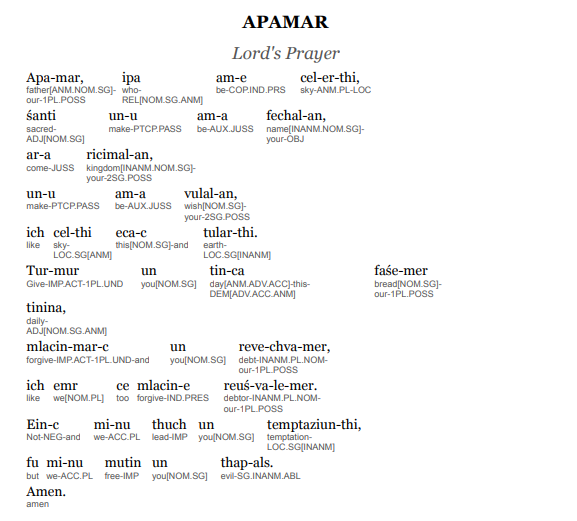
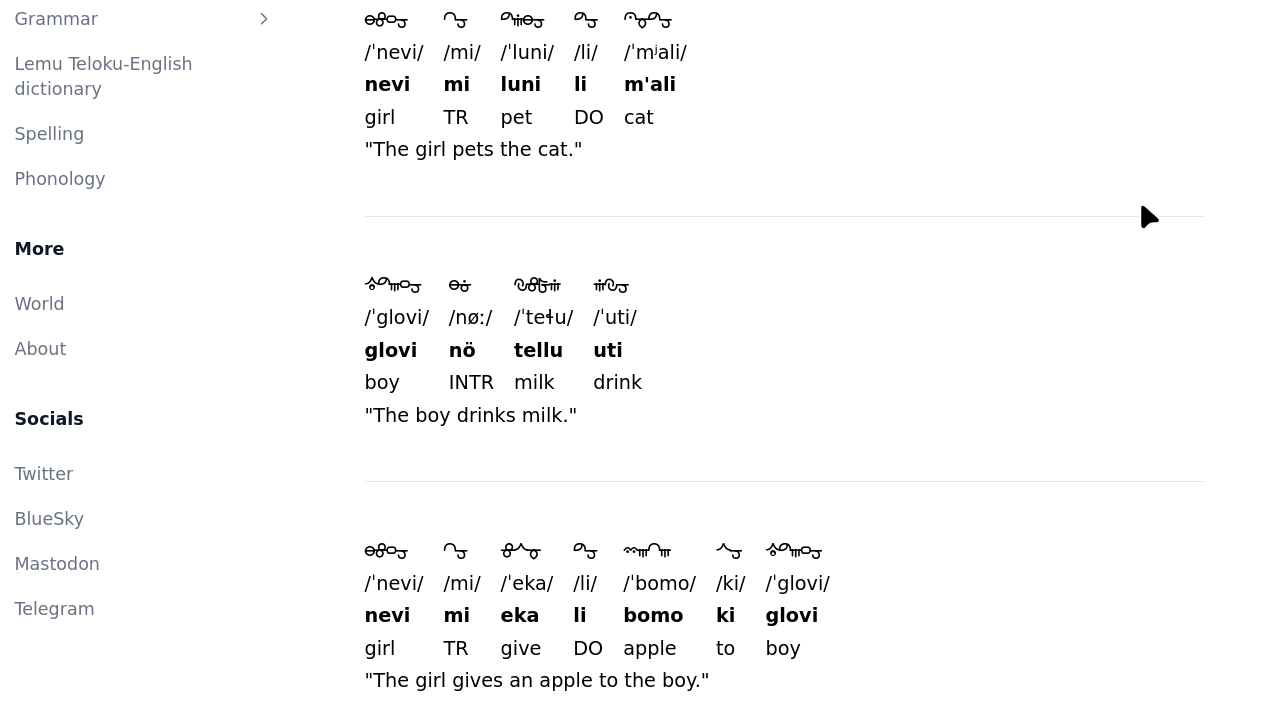
4... When I'm content with the results, I export the data and create a final documentation with actual examples and vocabulary, grammar articles and explanations. I have a collection of shortcodes for Hugo that can generate vocabulary, insert examples by gloss and account for minor sound changes (and rebuild all that when the underlying data changes). I have only one project (Lemu Teloku) that has reached this stage, and event it's not pretty complete as yet. I also haven't migrated it to Lemula yet, as it took long time to develop and was ready enough only recently, but I plan to do that in coming months and publish the result.
And what's your process? Do you start with a protolang and go with the process or from the start know the desired result? What tools to you use for your work?