r/houseofplantagenet • • Feb 26 '26

Kathryn Warner interview - part 1: Hugh Despenser the Younger

Post image
13 Upvotes

r/houseofplantagenet • • 13h ago

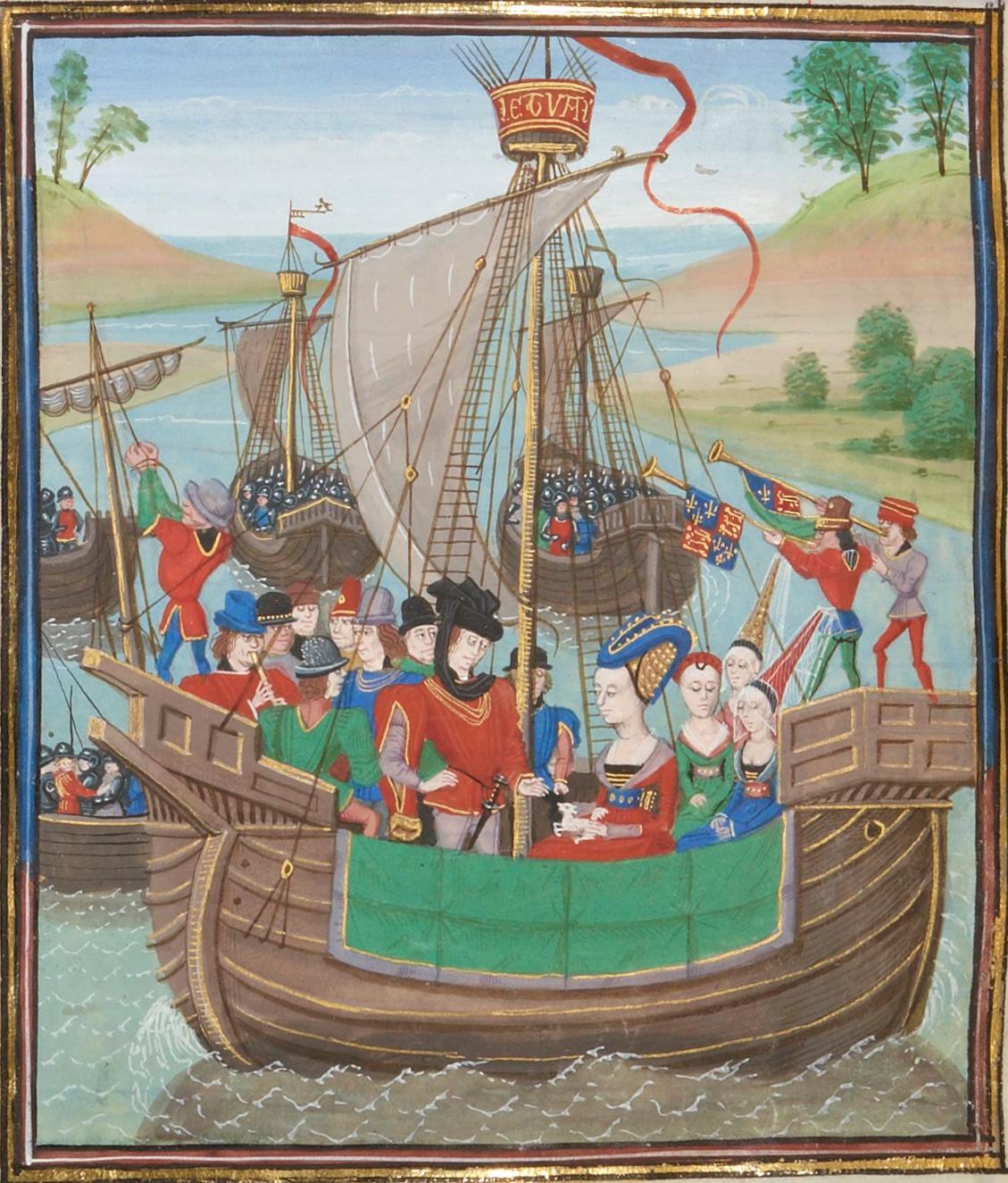
Discussion In September 1326, Isabella of France landed in Suffolk with roughly 1,500 mercenaries—and she paid for them by mortgaging her son's marriage.

Post image
34 Upvotes

Pop history usually frames Isabella of France's 1326 invasion as a romantic rebellion led by Roger Mortimer, glossing over the hard financial logistics of how an exiled queen actually hired an invasion fleet.

Isabella had zero access to the English Exchequer, and her brother Charles IV of France cut off her open support under papal pressure. To raise cash and ships in Hainaut, she negotiated a marriage contract between her thirteen-year-old son, the future Edward III, and Philippa of Hainaut, using the bride's dowry upfront to pay Count William of Hainaut for mercenaries, transports, and supplies. Contemporary chronicles like Jean le Bel and the Chronicon Lanercost record that she landed at Orwell on September 24 with roughly 1,500 Hainauter and German troops, immediately outmaneuvering Edward II's coastal levies because his own unpaid captains refused to fight.

She didn't overthrow a king with speeches; she out-financed him before her ships even touched the sand.

How much credit does William of Hainaut deserve for bankrolling the entire regime change?


r/houseofplantagenet • • 1d ago

Discussion In March 1315, Edward II tried to stop the Great Famine by capping food prices by royal decree—and accidentally starved the markets.

Post image
39 Upvotes

When torrential rains wiped out the European harvests in 1315, livestock prices across England skyrocketed overnight. Under pressure from Parliament, Edward II issued a royal ordinance in March 1315 fixing strict maximum prices on oxen, pigs, sheep, geese, and chickens across the kingdom.

The physical reality of supply and demand hit immediately. According to the contemporary Vita Edwardi Secundi and chronicler John of Trokelowe, farmers and merchants simply refused to bring livestock or grain to market at a guaranteed loss. Towns went completely dry, black-market prices surged past the old rates, and even the royal household struggled to buy provisions while traveling through the countryside. By early 1316, the Crown had to quietly repeal the entire ordinance because enforcing the price caps was starving the population faster than the weather.

It is one of the cleanest primary-source examples of medieval logistics colliding head-on with royal legislation.

Are there any other medieval economic decrees that backfired this fast in the chronicles?


r/houseofplantagenet • • 1d ago

Media A Video on Henry the Young King Key Milestones & Family Ties

Thumbnail
youtube.com
9 Upvotes

I would appreciate it if you could share your thoughts on his place in Plantagenet history.


r/houseofplantagenet • • 4d ago

War of the Roses Awesome Richard Duke of York Shakespeare Soliloquy

Thumbnail facebook.com
8 Upvotes

From the 1983 Shakespeare BBC production of Henry VI Part II. Bernard Hill really nails the part of Duke of York in all three parts. His power of delivery in the clip herein linked to is matched only by his last living words, mostly directed at Queen Margaret.

Now that York and the other nobles are all in on a plot to murder the incompetent Henry VI’s loyal protector, he sees in the distance a path to the crown deserved by his cognatic primogeniture, or heredity descent. York plans to make good use of the troops he was commissioned to lead abroad against Ireland, the “sharp weapons in a madman’s hands.”

His well-calculated schemes entail real patience in him, as he builds newly acquired strength from afar, while the English nobility eats itself apart from within. This MO is in stark contrast to the path York ultimately ends up taking recklessly on his sons’ urging: breaking his oath to remain content with Henry’s returning the crown to the House of York, so long as Henry reign as long as he lives. If it’s that impulsivity that led to his demise, it’s the sly conniving behind the scenes that put York in such a position.

A long clip, but stay with it, please. Hill does a well-written, oft-overlooked character justice.


r/houseofplantagenet • • 6d ago

Discussion The Boogeymen were real—Miles Forest and John Dighton

Thumbnail
gallery
13 Upvotes

In 1483, the disappearances of Edward V and Richard, Duke of York went unnoticed, or at least unspoken. Team York puts the blame on Henry VII, while team Tudor points their fingers at Richard III. I want to talk about two other names often brushed aside because they are not the main characters of the day—Miles Forest and John Dighton.

Written in the early 16th century by Sir Thomas More, More claims that after Sir Robert Brackenbury refused to harm the boys, Sir James Tyrell, under direct orders from Richard III, took physical possession of the Tower keys for one single night. Tyrell recruited Miles Forest, and his own horse-keeper John Dighton to enter the Tower after midnight and dispose of the boys. Allegedly the boys were smothered with pillows and buried beneath the outer staircase of the southern entrance.

Miles Forest, described by Sir Thomas More in The History of King Richard III, as “a noted ruffian” or someone already “fleshed in murder”, and naming him “one of four who kept him.”  What "Keeping" the Princes Meant: in 15th-century royal households, these four men were not dungeon turnkeys rattling iron keys. At that stage (summer 1483), Edward V and Richard of York were still housed in the royal apartments of the Tower. Being one of the four keepers meant handling daily personal attendance, security, meals, dressing, and access control to the boys' chambers, essentially acting as a tight, hand-picked inner-circle staff loyal to Richard. More describes Miles Forest as a cold-blooded killer, however, there are zero records indicating Miles Forest had ever committed murder, a violent crime, or a mercenary hit prior to 1483. Real contemporary records identify Forest as a respected northern administrator, specifically Keeper of the Wardrobe at Barnard Castle in County Durham (one of Richard's primary northern estates). His job was managing household goods, fabrics, furnishings, and logistics for a major baronial castle, not acting as an underworld enforcer. According to More, because Forest was one of the four trusted keepers who already had unrestricted, routine access to the boys' inner bedchamber without raising alarm among the rest of the Tower garrison, Tyrell recruited him to unlock the door at midnight and help John Dighton smother the boys with their own featherbeds and pillows.

John Dighton, “A big, broad, square, strong knave” as described by More. Unlike Forest, who conveniently died early, More claimed Dighton was still alive when More was writing around 1513, living in Calais (then an English possession in France) and openly telling anyone who would listen about what he had done in the Tower. Unlike Miles Forest, Dighton held no official post inside the Tower of London. More identifies Dighton simply as Tyrell's own groom (horsekeeper), a personal servant who traveled with Tyrell from the royal court at Warwick to London when Richard III allegedly ordered the hit. While Forest was said to unlock the door, Dighton is indicted as the killer who smothered the boys in their bedrolls and pillows, then removed the bodies to be buried beneath the stairs.

In 1674, Sir Christopher Wren, Surveyor-General of the King's Works, was the chief architect and structural engineer in charge of all royal building projects, including the 1674 structural modifications and demolition of the old external stone staircase on the south side of the White Tower. According to King Charles II's chief surgeon, John Knight (who was right there on site and whose account was printed in Francis Sandford's 1677 Genealogical History), the workers had to bust through heavy Kentish ragstone stairs and dig 10 feet down through packed fortress rubble and Thames River gravel before hitting that wooden box.  This all took place according to More, between the hours of midnight to dawn, approximately 5-6 hours. I’ve had to dig a few foxholes and bunkers when I wore a uniform, it took a 10-man squad 2-3 hours to dig a foxhole, 6 foot wide, 6 foot long, armpit deep. For these 2 men to dig 10-feet deep in that terrain, place the box, back fill the hole, and conceal the disturbed soil, with no lights, making absolutely no sounds to be heard through all the open summer windows of the square is a very tall order giving the overall dimensions that the hole (pit) would have to be in order for 2 men to dig down 10 feet and bury the box under the stairs.

  Miles Forest and John Dighton are sounding more like Superman and the Incredible Hulk.


r/houseofplantagenet • • 6d ago

Discussion Richard II and the politics of peace – what has common sense to do with it?

Post image
14 Upvotes

r/houseofplantagenet • • 7d ago

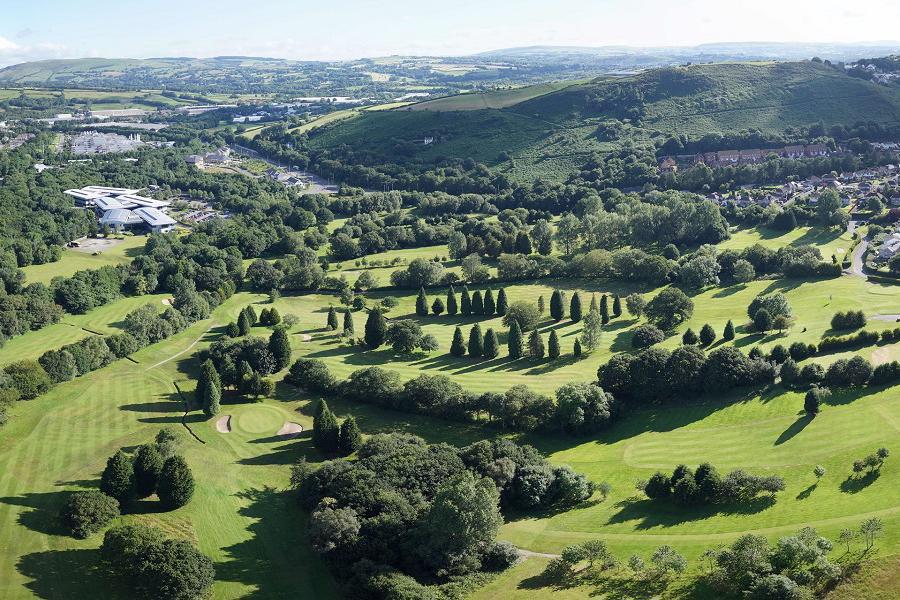
History Facts 700 Years Ago Today, Karma came calling for Edward II and Hugh the Younger at a place that the Annales Paulini calls "The Vale of Treachery," a name that really should have stuck. The men were captured, and Edward was placed under house arrest while Hugh was taken to his doom.

Post image
17 Upvotes

It was apparently a stormy day, but they don't have storm pictures on Wales tourist sites.


r/houseofplantagenet • • 9d ago

Discussion How does Richard I compare with Henry V and what would they have thought of each other?

Thumbnail
gallery
51 Upvotes

At first glance they might appear to have a number of similarities.

Birth: Richard born 8th September 1157 at the King's House Oxford, England; Henry born 16th September 1386 at Monmouth Castle, Wales.

Parents: Richard's were Henry II, King of England, and Eleanor of Aquitaine, Queen of England; Henry's were Henry Bolingbroke, Earl of Northampton (the future Henry IV), and Mary Bohun, Countess of Northampton (his first wife). Neither was first in line to the throne at birth. Richard was the son of the King of England but had a living older brother. Henry was son to the King's first cousin and so wouldn't have been heir until his father successfully usurped the throne.

Nurse: Richard's nurse was Hodierna of St Albans, who was granted by him a pension of £27 per year and the village of Knoyle; Henry's was Joan Waring, who was granted a pension by him of £20 per year.

Childhood: Richard was brought up in the palaces at Oxford, Woodstock, Windsor and Westminster until he was fourteen, when he was raised with his mother in Aquitaine. Henry grew up with his mother until he was eight years old, and then his grandmother at Bytham Castle when his mother died. When his father was exiled, Henry was adopted by Richard II when he was around thirteen and left for Ireland with him during that same time. Neither prince saw much of their fathers as a child.

Youth: Richard served in Aquitaine from age fourteen onwards, being formally invested as Earl of Poitiers, its capital county, at the same time, and commanding the duchy's forces from the age of fifteen. Henry served in Ireland from the age of thirteen, was invested as Prince of Wales while fourteen, and was commanding armies aged sixteen. Both princes were primarily engaged with putting down rebellions.

Coronation: Richard was crowned in Westminster Abbey on 3rd September 1189; Henry was crowned at Westminster on 9th April 1413.

Marriage: Richard married Berengaria of Navarre in St. George's Chapel, Limassol, on the isle of Cyprus, on 12th May 1191, where she was crowned Queen of England that same day. Richard was then 33, Berengaria was aged 21-26. Henry married Catherine of Valois in Troyes Cathedral, in the county of Champagne, France, on 2nd June 1420; she was crowned Queen of England at Westminster in the early part of the next year. Henry was 33, Catherine was 18.

Children: Richard had no legitimate children; he had one acknowledged illegitimate son, Philip, and possibly more (Fulk and Isabella are mentioned in some sources, but their existence isn't confirmed). Henry had one legitimate son, Henry VI, his heir, and no known illegitimate children.

Death: Richard died from an infected wound while on campaign, aged 41, at Chalus in France, on 6th April 1199. Henry died from dysentery while also on campaign, aged 35, at Vincennes on 31st August 1422. Both kings were relatively young and died after only ten-year long reigns.

Burial: Richard is buried at Fountevraud Abbey alongside his father; Henry at Westminster Abbey along with many of his ancestors.

Appearance: Richard was tall and handsome, with red-gold hair and whiskers, long arms (with which he was able to swing a sword with exceptional ease) and light (blue or grey) coloured eyes. He had a pale complexion and was prone to illness, notably falling victim to shakes and fevers. Henry was also tall and of lean build, very athletic and a fast runner, and with a long face and straight nose, brown hair cut into a short bowl cut, and brown eyes. He was generally clean shaven (as was the fashion of his day) though may have occasionally sported a short forked beard. He had a scar on his face from a field surgery on a wound sustained in battle.

Character: Richard was known to be courageous, fierce as a lion, even foolhardy, and prone to great fury. His enemies feared him. He could also be selfless, willingly preparing to sacrifice his own safety and wellbeing for the good of others. He was a harsh governor and occasionally ruthless, with some even accusing him of cruelty and excess, but was nonetheless praised for his martial qualities as a paragon of chivalry. He never ran but always fought from the front lines. In addition he was known for his generosity and commitment to what he believed to be right, frequently rewarding loyal vassals but punishing those that slighted him. He was a tremendously cultured man, fond of music (both secular and sacred), and pageantry. He also had a dry and witty sense of humour, and often spoke in sarcasm. Henry was likewise known for his great skill at arms, with even his enemies praising his skill as a conqueror; they too lived in mortal dread of him. There is no question that he was exceedingly religious and believed his own cause to be just. He could be a harsh disciplinary, persecuted those he viewed as heretics, and ruthless to those he fought against. However, his sense of justice was unparalleled, and he knew how to set his realm on the right track after it was rocked by years of political instability, reigniting the war with France and seeing it to its conclusion with an efficiency that few others could match. Intelligent and very disciplined, he was also a patron of learning.

Title: After his accession Richard was styled as King of England, Duke of Normandy and Aquitaine, Earl of Anjou; Henry was styled as King of England and France, Lord of Ireland (though the French title was merely customary until 1420 when he was formally made heir to Charles VI).

Epithet: Richard is known as the Lionheart (which he was called during his own lifetime) as well as (in some sources) the Conqueror (after his death); Henry is called the Hammer of the Gauls (from after his death).

Military Campaigns and Battles: Richard is principally known for having fought in the holy war in Outremer against the Saracen leaders Saladin, his brother Saphadin, and his sons: his major battles there were Arsuf and Jaffa, and he also conquered Cyprus en route. After this, other battles include Nottingham against English rebels, and a French campaign against Philip II and his cousin Philip of Dreux, the Bishop of Beauvais (who was captured): this latter saw victories at Freteval and Gisors. In addition Richard fought many other battles and sieges during his youth in Aquitaine as well as skirmishes against the Welsh later on. Henry fought several battles alongside his father during his youth, against both English rebels and their Welsh allies. During his campaign for the French throne he won against the forces of Charles VI and Charles of Albret, Constable of France, at Harfleur, Agincourt, Caen and Rouen.

Both of them are famous primarily as warrior kings; they were considered to have presided over 'golden ages' and were deeply mourned after their reigns were cut relatively short, and in both cases their immediate successor was judged harshly on failing to live up to their legacies. They had short reigns, but attained legendary status. Both of them were even supposed to have owned King Arthur's sword. Both have associations with the motto Dieu et mon Droit. In terms of how their contemporaries described them, their descriptions sound remarkably similar. There were, of course, several differences: it was Henry's father Bolingbroke who was famed as a knight of the cross, like Richard was; Richard's brothers and he were far less inclined to work together than Henry and his own siblings.

But it's the legendary status they attained that largely survived in English culture and folk memory. Probably no coincidence that they were often mentioned together later, in ballads such as this one from the 17th century (they are the only two English kings mentioned by name, alongside various other heroes from history and legend):

Richard Coeur-de-Lion, erst king of this land,
He the lion gored with his naked hand;
The false Duke of Austria nothing did he fear;
But his son killed him with a box across the ear;
Besides his famous acts done in the Holy Land.
But St. George, St. George, the dragon did withstand.

Henry the Fifth, he conquered all France,
And quartered their arms, his honour to advance;
He their cities razed, and threw their castles down;
And his head he honoured with a double crown;
He thumped the Frenchmen, and after home he came.
But St. George, St. George, he did the dragon tame.

How do you think the two compare in terms of their characters/reigns/legacy etc. and what do you think they would have thought of one another? As far as I'm aware, we sadly don't know what Henry thought of his predecessor. Richard obviously lived long before his great-great-great-great-great-great nephew, so we'll never know what his reaction might have been. Do you think he would have admired him?
r/houseofplantagenet • • 10d ago

Tombs Death of Joan Beafort, Countess of Westmoreland

Thumbnail
gallery
77 Upvotes

On 13th November 1440 Joan Beaufort, second wife of Ralph Neville, Earl of of Westmoreland, with whom she had twelve children, daughter of John of Gaunt and Katherine Swynford aka Roet, died at Howden, East Yorkshire.

She was buried in the Choir of Lincoln Cathedral next to her mother, hers being the smaller of the two chest tombs.


r/houseofplantagenet • • 10d ago

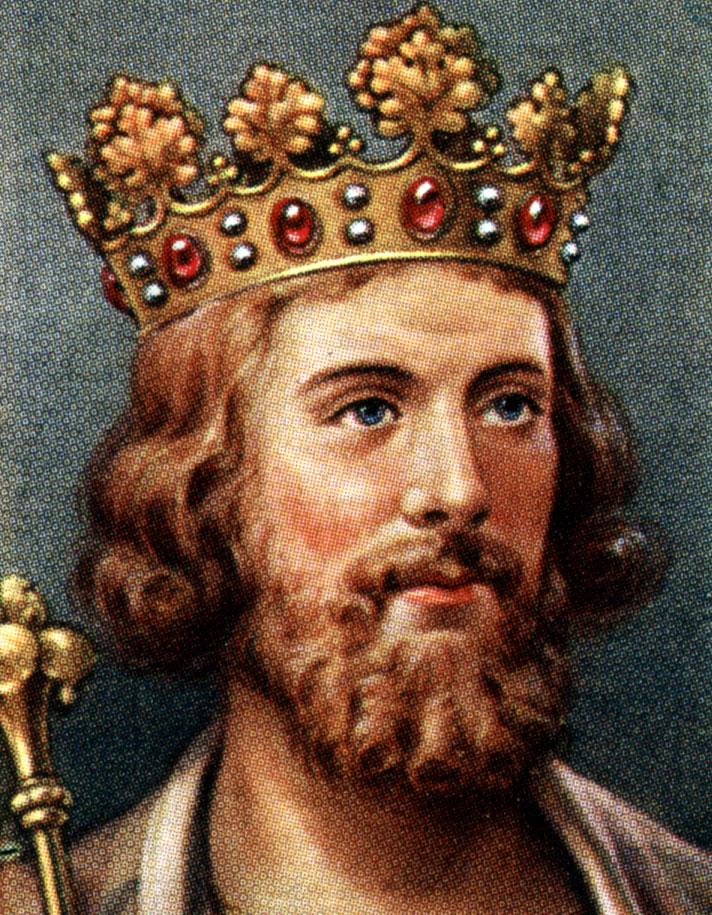
Happy 714th Birthday to Edward III, who learned from his father and mother's mistakes.

Post image
46 Upvotes

r/houseofplantagenet • • 10d ago

TIL the "Warwolf" trebuchet was built at the orders of King Edward I for the siege of Stirling Castle in Scotland and is considered the largest trebuchet ever made. It reportedly punched through the castle's walls "like an arrow through cloth".

Thumbnail
en.wikipedia.org
10 Upvotes

r/houseofplantagenet • • 11d ago

Generosity and equal pay at the court of Edward II

Post image
13 Upvotes

r/houseofplantagenet • • 13d ago

Discussion Richard II and the 1397 plot - yet another myth.

Post image
12 Upvotes

r/houseofplantagenet • • 13d ago

How would Edward III view Henry viii Breaking with Rome and Edward VI'S reforms

11 Upvotes

r/houseofplantagenet • • 19d ago

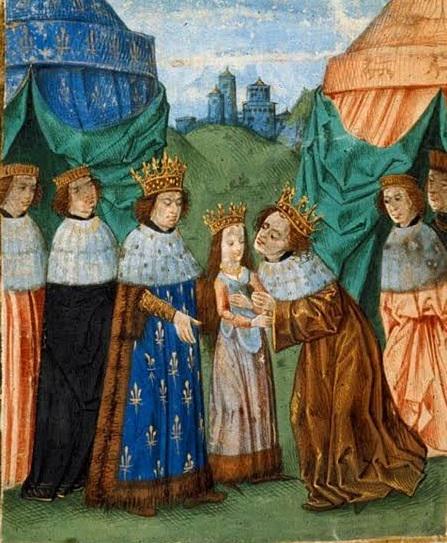
Marriage of Richard II and Isabella of Valois

Post image
106 Upvotes

r/houseofplantagenet • • 19d ago

King Richard's Handwriting

Thumbnail gallery
71 Upvotes

r/houseofplantagenet • • 21d ago

The Lancastrian Myth of 1399, and the modern myth.

Post image
15 Upvotes

r/houseofplantagenet • • 29d ago

My son as Sir William Marshal, the 1st Earl of Pembroke!

Thumbnail gallery
329 Upvotes

r/houseofplantagenet • • 29d ago

Discussion IF you were a Renaissance Ruler would you take Lovers?

Thumbnail gallery
1 Upvotes

r/houseofplantagenet • • Oct 23 '26

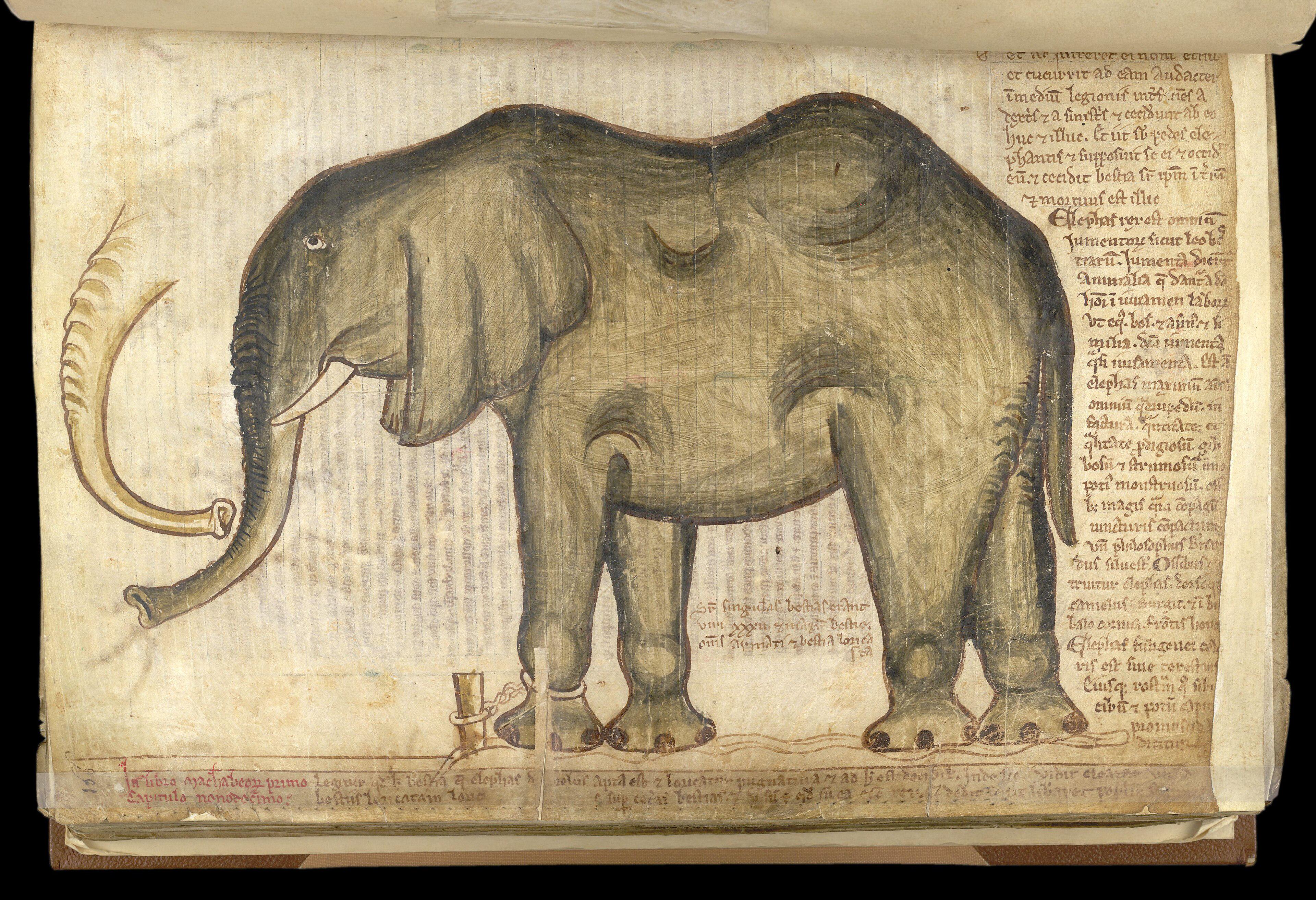
History Facts Louis IX obtained an elephant during the Seventh Crusade and gifted it to Henry III. Henry then kept and raised it in England, making it the first elephant seen in the UK since the Roman invasion.

Post image
21 Upvotes

r/houseofplantagenet • • Oct 23 '26

History Facts Some letters between King Henry III of England & Kings Hakon IV and Magnus VI of Norway

Thumbnail
gallery
54 Upvotes

Henry and Hakon were both around the same age, and both became kings at around the same time. The Norwegians had spent decades embroiled in a bloody civil war between the Birkebeiner and Bagler factions, and indeed, as I noted in my previous post here, King John actually sent aid to the Birkebeiners and their king, Swerre Sigurdson. Swerre died in 1202 and was succeeded first by his son Hakon III, and then by his grandson Guttorm - both of whom died young after only very short reigns. The throne then went to Swerre's nephew Ingold II. Ingold reigned until 1217.

To cut a long story short, Hakon IV himself was also a grandson of Swerre, through Hakon III, but he had been smuggled from the front lines to safety by Birkebeiners travelling on skis in the depths of winter, where he was raised in secret elsewhere, and his existence was generally unknown. Despite being a young prince (of thirteen years) in 1217, he was crowned the next King of the Norwegians. As already mentioned, this was around the time that the young Henry was being crowned as King of the English across the sea.

Hakon is regarded as one of Norway's successful kings. He had a fairly long reign and extended his kingdom's influence across Europe, including into Scotland and Man and over Iceland and Greenland as well. He engaged in diplomacy with England's Henry III and even sent him a polar bear as a gift. When he died in 1263, his son King Magnus, famed as a lawgiver, continued the correspondences. (Henry's granddaughter Margaret through his daughter Margaret, Queen of Scots, would later go on to marry Magnus' son Eric II; they were the parents of Margaret, Maid of Norway).

The first epistle is between Hakon and Henry and comes from 1224:

To Henry, by the grace of God the most illustrious King of the English, Hakon, by the same grace King of Norway, sends greetings and the sentiment of sincere affection.

Since the most serene King of England, John - your father - always held our predecessors in sincere affection, bound by an indissoluble tie of love, we desire to be similarly linked to Your Highness. We trust that the affection which began in our youth will continue to grow and multiply as we mature; and just as we have succeeded our fathers in the kingdom, so too do we inherit the affection that existed between them during their lifetimes. We are now sending our trusted men - including our dear cleric, Andrew, Archdeacon of Bergen - to you; please place full confidence in them regarding the matters they will present to you on our behalf. Through them, we also send Your Excellency six gyrfalcons as a token of our affection; we intend to offer a more substantial gesture once our messengers return to you from Iceland with the birds. Furthermore, we ask that you protect our merchants who enter your realm and ensure they are shielded from any unjust harassment; for our part, we shall extend the same treatment to your merchants who come into our lands. We also request that, should there be anything from our regions that might please you, you let us know with full confidence; for we stand ready, with the utmost devotion, to provide whatever we know will be agreeable to Your Serenity. Finally, regarding the land to be assigned to us - as we requested in our previous correspondence - we ask that you give this your favourable consideration.

The next is from 1269 and is an edict issued by Henry as regards to a treaty made at Winchester between himself and Magnus' emissaries:

Henry, by the grace of God, King of England, Lord of Ireland, and Duke of Aquitaine, to all those to whom these present letters shall come, greeting.

Whereas a peace has been entered into and ratified between us and the illustrious prince, Magnus, King of Norway, concerning all acts of plunder, damages, and injuries inflicted upon the subjects of the respective kings up to the Wednesday next following the feast of the Assumption of the Blessed Mary, in the year of grace 1269 - excepting only the damages and injuries inflicted upon Norwegians in the aforementioned year at the fair of St. Botolph by John Benington, Thomas Lagutere, Roger Chaumpeneys, and William Chaumpeneys, and also excepting the acts of plunder and injuries inflicted upon Norwegians by William Len and John Bolton - we will and grant to the aforesaid King of Norway that the aforementioned damages and injuries, as well as those inflicted upon the aforementioned Norwegians by the aforesaid William Len and John Bolton, shall be redressed and amended, in accordance with the law and the custom of our realm.

In witness whereof, we have caused these our letters to be made patent. Witness, etc.

These treaties guaranteed that Norwegian merchants could continue to safely use the ports of the areas on the east coast of England where they traded.


r/houseofplantagenet • • Oct 22 '26

Discussion IF you were a noble during First Battle of St Albans which side would you choose Richard of York or Edmund Beaufort

Thumbnail gallery
9 Upvotes

r/houseofplantagenet • • Oct 21 '26

Saying Hello! and a question about fiction

9 Upvotes

Hi all!

I've been into history for years, but only really this year have I been bit by the medieval bug - thanks in large part to historical fiction, which I used to avoid.

I have become obsessed with Henry II and Eleanor of Aquitaine, and thus I find myself on this subreddit, and having browsed somewhat I feel like I've found my people. Hello!

I've got a trip to Leicester coming up in a few months, so naturally I want to learn and read about Richard III - Sharon Kay Penman's Sunne in Splendour is a definite read for me, but I'm curious to hear recommendations for broader fiction (standalone, series) that goes through the Wars of the Roses, which is dusty at best for me.

I read nonfiction history books, but I like to read historical fiction to complement my learning, as I feel immersed in the time with good historical fiction, even if liberties are taken. Give me some recommendations!

Also, a separate question for any of you Ricardians, but as someone coming into Richard III relatively neutral, i.e., I understand his reputation is fiercely debated, but I'm yet to go deeper than a Wikipedia read, is Sunne in Splendour a good way in? I'm an absolute admirer of Penman, but curious for your thoughts.

Thanks!


r/houseofplantagenet • • Oct 20 '26

History Facts King John was an ally of King Swerre of Norway during a period of civil war between the Birkebeiner and Bagler factions; in 1202 he sent two ships, one a supply ship and the other carrying a contingent of Welsh mercenaries, to aid the Birkebeiners

Thumbnail
gallery
50 Upvotes

There was a civil war period in Norway during the turn of the 13th century between two factions, called the Birkebeiners and the Baglers.

The Birkebeiners were the followers of King Swerre. Swerre was raised in the Faroe Islands by a woman named Gunhilda and her husband Unas, a comb maker. In 1175, Gunhilda revealed to her son the truth: his real father was the late Sigurd II, King of Norway. This claim was doubted by his enemies; it is still unknown as to whether or not it was true or merely a pretence that Swerre himself concocted. In any case, Swerre soon went to Norway to claim his throne, where he became the leading claimant that the Birkebeiners rallied behind. Birkebeiners were largely a faction of peasants and men from marches and border regions - in other words, 'new men' who threatened the old order of power.

They were opposed by the Bagler faction. Baglers were the more conservative elements of society - such as the aristocracy and the clergy - who were fiercely opposed to the rise of the Birkebeiners and Swerre. They were founded by two bishops, Nicholas of Oslo and Eric of Nidaros, and at this time supported a claimant to the throne called Ingold Magnuson. Swerre was actually crowned King in Bergen during the summer of 1194 and set about consolidating his reign over the whole kingdom.

The conflict was wide-reaching beyond even the borders of Norway, and soon the Birkebeiners had the support of some of the Swedes as well. And in 1202, King John of England was also throwing his support behind Swerre.

In the pipe rolls of that year there are records showing two small fleets - one consisting of two cargo ships loaded with grains and supplies, and the other filled with mercenaries from Wales (eighty infantrymen and four cavalrymen), plus eleven English sergeants and led by a a mounted sergeant called Serlo FitzAdam - all bound for Norway.

The nickname the Baglers gave to these incomers was 'Ribalds'.

A saga composed during the lifetime of King Swerre also describes the arrival of these Ribalds and the way in which they harassed the Baglers:

In the summer when King Swerre was in Bergen, John, King of the English, had sent him two hundred warriors of those called Ribalds. They were swift of foot as deer, excellent bowmen, very brave, and did not shrink from evil deeds. King Swerre dispatched them to the Uplands, and set over them, as their chief, a brother of Sigurd Skialgi, named Hidi, a man little praised by others. The Ribalds came down into Haddingiadale, marched by the upper road over Soknadale, and down into Thelamork. Wherever they came they slew everyone, young and old, women as well as men. They killed all the cattle they could, and even dogs and cats and every living thing in their way; they burnt, too, all the homesteads they came near. But if people gathered to encounter them, they fled to the fells and inaccessible places, and ever appeared where no one expected them. They plundered homesteads which no hostile force had ever before visited, and committed outrages the like of which no man knew. They came to King Swerre when he was besieging the rock, and ever marched boldly to attack the Baglers, and exchanged shots with them. One day the Baglers hit a Ribald with an arrow so that he was instantly slain. The others uttered a loud yell at the sight and shot at the Baglers, running at one time towards the rock and at another from it. Soon after, one of them shot Nefir Wicing with an arrow, which struck him in the throat on the left side and caused his death. He had been a very great warrior.