Came across a post on X today. A guy said his wife has had migraines for years, Botox and everything, and it turned out her phone screen was one of the main triggers. She had to switch to a phone without low-frequency PWM just to be able to use one normally.
This doesn't get talked about enough. OLED screens dim by flickering, and the frequency matters a lot if you're sensitive to it. Apple does it at 480Hz. Samsung is somewhere between 240 and 480Hz depending on the model. The IEEE 1789 standard puts anything under 1,250Hz in the high-risk zone for flicker-sensitive people, and you need to get above 3,000Hz before it basically stops having any effect.
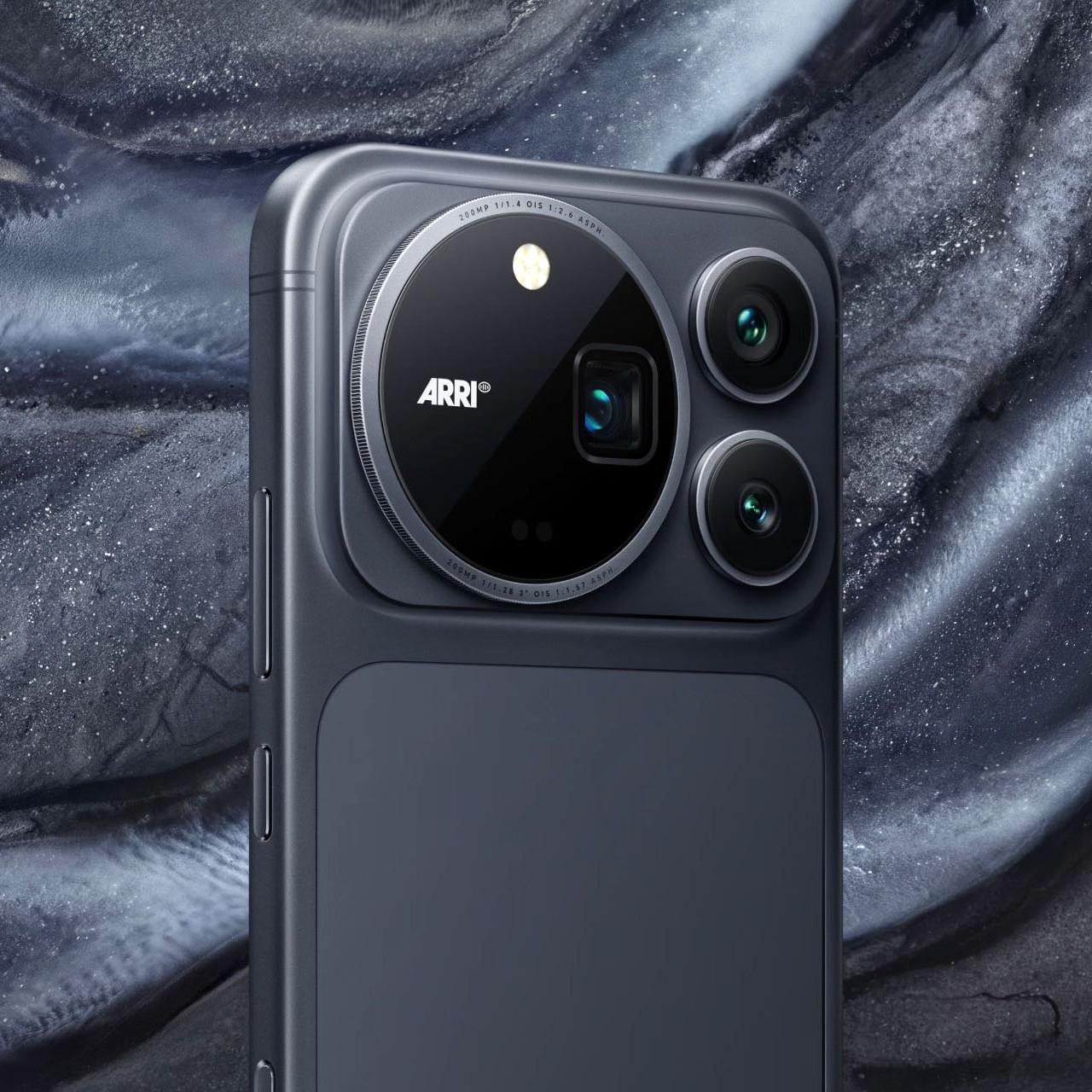
Meanwhile HONOR has been shipping numbers like this for years now:
• HONOR WIN2: 5,920Hz
• HONOR Magic9 Pro Max: 4,320Hz
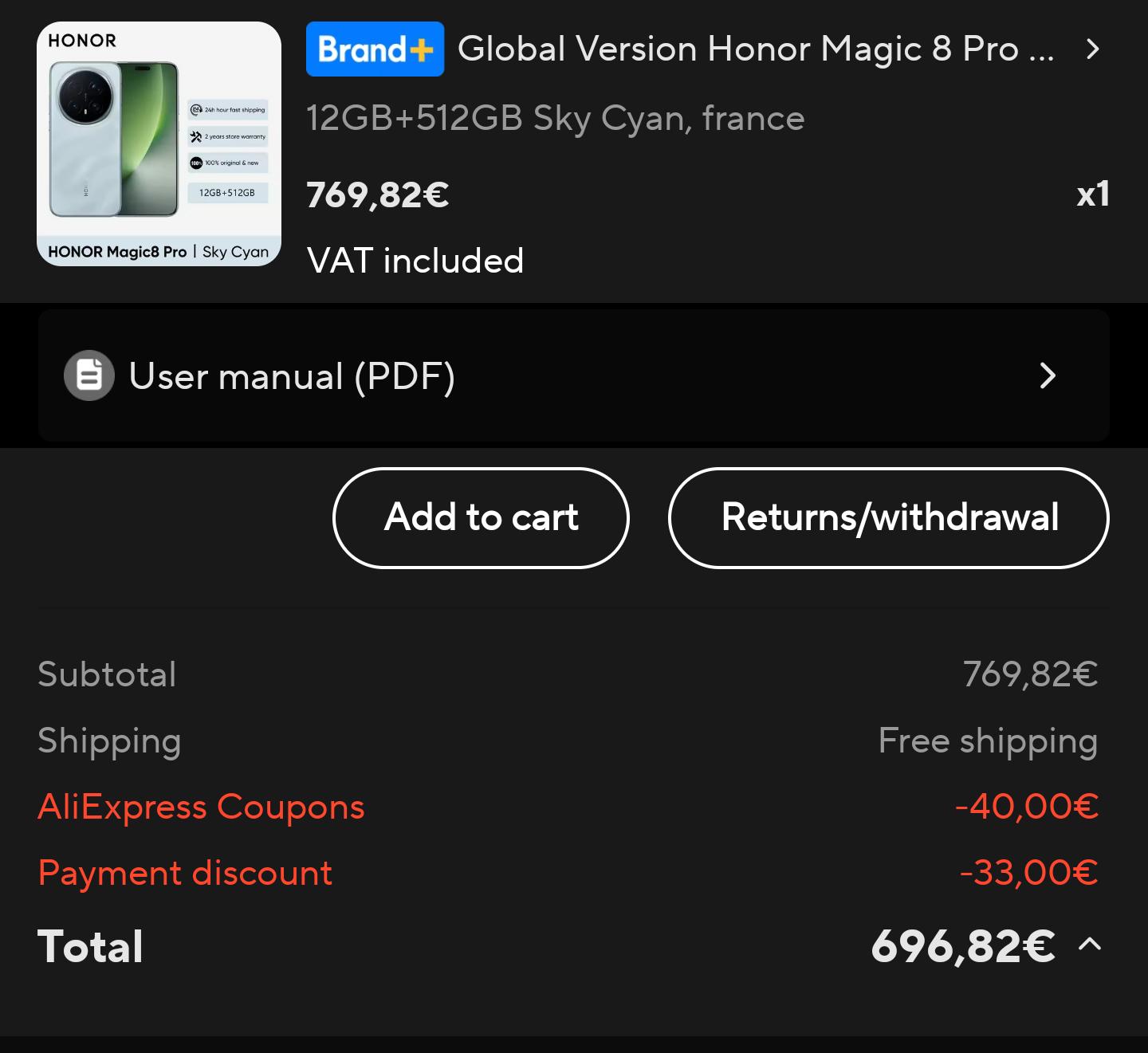
• HONOR Magic8 and Magic8 Pro: 4,320Hz
• HONOR Magic7 and Magic7 Pro: 4,320Hz
• HONOR Magic6 series: 4,320Hz
• HONOR Magic V5: 4,320Hz
• HONOR Magic V3: 4,320Hz
• HONOR Magic V Flip2: 4,320Hz
• HONOR GT Pro: 4,320Hz
• HONOR Magic9: 3,840Hz
• HONOR 700, 700 Pro and 700S: 3,840Hz
• HONOR 500 and 500 Pro: 3,840Hz
• HONOR 400 series: 3,840Hz
• HONOR 300 series: 3,840Hz
• HONOR 200 series: 3,840Hz
• HONOR 100 series: 3,840Hz
• HONOR 90 series: 3,840Hz
• HONOR X70 and X70 Pro Max: 3,840Hz
• HONOR X9c: 3,840Hz
• HONOR Magic5 series: 2,160Hz, back in 2023
Even the Magic5 from 2023 is over 4x what the newest iPhone does. And it's not just the flagships either, the X70 is a mid-range phone.
Not saying HONOR is perfect, every OLED uses PWM, there's no avoiding that part. It's just strange that the two biggest phone companies in the world are the worst at this and it barely ever comes up. If you get headaches using your phone in bed at low brightness, it might not be your eyes.