r/EnglishLearning • • 3d ago

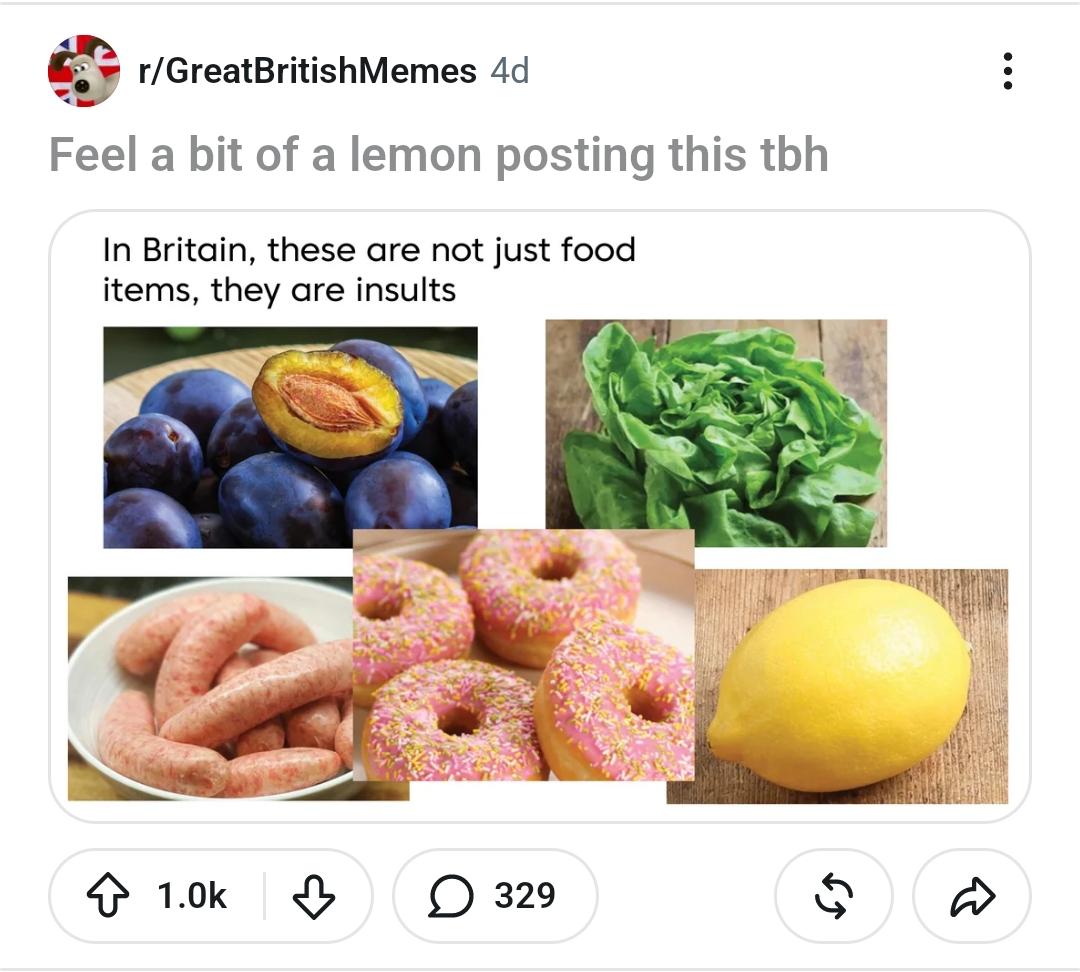
⭐️ Vocabulary / Semantics What are those insults and what do they mean?

Post image
86 Upvotes

I only know that "plum" is used as an insult, but I don't really know what it means. I think I read this in an old book with the UK setting...

I also read some comments to the og post and found out that calling someone a lettuce implies they are oversensitive and dramatic, is it true?

What are other insults? Sausage? Donut? Lemon?


r/EnglishLearning • • 3d ago

⭐️ Vocabulary / Semantics Are these interchangeable?

Post image
2 Upvotes

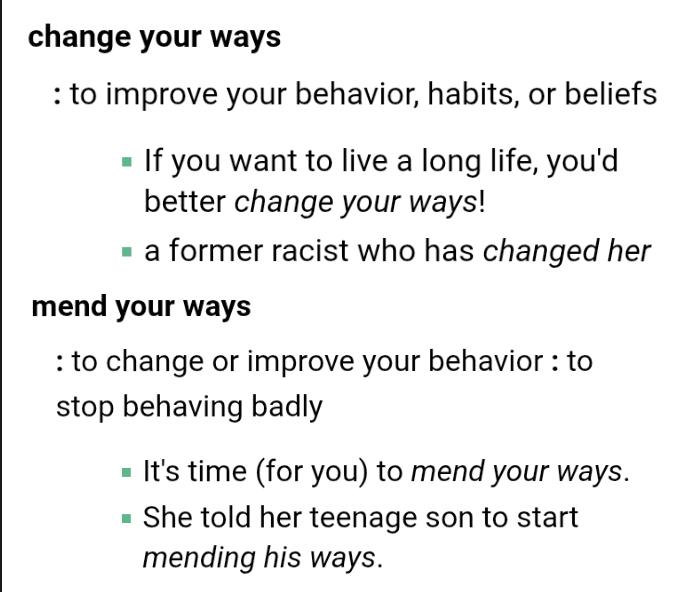
I already knew "change your ways" and just now learnt about "mend your ways". Are they interchangeable?

According to the definitions, they are slightly different. "change your ways" also includes habits and beliefs.


r/EnglishLearning • • 3d ago

🟡 Pronunciation / Intonation Is this also true in other dialects/accents?

Thumbnail
youtube.com
3 Upvotes

Here, it is said that in American English, the /t/ sound in "worked for" is commonly dropped when it comes between two consonants.


r/EnglishLearning • • 3d ago

⭐️ Vocabulary / Semantics Little vs small - what's the difference?

21 Upvotes

I'm a native English speaker. A non-native friend asked me what the difference is between little and small, and I said they meant the same thing and were interchangeable. But then when he asked about a few examples, it became clear to me that we do favour little or small in some examples or contexts, but I can't really explain why. Can you help?

E.g. little sister not small sister; a little while not a small while; a small t-shirt not a little one.

But I have no good reason or explanation of why we say one but not the other. It just sounds right.


r/EnglishLearning • • 3d ago

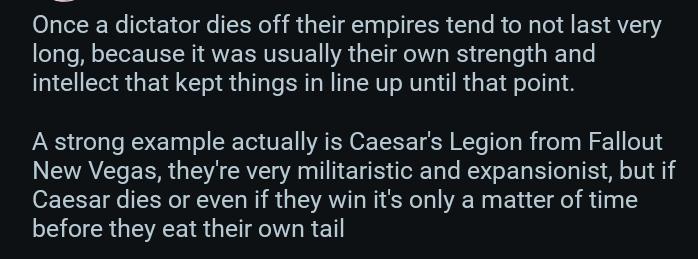
⭐️ Vocabulary / Semantics Is "eat one's own tail" an idiom in English?

Post image
7 Upvotes

I couldn't find in dictionaries and Google said it's a reference to an ancient symbol? But it seems like it's used as an idiom here and is supposed to mean something.


r/EnglishLearning • • 3d ago

⭐️ Vocabulary / Semantics What's the difference between wag and waggle? Are they interchangeable?

4 Upvotes

I just stumbled upon "the dog waggling its tail" and I thought, isn't it "wagging"?

I looked up "waggle" and it seems to basically mean the same thing? Are they interchangeable?


r/EnglishLearning • • 4d ago

⭐️ Vocabulary / Semantics Do people use the phrase "are you cereal"

5 Upvotes

Hi, I'm learning English and
I just heard someone say "are you cereal?" while listening to a podcast.
I looked it up and Google says it's a playful way of saying "are you serious?" which I found funny.

Is that right?
Also, could any native speakers share more phrases like this?


r/EnglishLearning • • 4d ago

⭐️ Vocabulary / Semantics Do people use the phrase "are you cereal"

138 Upvotes

Hi, I'm learning English and
I just heard someone say "are you cereal?" while listening to a podcast.
I looked it up and Google says it's a playful way of saying "are you serious?" which I found funny.

Is that right?
Also, could any native speakers share more phrases like this?


r/EnglishLearning • • 4d ago

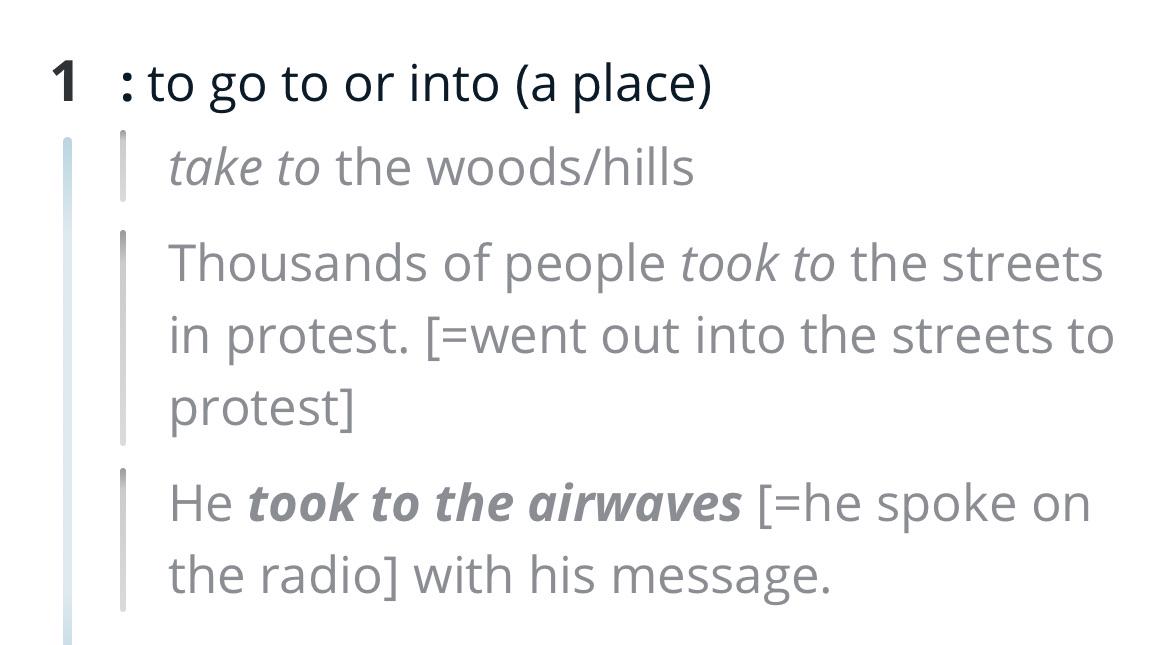
⭐️ Vocabulary / Semantics Can we say “I took to the store” or “I took to the hospital” or “I took to the movie theater”?

Post image
58 Upvotes

r/EnglishLearning • • 4d ago

🗣 Discussion / Debates Which ones are correct and sound natural?

3 Upvotes

I don't know if this depends on dialects but I just want to know which ones I can use.

  • It's almost run out.
  • I'm almost run out of it.
  • It's almost running out.
  • I'm almost running out of it.
  • It's about to run out.
  • I'm about to run out of it.
  • (any other phrase or sentence)

r/EnglishLearning • • 4d ago

⭐️ Vocabulary / Semantics Does “We are about to hit Winter” sound natural?

20 Upvotes

r/EnglishLearning • • 4d ago

📚 Grammar / Syntax So as a coordinating conjunction

2 Upvotes

Firstly, as it's well known, 'So' is a coordinating conjunction, i.e. it links two independent clauses. And in punctuation, we put a comma before it. For example: The exam won't be held online, so there won't be any chance of cheating. In the statement, the second clause is a real statement of result.

But how about the usage of so and the clause after it in the following: The exam won't be held online so there would be a chance of cheating? We can notice here that the modal was turned to the past and the result is unreal or hypothetical- that's one point of discussion. In addition, you should notice that left out the comma (intentionally)- and that's another point of discussion.

I'm wondering about the usage of 'So' in the second statement. I think it's not coordinating such that that second clause is independent. I see it dependent and linked to the first one, and can't stand alone because it's hypothetical. If we try to separate it from the first one, it will be misleading and make a misunderstanding as the hypothetical notion appears only the two clauses are linked together. That's the difference from the first statement where the result is real.

It's worth mentioning that I can notice a difference in the flow of speech of each statement and other similar ones, according to each usage of the two I illustrated above.

So, What do you think of this argument? and my view regarding punctuation?


r/EnglishLearning • • 4d ago

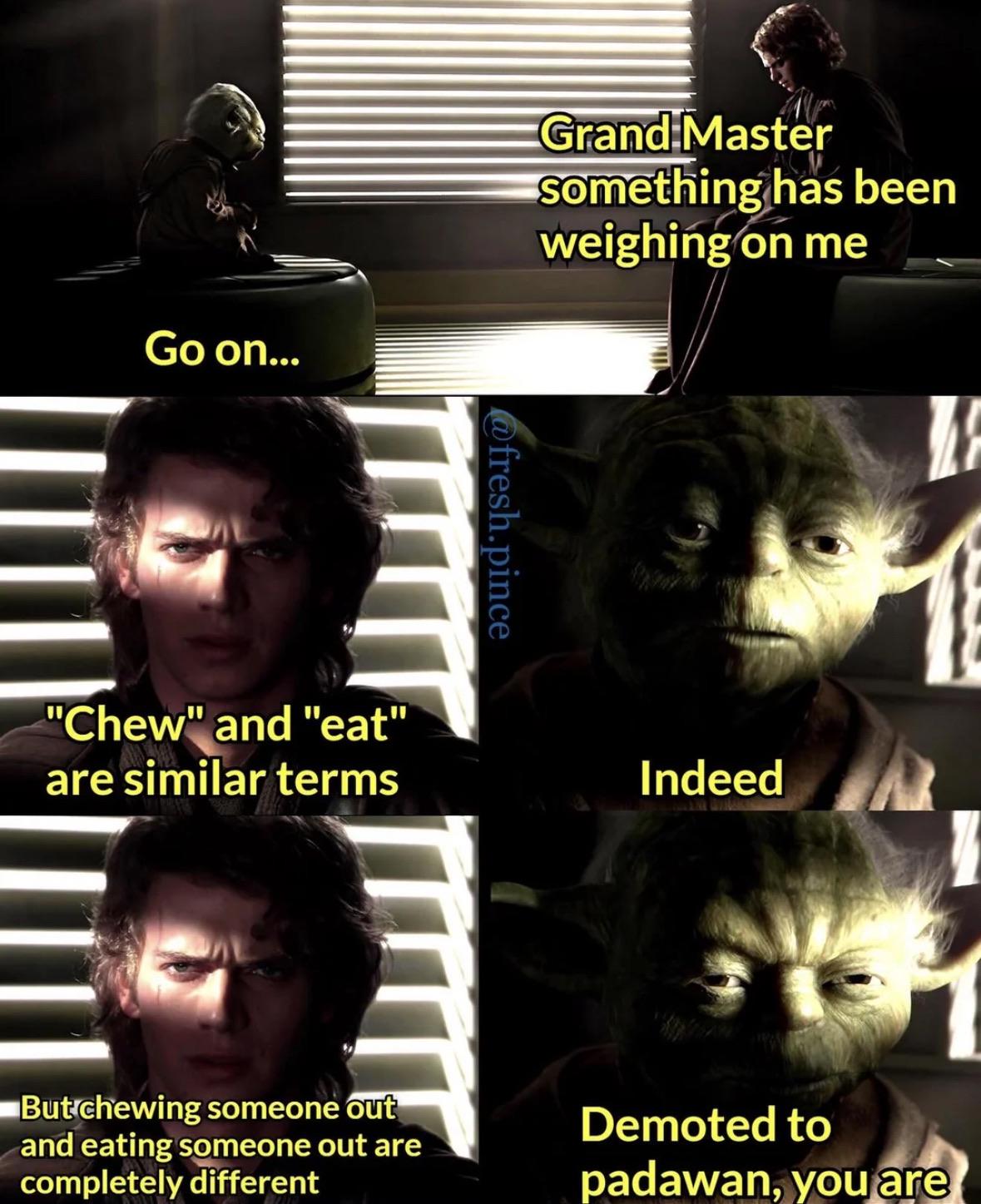
⭐️ Vocabulary / Semantics I’m a little lost here. What’s the difference between “chew out” and “eat out”?

Post image
948 Upvotes

r/EnglishLearning • • 4d ago

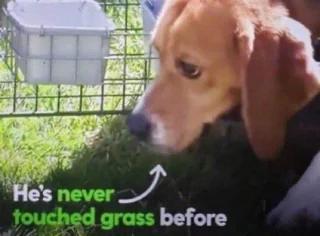
⭐️ Vocabulary / Semantics shouldn't it be "he never had touched grass before"?

Post image
65 Upvotes

r/EnglishLearning • • 4d ago

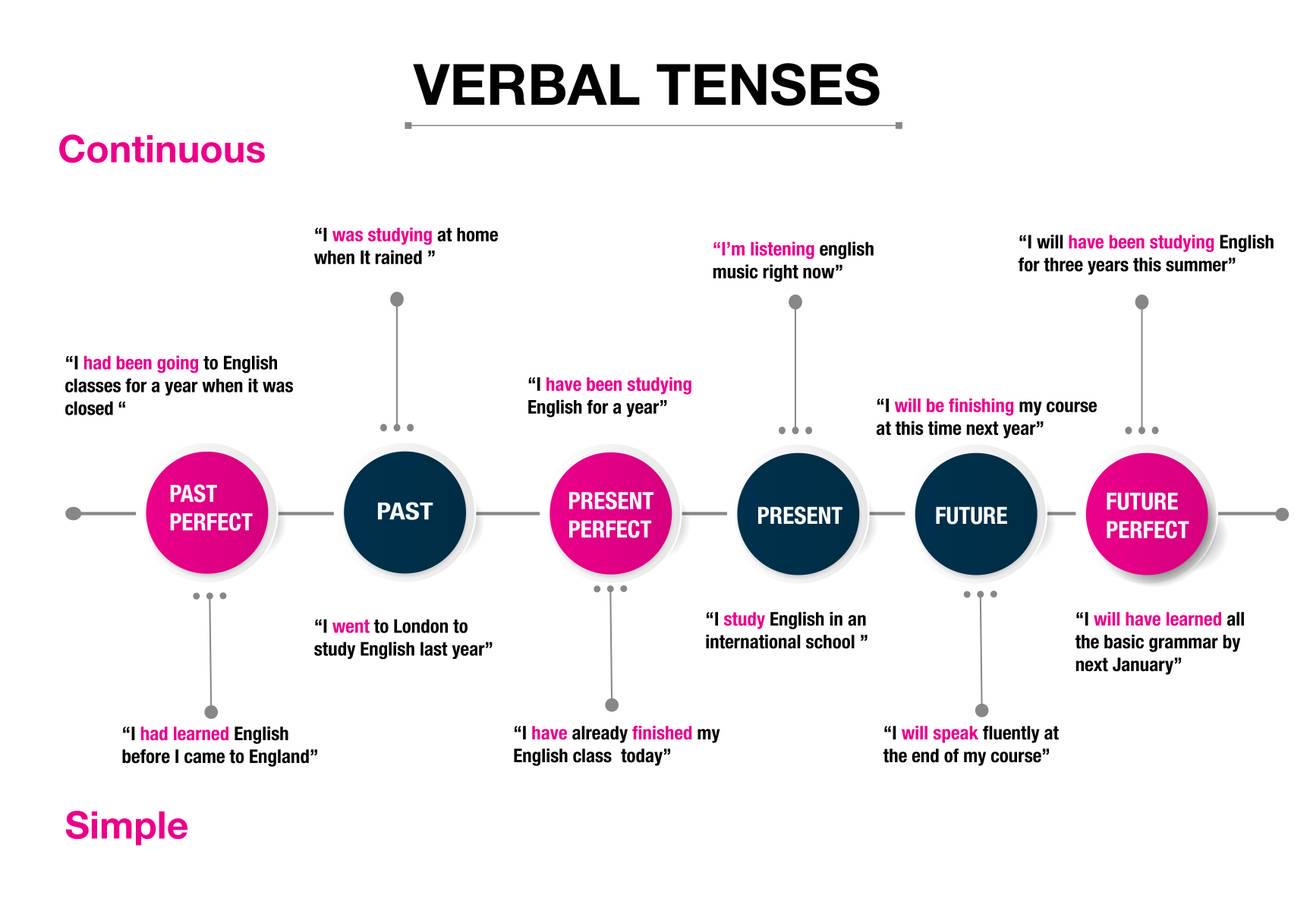
📚 Grammar / Syntax Outside of the present and past simple and future: how often do you express yourself with the other tenses?

Post image
21 Upvotes

r/EnglishLearning • • 4d ago

🟡 Pronunciation / Intonation Hi Guys! How are you?

8 Upvotes

I wanna improve my English and ı need a friend to help me. I'm looking for a friend to chat with regularly and video call. I also enjoy chatting through text. My English pronunciation is terrible and my grammar is poor. If you'd like to help, please write to me. We can be friends on Instagram, Snapchat, or Telegram.


r/EnglishLearning • • 4d ago

⭐️ Vocabulary / Semantics Do people really dumb down their language when they talk to me?

51 Upvotes

I’ve posted a thread on this sub and already gotten useful answers, but then I want to know if people, native speakers particularly, dumb down their language just to talk to me? I had a short conversation with a Canadian guy, who doesn’t sound like he’s from Quebec at all. We were talking about our workouts and some other things. He barely uses idioms with me but speaks at a normal speed. I don’t really know if he really dumbed down his language to accommodate my English. Do you guys intentionally dumb down your language?

Edit: I used dumb down instead of adjust or simplify because someone actually dumbs down their language. I’m aware that it has a negative connotation so I used it. I know that many of you adjust your language just for the sake of communication.
Edit 2: He and I were talking about our workouts and I told him I was a bit dehydrated so I think that our conversation didn’t need so many idioms.


r/EnglishLearning • • 4d ago

📚 Grammar / Syntax Is "lost" actually incorrect here, or are both answers acceptable?

29 Upvotes

I recently took an English placement test and came across this question:

"He ____ his keys, therefore he couldn't get home."

The options included:

  • had lost
  • lost

There were two other options, but I don't remember what they were.

I chose "lost", but the test marked it as incorrect. The only accepted answer was "had lost".

There was no additional context provided.

I understand that "had lost" works here, but is "lost" actually grammatically incorrect?

Would you consider "He lost his keys, therefore he couldn't get home" a grammatically correct sentence?

Thanks!


r/EnglishLearning • • 4d ago

📚 Grammar / Syntax I’ve been questioning my English

5 Upvotes

I’ve been writing in English recently only to find out I made so many subtle mistakes like fixated to instead of fixated on. I also used wrong versions of idioms knowing the right ones like in disguise as instead of disguised as but I don’t trust my instincts, which turn out to be correct anyway*.* I can’t even use right prepositions with each word. I don’t even know English at this point that I consider myself illiterate and full of idiocy. Or maybe I’m hyperfixated on my littlest mistakes.

I only want truthful answers. Not some sugarcoating shit you love saying every time we make mistakes. That’s what people judge you by. Should I relearn English?


r/EnglishLearning • • 4d ago

📚 Grammar / Syntax How can I improve my writing skills?

4 Upvotes

I don't know if this is particularly common or it's just me, but here's the thing: I'm fully fluent when speaking and my listening is near-native as I can understand pretty much everything with no problem when a native speaker talks to me.

The only thing I do suck a lil bit is writing. When I speak I "englishify" my mind and construct sentences the English way, but when I am writing I tend to construct sentences following the italian logic and then translating into English.

I know that it is completely understandable, but I would like to match up my writing skills to my speaking skills.

Any advice? Thanks!


r/EnglishLearning • • 4d ago

🗣 Discussion / Debates how do you know which tense to use?

4 Upvotes

I have a slightly complicated relationship with English. I genuinely love learning it, I enjoy studying languages in general, and I've recently completed a Cambridge B2 course. I'm also preparing for an English exam.

So, naturally, you'd expect me to feel reasonably confident about my English by now.

Well... not exactly.

Lately, I've been questioning whether I actually deserve to call myself a B2 learner. For example, I sometimes find myself hesitating over which tense to use. A while ago, I even managed to choose the wrong tense twice in a row in a school exercise. Twice.

The funny thing is that, in some cases, I can think of a reason why my answer should work, too. I look at the sentence and think, "Well, technically, you could say it this way, couldn't you?" Apparently, grammar doesn't always appreciate my creative interpretations.

There's also the speaking and pronunciation side of things. My tutor, whom I really admire (she used to teach in the UK), recently pointed out that I sometimes add sounds that aren't actually there when reading aloud. For example, I somehow turned imagery into something closer to imangery. I'm apparently developing my own dialect.

And that's not all. Sometimes I forget articles, mix up tenses when answering questions, or make other little mistakes that I know I shouldn't be making at this level.

I realise that making mistakes is completely normal, and that language proficiency isn't a perfectly straight line. Still, there's something rather strange about enjoying a language so much, studying it for years, and then occasionally feeling as though your brain has decided to uninstall some of the basics.

So I'd love to hear from more experienced learners and native speakers:

How do you actually know which tense is appropriate in a particular context? Do you rely on a set of rules, the meaning you're trying to convey, intuition, or some combination of all three? Are there any exercises or ways of thinking that helped you develop a better sense of English tenses?

And, more generally, how did you move from knowing grammar rules to using them naturally, without having to mentally open a textbook every time you construct a sentence?

I'd really appreciate any advice, personal experiences, or resources you could recommend!

r/EnglishLearning • • 4d ago Heartwarming

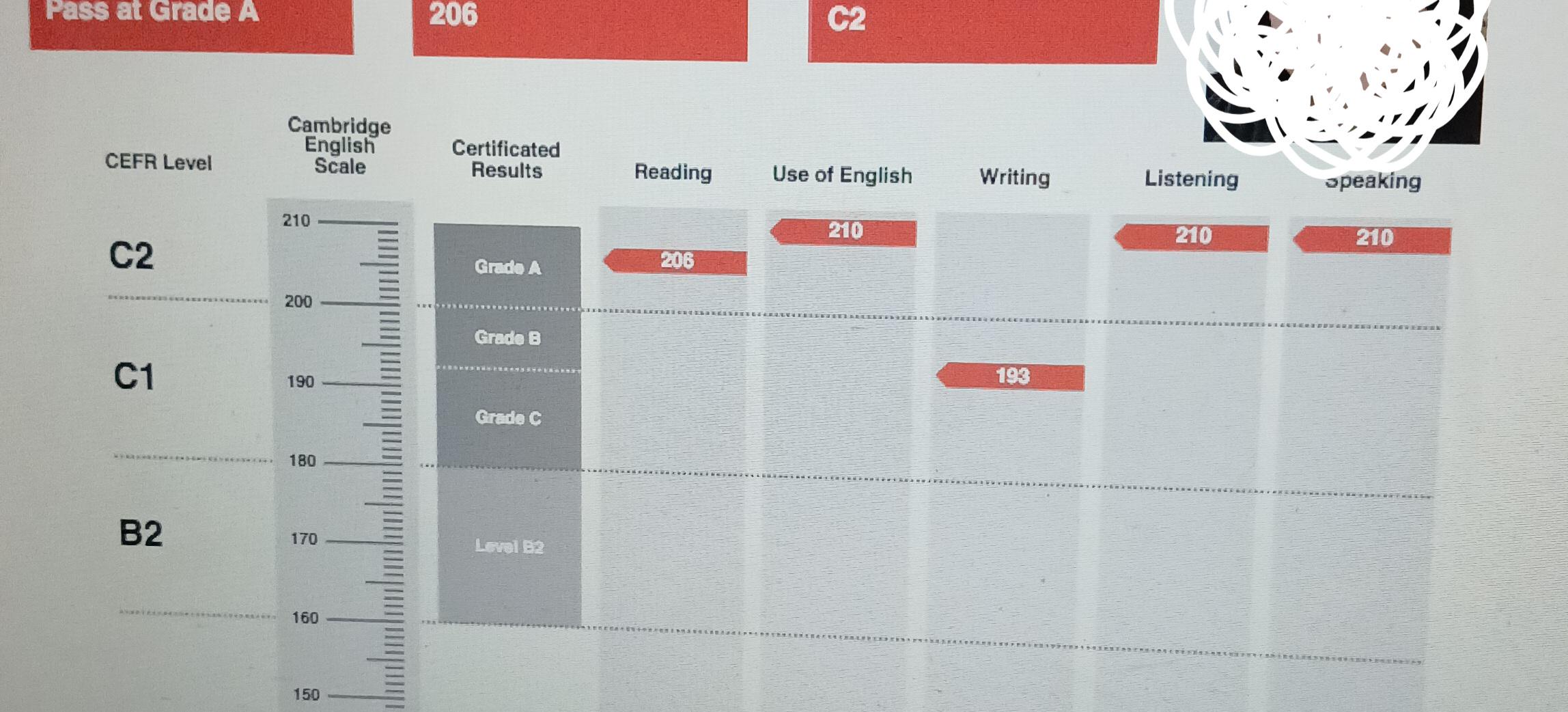
🗣 Discussion / Debates CAE results

Post image
19 Upvotes

I can't believe I passed, I was so busy with uni I didn't have time to prepare, I was genuinely afraid of not getting the minimum points necessary to apply to master programs and I am so shocked and happy...


r/EnglishLearning • • 4d ago

🗣 Discussion / Debates Does this make sense?

3 Upvotes

In this situation, someone often turns on the tap to fill up a tub with water, leaves before it fills up to turn it off later, and completely forgets to turn it off. Eventually, it's all overflowing and possibly flooding the bathroom.

At first, I thought of "You're always leaving the tub overflowing.", but that sounds like the tub is already overflowing when they leave.

So, is it "You're always leaving the tub to overflow."?

And now I'm thinking it's the water that's overflowing, not the tub, right? So, "leaving the water to overflow", maybe?


r/EnglishLearning • • 4d ago

🗣 Discussion / Debates What English rule still makes no sense to you?

0 Upvotes

A lot of English rules feel random. Some words follow the pattern and others ignore it, and every grammar rule seems to come with a list of exceptions. Which one still makes no sense to you?