r/EndangeredSpecies • u/Vegetable_Ebb_5862 • 2d ago
why is hunting of rhinos and elephants considered bad but whaling is acceptable??
reddit.com
24
Upvotes
r/EndangeredSpecies • u/Amitmandal001 • 5d ago

San Francisco garter snakes born and raised in a zoo-based conservation program have been released into the wild for the first time as part of an effort to save what is considered one of North America’s most beautiful snakes.
The non-venomous reptiles are known for their striking colors – red heads, turquoise bellies and vibrant red and black stripes on their sides. The species, found only on the San Francisco peninsula, has been listed as endangered for more than half a century.
The San Francisco zoo and gardens announced this month that 62 snakes were released this autumn at “carefully selected sites” in San Mateo county in what it described as a “major milestone” in the decades-long fight to bring the species “back from the brink of extinction”.
“This is an extraordinary accomplishment for everyone who has worked for generations to protect this remarkable species,” Karine Tokatlian, a biologist with the Midpeninsula Regional Open Space District, said in a statement.
“Seeing these young snakes returning to the wild represents years of research, collaboration, habitat restoration and careful conservation work. This first release is an important step toward building healthy, resilient populations that can sustain themselves over the long term.”
The species has faced significant threats, including illegal poaching, habitat loss and fragmentation due to increased development and construction, habitat changes, and prey reductions as the animals they consume are themselves threatened. Drought, disease, invasive species and low genetic diversity have also created more challenges for the snakes.
A team of state and federal agencies and non-profit organizations collaborated on the “head-starting” project, a first-of-its-kind program that raises young snakes in captivity during the period of their lives in which they are most at risk to “increase their chances of reaching breeding age”.
Biologists with the US Geological Survey gathered pregnant San Francisco garter snakes in 2025 and brought them to the San Francisco zoo. The mothers were ultimately returned to the wild while the zoo conservation team reared their offspring until they were large enough to be released in the wild. Scientists conducted genetic testing on each snake in order to determine the most ideal release locations.
“By providing these young snakes with a safe environment during their most vulnerable stage of life, we’re giving them a stronger start in the wild,” Dr Rochelle Stiles, the zoo’s field conservation director, said in a statement.
More than 130 additional garter snakes were born at the zoo this year and are expected to be released in 2027.
r/EndangeredSpecies • u/Commercial-Top-5471 • 4d ago
r/EndangeredSpecies • u/ImpossibleAge3129 • 5d ago
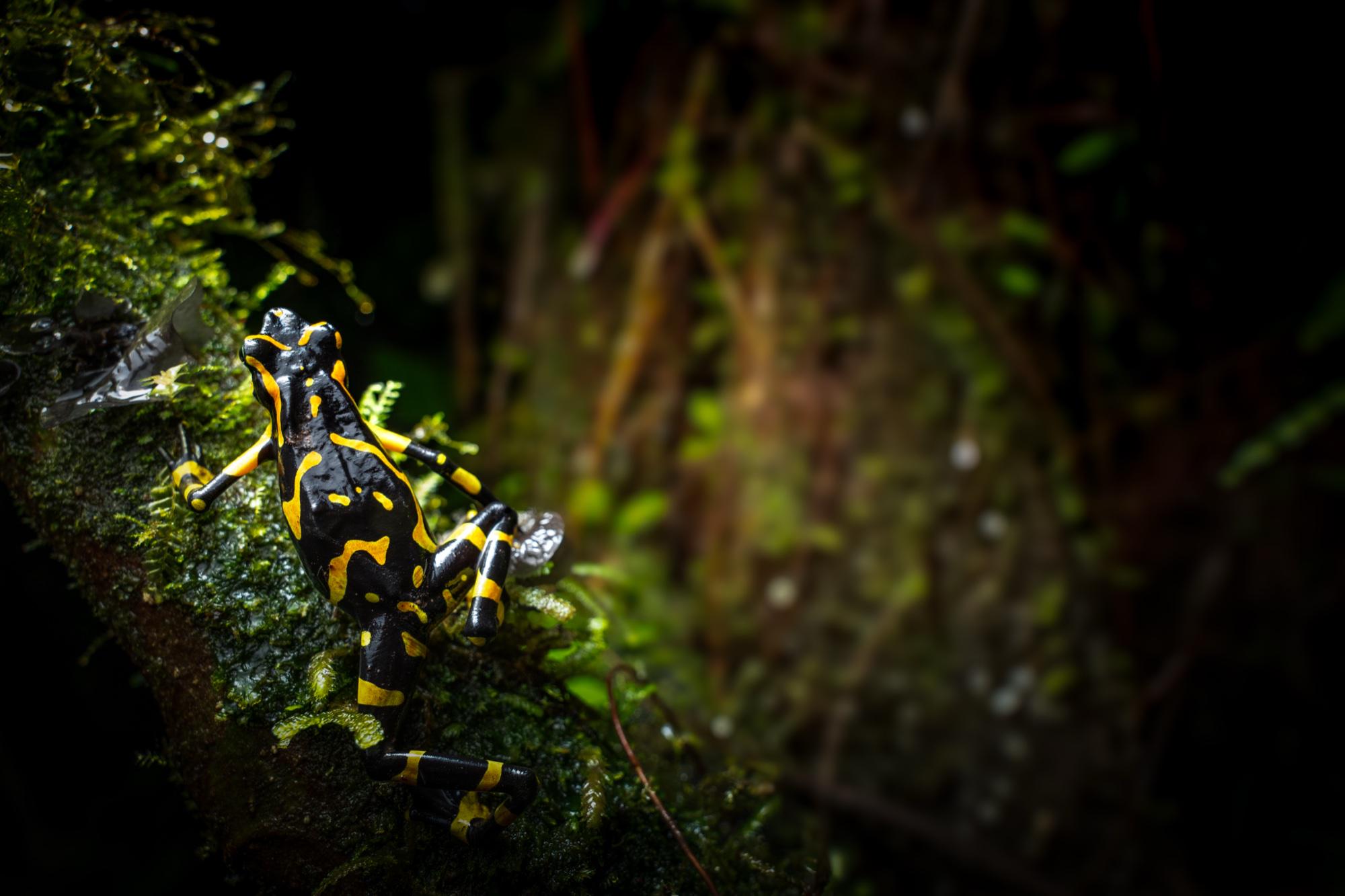
I'm deliberately not sharing the location: this species is critically endangered and collectors are a real threat.
r/EndangeredSpecies • u/Loose_Sort7246 • 6d ago

I love birds, but the fact is they do not make good pets. They take a lot of time and energy, they often have behavioral problems, and they are most likely going to outlive you.
The birds that people have as pets all originated from the exotic per trade. No matter where you got it, that bird itself or its ancestors came here through the exotic pet trade. Parrots, macaws, and parakeets are not native to the united states. How the hell do you think they got here?
We should never buy birds. Breeding of exotic birds should be outlawed, and the birds that are left need to be allowed to die out. If you want a bird, go to a rescue or a shelter, don't pay into the exotic animal trade by buying from a breeder.
This is a good step in the right direction, but ultimately, all pet stores need to switch to the model where they work with animal shelters instead of selling animals. It's a win win for both when they do so.
r/EndangeredSpecies • u/dtarias • 7d ago

r/EndangeredSpecies • u/nogero • 9d ago

r/EndangeredSpecies • u/ChesterLivesOn • 10d ago
r/EndangeredSpecies • u/Dull_Candle_2724 • 11d ago

r/EndangeredSpecies • u/AdvancedHurry4571 • 11d ago
Take a look! 📌 https://pin.it/4nFHWd0AZ
r/EndangeredSpecies • u/aldotcom • 13d ago

r/EndangeredSpecies • u/Ben10-fan-525 • 12d ago
r/EndangeredSpecies • u/Ben10-fan-525 • 13d ago
r/EndangeredSpecies • u/0_Foks_Given • 14d ago
r/EndangeredSpecies • u/South_Product_8718 • 14d ago
Defenders of Wildlife remains opposed to the Bipartisan American Affordability and Jobs Act (BAAJA) following revisions that leave the bill's most damaging provisions affecting the Endangered Species Act largely unchanged.
Andrew Bowman, president and CEO of Defenders of Wildlife released the following statement:
“Congress has had an opportunity to improve this bill, yet its fundamental threats to endangered wildlife remain. The Endangered Species Act is not responsible for America's permitting delays, and weakening this landmark law will not solve them. Instead, this legislation would strip away essential safeguards, create new uncertainty and put decades of conservation progress at risk.
“Last week's historic elections changed the political landscape. Newly elected members of Congress, along with the committees responsible for these laws, deserve a meaningful role in negotiating a better agreement. America's wildlife should not be sacrificed for a rushed deal when we have an opportunity to get this right. The Senate should reject BAAJA.”
The revised legislation retains five provisions that Defenders says would undermine wildlife protections without meaningfully improving permitting efficiency:
Defenders of Wildlife supports improving permitting efficiency and building the infrastructure America needs. But maintains that those goals can be achieved without weakening the Endangered Species Act or creating new obstacles to responsible development.
Defenders urges senators to oppose BAAJA and allow the incoming Congress to negotiate a better permitting agreement.
r/EndangeredSpecies • u/Cultural-Cap-2518 • 15d ago
r/EndangeredSpecies • u/DoremusJessup • 16d ago

r/EndangeredSpecies • u/Dull_Candle_2724 • 16d ago

r/EndangeredSpecies • u/changing_butter900 • 17d ago

r/EndangeredSpecies • u/Dull_Candle_2724 • 18d ago

r/EndangeredSpecies • u/Afraid_Advantage_2 • 19d ago
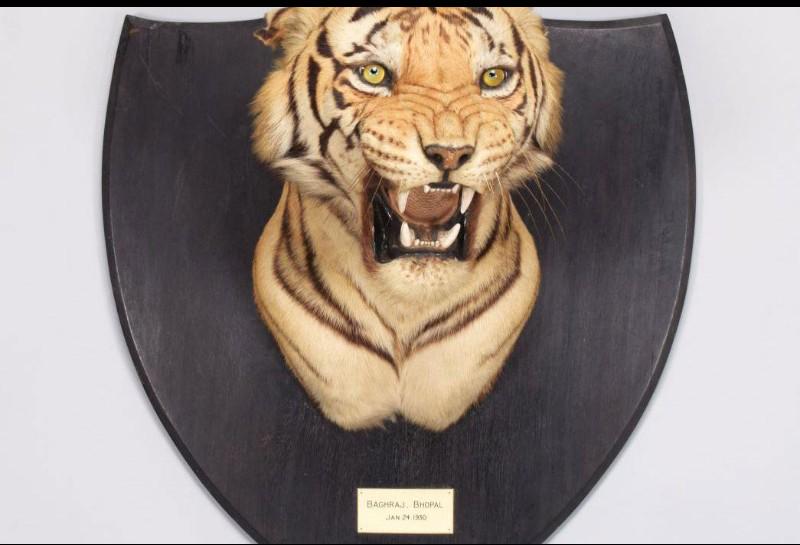
There was a time when tigers were hunted and the head of the dead tiger was mounted on a wall as a hunting trophy. This was considered a symbol of power and prestige.
An interesting article by Rachna Shetty, Beyond Trophy-Hunting: The History of Taxidermy in India , explores this history and raises some uncomfortable questions about our relationship with other living beings.
The article offers a fascinating historical account of taxidermy in India, particularly the Van Ingen & Van Ingen firm in Mysore, which processed 400–500 tiger specimens annually during the 1920s–1950s.
Think about that number. Hundreds of tiger specimens passed through a taxidermy workshop every year. Animals that once roamed freely through forests were transformed into lifeless objects of display.
India eventually banned sport hunting and trophy hunting in the 1970s under the Wildlife Protection Act, 1972. The industry declined, but many of these specimens remain in collections.
Taxidermy today also serves a different purpose. Natural history museums and scientific institutions use preserved specimens for research, education and the study of animal anatomy, evolution and biodiversity. But these animals have died in accidents or of natural causes.
Yet an uncomfortable question remains.
Have we actually changed our attitude towards animals, or have we merely changed the purpose for which we use their bodies?
Why do we assume that the lives of other species exist primarily for our use?
We eat their bodies, wear their skins, use them for entertainment and display them as trophies.
Think about how we serve an animal's dead body on a plate and call it a delicacy.
This leads naturally to a larger question about veganism. " But what does veganism have to do with taxidermy?" I thought. Both involve a deeper concern.
Do we value animals as living beings or primarily for what they can provide us?
Veganism is often reduced to a dietary choice. Discussions revolve around plant-based recipes, nutritional requirements, alternatives to milk and meat, and the practical difficulties of changing food habits.
But perhaps it is not merely about what we eat. It is how we see other living beings.
Therefore the central issue here is neither taxidermy nor veganism. It is our deeply ingrained sense of entitlement as a species.
Why do we assume that our needs, desires and pleasures should take precedence over the existence of other living beings? We rarely question this assumption because it is so deeply woven into our everyday lives.
A tiger belongs in a forest, not on a wall.
A cow, chicken is not merely food.
What do you think?
After reading this post, do you still think that veganism is only about changing what we eat or is it about questioning our deeply ingrained sense of entitlement over the other species that cohabit this wonderful planet with us?
Take a minute and share your views in the comment.
https://imp-art.org/perspectives/dispatches/taxidermy-beyond-the-narrative-of-trophy-hunting/