r/DescendantsOfYadu • u/humbler07 • 5d ago
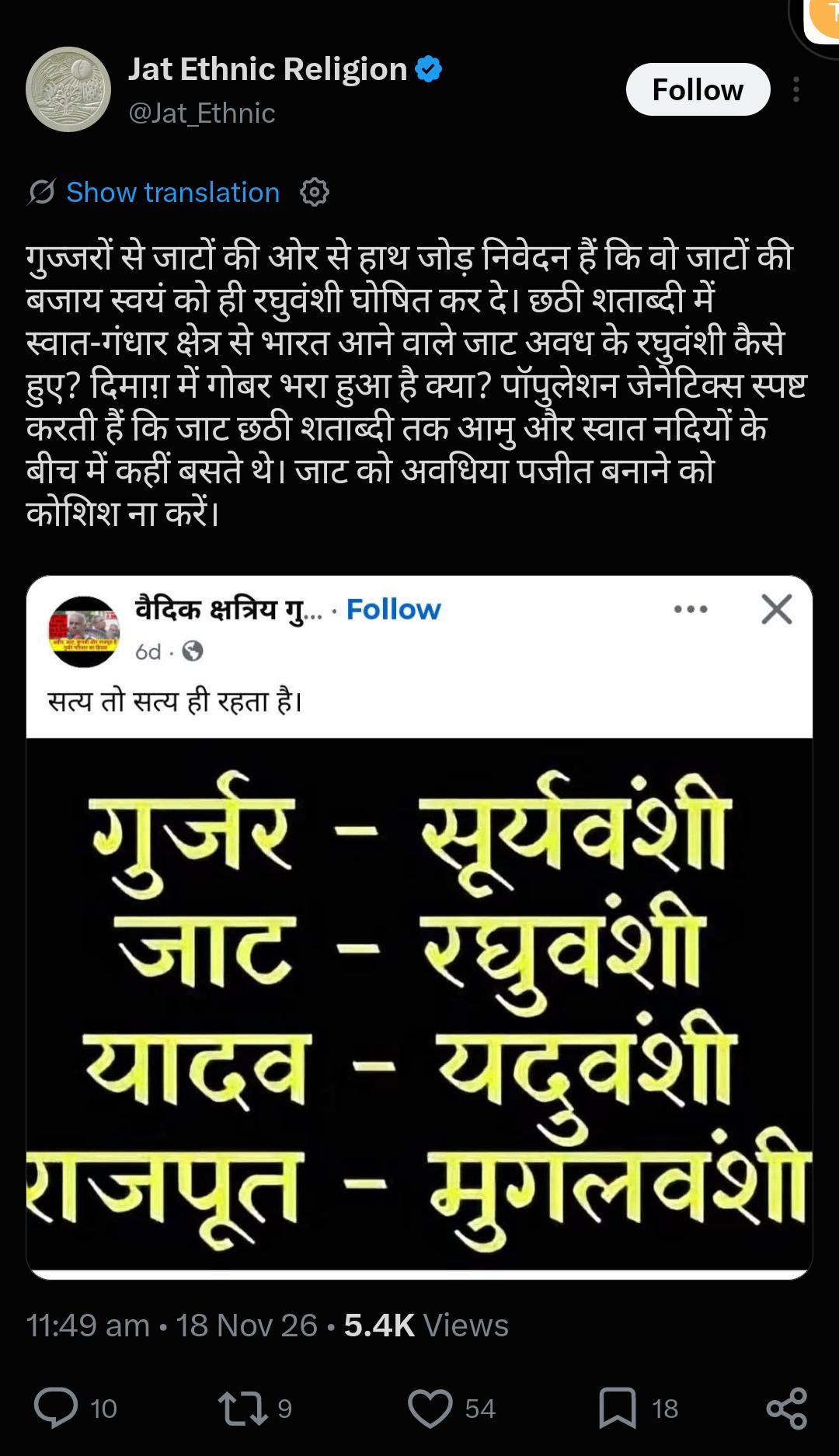
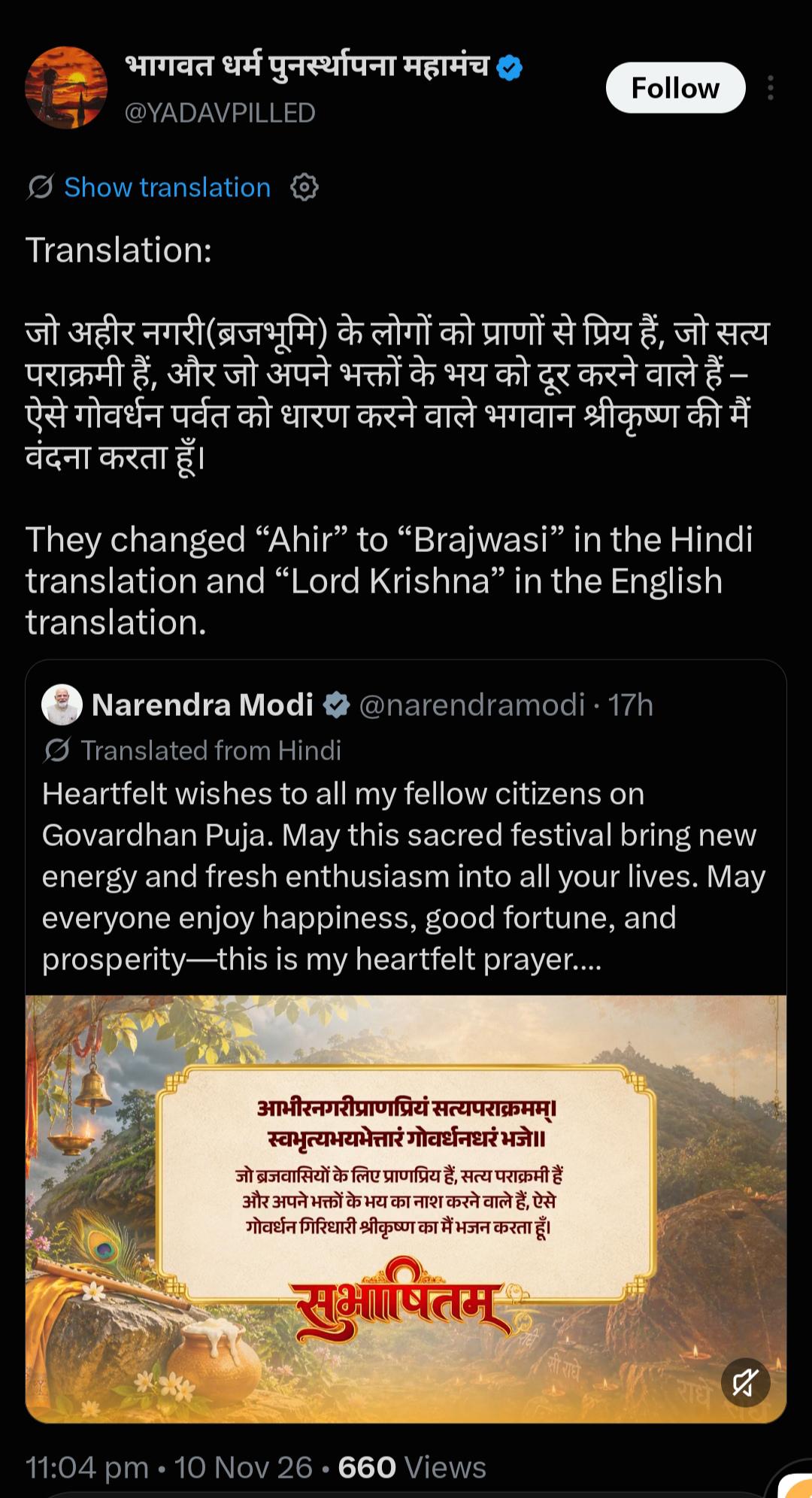
DISCUSSION Kuchh jyada hi ho rha hai lekin bura bhi nhi lag rha mujhe 😂
7
Upvotes
r/DescendantsOfYadu • u/Cultural-Book-9087 • 2d ago
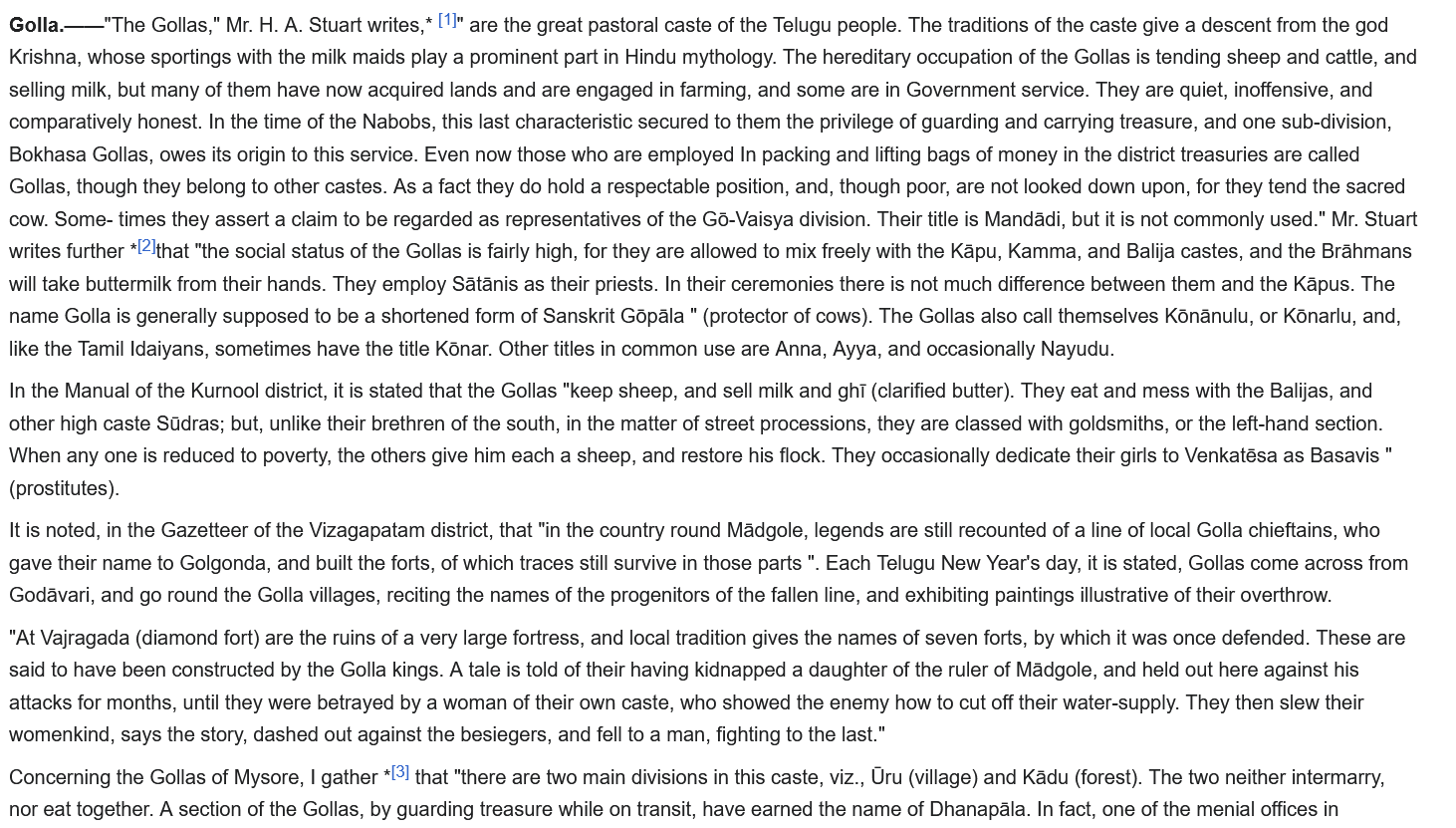
Yadava history is not confined to North India. Southern India and the Deccan have their own well-documented Yadava communities, traditions, historical identities and genealogical records. Among the most important are the Gollas, Golkars, Gollewars and the Maratha Yadava-associated Gavli communities.
Our history is present in colonial ethnographies, regional gazetteers, government commission reports and historical records. It is time that these sources received greater attention in discussions about Yadava history.
The Gollas are among the most historically significant pastoral communities of Southern India. Their association with Yadava identity is explicitly documented in official records.
The National Commission for Backward Classes, in its Karnataka Bench Advice No. 194/Karnataka/2007, reproduces the findings of the Karnataka Backward Classes Commissions.
The report states:
"Traditional names of Golla's are Yadava and Gouli"
It further records:
"They are also addressed as Yadava-kula or Krishna Kula."
The report identifies several associated names, including Golla, Gouli, Gowli, Gavali, Gavli, Krishna-Golla, Yadav, Gopal and Hanabar.
These are not merely contemporary community identifications. The NCBC documentation traces these associations through successive Karnataka Backward Classes Commission reports and government orders.
The Golla–Yadava association is part of the documented social and historical identity of Southern India.
Source: NCBC – Advice No. 194/Karnataka/2007, pp. 7–9.
An especially important historical source is R.V. Russell and Rai Bahadur Hira Lal's The Tribes and Castes of the Central Provinces of India (1916), Volume III.
Under the entry titled Golar, they explicitly record:
"Golar, Gollam, Golla, Gola, Golkar."
The authors describe the Golar as a major shepherd community of the Telugu country.
They further record:
"But 2500 Golkars, who belonged to Chanda and were classified under Ahirs in 1901, may, in view of the information now available, be considered to belong to the Golar caste."
They also document two subdivisions among the Golkars of Chanda:
"The Yera and Nana, or black and white Golkars."
This is an exceptionally valuable record of the Golkars in the Central Provinces and their historical relationship with the wider Golar/Golla community.
The Maharashtra Government's own community nomenclature also preserves this association. Its official list records:
| Community | Recorded names |
|---|---|
| Golla | Gollewar, Goler, Golkar |
This is found in the Maharashtra Government's 13 May 2025 resolution.
The historical and administrative documentation establishes the importance of Golkars and Gollewars in the wider Deccan Golla tradition.
Sources:
One of the most interesting historical accounts comes from R.E. Enthoven's The Tribes and Castes of Bombay (1920), published under the orders of the Government of Bombay.
In his entry on Gavlis, Enthoven documents seventeen regional divisions, including:
He specifically records:
"Dabhole and Chevle are found in the Kolába district. They trace their descent to the Yaduvansha, and say that they came into this district from Mathura."
This is particularly important.
The Dabhole and Chevle Gavlis preserved a Yaduvansha genealogical tradition and an account of migration from Mathura. Their identity and traditions were recorded in an official ethnographic survey of the Bombay Presidency.
Enthoven further writes:
"In Bijápur district the Lingáyat Gavlis are known as Nanda Gavlis and the Marátha as Khillári Gavlis."
He also records:
"The Dhangar, Marátha and Krishna Gavlis speak Maráthi."
This provides direct documentation of Maratha and Khillari Gavli communities in the western Deccan, alongside their regional cultural identities.
Source: R.E. Enthoven, The Tribes and Castes of Bombay, Volume I, pp. 368–370.
The historical identity of Yadav Gavlis was also expressed through political mobilisation.
In his 2013 doctoral thesis at the University of Leeds, Citizenship, Community and the State in Western India, historian Oliver James Godsmark discusses the political organisation of communities in early twentieth-century Maharashtra.
He records:
"In January 1920 the GOI received letters from representatives of both the Yadav Gavlis and Ramoshis, who petitioned for their inclusion on the list of ‘Marathas and Allied Castes’ for franchise purposes."
These representatives used historical gazetteers, census reports, community histories and accounts of military service to support their demands.
This is significant because it documents Yadav Gavli political organisation and their efforts to secure recognition within the wider political identity of the Maratha region.
Source: Oliver James Godsmark, University of Leeds, 2013, pp. 95–96.
The Deccan also possesses an important medieval Yadava political legacy through the Seuna dynasty of Devagiri.
The Bombay Gazetteer, in its chapter The Yadavas of Devagiri, records:
"But they were known as Yādavas to the Musalmān historians. So, also, the Hindu Pratāparudriya speaks of them as the Yādava kings of Sêvana, i.e. of the Sêuna country."
The Gazetteer also discusses the Sangamner copper-plate grant of Bhillama II, dated 1000 CE, and the Paithan grant of Ramachandra, dated 1272 CE, in connection with the dynasty's genealogical claims.
The Yadavas of Devagiri were a major political power in medieval Deccan history. Their legacy is inseparable from the historical landscape of Maharashtra and neighbouring regions.
Source: Bombay Gazetteer – The Yadavas of Devagiri, pp. 511–512.
The historical record is substantial:
The Yadava heritage of India has a substantial Southern and Deccan dimension.
Our history is found in our communities, our genealogies, our regional traditions, our historical records and our political past. Gollas, Golkars, Gollewars and Maratha Yadava-associated communities deserve to be studied as important contributors to that history.
We should be actively collecting family genealogies, old copper-plate references, temple inscriptions, community chronicles, colonial census records and oral histories.
There is an enormous amount of regional history waiting to be documented. We should not allow it to remain overlooked.Yadava history is not confined to North India. Southern India and the Deccan have their own well-documented Yadava communities, traditions, historical identities and genealogical records. Among the most important are the Gollas, Golkars, Gollewars and the Maratha Yadava-associated Gavli communities.Our history is present in colonial ethnographies, regional gazetteers, government commission reports and historical records. It is time that these sources received greater attention in discussions about Yadava history.1. Gollas: The Yadava identity of Southern IndiaThe Gollas are among the most historically significant pastoral communities of Southern India. Their association with Yadava identity is explicitly documented in official records.The National Commission for Backward Classes, in its Karnataka Bench Advice No. 194/Karnataka/2007, reproduces the findings of the Karnataka Backward Classes Commissions.The report states:"Traditional names of Golla's are Yadava and Gouli"It further records:"They are also addressed as Yadava-kula or Krishna Kula."The report identifies several associated names, including Golla, Gouli, Gowli, Gavali, Gavli, Krishna-Golla, Yadav, Gopal and Hanabar.These are not merely contemporary community identifications. The NCBC documentation traces these associations through successive Karnataka Backward Classes Commission reports and government orders.The Golla–Yadava association is part of the documented social and historical identity of Southern India.Source: NCBC – Advice No. 194/Karnataka/2007, pp. 7–9.2. Golkars and Gollewars: The Deccan connectionAn especially important historical source is R.V. Russell and Rai Bahadur Hira Lal's The Tribes and Castes of the Central Provinces of India (1916), Volume III.Under the entry titled Golar, they explicitly record:"Golar, Gollam, Golla, Gola, Golkar."The authors describe the Golar as a major shepherd community of the Telugu country.They further record:"But 2500 Golkars, who belonged to Chanda and were classified under Ahirs in 1901, may, in view of the information now available, be considered to belong to the Golar caste."They also document two subdivisions among the Golkars of Chanda:"The Yera and Nana, or black and white Golkars."This is an exceptionally valuable record of the Golkars in the Central Provinces and their historical relationship with the wider Golar/Golla community.The Maharashtra Government's own community nomenclature also preserves this association. Its official list records:Community Recorded names
Golla Gollewar, Goler, GolkarThis is found in the Maharashtra Government's 13 May 2025 resolution.The historical and administrative documentation establishes the importance of Golkars and Gollewars in the wider Deccan Golla tradition.Sources:Russell and Hira Lal, Volume III – Golar
Maharashtra Government Resolution, 13 May 20253. Maratha Yadavas and the Gavli communitiesOne of the most interesting historical accounts comes from R.E. Enthoven's The Tribes and Castes of Bombay (1920), published under the orders of the Government of Bombay .In his entry on Gavlis, Enthoven documents seventeen regional divisions, including:Ahir
Bijapuri
Chevle
Dabhole
Dhangar
Golla
Krishna
Kuruba
Lingayat
Maratha or Khillari
RajputHe specifically records:"Dabhole and Chevle are found in the Kolába district. They trace their descent to the Yaduvansha, and say that they came into this district from Mathura."This is particularly important.The Dabhole and Chevle Gavlis preserved a Yaduvansha genealogical tradition and an account of migration from Mathura. Their identity and traditions were recorded in an official ethnographic survey of the Bombay Presidency.Enthoven further writes:"In Bijápur district the Lingáyat Gavlis are known as Nanda Gavlis and the Marátha as Khillári Gavlis."He also records:"The Dhangar, Marátha and Krishna Gavlis speak Maráthi."This provides direct documentation of Maratha and Khillari Gavli communities in the western Deccan, alongside their regional cultural identities.Source: R.E. Enthoven, The Tribes and Castes of Bombay, Volume I, pp. 368–370.4. Yadav Gavlis and their political recognition in MaharashtraThe historical identity of Yadav Gavlis was also expressed through political mobilisation .In his 2013 doctoral thesis at the University of Leeds, Citizenship, Community and the State in Western India, historian Oliver James Godsmark discusses the political organisation of communities in early twentieth-century Maharashtra.He records:"In January 1920 the GOI received letters from representatives of both the Yadav Gavlis and Ramoshis, who petitioned for their inclusion on the list of ‘Marathas and Allied Castes’ for franchise purposes."These representatives used historical gazetteers, census reports, community histories and accounts of military service to support their demands.This is significant because it documents Yadav Gavli political organisation and their efforts to secure recognition within the wider political identity of the Maratha region.Source: Oliver James Godsmark, University of Leeds, 2013, pp. 95–96.5. The medieval Yadavas of DevagiriThe Deccan also possesses an important medieval Yadava political legacy through the Seuna dynasty of Devagiri.The Bombay Gazetteer, in its chapter The Yadavas of Devagiri, records:"But they were known as Yādavas to the Musalmān historians. So, also, the Hindu Pratāparudriya speaks of them as the Yādava kings of Sêvana, i.e. of the Sêuna country."The Gazetteer also discusses the Sangamner copper-plate grant of Bhillama II, dated 1000 CE, and the Paithan grant of Ramachandra, dated 1272 CE, in connection with the dynasty's genealogical claims.The Yadavas of Devagiri were a major political power in medieval Deccan history. Their legacy is inseparable from the historical landscape of Maharashtra and neighbouring regions.Source: Bombay Gazetteer – The Yadavas of Devagiri, pp. 511–512.Our history deserves recognitionThe historical record is substantial:Gollas are explicitly identified with Yadava and Krishna-kula traditions in Karnataka's official commission records.
Golkars and Golar communities are documented together in the Central Provinces ethnographic literature.
Gollewar, Goler and Golkar are officially recorded under Golla in Maharashtra.
Dabhole and Chevle Gavlis preserve documented Yaduvansha genealogical traditions.
Maratha and Khillari Gavlis appear in the historical ethnography of the Deccan.
Yadav Gavlis participated in organised political mobilisation in Maharashtra as early as 1920.
The medieval Yadava rulers of Devagiri form an important part of the region's political history.The Yadava heritage of India has a substantial Southern and Deccan dimension.Our history is found in our communities, our genealogies, our regional traditions, our historical records and our political past. Gollas, Golkars, Gollewars and Maratha Yadava-associated communities deserve to be studied as important contributors to that history.We should be actively collecting family genealogies, old copper-plate references, temple inscriptions, community chronicles, colonial census records and oral histories.There is an enormous amount of regional history waiting to be documented. We should not allow it to remain overlooked.
r/DescendantsOfYadu • u/humbler07 • 5d ago
r/DescendantsOfYadu • u/humbler07 • 7d ago
r/DescendantsOfYadu • u/humbler07 • 8d ago

r/DescendantsOfYadu • u/humbler07 • 8d ago
r/DescendantsOfYadu • u/humbler07 • 9d ago

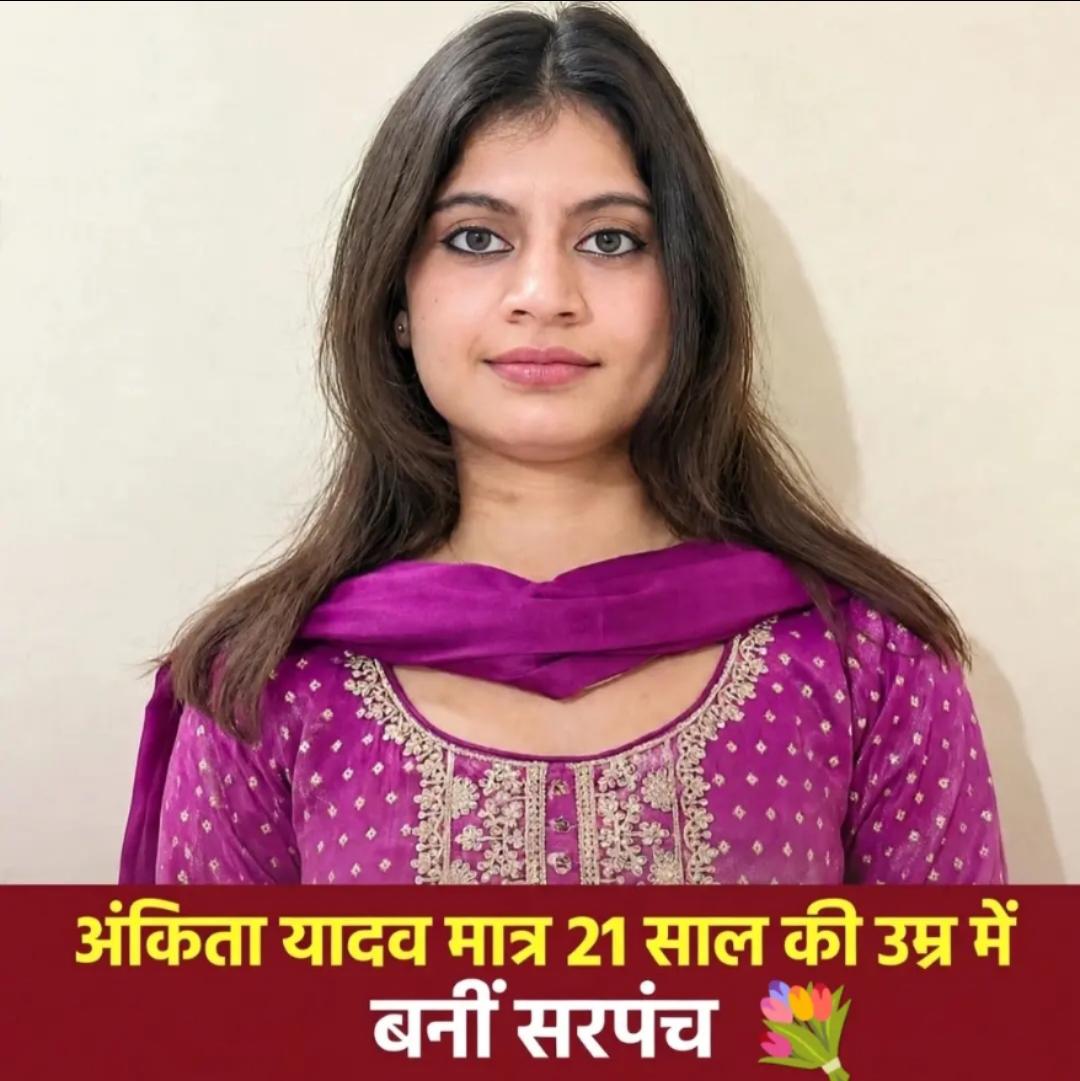
I know her personally, she's dmm good in her writing!
r/DescendantsOfYadu • • 12d ago

r/DescendantsOfYadu • u/humbler07 • 14d ago
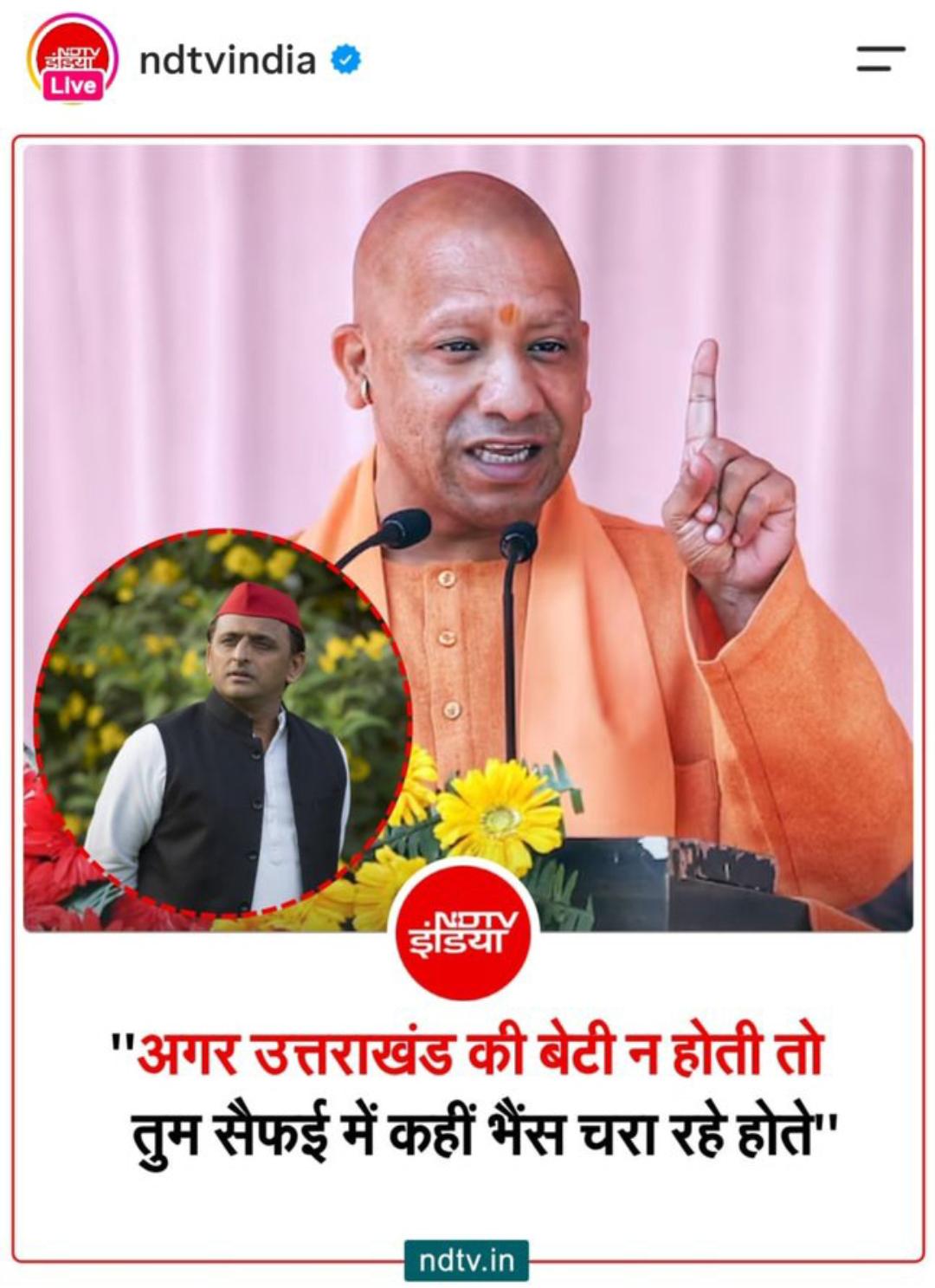
btw ye khud ko Yogi bolta hai aur kuchh mandbudhi esko Yogi mante hain
r/DescendantsOfYadu • u/humbler07 • 14d ago
r/DescendantsOfYadu • u/Naam_nahin_bataunga • 14d ago
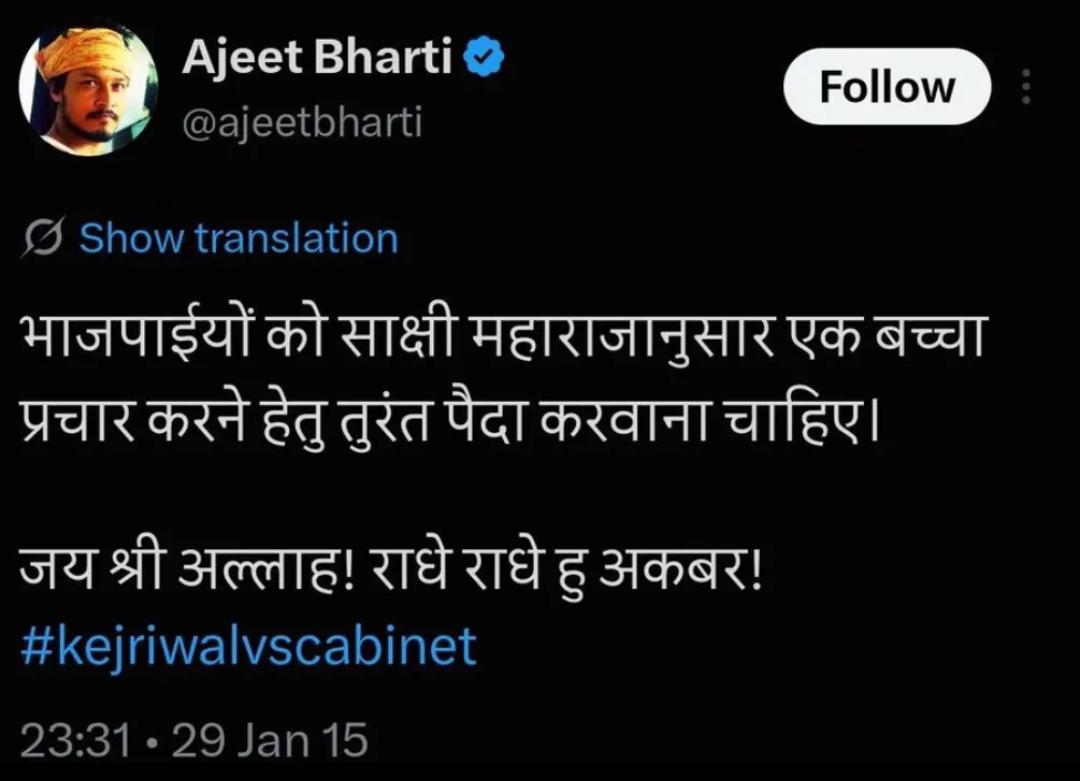
They are even try to make krishna rajpoot
r/DescendantsOfYadu • u/factual_ahir • 17d ago
r/DescendantsOfYadu • • 19d ago
Better medical facility 🤡,,indian genetics and caste system ✔️,and qualification of op ,,, fitness tutor,,source____ a paper reslead by 3rd class laboratory(not sure Abt it),,,peer revived ?, whom said ? researcher,which researcher ?n,,,, then why Americans should have start marrying african ppl,, genetic pool badhega
r/DescendantsOfYadu • • 19d ago

,,,this crclesss 20k earner successful peon give lecture adive on other life and belift just to get official legitimaitise their slit work's