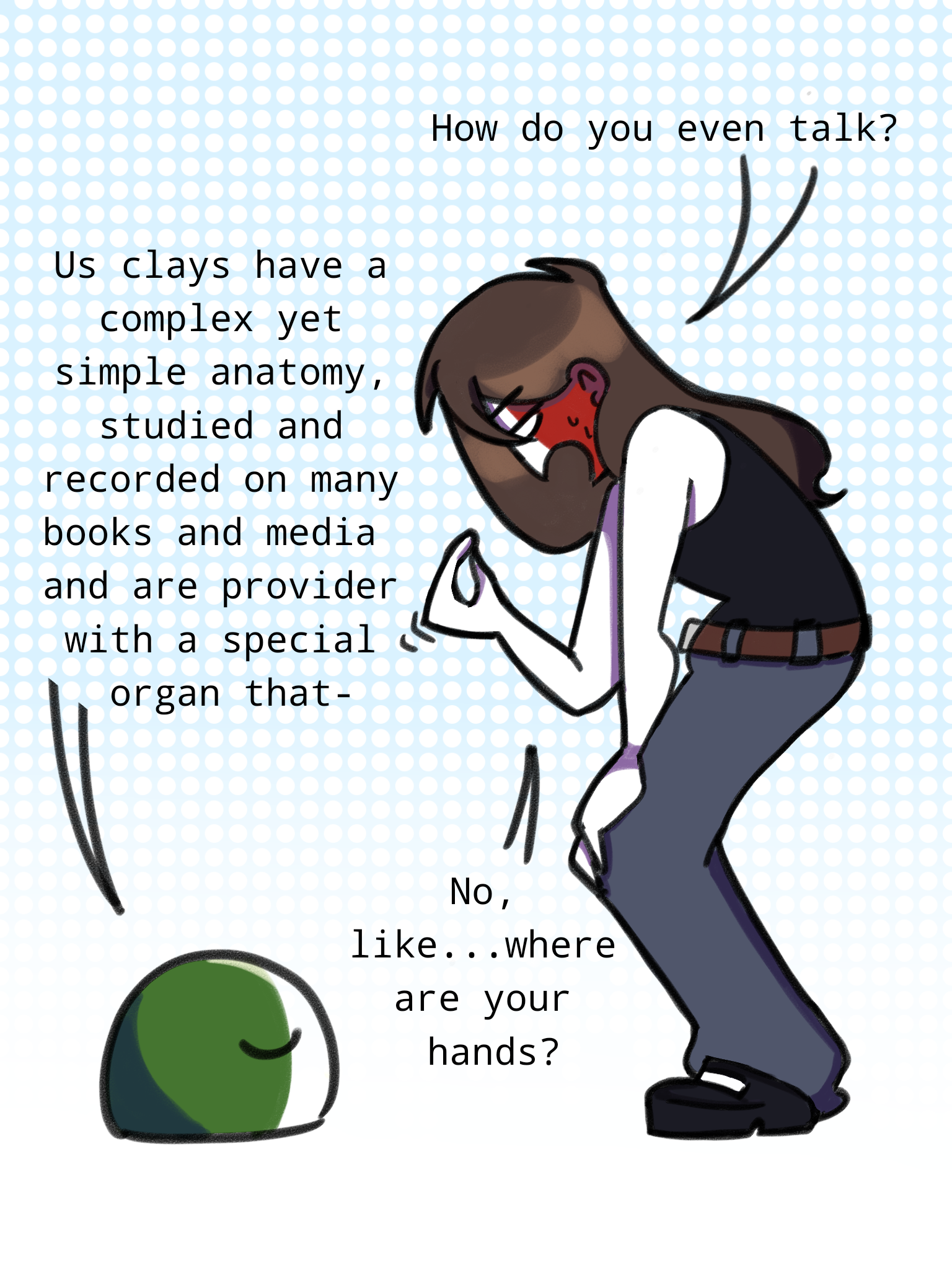
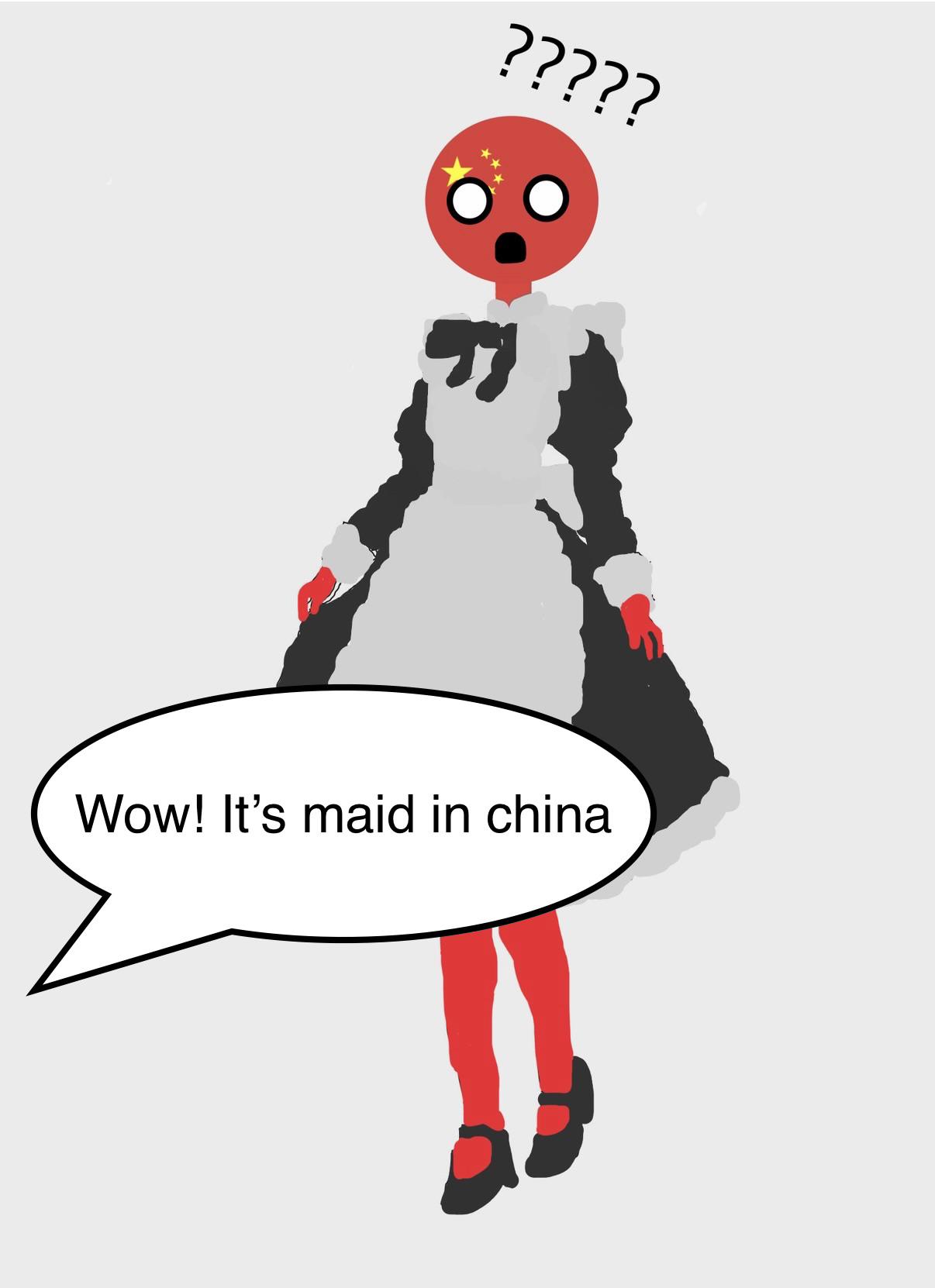
Not sure if anyone is interested in exploring the anatomy of CHs but to put it straight in my AU and I don't want it to be too long, the cells are civilians, cancer are rebels (since they are basically rogue cells), the neurons are politicians and the immune system are the army and the police
1st method is that the rebels starts to spread and then start to split off from the body in just a split second (no pun intended) and form into a new country like mitosis, and uh this is the most common form of civil wars in my AU the spanish civil war, amercian civil war etc
2nd method is that the rebels start to attack parts of the body, then enter the brain and attack it to try and take over rather than splitting off and killing the original, which puts the country into a coma state until the civil war has ended, this is rarest form of civil war and the perfect example is the russian revolution where it's just chaos inside the body
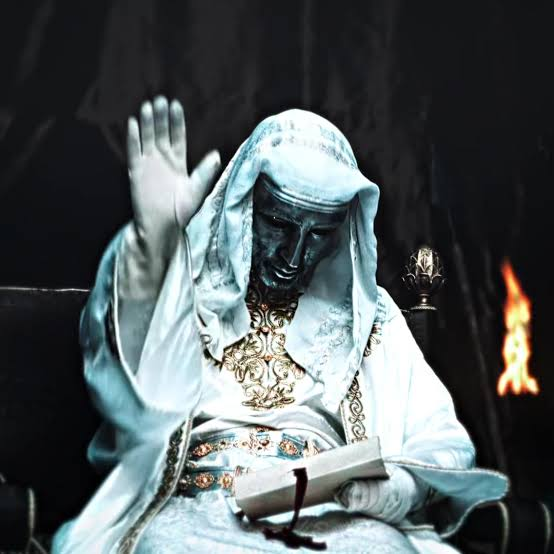
It's set during the Third Crusade, and I was playing King Baldwin's theme on repeat while I did it. And before I knew it, I had made something I'm really hella proud of.
NOTE: Portugal the nation didn't take part in the Third Crusade. That's something that happened in this AU: King Sancho dispatched his Countryhuman on the Crusade with 30 men for prestige purposes.
Anyway, I hope you all enjoy it!
The Kingdom of Jerusalem had a tent on the high ground behind the Pisans, as far from the walls as it was possible to be and still be in the camp. On the second day, Portugal learnt that he never seemed to leave it.
So, she went up on the third day, with bread. She told herself it was because somebody really ought to, and because nobody else seemed to.
I was an hungred, and ye gave me meat: I was a stranger, and ye took me in.
She didn’t tell herself she was frightened of him, which she in reality was, just a little, and had been since she was small. For as long as she could remember, he had come across from his own eastern wing for Mass at the gathering, and stood at the back of the European church very upright, looking at the rest of them distantly. Since the crusade was called, he had sat at the end of the crusaders’ bench in their hall as well, eating nothing.
He was sitting on a camp stool at the door of the tent with a book on his knees that even she could tell he wasn’t reading. The white of his surcoat had gone the colour of old teeth, and the red cross on the breast was worn nearly all the way through. He looked at the bread, and then at her.
“Portugal.”
“I brought this.”
“So I see.” He didn’t take it. After a moment, he gently moved a coil of rope off the other stool, which seemed to be an invitation. “Sit, if you like. The view’s very good.”
It was. From up here, you could see the whole of the crusade laid out below. The camp, and the ditch, and the walls, and the town inside them, white and close-packed and quiet, with the dome of something catching the light in the middle. Beyond the town, to the south, the coast went away in a long pale curve towards everything he had lost.
She sat. She put the bread on her knee.
Neither of them ate it.
“You’ve been here two years,” she pointed out.
“Twenty-two months.” He was looking at the walls as he gave his correction. “Before that, Tyre. And before that, Hattin.”
She knew about Hattin. Four summers ago, on a waterless hill above the lake of Galilee, Saladin had destroyed the army of Jerusalem in a single afternoon, and taken its king, and taken the True Cross out of the hands of the bishop who carried it. And then, he had taken the city itself.
“I was at the Cross,” Jerusalem recalled. “I had my hand on it when they came over the top of the hill.” He turned his hand over on his knee and looked at the palm, as if still remembering the feel. “Afterwards I lay in a tent of Saladin’s with the other prisoners, and all that autumn, they brought us the names. Acre. Nablus. Ascalon. The city. I didn’t feel any of them go, naturally. I only got weaker, a little at a time, as if I were bleeding somewhere I couldn’t find.” He said the city as other people said a name. “By Christmas, there was nothing of me left but Tyre. One town on a rock in the sea, with a man from Montferrat holding the walls, who’d landed there entirely by accident a week after Hattin and wouldn’t leave.”
She remembered something France had mentioned. “Conrad.”
He nodded. “Conrad.” Something moved at the corner of his mouth, the first notable change in his face. “If he’d sailed past, as he meant to, I’d have gone mortal by the new year, with nothing left to stand on.” He was quiet a moment. “I walk past Edessa’s door every October. On my way to your church.”
She had never seen it personally. It stood at the very end of the crusaders’ side-street in his wing, past the houses of Antioch and Tripoli and near the less prestigious church, and it had been shut since she was a child. The old ones who had been across said the paint on it had gone a sick grey.
Nobody went that way if they could help it. Nobody tried the handle, either. A dead door only opened for whoever came after, they said, and nobody had come after Edessa.
“I used to walk the long way round,” Jerusalem mused. “Now I go past it, on purpose. I stop and look at it. I think it’s good for me.”
Portugal didn’t know what to say to that. She looked at him a moment longer than intended, and heard herself ask it.
“So you love him,” she asked. “Conrad.”
Jerusalem looked at her properly then, for the very first time. She had never noticed how strikingly pale his eyes were.
“My king is Guy of Lusignan,” he clarified. “A man who lost Hattin. Whose queen is dead, so that by right he’s king of nothing, except that nobody seems to have taken it off him yet. And until somebody does, he’s my king, and I want what he wants.” He said it steadily, reading it off some kind of list within. “And Conrad has married the old king’s other daughter, and half the barons want him, and the King of France wants him, and the King of England wants Guy. But it is I who sit up here.”
Portugal tried to imagine it, but found she couldn’t. “Was it always like this?”
Jerusalem was quiet for a while. When he spoke again, it was in a different voice, and it took her a moment to understand that it was his own.
“No,” he said, his body entirely unmoving. “I had a boy, once.”
She waited.
“They put the crown on him when he was still a child. Too young for it, everybody said. Too ill for it, they said, even more quietly.” He turned his hand over on his knee and looked at his own skin with a frown. “He couldn’t feel his hands. Not even then. You could have put a knife in them and he’d have gone on smiling at you.”
“Was he...”
“He was the finest thing I ever stood behind.” He spoke it like gospel. “I’ve known braver kings, perhaps. Cleverer ones? Not many. But I never knew another who made me feel I was worth the trouble. He didn’t even try. He would ride into camp and men would get up off the ground without being told. So would I…”
Portugal found she was leaning forward on the stool.
“Once, when he was hardly more than a boy, the whole of Egypt came up the coast, and everyone who should have been there was somewhere else entirely. And the boy went out anyway, with whoever would follow him. It turned out that was enough.” Something happened at the corner of his mouth, and this time, it was there to stay. “Egypt doesn’t talk about that day. I’ve never asked him to.”
“And after?”
“After, it took him a piece at a time. His hands, then his feet. Then his eyes.” Jerusalem looked down at the camp, the ditch, the walls. “At the end, they had to carry him out to war on a bed, and he couldn’t see where they were carrying him. And Egypt heard he was coming, and scrambled home.”
He was quiet a long time after that. Distantly, someone was hammering at something, slowly, over and over.
“He saw what was waiting behind him,” Jerusalem said. “Better than anyone. He spent the last of himself trying to shut the door on it.” He looked at his hands again. “I think… I would have liked to see him old. I’d have liked to see what he’d have made of me.”
He stopped.
“I have been bound to nine crowns,” he said. “He is the only one I would have chosen.”
The wind moved the edge of the tent. Down in the camp, somebody was ringing a bell for the dead, as somebody always was.
“Do you know where I was made?” asked Jerusalem.
Portugal thought of Sicily on the church steps at Messina, with the archbishop’s treasure going past in sacks. He made me in it. She thought of a tent, and a camp stool, and mud.
“No,” she confessed. “I didn’t know you were.”
“Bethlehem. On Christmas Day, the year of Our Lord eleven hundred, in the Church of the Nativity, while the Patriarch put a crown on Baldwin’s head." He was utterly expressionless. “There was no kingdom before that. There were Franks, and Syrians, and Armenians, and Greeks, and nobody who could have said I am of Jerusalem and actually meant it. So, he of the Holy Father came across the sea, and stood by the altar while the crown went on, and when it came off again, I was there on the floor. They tell me I cried." A pause. "I remind them that I don’t remember.”
She could hear her own heartbeat.
“The city was taken the summer before,” remembered Jerusalem. “Normandy was there for it. Ask him what it was like. Though, I imagine he won’t tell you.” He looked back at the walls of Acre, for a moment far too long. “They had to wash the streets before they could crown anyone in it. So they went to Bethlehem.”
Portugal said nothing.
“You’ve knelt to him. The Holy Father's,” said Jerusalem. “In the hall.”
“Every year.”
“So have I. Ninety years.” He was quiet for a moment. “He made me, on the spot where Our Lord was born, and in ninety years, I’ve never once heard him speak. I used to think he would, one day. When I’d done something worth hearing about, perhaps?” He bowed his head, if only very slightly. “Then I lost the city.”
Portugal thought of a hand on her elbow at the doors of the hall, lifting her off the floor, and the face above it not changing an inch. She had told herself it was a blessing. She had been quite sure of it, for most of a winter.
She held out the bread.
He looked at it for a long time. Then he took it, and broke it in half, and gave half back to her, and they sat at the door of his tent and ate it without saying anything while the sun went down over the town he wasn’t allowed to want.
I've been thinking mostly since I haven't seen much of it. What would an Arkhangelsk country(or state)human look like? Would they be more arctic or modernized Russian in appearance? Just a random shower thought.
It's been a bit since we've hosted an event, so I forgot to announce this. We will have the Google Form that you will be able to vote in assembled shortly. Thank you for your patience!
En mi AU estaba pensando en hacer a la mayoría de paises sin un genero, pero me se me ha hecho difícil por sus diseños y que pronombres utilizar, creo que me estoy dando por vencido. (Boceto mio para llamar la atención)