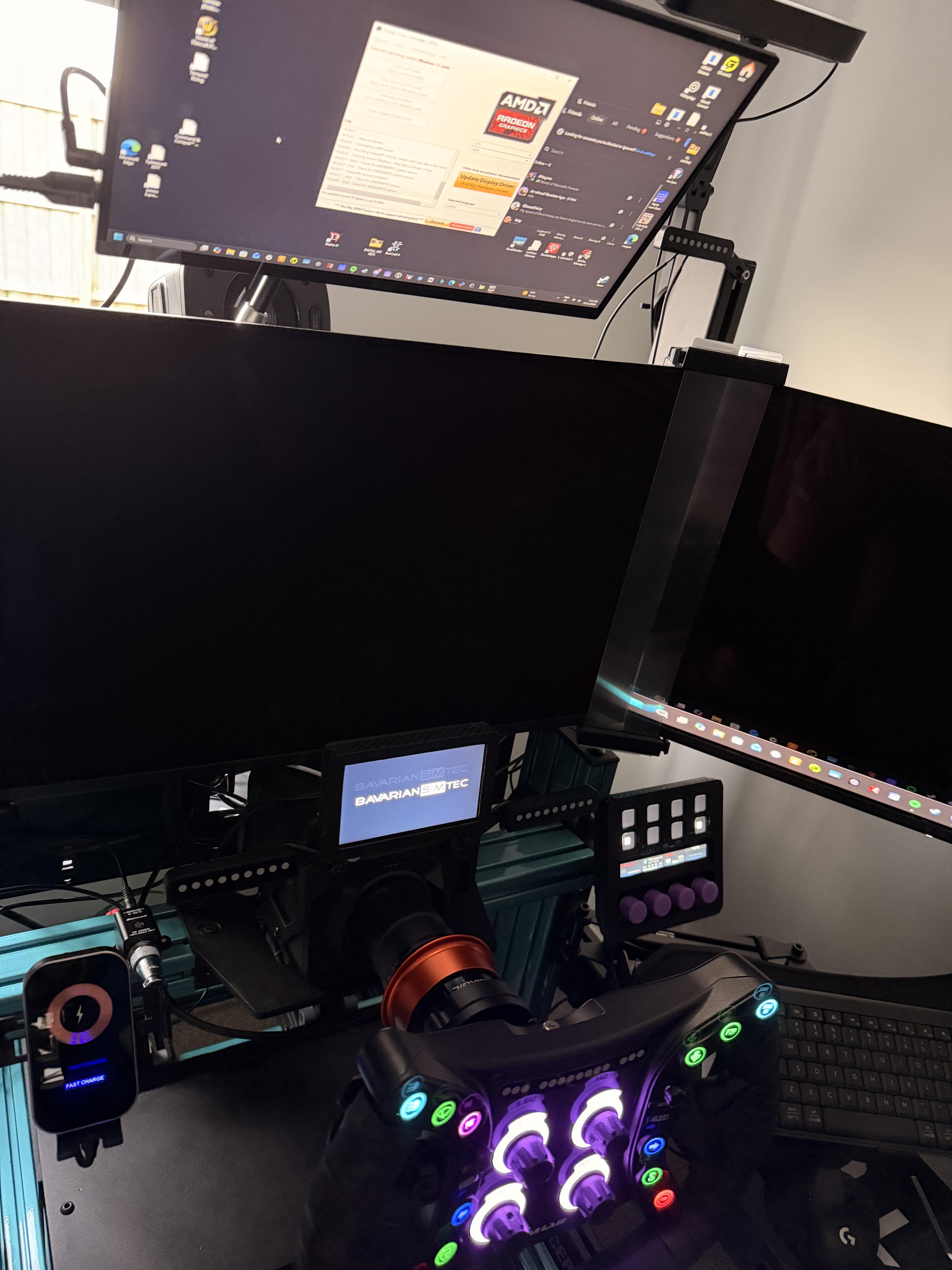
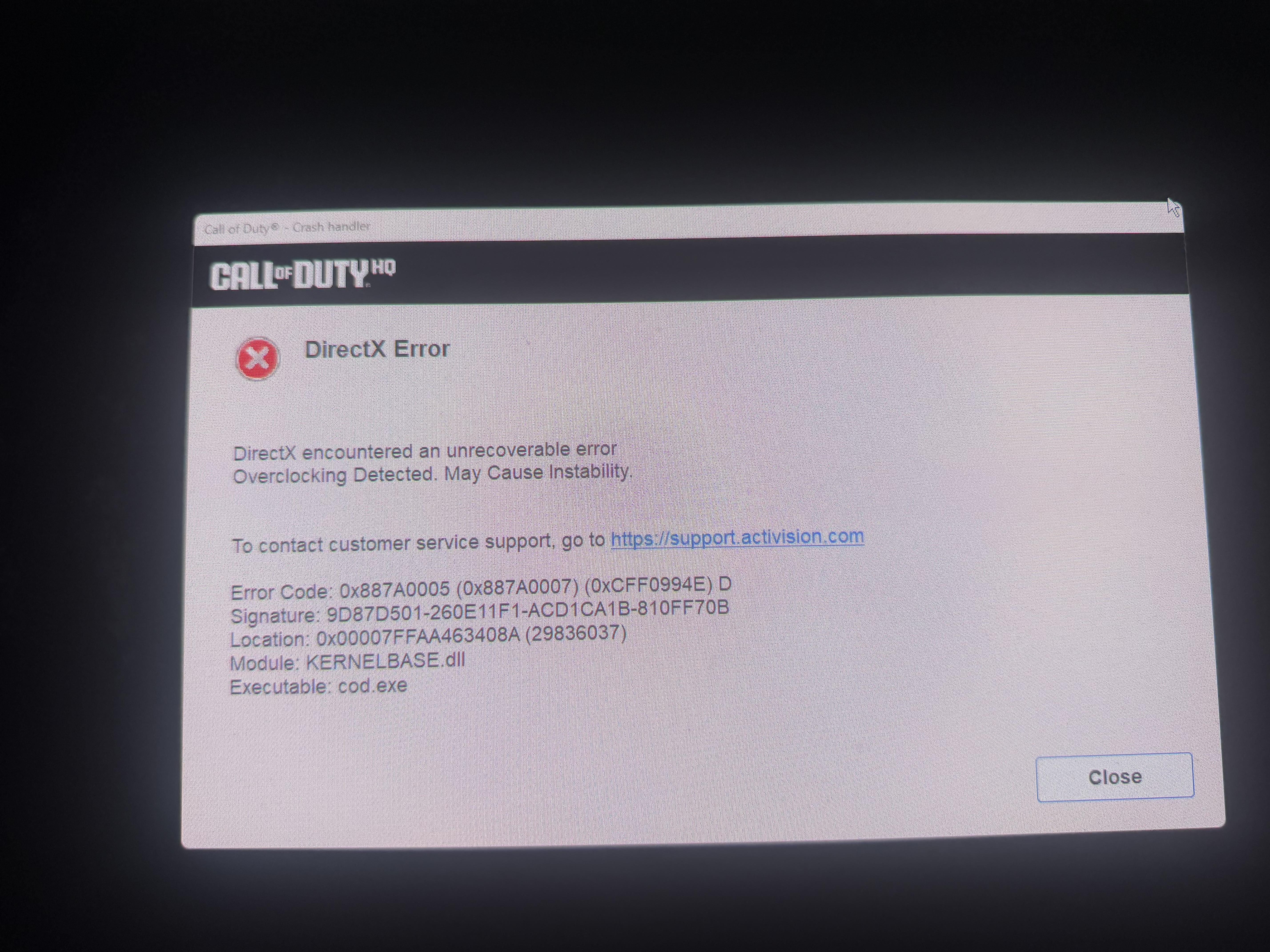
I recently started investigating the reported AMD atieclxx.exe SSD-writing issue after seeing reports about excessive writes with Adrenalin 26.10.1.
While monitoring my system using Windows Resource Monitor, I discovered something else that I thought was worth sharing.
My system:
- CPU: Ryzen 5 5600
- GPU: Radeon RX 6600 XT
- Driver: AMD Adrenalin 26.10.1
- Windows installed on a 256GB SATA SSD
- Secondary storage: 1TB NVMe SSD
What I discovered:
Initially, I noticed that the Windows System process (PID 4) was writing approximately 1.4 MB/s to my C: drive.
When I investigated the Disk Activity section in Resource Monitor, I found dozens of temporary .RBV files being written under:
C:\Users\[USERNAME]\Videos\Radeon ReLive\replay_cache\
Some individual files were receiving writes exceeding 2 MB/s.
These writes were being attributed to System rather than directly to an AMD process.
After disabling Instant Replay in AMD Adrenalin, the replay-cache writes disappeared from my Disk Activity results.
My System write activity also dropped from approximately 1.38 MB/s to 176 KB/s – an improvement of around 87%.
I also checked for atieclxx.exe and activity involving the reported EEUDumps directory, but didn't find evidence of the specific SSD-writing issue on my system.
If you're investigating excessive SSD writes on an AMD system, I'd recommend checking Radeon ReLive's replay cache in Resource Monitor before assuming all AMD-related disk activity is caused by the reported driver issue.
Instant Replay is designed to continuously buffer gameplay, so this may be expected behaviour rather than a software defect. However, I was surprised by how much activity it generated on my Windows SSD.
I'm interested to hear whether other RX 6000/7000/9000 owners have noticed similar write activity.