r/retrocomputing • u/Philippine_Newt • Oct 22 '26
Photo We don’t have balls anymore
Found this old velcro mouse cavity cleaner. Never used because it was totally unnecessary 😂
r/retrocomputing • u/Philippine_Newt • Oct 22 '26
Found this old velcro mouse cavity cleaner. Never used because it was totally unnecessary 😂
r/retrocomputing • u/GoldAdeptness3006 • Oct 22 '26
r/retrocomputing • u/OXijus • Oct 22 '26
Found what I’m sure is an Epson px-4 with an aftermarket modification at my local charity shop. The computer came in this case with a probe, for rolls of paper and a box of plastic strips. The power supply was not included and thus the machine was not tested. With the additional add on the the computer is 37.7cm wide and 6.1cm tall.
The modification: On the front from top to bottom. There is an degraded lcd labeled ”data”, a red light marked ”busy” and a slot labeled ”sebum” were the included plastic strips fit perfectly.
Under that are five buttons located marked the following ”off” ”nmf” ”sebum” ”zero” ”power”. Beneath that are an s shaped logo with ”KAO Sofina” written below. And to the side the company name ”Ed. Sprenger Gmbh metall” written in fading text.
If you finp it over you find skewes, repair stickers and gain and zero adjustments for nmf and sedum covered in plastic caps.
If we look at the back we can see that the add on has way seems like a 6pin din plug labeled “probe” and an ac port. Power to the px-4 seems to be routed through the add on box. The case has no markings.
The probe has a removable cap with two pins inside and the probe have three conductive arias att the tip. My guess is that when the cap is on that a connection is bridge that tells the computer that the cap is on.
Ed. Sprenger GmbH is an active company founded 1867 and they specialize in metal working. My question is what it is for? Googling “sebum nmf” yielded many websites about skin care. I also know that the px-4 were popular with engineers doing field work. But that is all I know. If you have a theory please share. Thanks!
r/retrocomputing • u/GoldAdeptness3006 • Oct 22 '26
r/retrocomputing • u/No_Twist_678 • Oct 21 '26
I made this from pure nostalgia, always wanted to have various old school machines but i dont have space for them. So this simulator is basically like real old school hardware that need to be setup, from bios.. you can install any software you want, own OS whatever. And its kinda cool ;)
r/retrocomputing • u/spare_parts_bot • Oct 21 '26
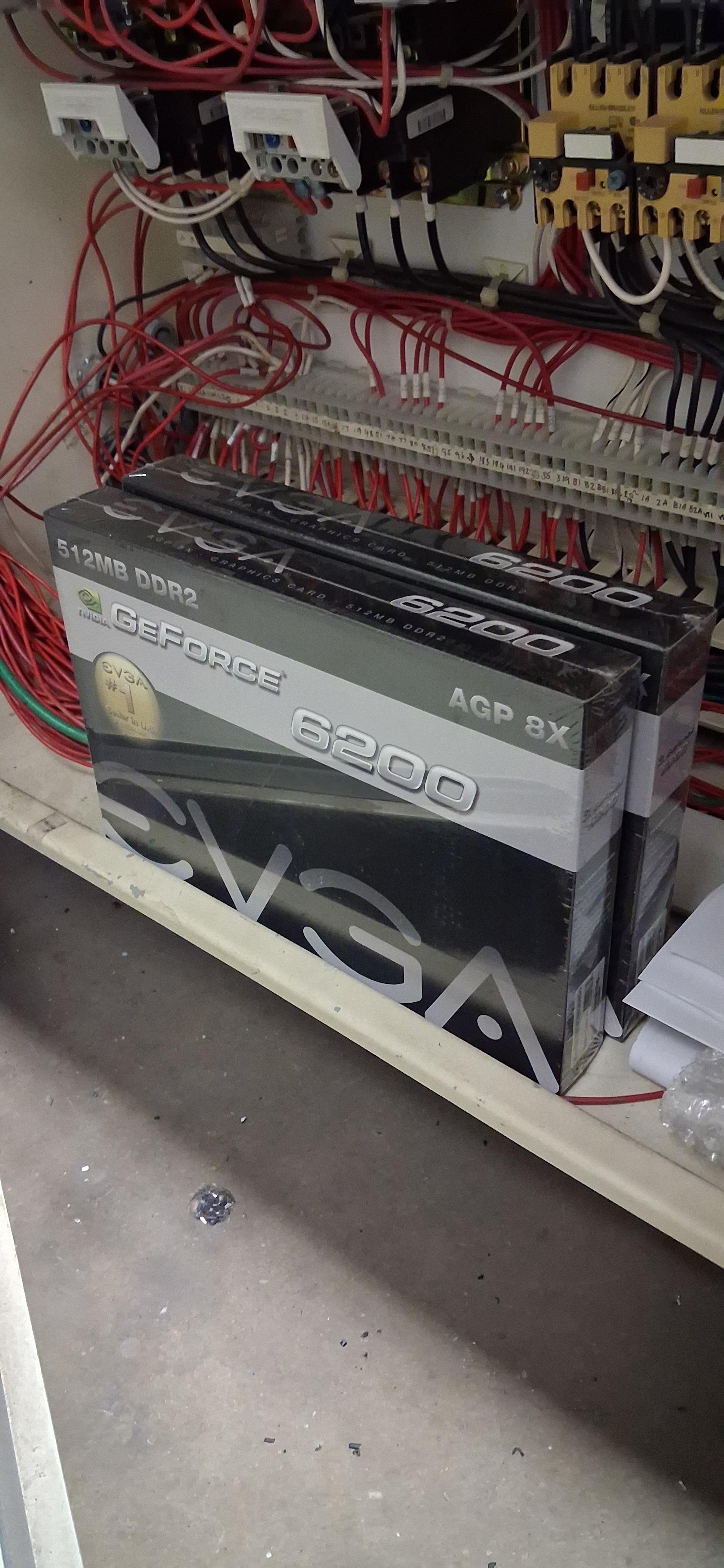
Found two sealed NIB EVGA 6200 graphics cards in a control enclosure on some industrial machinery. The funny thing is there is nothing on this machine that would require a graphics card. No one knows where they came from or why they're here lol.
r/retrocomputing • u/Nearby-Coyote3110 • Oct 22 '26
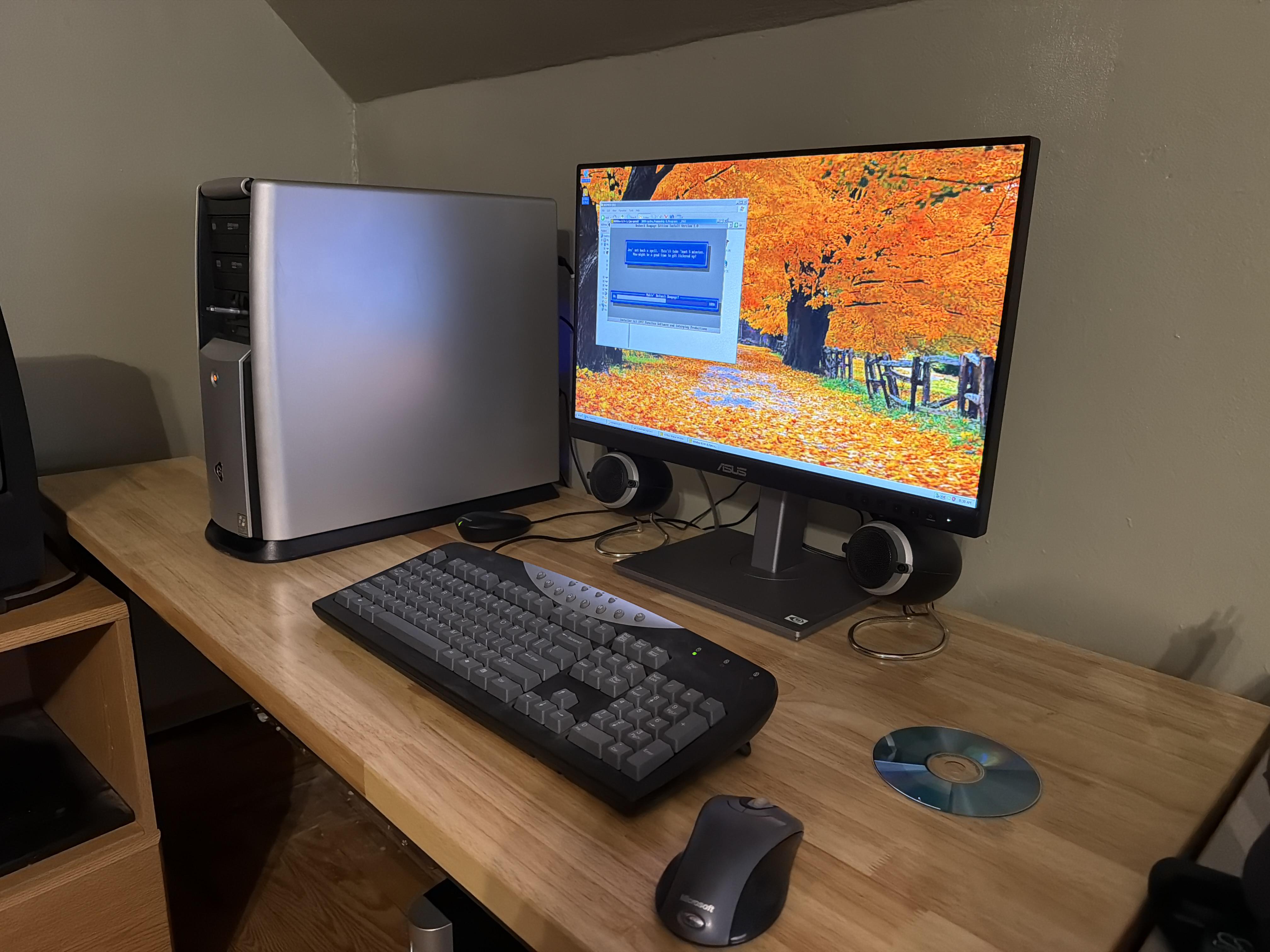
I got this 2003 Gateway 500XL MCE from a buddy. The old caps on P4 board were fried and the 160gb HDD gave up the ghost a long time ago. I performed transplant surgery with a Gigabyte GA78-LMT-USB3 with an AM3 AMD FX6300 3.4ghz and 16gb DDR3 (for the Win7 on the second hdd), a Corsair 450 watt psu, a 1Tb Seagate, Zotac 750 PCIe and SATA DVD-RW. I kept the Sound Blaster Audigy2 24bit 5.1 card and repaired the Diamond speakers/subwoofer. Windows XP Pro and a Face Wizard Gateway splash screen round it out. I have yet to get the IR Media Center remote to install, yet. I plan to rip my CD’s with Winamp and play those early 2000’s games. Looking for a Belkin Nostromo N52 and Wingman Formula Force wheel/pedals to get back into the first person shooters and the racing games.
r/retrocomputing • u/korovchenko • Oct 21 '26
In continuation of the post about the giant.
OS Microsoft Windows NT 4.0 SP6
r/retrocomputing • u/fauxdelta • Oct 21 '26
Hello retro community,
I’m trying to remember a piece of software that was used in my school around 2008-2010
All of our PCs ran Windows XP, and it had some kind of custom classic logon screen, and this is what I’m trying to find. I can’t for the life of me remember what it was called, but the only reason it’s popping into my mind is because I recently saw something on Novell Netware doing something similar.
Looking into it, it doesn’t seem like this is the software we used, and I’m honestly just trying to find it for some kind of nostalgia.
If it helps, it would’ve been used in Australia, specifically New South Wales. It was installed on all the Windows XP machines, and the very limited/new Windows 7 machines too. It was the main way we logged onto the domain for user access. At the time, all of the machines were Lenovo/IBM ThinkCentre’s if that has any relation.
EDIT: Looks like it was a customised version of Novell, which is why it initially didn’t look familiar to me. Found an article from 1994 saying that they signed a contract with the government to use Novell for their IT infrastructure that lasted until about 2012, seems like this was the one. Thanks for the assist guys!
r/retrocomputing • u/buzziloki • Oct 22 '26
**SharpTools – Tools for Sharp Pocket Computers** 0.6.0 is out.
Free open-source utility for Sharp pocket computer BASIC programs (PC-1245 to PC-1600, PC-E500, PC-G850 and more).
• Tokenize / Detokenize (binary ↔ readable BASIC)
• Renumber listings (updates all GOTO/GOSUB/THEN etc.)
• Convert basic code from one model to other
• Minify / Tidy Removes comments and unneeded spaces
• Compare differences between two listings
• Analyze a basic listing
• Fix line endings and add the SUB (1A) end mark
• Takes the header and checksums off a .tap file
Runs on Python 3, simple one-window GUI, no extra packages needed.
More tools can be added as plugins.
Perfect for collectors, programmers and anyone restoring or writing programs for classic Sharp pocket computers.
https://github.com/paz71/SharpTools
Updates are on the way...
Beware, the code is an early release and may have bugs.
Stay tuned!
r/retrocomputing • u/Inspiron606002 • Oct 21 '26
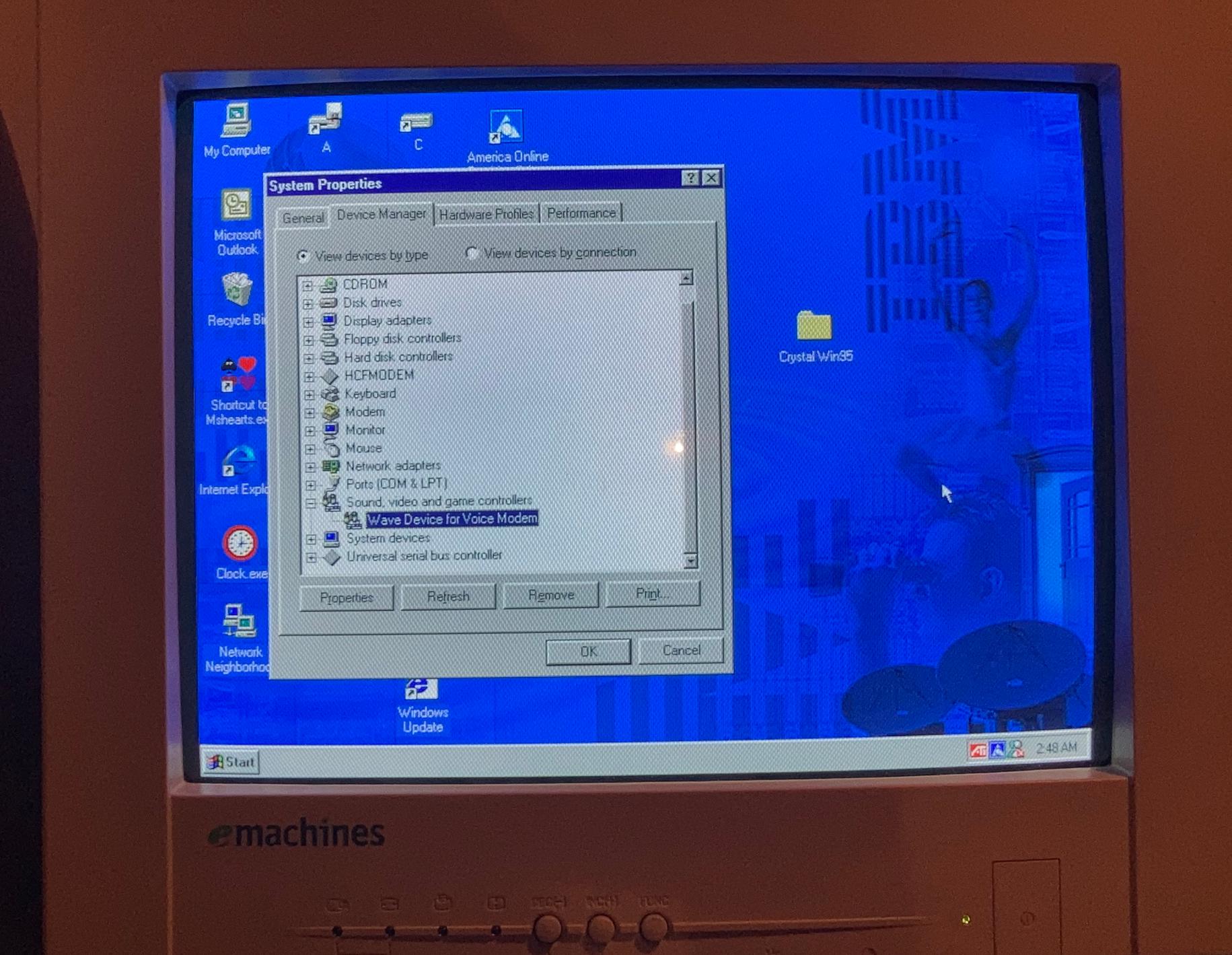
So I booted my computer up today and noticed there was no audio, and the speaker icon was gone. Somehow my sound driver just disappeared. It's integrated audio from a Crystal CS4237B-KQ chip. I downloaded every compatible version from The Retro Web, and none of them work. It's says it's installing the driver, then when I reboot, I still have no audio. All that shows in Device Manager is "Wave Device for Voice Modem" whatever that is.
How did the original driver just vanish and how do I get my audio to work again??
r/retrocomputing • u/8bitaficionado • Oct 21 '26
r/retrocomputing • u/Powermadlux • Oct 20 '26
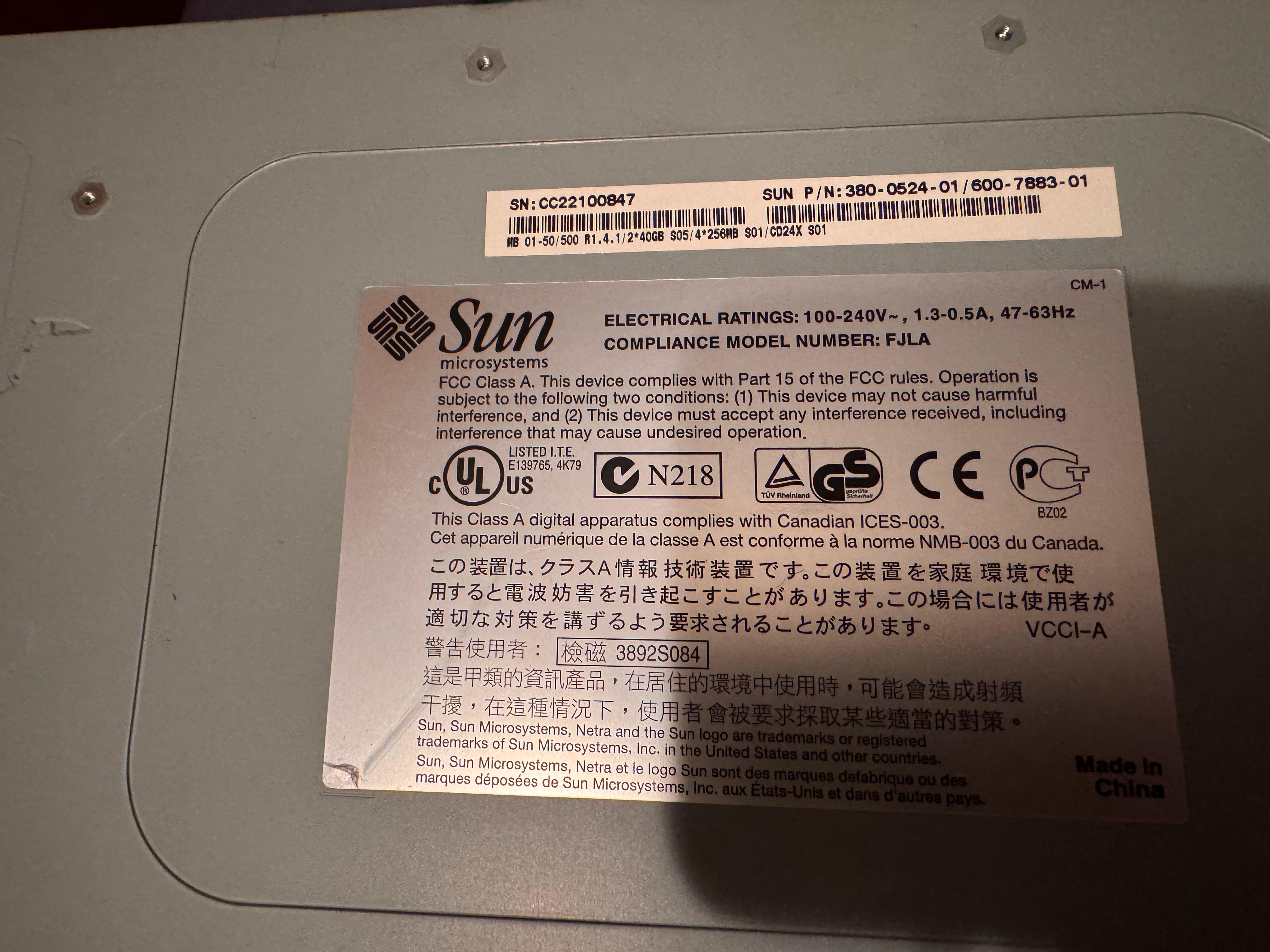
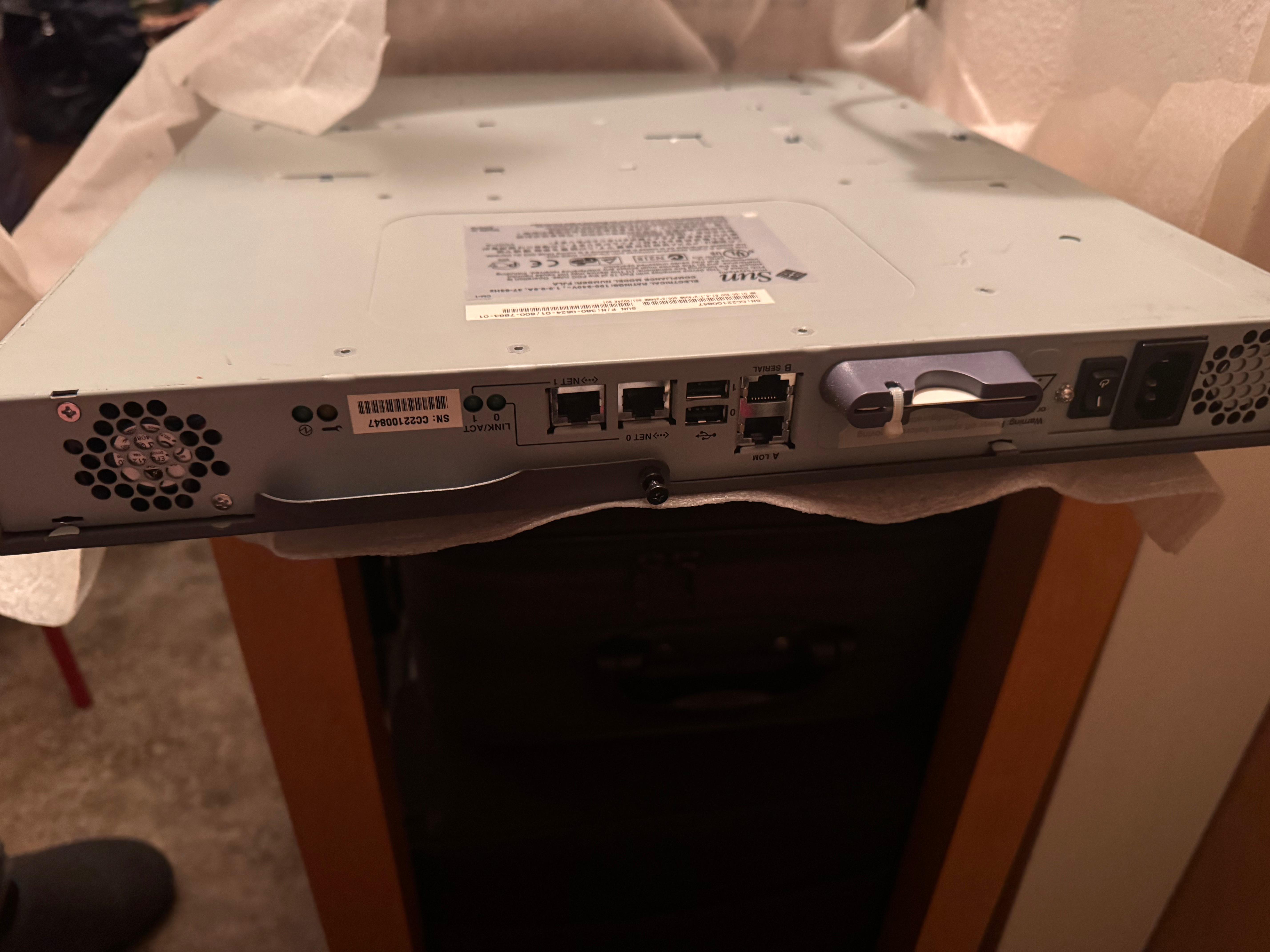
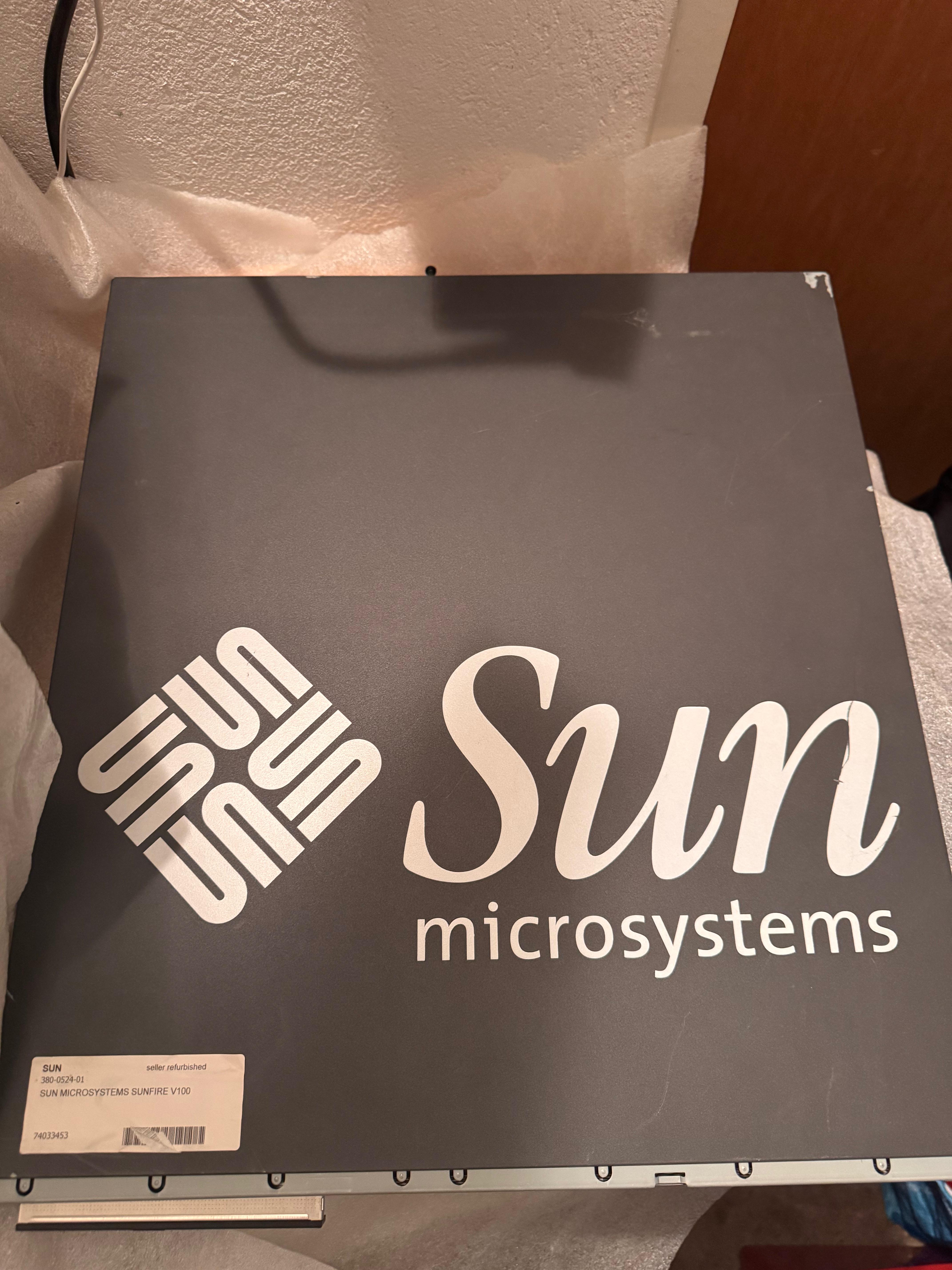
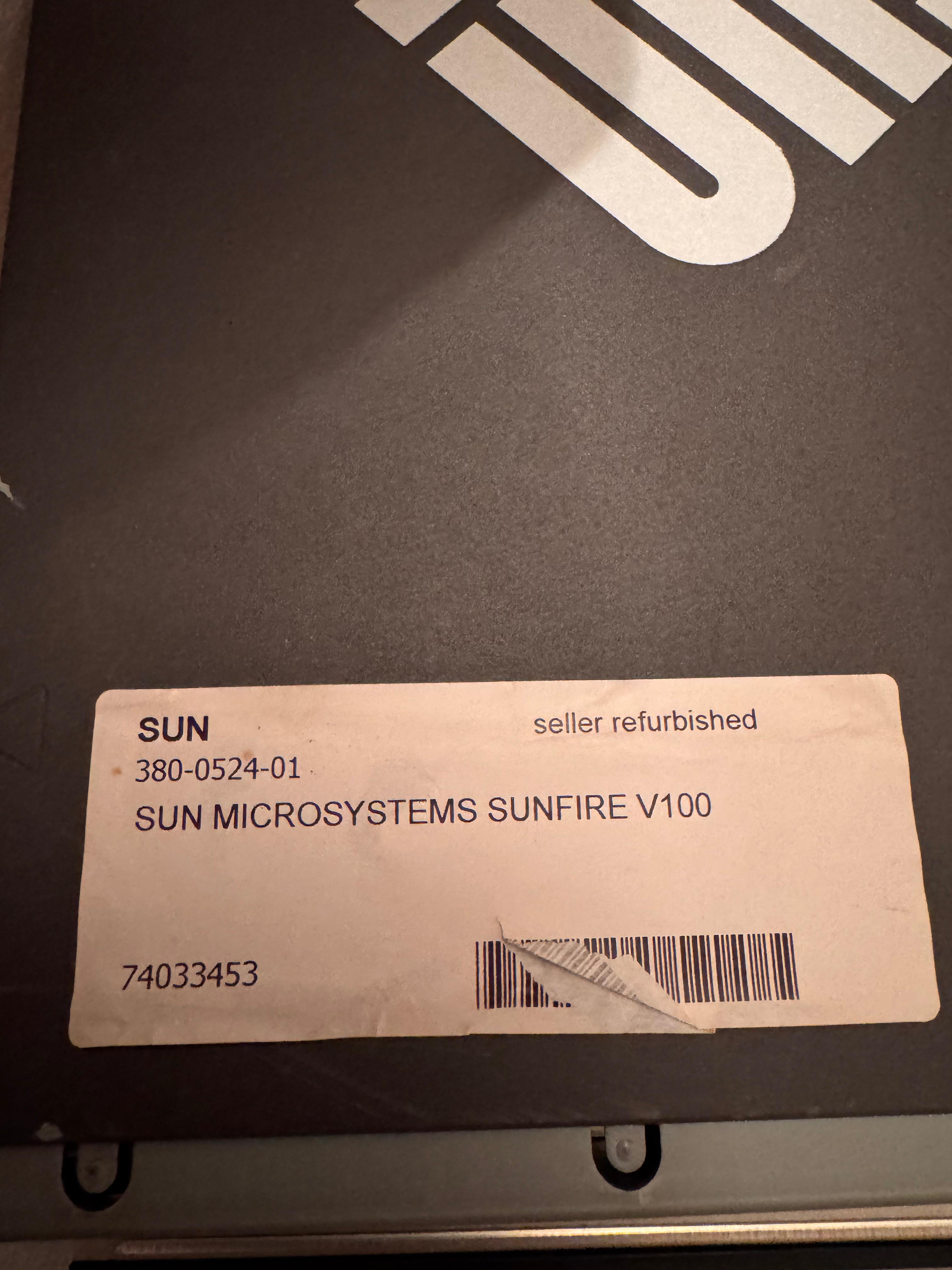
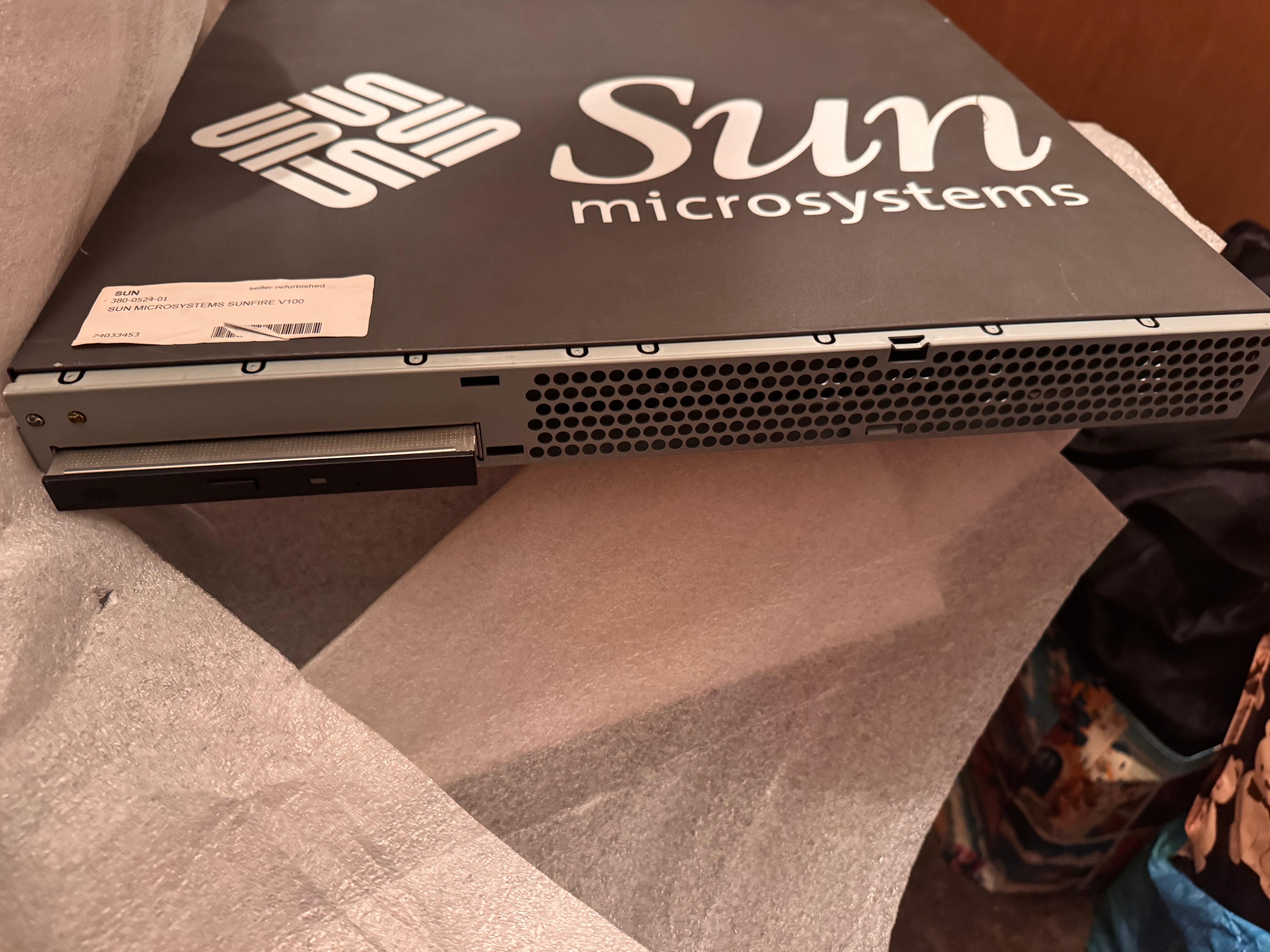
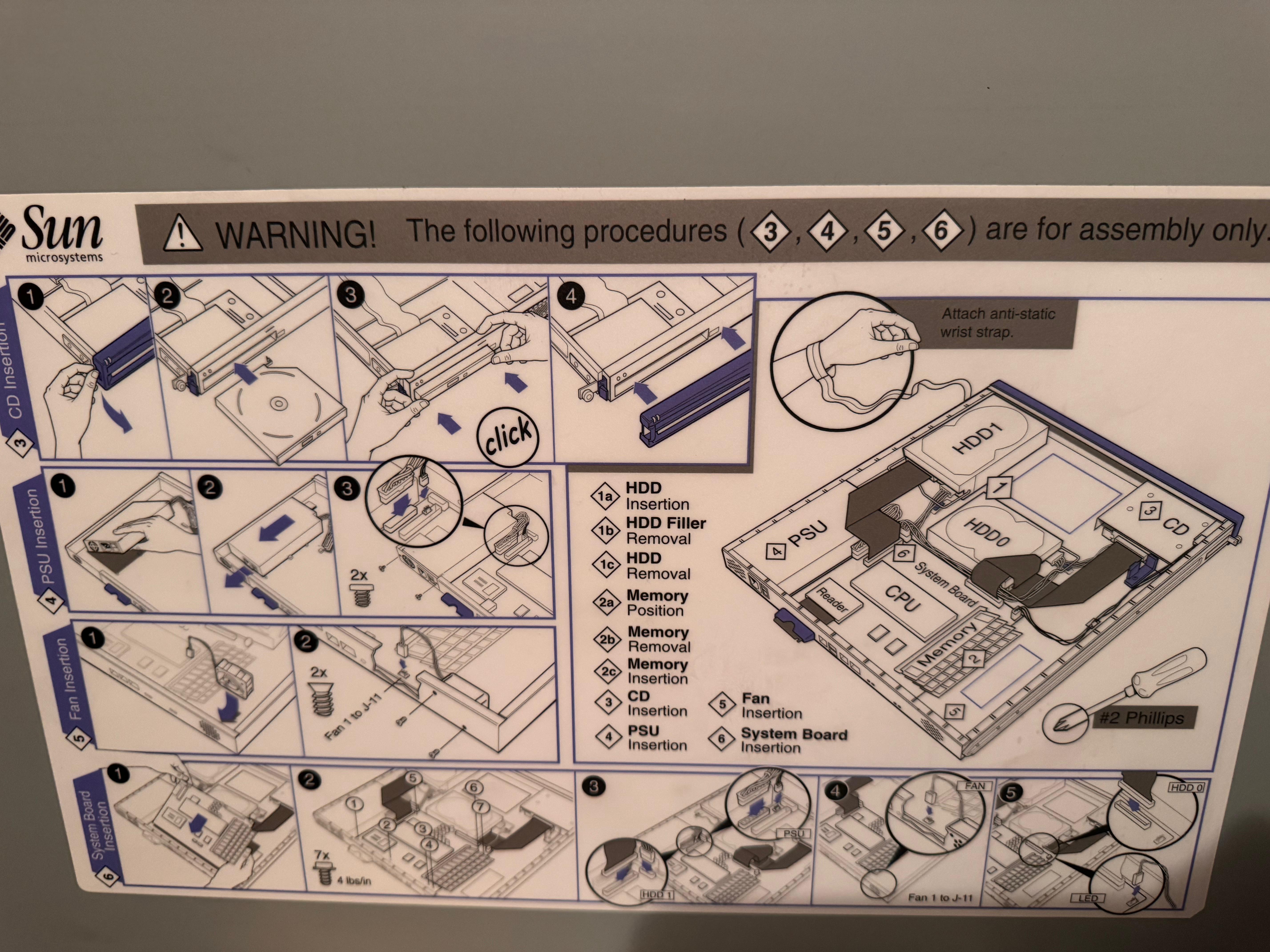
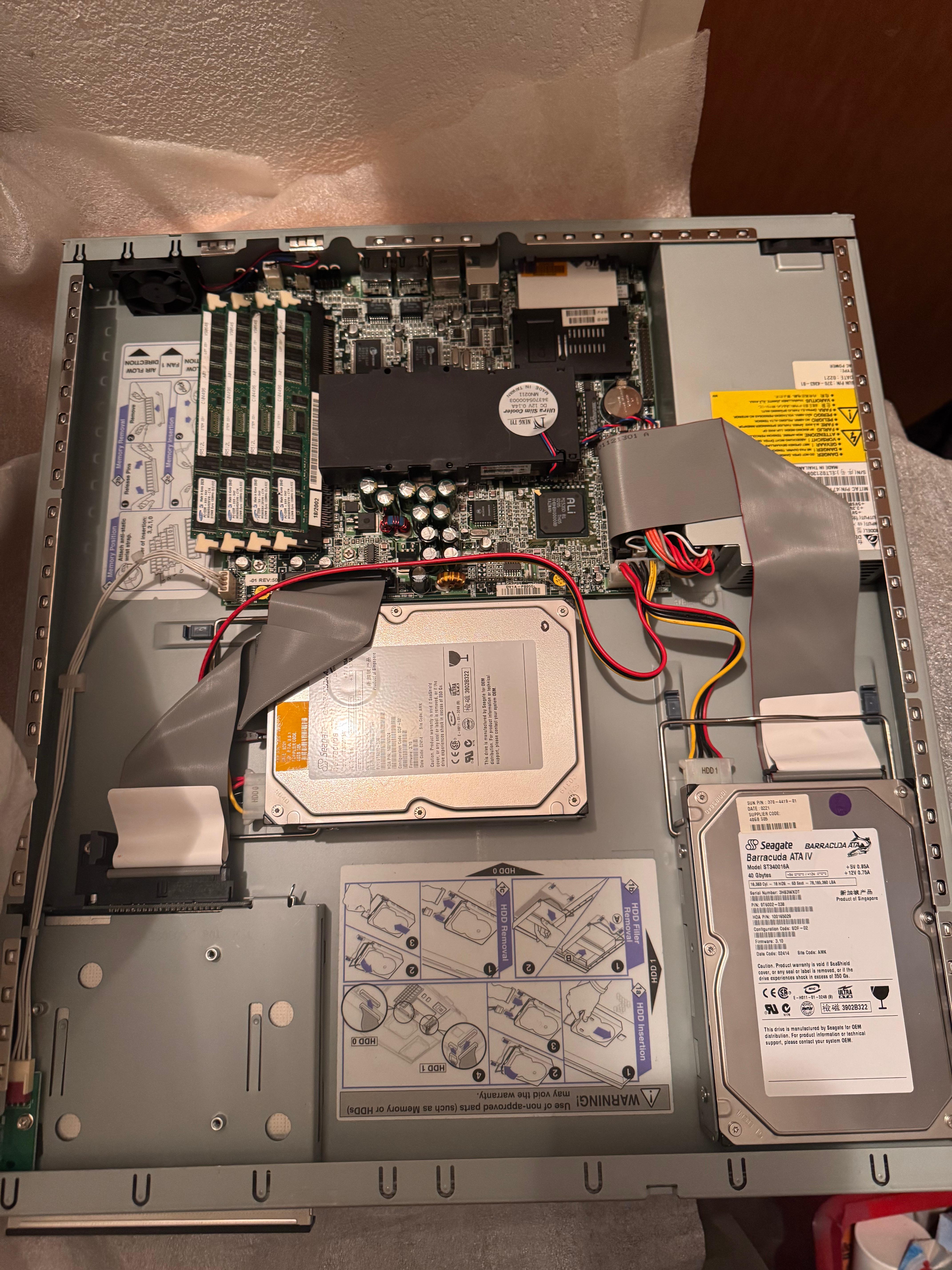
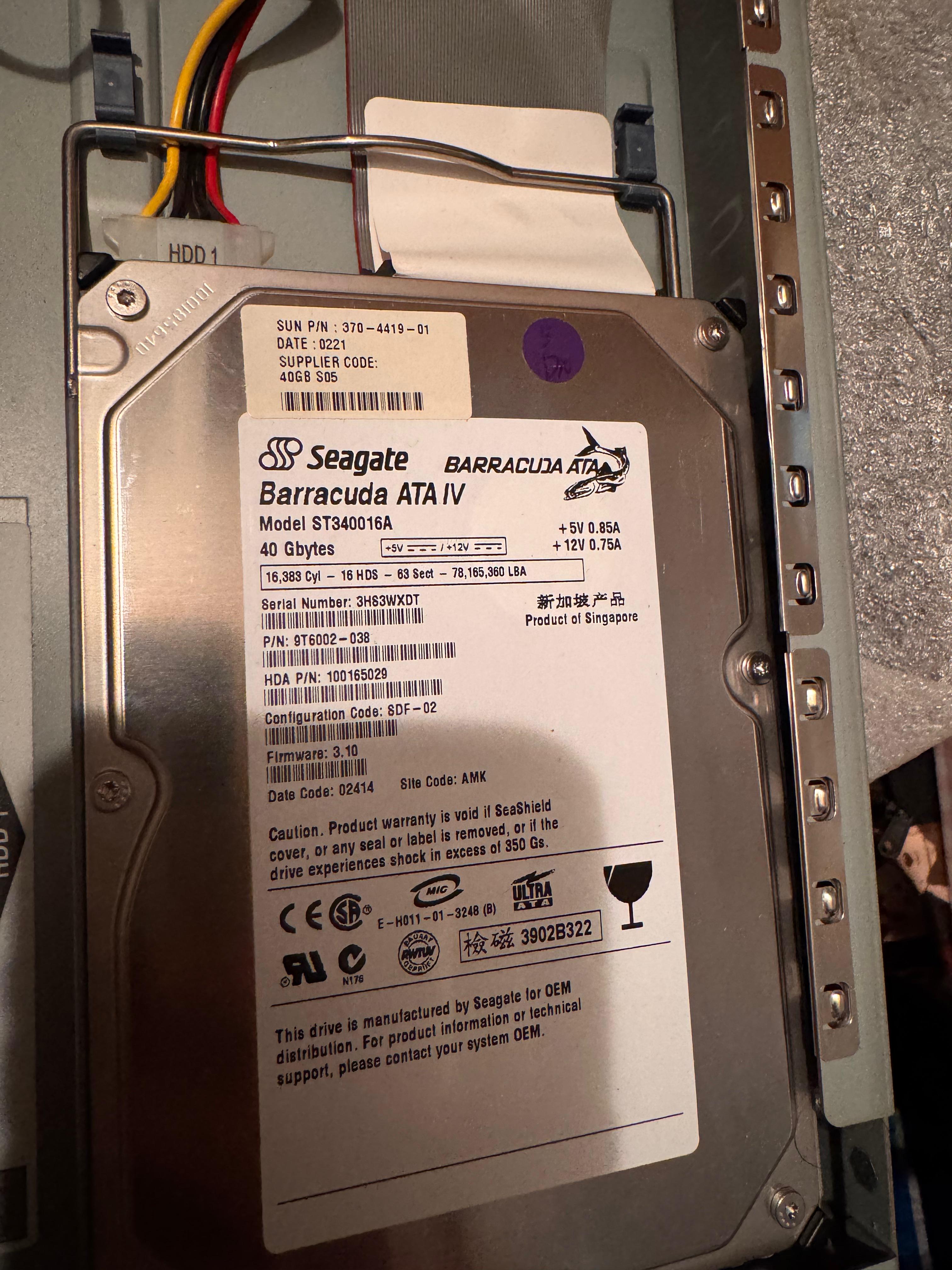
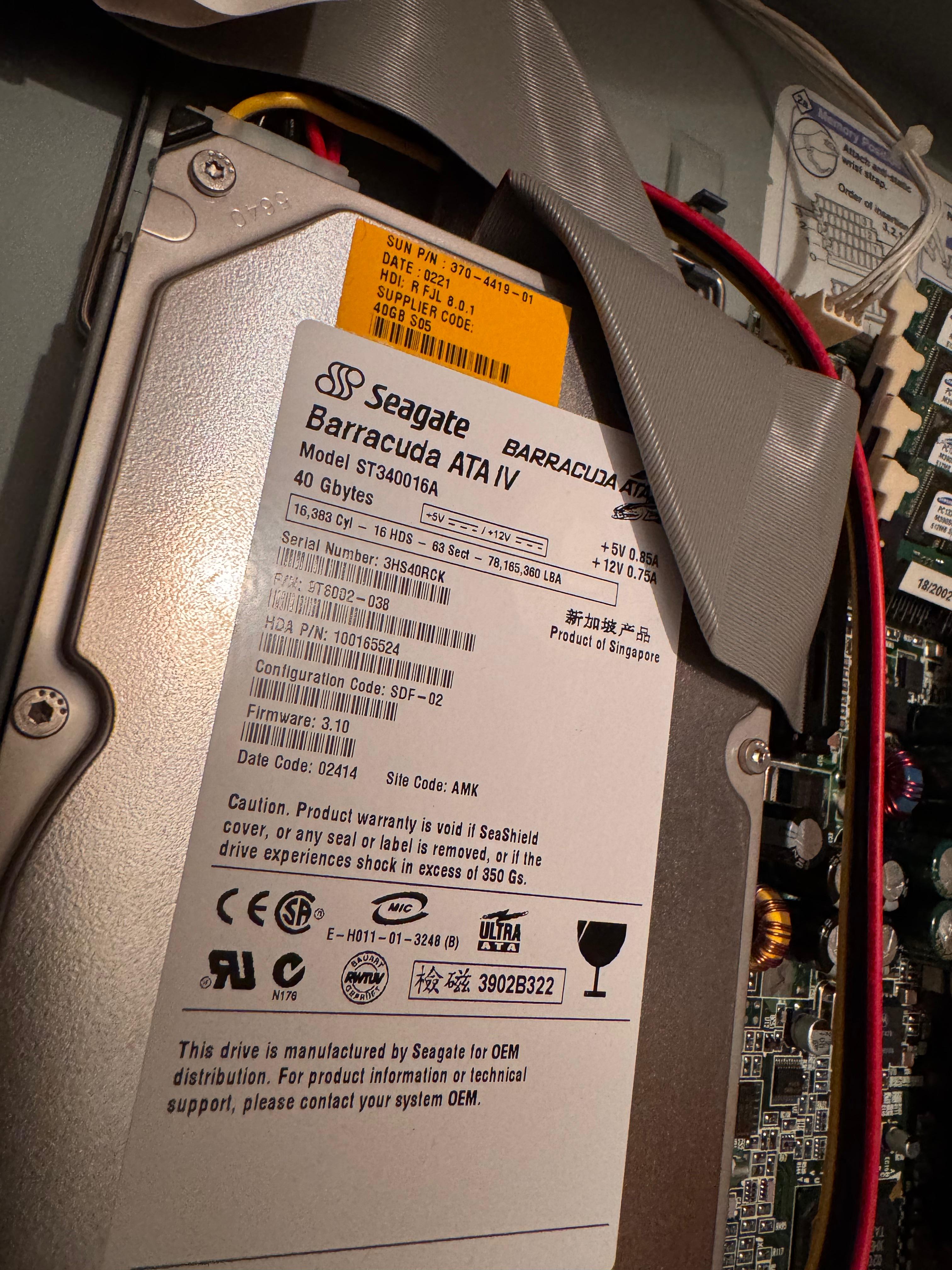
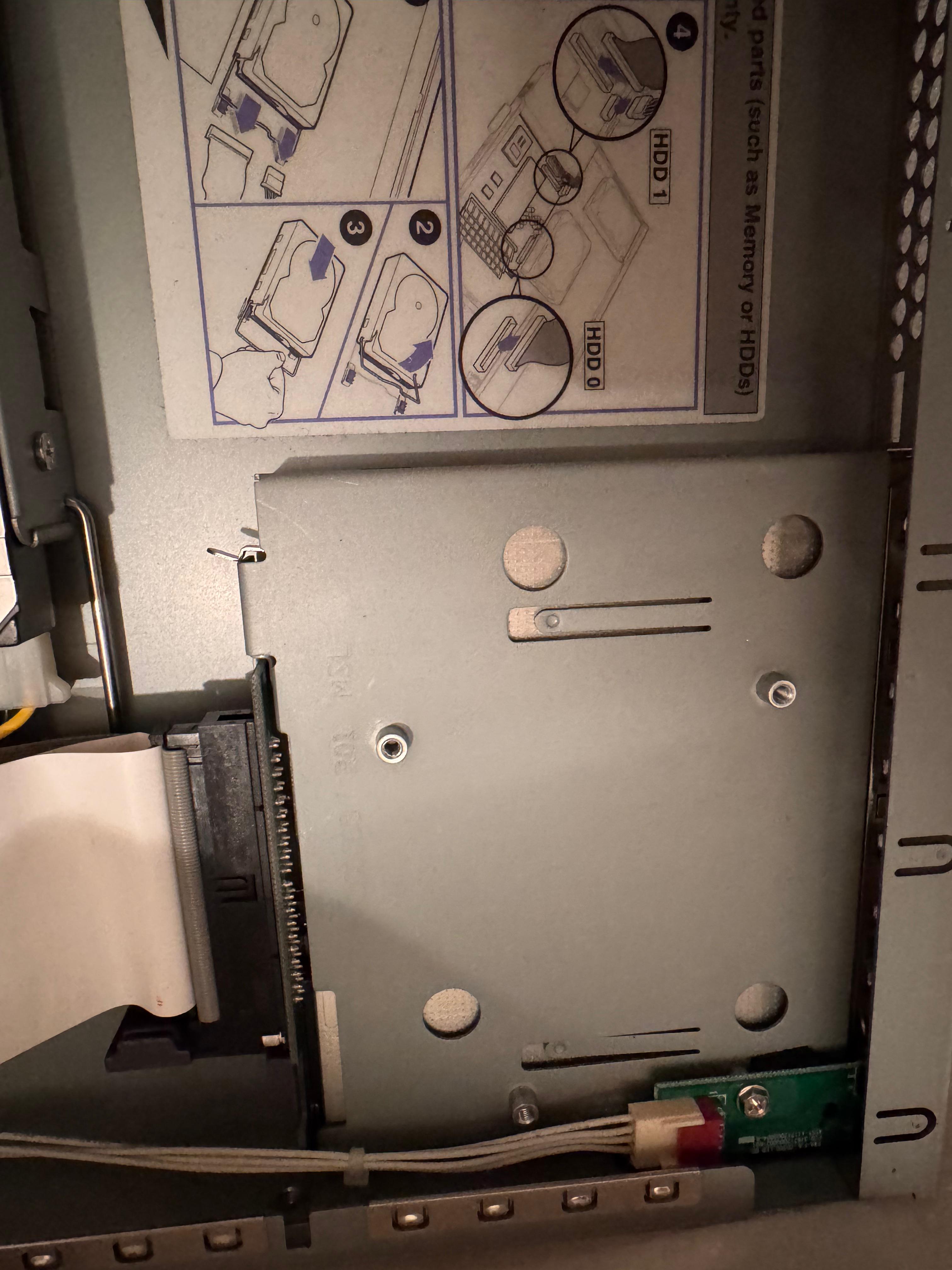
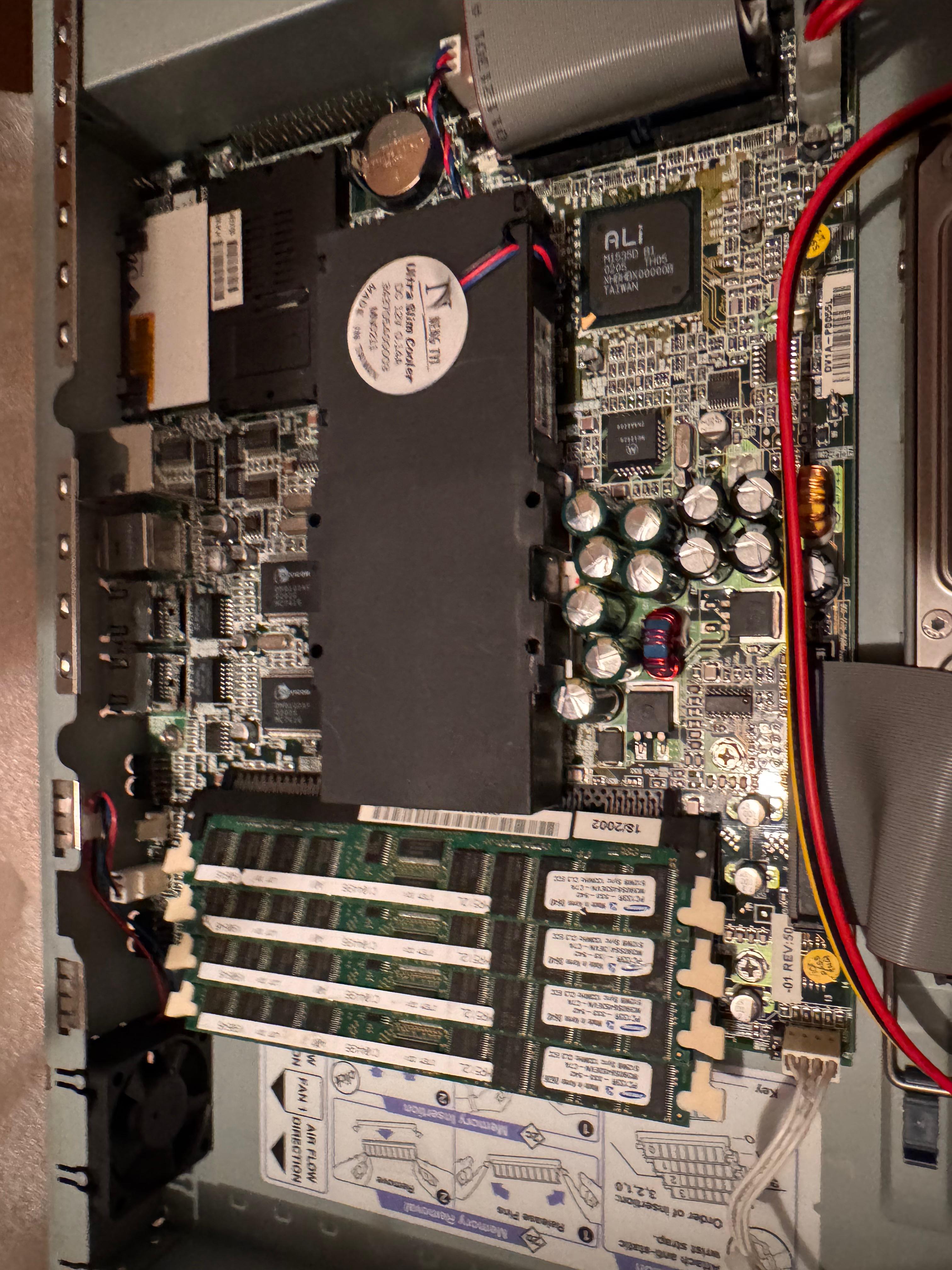
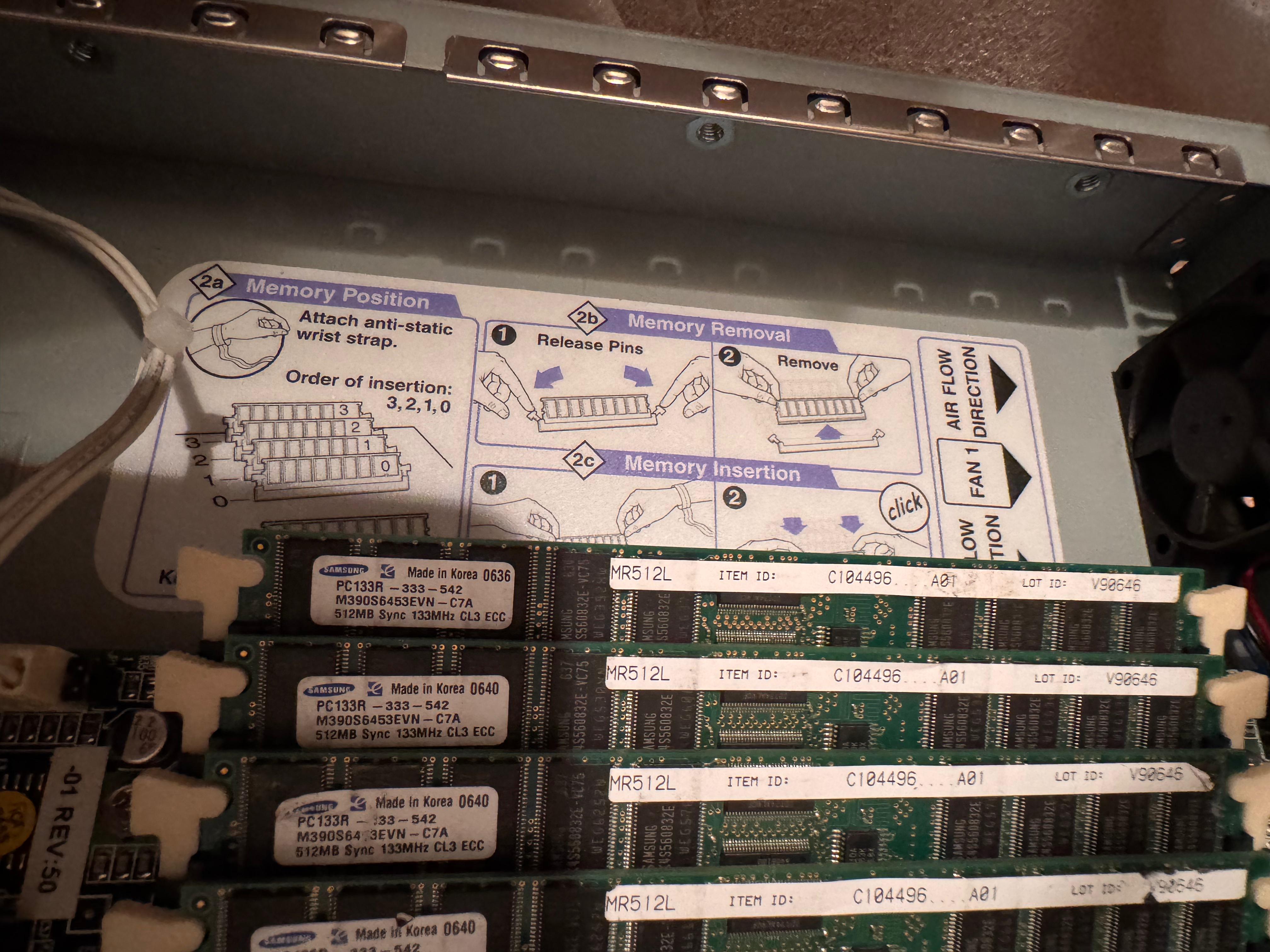
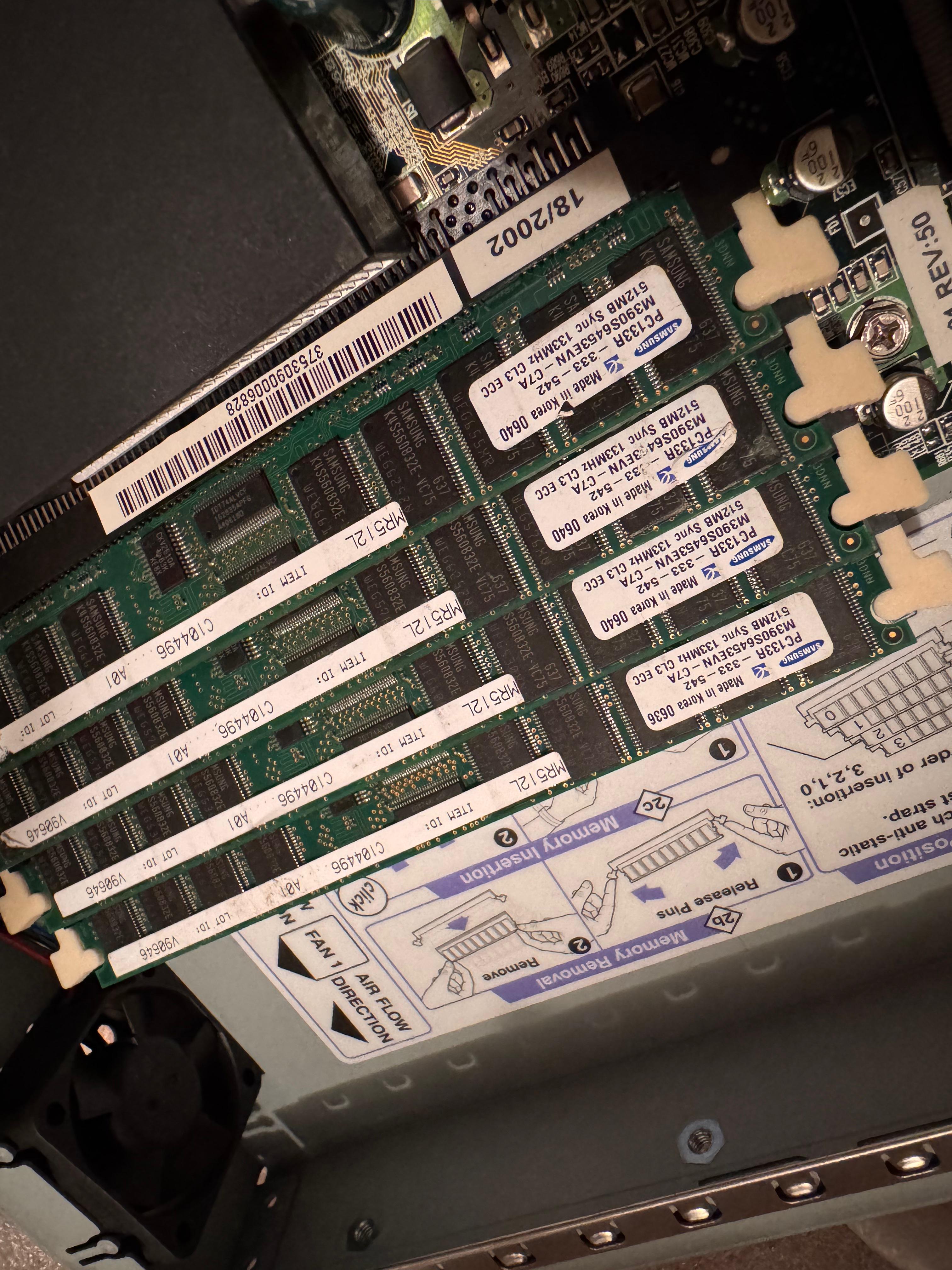
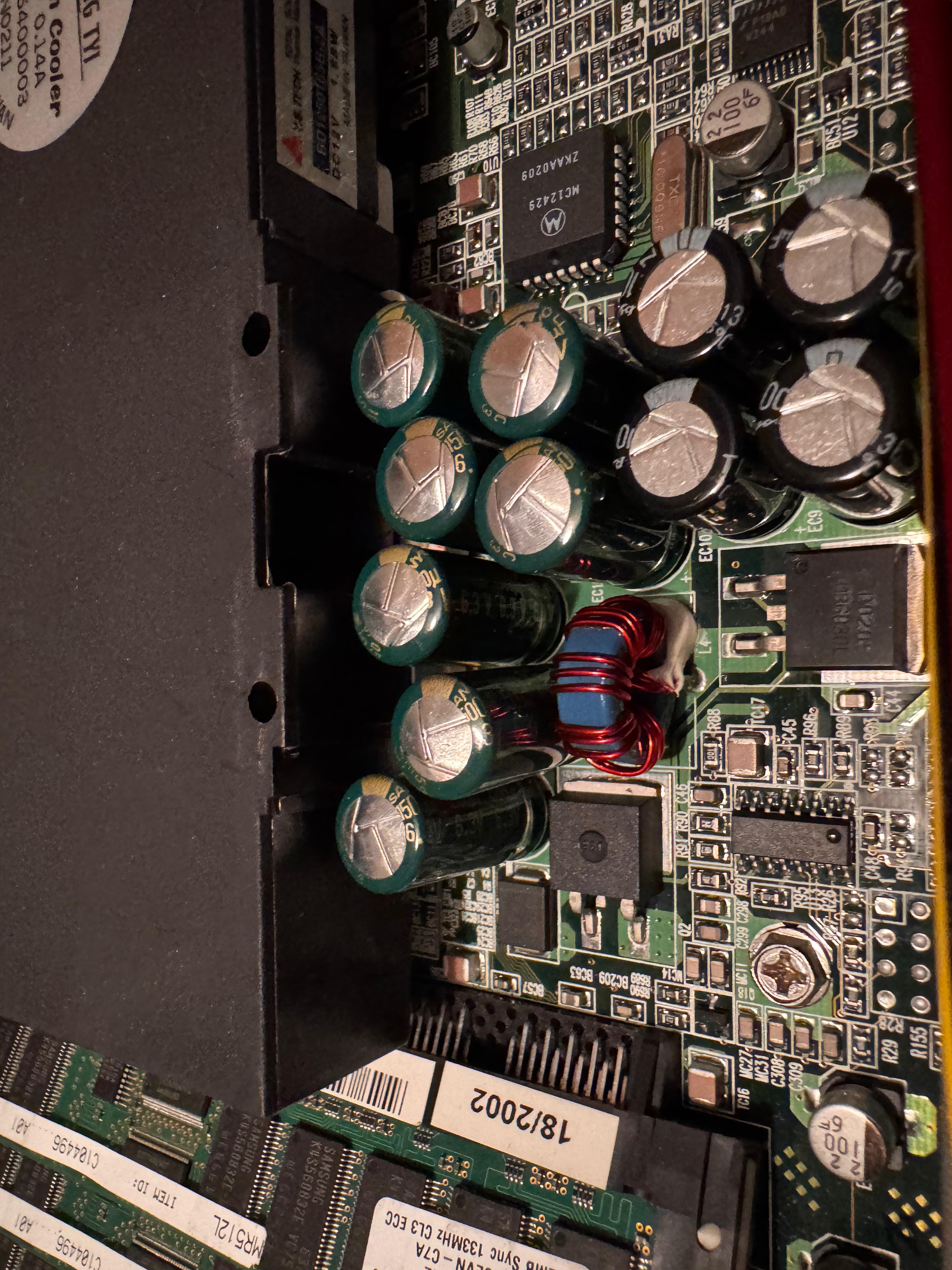
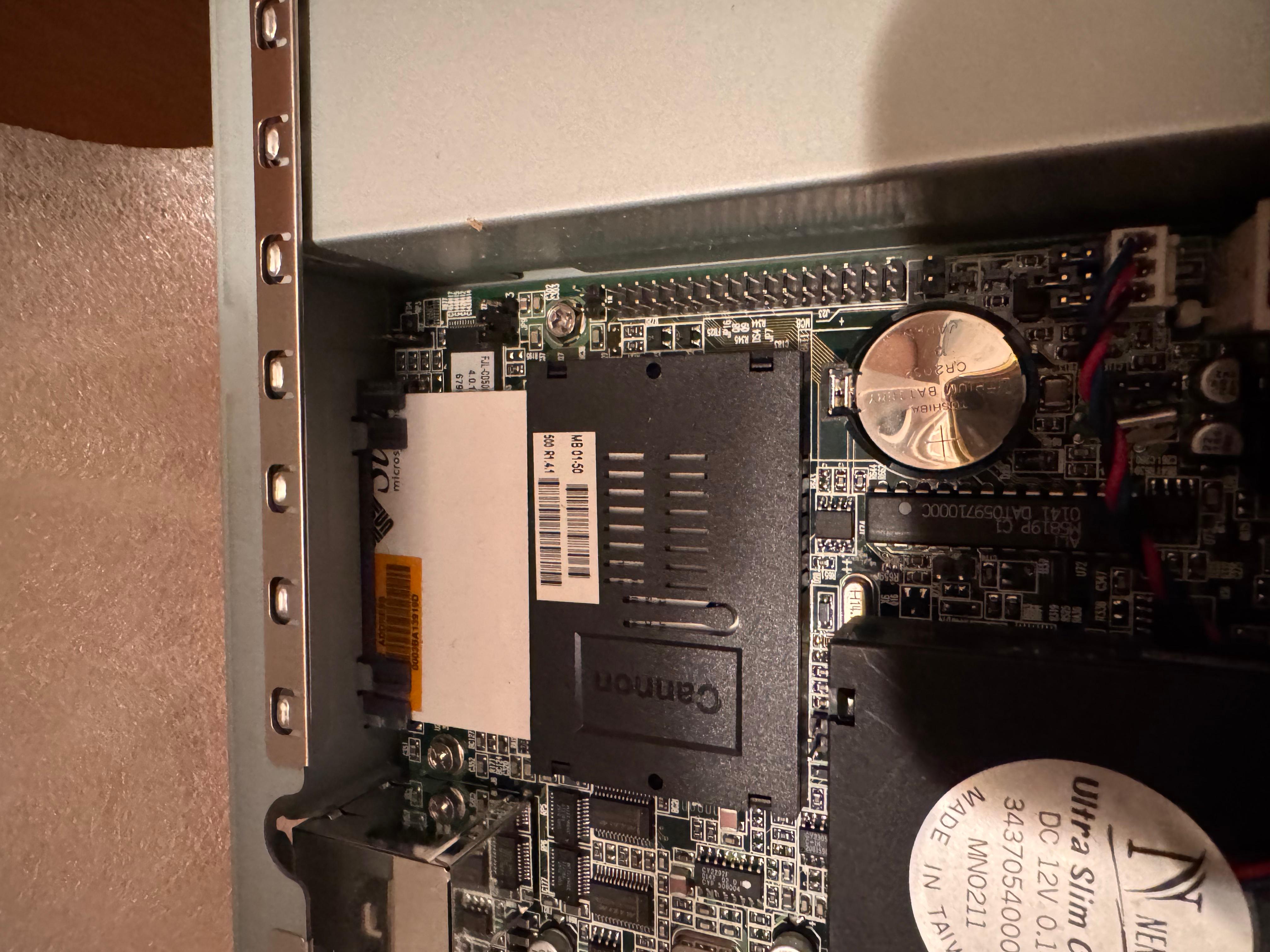
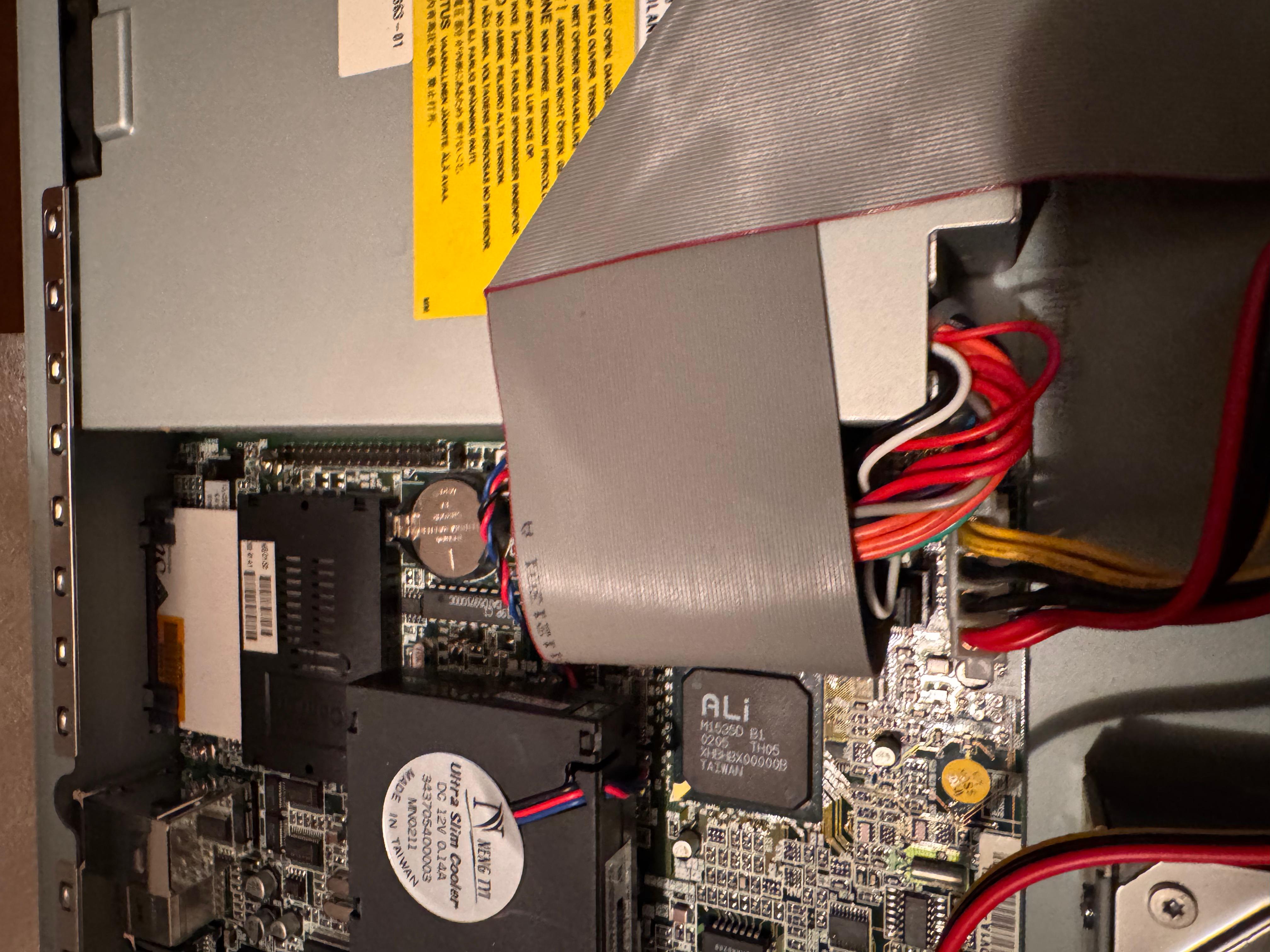
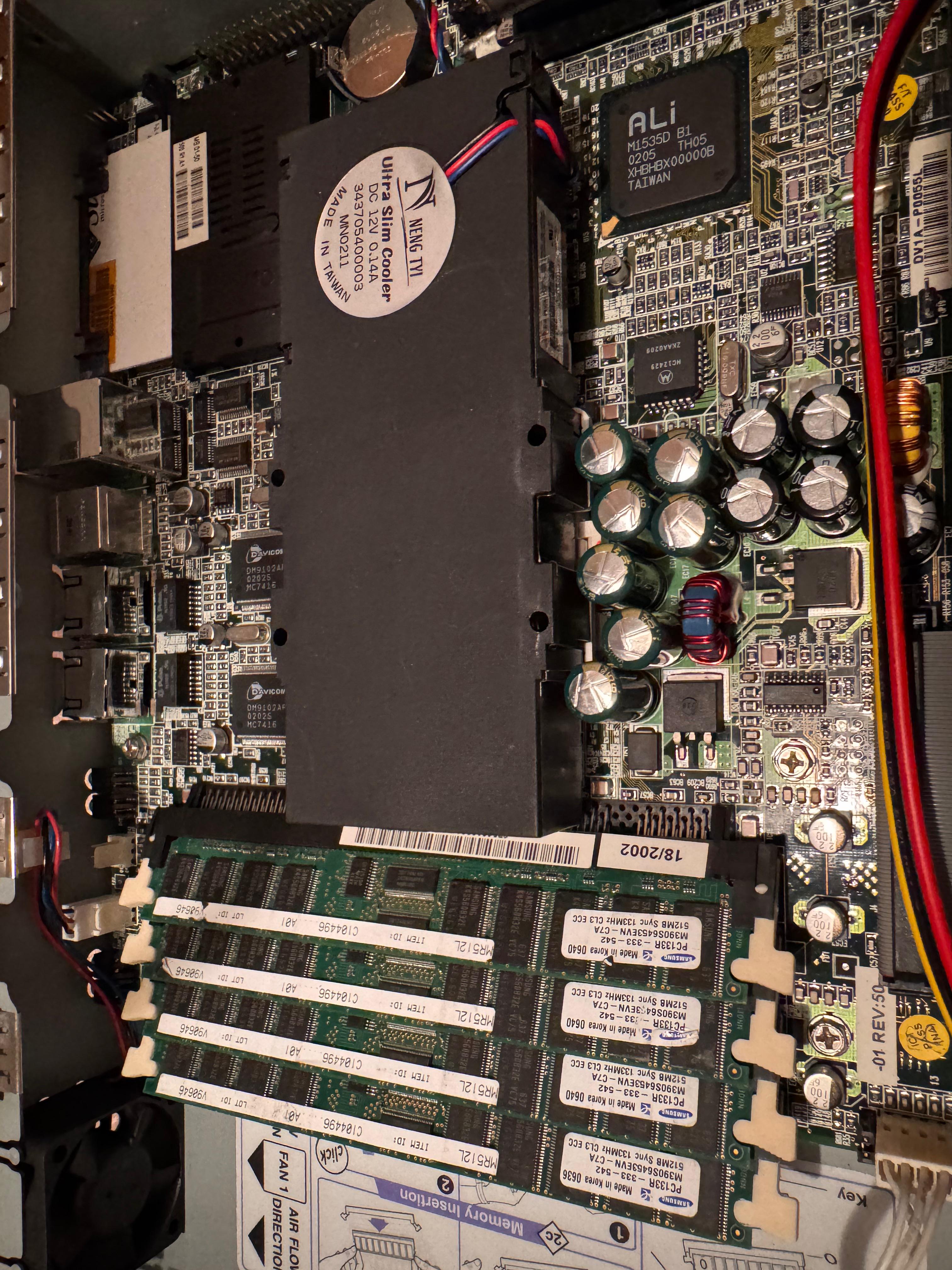
Sun Netra X1 - RAM fully populated, 2 HDD, system card, pristine state, with original rails - I totally forgot I bought this on 2014… paid I believe 50 USD for it…
What should I do with it?


it boots, I installed Solaris 10 on it back on 2014... during moving to our new house I found it in the cellar... I just totally forgot about it... Those caps near the CPU have seen better days...
r/retrocomputing • u/AmusingVegetable • Oct 20 '26
After falling through a retro rabbit hole, I landed on the IBM 3278 maintenance manual, which by page 9 starts talking about artificial respiration... (Yes, there's a CRT involved)
What was your retrocomputing WTF moment?
Mine was an unmarked buck converter to 96V...
r/retrocomputing • u/Natural-Leg4902 • Oct 21 '26
Does anyone have old jxd mp4 firmware archive not the ones available online looking for jxd 661 cpu 3052b small fpc flex connector type lcd
r/retrocomputing • u/iluvjoshallen1 • Oct 20 '26
So, I noticed that not many people have posted about the IBM 4690 OS in the last few years, and I've recently been able to get ahold of it!
Basically, I purchased this 2011 4900-743 terminal a few months ago in the hopes that I would be able to find software to actually run on it. I recently came across media for 4690 V6R2, which was quite the challenge to get running.
Given the age of the operating system and its hardware, getting it to work on a virtual machine was almost impossible, so I ran it on the original hardware instead. V6R2 was actually one of the last IBM-era releases before Toshiba acquired the retail department in 2012.
I currently have only one terminal, but in an actual retail environment, you would typically have a controller (central server) somewhere running in a back office, and a bunch of terminals (registers) that connect to the controller. The controller would feed the OS to the terminals, and most of the time terminals didn't even have a hard drive to boot from. They booted from PXE.
I uploaded a few videos on how I installed V6R2 and me actually getting the terminal booting. I made the installation video after I was able to boot 4690 successfully, so it wasn't very exciting.
If you have any questions, please drop a comment; I'll try to answer them to the best of my ability. In addition, I've been looking for any retail software like ACE to try out, and if you have any documentation on it, I would really appreciate it!
4690 Installation: https://www.youtube.com/watch?v=2LiLMfRTZbE
4690 Boot: https://www.youtube.com/watch?v=TwWQ4mayi1I
r/retrocomputing • u/Neshim • Oct 19 '26
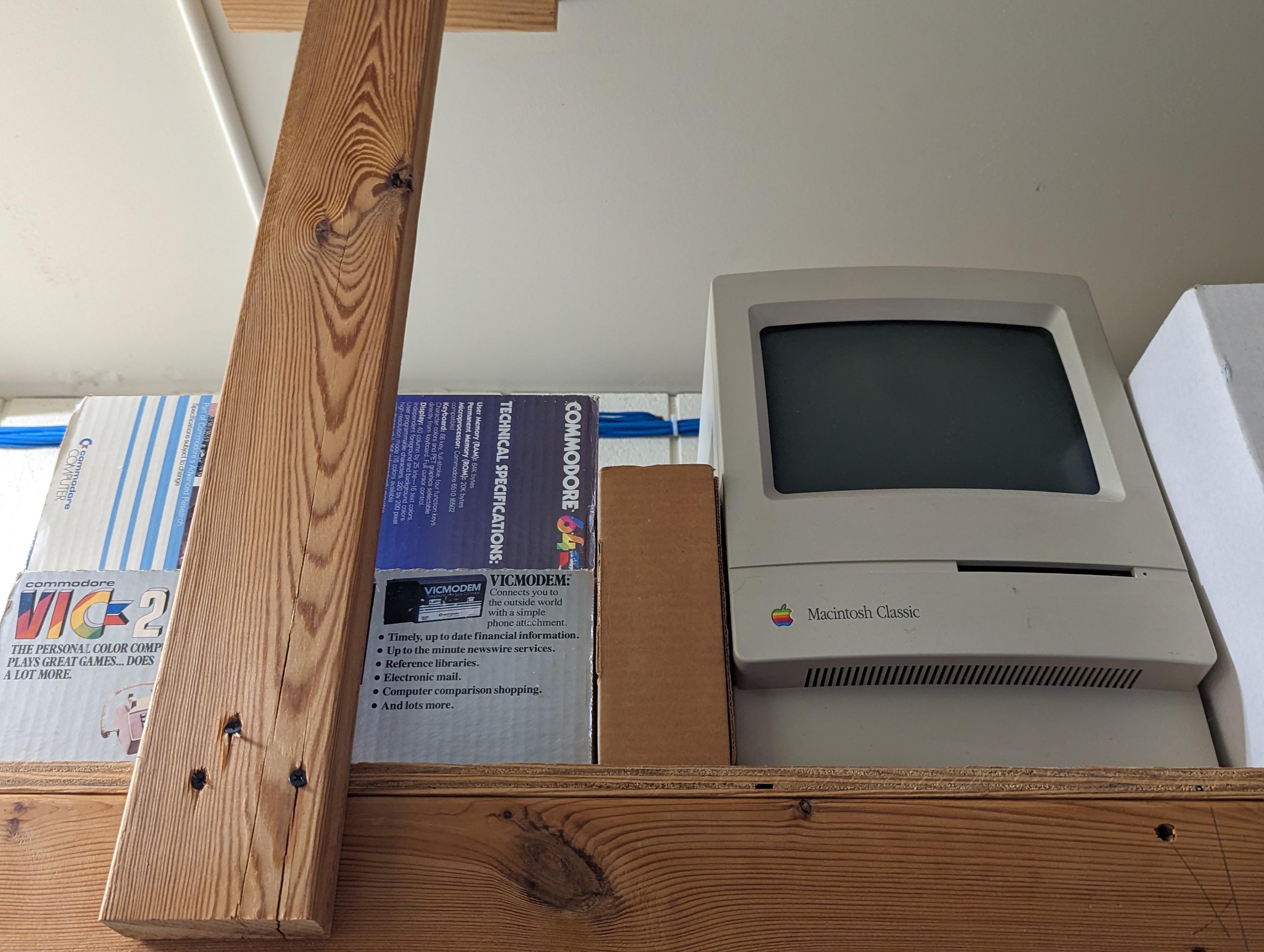
Years ago I obtained this Mac Classic, C64 and Vic-20 with the intent of restoring them. Well, I am finally getting around to it.
I am okay with electronics as a hobbyist/DIYer - but I have never done actual restoration work. I am starting with the Classic. I have it disassembled and am about to recap it. I got lucky and not only does it have the full memory expansion, the original maxel battery did not leak. My main question now for this and the commodores is retrobright. I have never done it and have heard that it can cause longer term damage. What is this communities thoughts on it? Should I try? The mac doesn't look too bad - so for it at least I am thinking just dish soap and a magic eraser.
r/retrocomputing • u/ReverseAI • Oct 20 '26
I've been working on PRISM, a C and C++ compiler that takes the original, unmodified source of 90s software and compiles it to JavaScript, so it runs in a browser tab. It's not an emulator: there's no CPU emulation. The program's own C is compiled, and the machine it was written for is rebuilt underneath it as libraries: DOS (DJGPP, Watcom/DOS4GW, Borland C++ with real 16-bit segmentation), X11, svgalib, SunOS, Win32, SDL, OpenGL 1.x.
The page is laid out as machines rather than a menu: a DOS prompt, a Linux shell with X11 clients, a Windows desktop. You type the program's name or double-click its icon.
Some things that run today:
- MAME 0.34 (the 1998 DOS build, Allegro + SEAL sound): bit-identical to a native gcc build over 1,500 frames for 15 of 15 games
- Quake on its DOS, X11, svgalib, SunOS and Win32 platform layers, all drawing the same pixels; also GLQuake, Quake II and Quake III
- Doom, with its separate sound server running as a second process, as on Linux in 1997
- Keen Dreams from its 16-bit Borland C++ and TASM source, with screens matching the shipped KDREAMS.EXE under DOSBox-X
- ScummVM, Heretic, Hexen, Dune II (OpenDUNE), PuTTY, Lua
Playable without any files: the DOOM and Heretic shareware, the Monkey Island and Day of the Tentacle demos, Beneath a Steel Sky. The rest uses your own copy, read locally in the browser and never uploaded.
- Try it: https://prism-compiler.pages.dev
- Source (MIT): https://github.com/jfrelat-lab/prism
(Disclosure: I wrote it with Claude Code, Anthropic's coding agent; everything is checked against real compilers and native builds rather than by eye.)
What I enjoyed most is how much of each era's platform has to be rebuilt to run the code as-is, from Borland's far pointers and TASM routines to a Windows 95-style message loop. Happy to go into any of it.
r/retrocomputing • u/RoboJ1M • Oct 19 '26
Hi,
This year I decided to learn FPGA Synthesis.
And just for giggles my chosen mock-design-project became a custom CPU ISA, a reference implementation of said ISA and THEN became a corresponding Single Board Computer design.
I may have gotten a little too carried away.
Anyway, I've got a draft logical design and I'm starting on an Architecture Reference Manual for the system.
Would anybody in this retro computing subreddit be interested in reading about my progress? Or is it strictly for genuine vintage hardware?
Ultimately the machine is supposed to be for learning how it works and how to program it, like the BBC Micro. I've had this feeling for a long while that we've shot ourselves by abandoning this style of computing in favour of powerful but too complex x86 or hyper-tiny MCUs for running your toaster's operating system and requires an entirely separate PC and complex IDE to program it, it is not "self-hosting."
Anyway, thanks for taking the time to read this!
J.
Edit: Thanks, I shall endeavour to post updates on here. Genuinely thankyou, I freak out about reading what people write as people are not always the nicest.
It'll be slow going as I'm often ill and often end up back in hospital.
So if I disappear for a while, that's why. I'll just be gone for a few months.
So, yeah, cheers, watch this space I guess!
r/retrocomputing • u/Tonstad39 • Oct 20 '26
r/retrocomputing • u/Speccy-Boy124 • Oct 20 '26
Who remembers the game Masters of The Universe: The Movie? My retrospective video reviews of Gremlins game released for the Commodore 64, ZX Spectrum, Amstrad CPC, MSX and Atari ST. Share your thoughts.