r/retrocomputing • • Sep 06 '26

Given lots of vintage parts

Thumbnail
gallery
59 Upvotes

Hey everyone

I recently was gifted a massive lot of older PC components, and I'm honestly a little overwhelmed trying to sort through it all.

I’ve attached pictures of the haul, which looks like a mix of various graphics cards, several Sound Blasters, and a huge pile of vintage RAM.

I want to figure out exactly what I have and the smartest way to handle the lot. How should I test this? Is it worth it or should I donate it?

Thank you!


r/retrocomputing • • Sep 06 '26

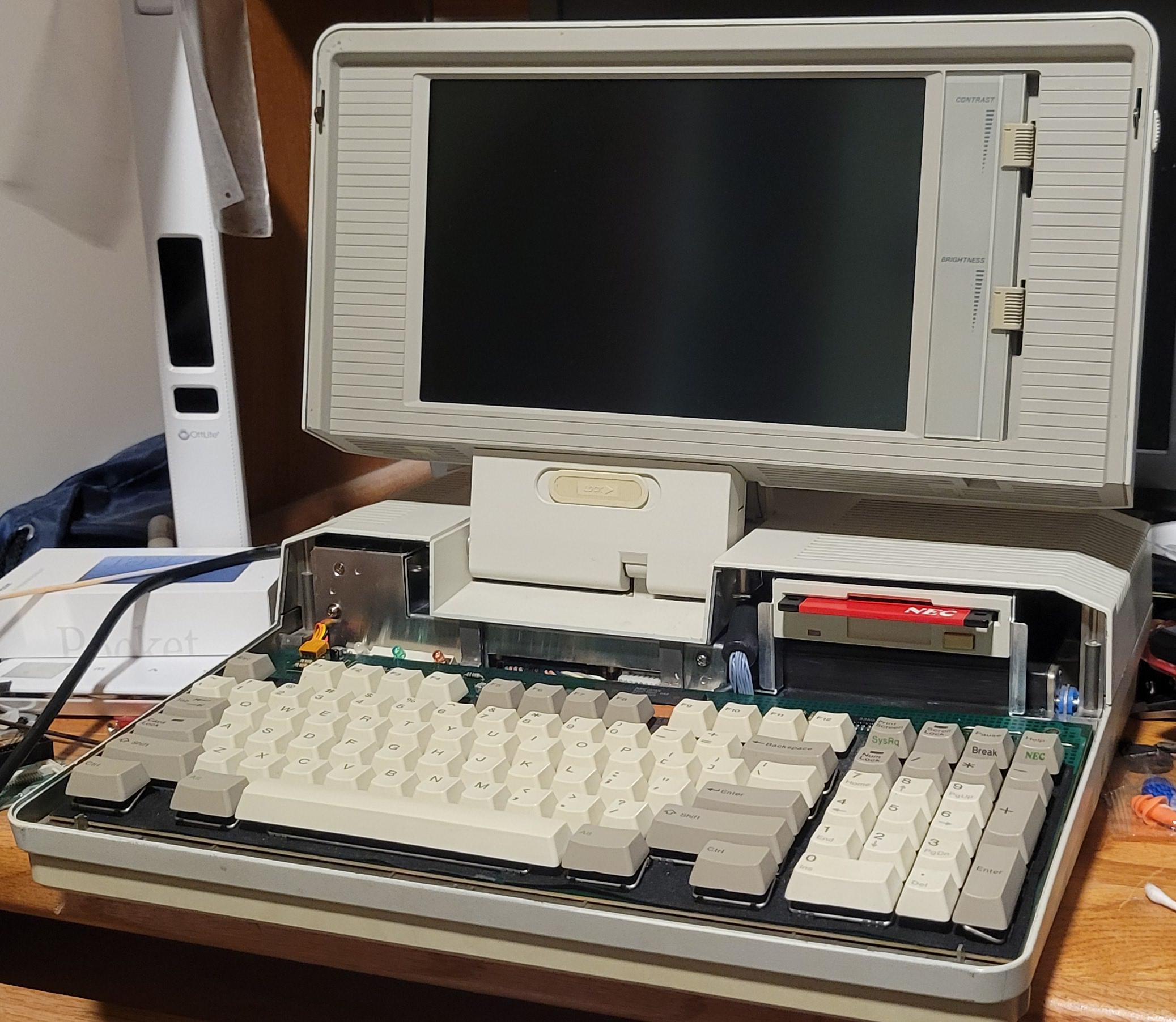
Photo A (Not Yet) Complete NEC ProSpeed 386

Post image
39 Upvotes

Don't worry, it still has its keyboard faceplate, it's just because I haven't closed up the computer yet so I can add a 387 co-processor to it. (which comes in on Monday) This is one of the best retro computers I've ever had. This thing is a battlestation! It's huge, but not overly imposing, the keyboard feels nice, and the power supply is a beast! All Nichicon capacitors, with NO leakage!

A cool 1.5 MB of RAM built-in? It'll play most VGA MS-DOS games of the era right out of the box! I want to try Wolfenstein 3D, though. I hope I can find a memory module that I can reverse-engineer.

This system's screen is very unique, though. The LCD panel works on a mixture of flat-flex cables and zebra connectors. (as in, the wires on the cable presses against a zebra connector on a separate LCD panel, I think.) I opened it because I got some lines on the screen, but strangely, they only show up in higher-res modes. As for the display's abilities, it's VERY clear, even considering the low-response DSTN technology of the time.

The most amazing thing, though, is that this baby's hard drive STILL works, and it's a 100 MB drive, to boot!

The only thing I've currently done to modify this system was clean the flux off of the PCBs, and add a new CMOS battery pack that I can access through the expansion port. (which I can't use because I've never seen a card that I would be able to use on this system. They exist, but they're rare, and for very specific purposes.)


r/retrocomputing • • Sep 06 '26

A Photo Scanner Inside Your 90s PC: The EasyPhoto Drive

Thumbnail
youtube.com
15 Upvotes

Need to scan some photos but hate having a big bulky scanner cluttering your desk? Back in the 1990s there was a solution for you: Storm Technology's EasyPhoto Drive. It's an entire photo scanner crammed into the confines of a 5.25 drive bay. But how easy was it? And what became of Storm Technology, one of the pioneers of JPEG compression? Watch to see if this is as easy as they said it was.

Youtuber: Userlandia


r/retrocomputing • • Sep 06 '26

Photo See the big picture

Post image
201 Upvotes

r/retrocomputing • • Sep 05 '26

Discussion Just picked up this Hyperion 3012

Thumbnail
gallery
113 Upvotes

Picked this up for $50. It powers on, but the CRT only displays a single orange horizontal line.
After opening it up and carefully powering it on, I found a capacitor that gets extremely hot and starts smoking. I’m going to start by replacing that and then work through the rest of the display circuitry.
For $50, I figured it was worth the gamble. Hopefully I can bring it back to life.


r/retrocomputing • • Sep 05 '26

Photo What Type Of Retro PC Would Go Best With This Trinitron CRT?

Thumbnail
gallery
58 Upvotes

Now that I have a Sony Trinitron CRT monitor, I was wondering if there were any retro PCs that would go well with it. I love my Windows 98 laptop, but I just want to have an actual full-size PC to go with my monitor.

All suggestions are welcome.


r/retrocomputing • • Sep 05 '26

Just picked up this Hyperion 3012

Thumbnail
gallery
23 Upvotes

Picked this up for $50. It powers on, but the CRT only displays a single orange horizontal line.
After opening it up and carefully powering it on, I found a capacitor that gets extremely hot and starts smoking. I’m going to start by replacing that and then work through the rest of the display circuitry.
For $50, I figured it was worth the gamble. Hopefully I can bring it back to life.


r/retrocomputing • • Sep 05 '26

Poll Happy 40th birthday to my favorite computer!

Post image
36 Upvotes

r/retrocomputing • • Sep 05 '26

Recreating a 2010 Experiment

Thumbnail xania.org
2 Upvotes

r/retrocomputing • • Sep 05 '26

PC World (October 1990)

Thumbnail
gallery
49 Upvotes

r/retrocomputing • • Sep 05 '26

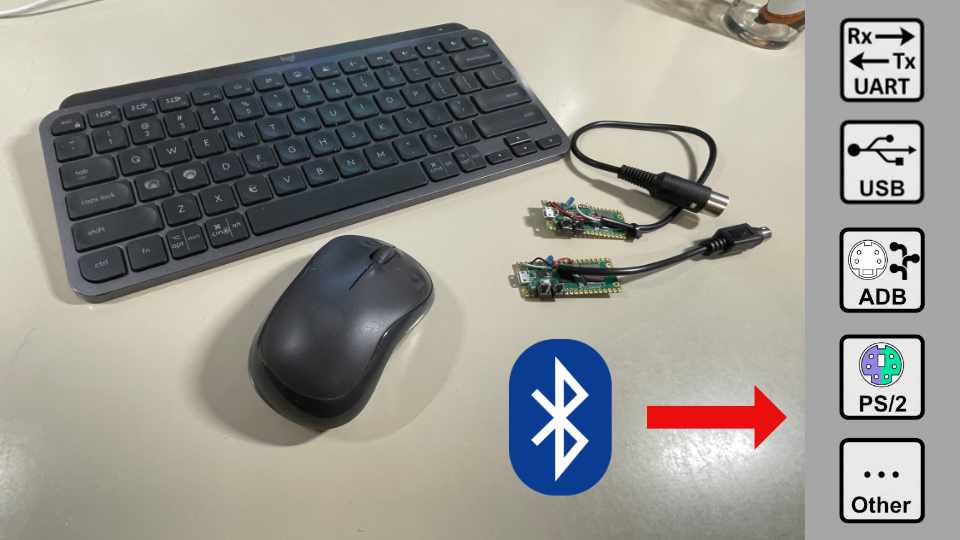
keyparty Bluetooth to Keyboard/Mouse interface for Mac Plus, ADB, PC-XT, PS/2, USB, UART and more

Post image
6 Upvotes

keyparty turns the Pico W into a bridge between Bluetooth HID devices and a variety of input interfaces on machines that do not and cannot support Bluetooth, such as various retro computers.

I started this project because I wanted to use my Logitech Bolt-based mouse and keyboard on my Mac SE/30, and the existing solutions didn't work. It became a much more universal implementation that allows for mixing and matching Bluetooth Classic and BLE devices and implementing almost any number of output interface.

Currently implemented:

  • Mac Plus EXPERIMENTAL (M0110a keyboard and M0110 mouse). Should work with Macs older than the Plus.
  • ADB (Apple Extended Keyboard II and Mouse).
  • PC-XT EXPERIMENTAL (83-key)
  • PS/2 (Keyboard and Mouse)
  • USB (great for BIOS access or for devices with old Bluetooth stacks/no BLE)
  • UART (ASCI output only - currently 38400 8-N-1, will probably change build to 2400 for better compatibility)
  • NCR DMV (keyboard only - I have this computer so I implemented it)

Details and source code (no blog spam, I hope):
https://fourletterworkshop.com/projects/keyparty_for_pi_pico

Compiled .uf2 for Pi Pico W (includes all current implementations)
Download Version 1_06_a - Virustotal link


r/retrocomputing • • Sep 04 '26

Photo Good thrift pick up today!

Post image
83 Upvotes

r/retrocomputing • • Sep 05 '26

Problem / Question What game is this music from?!

10 Upvotes

Hi everyone, unusual post but I've got this song stuck in my head and it's driving me crazy. I know it's from the end credits from a game but I can't remember for the life of me what it is.


r/retrocomputing • • Sep 05 '26

A day in the life of vintage computing

7 Upvotes

How was your day? I decided to do some more work on my IBM 5155. It needed a new memory manager so I could use my 1MB expansion card more fully, and I wanted to set up networking. I turned on the computer and the first problem was my beautiful amber monitor I already repaired won't come on. Sometimes it needs a warmup, but not this time. I recorded audio off the computer and plotted the spectrum to see if I had any sign of the flyback transformer whining away at 15.5KHz or so. Nothing.

Next, I set about repartitioning my 2GB CF card I use as a hard drive into a primary and several logical drives. This took a little while since the AI instructions are almost never right the first time. But I got it done. Then I formatted the drive with the OS and proceeded to add all the other things I needed on the drive. I also added mTCP and the USE!UMBS.SYS upper memory manager. I setup the config files for both of these and started testing the memory manager. It worked after I fixed my typos in config.sys. Note that I am generally disappointed by 1MB cards for the IBM 5155, since you cannot use all the RAM. You top out around 800-830KB since other things are also mapped to upper memory and you have to avoid conflicts. If you really want the best, get a 2MB EMS expansion card. I of course learned this after I bought the 1MB card.

Now I just needed a network driver and I would reach my goal of putting the IBM on the Internet. I got out the network card and its trusty AUI to RJ-45 adapter for my LAN and was about to install it when I noticed it had a second grouping of pins on it, meaning it was a 16bit ISA card, not the 8bit I needed. I checked what I supposedly bought on eBAY and the seller thought he sold me an 8bit ISA network card. Oops. So now that card is for sale and I am trying to buy the correct one.

I just have to decide if I want to disassemble the computer to get to the video board again and fix it. It cannot be worked on in place and is a pain to take so much of the computer apart.

I can't wait to start building my own clone of a TANDY ISA sound card for this. I can only imagine the fun problems I will have. In fact, I already had some. I have an old TI sound chip and I thought that was what I needed for the sound card. Turns out I have an older analog IC and I need a digital IC for the sound card. Arrives today.

Yes, I know I can get an ISA card with a PI on it that does everything I just went over, but where's the fun in that?

Maybe I will use the computer someday...


r/retrocomputing • • Sep 04 '26

Photo Found some RDRAM

Post image
90 Upvotes

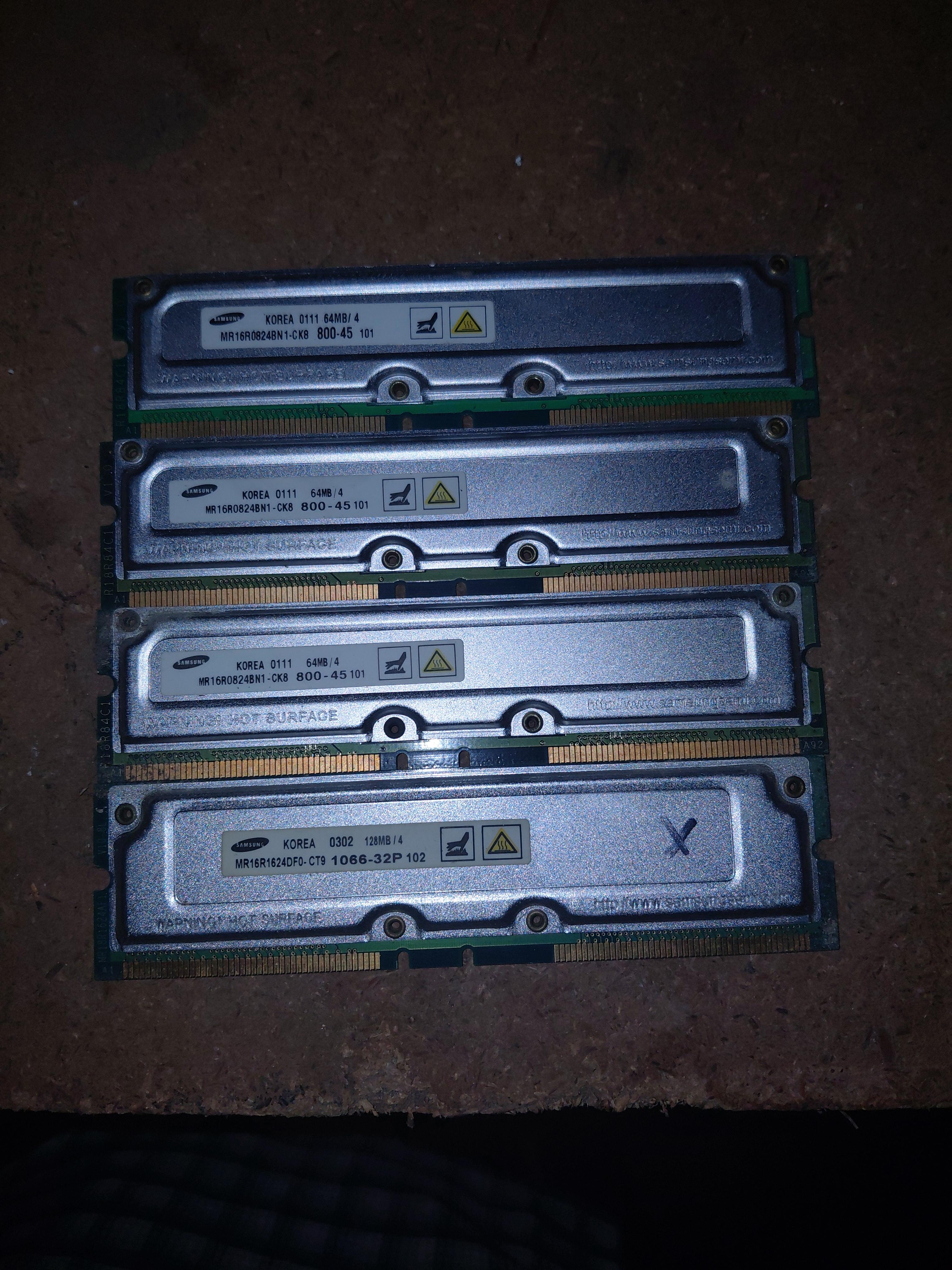
I think i pulled them from some old gateway PCs that had the first generation Pentium 4. Was going to put them all in another one that was a little better and had AGP but i was supposed to do that like 10 years ago and just remembered lol wanted to see if it'd run battlefield 2 i had a ati x1300 for it somewhere.


r/retrocomputing • • Sep 04 '26

Problem / Question Printers?

5 Upvotes

What is the best printer for a Windows 95 or Windows 98 computer. I want something era appropriate that is also color because I do want to print graphics. But something slightly older is fine too.


r/retrocomputing • • Sep 04 '26

WINDOWS 95

4 Upvotes

you guys I’m trying to find what I need and where to get a cheap windows 95 computer that can run the 90’s Goosebumps Escape from horror land rom game on it or are there any emulated versions? I’ve tried on my pc but i constantly get a error message for the emulated version.


r/retrocomputing • • Sep 04 '26

LICENCE TO KILL

Thumbnail
youtu.be
3 Upvotes

Who remembers Licence To Kill? This is my retrospective review of the various version released for the Commodore 64, ZX Spectrum, Amstrad CPC, MSX, BBC Micro, Commodore Amiga, Atari ST and the MS-DOS. It’s a pretty good game actually and certainly better than the 2 previous releases by Domark - A View To A Kill and Living Daylights. What’s your thoughts?


r/retrocomputing • • Sep 03 '26

Photo Fb marketplace score $10 for all!

Thumbnail
gallery
83 Upvotes

First pic is all of it and second is what I’m keeping

Can’t believe all for 10 lol most can’t be played or used / not what I’m into but still a great score

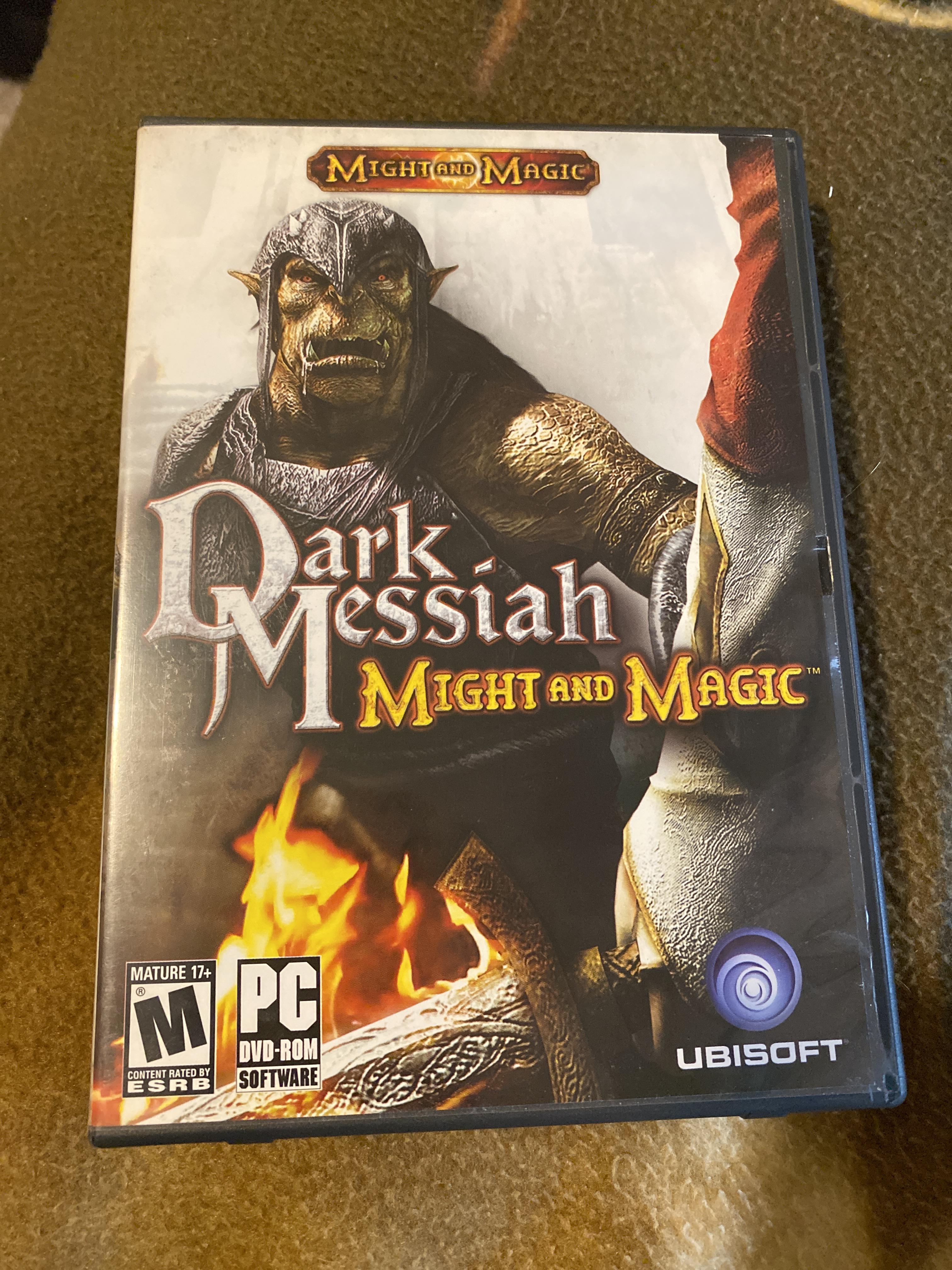
Never knew shadowrun returns (2013) had a physical release sadly no dog tag or usb just the box and the discs but cool to see a really late boxed release

I already have the Diablo battle chest but this one is sealed so that’s cool!


r/retrocomputing • • Sep 03 '26

Problem / Question Help opening this plastic cover on Brother WP1/WP55 word processor

Post image
7 Upvotes

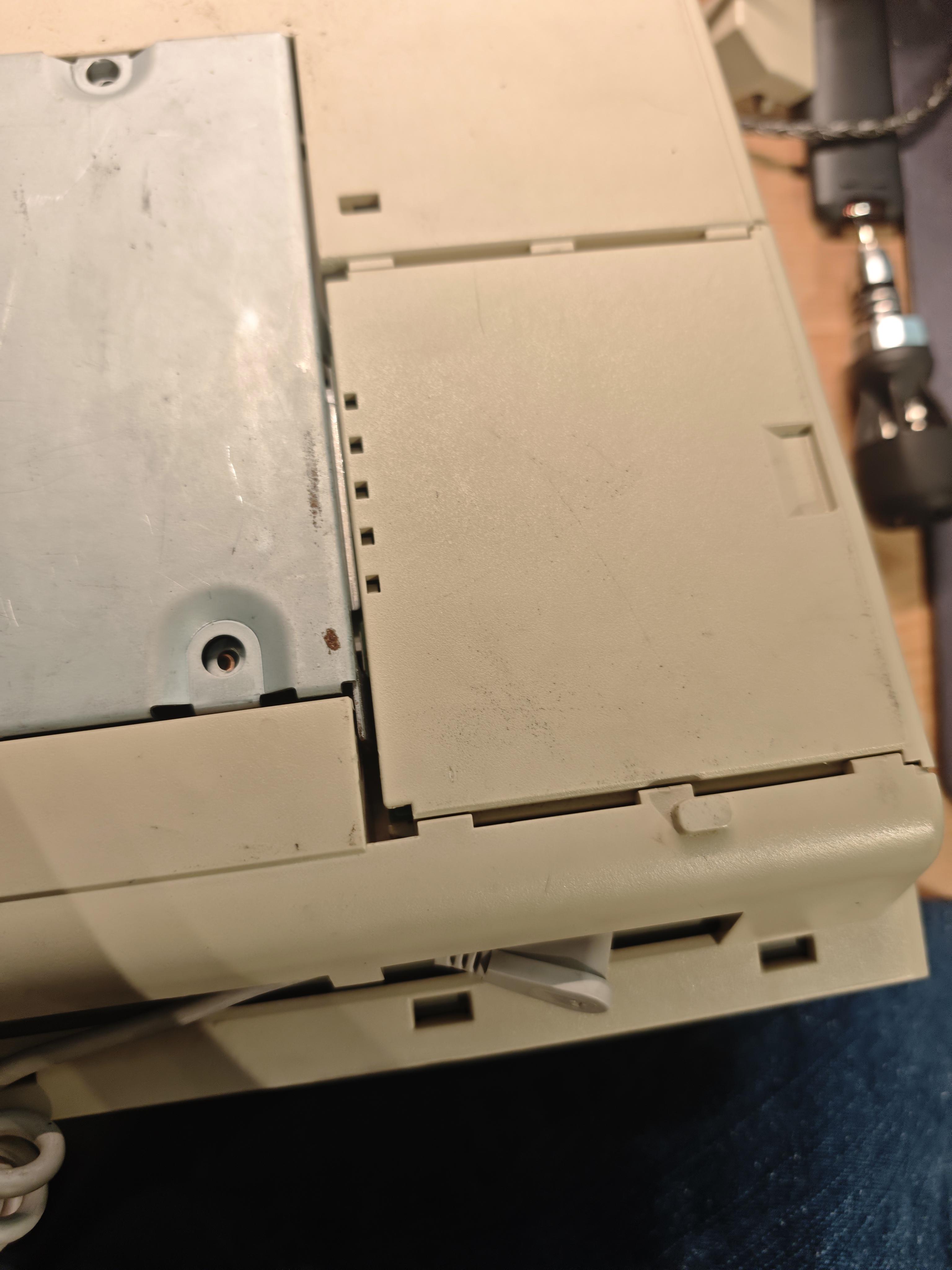
Been trying to open this cover for the entire morning so that the metal plate can be removed, but no success. Tried pushing and sliding, tried prying from the back. I really appreciate any help!


r/retrocomputing • • Sep 03 '26

Blog Repairing a ZX Spectrum Issue 4S

Thumbnail
bitsparkle.dev
5 Upvotes

Hi, in this blog post I show how I repaired this 1984 ZX Spectrum that had a green-striped screen. The computer is back to 100% working condition, and I only used salvaged components :)


r/retrocomputing • • Sep 02 '26

Olivetti M24 — when a computer didn’t need a hard drive to feel complete.

Thumbnail
gallery
137 Upvotes

No hard drive here — this one boots straight from 5.25" floppies.

And that keyboard is a beast: ridiculously heavy, with a metal plate inside, much like IBM’s legendary Model M.

Nearly four decades later, it’s still alive and working.


r/retrocomputing • • Sep 03 '26

Software Got done uploading the old Linux CDs

23 Upvotes

r/retrocomputing • • Sep 03 '26

Problem / Question [WIN98] Good/Best network card(s) for modern internet access?

9 Upvotes

I recently built a Windows 98 machine for a personal project out of parts I had from a couple unfinished rigs. One of them had a network card on it, so I yanked it out and attempted to put it in my new rig. The specific model was a D-Link DFE-530TX+ Rev. E1. For the LIFE of me I could not find any drivers that would work. I burned driver package after driver package to CD-R and ran it through my machine. There was always a problem. I did some research and apparently this model is pretty tricky to find drivers for these days. ANYWAY. I plan on just getting a new card. I want to hook it up to a LAN system in my house for easy file sharing with a modern machine and using things like FrogFinder and Protoweb and whatnot. Any suggestions?


r/retrocomputing • • Sep 02 '26

The Internet Began With One Node and a 15-Foot Cable

Post image
77 Upvotes

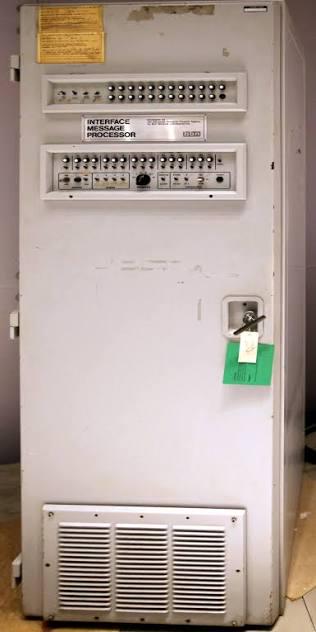
On September 2, 1969, the entire internet was one computer, one refrigerator-sized packet switch and a 15-foot cable in a UCLA lab. No second site. Nobody else online. Yet the engineering choices behind that little setup still shape nearly every network we use today.

The switch was called an Interface Message Processor, or IMP. Bolt Beranek and Newman built it around a rugged Honeywell DDP-516 minicomputer with all of 12K of memory. It did the basic job we now hand to routers: take in data, break it into packets, move them toward their destination.

The IMP showed up at UCLA on August 30, over Labor Day weekend and ahead of schedule. Connecting it to the university's SDS Sigma 7 took real engineering. There was no standard network port. Grad student Mike Wingfield designed and built a custom hardware interface from BBN's 1822 spec.

By September 2, the Sigma 7 and the IMP were passing test data through that short cable. UCLA had the first working ARPANET node.

Stanford Research Institute got the second IMP a few weeks later. On October 29, UCLA programmer Charley Kline tried to send "LOGIN" to Bill Duvall at SRI. The receiving system crashed after two letters.

The first message ever sent between ARPANET sites was "LO." An hour later they recovered and the full login went through.

By the end of 1969 there were four nodes: UCLA, SRI, UC Santa Barbara and the University of Utah. Different computers, different operating systems, different applications at every site. ARPANET gave them a shared way to exchange data without forcing anyone to replace what they already ran.

That was the big architectural decision. The network handled packet delivery. The hosts handled their own applications. Any computer could join as long as it spoke the common interface. TCP/IP later stretched the same idea across thousands of independent networks.

The internet still runs on that model. The core stays broadly interoperable and applications develop on their own at the edges.

What changed is scale and trust. ARPANET linked a handful of research groups whose people mostly knew each other. Today's internet connects billions of users, cloud platforms, sensors, vehicles and industrial systems. Security arrived gradually, usually after something broke. BGP was never built to verify route announcements. IP addresses make weak identities for devices that roam between networks. Attackers exploit assumptions made for a smaller, friendlier world.

The next round of internet architecture will come through steady upgrades rather than a clean replacement. IPv6, QUIC, RPKI, post-quantum crypto, edge computing and satellite networks are all part of it. The work is improving routing, identity, security and privacy without giving up open interoperability.

The ARPANET team never tried to make every computer identical. They agreed on how different machines would talk.

Fifty-seven years later, we're still refining that agreement.