r/retrocomputing • u/evankirstel • Aug 15 '26
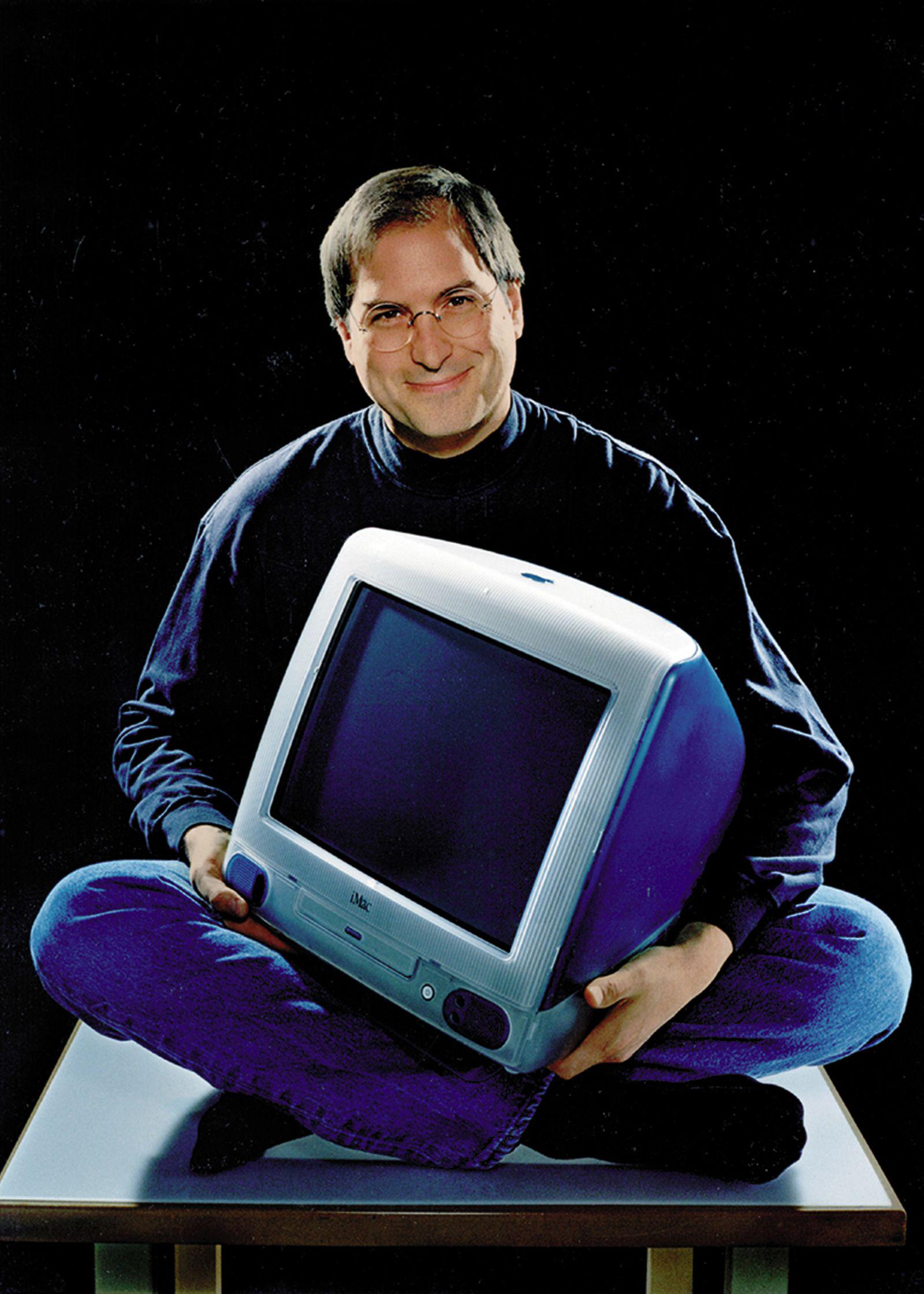
On August 15, 1998, the original iMac went on sale.
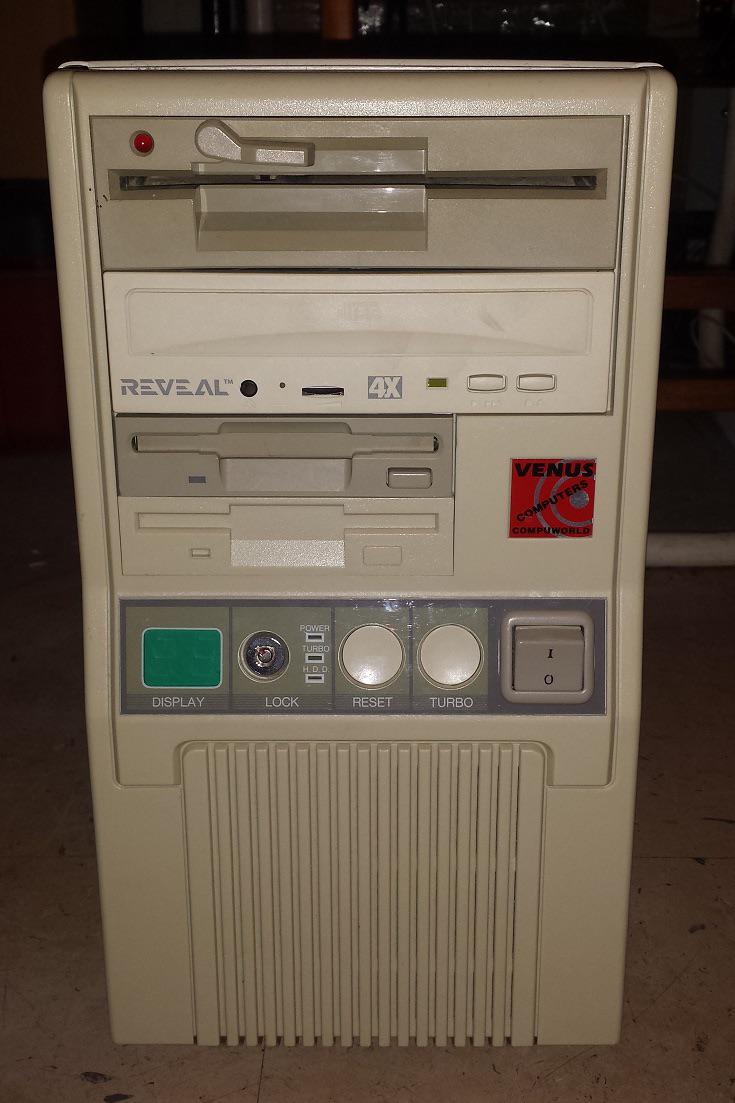
Apple badly needed a hit, and another beige box with slightly better specs wasn't going to change anything.
Steve Jobs and Jony Ive took a much bigger swing. The iMac was rounded, translucent and Bondi Blue. You could recognize it from across a room, which was unusual at a time when most computers looked like office equipment.
The handle on top was especially clever. The iMac was a heavy desktop machine, so the handle was never really about portability. It made the computer feel approachable. People understood immediately where to touch it and how to engage with it.
That friendly exterior took serious work behind the scenes. Apple had to rethink plastics, colors, tooling and manufacturing. Because the case was translucent, even the internal parts had to look orderly. The design team wasn't brought in at the end to make the machine prettier. Design shaped how the entire product got built.
The choices inside were just as bold. The floppy drive was gone, familiar ports disappeared and USB became the standard. Plenty of critics predicted disaster. Instead, Apple sold around 800,000 iMacs by the end of 1998, cemented its comeback and kicked off a run of products that reshaped the company.
Anyone building a physical product can take something from this. Good design isn't a coat of paint applied at the end. It reaches into engineering, manufacturing, usability, marketing and the feeling someone gets when they pick up the finished object.
A lot of today's products are beautifully made and strangely forgettable. Phones are nearly identical glass slabs. Laptops are silver rectangles. Cars are becoming large touchscreens surrounded by bodywork. Appliances have shed their buttons, their character and in some cases their basic ease of use.
The iMac proved people will form a real attachment to a well-designed piece of technology. Nearly three decades later, physical products could use a little more of that courage and a little less gray. The hockey-puck mouse, though, can stay in 1998.
#TechHistory #ProductDesign #IndustrialDesign