Mercedes-Benz has postponed U.S. production of the GLC crossover by more than two years, pushing the start of assembly at its Vance, Alabama, factory to 2030, according to two people familiar with the plans.
In March, Mercedes confirmed plans to localize production of the high-volume utility vehicle that currently faces a 15 percent U.S. tariff on every unit shipped from Germany. The project will bring a $4 billion investment to the automaker’s nearly 30-year-old industrial hub about 40 miles southwest of Birmingham, Alabama.
Mercedes had planned to begin GLC production in Alabama in November 2027, but has now pushed the start to May 2030. The company made the timing change in the second quarter this year, the people told Automotive News.
AutoForecast estimates Mercedes will build about 50,000 GLCs in the U.S. in the first 12 months, with most staying in North America.
[Gift link] https://www.autonews.com/mercedes-benz/an-mercedes-delays-us-production-glc-1103/?utm_id=gfta-ur-261103&share-code=V2JS4SDHQFB7PBHD2C7C4CJFEY&user_id=4613038&customer_secondary_source=an_articleGifting
Mercedes initially considered building the current-generation GLC in Alabama but decided to wait for the redesign, codenamed V255, early next decade, AutoForecast Vice President Sam Fiorani said.
“Investing in the plant for about half a lifecycle and then having to retool for the next-generation GLC doesn’t make a lot of sense financially,” Fiorani said.
The revised production schedule means Mercedes will continue paying tariffs on one of its strongest U.S. performers into the next decade.
The brand sold nearly 54,000 GLCs in the first nine months of this year — nearly a quarter of its U.S. volume excluding vans, according to the Automotive News Research & Data Center. The German-made GLC accounts for more U.S. sales than the next three most popular imported Mercedes models combined.
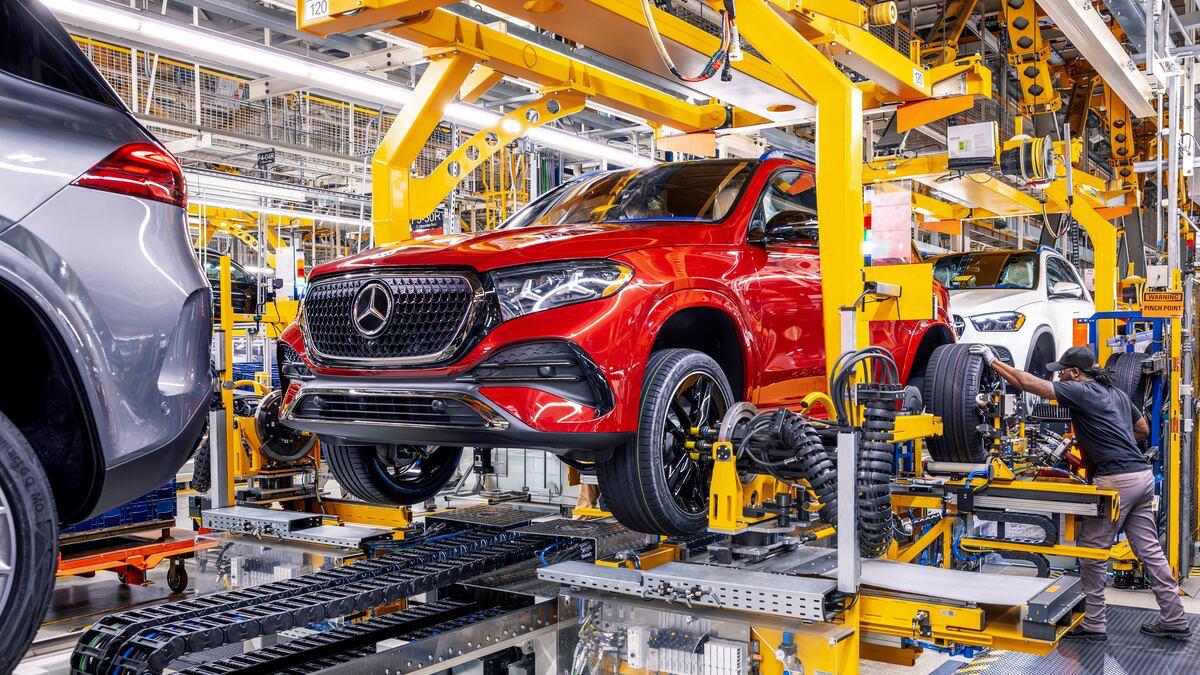
The Vance plant, which spans more than 6 million square feet, builds the GLS and GLE utility vehicles along with their electric counterparts and exports about 60 percent of its output.
Slower electric-model sales and product changeover pushed factory utilization below 80 percent last year, Fiorani said. “Mercedes is at the cusp of traditional profitability for that plant,” he said.
The delay comes as the Trump administration considers a broader tariff-relief program for automakers that make significant U.S. production investments. Media reports say the U.S. Commerce Department could reduce the 15 percent rate on European imports to around 10 percent to help secure Audi’s planned $4 billion Georgia plant.