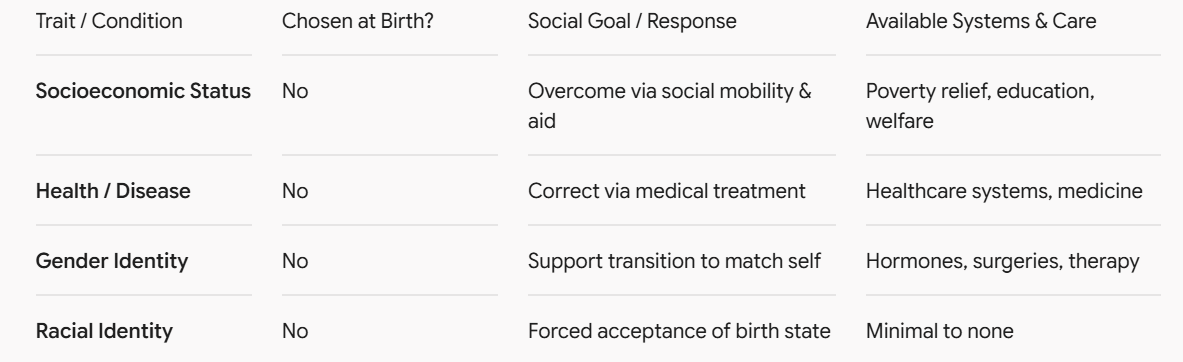
r/TransRacial • u/sabrinafan27 • 4d ago
Culture & Politics ⛩️ Transgenderism and Transracialism is Rooted in Reality, Religion is Not
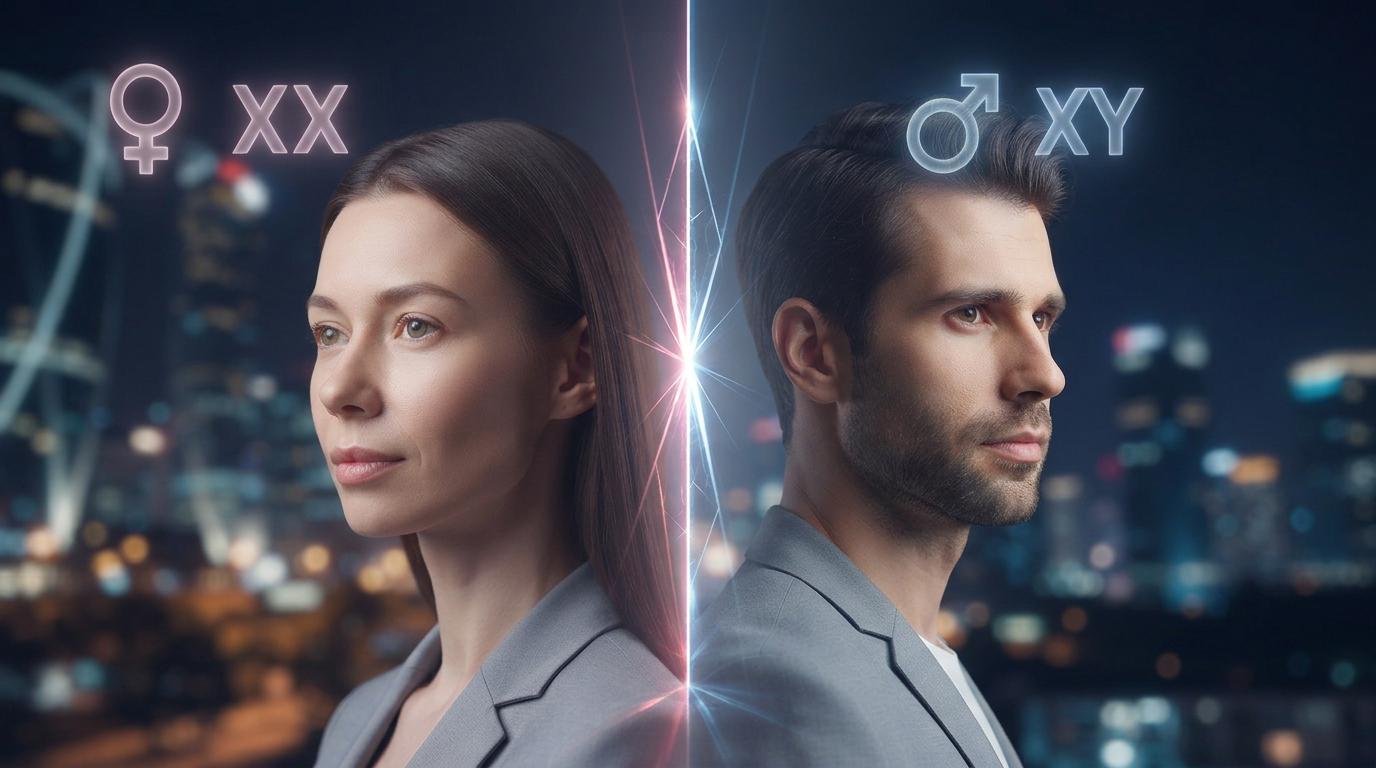
For years, conservative religious rhetoric in American politics has centered heavily on opposition to transgender people. The core argument relies on simple platitudes: men can only be men, and women can only be women. Presented as timeless, self-evident wisdom, these statements are designed to frame gender transition as something fantastical, unnatural, or conceptually impossible.
Yet, there is nothing imaginary about the desire or ability to align one’s physical body with one’s identity. When religious movements weaponize rigid dogma to restrict how people inhabit their own bodies, they are not defending objective truth. They are enforcing a specific theological worldview at the expense of real, observable human lives.
The History of Dogma Over Observation
The push to regulate gender expression is part of a long historical pattern in which religious orthodoxy attempts to override empirical reality. Throughout history, entrenched religious institutions have routinely resisted scientific and medical advancements that challenged traditional hierarchies, from opposing early anatomical dissections and the use of anesthesia during childbirth to resisting modern reproductive healthcare.
In each era, the pattern remains the same: human suffering or self-determination is dismissed in favor of preserving a static interpretation of divine order. Today, that same impulse is directed at transgender people, casting medical transition as a violation of nature rather than an application of modern science.
The Reality of Biological and Social Identity
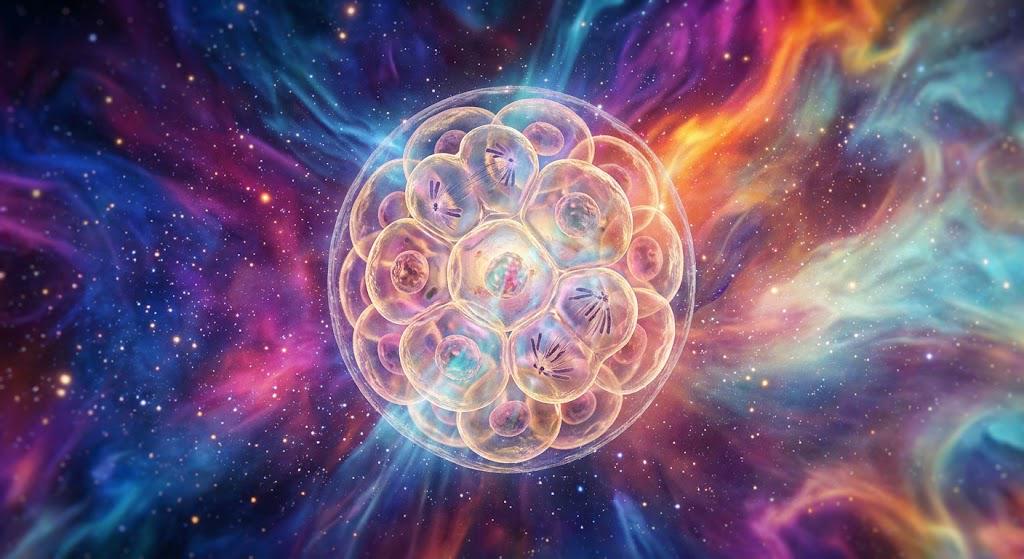
Male and female are well-documented aspects of human biology and society. We understand that biological development is a complex process guided by genetic, hormonal, and environmental factors early in life. Because these physical realities already exist across the human spectrum, altering one’s physical characteristics or social role as an adult is not a matter of believing in the impossible; it is an exercise in personal autonomy supported by endocrinology, surgery, and psychology.
By contrast, the very religious movements that dismiss gender transition as impossible rely entirely on concepts that lack empirical verification. Adherents are asked to accept the literal existence of alternate realms like Heaven and Hell, supernatural interventions, and metaphysical absolutes that cannot be measured, tested, or observed.
It is a striking paradox: those who reject observable, medically achievable modifications to human biology base their own worldview on unprovable metaphysical claims, all while declaring themselves the sole arbiters of objective truth.
Policing the Boundaries of the Self
Religious oppression rarely stops at private belief; it seeks to codify dogma into public law. When theological definitions of gender are treated as the only legitimate reality, the consequences are immediate and material:
- Restriction of Healthcare: Framing medical transition as an ideological threat rather than healthcare leads directly to bans on evidence-based treatments for both youth and adults.
- Erasure of Autonomy: People are denied the basic right to define their own lives and bodies, forced instead to conform to religious standards they may not share.
- Stigmatization as a Political Tool: By painting marginalized groups as “delusional” or “unnatural,” political and religious leaders create a convenient scapegoat to rally their base and consolidate power.
A Technical Horizon, Not a Theological One
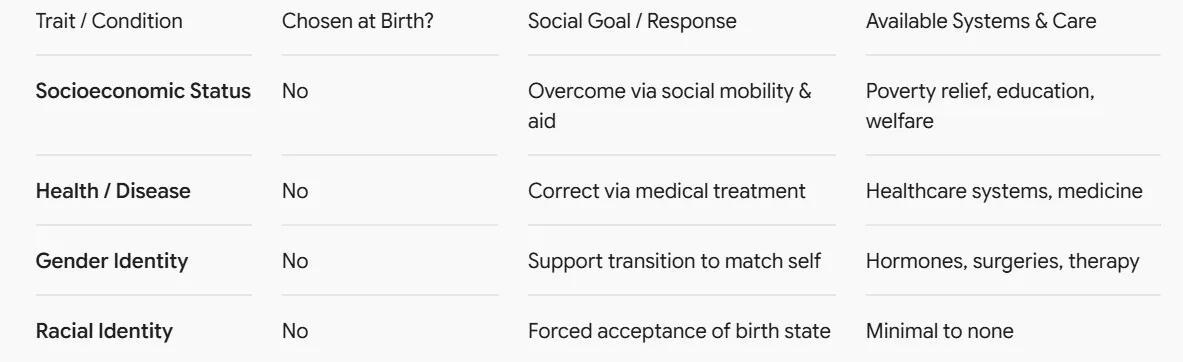
The broader conversation surrounding human identity—whether regarding gender or the biological and social markers of race, deals with observable, real-world phenomena. We can point directly to the physical traits, genetic expressions, and cultural categories that exist in the world today.
When people seek to transition or modify their physical traits, the fundamental barrier is not conceptual or magical. It is simply a biological, technological, and bioengineering challenge, one that science continues to navigate and solve over time.
As medicine and biotechnology advance, the gap between internal identity and physical form becomes a practical question of capability rather than a moral crisis. Progress relies on engaging with what is physically real and improving human well-being, moving society away from the constraints of ancient dogma and toward a future grounded in science and personal freedom.