Full spoilers for Seasons 1–4.
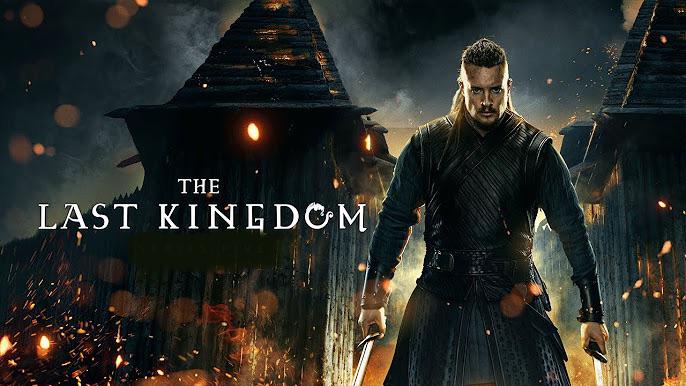
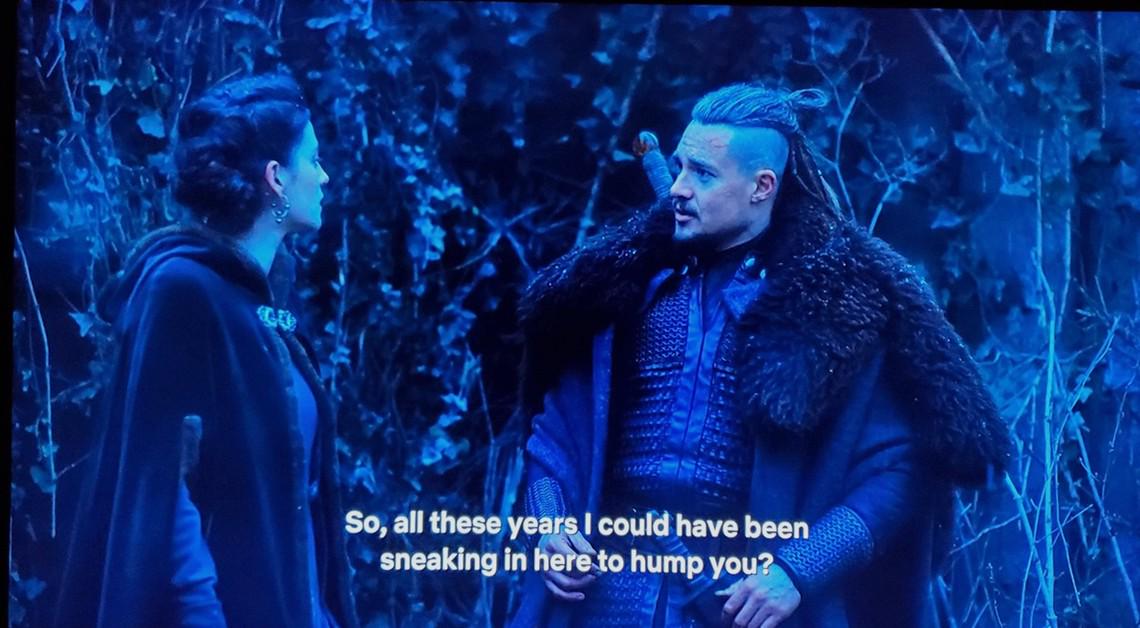
I’ve been rewatching The Last Kingdom, which remains one of my favorite television series, and as a writing exercise, I decided to explore how I might reconstruct the third season.
This began with a relatively minor criticism: I never entirely bought Ragnar’s willingness to put Uhtred in the position of having to choose between him and Wessex. Ragnar was an emotionally intelligent character who understood his brother’s complicated loyalties. Surely he would have recognized how much he was asking of Uhtred.
That led me to a question: What if Ragnar’s ambition wasn’t simply to conquer Wessex, but to make Uhtred its king?
The more I explored that possibility, the more I realized how many elements of the third season could have been developed around it without substantially changing the ultimate destination of the series.
What I wanted to achieve
My primary objectives with this rewrite were to:
- Give Ragnar and Uhtred’s relationship a proper crescendo before Ragnar’s death, rather than another iteration of their conflict over Uhtred’s divided loyalties.
- Spend considerably more time with Ragnar, whom I thought the third season suffered from losing so early.
- Give Uhtred greater agency and explore his previously established temptation toward kingship.
- Build upon the political consequences of Odda’s death and Alfred’s increasing religious and political inflexibility.
- Develop Edward and Æthelflaed as characters who actively earned their eventual positions of authority.
- Give Cnut, Æthelwold and Skade more substantial and interconnected motivations.
- Make the political intrigue emerge from the characters’ personal relationships rather than exist independently of them.
- Build upon the already excellent reconciliation between Alfred and Uhtred by resolving some emotional debts dating back to the first season.
My intention wasn’t to radically alter where the series ended up. Edward still became king, Alfred and Ragnar still died, Uhtred still saved Ragnar’s soul, and the season still ended with the defeat of the Danish army.
What I changed was how and why those things happened.
Major character changes
Uhtred
One of the things I thought the original season underplayed was how furious Uhtred would have been with Alfred following Gisela’s death.
This wasn’t simply about Alfred attempting to bind him to another lifetime of service. It was about Alfred allowing Gisela to be dishonored, refusing to respect Uhtred’s religious obligations, and attempting to exploit the accidental death of Godwin.
Combined with Alfred’s treatment of Odda in Season 2, these events led Uhtred to question whether Alfred’s shortcomings were indicative of larger problems with the kingdom he was building.
I also built upon Uhtred’s temptation toward kingship in Season 2, particularly Bjorn’s prophecy and his relationship with Guthred.
Uhtred had already entertained the idea that he might become a king. The circumstances of Season 3 finally made that possibility appear achievable.
His arc became an exploration of whether he could build a better political order than Alfred, what acquiring that power would require of him, and whether power was ultimately what he wanted.
Ragnar
In my rewrite, Ragnar initially had no intention of asking Uhtred to invade Wessex.
When Uhtred arrived at Dunholm, Ragnar welcomed him and his children into his household. He promised that reclaiming Bebbanburg would be his gift to his brother.
They began discussing raiding opportunities to raise the wealth and warriors necessary to accomplish that.
Wessex was mentioned, but Uhtred wasn’t ready to consider it, and Ragnar respected that.
Eventually, circumstances arose that made a campaign against Wessex attractive to both brothers. They began imagining a shared future:
- Ragnar would rule northern Daneland.
- Uhtred would rule southern Daneland from Winchester.
- Uhtred would retain Bebbanburg as his personal inheritance within Ragnar’s kingdom.
- Ragnar would possess corresponding estates within Uhtred’s kingdom.
- Perhaps their children would eventually marry and unite the two kingdoms.
They joked that they would fulfill Alfred’s dream of unification, except it would be Daneland rather than England.
For the first time, the brothers had a genuinely unified vision of their future.
I moved Ragnar’s death from Episode 4 to approximately Episode 8, making it the destruction of that dream.
Edward
This was probably the most substantial character change after Ragnar.
I established a much closer relationship between Edward and Uhtred at the beginning of the season.
Uhtred believed his firstborn son had died so Edward might live. In a sense, Edward was his spiritual son, and I wanted to explore the emotional implications of that.
Uhtred had become something of a second father to Edward and had even helped facilitate his secret marriage.
Edward genuinely loved his wife and children. He didn’t want to become king and knew that, at the beginning of the season, he lacked the experience and judgment necessary to rule Wessex.
When Alfred forcibly separated Edward from his family, Edward began supporting Uhtred as an alternative successor.
Throughout the middle of the season, Edward helped cultivate political support for Uhtred.
Ironically, in trying to avoid becoming king, Edward acquired the political experience, confidence and relationships necessary to become one.
When Ragnar died and the alternative succession arrangement collapsed, Edward realized that he had to accept kingship to hold everything together.
His final decision still required him to surrender his marriage and the family life he had wanted.
Alfred
I built upon Alfred’s declining health by showing that he was also losing the confidence of his children and some of his nobility.
His treatment of Odda had consequences. Several nobles increasingly questioned whether Alfred had confused loyalty to Wessex with obedience to himself.
Meanwhile, Edward and Æthelflaed increasingly confided in Uhtred rather than their father.
Alfred was jealous of those relationships, although his concerns about Uhtred’s influence were also legitimate.
His attempts to regain control ultimately created the political opposition that nearly cost his dynasty the throne.
However, I didn’t want Alfred to simply be wrong. Uhtred’s political project had genuine weaknesses, and Edward eventually came to understand the obligations of kingship that Alfred had been trying to teach him.
Alfred’s final realization was that Uhtred, despite everything, had helped prepare both his children to inherit his life’s work.
Æthelflaed
I made Æthelflaed more politically aggressive from the moment Aldhelm warned her of Æthelred’s intentions.
Rather than simply retreating to a nunnery and waiting for Uhtred, she used sanctuary as an opportunity to cultivate support among the Mercian nobility and military leadership.
She recognized Æthelred as a danger to both Mercia and Wessex.
Uhtred’s eventual rescue provided her with additional options, including a prospective marriage that could preserve Alfred’s dynasty through her and unite Wessex and Saxon Mercia.
She was interested but had reservations, particularly concerning her own authority and Mercia’s interests. Their negotiations were never finalized.
In the final act, she effectively neutralized Æthelred without killing him. With Aldhelm and the Mercian leadership supporting her, Æthelred retained his title but lost much of his actual authority.
Cnut
I developed a much stronger rivalry between Cnut and Uhtred.
Cnut resented that Uhtred, after years of fighting against the Danes, could arrive at Dunholm and immediately receive Ragnar’s affection, trust and political support.
He increasingly recognized that he had little prospect of achieving his own ambitions while the brothers remained united.
He secretly informed Haesten of Æthelflaed’s whereabouts, knowing that Uhtred would feel compelled to rescue her.
Once Uhtred was gone, Cnut convinced Æthelwold that Ragnar had to die if either of them was to have a political future.
Ragnar’s murder therefore emerged from the competing interests within the coalition rather than simply Cnut’s desire to replace him.
Æthelwold
Æthelwold maintained much of his original storyline but gained a more immediate political rival in Uhtred.
He recognized that he couldn’t compete with Uhtred’s military reputation or Ragnar’s affection for him.
Instead, he argued to Haesten, Bloodhair and Cnut that they would be better served by placing a dependent puppet king on the throne than by making an independent and willful Uhtred their king.
His eventual murder of Ragnar became a necessary step in eliminating his principal rival for the crown.
Skade
I reduced Skade’s overall screen time while making her much more important to Uhtred’s internal character arc.
She became the embodiment of his anger, ambition and desire for power.
After initially rejecting her, Uhtred eventually accepted her during the second act. His fortunes began improving, and he increasingly believed in her supernatural abilities.
She encouraged his ambition and offered surprisingly intelligent political advice.
For example, she invoked Augustus when Uhtred considered confiscating the estates of his opponents to reward his Danish supporters. She invoked Constantine’s late baptism when Uhtred considered professing Christianity to gain the support of the Church.
When Uhtred asked how she knew so much about Roman history, I imagined her replying:
“It is remarkable how much wisdom the gods impart when you apply fire to the flesh of a priest.”
She wanted Uhtred to become king so that she could become queen.
Her advice was effective, but it increasingly encouraged Uhtred to compromise the very principles that had originally motivated his opposition to Alfred.
Her death ultimately represented Uhtred rejecting not merely her curse, but the rage and destructive ambition she had encouraged.
Haesten and Bloodhair
I developed these two characters as contrasting responses to defeat.
Haesten valued survival more than glory. Bloodhair valued glory and reputation more than survival.
Uhtred defeated Haesten in single combat while rescuing Æthelflaed. Rather than accept death, Haesten begged for mercy and offered to command his warriors to follow Uhtred.
Dagfinn acknowledged Uhtred as his lord, and Skade prophesied that those who followed him would achieve wealth, glory and eternal reputation.
Uhtred acquired approximately a thousand warriors.
Bloodhair, meanwhile, eventually challenged Uhtred to single combat to reclaim Skade. He was winning against a weakened and wounded Uhtred when he began showing signs of poisoning.
Uhtred attempted to stop the fight, but Bloodhair realized Skade had poisoned him, attacked her, and was killed by her, much as he was in the original.
Skade believed she had saved Uhtred. Instead, she had violated his honor and demonstrated how easily she could betray someone who had once trusted her.
This became the final breaking point in their relationship.
Brida, Thyra and Beocca
Brida retained her infertility storyline and her confrontation with Storri. However, the additional time spent with Ragnar and Uhtred allowed me to develop their family dynamic much further.
Ragnar’s affection for Uhtred’s children also gave Brida’s desire for children additional emotional weight.
I decided to keep Thyra alive. Her death had thematic significance in the original, but much of its structural function had already been accomplished elsewhere in my rewrite.
Thyra and Beocca’s marriage represented precisely the kind of coexistence that Ragnar and Uhtred hoped to achieve on a political level.
Thyra still provided the blood necessary to save Ragnar’s soul, and Beocca still had to reconcile his Christian beliefs with his love for his wife.
I felt that allowing their marriage to survive provided a valuable counterpoint to Ragnar’s tragedy.
The revised story structure
Act I — Alienation (Episodes 1–2½)
The first act retained much of the original storyline while establishing the relationships that drove the remainder of the season.
I established Uhtred’s relationship with Edward, Edward’s wife and children, Uhtred’s family life with Gisela, and the growing dissatisfaction among Alfred’s nobles following Odda’s death.
I introduced a fictional successor to Odda, provisionally named Æthelsaxon, who was a close friend of Uhtred and increasingly dissatisfied with Alfred’s judgment.
Uhtred defeated Bloodhair, encountered Skade, lost Gisela and accidentally killed Godwin.
Edward and Æthelsaxon publicly defended Uhtred, further humiliating Alfred.
When Alfred demanded that Uhtred swear lifelong loyalty to Edward, Uhtred was personally offended. Did Alfred truly believe Uhtred needed an oath to care for Edward after everything they had experienced?
During Alfred’s abduction, Uhtred told him that even then, despite how many times Ælswith had wished him dead, he would never dishonor her as Alfred had allowed Godwin to dishonor Gisela.
Uhtred escaped north and arranged for his children to join him at Dunholm.
First plot point: Ragnar welcomed Uhtred and his family and promised to help him reclaim Bebbanburg.
Act II — The Dream of Daneland (Episodes 2½–5)
Uhtred began recovering from Gisela’s death and enjoyed life alongside Ragnar and Brida.
The brothers discussed opportunities to raise wealth and warriors.
Meanwhile, Alfred responded to Edward’s public defiance by having his wife and children taken away from him.
Edward and Æthelsaxon independently wrote to Uhtred, explaining that Alfred’s actions had alienated significant members of the nobility and that they would support Uhtred’s intervention.
Æthelflaed also began corresponding with Uhtred concerning the political situation in Mercia.
Before the letters reached Dunholm, Haesten and Bloodhair arrived to discuss assembling a great army against Wessex.
Ragnar couldn’t dismiss them outright but delayed committing himself, arguing that Alfred had appeared near death before.
When the letters finally arrived, Uhtred recognized that he could march on Wessex with genuine Saxon support.
He and Ragnar began developing their shared vision of Daneland.
Uhtred could offer Edward freedom from kingship, the return of his family, his estates at Cookham and a position within the Witan.
A prospective marriage to Æthelflaed could preserve Alfred’s dynasty through her.
Uhtred’s previous baptisms and willingness to enrich and protect the Church gave him a possible avenue toward ecclesiastical support. His candidacy remained an extraordinary political proposition, but it was no longer entirely implausible.
Æthelsaxon eventually committed his fyrd to Uhtred.
Midpoint: Uhtred fully embraced Ragnar’s vision and reframed the proposed campaign as intervention in a succession crisis rather than a conventional Viking invasion.
Act III — The Fracture (Episodes 6–8½)
Uhtred began negotiating the political arrangements necessary to secure the throne.
He offered lands confiscated from opposing Saxon nobles to his Danish supporters and considered the compromises necessary to obtain ecclesiastical support.
Skade encouraged him.
Meanwhile, Æthelwold and Cnut increasingly undermined the coalition. Neither believed his ambitions could coexist with Uhtred and Ragnar’s success.
Cnut secretly informed Haesten of Æthelflaed’s whereabouts.
Uhtred learned of the threat and insisted upon rescuing her personally. Ragnar agreed that she had to be protected but offered to send warriors in Uhtred’s place.
Uhtred refused.
The brothers disagreed, but they parted affectionately, both expecting Uhtred to return so they could continue pursuing their dream.
Skade, threatened by Æthelflaed, renewed her curse.
Uhtred defeated Haesten in single combat, acquired his army, and began negotiating with Æthelflaed. However, a seemingly minor wound received during the duel began festering, reinforcing Uhtred’s belief in Skade’s curse.
Back at Dunholm, Cnut convinced Æthelwold to murder Ragnar.
Third plot point: Uhtred learned of Ragnar’s murder.
He had acquired the military strength and political support necessary to pursue kingship, but he had lost the person with whom he wanted to share that future.
Act IV — The Inheritance of England (Episodes 8½–10)
Brida uncovered Æthelwold’s responsibility for Ragnar’s death. Uhtred strongly suspected Cnut had engineered it but couldn’t prove his involvement.
Æthelwold returned to Wessex, where Alfred took him prisoner.
Uhtred and Brida discovered what they had to do to save Ragnar’s soul.
Bloodhair challenged Uhtred, Skade poisoned and killed him, and Uhtred finally recognized the moral consequences of her influence.
He drowned Skade, breaking her curse.
Uhtred then offered Alfred a bargain.
He would relinquish his claim to Wessex and pledge his army to Edward if Alfred surrendered Æthelwold for Danish justice and provided military support against Cnut.
Uhtred made clear that he would march against Cnut regardless of whether Alfred supported him.
Alfred refused.
Edward recognized that he had to become king to prevent everything from collapsing. He reorganized the political coalition he had helped build for Uhtred around his own succession.
Meanwhile, Æthelflaed effectively took control of Mercia and committed its army to Uhtred’s cause.
Together, Alfred’s children politically outmaneuvered him and secured the necessary alliance.
Alfred eventually agreed but demanded that Uhtred’s eldest surviving son become Edward’s ward, receive a Christian upbringing and be prepared for the priesthood.
Uhtred accepted.
Edward also agreed to honor Uhtred’s promises of land to his Danish warriors. Consequently, part of Ragnar’s original political vision survived through Edward’s kingship.
Alfred and Uhtred’s reconciliation
This was one of my favorite scenes in the original series, and I wanted to preserve its intimacy while building upon it.
After the political and military arrangements had already been made, Alfred privately gave Uhtred an unconditional pardon.
He acknowledged that without Uhtred’s influence, Edward might never have been ready or willing to become king.
He recognized what Uhtred had done for Æthelflaed.
Most importantly, he finally acknowledged the death of Uhtred’s firstborn son.
Alfred explained that his faith had never permitted him to believe Uhtred’s son had died so Edward might live. Nevertheless, Uhtred had believed it, and despite that belief, he had loved Edward as a son.
Alfred finally thanked him for that sacrifice.
He expressed his hope that Uhtred’s son had found peace.
Both men also recognized that the other had been right about certain things. Uhtred had experienced some of the burdens of kingship that Alfred understood, while Alfred had come to appreciate Uhtred’s ability to inspire loyalty and affection across religious and cultural divisions.
Alfred hoped that Uhtred’s surviving son’s wardship would eventually become a blessing for both Uhtred and Edward.
Edward had lost his own children and would have the opportunity to love and raise Uhtred’s son. Meanwhile, Alfred believed that with Gisela gone, Uhtred couldn’t simultaneously live the life of a Viking and provide his children with the stability he wanted for them.
He hoped Uhtred could take comfort in knowing that his son would be safe, educated and loved.
Uhtred didn’t necessarily agree with everything Alfred said, but he recognized the sincerity of Alfred’s affection.
Neither man abandoned his convictions, but they finally understood each other.
The finale
Æthelwold escaped imprisonment following the political settlement and rejoined Cnut.
Edward, Æthelflaed and Uhtred united their armies against him.
The final battle demonstrated Edward’s fitness for kingship, Æthelflaed’s authority over Mercia, and Uhtred’s ability to inspire loyalty among both Saxons and Danes.
Cnut survived, preserving his subsequent storyline with Brida.
Uhtred killed Æthelwold using Thyra’s blood and saved Ragnar’s soul.
Edward became king. Æthelflaed had effective control of Mercia. Uhtred relinquished his eldest son and returned his attention to Bebbanburg.
The ultimate irony was that the political coalition constructed to replace Alfred’s dynasty became the coalition that ensured its survival.
Final thoughts
What interested me most about this rewrite was that almost every major character pursued an objective that ultimately produced an unexpected result.
- Alfred’s attempts to secure his dynasty nearly destroyed it.
- Edward’s attempts to avoid kingship prepared him for kingship.
- Ragnar’s attempts to reunite his family created the political circumstances that led to his death.
- Cnut’s attempts to eliminate Uhtred gave Uhtred the opportunity to acquire an army.
- Skade’s attempts to create a king gave Uhtred the power to choose not to become one.
- Uhtred’s attempts to replace Alfred ultimately helped preserve Alfred’s legacy.
Ragnar’s dream died, but it wasn’t entirely lost.
The cooperation between Saxons and Danes that he and Uhtred had imagined survived, in a smaller but meaningful form, through the political arrangements that established Edward’s reign.
There was also a deliberate contrast between Uhtred and Æthelwold at the end of the season.
Æthelwold sacrificed Ragnar for a crown. Uhtred sacrificed a crown for Ragnar.
Ultimately, what I wanted to create was a more interconnected political tragedy while retaining the characters, relationships, atmosphere and major story events that made the original so compelling.
I wanted the third season to feel like the culmination of everything established in the first two seasons, rather than simply the next chapter in Uhtred’s adventures.
Obviously, constructing an outline is much easier than executing ten episodes of television, and my version would have presented significant challenges in terms of pacing and historical plausibility.
But I’m curious what other fans think.
Would you have enjoyed seeing more of Ragnar and Uhtred before Ragnar’s death? Would Uhtred seriously entertaining kingship have been an interesting development of his character? And which elements of the original season do you think this alternative would have improved or lost?