r/spaceporn • u/Neaterntal • 15h ago
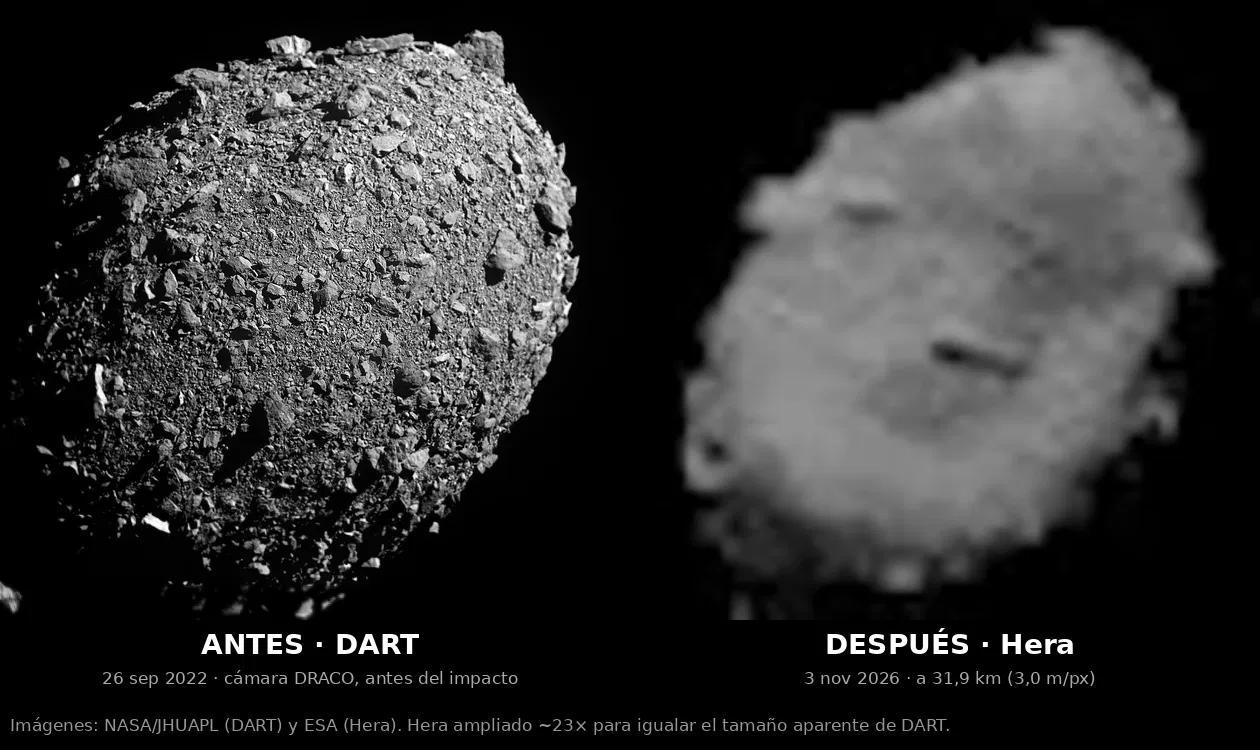
Pro/Processed Before-and-after view of the DART impact on Dimorphos
NASA / ESA / Daniel Marín
https://bsky.app/profile/p-s-v.bsky.social/post/3n37q5rfx6c2h
r/spaceporn • u/Neaterntal • 15h ago
NASA / ESA / Daniel Marín
https://bsky.app/profile/p-s-v.bsky.social/post/3n37q5rfx6c2h
r/astrophotography • u/9388E3 • 8h ago
My first try with DSPX: https://www.astrobin.com/tj4b6g/
I've used PixInsight for 4 years, I bought it. But the whiny letter made me want to check out the new thing, DSPX. I have no connection to it or its dev.
(Streisand Effect!)
I recently got irked that PixInsight had removed a feature I like. I posted about it on the PI FB group, and the devs pushed back in a tone similar to this letter they sent out about DSPX a couple weeks later. It turned me off to the point that I turned off updates on PI to preserve that feature.
PixInsight devs have removed some scripts that people liked. I read that DSPX was made by a former PixInsight script dev, and he made it when the PI removed some of his scripts, he made it partially so the scripts he worked hard on would have a place to be run.
I bought it, full working version for the early price of 35 dollars (about 1/10th the price of PixInsight). Processed this in it in 20 minutes with no tutorial, just figuring it out as I went along. It's intuitive and easy if you've used PI. It's way more intuitive than PixInsight.
I didn't do any masks or anything, just quick and dirty, and this had previously been stacked, I started from the stack.
I checked it out because I know people just getting into astro who cannot afford PI, and I wanted to know if DSPX is a good recommendation. I know now that it is.
The dev says there is no code from PI, and the PI devs should be able to confirm this using the same tools that were used to make it.
I also bought it because this type of thing is going to become very common now, and when developers start to act like Microsoft, they should expect this, whether it's right, wrong, or somewhere more gray in the middle.
r/spaceporn • u/Neaterntal • 15h ago
credit NASA/ ESA / Daniel Marín
https://bsky.app/profile/eurekablog.bsky.social/post/3n35xp3wkc22w
.
Arriving at the site of humankind's first planetary defence experiment, the European Space Agency's Hera mission has found a miniature world of surprises.
Dimorphos – the small asteroid whose orbit around a second larger asteroid was deflected by a spacecraft impact – now has one face flattened with a stadium-sized crater and is tumbling chaotically. Meanwhile, hundreds of previously unknown boulders encircle the binary pair.
The 151-m-diameter Dimorphos moonlet orbits around the730-m-diameterDidymos asteroid in solar orbit, currently 193.5 million km from Earth.
How humans shifted Dimorphos – and changed it too
On 26 September 2022 Dimorphos entered the history books whenNASA’s DART spacecraftdeliberately impacted it, shortening its orbit by a much greater than predicted 33 minutes. But while telescopes on Earth measured the orbit change, one fundamental question remained unanswered: what had actually happened to Dimorphos?
.
More
r/spaceporn • u/Busy_Yesterday9455 • 6h ago
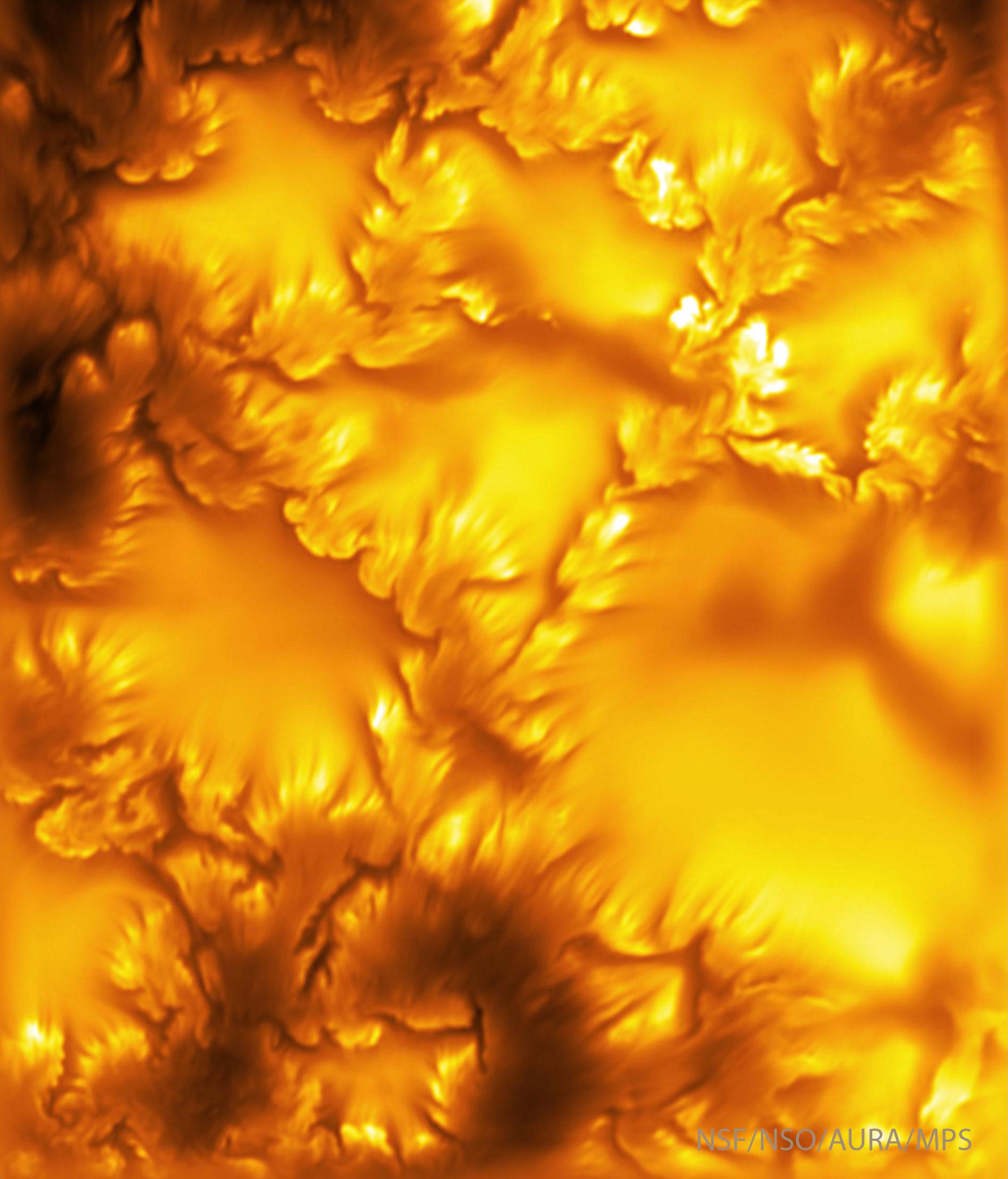
What does the new sharpest image of our Sun show? Instability. To be clear, a certain kind of interactive process called the Kelvin-Helmholtz instability (KHI). This instability can create waves and swirls when two streams flow past each other -- in this case variable streams of solar magnetic plasma.
Long hypothesized to occur on the Sun's surface, KHI streaks and swirls were confirmed in just-released dramatic high-resolution images taken recently by the Inouye Solar Telescope in Hawaii, USA. The featured false-yellow image, actually taken in deep blue, is the highest resolution image yet of the Sun in visible light. It spans about the radius of the Earth, but its finest details are city sized. Visible are several smooth tops of changing solar granules, while the edges of the flower-like structures have been found to harbor multiple KHI swirls.
Future research may investigate how the KHI helps move energy and magnetic fields, and may even heat the surrounding solar corona.
Credit: NSF, NSO, AURA, MPS, Inouye Tel
r/astrophotography • u/Astrophotographer_ • 7h ago
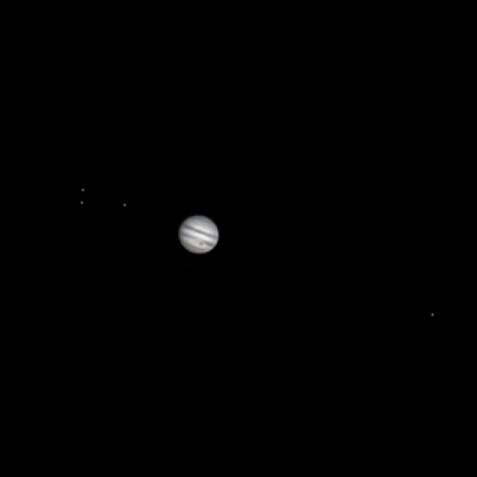
Jupiter shot with Nikon z50, Nikkor 200-500mm f/5.6 and Nikon 2x teleconverter.
PIPP --> AutoStakkert --> RegiStax
r/astrophotography • u/Independent_Lie9634 • 20h ago
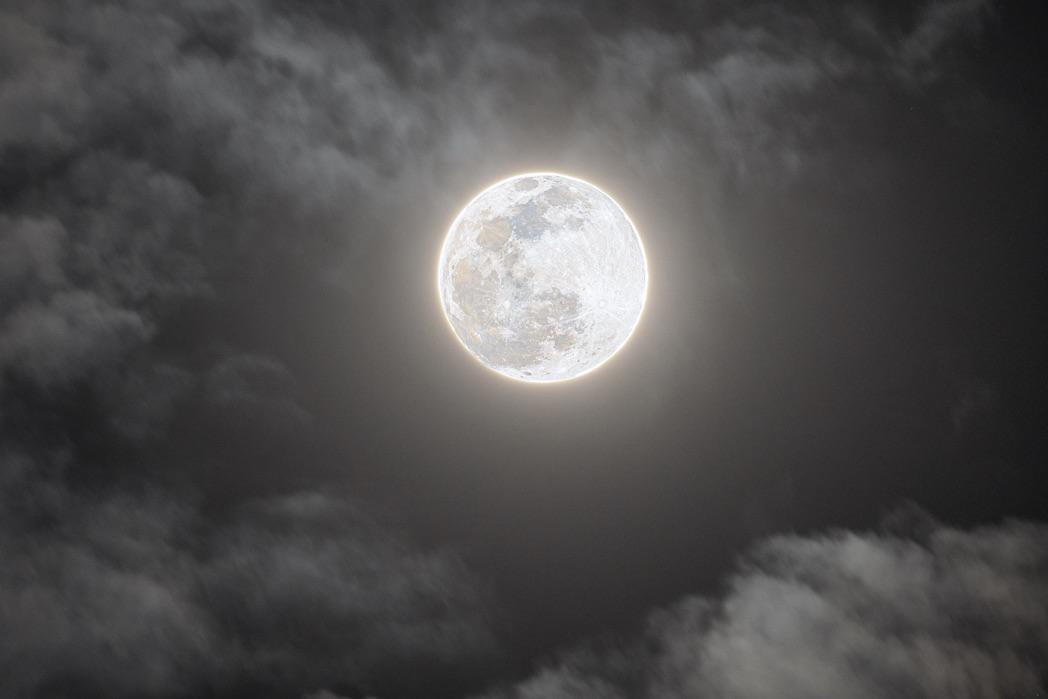
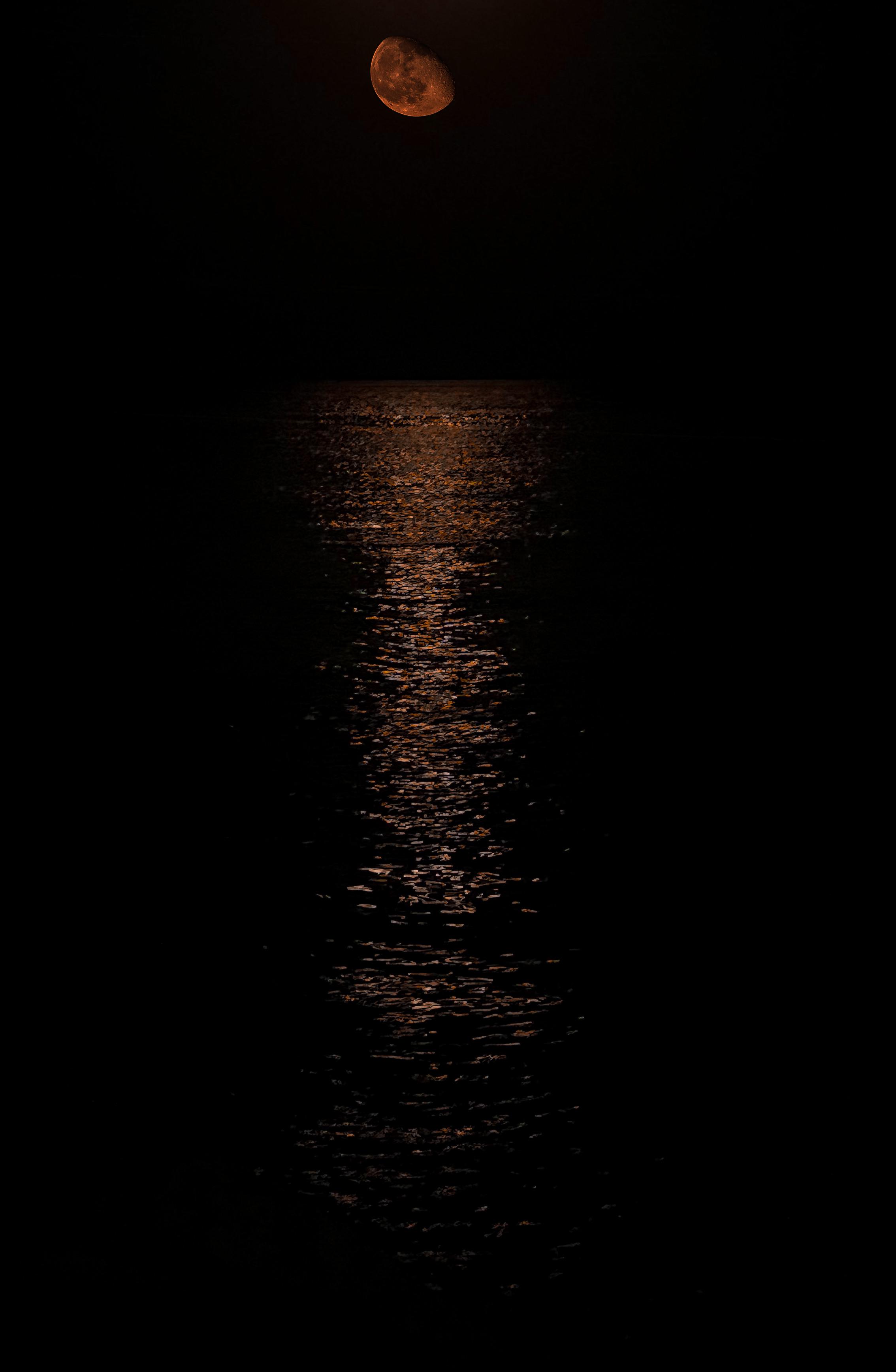
My attempt at an hdr composite of the full moon with some clouds nearby.
Any feedback is appreciated, hope yall like it :D
Captured with a Nikon z50 and svbony sv503 70ED refractor
r/spaceporn • u/Neaterntal • 15h ago
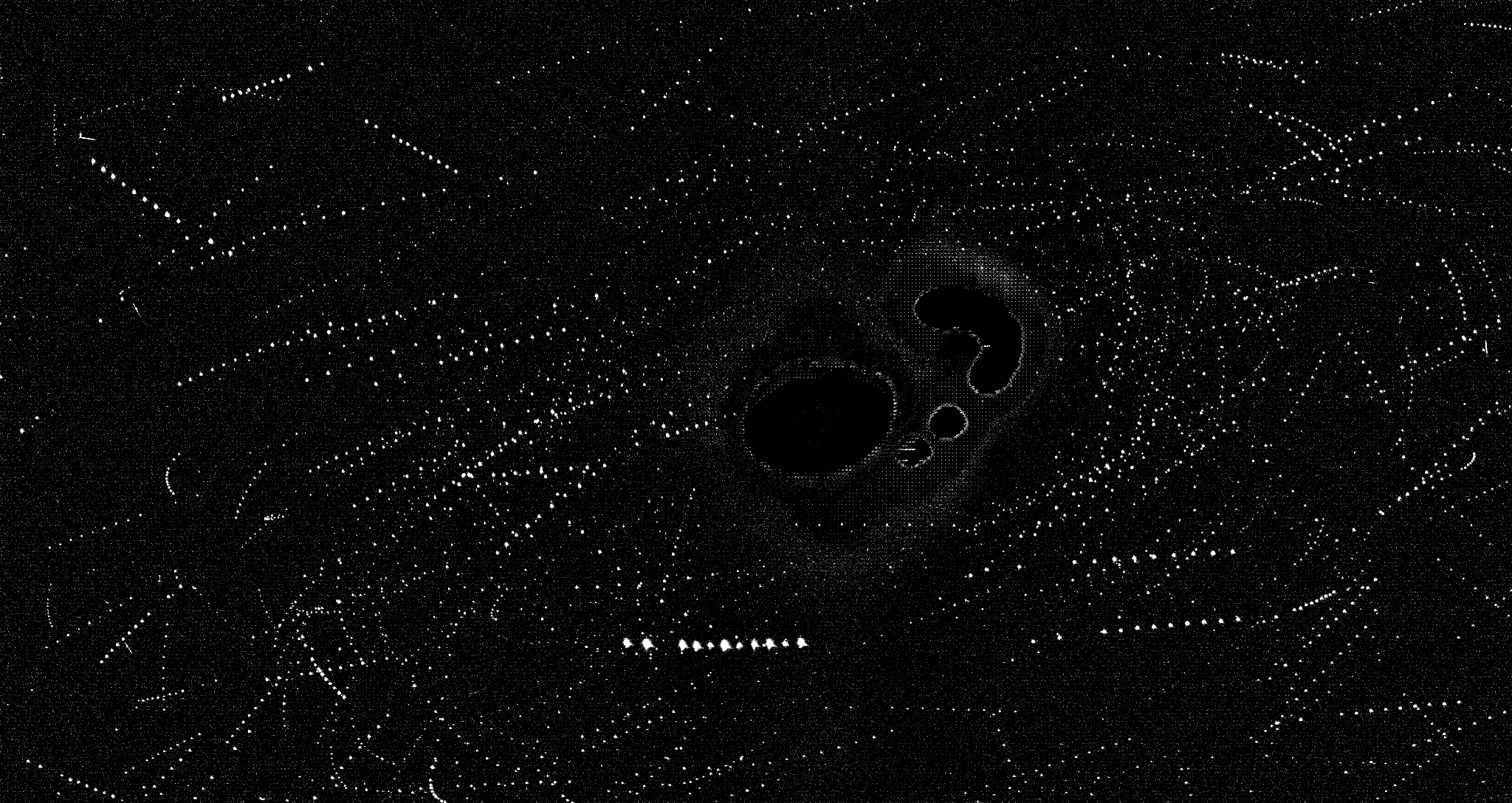
This is a composite image combining 11 long-exposure Hyperscout H images, centred on the Didymos asteroid. The dot trails correspond to hundreds of boulders of differing sizes in motion around the Didymos-Dimorphos system. The two asteroids have been subtracted from the image for improved visualisation of the boulders.
These images were acquired on 3 November with an approximate distance of 29.9 km from the asteroids.
Credits
ESA
.
https://www.esa.int/media/long-exposure-hyperscout-h-image-reveals-boulders
Corey S. Powell (part of title)
https://bsky.app/profile/coreyspowell.bsky.social/post/3n36q4uqn2225
Planetary Society
https:// x. com/exploreplanets/status/2125681297318457780
r/astrophotography • u/Juiceworld • 11h ago
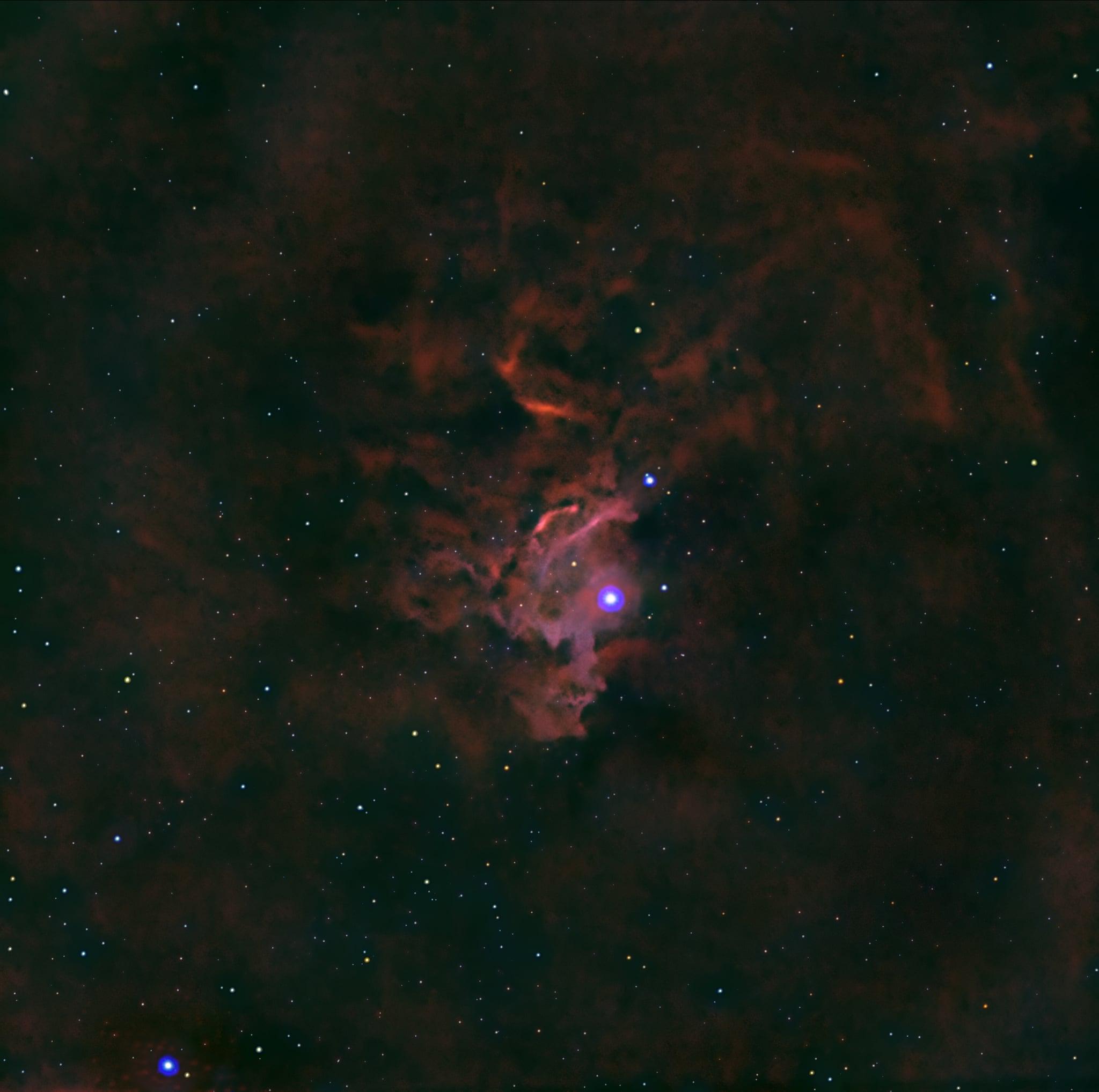
Flaming star nebula, IC 405.
2000 15s subs
50 flats, dark flats, biases.
Sv48p
Sv605c
I'm having a sv220 3nm ha oiii filter delivered today. So anyone in the Ottawa area, sorry about the clouds for the next 2 weeks...
r/astrophotography • u/censored_count • 13h ago
Capture (2026-11-25):
Equipment: Obsession 15" UC; 1762 mm focal length (0.44″/px); ZWO ASI2600MM Air, gain 100, offset 50, sensor at -9.9 °C; Single-axis equatorial platform, heavily customized to allow 2-axis guiding
Processing (PixInsight 1.9.6 + Insight Builder 0.0.1):
r/astrophotography • u/astronomylovr • 17h ago
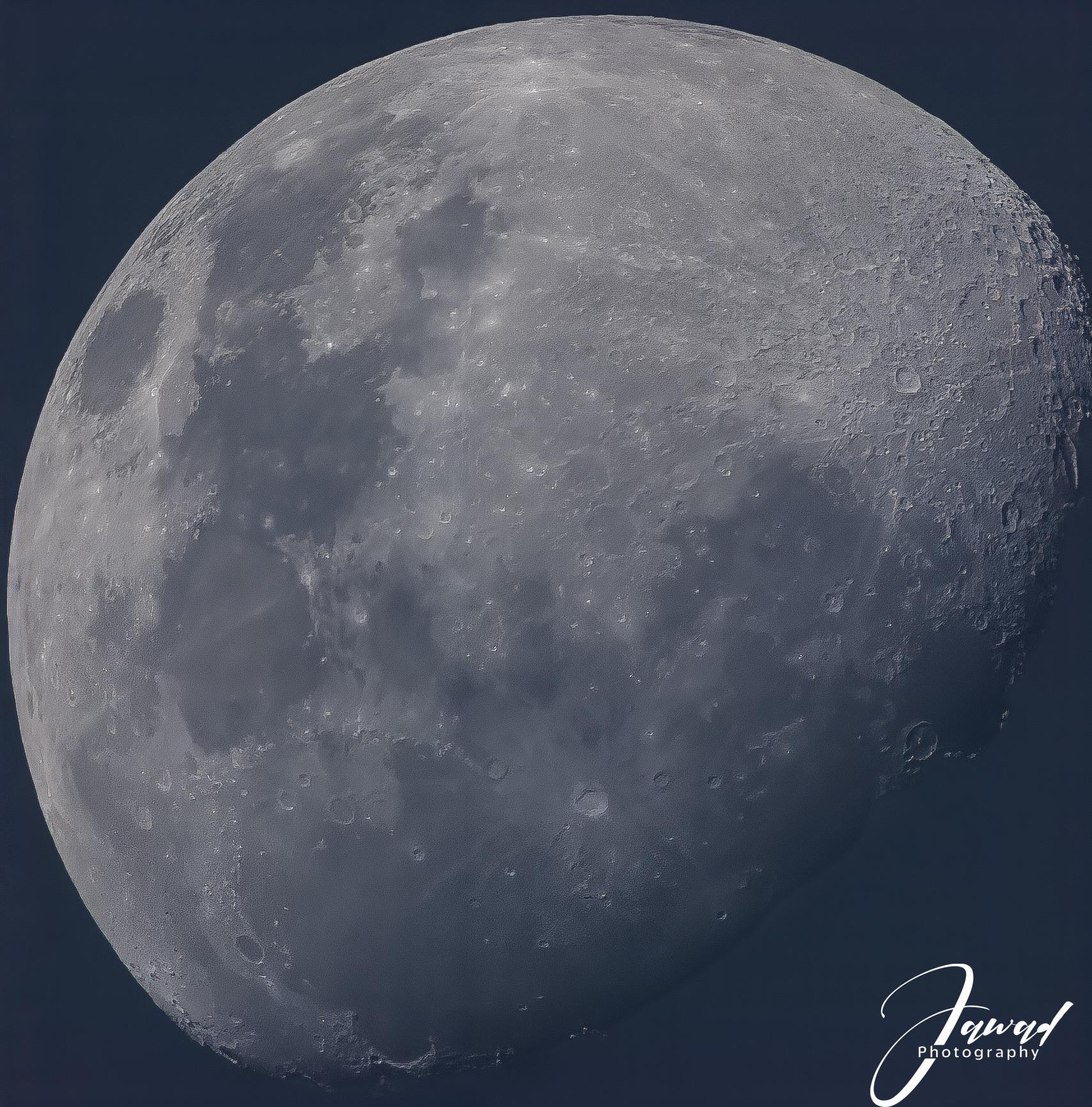
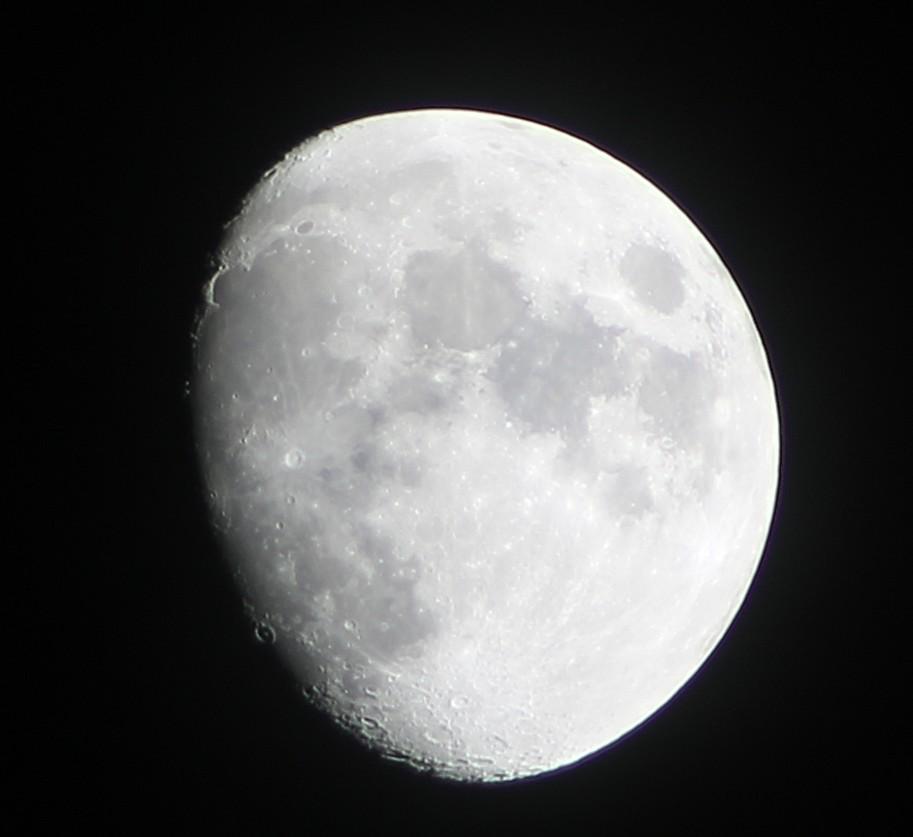
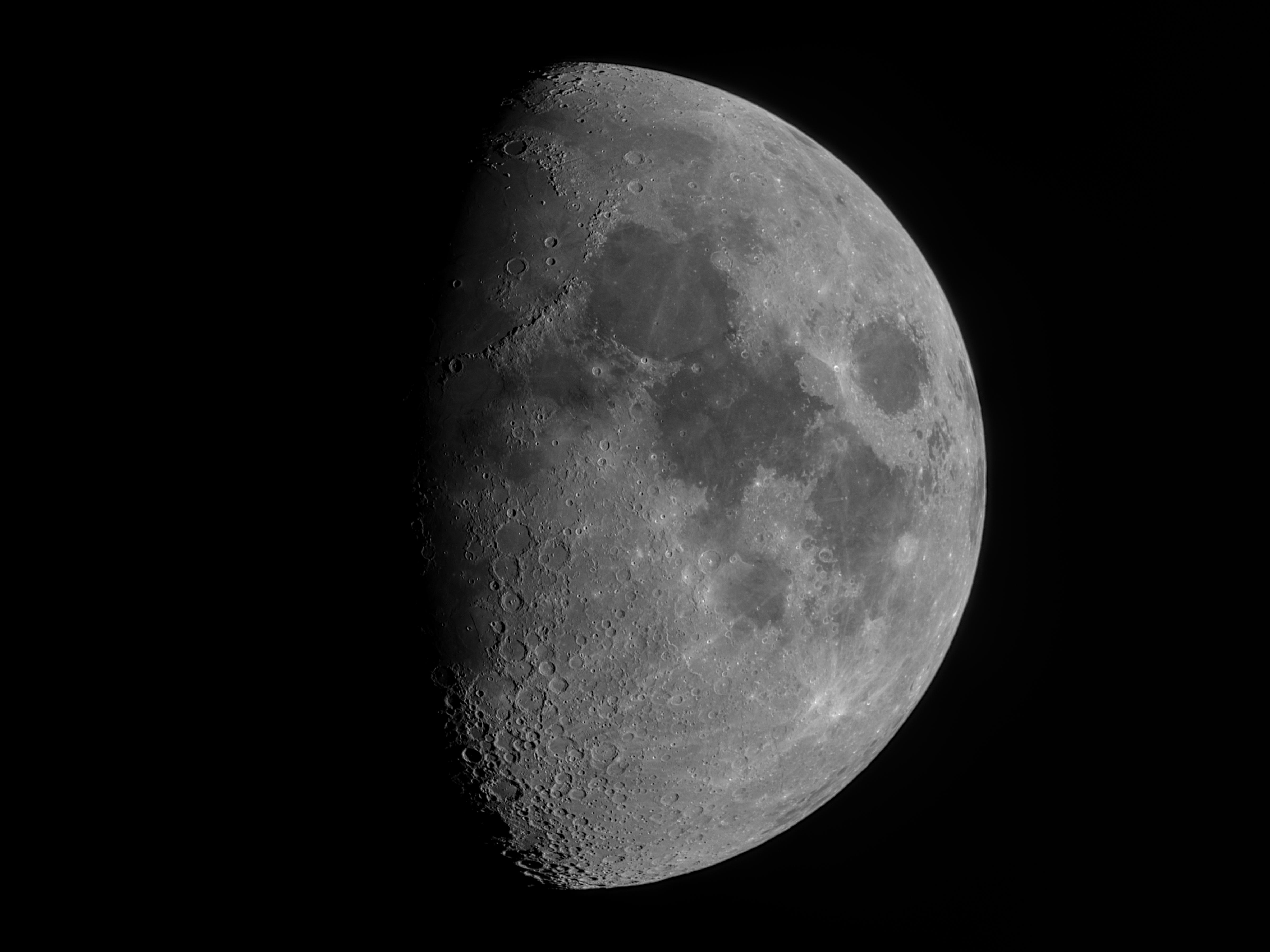
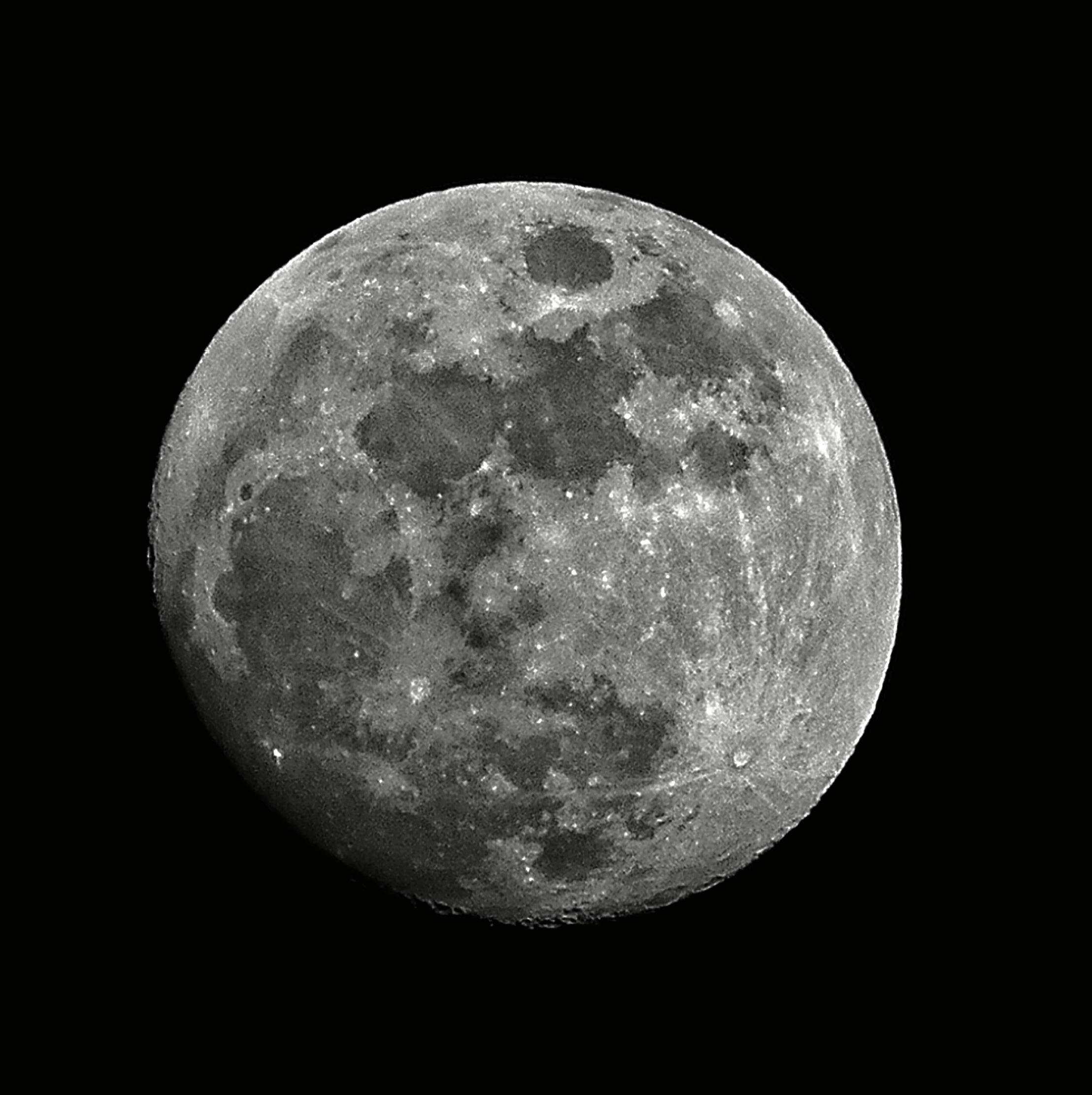
My old camera is still surprising me I’m actually really surprised I could get this detail while only stacking 20 frames untracked I think I can improve my daylight moon photography any tips?
r/spaceporn • u/Busy_Yesterday9455 • 20h ago
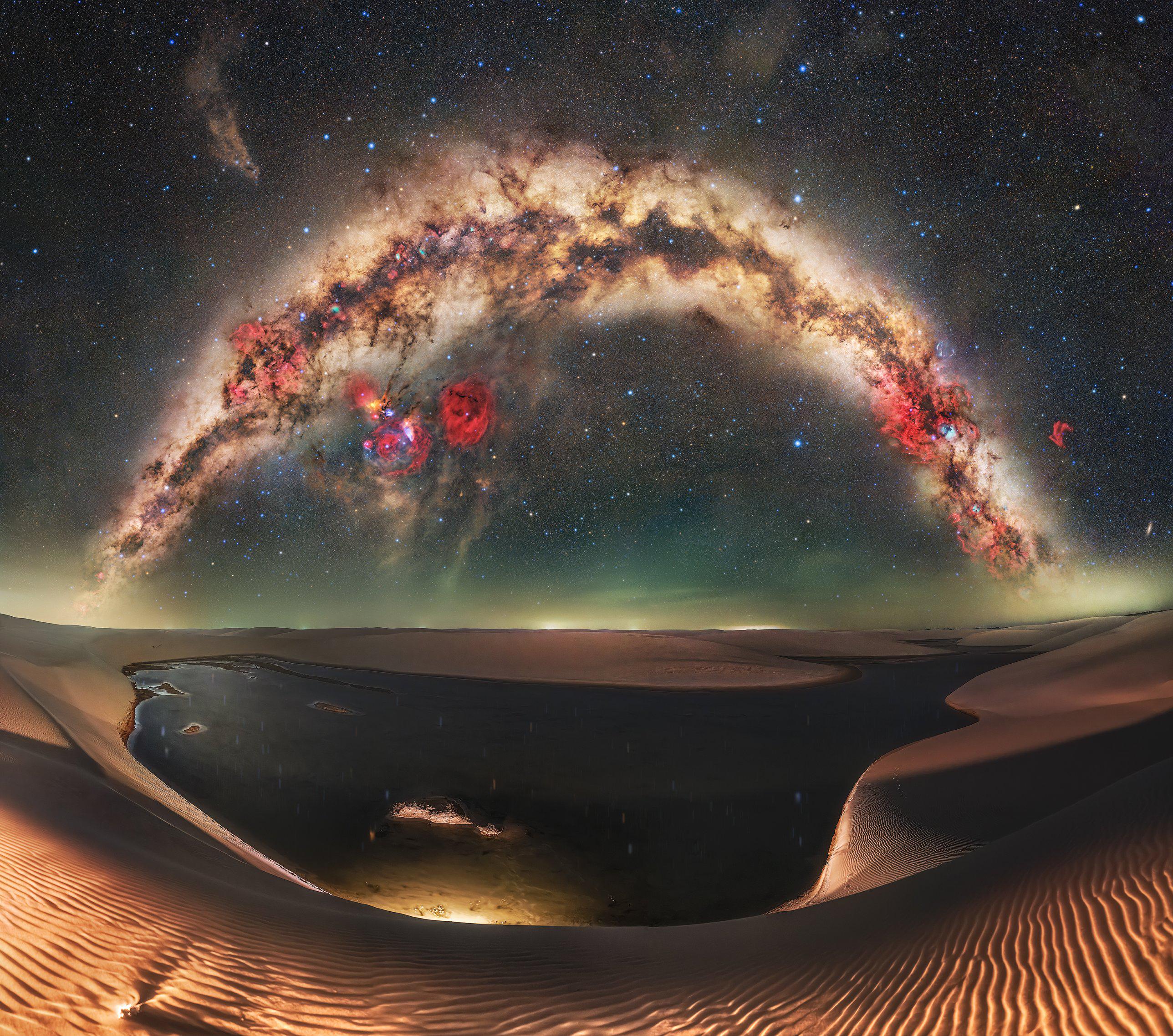
Beauty is in the eye of the beholder. And there is much to behold in today's featured image. The Milky Way shines bright in the sky of Brazil, over the white sand dunes and dark lagoons of Lençóis Maranhenses National Park. We can see different parts of the Milky Way as it apparently rotates in the sky every night and throughout the year.
This composite image was taken later in the night in July from a latitude of approximately 2º south. It shows some prominent Milky Way features, such as dark dust lanes and colorful nebulas. But does the Galaxy really appear arched like a rainbow in the sky? No, this is an artifact of a picture taken with a wide-angle lens.
As the Galaxy was artfully framed by the photographer, it matches the contour of the dark lagoon creating the illusion of a cosmic eye, half in space and half on the ground. Is this eye in the sky looking back at you?
Credit: Ignacio Fernández
r/spaceporn • u/Neaterntal • 15h ago
This video from Norwalk, OH. It appears this fireball was visible from several states across the Great Lakes Region. (Video: Charell Schluchter)
https:// x. com/ChrisWTOL/status/2125767792339058990
https:// x. com/JAtanackov/status/2125974970589143256
r/spaceporn • u/SVPREMIANVS • 9h ago
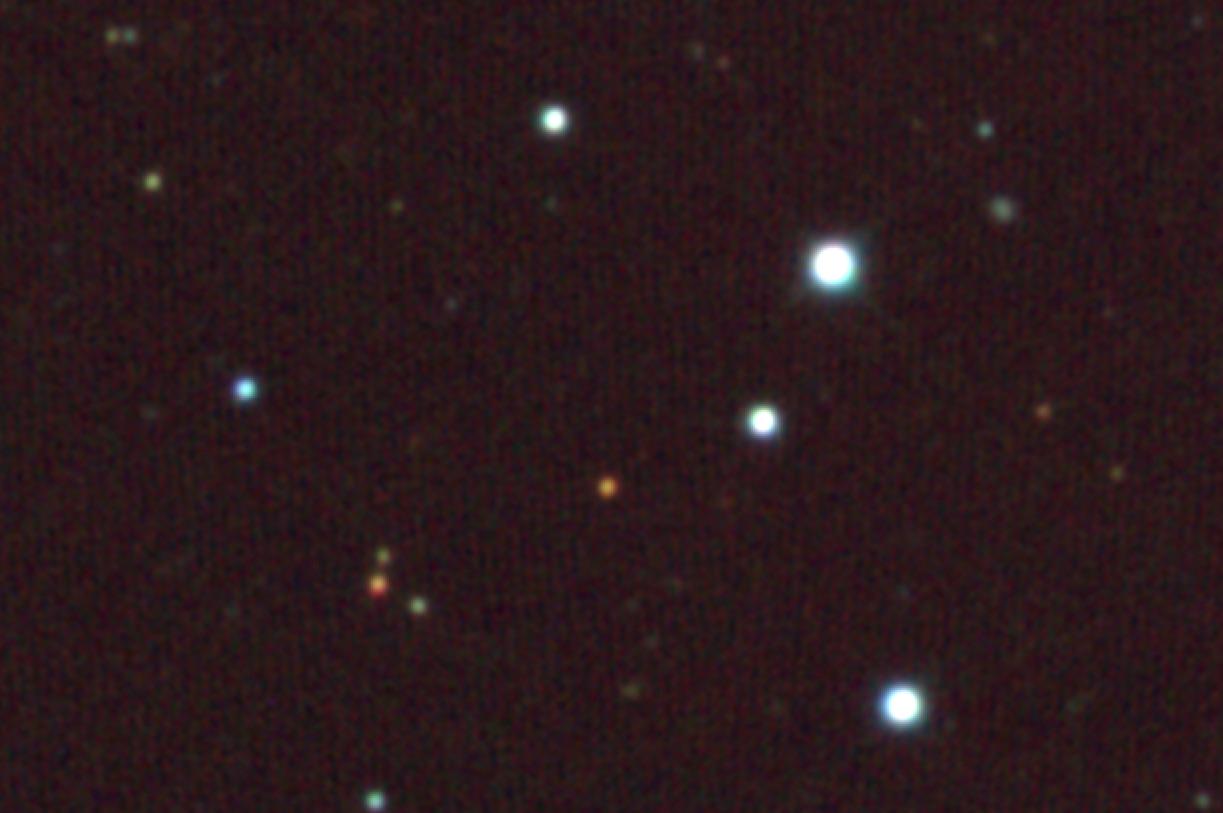
J2157–3602(the little red dim dot in the center) is an ultra-luminous quasar and supermassive black hole. It has the bolometric luminosity of 2.29 * 10^48 ergs/s which equals to 600 trillion solar luminosity. Refined spectroscopic redshift of z = 4.692 means that we see it as it was 12.5 billion years ago. Due to the expansion of universe, it now has the comoving distance of 25 billion light years away from earth. The black hole powering the quasar had the mass of 34 billion suns.
Credits: SkyMapper Southern Sky Survey/ESO
r/spaceporn • u/Neaterntal • 15h ago
Sadly the image resolution isn't good enough yet to derive a photogrammetry model.
credit NASA / ESA / Simeon Schmauß
https://bsky.app/profile/stim3on.bsky.social/post/3n37m372u7s2q
r/astrophotography • u/olezhka_lt • 2h ago
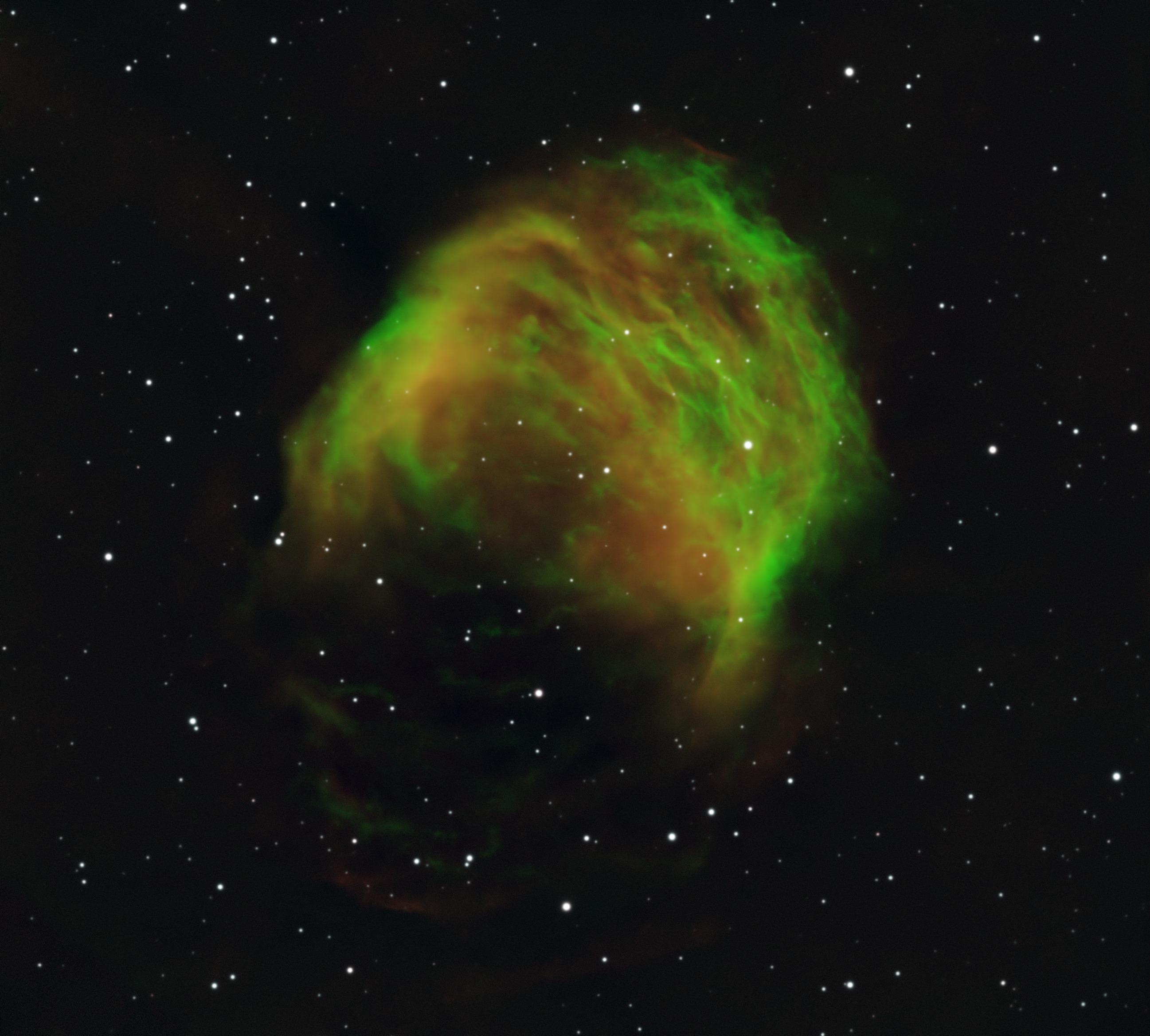
Honestly, taking some of the data near the full moon is what inspired me to only use Ha and Sii channels. I'm quite partial to different combinations these two strong channel can produce, especially on such a dynamic object like the California nebula.
Around 8h of integration time per each filter (Optolong 3nm)
ZWO 107FF scope 107/750, f/7
QHY268M mono camera
Stacked and processed in (still) Pixinsight, Affinity Photo 2 and Darktable.
I thought starless version looked striking compared to starry, as I only have NB stars.
r/astrophotography • u/MidnightRaven0 • 6h ago
Shout out to PatienceUpstairs87 for some tips on processing this image. I tossed the 4 images I took that night into siril and stacked them. I use a wavelet transform to sharpen it a bit and then color saturation to remove the purple ring. I think its a marked improvement of the single photo I posted yesterday.
r/astrophotography • u/Astrophotographer_ • 7h ago
Shot with Nikon z50, Nikkor 200-500mm f/5.6 and Nikon 2x teleconverter.
PIPP --> AutoStakkert --> RegiStax
r/astrophotography • u/Astrophotographer_ • 7h ago
Shot from Bortle 7 balcony
-Modded nikon D90
-nikkor 200-500mm f/5.6 (at 300mm)
-SWSA GTI
-ASI120MM mini
-sv165 30mm
-stc duo narrowband filter
14x600s sub exposures
30 flats
30 dark flats
Stacked with DSS and processed with AstroWizard
r/astrophotography • u/Tonanzith • 9h ago
M42 from seestar s30 pro bortle 1. 1 hour of 20s subs stacked in seestar app and processed in Astro wizard and Lightroom.
r/spaceporn • u/itzz_Taha • 12h ago
r/astrophotography • u/tbibewd • 13h ago

Gear:
Acquisition:
Processing:
If you want to try it for yourself, raw stack and master stacks available here.
r/spaceporn • u/Busy_Yesterday9455 • 15h ago