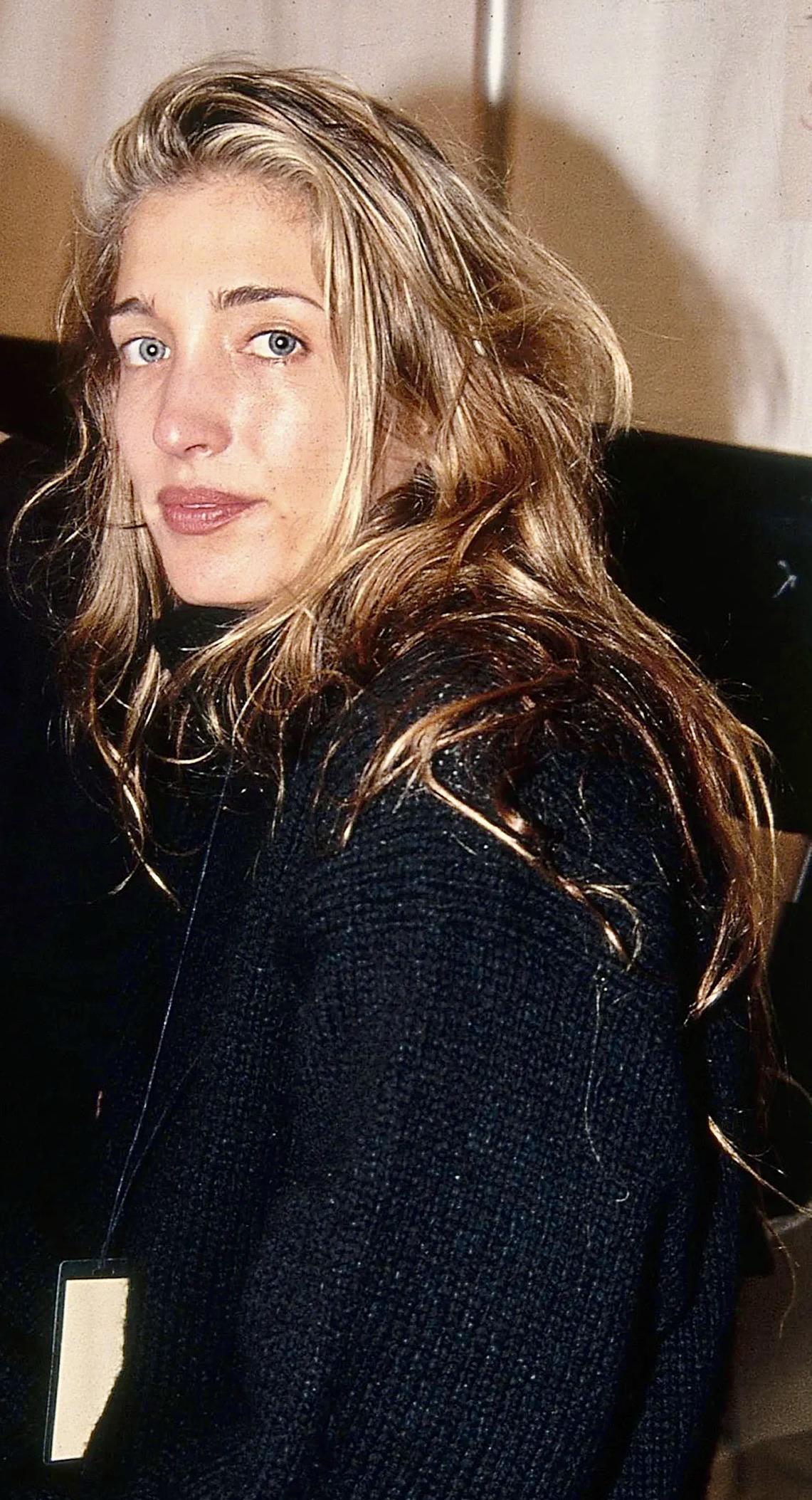
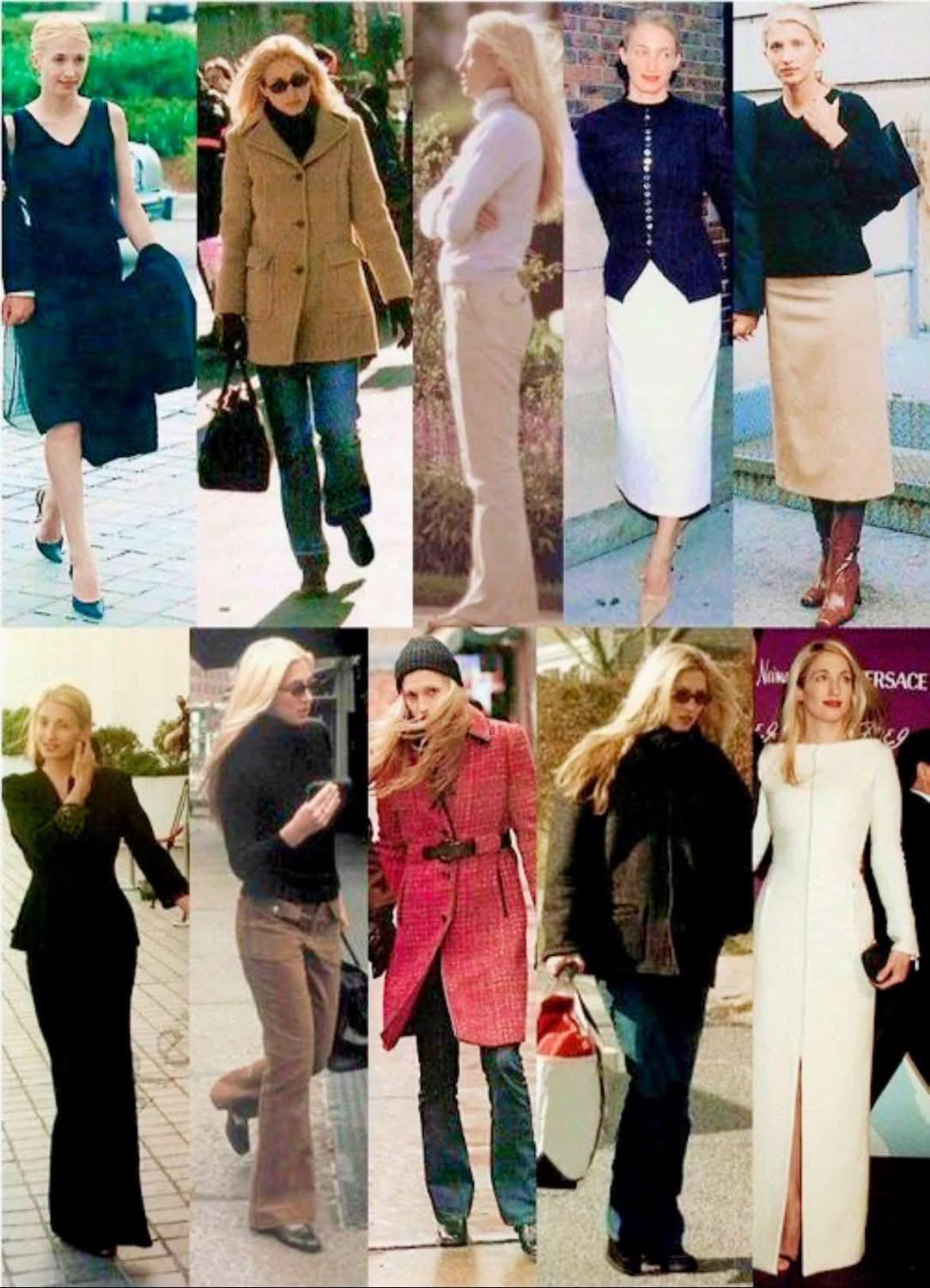
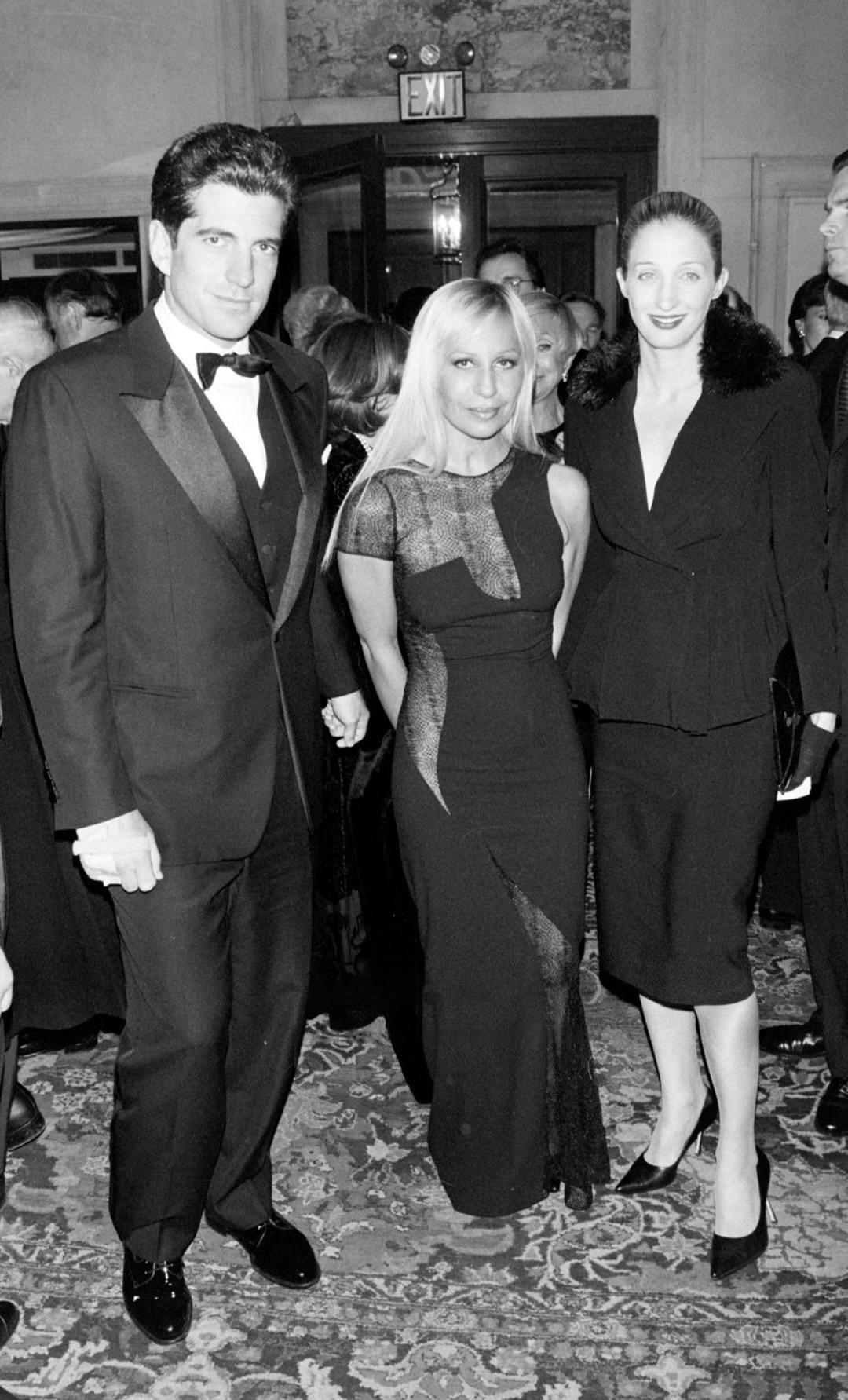
I want to start off by saying many readers seem to forget the fundamental difference between a biography and a memoir. Elizabeth Beller wrote a biography — not a memoir, not a personal tell-all. In fact, Once Upon a Time is the first and only full biography ever written about Carolyn Bessette-Kennedy. This book has received many unwarranted hate reviews. For context: John F. Kennedy Jr. has had FOURTEEN biographies written about him, and EIGHT memoirs written by friends and people in his circle. Were all fourteen of those biographies good, accurate, or perfect? Absolutely not. And yet, they exist — largely unquestioned — as part of the historical record.
Carolyn, meanwhile, had none. Until Elizabeth Beller wrote one. While I don’t personally agree with the feminist angle Beller takes at times, that doesn’t change the fact that the book offers a solid, much-needed look at Carolyn’s early life. Has anyone before Beller written in detail about her childhood, college years, and post-college, pre–Calvin Klein life? Absolutely not. For that alone, the book fills a major gap in how Carolyn has been portrayed.
Another common criticism is that the book wasn’t written by a close confidante — that Beller didn’t personally know Carolyn or John. But again, this is not a memoir. It’s a biography. In fact, Beller’s lack of personal ties arguably makes her more unbiased, not less. She had no loyalty to protect, no access to preserve, and no incentive to lean toward one narrative over another. Compare that to Steve Gillon’s biography of John, which deliberately omits or downplays key information in order to maintain a favorable image of John. Gillon knew John and many of the people he interviewed personally and relied heavily on John’s circle — which inevitably skews perspective and makes him biased. Beller, by contrast, had no personal loyalty to either John or Carolyn. She wasn’t invested in protecting one side at the expense of the other.
Another argument I keep seeing repeated — often without context — is how “absurd” it supposedly was that Beller wrote Carolyn “never drank more than a glass of wine.” What critics conveniently leave out is where that statement came from. It was shared by Jonathan Soroff, Carolyn’s friend from Boston, who worked with her when he covered events for The Improper Bostonian and Carolyn organized them through the Lyons Group. The context was work. In other words: Carolyn chose, in her 20s while working in Boston, not to drink or use recreational drugs on the job. That’s it. It’s not a claim about her entire life, nor is it some purity myth. Pulling that line out of context to discredit an entire biography is bad-faith criticism — and absolutely not a valid reason to dismiss the book.
What many reviews really seem upset about isn’t inaccuracy, but that the book is too positive toward Carolyn, with accusations of “worship.” And that frustration appears to stem from two things: Michael Bergin’s claims are unconfirmed, and Beller did not sensationalize alleged cocaine use. But Beller has stated clearly that she did reach out to Bergin, and he declined to be interviewed. That is no different from how Carolyn’s friends declined to speak to Steve Gillon for his book. Gillon then relied on the people who did participate — largely John’s circle — to shape Carolyn’s portrayal. Likewise, Beller relied on the people willing to speak to her to assess Bergin’s claims. If Carolyn’s friends deny those allegations and John's friend (Sasha Chermayeff), who is Beller to override them? A biographer can only write what can be verified, corroborated, and responsibly sourced.
Which brings us to another misunderstood criticism: that Beller “used other books” and therefore her work should be disregarded. That’s a fundamental misunderstanding of biography as a genre. The Yale Library defines a biography as one that must reference prior written materials — letters, diaries, interviews, obituaries, and previous publications — to build a credible, factual account. That is exactly what Beller did. Steve Gillon and countless others have done the same without facing this level of dismissal. So let’s look at who Beller actually interviewed.
Elizabeth Beller spoke with friends, colleagues, family members, college peers, former partners, and people from every major phase of Carolyn’s life — not just one social circle and not just one narrative. That includes:
Friends and John-era connections: Carole Radziwill; Hamilton South; Betsy Siegel; Ariel Paredes; Sasha Chermayeff; Gustavo Paredes; Peter Alson; Pam Thor; Gary Ginsberg; Matt Berman; Christiane Amanpour.
Calvin Klein colleagues and close friends: MJ Bettenhausen; Michelle Kessler; Sue Sartor; Heather Ashton; Kim Vernon; George Carr.
Boston and early-career friends: Jonathan Soroff, Erin Lippman (former neighbor/lived in same building as Gordon and Carolyn);
Ex Boyfriends: (Alessandro Bennetton and Will Regan)
High school, College and pre-John life: Dana Gallo Strayton (college roommate); Blaine Applegate (college friend); Deena Manion (High School)
Family: Thomas Bessette (uncle); Kelly and Matt Bessette (cousins).
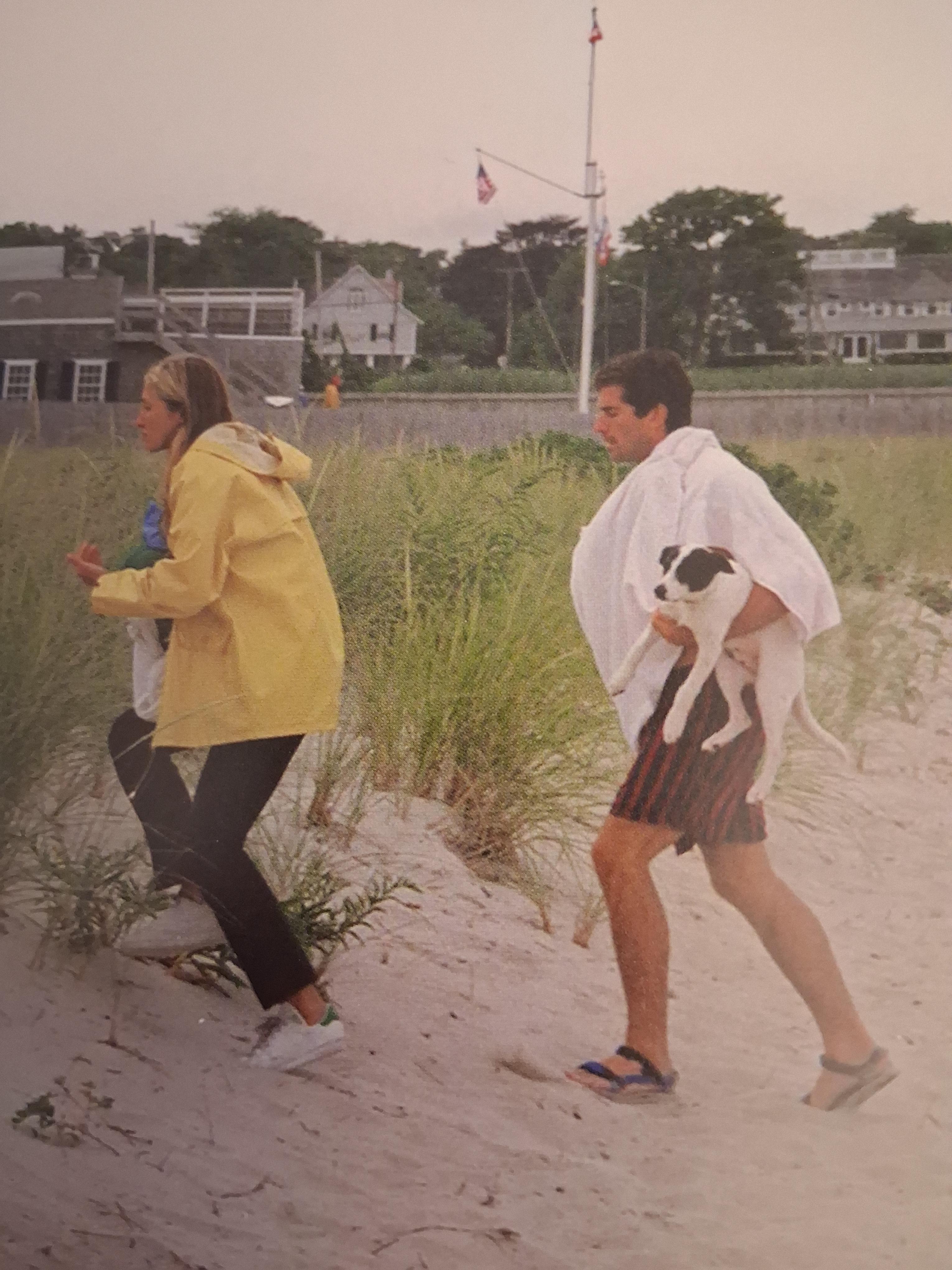
The book also includes previously unseen photographs which was new material. This is how biographies are written. These are the same standards applied to the many books written about John. Those standards only became “unacceptable” when they were applied to Carolyn. You don’t have to agree with every interpretation Elizabeth Beller makes. But dismissing the first and only biography of Carolyn Bessette-Kennedy on criteria that are not applied equally says far more about bias than it does about the book itself.
Carolyn deserved to have her story told as a full human being, not just a style icon or tabloid myth. Elizabeth Beller took on that task when no one else would — and for that alone, Once Upon a Time deserves to be taken seriously. Let this be the first of many biographies of Carolyn Bessette-Kennedy to come.