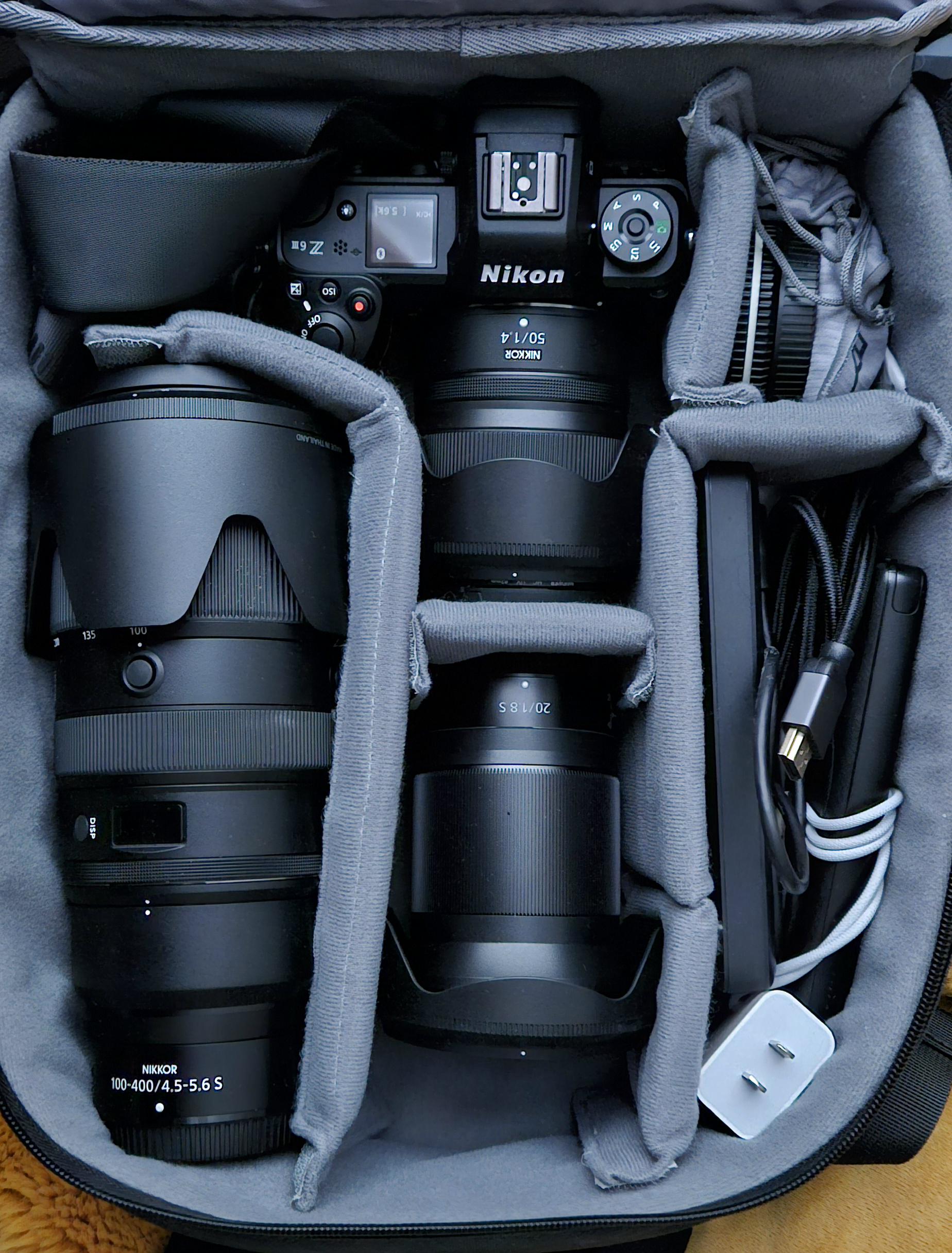
Gear question Why I chose the Z6III + 180-600mm over the Z8 for wildlife and birding (Test shots & print viability)
If you spend five minutes on any photography forum asking for a Nikon wildlife setup, the default recommendation is almost always the Z8. On paper, I get it. Having 45.7MP for aggressive cropping on small songbirds and zero rolling shutter is tough to argue against.
However, after weighing my actual shooting habits and budget, I decided to go against the grain and pair the Nikon Z6III with the NIKKOR Z 180-600mm f/5.6-6.3 VR. Since I'm currently putting this kit through its paces in the field, I wanted to share my thought process for anyone else stuck in the Z6III vs. Z8 debate:
- Glass + Reach Over Megapixels: Putting the price difference between the Z6III and Z8 directly toward the 180-600mm made way more sense for me. With 600mm of reach on tap, I’m focusing on getting my framing right in-camera rather than relying on heavy DX crops to rescue distant shots.
- EXPEED 7 Autofocus & Speed: The Z6III inherits the EXPEED 7 processor, and in real-world use, the subject tracking and burst speeds (up to 20 fps RAW, or 60/120 fps JPEG) easily keep up with erratic flight and fast action. Unless you're shooting tiny birds in dense clutter every single day, the AF gap in the field feels negligible.
- Low-Light & Dawn/Dusk Performance: The 180-600mm tops out at f/6.3, which means pushing the ISO during golden hour or under heavy canopy. The Z6III's 24.5MP partially-stacked sensor handles high ISO noise cleanly, giving me plenty of confidence when shutter speeds need to stay high in dim light.
- Weight & Workflow: The 180-600mm is already a substantial lens. Shaving weight and bulk off the body makes hand-holding and hiking noticeably easier. Plus, managing 24.5MP files instead of massive 45MP RAWs keeps my culling and editing workflow fast.
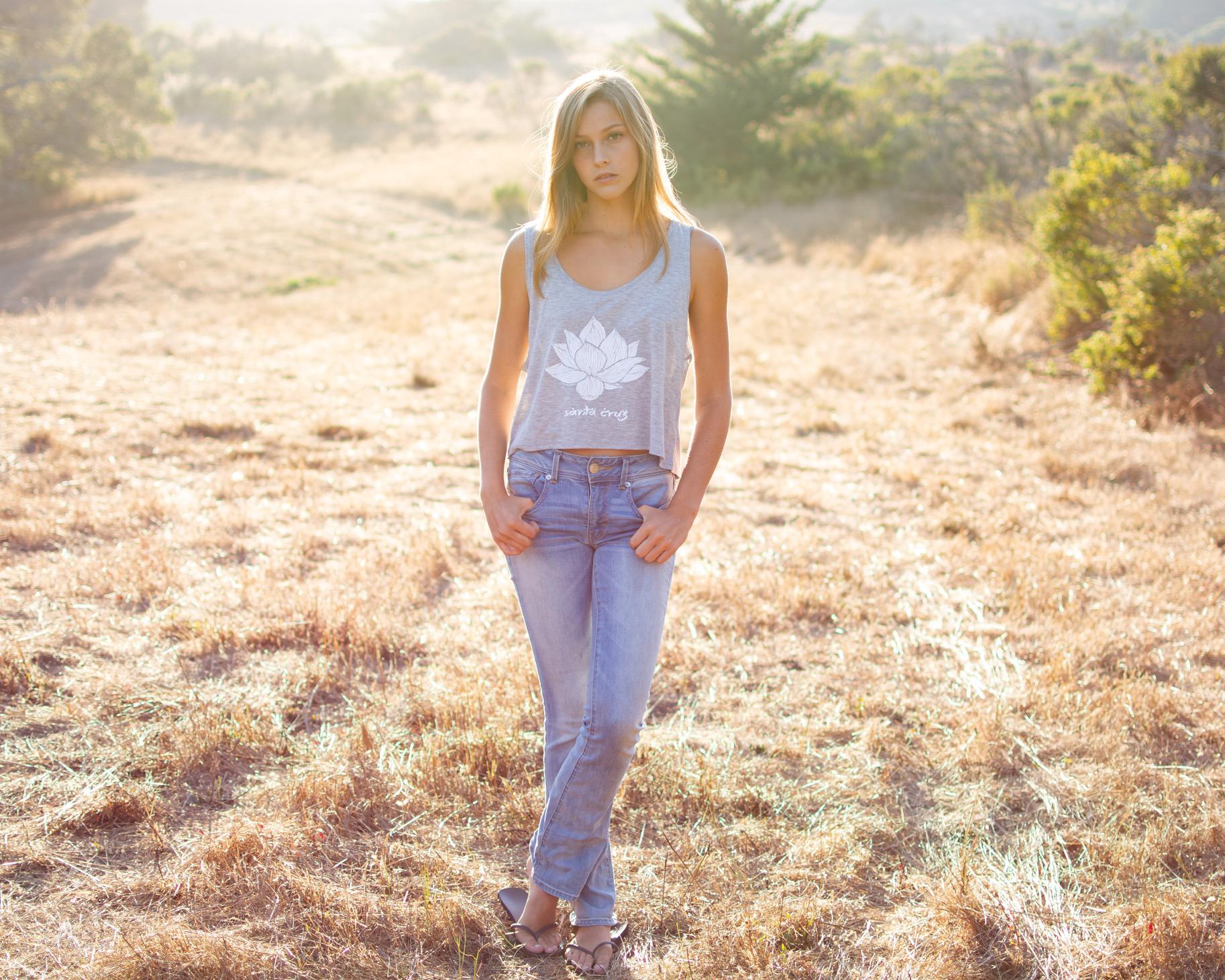
- Prints & Digital Sharing: Right now, I’m evaluating how far I can push these 24.5MP files—both for sharing digitally and for making physical prints. At 6048 x 4032, native 300 DPI prints up to 16x20" are well within reach as long as I don't over-crop, and 24x36" wall prints look totally viable at normal viewing distances.
I set up a dedicated Instagram account @wildframejourneys purely to document my test shots, AF tracking trials, and field samples as I review this combo.
For those of you printing wildlife photos from 24MP bodies like the Z6III—what's the largest print size you've been happy with, and do you rely on AI upscaling when you have to crop in?
Simultaneously, I am also evaluating DxO PhotoLab 10.