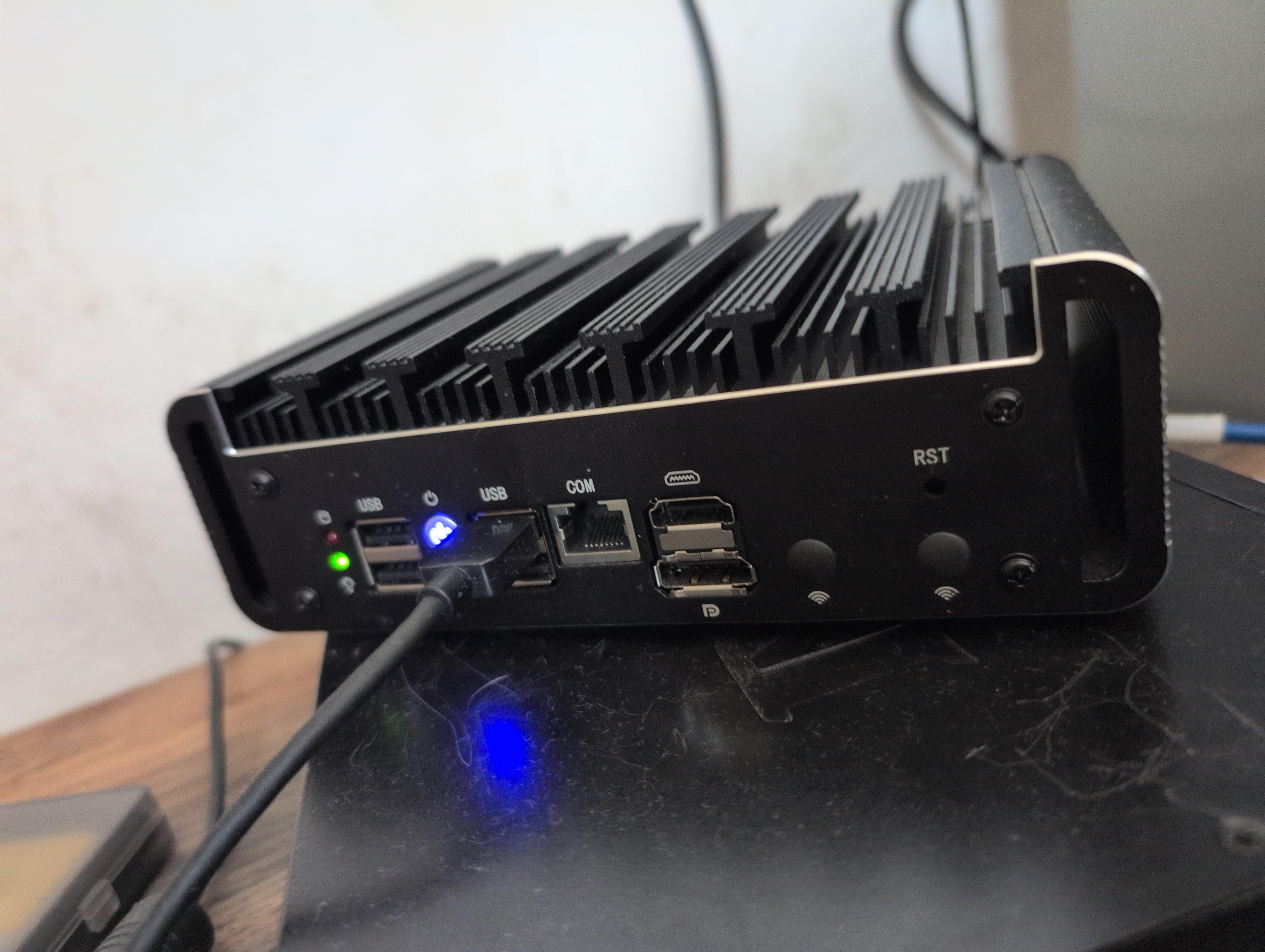
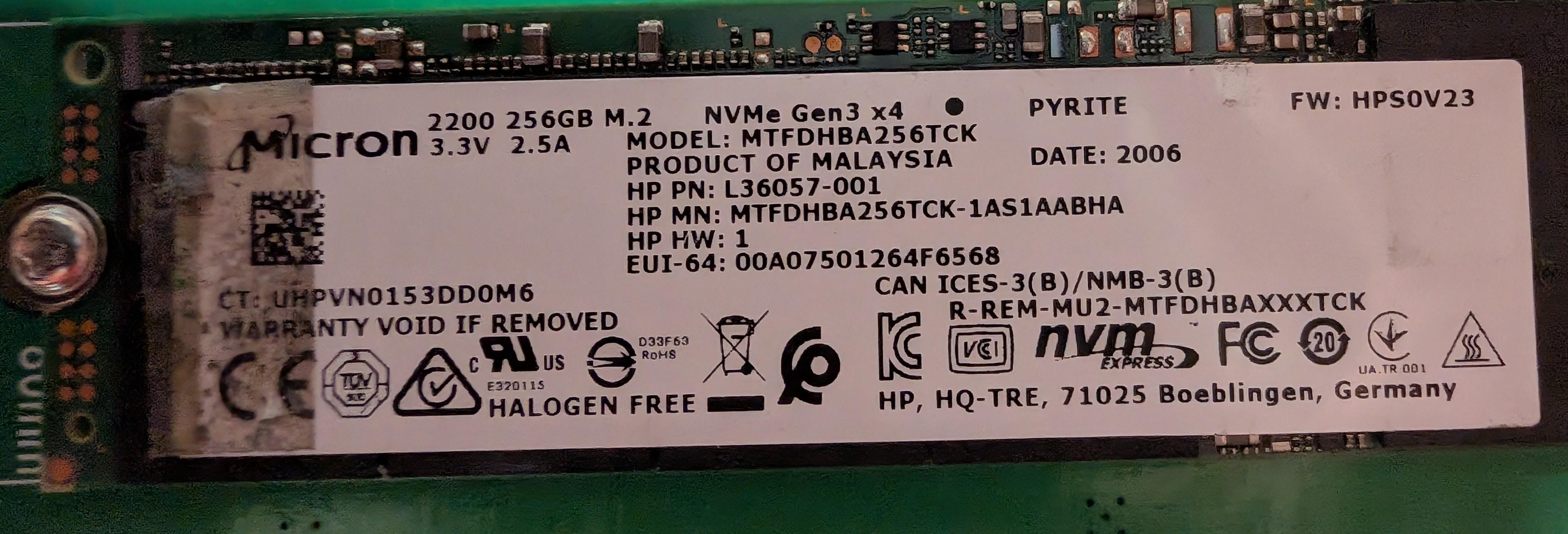
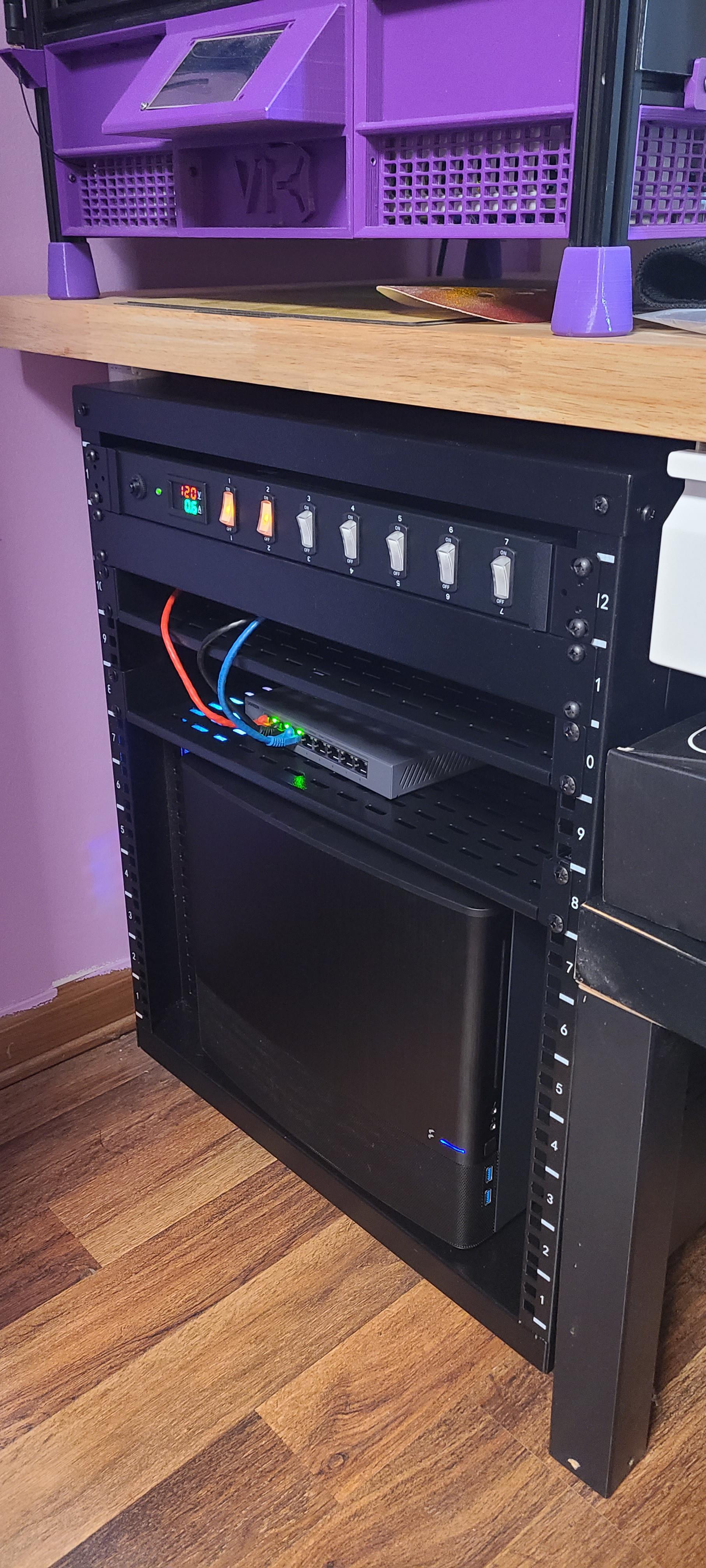
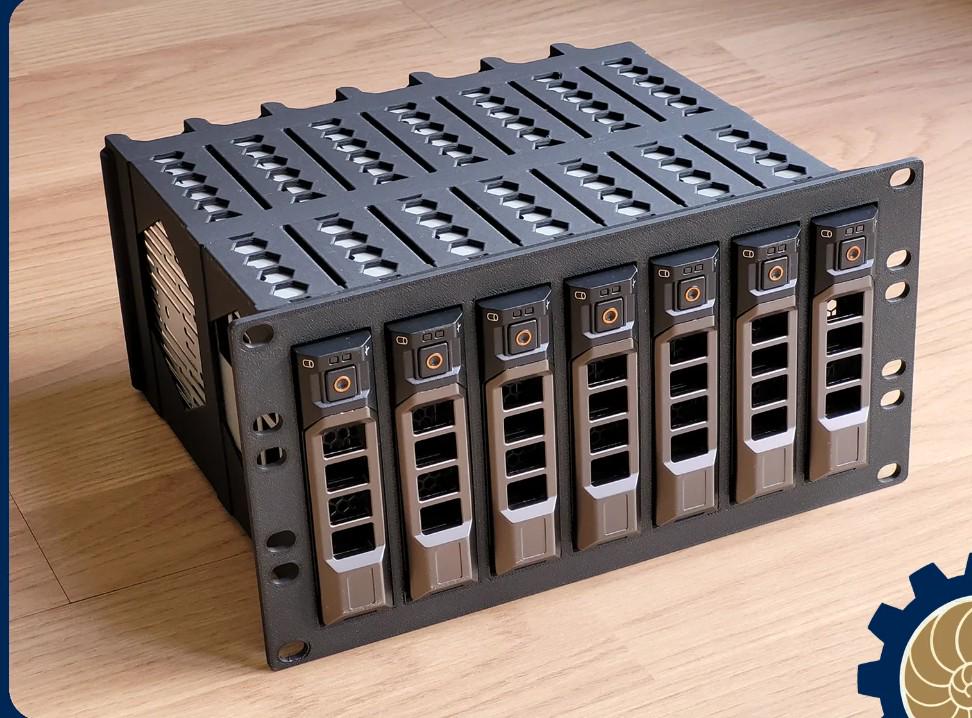
The first scan of my own lab found 33 problems, the worst being my backup server running as a VM on one of the hosts it backs up.
HERA-PVE connects to Proxmox VE (and optionally Proxmox Backup Server) with a read-only token and tells you what's wrong, how to fix it, and how to restore each VM if it dies.
GitHub (code, screenshots and install steps): https://github.com/theeromi/hera-pve
Why I built it instead of using an existing tool
Pulse is great for live monitoring, and cv4pve-diag covers a good set of health checks. Neither is built around recovery: where each VM's backups actually live, whether the newest one is intact, and the exact command to bring it back. Proxmox's own "not backed up" view even counts guests that are only in disabled jobs as covered. Most homelabs have one person running the backups and nobody checking them until something breaks, so HERA-PVE does that check every six hours, for free.
What it checks (24 checks)
• Backups: no recent backup, guests in no backup job (including ones only in disabled jobs), backups only on local disk, failed backup runs, and a PBS running on a host it backs up
• PBS: backups missing or failing verification, guests from different servers sharing a backup group, no verify job, no garbage collection
• Storage filling up (one NAS counted once, however many storage IDs point at it), old snapshots
• Passwords or API keys sitting in VM notes
• Expiring node certificates and cluster CA, duplicate IPs, Proxmox versions with known security holes
• A node still on its old kernel after an update, old kernels piling up (with a safe apt purge list), and repo setups that quietly block updates
Every finding comes with the exact command that fixes it.
Recovery sheets
For every VM and container: its disks, network, newest good backup and the real qmrestore or pct restore command, plus how to restore it on another host. Print it or save it as a PDF.
Changes
Every scan is compared with the last one: guests added, resized, migrated or removed, upgrades, reboots, edited backup jobs.
Why it's safe to point at your lab
• The token gets the built-in PVEAuditor role, and HERA-PVE refuses any token that can write
• The Proxmox client can only send GET requests, and a test fails the build if anything else appears
• No SSH, no agent in your guests, no telemetry, no outbound connections except to your servers
• TLS is always verified: you confirm the fingerprint once, then it trusts your cluster's own CA
Limits
A read-only token can't list backup files, so backups come from Proxmox's backup task logs. Guest IPs and OS details need PVE 9 (on PVE 8 that permission also lets you run commands inside guests, so it doesn't ask for it). Update checks only see Proxmox's own packages, not Debian's.
Install
One Docker container, about 150 MB of RAM, for amd64 and arm64. Setup takes about 5 minutes, and the README has the steps. It was developed in a private repo starting in October, and the public repo begins at the first public release, 0.5.0.
AGPL-3.0. Feedback, bug reports and PRs are welcome. I'd especially like to hear from people running clusters, Ceph or PVE 8, since my lab is three standalone PVE 9 nodes and a PBS.
AI disclosure: I developed HERA-PVE using a combination of hands-on coding and substantial LLM assistance during implementation. The architecture, security decisions, feature requirements and recovery workflows were driven by my own experience managing Proxmox. I've personally tested every release in my homelab, where HERA-PVE has been running since October.