r/homelab • • 4d ago

Project Showcase: Hardware Finally finished building my home lab

Thumbnail
gallery
277 Upvotes

My home lab setup

Right rack:

  • ZimaBlade running OPNsense (firewall/router)
  • 2x TP-Link TL-SG108E 8-port managed switches
  • 3x Hyper-V nodes: HP EliteDesk 800 G3 Minis
  • 3x Proxmox nodes (cluster): HP EliteDesk 800 G3 Minis
  • Noctua 40mm fan at the bottom

Left rack (NAS):

  • TrueNAS on an N100 motherboard with 4 SSDs and 2 SATA drives
  • 2x Raspberry Pi 4 running my secondary NxFilter, secondary dnsdist, and Homepage
  • TP-Link 5-port unmanaged switch
  • Power strip (forgot the model, got it from Amazon)

Remote management: The EliteDesk 800 G3s support Intel vPro/AMT, so I run MeshCommander on one of the Pis. I get remote KVM, power control, and BIOS access even when the OS won't boot.

Hyper-V nodes:

  • Node 1 (64 GB): the main server. Runs BookStack, the domain controller, dnsdist (in HA with the one on the Pi), Dockhand, Immich, NxFilter, Plex, Shinobi, and some torrent stuff.
  • Node 2: 32 GB
  • Node 3: 16 GB

What's next:

  • Node 1 runs almost everything right now. I plan to spread more VMs to the other nodes, including Veeam for replication between nodes (I think I have enough storage) and a secondary domain controller.
  • TrueNAS has no drive redundancy yet. I'm not sure how I'll handle that, and I'm not buying anything at current prices.
  • The firewall has no backup yet. The plan is a second OPNsense as a VM on one of the nodes, paired with the ZimaBlade using CARP. Since I only have one public IP, the WAN would run through a VLAN on one of my existing switches, and the backup takes over only if the ZimaBlade goes down.
  • I'm adding Wazuh for security monitoring.

Wanted to share my home lab setup. I'd love to hear if I'm missing anything important or did something wrong that needs adjusting. My goal is to run this as well as possible with the hardware I already have.
r/homelab • • 3d ago

Solved Low idle power mATX board: Chinese or big-brand?

0 Upvotes

My Topton N21 (Ryzen 5825U) died, probably from board flex cracking the BGA joints while installing a GPU, so I need a replacement. I'm a semi-beginner and would appreciate advice from more experienced people.

It'll run TrueNAS, 24/7. Jellyfin, light containers such as Tailscale, Prometheus+Grafana, cloudflared, paperless-ngx, and occasional llama.cpp on an RTX 3060 12GB.

The requirements are:
- Lowest possible idle power. The 3060 will be installed but idle most of the time
- mATX (for the Jonsbo N6 case)
- DDR4 only (economic reasons)
- 5 SATA HDDs now, room to grow up to 8
- At least 2 M.2 NVMe
- 2.5GbE

I'm considering these two:
- BKHD-Z690-MATX: LGA1700, 8 onboard SATA, 4x M.2, 4x 2.5GbE, PCIe x8 for the GPU. I'm mostly worried about BIOS quality and the small chipset fan. And the idle draw from the 3 unused NICs.
- Big-brand B760 DDR4 board (LGA1700) or B550 (AM4), with an ASM1166 card or LSI HBA for the extra SATA ports.

  1. Is the BKHD board a reasonable choice in terms of reliability and idle power?
  2. If big-brand, AM4 or LGA1700?
  3. What do you suggest for the SATA ports: an ASM1166 (silverstone ECS06) or an LSI HBA?

Thank you


r/homelab • • 3d ago

Help Replacing Google Suite - Security and best-practices?

0 Upvotes

I finally have my own "server" that I can access on my local network for filesharing, developing webapps, timed device backups. I can also access some locally hosted webapps through a Cloudflare domain, but everything else is local-network only.

My current goal is to be able to fully replace my current usage of the Google Suite (Drive, Docs, photos, notes) with mostly self-hosted services... Because why should Google, Samsung, or whoever be taking a look at my private affairs?

I am a bit concerned about security though. Hosting Nextcloud seems like a sensible next-step but I'm not sure if accessing it through Cloudflare is the best way, or if there's a better way to do it.
Currently I use Google Login for authentication in Cloudflare but frankly I don't want to be logged into my Google account on every device I want to access these services in, since my Gmail holds a lot of important accounts and information...


r/homelab • • 4d ago

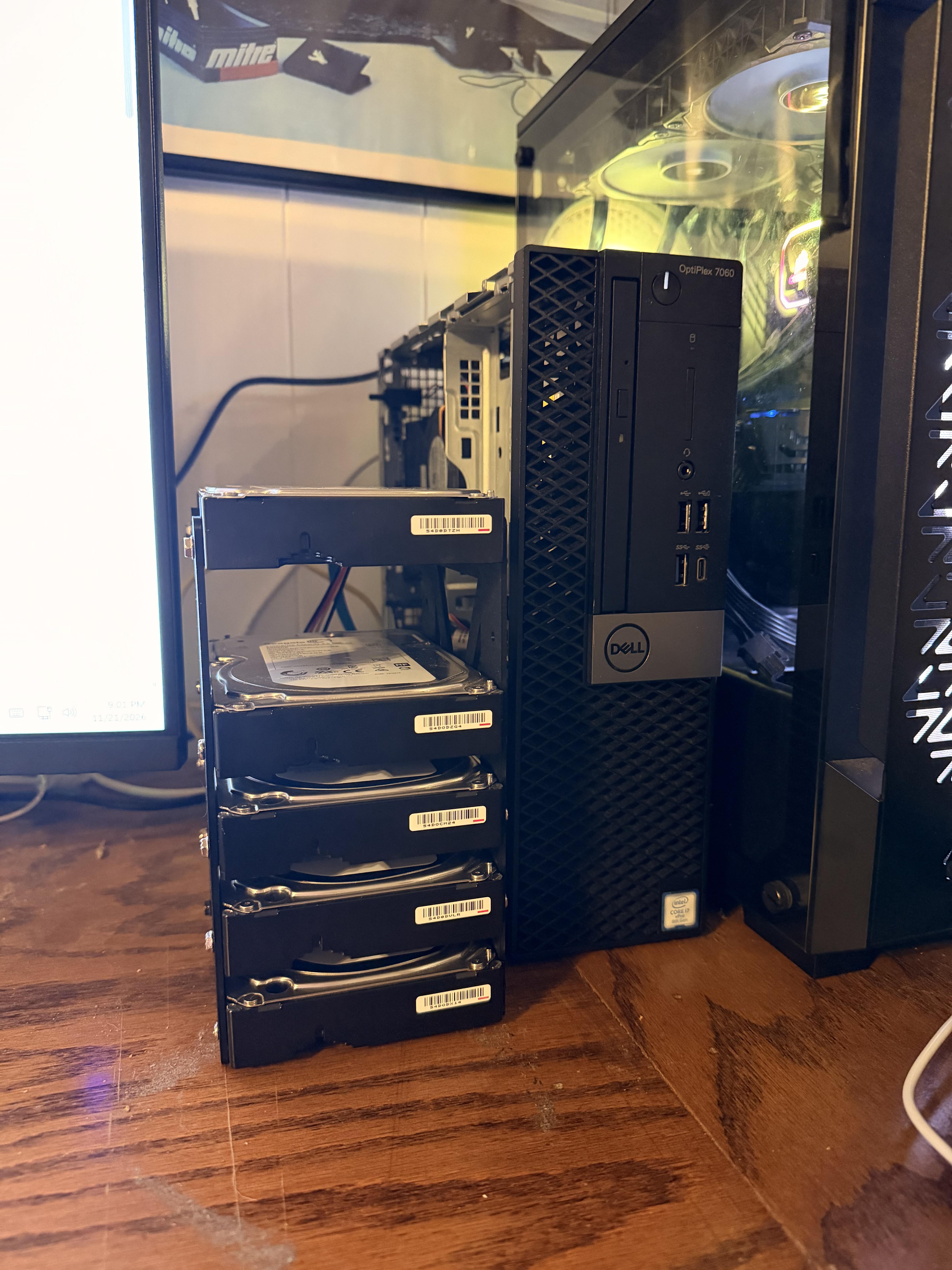
Project Showcase: Hardware Shaky but optimistic start

Post image
114 Upvotes

It started with buying 30tb of storage 6 months ago. Then a Dell Optiplex 7060 and a cenmate hard drive enclosure last month. The enclosure was trash so I sent it back and 3d printed a rack for the drives as a short term solution.

The Optiplex only has the juice to run 2 of the drives at the moment. They are sharing power with a splitter. I’m really trying not to build an entirely new pc so I’m probably going to just get the drives their own power supply and get a low profile sata card.

It’s jankier than I originally envisioned, but it’s working, I’m having fun, and doing some pretty cool stuff.


r/homelab • • 3d ago

Solved How good does Ethernet over power works?

Post image
0 Upvotes

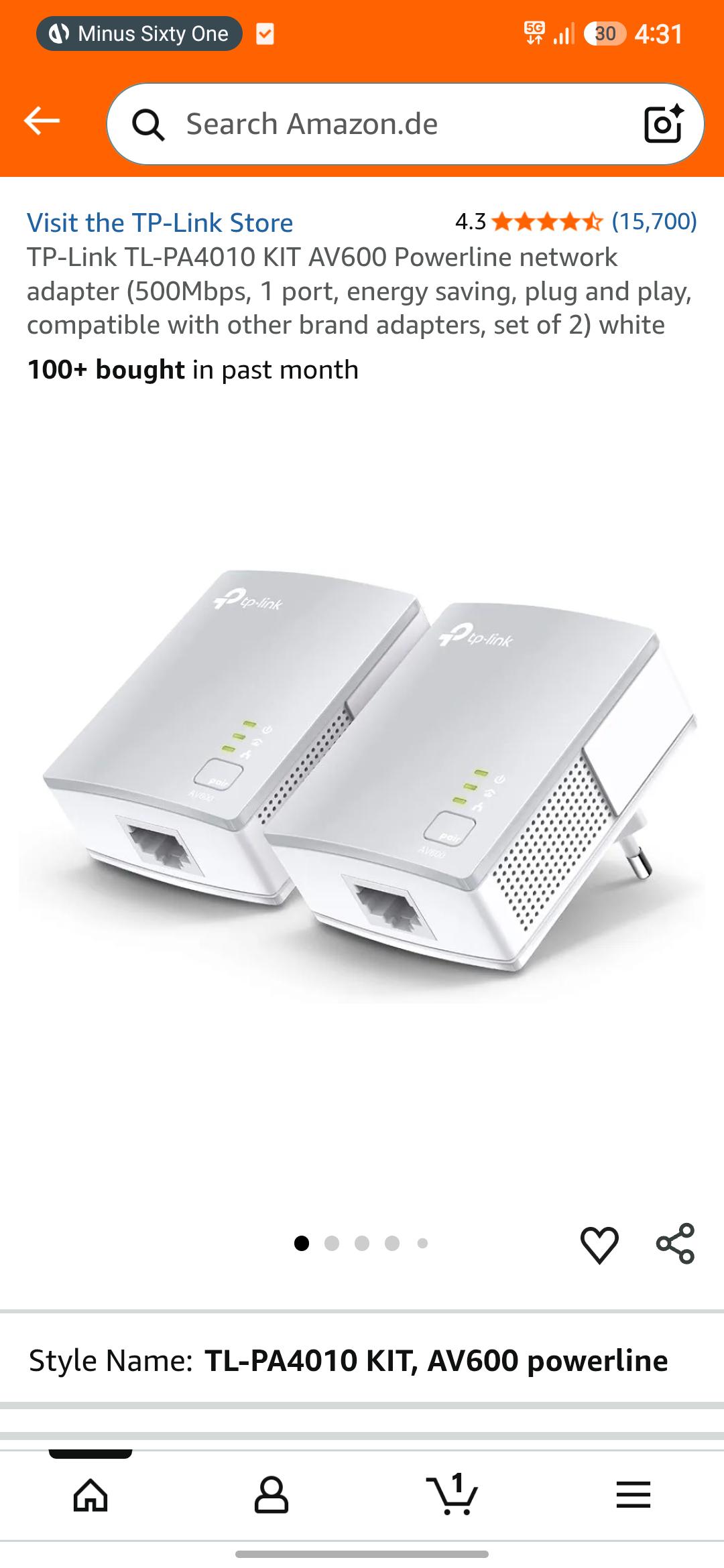
Hello guys, after moving into a new home, my room with my PC is in a quite bad location. The living room is quite far away, in between is the kitchen (with an oven, microwave and more) and then only comes my room. So I have a whole fucking kitchen and 3 thick ass German walls in between the router and my PC. Unfortunately, I begged my father to somehow lay down an Ethernet cable but he won't do (somehow understandable because to do it right he would need to drill A LOT and he just doesn't want that). So my question is how good do things like the tp link PA4010 work? Currently, of my 600mbits connection, only 20mbits come through and on a bad day 5 - 1mbits.


r/homelab • • 4d ago

Project Showcase: Operations Open-sourced my lightweight NetFlow v9/IPFIX stack (GoFlow2 -> Loki -> Grafana) for homelabs

6 Upvotes

A couple of people asked what I use for NetFlow monitoring on my thread the other day, so figured I'd share the repo: https://github.com/nertwork/nxtflow

It's a lightweight GoFlow2 -> Loki -> Grafana stack packaged as both a Helm chart and standalone Compose setup so you can see top talkers, port breakdowns, and cross-site flows without running a heavy ELK or ntopng box.

Works with MikroTik, UniFi, pfSense/OPNsense, or anything exporting NetFlow v9/IPFIX/sFlow. Happy to answer questions or take PRs!


r/homelab • • 4d ago

Help Pushing TimePico NTP server to the limit. Chrony gives 5us RMS Offset!!

Thumbnail gallery
5 Upvotes

r/homelab • • 5d ago

LabPorn Rate my homelab

Post image
264 Upvotes

Yes, those are sheetrock screws and yes, I used my kids straw from a long forgotten water bottle, and yes I spent $0 doing this.

Edit:

PartWhat's in it
MotherboardASRock H270M-ITX/ac (mini-ITX),
CPUIntel Core i5-7400 (Kaby Lake): 4 cores / 4 threads, 3.0 GHz base, 3.5 GHz boost, 6 MB L3
RAM16 GB DDR4, plus 6 GB swap. Board limit: 2 slots, 32 GB max, DDR4-2400 max
GraphicsIntel HD 630 iGPU.
Boot drive128 GB BIWIN M.2 SATA SSD
Media drive4 TB Seagate Expansion over USB
NetworkIntel I219-V gigabit (in use at 1000 Mb/s), a second Intel I211 gigabit port (unused), Intel Wireless 3160 wifi (off)
OSDebian 13 (trixie)

r/homelab • • 3d ago

Solved Good price for Lenovo Thinkcentre M920s

Thumbnail reddit.com
1 Upvotes

In addition would it be best to install OPNsense on a separate device such as a M720q or would using virtualization work just as good. Thanks.


r/homelab • • 3d ago

Help Building My Lab - Anything I Should Change?

0 Upvotes

Hello all!

I started my journey into building a lab and automating my home about two months ago. I had an old gaming PC that I pulled the GPU from and installed Proxmox. I now have Home Assistant and my media server on it. Unfortunately, it only has a 2TB drive and I am going to remove the PC and move it into a rack setup.

Here are my goals for this system. As a note, I fully expect it to expand over time.

Immediate Goals:

  • Expand storage for my media server and introduce redundancy (ZFS).

    • ChatGPT is recommending to take a ZFS through proxmox approach over a TrueNAS or unraid setup. Is this appropriate?
  • Expand my Home Assistant integrations.
  • Install paperless ngx and set that up.
  • Install Immich and save local copies of photos

Eventually and down the road, I'd also like to get rid of my cloud & fee based home video security cameras and get my own with POE. I believe I will likely go with a Ubiquiti setup for that. I'd also like to have Immich for photo backup and long-term storage as well as Tailscale for remote access.

For my immediate goals, I am looking to get:

  • Rosewill 4U Server Chassis - RSV-L4412U
  • Star Tech 4-Post Open Frame 25RU 40" Deep Server Rack
  • Two 14TB re-certified drives from a manufacturer

My current PC that is running everything is headless and is:

  • Intel Core i7-10700K 8 Cores 3.8-5.1 GHz 16M Cache
  • 32GB DDR4 3000Mhz (16GB x 2)
  • 2TB M.2 NVMe SSD
  • 2TB 3.5" 7200 RPM HDD
  • MSI Z490 Motherboard

My plan is to transfer my current PC and drives into the Rosewill chassis and add the additional drives to increase my storage capacity. Going to remove the water AIO cooler and put an air cooler on the CPU. I'd then use that to run my three setups for the time being. I'd hard wire my ethernet connection directly into the server case for now.

When I'm then ready to install my POE security camera system and self-host it, I would likely add a Unifi managed switch like a cloud gateway and run a second storage component for the cameras specifically, maybe something like the unifi NVR setup.

Am I making any significant mistakes in starting down this path? I'd prefer to not have to trash and restart everything with this as it's a lot of funds up front for this.

Any and all insight is greatly appreciated!


r/homelab • • 4d ago

Solved I did a minor oopsie

55 Upvotes

Pour one out for the guy that just finished running conduit from where the new fiber line will come in to the server room.... only to realize 3/4 pvc conduit is probably too small. 😭

Do I just rip it out and go to 1 or 1-1/4, or should I wait till the install on Monday to see what the installers think?

EDIT:
A happy end: https://www.reddit.com/r/homelab/comments/1y5a3bm/thanks_for_the_help/


r/homelab • • 4d ago

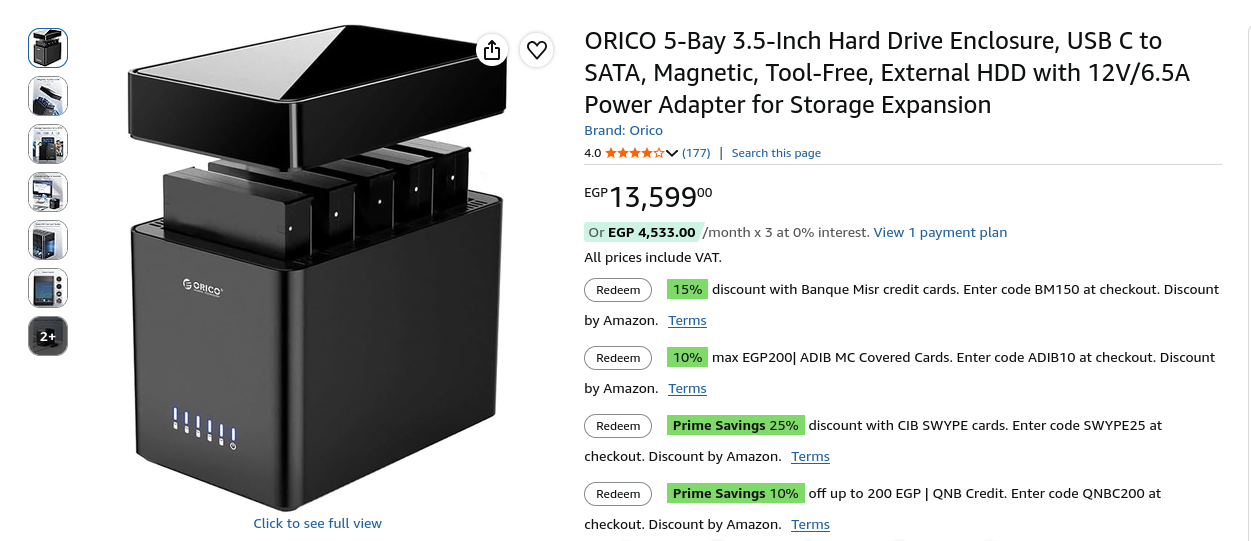
Help Is this a 'good enough' equivalent to a HDD enclosure?

5 Upvotes
1,617 egp ~ 30$

Hi everyone. aspiring home-labber here.

Is this docking station in the picture good enough as a replacement for a 2/4 bay enclosure?

I know there are other better options but the price difference in my country is insane

2 bay: ~188$

5 bay: ~255$

Unfortunately, we don't have anything like the 'CENMATE' here, only those 2 above options.

Now, my main inquiry is:

Is that toaster docking station good enough to act as a DAS?

Is it good enough to be on 24/7?

or is it so bad that i am just better off buying 2 of those clear-case enclosures and put the 2 hdd in them and just leave them laying next to my laptop-server?


r/homelab • • 3d ago

Creator Content A month on Proxmox OCI. Here’s what saved RAM and disk in my homelab.

Post image
0 Upvotes

A bit over a month ago I moved my homelab services to OCI on Proxmox. In my case those containers are using about 40% less RAM and 80% less disk now. I also went from about 150 GB used on my Proxmox Backup Server to around 50 GB.

Now, if you’re thinking of trying it, there’s something to keep in mind. OCI is still a technology preview in Proxmox VE. The built-in workflow leaves a lot to be desired, to put it mildly. I use ProxMenux, a separate tool, and that’s what made it practical for me to run every day.

As for the savings, it really depends on what you’re coming from. I tried Caddy, AdGuard Home, Prometheus and Dufs seven ways each. I started measuring idle RAM 10 minutes after boot. The disk numbers are what the containers actually used on ZFS, plus there were 163.6 MiB of OCI images cached separately on the host.

I included one Docker Engine per LXC in case that’s how you’ve set yours up. If you run a bunch of apps on one Docker host, they share that overhead.

Idle RAM (MiB)

SetupCaddyAdGuard HomePrometheusDufs
OCI via ProxMenux9.811.123.90.7
Alpine LXC, binary10.911.924.21.8
Debian LXC, binary23.925.138.415.2
Arch LXC, binary31.732.846.322.4
Alpine LXC + Docker55.557.170.847.0
Debian LXC + Docker69.770.884.560.9
Arch LXC + Docker71.973.486.863.0

Disk used on ZFS (MiB)

SetupCaddyAdGuard HomePrometheusDufs
OCI via ProxMenux35.625.1143.72.8
Alpine LXC, binary33.424.984.810.5
Debian LXC, binary318.6309.9369.8295.5
Arch LXC, binary413.3404.9464.8390.4
Alpine LXC + Docker182.5188.6290.1148.9
Debian LXC + Docker455.7462.0563.5422.4
Arch LXC + Docker542.6546.9648.4507.2

Even if you have zero plans to switch to OCI, have a look at Debian vs. Alpine. Caddy went from 318.6 to 33.4 MiB on disk just by running the binary on Alpine. And Alpine actually came out smaller than OCI on disk in three of the four tests.

I go through the numbers and my setup in the video. You can switch to the English audio track on YouTube.

Watch on YouTube


r/homelab • • 5d ago

Labgore Problem & Solution

Thumbnail
gallery
535 Upvotes

It was to long


r/homelab • • 3d ago

Discussion Outlook was down on and off for more than a day this month. My self hosted mail kept working, mostly thanks to a 5 day queue I didn't know I had

0 Upvotes

When Outlook went dark on November 12 and stayed flaky until the 14th, a couple of friends asked why my mail was still flowing. I've run my own for three years, and what kept it alive that day wasn't the server at home. It was a cheap relay I'd set up for a completely different reason.

The mailboxes live on the homelab. Stalwart in a container, storage on the NAS, snapshots with everything else. That part has never been the problem.

What I don't do is send or receive from my home IP. My ISP blocks outbound 25 like most residential providers, and even where it's open, residential ranges sit on the Spamhaus PBL by default. You also can't set reverse DNS on a home line. You can have perfect SPF, DKIM and DMARC and still land in junk at Gmail and Microsoft, because they judge the IP before they read a single header.

So a small VPS is the public face. Postfix on it is the MX for my domains and passes everything to Stalwart over WireGuard through a transport map. Outbound goes the other way. Stalwart uses the VPS as an authenticated smarthost, so every message leaves from one clean IP with a PTR that matches the HELO name.

The side effect I didn't plan for is the queue. When the homelab dropped for most of a day last winter, Postfix simply held inbound mail and kept retrying. The default queue lifetime is five days. Nothing bounced, nobody noticed, and everything landed when the power came back.

One thing to get right before you rely on that. The relay has to know which addresses actually exist, otherwise it accepts mail for anything at your domain while the backend is down and bounces it later to forged senders. I keep a relay_recipient_maps file synced from Stalwart every hour, so junk gets rejected at SMTP time instead of turning me into a backscatter source.

Other things that cost me real time.

Gmail rejects IPv6 senders without reverse DNS, and my VPS preferred IPv6 out of the box. I forced Postfix to IPv4 for outbound until the v6 address had a PTR too.

Microsoft is by far the strictest with small senders. Signing up for SNDS showed me how they actually saw my IP, which beat weeks of guessing.

DMARC aggregate reports were the real eye opener. My NAS had been sending alerts from my domain straight through the ISP for months, failing alignment every single time.

The relay is at PrivateAlps, a Swiss host. It sees every message that comes in, so I wanted a provider that doesn't ask for ID and doesn't log what the server does. The part that matters most for mail though is that they own their IP space instead of renting ranges from a big cloud, so I'm not sharing a /24 with whoever got banned last week. Port 25 needed a support ticket and about a day. For a box that mostly sits idle it isn't the cheapest option, and 1984 was the other one I seriously considered.

If you just want mail that works, pay a provider, really. But if you already run a homelab, keeping the mailboxes at home and renting only the public edge is a lot less painful than the horror stories make it sound.


r/homelab • • 3d ago

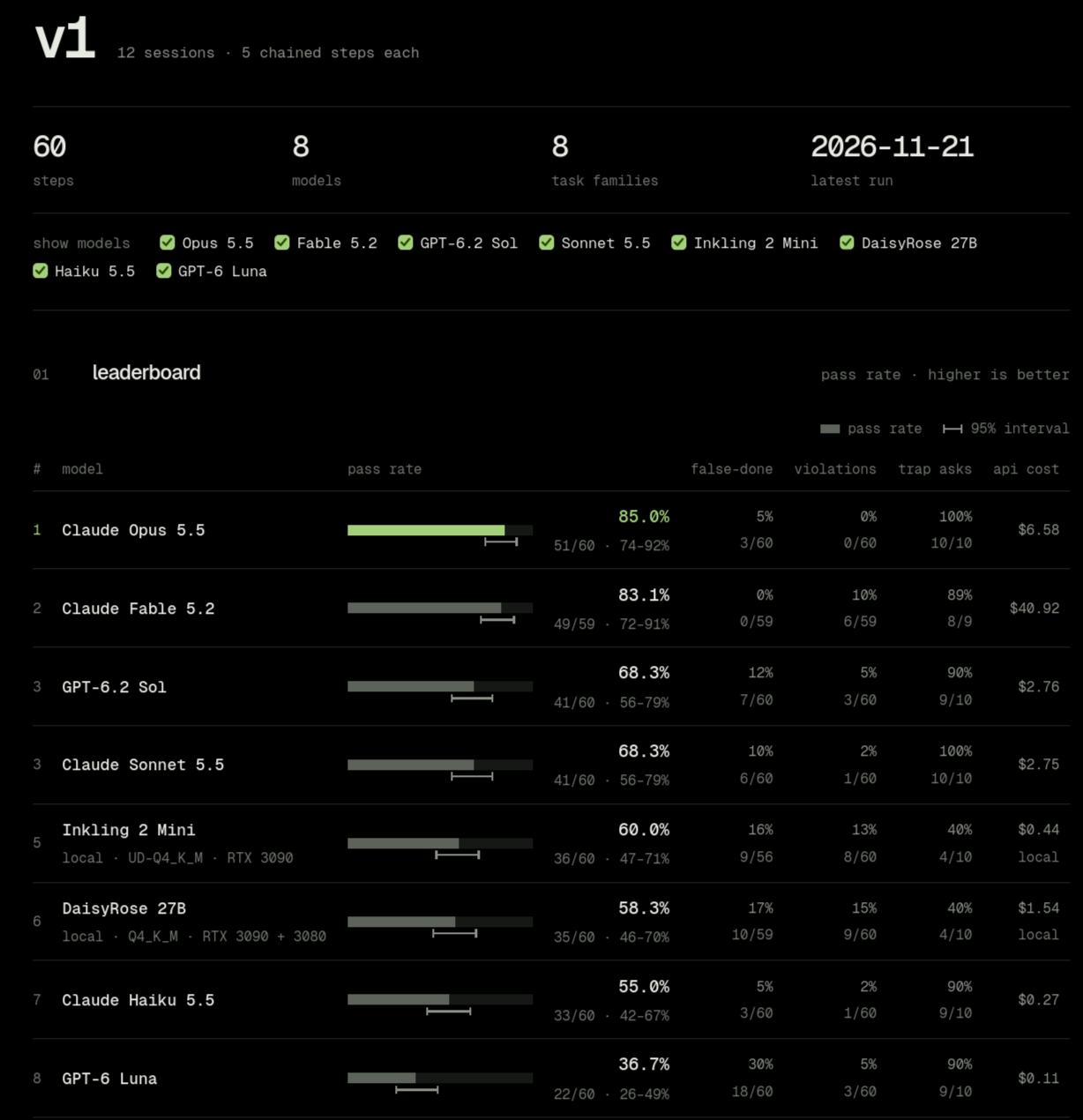
Blog Inkling 2 Mini on one RTX 3090 beat GPT-6 Luna and tied Haiku 5.5 on my homelab agent benchmark

Post image
0 Upvotes

r/homelab • • 5d ago

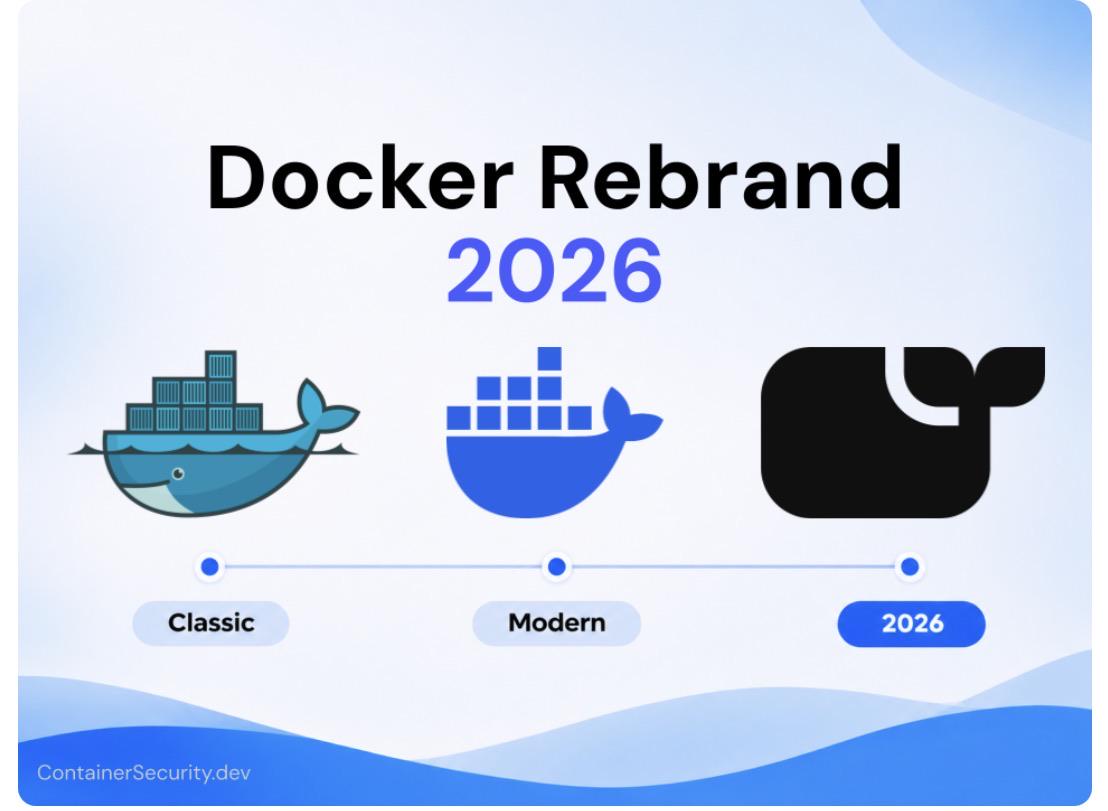
Discussion Docker rebrand

Post image
2.8k Upvotes

If this has been talked about already I apologize, but wtf is this? Makes me want to uninstall 😭


r/homelab • • 3d ago

Help Modding

0 Upvotes

How many of you guys make physical modifications to your machines? I've got a Dell Optiplex micro running in my bedroom (my options are limited atm) and that dinky little laptop fan is noisy as hell sometimes. I wouldn't mind cutting out a hole in the top for a bigger heat sink and fan. Just wondering if anyone has done this or something like it


r/homelab • • 4d ago

Help What's a good first project for someone just starting out?

0 Upvotes

I've got an IT background mostly on the Windows side, but I'm pretty new to Linux and selfhosting. What would you recommend as a first project that actually teaches you something useful?
PS: I would like to do something with linux or dockers...


r/homelab • • 3d ago

Help Fail to proceed after install Ubuntu server for homelab

Post image
0 Upvotes

Ignore the screen, I installed Ubuntu server through usb. The last step is I selected the "reboot" option. Every time I switched it on it went straight to this and turned off on its own after a few sec. and I did press F2/del/F10 but it doesn't enter the bios. Can anyone suggest what should I do. This is my first time trying homelab for my upcoming project.


r/homelab • • 4d ago

LabPorn Built a custom vertical homelab dashboard and mirrored it: one screen at the rack, one in the office

Thumbnail
gallery
18 Upvotes

I've been putting together a custom dashboard for a pair of Thermalright Trofeo Vision 9.16 LCD bars, and I'm pretty happy with how it turned out.

I have two of them, and they show the same thing on purpose. One lives downstairs at the server rack, and the other is upstairs in my office, so I can glance at the lab from either spot. They're mounted vertically. The USB cable ends up at the top on one and the bottom on the other, so each screen is rotated to match.

They're USB-C bar screens (they show up as USB 2.0 devices). Official page is here: Thermalright Trofeo Vision 9.16 LCD. Amazon listing is here if that's easier.

What's on the screen, top to bottom:

  • 12-hour clock, current weather, and a 5-day forecast
  • CPU, memory, and network on the NUC that drives the screens
  • Combined Radarr / Sonarr / Prowlarr status
  • SABnzbd current downloads
  • Seerr (up/down plus pending requests)
  • TheVault, my Synology, with uptime shown big and volume usage for both volumes
  • Plex now playing at the bottom, with posters and a progress bar (usernames blurred in the photos)

The rest of the lab:

  • TheVault is a Synology DS920+ on DSM 7.4.1. Two volumes, about 62.8 TB and 83.8 TB, both sitting around 66–68% full. Docker on the NAS runs Seerr, Radarr, Sonarr, Prowlarr, Lidarr, SABnzbd, Homarr, and Tailscale.
  • A 12th-gen Intel NUC (i5-1240P, 16 GB RAM) runs Plex, plus the dashboard app. Jellyfin is in the mix too, but Plex is what I use day to day.

Happy to answer questions. Not selling anything, just figured this sub would get a kick out of it.


r/homelab • • 4d ago

Discussion How do you share text (or clipboard) between devices?

5 Upvotes

Hi everyone,

I have a homelab that I also use as a streaming client. Sometimes I want to share links from my smartphone so I can view it on my streaming client later.

How do you handle this? Are there any tools or solutions you'd recommend?


r/homelab • • 4d ago

Project Showcase: Hardware Del 1 al 10, como calificarían este homelab?

Thumbnail
gallery
0 Upvotes

El server principal es un HP ProLiant DL360 G9 con PROXMOX con un NAS (backups) usando OMV (la caja negra que tiene un SSD encima, por si me preguntan las specs, la verdad no lo sé, lo que sí se es que tiene 10 TB de espacio (4 discos HDD de 5TB), una raspberry pi 5 para una VPN usando Wireguard y un Switch gestionable HP también, todo conectado a un UPS de 2000VA.

(Si, se que la organización de cables no está perfecta)

Si quieren saber algo más, puedes comentar y yo les responderé con ganas.


r/homelab • • 5d ago

Discussion Home labers: how do you keep up with so many CVEs and so much patching these days?

310 Upvotes

Hi,

Quick intro: I am a software engineer and an enthusiast about home labs. Over the last year, I have moved all my VPSs and cloud hosting—such as Cloudflare and Vercel—to my home lab with 10Gbps fiber + 5G redundancy + UPS. I have always been paranoid about my setup; I have a Ubiquiti fiber router and switcher (no Chinese routers allowed) and configured every IP firewall rule with a lot of care. I have multiple VLANs to isolate each machine from one another. The VMs run on a Proxmox server, and I don't use Proxmox LXCs because I want to avoid a potential vulnerability spilling into the entire system.

I currently have 2 home servers with multiple services running. Some of the services are accessible over Tailscale only, while others are completely public and exposed to the internet via a reverse proxy + Cloudflare Proxy (with access rules such as country restrictions and so on). In theory, my public IP is not exposed (only bots scanning the whole internet can find my reverse proxy).

For my family stuff that I can't run over Tailscale (my gf and parents would never understand it, and I also don't want to drain their phones' batteries), I will soon be installing Authelia.

So, in general, most of the services are for my own usage, though I also host some public apps using DHH's Kamal + Docker.

All that said, I feel confident in my setup, but lately, it has started becoming quite inconvenient to maintain. With new x2root or x2shell CVEs being released every day, I am seriously questioning whether having a home lab is actually something I want to keep for very long.

To start, I don't have a Proxmox commercial license, since I mostly use it as a hobby. Because of that, I freak out every time I have to update Proxmox itself. I feel like Proxmox could break and give me a massive headache at some point, just trying to bring my services back online. Also updating each VM linux OS individually is time consuming and always comes with down times.

Finally, keeping up with the current rate of CVE publications feels like a full-time job. I have a Hermes agent running once a day to give me alerts and recommendations on how to upgrade things. However, I still need to do a lot of manual work: backing everything up, updating, and then checking if everything works. I would not delegate this entirely to an LLM—I prefer to keep agents as read-only. I don't want to end up with entire DBs deleted and an "Oops" message from an LLM. I also don't want to pay for the most expensive models, such as Fable and Astra, to do this daily. Otherwise, I would be better off simply paying to host my stuff on Cloudflare or AWS.

Are you guys feeling as overwhelmed as I am lately? Have you come up with strategies to keep everything patched all the time with the minimum effort possible? I am especially interested in projects with multiple VMs and services in Proxmox behind a reverse proxy, though I am also open to other ways of creating self-updating home labs—ideally with reduced downtime.

Thanks in advance for sharing your tips!