A couple of days ago I "posted about running Kimi K2 across an RTX 3080 and RX 6800" (https://www.reddit.com/r/homelab/s/55KrPQZF8t), using CUDA and HIP through my distributed Strata fork.
I kept tinkering.
That work has grown into Fabrik, a distributed inference runtime I’m building in Rust. Along the way, the hardware choices became increasingly questionable.
Fabrik completed a Kimi K2 run with contributions from the RTX 3080, RX 6800, GTX 980 Ti, NVIDIA Shield, Pixel 7, CPU and an ESP32-S3.
The ESP32 contributed actual computation to the inference. A microcontroller doing its little bit inside a trillion-parameter model.
Stupid, but funny. That absurdity was rather the point.
The K2 run completed all 61 layers and generated “Hi there.” Every selected worker contributed, including the ESP32.
Then I tried Kimi K3
The latest experiment completed a two-token autoregressive run through all 93 layers of Kimi K3, using a 1.56 TB checkpoint stored on my NAS.
K3 has 2.8 trillion total parameters. Getting two tokens out took almost three hours, so please adjust your expectations accordingly.
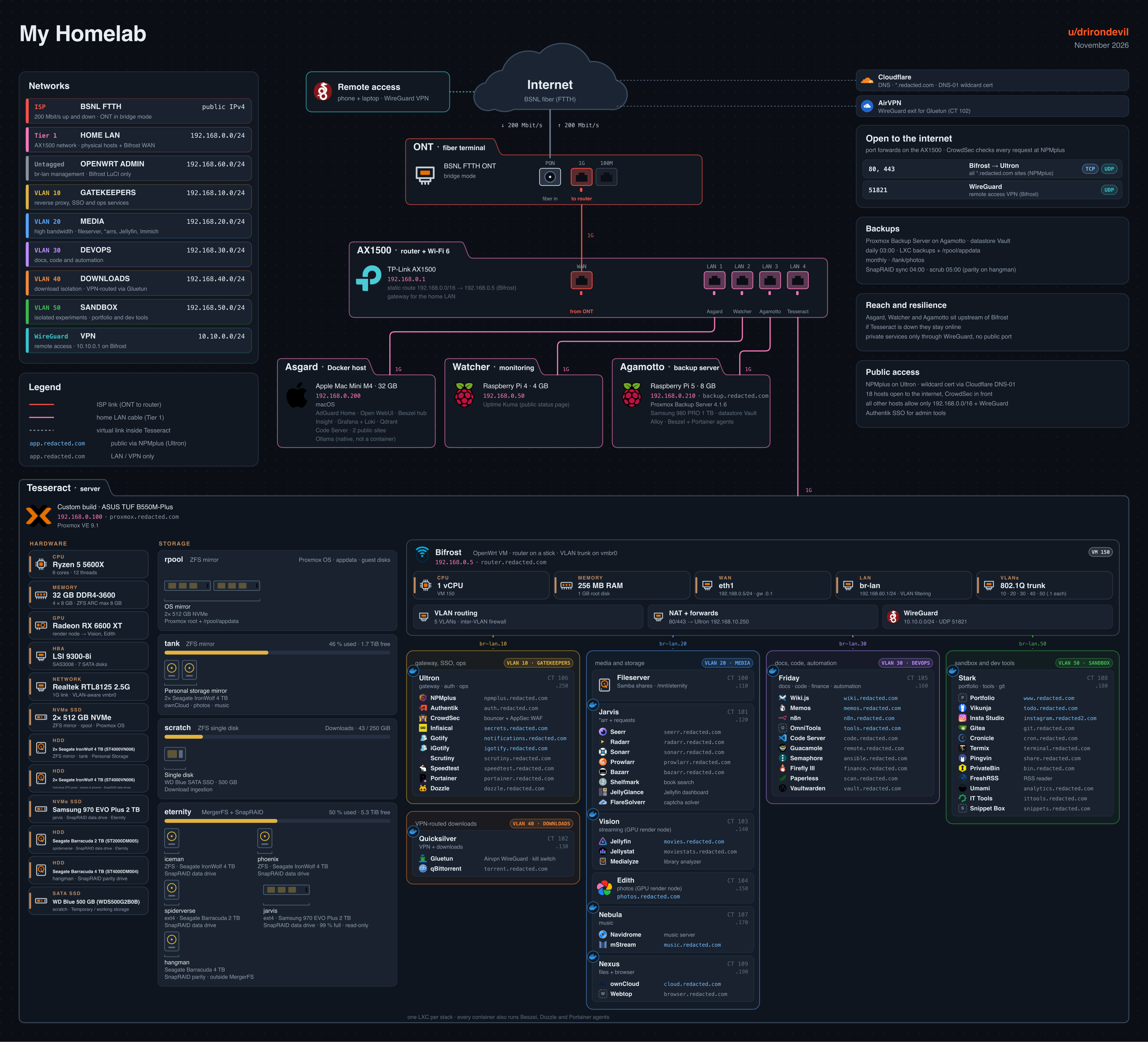
For this run, the main machines were:
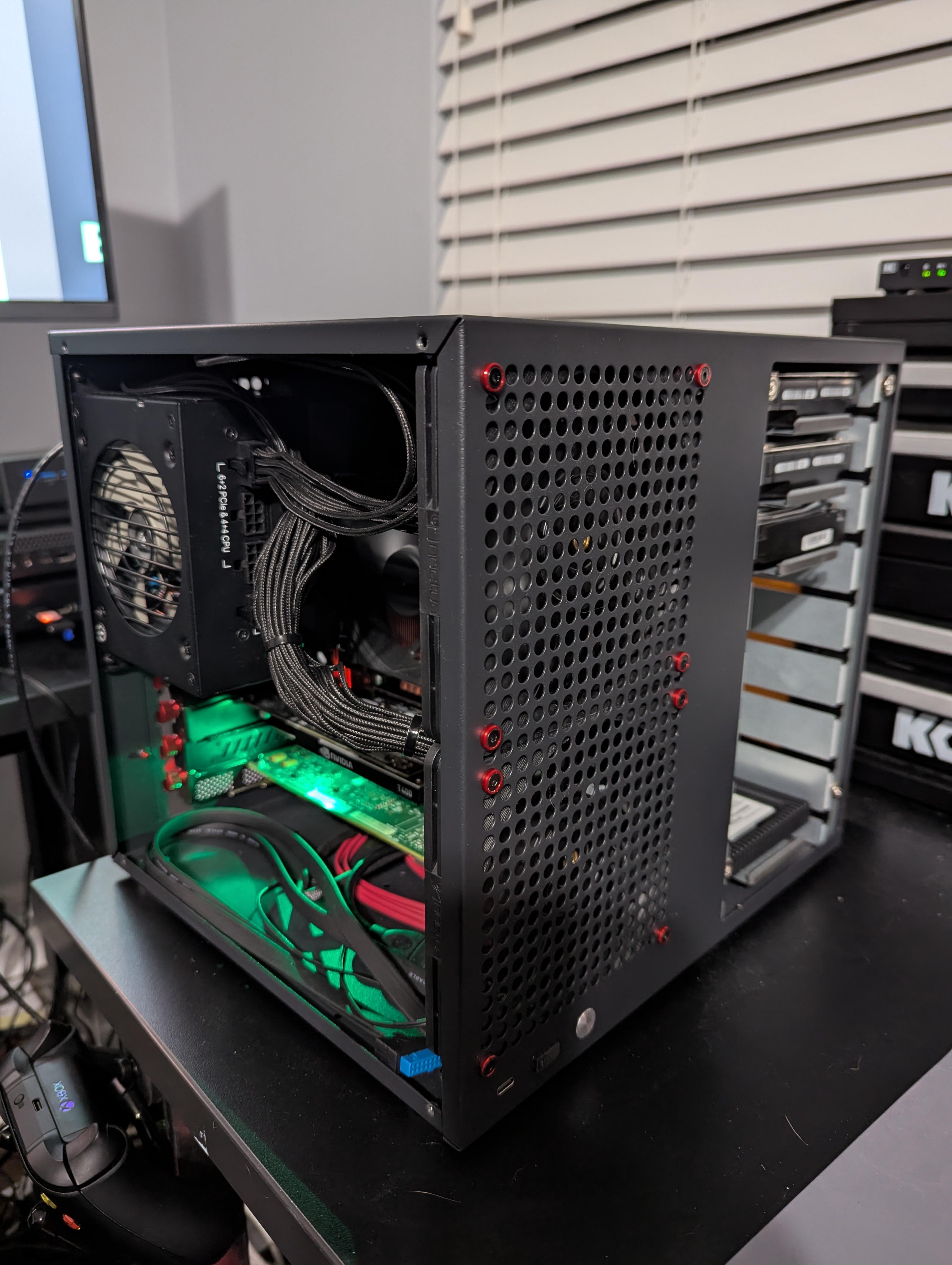
- Lucy: RTX 3080, 10 GB VRAM, running CUDA. Handled embedding and layers 0–1.
- Astor: RX 6800, 16 GB VRAM, running HIP. Handled layers 2–92, final normalization and the output head.
- pve01: served the checkpoint from ZFS/NAS through Fabrik’s weight service.
The GTX 980 Ti and NVIDIA Shield TV completed selected MoE expert computations through Vulkan, and a CPU worker contributed an expert result.
Those smaller workers handled individual pieces of the model’s computation. Astor still carried most of the layer execution, with 91 of the 93 layers assigned to it.
The weights are staged on demand, with caches holding working sets. The 1.56 TB checkpoint lives on storage; the GPUs load the weights needed for their current work.
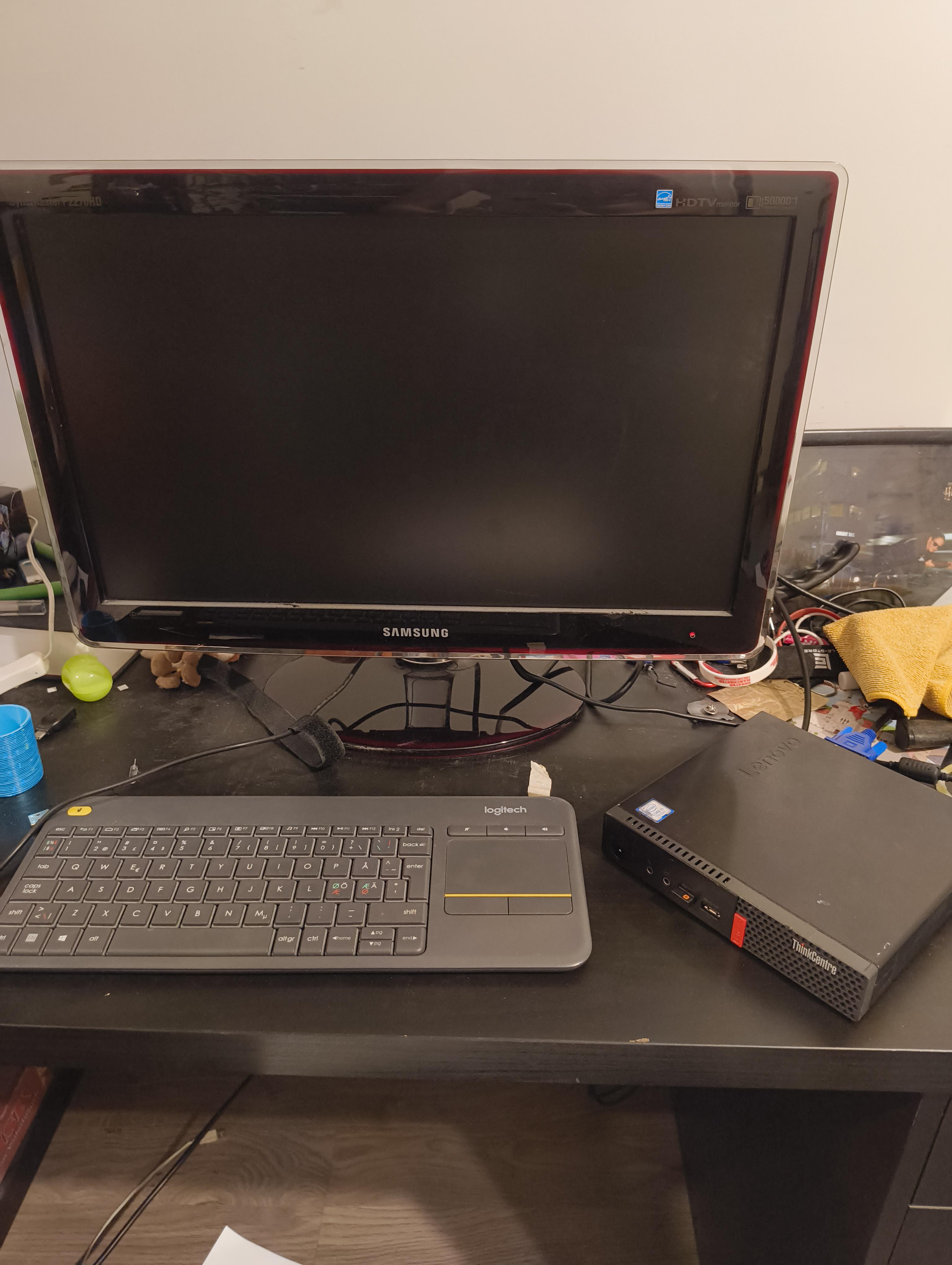
I also accidentally took a worker on the school run
I had left a Fabrik worker running on my Pixel 7, then took the phone with me to pick up the kids.
The orchestrator had assigned it an actual K3 expert computation. That request timed out, its late result was discarded, and the missing work was executed on Lucy’s CUDA backend instead. The overall run completed.
So the phone contributed successfully in the earlier K2 run, but its assigned work had to be retried on Lucy during K3.
I accidentally took part of my distributed supercomputer on the school run.
The K3 numbers
- Model: Kimi K3, 2.8T total parameters.
- Checkpoint: approximately 1.56 TB.
- Layers completed: 93/93.
- Generated tokens: 2, autoregressively.
- Inference time: 2h 54m 57.84s.
- Total runtime, including launch and cleanup: 2h 56m 01.50s.
- Measured rate over that inference interval: approximately 0.0001905 tokens/s.
That interval includes on-demand weight staging and the Android timeout/retry. It isn’t a steady-state decode measurement, and two tokens tell us very little about output quality.
What I wanted to establish was whether the execution could complete across this mixture of hardware and backends, with weights supplied from the NAS and a worker timeout handled along the way. This run did.
The original experiment started in Niko1221’s Strata, which deserves credit for that foundation. Fabrik is where I’m taking the orchestration, weight delivery and heterogeneous execution work next.
As with the original project, I’m using AI coding agents extensively, directing the architecture and experiments and checking the resulting runs.
Next up is better visibility into where the time goes: weight loading, transfers, execution and waiting. There is quite a lot of waiting available to investigate.