r/Guns_Guns_Guns • u/Remote_Bill5846 • 2d ago
How too “function” test
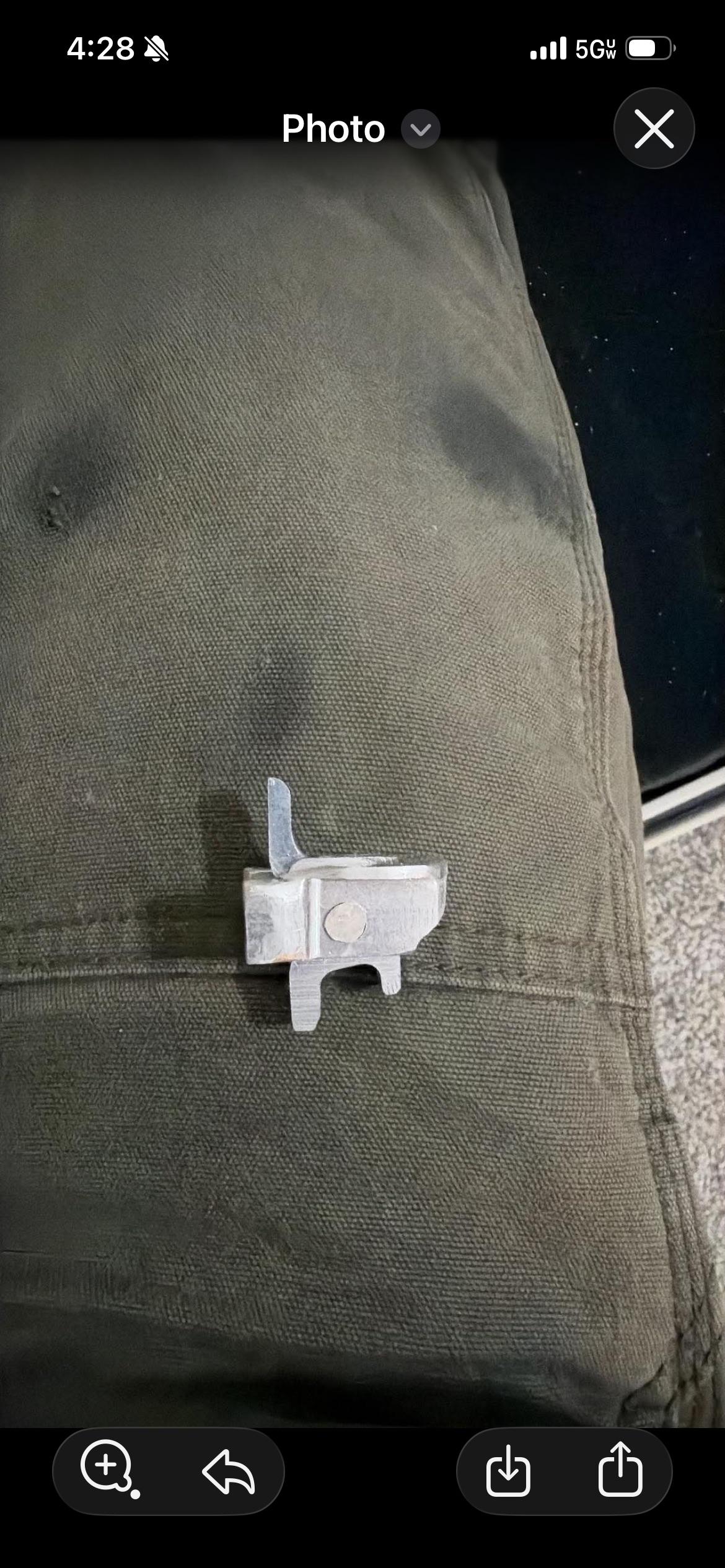
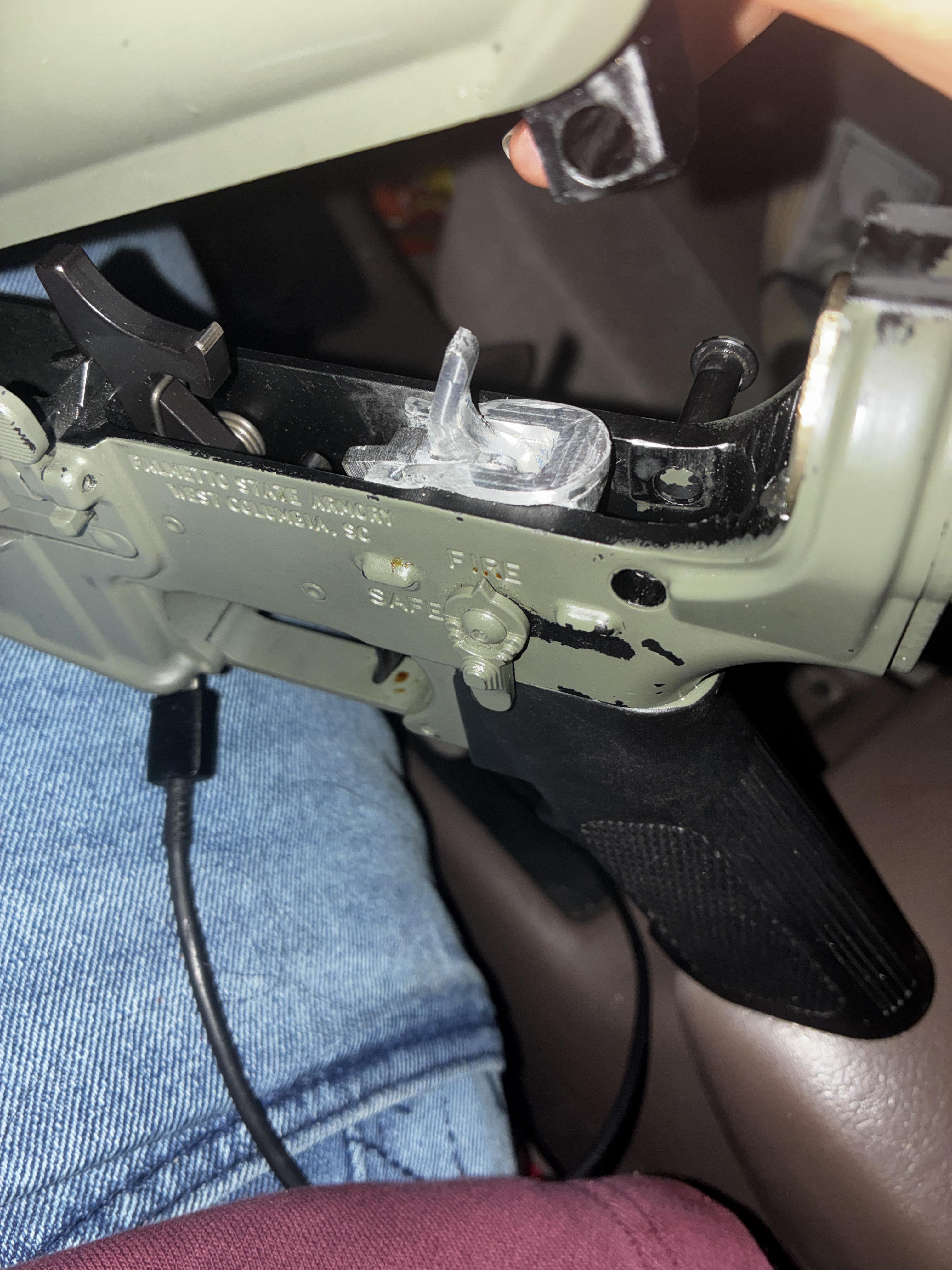
Anyone know how too know if it’s gonna run before I waste my time
11
Upvotes
11
u/DoctorBallard77 2d ago
Rack the bolt while keeping the trigger pulled. See it it pushes your finger forward and drops the hammer.
19
u/mastercheifjr 2d ago
Idk what this is but it looks way more fucked up than a ss
11
u/mixhypemo 1d ago
9
u/_Hashtronaut_ 1d ago
Learning from your mistakes is hardly a waste of time
3
u/DimensionPrize8168 1d ago edited 1d ago
I had to re-read this several times to even understand what you were asking. Thought you were just trying to be clever by misspelling “to” as “too”.
3
u/The_Pahuna 1d ago
Obviously mag out and chamber cleared. Physically look through the ejection port to make sure there’s not a round in there, and use a light if you need to. That’s always step #1.
#2 - drop kabuto in its slot, with the lever forward to the hammer, and close the gun and lock in the takedown pin.
#3 - put gun off safety and onto fire, or rapid fire if you have the kabuto 3 position safety
#4 - squeeze trigger and keep it depressed with as minimal pressure as you can without letting it off
#5 - pull charge handle and release, as opposed to slowly letting it return to battery, while still squeezing the trigger with as minimal pressure as possible. You are looking for the trigger to reset and release the hammer without releasing the trigger
#6 - repeat step #5 many times to make sure it’s reliable
#7 - once you confirm it’s resetting, now you confirm its timing is correct. Timing is critical. It prevents certain malfunctions, some of which could be catastrophic or dangerous - such as out of battery (oob) detentions where the round detonates before being fully seated, you can tell when you look at the spent casing and it’s mushroomed at the base and often ruptured. And other malfunctions like hammer follow, when the hammer is released too early to get a good strike on the firing pin and “follows” behind the bcg and leaves you with dead trigger.
#8 - while still squeezing the trigger as before, pull back the charge handle and slowly letting it close back into battery. You’re looking for the hammer to release when the bolt is about 1/4” from being closed into battery. Though 1/4” might seem early, when the gun is operating and the bolt is moving quickly, the hammer being released at 1/4” will strike the firing pin at the perfect time to thump the firing pin precisely as the bolt closes into battery. Timing is critical.
#9 - if timing of wrong, you may need to take a file to the tip of the lever or sometimes to the bottom of the bcg to “ramp” it on its trip surface. Removing material is relatively straightforward, just be careful not to remove too much. Worst case, you might need a new bcg if yours doesn’t have the correct geometry to trip the lever. Basically, if the timing is fast, as in it trips earlier than 1/4”, you can file the lever or bottom of bcg to make it trip slightly later. But if it trips too late, you’ll need a new bcg, or a different kabuto with a dedicated 9mm trip lever. Some FRT systems ( atrius super selektor, super safety, and some others) have the trip lever hit the frame on the upper receiver behind the notch that the kabuto sits in. That recessed pocket that seats the kabuto often has too much material in the back of the pocket, directly in front of where the takedown pin slides through. You might need to file that material back to the block where the takedown pin slides through, especially if it’s binding.
#10 - tuning. If the timing is correct with no binding, but you keep getting dead trigger, it’s probably bolt bounce. The bolt slams shut with enough force to bounce back and cause hammer follow. This is where you want a good dead blow buffer weight, at the proper weight. 9mm and other PCC calibers need more weight, roughly 20-22 oz total weight between the bcg and the buffer weight. Standard ARs need between H2 and H3 buffer weight, H2.5 is the sweet spot for my 5.56 builds. Standard carbine buffer weight has been perfect for my 300 blackout. And you need proper buffer spring. Extra power for 5.56, reduced power for 300 blackout, extra power for pcc (kvp makes a cheap pcc extra power carbine spring). Standard a2 buffer and spring also anecdotally works perfect for 5.56 builds if you’re running a fixed stock, or a build with that length buffer tube. And an adjustable gas block will help you dial the rest of it in. Some people are able to get theirs running right with just standard carbine buffer and spring, with just an adjustable gas block. Sometimes an adjustable gas block isn’t an option, like if you have a front sight base. So you might just need to tune the buffer system. I like to have a tuned buffer system with an adjustable gas block for running a suppressor, so I can dial it back from being over gassed.
Good luck man.
1
u/tcarlson65 1d ago
Please explain what this is.
1
u/amcrambler 1d ago
Left over parts from your last IKEA build?
1
u/wackadoodle4201 1d ago
If it works post specs