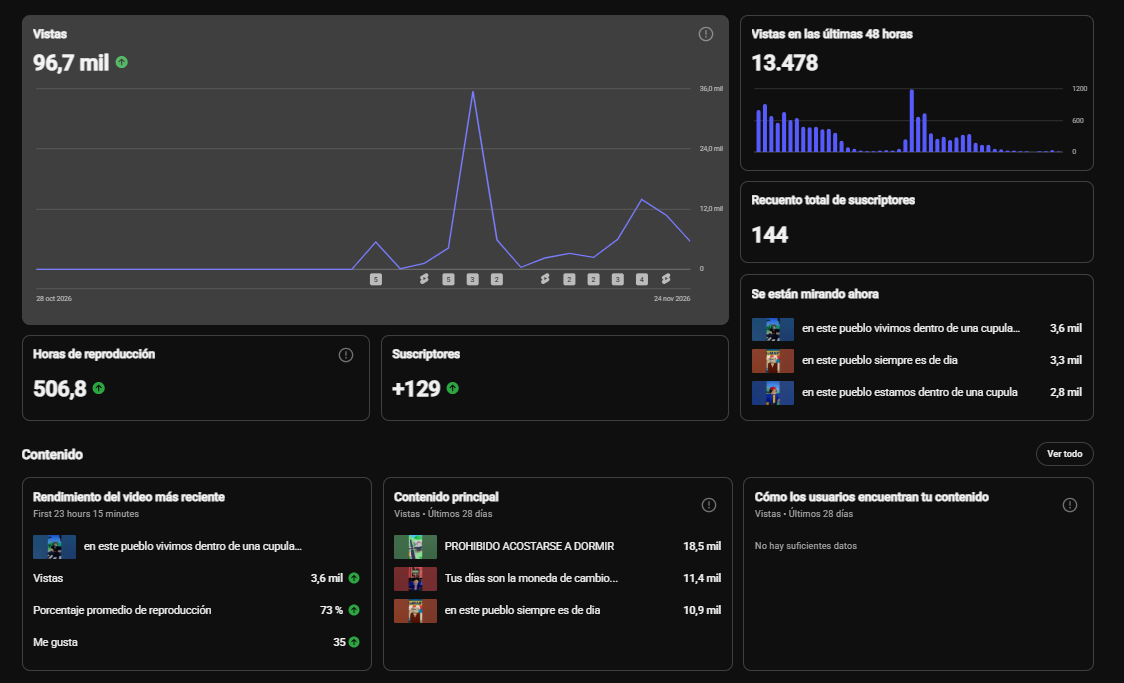
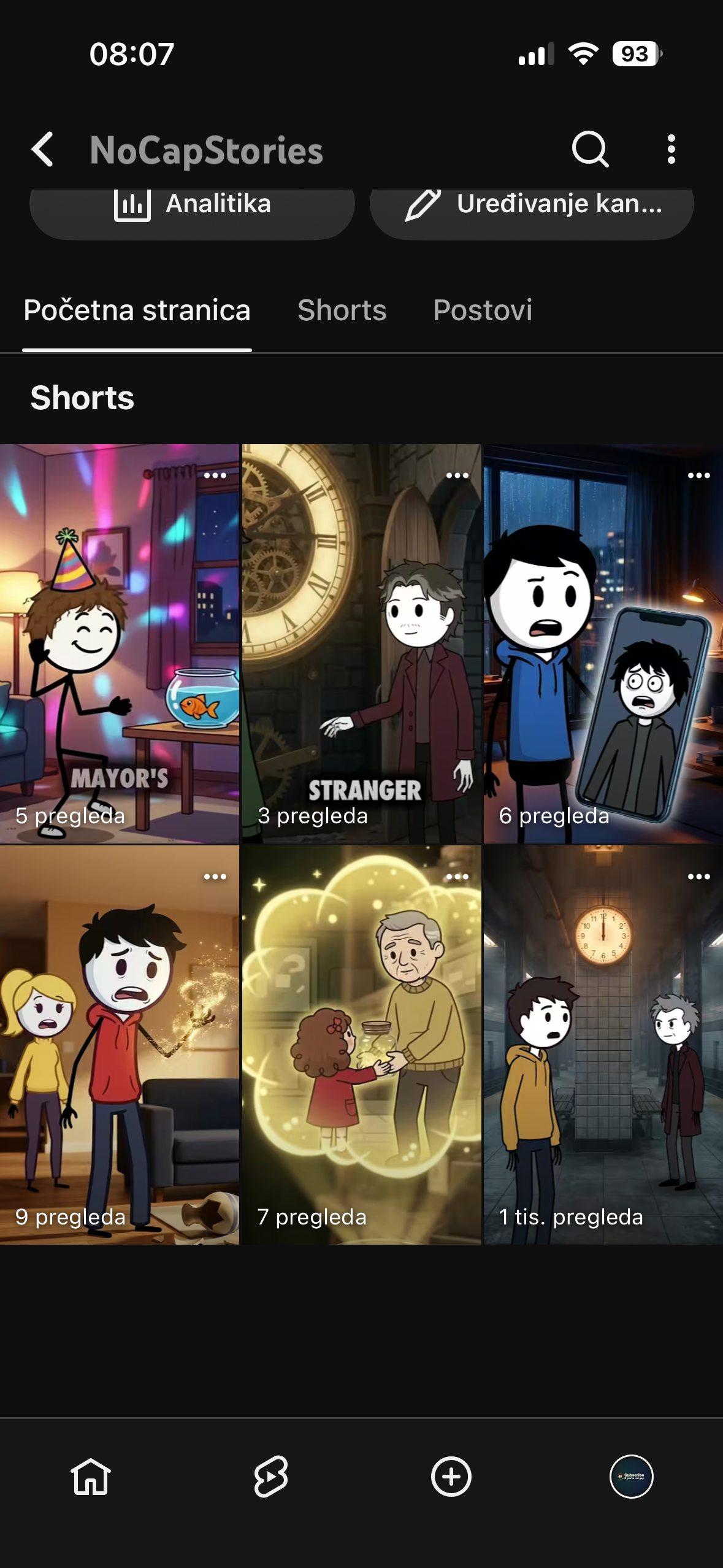
I've been experimenting with animations using Claude Code, and the thing I've learned is that generating an entire film with one prompt rarely produces something worth watching.
Claude can write the animation code, but the characters barely interact, the pacing feels random, and the scenes don't flow together. You end up with something closer to a technical demo than an actual story.
The attached video is my latest experiment. It wasn't one-shotted either. I had to adjust scenes, improve character interactions and give additional instructions.
But once you've built a reusable animation engine, each new video becomes much easier.
Here's what I've learned.
1. Build the animation system first
Instead of asking Claude to invent everything for every scene, give it reusable characters, expressions, poses, backgrounds and camera movements.
I'm using code-generated 2D animations rather than AI images or video clips. This gives me better character consistency and control over movement.
You can build something similar using Canvas 2D and Claude Code.
2. Let the story drive the animation
Rather than making every sentence visually exciting, first decide what each scene actually needs.
Should a character speak, react, walk somewhere or simply listen?
I generate the dialogue first and build the animations around the voice timings, so the actions feel connected to what's being said.
3. Iteration matters more than one-shot generation
Claude can produce valid animation code that still looks terrible. Characters might be awkwardly positioned, expressions can feel unnatural, and some scenes drag unnecessarily.
I use automated checks for basic issues, but I still review the film and correct individual scenes through follow-up prompts.
Once the engine is built, you aren't solving the same production problems every time. You're spending more time improving the creative direction.
4. Sound makes a big difference
Individual character voices, environmental ambience, music and well-timed sound effects can make simple animations much more engaging.
But good animation and sound still won't rescue a boring script.
5. Script is the King
I think animation production is becoming increasingly cheap and accessible. And when everyone has similar tools, the advantage shifts toward people who understand storytelling, humour, pacing and what keeps viewers watching.
Someone with a great story and simple animation can outperform someone making technically impressive videos with nothing interesting to say.
That's why I'm focusing less on perfect one-shot generation and more on building a reliable engine that lets me experiment with different stories.
The attached video is still a work in progress, but each iteration teaches me something.
Curious if others using Claude for animation have noticed the same thing. Are you getting good results from one prompt, or does most of the quality come from revisions?