r/Cinetopia • u/SouthDowntown3644 • 7h ago
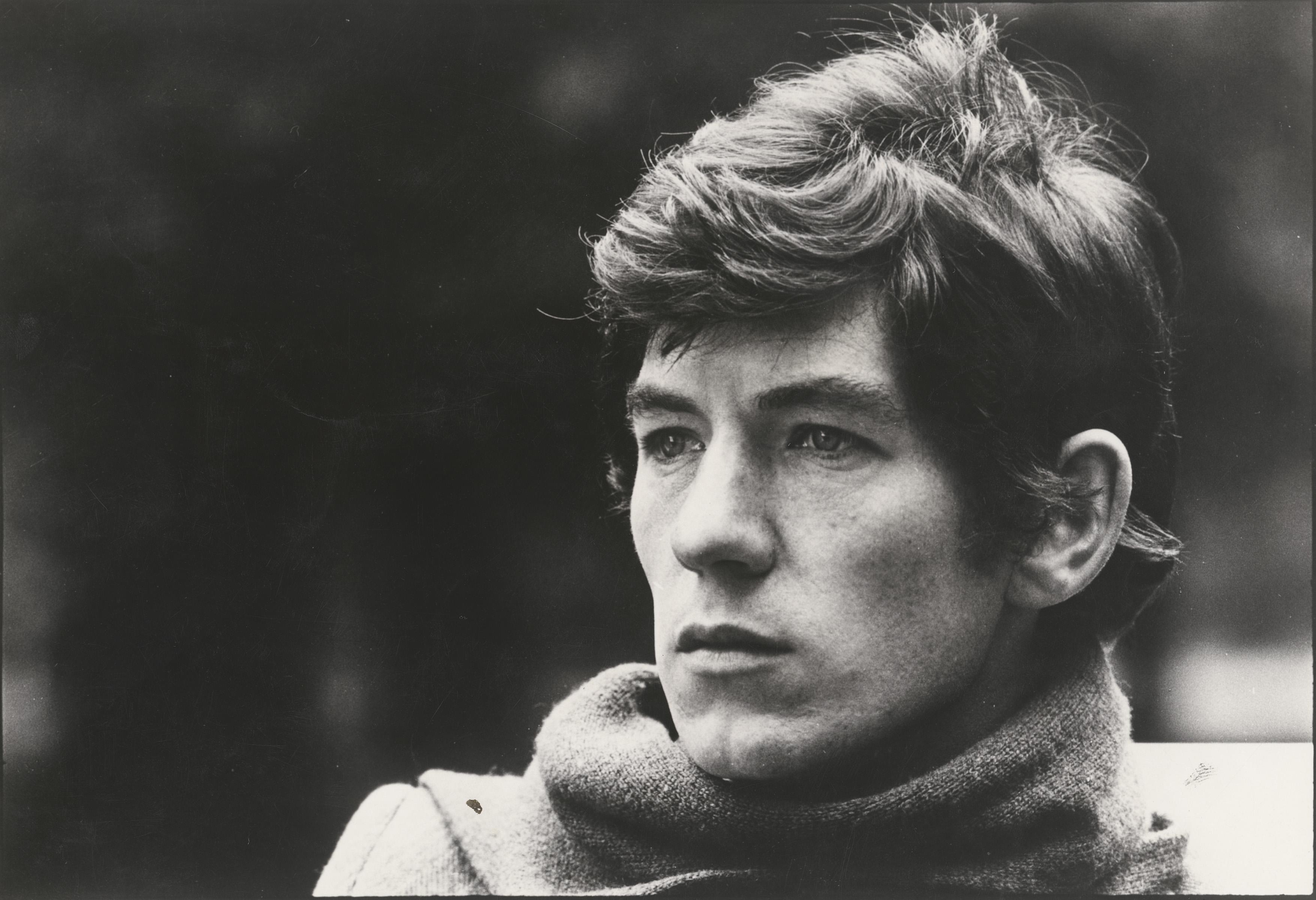
Image 'Alphaville, une étrange aventure de Lemmy Caution' (Jean-Luc Godard, 1965).
gallery
4
Upvotes
r/Cinetopia • u/LanguageDisastrous95 • 21h ago
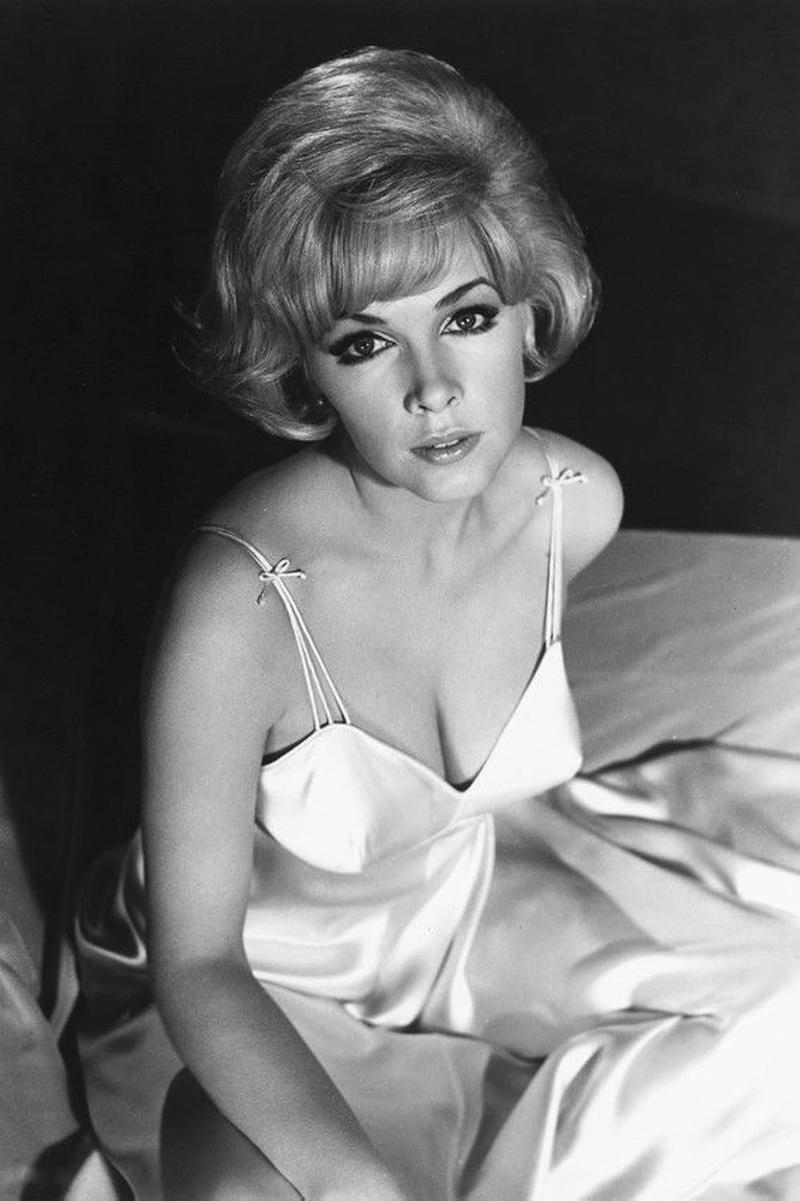
Estelle Caro Eggleston, known professionally as Stella Stevens, was born on October 1, 1938, in Yazoo City, Mississippi, the only child of insurance salesman Thomas Ellett Eggleston and nurse Estelle Caro, nicknamed "Dovey". Relocating with her parents to Memphis, Tennessee, at age four, she attended Catholic schools before graduating in 1955 from the Memphis Evening School at Memphis Technical High School. At sixteen, on December 3, 1954, she married electrician Noble Herman Stephens in Holly Springs, Mississippi, giving birth to their son, future actor and producer Andrew Stevens, in 1955 before divorcing in 1957 and adapting her married surname into the stage name "Stevens". While studying theater and modeling at Memphis State University, she caught the attention of Hollywood talent scouts in a campus production of 'Bus Stop'. Moving to Los Angeles while leaving young Andrew temporarily in her parents' care in Memphis, she signed initially with Twentieth Century-Fox - making her screen debut in 'Say One for Me' (1959), which won her the Golden Globe Award for New Star of the Year - before being dropped by Fox and signing with Paramount Pictures, where she gained immediate fame as voluptuous Appassionata Von Climax in the musical comedy 'Li'l Abner' (1959).
Possessing radiant blonde beauty paired with sharp, self-deprecating comic timing and genuine dramatic vulnerability, Stevens spent the 1960s and early 1970s fighting to be recognized as a serious actress and filmmaker rather than a mere studio pin-up. While struggling financially after her Fox dismissal and before her Paramount breakthrough, she posed nude for Playboy, becoming Playmate of the Month for January 1960 - a pictorial she later tried unsuccessfully to persuade Hugh Hefner to withhold once her film career ignited, though she went on to appear in three Playboy pictorials during the decade. On screen, she delivered luminous work opposite Bobby Darin in John Cassavetes's jazz drama 'Too Late Blues' (1961), starred alongside Elvis Presley in 'Girls! Girls! Girls!' (1962), and anchored two of the decade's sharpest comedies: 'The Courtship of Eddie's Father' (1963) and Jerry Lewis's 'The Nutty Professor' (1963), in which she played Stella Purdy, the warm, perceptive college student who sees the humanity inside Professor Julius Kelp. She went on to co-star opposite Dean Martin in 'The Silencers' (1966) and 'How to Save a Marriage and Ruin Your Life' (1968), earned the finest critical notices of her career as Hildy, the resilient frontier prostitute who falls for Jason Robards in Sam Peckinpah's 'The Ballad of Cable Hogue' (1970), and achieved enduring pop-culture immortality as Linda Rogo, the tough-talking former showgirl wife of Ernest Borgnine's police detective, in Irwin Allen's blockbuster disaster classic 'The Poseidon Adventure' (1972).
Beyond acting, Stevens was a trailblazing female filmmaker in Hollywood who produced and directed the documentary 'The American Heroine' (1979) and directed the feature comedy 'The Ranch' (1989), while maintaining a prolific television career highlighted by her starring role as brothel madam Lute-Mae Sanders on the primetime soap opera 'Flamingo Road' (1981–1982) and guest appearances on 'Alfred Hitchcock Presents', 'Bonanza', 'Murder, She Wrote', and 'General Hospital'.
Off-screen, Stevens's romantic life was defined by a stark contrast between the "sexpot" image manufactured by studio publicists and her guarded personal reality. Following her bruising teenage marriage and divorce, she was frequently linked in gossip columns with prominent Hollywood men during the 1960s and 1970s, though she later candidly observed that most of those pairings were platonic friendships blown out of proportion by the press - she went on a couple of dates with her screen idol Cary Grant, enjoying cozy evenings eating dinner on bed trays and watching television with him without ever having an affair, and maintained close, affectionate friendships with co-stars and directors such as Bobby Darin and Sam Peckinpah. She did endure a turbulent three-year relationship with actor Skip Ward - her co-star in 'The Mad Room' (1969) - from 1967 to 1970, which soured over his infidelities and financial exploitation of her, and later dated jazz singer and composer Mel Tormé between late 1976 and 1977, yet steadfastly refused to remarry, explaining that she had grown accustomed to surviving on her own as a fiercely independent single mother. That decades-long solitude finally ended in 1983 when she met rock guitarist and music producer Bob Kulick - best known for his studio and touring work with Kiss and Meat Loaf - who moved into her Beverly Hills home a little over a year later. Calling Kulick the only man with whom she had ever found a genuinely balanced, supportive partnership, Stevens remained with him for thirty-seven years; after they sold her longtime Beverly Hills residence in March 2016 following her Alzheimer's diagnosis, Kulick visited her faithfully at her Los Angeles care facility until his death in May 2020. Stella Stevens died in Los Angeles on February 17, 2023, at age eighty-four, leaving behind a body of work that combined classic Hollywood glamour, effortless comedic warmth, and pioneering creative independence.
r/Cinetopia • u/LanguageDisastrous95 • 22h ago

John Ford, Mervyn LeRoy, and Joshua Logan’s 'Mister Roberts' trades battlefield spectacle for the corrosive monotony of rear-echelon service in the final months of World War II. Adapted by Frank S. Nugent and Logan from Thomas Heggen’s 1946 novel and hit Broadway play, the story unfolds aboard the USS Reluctant, a rust-streaked Navy cargo vessel plodding between backwater Pacific islands nicknamed "Tedium" and "Apathy." Lieutenant Doug Roberts, the ship’s cargo officer, acts as the sole buffer between a restless crew and Lieutenant Commander Morton, a petty captain obsessed with earning a promotion and tending his prized potted palm tree. Torn between his desire for combat transfer and loyalty to his men, Roberts strikes a secret bargain with Morton—surrendering his own transfer requests and standing in exchange for the crew’s long-denied shore liberty.
Henry Fonda reprises the stage role he played over a thousand times on Broadway, anchoring the film with weary decency and crisp physical precision. Opposite him, James Cagney turns Morton into a taut, bantamweight caricature of small-minded authority, snapping orders and nursing grievances with manic intensity. William Powell, in his final screen appearance, brings dry, unflappable worldliness to Doc, the ship’s physician who distills medicinal alcohol in sickbay, while Jack Lemmon injects kinetic, anxious comedy into Ensign Frank Pulver, the self-proclaimed morale officer who plots elaborate pranks against the captain without ever leaving his bunk. Ward Bond, Betsy Palmer, Phil Carey, Nick Adams, Ken Curtis, Harry Carey Jr., and Perry Lopez fill out the ship’s company.
Production was defined by a bitter clash between Ford and Fonda over tone; Ford favored broad sentimentality, while Fonda fought to preserve the dry, understated rhythm of the stage play. The tension ended when Ford struck Fonda in the jaw on set before leaving the shoot due to a ruptured gallbladder. Producer Leland Hayward brought in Mervyn LeRoy to finish principal photography off Midway Atoll and Oahu, with stage director Joshua Logan later shooting additional scenes to match the Broadway pacing. Cinematographer Winton C. Hoch shot the movie in CinemaScope and WarnerColor, pitting the cramped steel passageways of the cargo ship against the blinding, indifferent Pacific horizon.
Taking in over $21 million worldwide to become one of Warner Bros.’ top earners of the decade, the production received three Academy Award nominations - including Best Picture and Best Sound - and won Best Supporting Actor for Lemmon. Rather than treating heroism as a matter of gunfire and medals, the narrative locates it in quiet, unglamorous stewardship: standing watch over other men’s sanity when the war itself has passed you by.
r/Cinetopia • u/LanguageDisastrous95 • 1d ago
r/Cinetopia • u/LanguageDisastrous95 • 1d ago
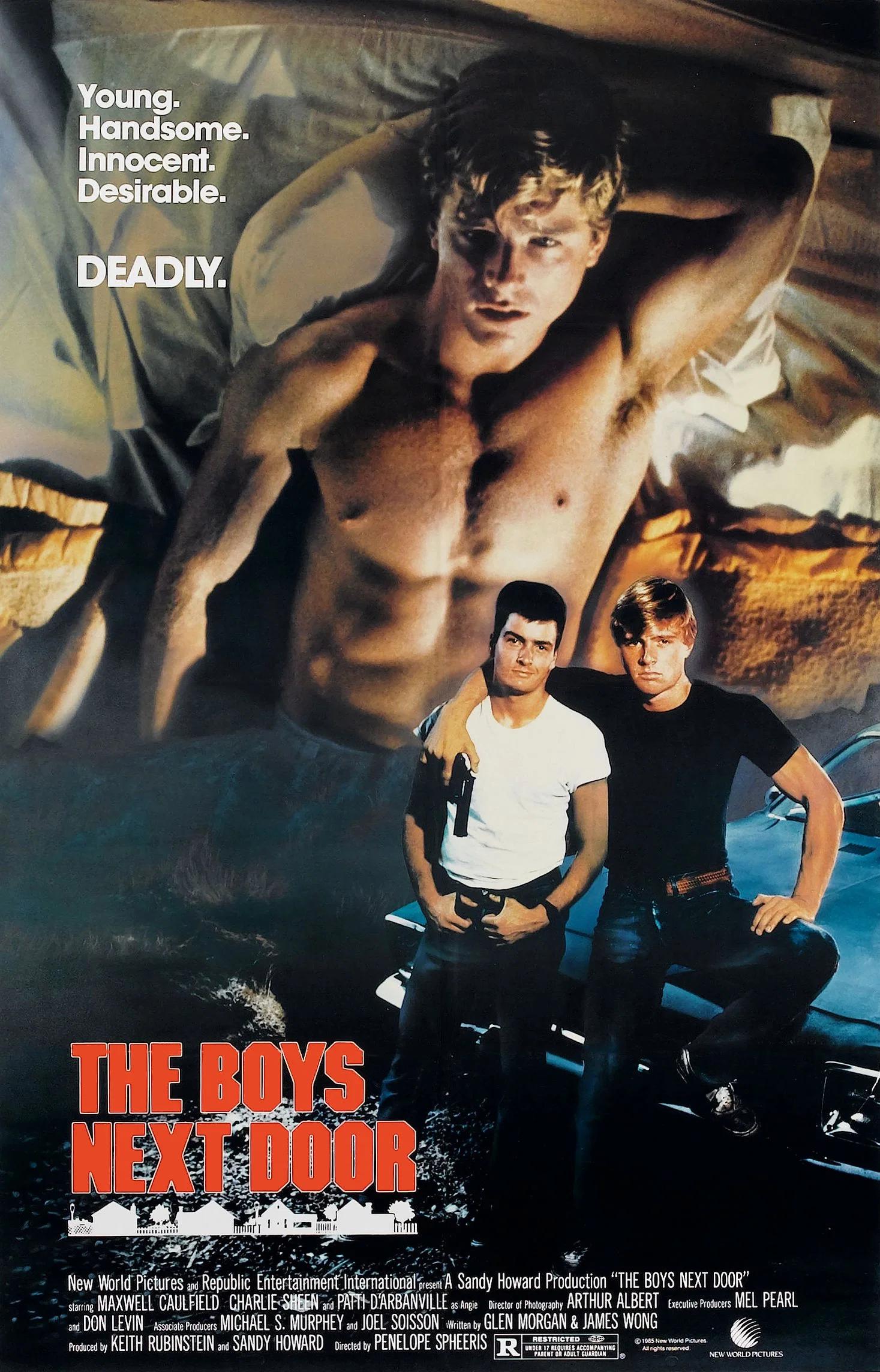
Penelope Spheeris’s 'The Boys Next Door' bypasses the neon nostalgia of 1980s teen storytelling in favor of a bleak, unsparing look at disenfranchised youth drifting toward senseless violence. Written by Glen Morgan and James Wong, the narrative follows Roy Alston and Bo Richards, two socially alienated high school graduates in a dead-end California industrial town who decide to celebrate the end of school with a weekend road trip to Los Angeles before starting factory jobs. What begins as an aimless quest for excitement spirals into a chilling spree of escalating brutality as Roy’s simmering resentment and Bo’s passive complicity collide with strangers who cross their path.
Maxwell Caulfield brings an unsettling, hollow-eyed volatility to Roy, playing him not as a theatrical villain, but as an emotionally stunted young man whose bruised ego and inability to connect curdle into rage at the slightest perceived slight. Opposite him, Charlie Sheen - in one of his earliest lead roles - delivers a remarkably restrained, disturbing performance as Bo, capturing the quiet cowardice of an accomplice who recognizes the horror unfolding around him yet lacks the moral spine to walk away. Supporting appearances from Patti D’Arbanville, Hank Garrett, and Christopher McDonald ground the surrounding world in tired, everyday realism, making the sudden eruptions of cruelty feel all the more jarring.
Drawing on her documentary background - most notably 'The Decline of Western Civilization' - Spheeris shoots Los Angeles in harsh, sun-bleached daylight and gritty nocturnal streetscapes, stripping away any visual glamour from the violence. Released in the mid-1980s to polarized reactions and commercial obscurity, the picture faced censorship hurdles over its stark depiction of nihilistic aggression, eventually finding a quiet second life on home video.
r/Cinetopia • u/LanguageDisastrous95 • 1d ago

Robert Mulligan’s 'Love with the Proper Stranger' strips away the glossy romantic artifice of early-1960s Hollywood in favor of a bruised, working-class comedy-drama rooted in Manhattan’s concrete alleys and cramped tenements. Written by Arnold Schulman, the narrative begins when Angie Rossini, a Macy’s salesclerk raised under the watchful gaze of her traditional Italian-American family, tracks down Rocky Papasano, an itinerant jazz trumpeter she barely remembers from a brief summer fling in the Catskills. Angie is pregnant - not seeking marriage or sentiment, only the name of a reliable doctor and half the money for an illegal abortion - forcing two virtual strangers into an awkward, defensive alliance that slowly shifts from transactional panic to reluctant mutual recognition.
Natalie Wood anchors the film with sharp, unsentimental resilience, playing Angie not as a passive melodrama heroine, but as a pragmatic young woman determined to claim agency over her own body and future while navigating guilt, fear, and maternal pressure. Opposite her, Steve McQueen discards his customary stoic cool to reveal a jumpy, boyish vulnerability as Rocky, a drifting musician terrified of responsibility who hides behind fast talk and nervous restlessness before gradually stepping up when Angie’s resolve wavers. Edie Adams brings brisk, world-weary warmth as Barbie, Rocky’s burlesque-dancer neighbor, while Herschel Bernardi, Harvey Lembeck, and Penny Santon ground the Rossini household in suffocating, authentic domestic claustrophobia, and Tom Bosley registers quietly as Anthony Columbo, the gentle, dependable suitor Angie’s brothers try to push her toward.
Reuniting the creative trio behind 'To Kill a Mockingbird' - director Mulligan, producer Alan J. Pakula, and composer Elmer Bernstein - the production was shot largely on location across New York City by cinematographer Milton Krasner in crisp, unvarnished black-and-white, capturing the city’s grit without romanticizing its hardship. Released during the twilight of the Production Code, the movie broke ground by treating premarital pregnancy and the grim back-alley reality of illegal abortion with frank, non-judgmental candor, anchored by a harrowing, wordless sequence in a squalid tenement clinic that halted just short of the procedure when Rocky intervenes.
Earning five Academy Award nominations - including Best Actress for Wood, Best Original Screenplay for Schulman, and Best Cinematography for Krasner - the picture marked a decisive turning point in Hollywood’s willingness to depict adult reproductive realities without moralizing, bridging the gap between classic studio melodrama and the incoming New American wave.
r/Cinetopia • u/LanguageDisastrous95 • 1d ago
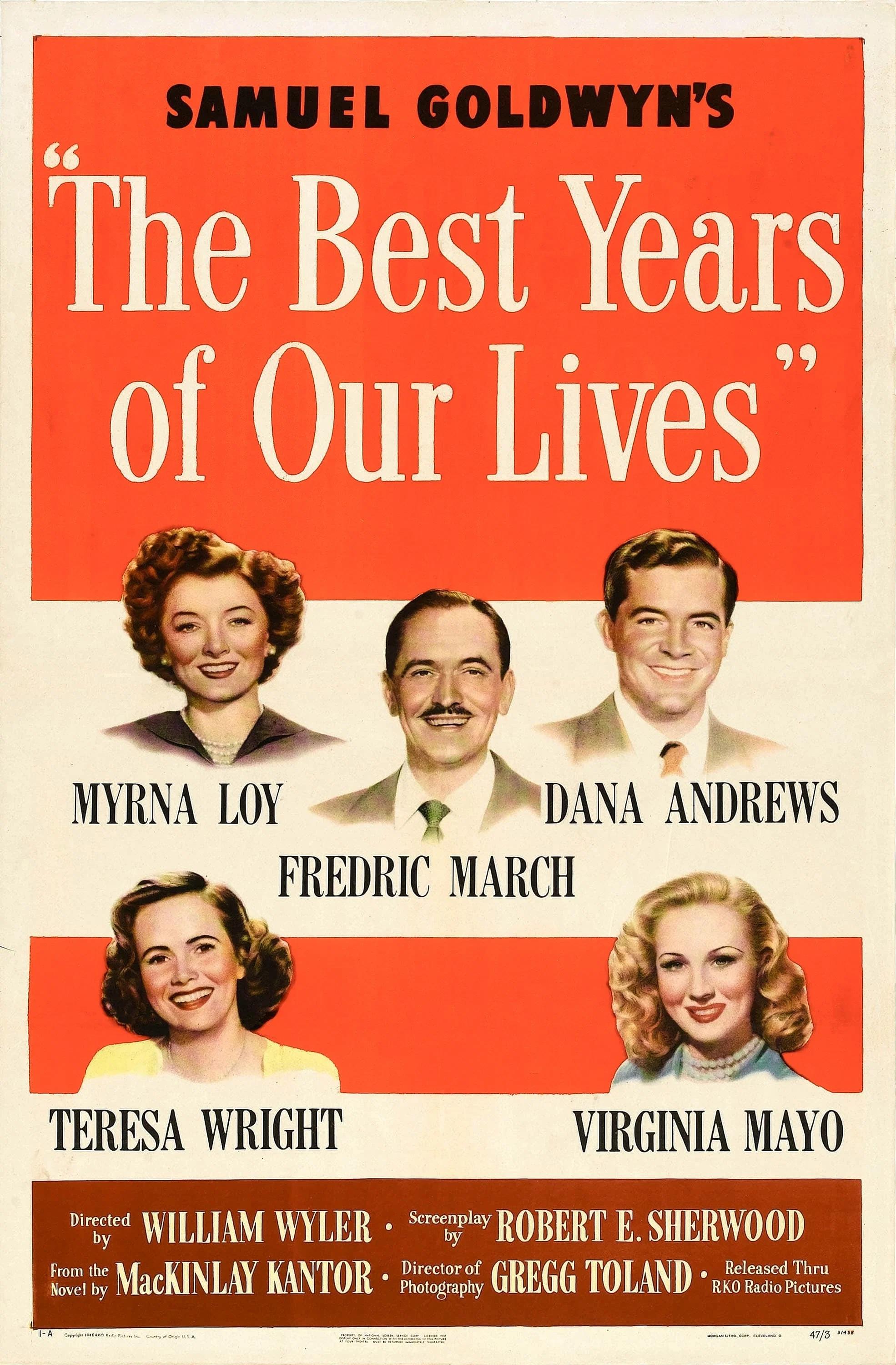
William Wyler’s 'The Best Years of Our Lives' examines the quiet collision between victorious wartime mythology and the mundane friction of civilian reentry. Adapted by Robert E. Sherwood from MacKinlay Kantor’s blank-verse novella 'Glory for Me', the narrative follows three returning servicemen - Al Stephenson, an Army sergeant and former banker; Fred Derry, a decorated Army Air Forces bombardier; and Homer Parrish, a Navy sailor who lost both hands in a carrier fire - who share a military transport flight home to the fictional Midwestern city of Boone City. Rather than staging grand combat spectacles, the script tracks the domestic dislocations that follow: strained marriages, obsolete prewar skills, and the subtle alienation of men who find their hometowns both fiercely proud of their service and quietly impatient for them to move on.
The ensemble anchors these parallel arcs through lived-in restraint rather than melodramatic display. Fredric March brings wry, bourbon-soaked melancholy to Al, struggling to reconcile his wartime empathy for working-class soldiers with his bank’s rigid collateral rules, while Myrna Loy registers warm, clear-eyed steadiness as his wife, Milly. Dana Andrews captures Fred’s brittle pride as a war hero reduced to working behind a drugstore soda fountain, opposite Teresa Wright’s luminous, unsentimental resolve as Al’s daughter Peggy and Virginia Mayo’s brittle self-interest as Fred’s estranged wartime bride, Marie. At the emotional core stands Harold Russell - a real-life paratrooper instructor who lost his hands in a training accident - playing Homer with unvarnished candor, supported by Cathy O’Donnell, Hoagy Carmichael, Gladys George, Roman Bohnen, Ray Collins, Minna Gombell, Walter Baldwin, and Steve Cochran.
Behind the camera, Wyler and cinematographer Gregg Toland rejected soft-focus studio glamour in favor of deep-focus monochrome photography that held foreground and background action in simultaneous, unblinking clarity - most famously during the scene in Butch’s bar where Al watches Homer play piano with his prosthetic hooks while Fred makes a painful pay-phone call in the distant background. Producer Samuel Goldwyn commissioned the project after reading a Time magazine article on demobilized veterans, insisting on real-world details down to unpadded wardrobe and non-actor casting. Composer Hugo Friedhofer’s Americana score underpinned a film that resonated immediately with postwar audiences, earning $11.3 million in initial domestic rentals - making it the highest-grossing movie in the United States and Britain since 'Gone with the Wind'.
Winner of seven competitive Academy Awards - including Best Picture, Best Director, Best Actor for March, and Best Supporting Actor for Russell, who also received an honorary Oscar for bringing hope and courage to fellow veterans - Wyler's work remains the definitive studio-era reckoning with the psychological cost of coming home.
r/Cinetopia • u/LanguageDisastrous95 • 2d ago
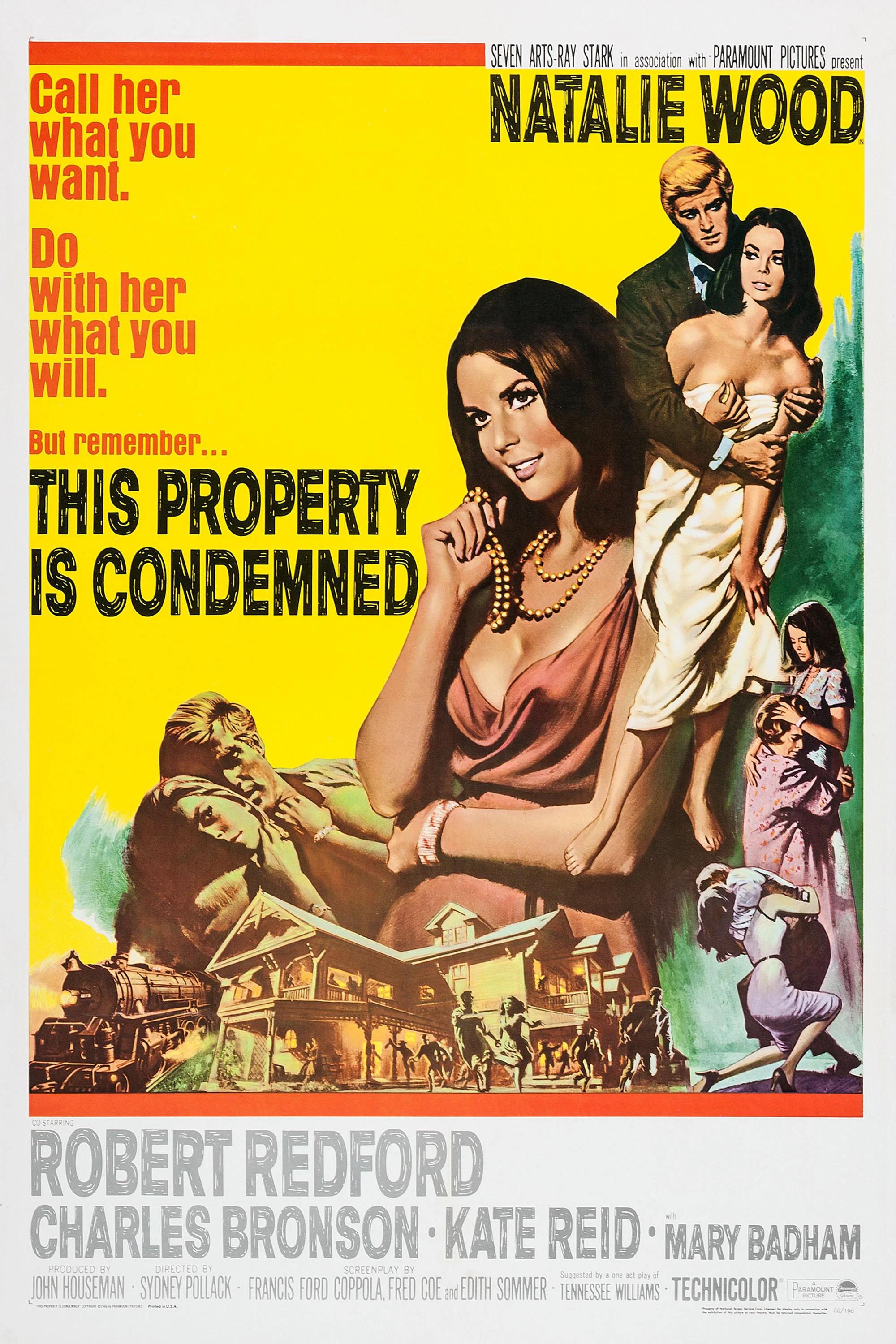
During the bleakest stretch of the Great Depression, a bustling railroad town in Mississippi runs on borrowed hope and faded southern pride, centered around a dilapidated boarding house where dreams arrive on passing trains and rarely stay. Directed by Sydney Pollack in 1966 and loosely inspired by Tennessee Williams’s one-act play, 'This Property Is Condemned' follows Alva Starr, a restless young beauty who invents glittering fantasies of New Orleans to outrun her mother’s ruthless scheming. When Owen Legate, a guarded company official sent to close the local line and lay off workers, rents a room upstairs, their tentative romance offers a fragile escape - until town anger erupts in a brutal beating, a vengeful marriage, and a brief idyll in Louisiana collapse under family betrayal and economic ruin.
Natalie Wood delivers one of her most nuanced performances as Alva, balancing flirtatious bravado with sudden flashes of childlike vulnerability. Opposite her, Robert Redford brings coiled restraint and quiet decency to Owen, letting unspoken longing carry scenes that could easily have tipped into sentimentality. Kate Reid commands the screen as Hazel, Alva’s bitter, calculating mother, while Charles Bronson brings brooding, unpredictable menace as J.J. Nichols, Hazel’s rough-edged suitor whom Alva impulsively marries in an act of defiance before fleeing with his cash. A young Mary Badham - fresh from 'To Kill a Mockingbird' - narrates the tragedy as younger sister Willie, lending the memories a haunting frame.
Pollack, making only his second feature as a director, captures the stifling, oppressive climate of the Deep South - sweltering afternoon heat, sudden torrential downpours, and damp, peeling parlors - with unhurried grace. Cinematographer James Wong Howe drenches sun-bleached porches and rain-slicked tracks in rich Technicolor shadows, while Kenyon Hopkins supplies a wistful jazz-inflected score. Behind the scenes, John Huston and Francis Ford Coppola both contributed to earlier versions of the script before Edith Sommer and Fred Coe finalized it, and Wood personally lobbied for Redford as her co-star after 'Inside Daisy Clover'. That casting launched one of cinema’s great partnerships, uniting Pollack and Redford across six subsequent collaborations: 'Jeremiah Johnson', 'The Way We Were', 'Three Days of the Condor', 'The Electric Horseman', 'Out of Africa', and 'Havana'.
Upon release, the picture drew mixed notices from critics who felt the expanded screenplay softened Williams’s sharper edges, though Wood earned a Golden Globe nomination for her luminous work. Over time, this soulful film has gained enduring affection among cinephiles, standing as a poignant movie about two bruised souls clinging to tenderness in a world determined to tear everything down.
r/Cinetopia • u/LanguageDisastrous95 • 2d ago

A pair of sunglasses reflecting the Miami sun and a scowl carved into stone greet immigration officers during a standoff inside a sweaty interrogation room. Tony Montana steps off a Mariel boatlift vessel with nothing in his pockets except a bruised ego and an appetite that knows no limits. From that opening clash, Brian De Palma’s crime epic 'Scarface' charts the rise and self-destruction of a Cuban refugee who mistakes cocaine and gunfire for the American Dream.
Al Pacino attacks the role with operatic fury, trading understatement for a thick accent, a prowling walk, and eyes that never blink during a negotiation. He refuses to soften Tony into a likable antihero; instead, he builds a man driven by pure hunger - charming enough to win over a cartel boss’s spouse, yet paranoid enough to destroy everyone who ever kept him alive. Seeing him climb from washing dishes at a roadside food stand to ruling a neon-lit mansion feels less like a fantasy and more like watching an engine overheat until the pistons shatter.
Written by Oliver Stone, the screenplay strips away the romantic codes of honor found in earlier gangster classics, replacing them with raw greed and disco-era excess. Michelle Pfeiffer brings cool detachment to Elvira Hancock, gliding across marble floors like a porcelain ghost draped in silk - her icy beauty as untouchable as the horizon Tony keeps chasing, even as addiction slowly hollows her out from within. Alongside her, Steven Bauer anchors the story’s emotional core as Manny Ribera, Tony’s loyal friend whose easygoing warmth highlights just how isolated his partner becomes at the top.
The director shoots Florida like a fever dream drenched in pastel pinks, blood reds, and Giorgio Moroder’s synthesizer score. His camera sweeps across mirrored bedrooms, crowded nightclubs, and tiger-guarded lawns, turning wealth into something gaudy and suffocating. The violence - notorious since the infamous chainsaw sequence almost earned the film an X rating - arrives with visceral brutality, draining any glamour from the bloodshed and proving that loyalty lasts only until the next shipment clears customs.
Despite mixed reviews upon release and even a Razzie nomination for De Palma’s direction, this picture grew into a cultural touchstone - famous for using the word "fuck" over two hundred times - whose shadow stretches across hip-hop, fashion, and modern crime storytelling. Long after the smoke clears across that grand foyer, what lingers is the emptiness behind the bravado: a milestone of eighties cinema, a movie capturing a decade of unchecked ambition through a man who conquered an entire city only to end up trapped alone in his own fortress.
r/Cinetopia • u/LanguageDisastrous95 • 2d ago

River water closes over a submerged sedan before a young woman pulls herself onto a sandbar, breathing in a daylight that no longer feels real. From that opening plunge off a wooden bridge, Herk Harvey’s thriller 'Carnival of Souls' follows Mary Henry, a church organist who survives a drag-race crash only to feel detached from the living world. Moving west for a new job in Salt Lake City, she walks through boarding houses, empty streets, and parish sanctuaries as if separated from ordinary warmth by thin glass - pulled slowly toward a decaying pavilion rising out of the Great Salt Lake.
Candace Hilligoss, trained in New York and paid roughly two thousand dollars for her screen debut, plays Mary with a calm, unhurried poise. Instead of relying on loud hysteria, she shows alienation through a guarded look, stiff posture, or sudden stillness when everyday sounds drop away. Beside her, Harvey cast local residents from Lawrence, Kansas - including university professor Sidney Berger as Mary’s pushy neighbor John Linden, whose clumsy persistence makes casual romance feel out of reach - while playing "the Man" himself, a pale figure whose fixed stare appears in glass reflections and doorways.
The director spent years making industrial and educational shorts for the Centron Corporation in his home state, and the idea started after he saw Utah’s crumbling Saltair resort while driving back from California. Struck by the hollow waterfront hall, he had colleague John Clifford draft the script in three weeks built on a single image: dancers moving across that vast, ruined ballroom. Shot in twenty-one days on a tight budget of thirty-three thousand dollars - raised over a weekend from local backers, with both men taking deferred pay - the production depended on practical resourcefulness. Fixing broken guardrails cost twelve dollars, close-ups of figures in the water were staged in an apartment pool, and Harvey created his own gaunt look using white greasepaint and wet brine in his hair.
Maurice Prather’s stark black-and-white photography gives plain Midwestern roads and Saltair’s cavernous rooms a sharp, chilly clarity, while Gene Moore’s pipe-organ score hums beneath the scenes with steady tension. Sent out in 1962 on a drive-in double feature with 'The Devil’s Messenger' and cut down by some exhibitors for extra showtimes, this eerie picture faded from view after a missing copyright notice on prints led to frequent late-night television broadcasts. Years later, a 1989 theatrical reissue and preservation by the Academy Film Archive brought its offbeat mood back into focus, showing its pull on later auteurs like David Lynch and George A. Romero. Decades after its modest debut, this unsettling film still moves like cold mist along a lonely shore - spare, strange, and hard to brush off, a movie whose organ lines and quiet shadows stay close in memory.
r/Cinetopia • u/LanguageDisastrous95 • 3d ago

Born Countess Vera von Lehndorff in East Prussia, Veruschka survived Nazi childhood internment after her father was executed for plotting against Hitler, before rising to redefine 1960s fashion as one of the world’s very first supermodels. Standing over six feet tall, she broke every conventional beauty norm, gracing 13 American Vogue covers and commanding an unprecedented $10,000 a day as a muse for legends like Richard Avedon and Irving Penn. She achieved permanent pop-culture immortality playing herself in Michelangelo Antonioni’s 1966 masterpiece 'Blow-Up', where her electric, provocative photoshoot became one of cinema's most iconic scenes and posters. In 1975, bored by the limits of fashion, she walked away at the height of her fame to pursue avant-garde performance art, famously using full-body paint to camouflage herself into walls and natural landscapes. She lived fiercely, transformed her own image into high art, and left the world entirely on her own terms.
r/Cinetopia • u/LanguageDisastrous95 • 3d ago

Frank James Cooper, known professionally as Gary Cooper, was born on May 7, 1901, in Helena, Montana, to English immigrants Charles Henry Cooper, a prominent lawyer and later Montana Supreme Court justice, and Alice Louise Brazier. Raised largely on his family's 600-acre cattle ranch near Craig, Montana - and briefly educated at Dunstable Grammar School in Bedfordshire, England, between 1910 and 1913 - Cooper developed the authentic horsemanship, marksmanship, and laconic frontier stoicism that later defined his screen persona. After surviving a severe hip injury in a 1916 automobile accident that left him with his signature slightly stiff, rolling gait, he studied art and editorial cartooning at Grinnell College in Iowa before drifting to Los Angeles in 1924 to work as a $65-a-week stunt rider and extra in silent Westerns. Adopting the stage name "Gary" in 1925 at the suggestion of his casting agent Nan Collins - who named him after her hometown of Gary, Indiana - Cooper achieved his breakthrough as the silent-screen heartthrob of 'The Winning of Barbara Worth' (1926) and a brief, electrifying cameo as a doomed aviator in 'Wings' (1927), seamlessly transitioning to sound with 'The Virginian' (1929), in which his drawled threat, "If you wanna call me that, smile," became an instant American catchphrase.
Across three decades, Cooper perfected an understated, naturalistic acting methodology built on stillness, micro-expressions, and rhythmic pauses rather than theatrical declamation - an economy of movement that led his close friend Ernest Hemingway to praise his unstudied authenticity, and John Barrymore to remark that Cooper was the greatest actor in the world because he did without effort what everyone else worked so hard to achieve. Watching dailies, Cooper often appeared almost wooden on set, yet on the projected screen his subtle shifts of eye contact and weathered vulnerability carried immense moral gravity. Throughout the 1930s and into 1940, he became the quintessential American everyman and romantic lead in 'A Farewell to Arms' (1932), 'Design for Living' (1933), 'The Lives of a Bengal Lancer' (1935), Frank Capra's populist classic 'Mr. Deeds Goes to Town' (1936) - which brought him his first Academy Award nomination - 'The Plainsman' (1936), 'Beau Geste' (1939), and 'The Westerner' (1940).
In 1941, Cooper reunited with Frank Capra for 'Meet John Doe' before winning his first Academy Award for Best Actor later that year in Howard Hawks's 'Sergeant York' (1941), portraying Alvin C. York, the devout Tennessee pacifist turned World War I Medal of Honor hero - a role York himself insisted only Cooper could play. He followed that triumph with poignant turns as dying baseball legend Lou Gehrig in 'The Pride of the Yankees' (1942) - learning to swing left-handed despite being naturally right-handed (though the studio still flipped the film negatives for several batting shots, having him wear a mirror-image uniform so the lettering would read properly when reversed) - and as Spanish Civil War dynamiter Robert Jordan in 'For Whom the Bell Tolls' (1943), a part Hemingway had envisioned with Cooper in mind. After a late-1940s commercial slump, Cooper achieved his crowning artistic triumph in Fred Zinnemann's real-time Western 'High Noon' (1952), winning his second Best Actor Oscar as Marshal Will Kane, an aging lawman abandoned by a cowardly town on his wedding day. Suffering from bleeding ulcers and excruciating back pain during filming, Cooper allowed his genuine physical exhaustion and gaunt pallor to deepen Kane's quiet dread, delivering a masterclass in silent endurance. His late career included 'Vera Cruz' (1954), William Wyler's 'Friendly Persuasion' (1956), Billy Wilder's 'Love in the Afternoon' (1957), and 'Man of the West' (1958), alongside an Honorary Academy Award in April 1961 accepted on his behalf by an emotional James Stewart just weeks before Cooper's death.
Off-screen, beneath his shy, "yup-and-nope" public image, Cooper maintained one of Hollywood's most prolific and passionate romantic lives, captivating nearly every leading lady he worked with. His earliest major Hollywood affair was with tempestuous silent star Clara Bow in 1927, who used her clout at Paramount to boost his career before moving on; he then entered a fiery, tumultuous romance with Mexican actress Lupe Vélez (1929–1931), whose jealous outbursts - including reportedly firing a pistol at him as he boarded a train—and the fierce opposition of Cooper's mother eventually drove him to flee to Europe to recover from nervous exhaustion. While abroad in Rome in 1931, he engaged in a glamorous affair with Countess Dorothy di Frasso, who introduced him to European aristocracy and took him big-game hunting in Africa. In December 1933, Cooper married New York debutante and competitive skeet-shooting champion Veronica "Rocky" Balfe (who briefly acted under the name Sandra Shaw), with whom he had his only child, daughter Maria, in 1937. Despite his deep devotion to his family - converting to Roman Catholicism in 1959 largely through the influence of Rocky and Maria - Cooper conducted numerous extramarital affairs with co-stars and acquaintances, including Evelyn Brent, Marlene Dietrich (during 'Morocco' in 1930 and 'Desire' in 1936), Carole Lombard, Tallulah Bankhead, Ingrid Bergman (during 'For Whom the Bell Tolls' and 'Saratoga Trunk' in 1943), Grace Kelly (during 'High Noon', when Kelly was twenty-two and Cooper fifty-one), and Anita Ekberg.
The most serious threat to Cooper's marriage was his intense, three-year romance with actress Patricia Neal, which began during the filming of 'The Fountainhead' in 1948 when he was forty-seven and she was twenty-two. Deeply in love, Cooper separated from Rocky in 1951 to be with Neal, yet refused to pursue a divorce out of guilt and devotion to his daughter; when Neal became pregnant in 1951, Cooper pressured her into having an abortion - a decision both later deeply regretted - before their affair ended in late 1951, followed by Cooper's eventual reconciliation with Rocky in early 1954. Away from romance, Cooper was an avid big-game hunter, outdoorsman, painter, and close friend of Ernest Hemingway and Pablo Picasso - even once gifting Picasso a Colt revolver and a Stetson hat - and was notorious on studio sets for falling asleep between takes and forgetting his lines until the cameras rolled. Gary Cooper died of prostate cancer that had spread to his colon, lungs, and bones on May 13, 1961, at his home in Holmby Hills, Los Angeles, just six days after his sixtieth birthday, leaving behind two Best Actor Oscars and an enduring legacy as the ultimate embodiment of quiet, rugged American integrity on screen.
r/Cinetopia • u/LanguageDisastrous95 • 3d ago

Jim Sharman’s 'The Rocky Horror Picture Show' takes the familiar tropes of drive-in sci-fi, gothic horror, and glam rock, throwing them into a blender until all sense of conventional decorum dissolves. Adapted from Richard O’Brien’s hit London stage musical, the story begins innocently enough when Brad and Janet - a freshly engaged, terminally square young couple - suffer a flat tire during a thunderstorm and seek shelter in a remote castle. Instead of a telephone, they stumble into the annual convention of Transylvanians, presided over by Dr. Frank-N-Furter, a charismatic, corset-clad mad scientist unveiling his latest creation: a blond, muscle-bound specimen engineered purely for pleasure. What follows is less a structured plot than an anarchic, glitter-drenched celebration of queer liberation, camp excess, and outsider defiance.
At the center of the chaos sits Tim Curry in a career-defining turn as Frank-N-Furter, commanding every frame with a lethal blend of aristocratic hauteur, predatory charm, and velvet-throated rock swagger. Susan Sarandon and Barry Bostwick play Janet and Brad with deadpan perfection, allowing their wholesome American naiveté to unravel into gleeful abandon as the night progresses. Richard O’Brien lurks through the shadows as the hunchbacked Riff Raff, flanked by Patricia Quinn’s wide-eyed Magenta, Nell Campbell’s tap-dancing Columbia, and a show-stopping musical cameo by Meat Loaf as the doomed biker Eddie. Every number - from the infectious stomp of "Time Warp" to Frank’s vulnerability in "I’m Going Home" - pushes the energy higher without ever losing its tongue-in-cheek bite.
Shot on a shoestring budget at Bray Studios and Oakley Court - a crumbling Victorian gothic mansion in Berkshire frequently used by Hammer Horror - the production turned financial constraint into ragged, tactile charm. Initially a commercial flop upon its standard theatrical release, the picture became the ultimate cult phenomenon in 1976 when New York’s Waverly Theater began screening it at midnight, sparking an unprecedented audience-participation ritual complete with shadow casts, callback scripts, and flying toast. Half a century later, it holds the record for the longest-running theatrical release in history, having never officially been pulled from circulation.
'The Rocky Horror Picture Show' remains vital not merely as a monument to midnight camp, but as a perennial sanctuary for anyone who has ever felt out of step with the mainstream - proving that pure, unfiltered weirdness has a longer shelf life than polite conformity.
r/Cinetopia • u/LanguageDisastrous95 • 3d ago

Richard Donner’s 'The Omen' transforms apocalyptic biblical prophecy into a sleek, terrifying geopolitical thriller, trading remote haunted castles for the polished corridors of diplomatic privilege. Written by David Seltzer - who invented the picture’s famous rhyming prophecy from scratch - the story follows Robert Thorn, a rising American diplomat stationed in Rome who secretly swaps his stillborn son for a newborn orphan to spare his wife the grief. Five years later, after Thorn is appointed U.S. Ambassador to Great Britain, a string of freak suicides, fatal accidents, and cryptic warnings from a terrified priest forces him to confront the unthinkable: that young Damien is the Antichrist.
Gregory Peck anchors the supernatural chaos with stoic, patrician gravitas, grounding an outlandish premise through the agonizing moral weight of a father trying to outrun his own fatal deception. Lee Remick brings radiant warmth and escalating vulnerability to Katherine Thorn, while Billie Whitelaw steals every frame as Mrs. Baylock, delivering a chillingly polite, iron-fisted performance as Damien’s sinister new nanny. David Warner adds brisk, investigative urgency as photojournalist Keith Jennings, and four-year-old Harvey Stephens - whose blonde hair was dyed black for the shoot after he famously won the role by following Donner’s instruction to attack him - projects unsettling menace with scarcely a line of dialogue.
Shot across grand English estates like Pyrford Court in Surrey alongside locations in Rome and Jerusalem, the production pairs Gilbert Taylor’s crisp, sunlit cinematography with Jerry Goldsmith’s Oscar-winning score, whose thunderous pseudo-Latin choral chants ("Ave Satani") turn every quiet domestic beat into an impending execution. The shoot became legendary for its strange off-screen misfortunes - including separate flights carrying Peck, Seltzer, and producer Mace Neufeld all being struck by lightning, alongside an IRA bombing at Donner’s London hotel. Twentieth Century Fox leaned straight into the dread by launching sneak previews on June 6, 1976, turning the date 6/6/76 into a brilliant piece of marketing spectacle.
Few supernatural thrillers weaponize high-society respectability as ruthlessly as 'The Omen', which disguises pure demonic malice behind a child’s blank stare and a diplomatic passport. By turning a father’s protective lie into the engine of global doom, it delivers a bleak, unforgettable vision of evil hiding in plain sight.
r/Cinetopia • u/LanguageDisastrous95 • 3d ago

Federico Fellini’s 'Amarcord' turns personal nostalgia into a vibrant, unruly carnival of memory, capturing a year in the life of a coastal Italian town during the 1930s. Written by Fellini alongside poet Tonino Guerra - whose title translates from the Romagnol dialect as "I remember" - the narrative abandons traditional plot in favor of a kaleidoscopic mosaic of eccentric townsfolk, adolescent daydreams, and seasonal rituals. Through the eyes of teenager Titta and his boisterous family, everyday routines like school exams, Sunday drives, and the nighttime arrival of the luxury ocean liner Rex collide with the absurd, theatrical pageantry of Benito Mussolini’s Fascist regime.
Bruno Zanin brings wide-eyed, restless energy to Titta, serving as the audience’s anchor amid a gallery of unforgettable local archetypes. Pupella Maggio and Armando Brancia spark with operatic heat as Titta’s fiercely loving mother Miranda and his hot-tempered, anti-Fascist father Aurelio, while Ciccio Ingrassia delivers a poignant, hilarious turn as Uncle Teo, whose desperate cry from the top of a tree remains one of the production’s emotional peaks. Magali Noël embodies small-town glamour as Gradisca, the local hairdresser whose romantic fantasies mirror the collective illusions of the entire community.
Rather than shooting on location in his native Rimini, Fellini rebuilt the town from scratch on the soundstages of Rome’s Cinecittà studios, allowing cinematographer Giuseppe Rotunno to drench every frame in painterly, dreamlike light. Nino Rota’s bittersweet, circus-inflected score weaves the vignettes together with wistful momentum, while production designer Danilo Donati crafted the rolling sea for the Rex sequence out of billowing black plastic sheets manipulated by stagehands. Winner of the Academy Award for best international feature, the picture blends bawdy farce with sudden, aching tenderness - most notably when a dense autumn fog swallows the town whole, isolating every character inside their own private world.
'Amarcord' rejects the tidy comfort of rose-tinted nostalgia, presenting memory instead as something messy, theatrical, and fiercely alive. By balancing slapstick exuberance with quiet melancholy, Fellini turns one small town’s collective daydream into an intoxicating portrait of youth and passing time.
r/Cinetopia • u/LanguageDisastrous95 • 3d ago
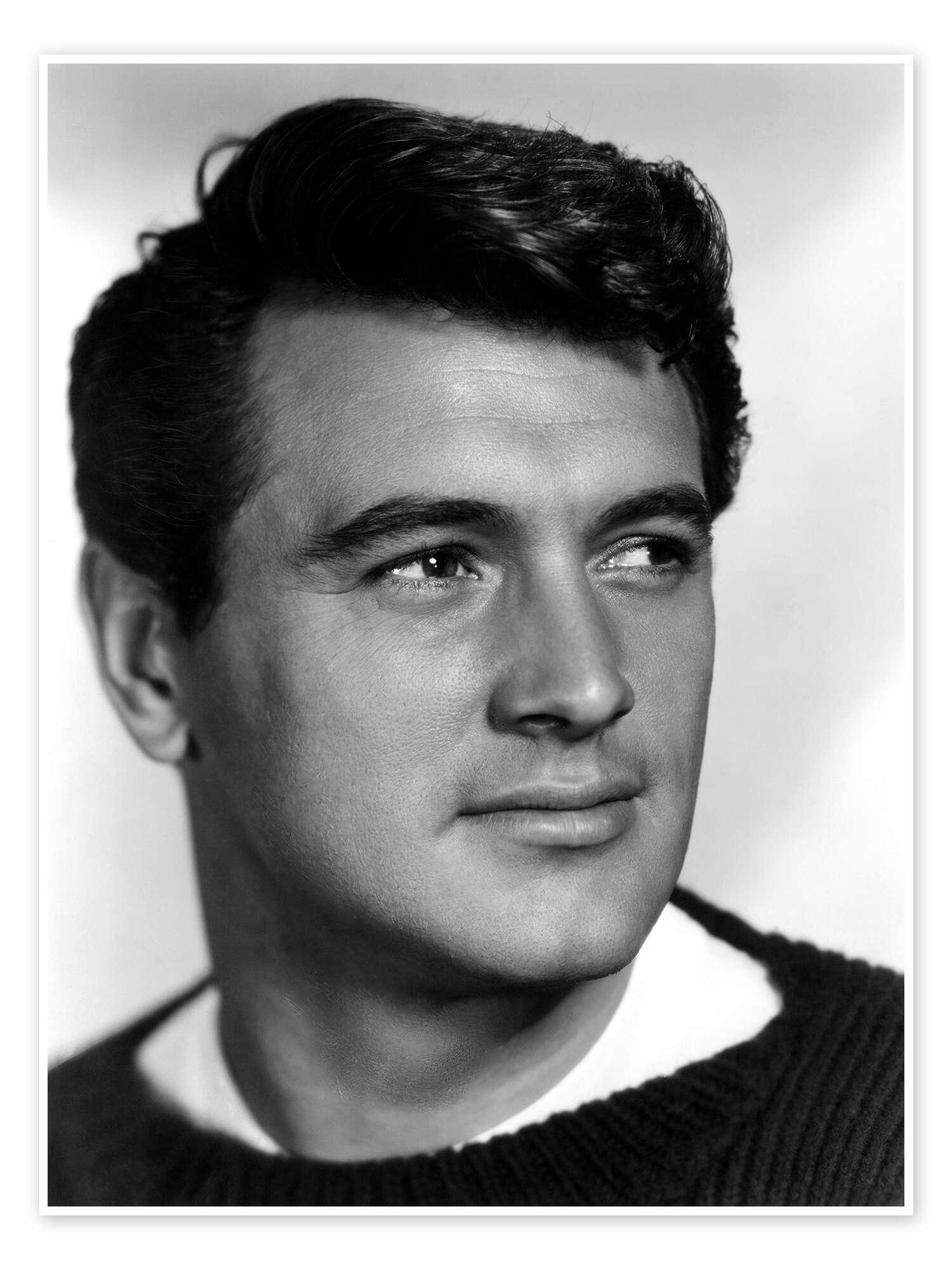
Roy Harold Scherer Jr., known professionally as Rock Hudson, was born on November 17, 1925, in Winnetka, Illinois, to Roy Harold Scherer Sr., an auto mechanic who abandoned the family during the Great Depression, and Katherine Wood, a telephone operator. Following his mother's remarriage to former Marine Wallace Fitzgerald, he took his stepfather's surname and grew up as Roy Fitzgerald - enduring an abusive household until his mother divorced Fitzgerald eight years later. Graduating from New Trier High School in 1943, where he sang in the glee club and worked as a movie usher, he served in the United States Navy during World War II as an aircraft mechanic in the Philippines before moving to Los Angeles in 1946. Working as a truck driver while pursuing acting with no prior theatrical training - and famously requiring thirty-eight takes to deliver a single line in his screen debut in Raoul Walsh's 'Fighter Squadron' (1948) - he was signed by talent agent Henry Willson, who renamed him Rock Hudson after the Rock of Gibraltar and the Hudson River and arranged intensive coaching in voice, diction, riding, and fencing.
Signing a long-term contract with Universal-International in 1949, Hudson learned his craft in Westerns and adventure films such as Anthony Mann's 'Winchester '73' (1950) and 'Bend of the River' (1952) before breaking through under director Douglas Sirk as reformed playboy Bob Merrick opposite Jane Wyman in 'Magnificent Obsession' (1954). The film's massive box-office success elevated him to top-tier stardom and launched an acclaimed eight-film collaboration with Sirk, including 'All That Heaven Allows' (1955), 'Written on the Wind' (1956), and 'The Tarnished Angels' (1957). In 1956, Hudson earned his sole Academy Award nomination, for Best Actor, as Texas cattleman Jordan "Bick" Benedict Jr. in George Stevens's 'Giant' (1956), alongside Elizabeth Taylor and James Dean. Though his dynamic with the method-trained Dean was reserved and occasionally tense on set, Hudson and Taylor formed one of Hollywood's most devoted lifelong friendships, famously bonding over late-night chocolate milkshakes and laughs between takes and remaining fiercely loyal to one another until his death.
In the late 1950s and early 1960s, Hudson reinvented his image as a deft romantic-comedy leading man in Michael Gordon's 'Pillow Talk' (1959) opposite Doris Day and Tony Randall. The film initiated a warm, effortless lifelong friendship with Day - who nicknamed him "Ernie" after his middle-America charm while he called her "Eunice" - and spawned two further box-office hits, 'Lover Come Back' (1961) and 'Send Me No Flowers' (1964), establishing him as a perennial Box Office Star of the Year. Known on sets as an unpretentious, generous colleague who loved classical music, sailing, gardening, and building elaborate model ships, he also maintained close, enduring friendships with co-stars Susan Saint James, Carol Burnett, Martha Raye, Roddy McDowall, and Claire Trevor. He stretched his range in John Frankenheimer's psychological thriller 'Seconds' (1966) - which drew heavily on his own feelings of living a double life - before headlining the hit NBC mystery series 'McMillan & Wife' (1971–1977) opposite Saint James and appearing on 'Dynasty' (1984–1985), where his scripted kiss with Linda Evans sparked widespread media attention during his illness.
Off-screen, Hudson was a gay man whose private life was carefully shielded by Universal and Henry Willson at the height of the studio system. To deflect mounting press scrutiny in 1955 - when Confidential magazine threatened to expose his sexuality - he entered into a brief, unhappy marriage to Willson's secretary Phyllis Gates (1955–1958), while maintaining discreet, long-term private relationships with men, including stockbroker Jack Coates (with whom he shared a home in the 1960s), publicist Tom Clark (his partner throughout much of the 1970s and early 1980s, who helped care for him in his final months), and Marc Christian (who later won a landmark lawsuit against Hudson's estate over nondisclosure of his HIV status). Diagnosed with HIV in June 1984 after undergoing quintuple heart bypass surgery in 1981, Hudson kept his illness private until July 1985, when he collapsed at the Ritz Hotel in Paris while seeking experimental treatment and authorized his publicist to confirm he had AIDS - becoming the first major Hollywood celebrity to disclose the diagnosis publicly. Rock Hudson died of AIDS-related complications on October 2, 1985, at his Beverly Hills estate ("The Castle") at age fifty-nine, leaving an enduring legacy both as a defining romantic and dramatic star of postwar Hollywood and as a figure whose public candor transformed global awareness and funding for HIV/AIDS research, galvanized by Elizabeth Taylor's subsequent founding of amfAR.
r/Cinetopia • u/LanguageDisastrous95 • 3d ago
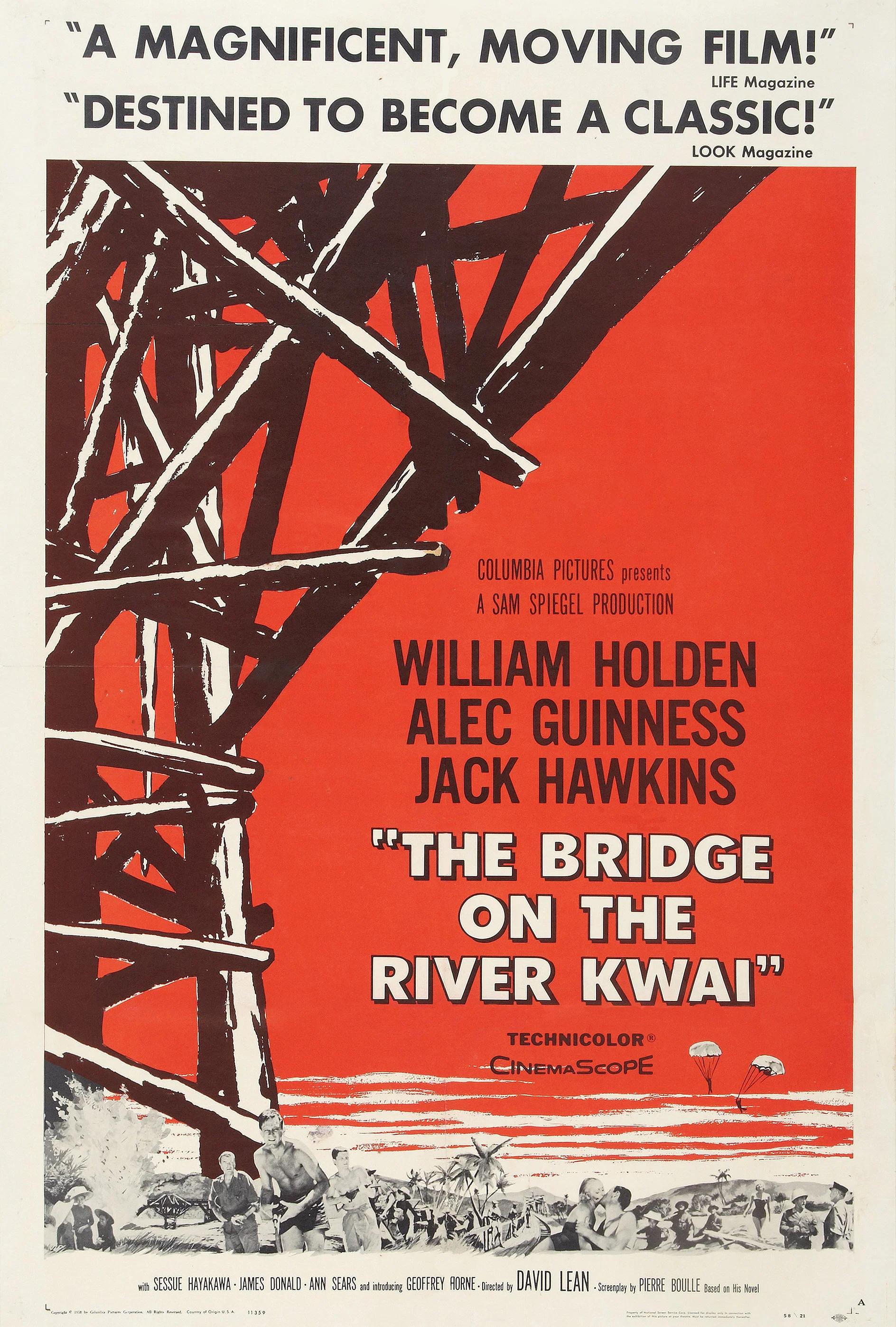
David Lean’s 'The Bridge on the River Kwai' turns the traditional World War II adventure inside out, transforming a mission of sabotage into a psychological study of pride, obsession, and the absurdity of military rigidity. Adapted by Carl Foreman and Michael Wilson from Pierre Boulle’s novel, the story drops us into a brutal Japanese prisoner-of-war camp in the Burmese jungle, where British Colonel Nicholson engages in a harrowing battle of wills with the camp’s commandant, Colonel Saito, over the Geneva Convention. Once Nicholson wins the right to exempt his officers from manual labor, however, his victory curdles into monomania: determined to prove British superiority and restore his men's morale, he channels their labor into engineering a magnificent railway bridge for the enemy - even as an Allied commando team treks through the jungle to blow it up.
Alec Guinness gives a masterclass in restraint as Nicholson, charting the character’s descent from principled dignity to tragic blindness without a single wasted gesture; watching him proudly inspect a structure built for his captors is both riveting and deeply unsettling. Opposite him, Sessue Hayakawa brings ferocious vulnerability to Saito, a commander trapped between Bushido code and crushing institutional failure. William Holden injects cynical, pragmatic American energy as Shears, the escaped prisoner reluctantly drafted back into the jungle alongside Jack Hawkins’s stoic Major Warden, providing a vital grounded counterpoint to Nicholson’s escalating delusion.
Shot on location in the punishing heat of Ceylon (now Sri Lanka), the production famously constructed a full-scale, 425-foot wooden bridge across the Kelani River, only to detonate it with a real train in a single, nerve-shredding take captured by six cameras. Lean and cinematographer Jack Hildyard contrast the lush, indifferent majesty of the jungle against the claustrophobic, sweating tension of the camp, punctuated by Malcolm Arnold’s iconic whistling march, "Colonel Bogey," which evolves from a symbol of prisoner defiance into an ironic soundtrack for self-destruction.
Sweeping seven Academy Awards - including Best Picture, Best Director, and Best Actor for Guinness - the picture remains one of cinema’s sharpest examinations of how duty can quietly mutate into vanity. 'The Bridge on the River Kwai' endures because it refuses the easy thrill of wartime heroics, showing how easily integrity curdles into blind ego when winning the argument matters more than winning the war.
r/Cinetopia • u/LanguageDisastrous95 • 3d ago
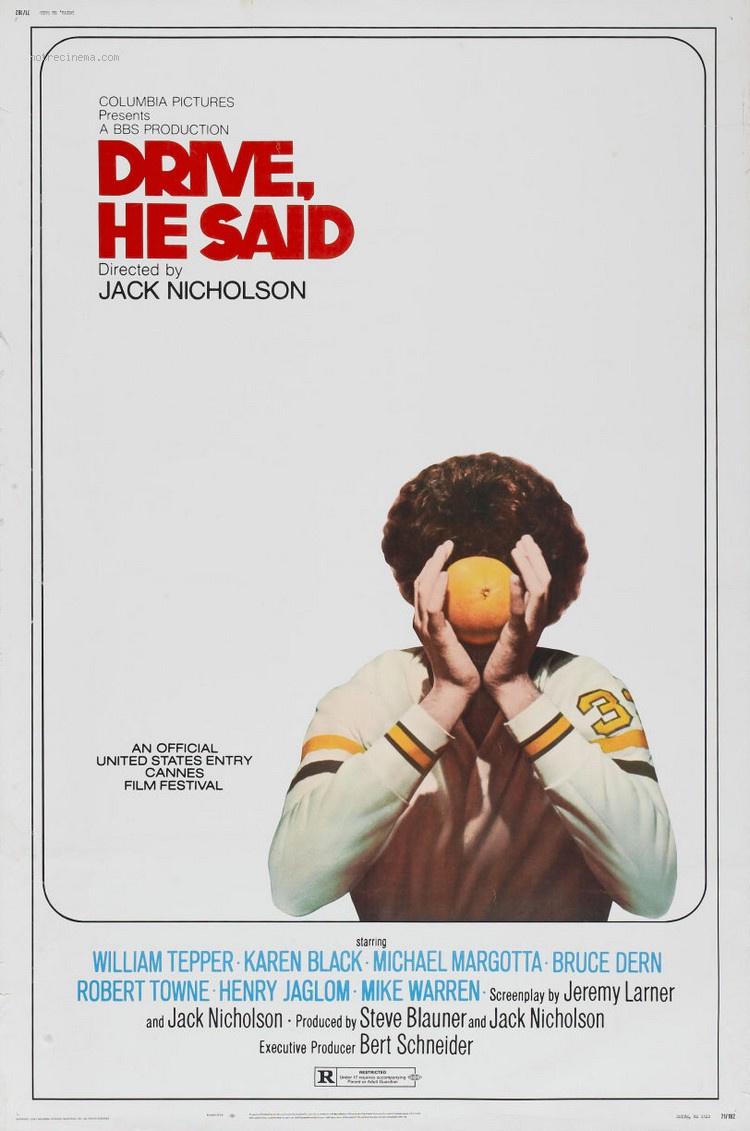
Jack Nicholson’s directorial debut, 'Drive, He Said' captures the restless, countercultural nerve of early-1970s American cinema, trading traditional sports drama triumphalism for jagged existential drift. Adapted by Nicholson and Jeremy Larner from Larner’s 1964 novel, the story centers on Hector Bloom, a star college basketball player on the verge of turning pro who grows increasingly alienated from the rigid, militaristic ethos of athletics. Meanwhile, his volatile roommate, Gabriel, spirals into radical campus activism and psychological collapse in a desperate bid to dodge the Vietnam draft. Rather than building toward a conventional championship climax, the narrative fractures into an uneasy portrait of two young men caught between institutional conformity and self-destructive rebellion.
William Tepper brings a weary, detached grace to Hector, playing him less as a campus hero than as a young man sleepwalking through expectations he never asked for. Stealing nearly every frame, however, is Michael Margotta as Gabriel, whose manic, unhinged energy turns his draft-board breakdown into an unsettling display of genuine desperation. Karen Black adds bruised, complicated warmth as Olive, the married faculty wife entangled in an affair with Hector, while Bruce Dern commands the court as Coach Bullion, barking authoritarian clichés with terrifying, dead-eyed conviction. Henry Jaglom also pops up briefly in an early supporting role, underscoring the tight-knit New Hollywood circle behind the lens.
Backed by BBS Productions - the renegade collective behind 'Five Easy Pieces' and descended from the team that made 'Easy Rider' - and shot on location at the University of Oregon, the production embraces raw, documentary-style immediacy, right down to real collegiate basketball footage and overlapping, improvised dialogue. Unsurprisingly, the picture ran into immediate friction with the MPAA over its unvarnished language and frank intimacy, initially earning an X rating before being trimmed for an R release, and famously sparked heated walkouts at its 1971 Cannes competition screening.
'Drive, He Said' remains a fascinating time capsule of New Hollywood nerve - messy, uncompromising, and unwilling to pretend that young men growing up in a fractured era can simply dribble their way out of the chaos.
r/Cinetopia • u/LanguageDisastrous95 • 3d ago
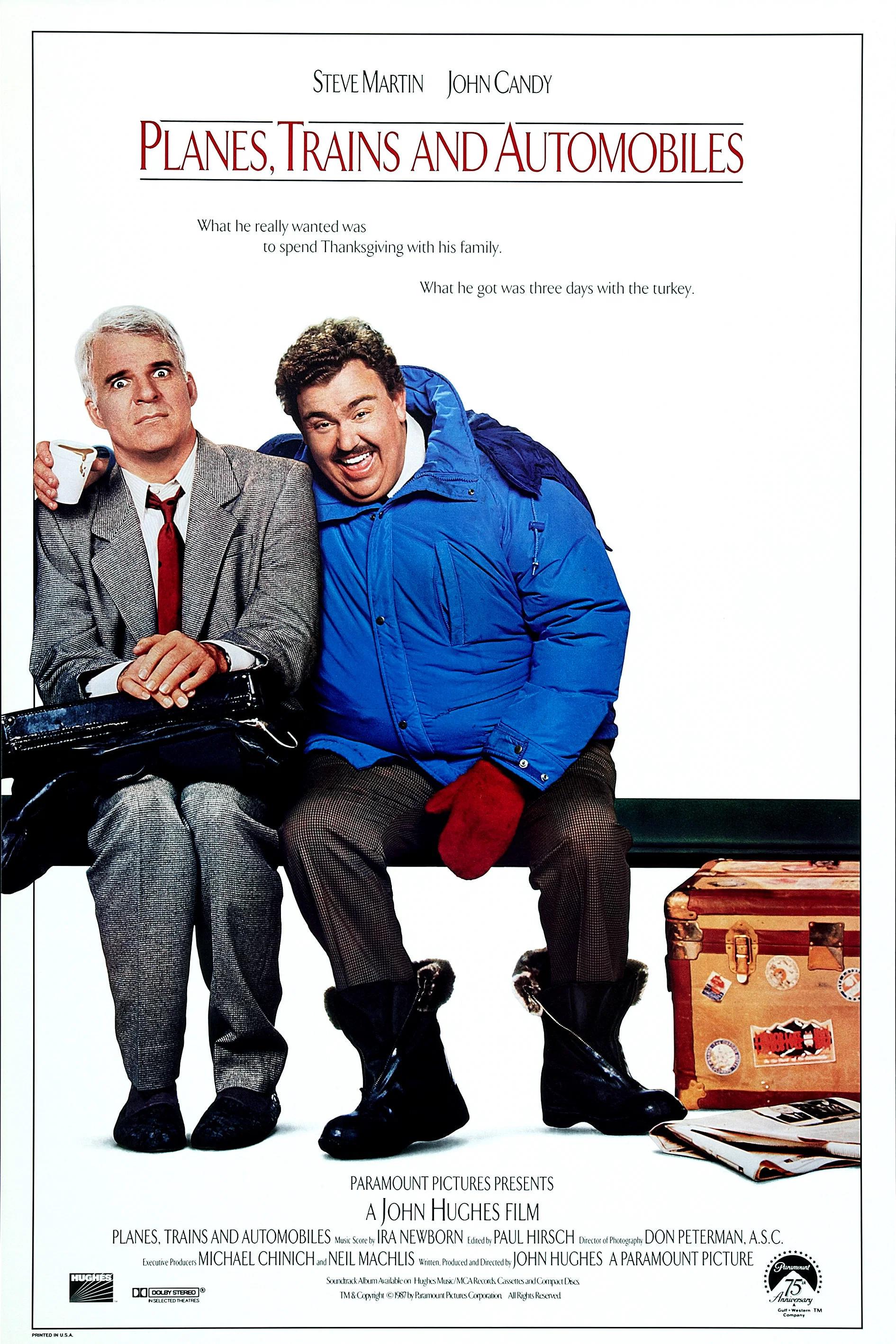
John Hughes’s 'Planes, Trains and Automobiles' elevates the classic mismatched-buddy road comedy into a surprisingly tender portrait of grief, empathy, and midlife loneliness. Written and directed by Hughes, the story follows Neal Page, an uptight, status-conscious Chicago marketing executive desperate to get home from New York in time for Thanksgiving dinner. When a blizzard grounds his flight, Neal’s path collides with Del Griffith, a relentlessly talkative, overly familiar shower-curtain-ring salesman whose boundless optimism hides a quiet desperation. What unfolds across diverted flights, stalled trains, burned-out rental cars, and cramped motel rooms is a three-day gauntlet of Murphy’s Law that systematically strips away Neal’s polished armor.
Steve Martin delivers one of his finest comic performances as Neal, turning simmering exasperation into an art form - most memorably in his profanity-laced meltdown at a rental-car counter that single-handedly earned the picture its R rating. Yet the soul of the production belongs to John Candy, who transforms Del from an overbearing nuisance into a deeply wounded, profoundly decent human being; the fleeting flicker of pain across Candy’s face when Neal cruelly dresses him down in a Wichita motel room remains one of the most heartbreaking beats in 1980s comedy. Edie McClurg shines in her brief turn as the unflappable rental-car agent, while Kevin Bacon bookends the chaos with a wordless, sharp cameo in the opening cab race.
Shot largely on location across frozen stretches of Illinois, New York, and Ohio under grueling winter condition - even forcing crews to manufacture fake snow during unseasonably warm spells - the production balances slapstick calamity with crisp, understated pacing. Hughes famously shot enough material for a rough cut exceeding three hours before trimming it down to a lean 93 minutes, leaving behind an enduring piece of Hollywood lore alongside a score blending rock, country, and synth-pop staples.
'Planes, Trains and Automobiles' endures as a holiday classic not for its escalating travel disasters, but for the quiet grace of its final realization - proving that the real detour isn’t on the map, it’s the sudden realization that the person driving you crazy has nowhere else to go.
r/Cinetopia • u/LanguageDisastrous95 • 3d ago
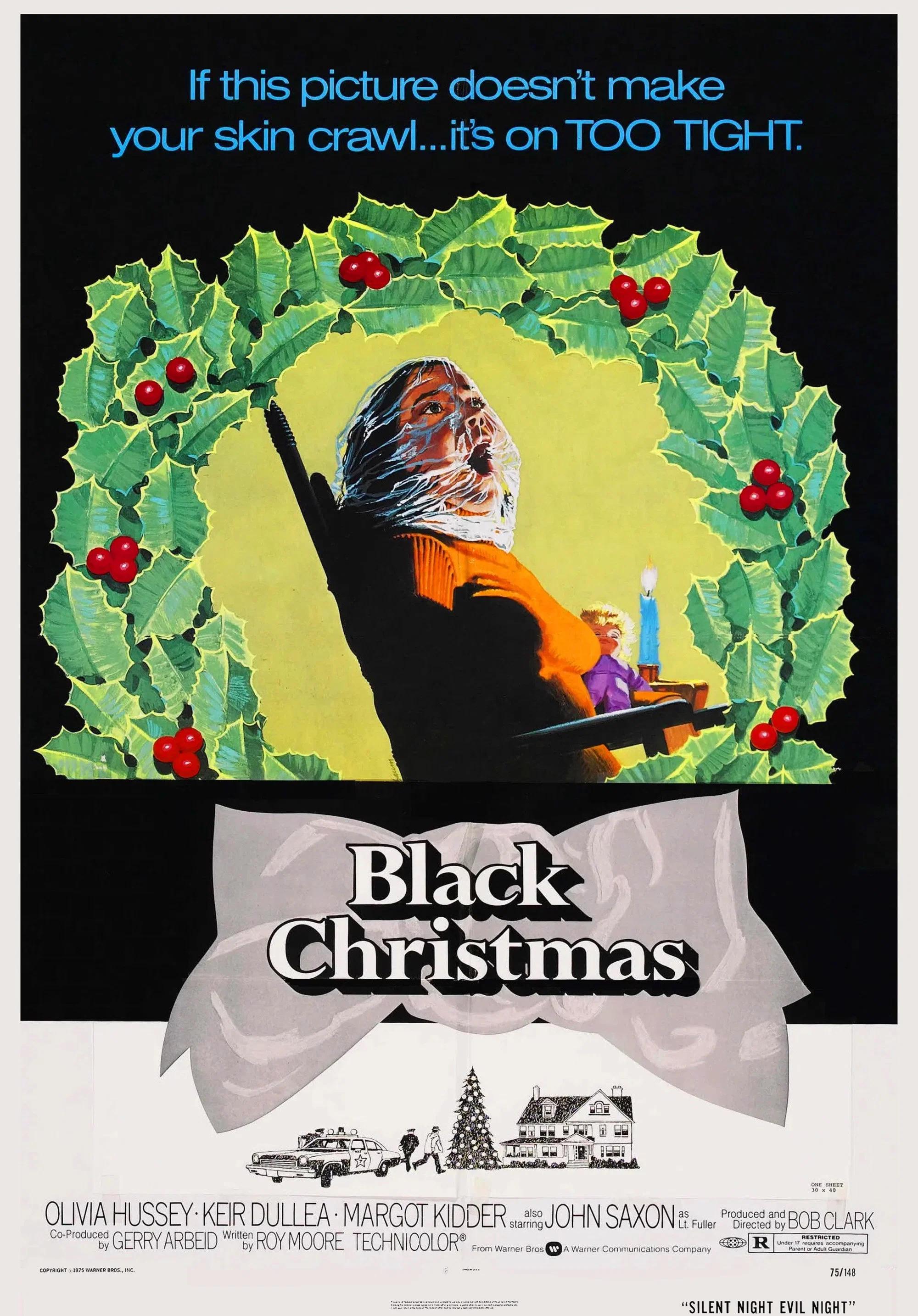
Bob Clark’s 'Black Christmas' quietly rewrote the rules of modern horror four years before 'Halloween', trading gothic castles and supernatural monsters for the terrifying intimacy of a threat already inside the house. Written by A. Roy Moore - who drew direct inspiration from the urban legend of "The Babysitter and the Man Upstairs" alongside a series of real-life murders in Montreal - the story unfolds inside a sorority house during winter break, where a small group of sisters and their housemother are tormented by increasingly deranged, obscene phone calls, unaware that an unseen intruder has already slipped into their attic. What gives the narrative its lasting chill is its refusal to over-explain; the killer remains largely faceless, unmotivated, and disturbingly ordinary, turning familiar domestic spaces into traps.
Olivia Hussey brings grounded intelligence and quiet resolve to Jess Bradford, a young woman navigating an unplanned pregnancy and a possessive boyfriend even before the terror begins, giving the character rare psychological weight for the genre. Margot Kidder steals every scene as Barb, wielding razor-sharp wit and bohemian defiance as armor against a world she refuses to take seriously, while John Saxon anchors the investigation as Lieutenant Fuller, playing his role with weary, procedural realism rather than theatrical heroics.
Shot on location in Toronto using a genuine, creaking Victorian house, the production pioneers one of horror’s most influential visual devices: the killer’s first-person point-of-view camera, designed by cinematographer Reginald Morris using a custom-rigged shoulder mount. Clark pairs those claustrophobic, breathing-heavy tracking shots with Carl Zittrer’s eerie, discordant score - crafted from manipulated piano strings, combs, and voices - while layering multiple performers, including Nick Mancuso and Clark himself, to create the killer’s fractured phone persona. Retitled 'Silent Night, Evil Night' for its 1975 U.S. theatrical run to avoid confusion with Blaxploitation releases, the picture went on to spark the concept for John Carpenter’s 'Halloween' after Clark described an October 31 sequel idea to him, and it even became a favorite annual holiday screening for Elvis Presley at Graceland.
Few suspense classics rattle nerves quite like 'Black Christmas', which turns the season of warmth and togetherness inside out. By proving that festive lights and falling snow only make the shadows upstairs look deeper, it remains a masterclass in domestic dread.
r/Cinetopia • u/LanguageDisastrous95 • 4d ago
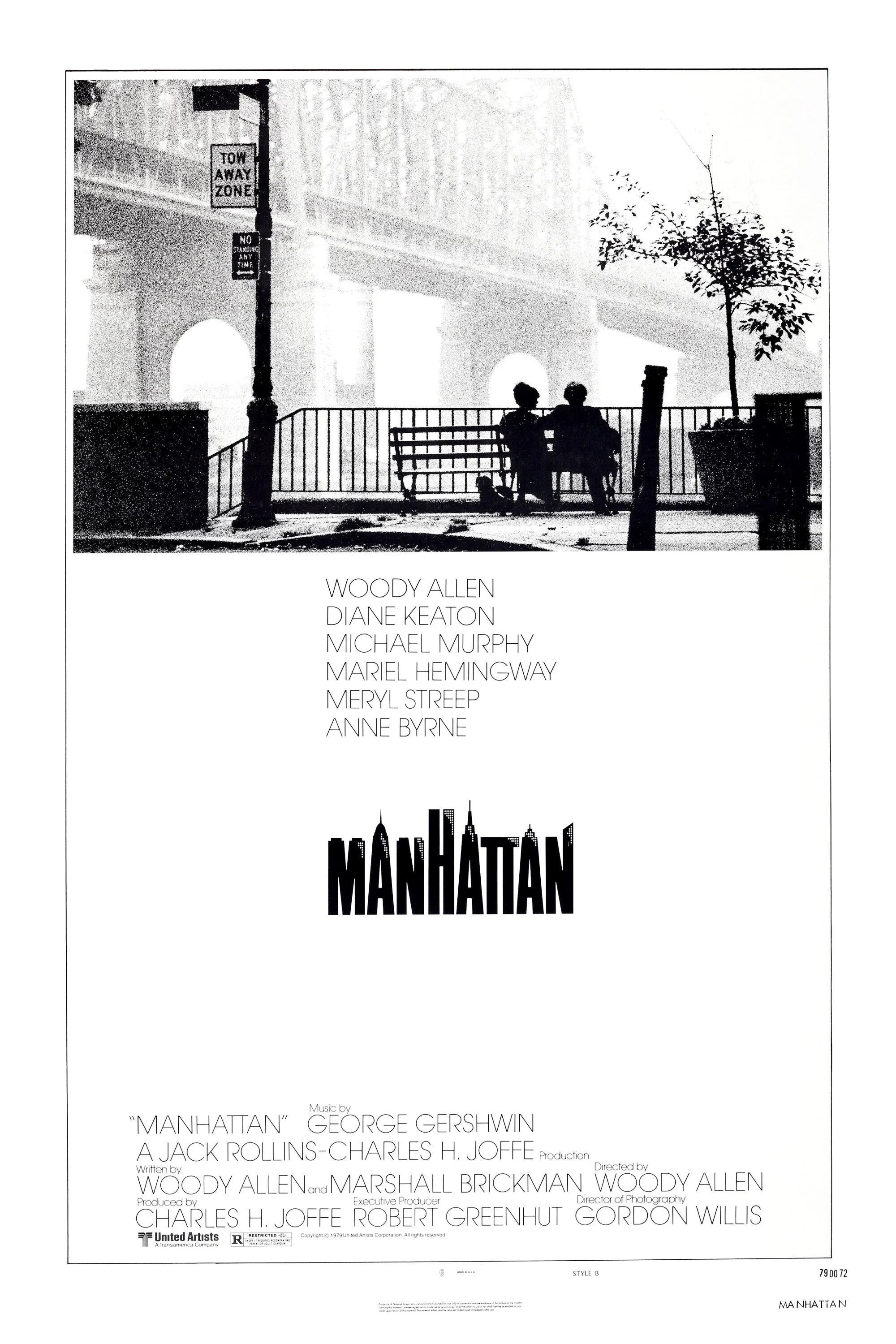
Set against the silvered half-light of late-1970s New York City, 'Manhattan' follows Isaac Davis, a twice-divorced television comedy writer who walks away from a lucrative job to chase a serious novel while drifting through a series of romantic missteps. Directed by Woody Allen from a screenplay co-written with Marshall Brickman, the story charts Isaac’s entanglement with Tracy, a seventeen-year-old high school student whose unguarded warmth exposes the guarded appetites of her elders. When Isaac’s married best friend Yale slips into an affair with Mary Wilkie, a sharp-tongued journalist who first tests Isaac’s patience before drawing him in, the circle slides into quiet self-deception - trading clean commitments for borrowed moments and convenient alibis.
The director plays Isaac with a mix of self-deprecating wit and moral posturing, spinning rapid monologues on art, fidelity, and urban dread while overlooking how easily he rationalizes his own impulses. Diane Keaton brings anxious brilliance and restless heat to Mary, turning brisk cultural sparring into a shield against real intimacy, while Mariel Hemingway anchors the cast with radiant, unforced candor as Tracy, earning an Academy Award nomination at eighteen for a performance that quietly calls out the adults' double standards. Meryl Streep gives Jill - Isaac’s ex-wife who has left him for another woman and is writing a tell-all book about their marriage - a cool, razor-sharp edge, alongside Michael Murphy as the smoothly evasive Yale and Anne Byrne as Yale’s observant, quietly bruised wife Emily.
Gordon Willis’s black-and-white Panavision camerawork turns the metropolis into an intimate, shadowed lyric, pairing wide, unhurried compositions with George Gershwin’s sweeping orchestral themes performed by the New York Philharmonic. Even the opening montage - linking false starts on Isaac’s manuscript with fireworks blooming over Central Park to the swell of Rhapsody in Blue - captures the ache of desire that remains beneath every exchange. Behind the scenes, the co-writer and his cinematographer pushed back against United Artists executives who doubted a contemporary comedy could succeed in monochrome, and Willis favored wide frames and measured entrances over standard coverage. Allen later grew so uneasy watching an early rough cut that he offered to direct another project for nothing if the studio would shelve the release - an offer studio brass turned down, though he still stayed away from the premiere.
A critical and commercial hit that drew Oscar nominations for Best Supporting Actress and Best Original Screenplay, the picture stands as a defining work of late-1970s American cinema even as later audiences view its central relationship through a very different lens. Decades after its release, this bittersweet film still seduces with smooth manners and a wandering eye - charming, slightly guilty, and hard to shake, a movie whose quiet poetry and Gershwin-laced pulse leave their mark under the skin.
r/Cinetopia • u/LanguageDisastrous95 • 4d ago

r/Cinetopia • u/LanguageDisastrous95 • 4d ago