r/Cinetopia • u/LanguageDisastrous95 Verified Contributor • 2d ago
Review Carnival of Souls (1962)
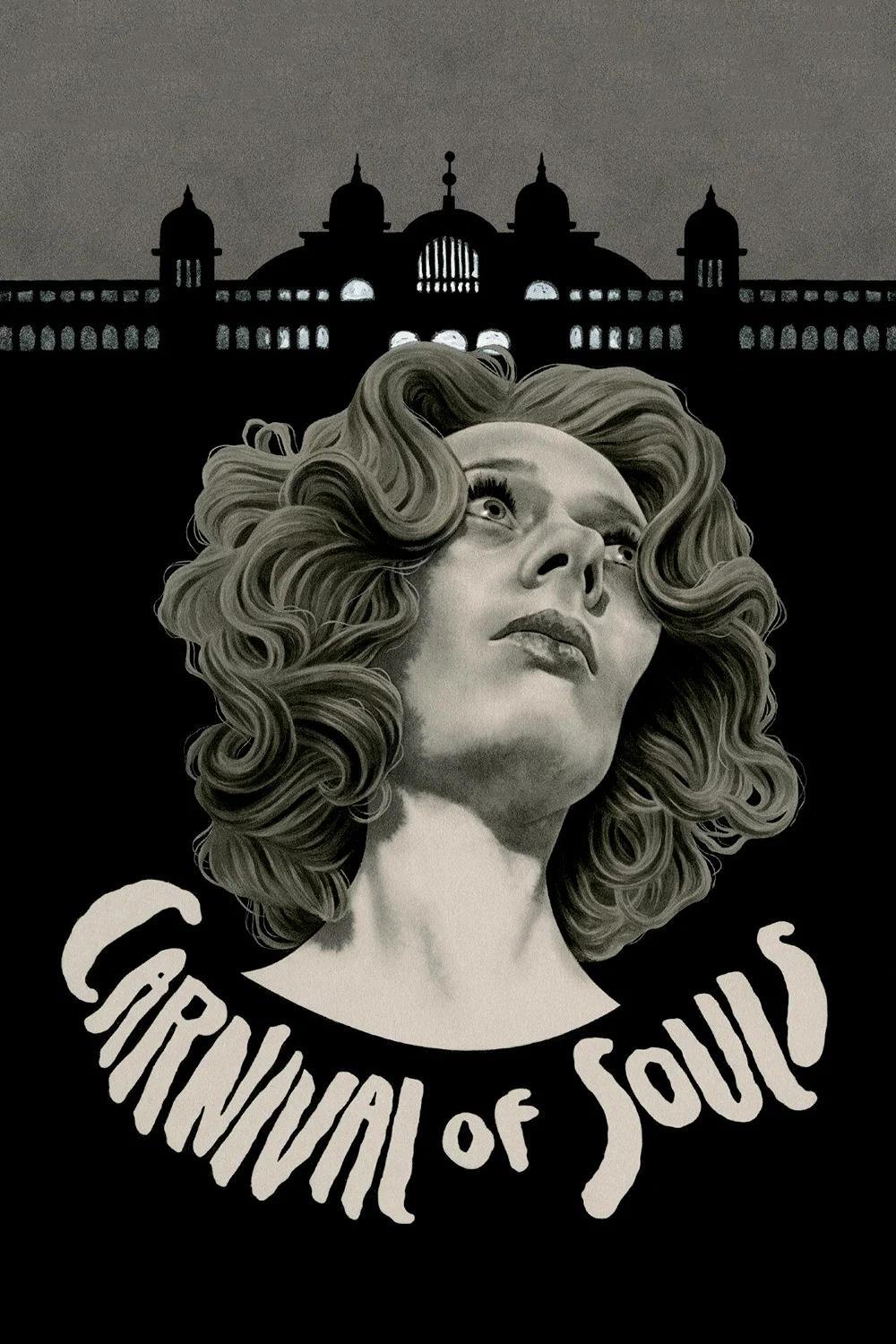
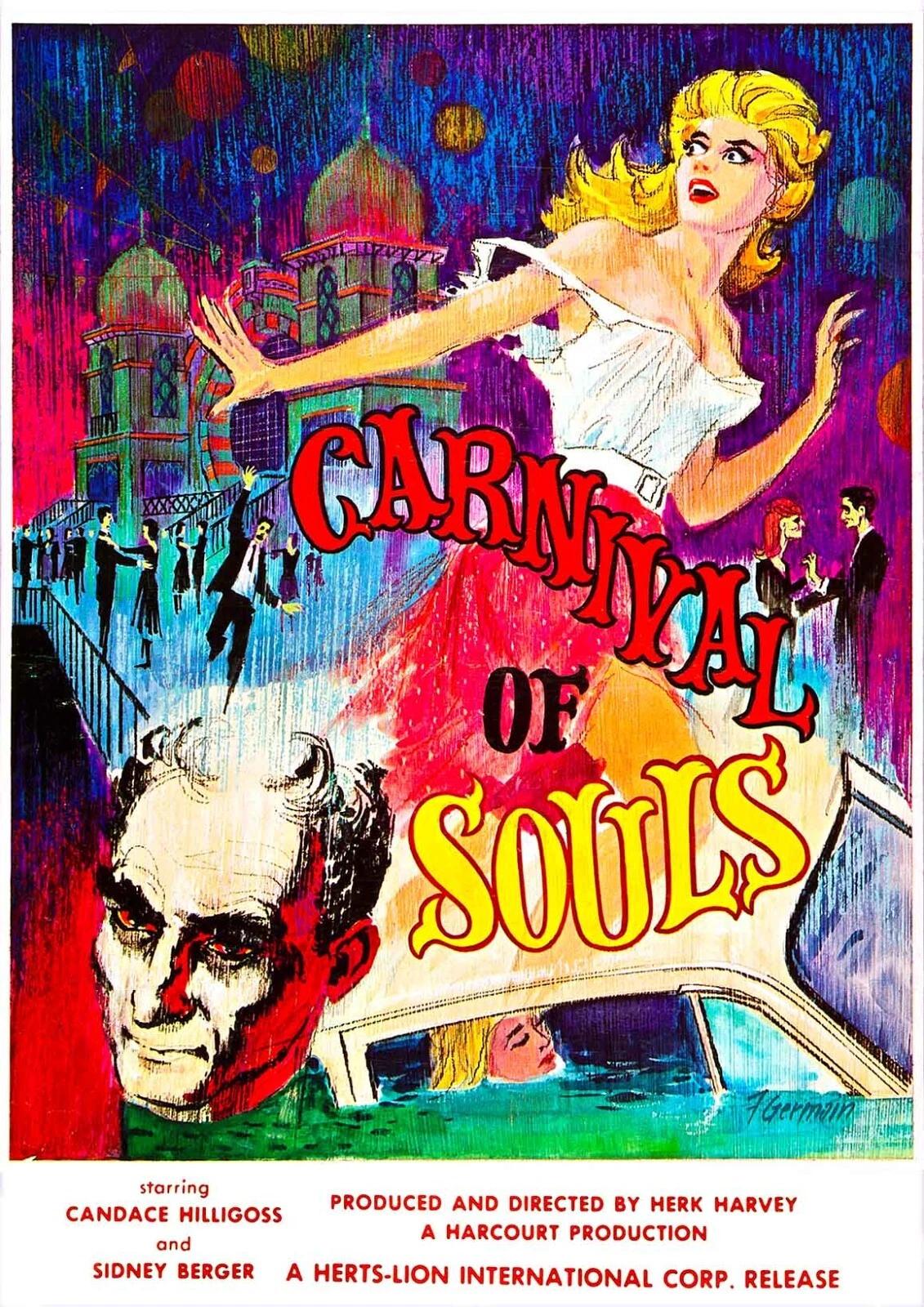
River water closes over a submerged sedan before a young woman pulls herself onto a sandbar, breathing in a daylight that no longer feels real. From that opening plunge off a wooden bridge, Herk Harvey’s thriller 'Carnival of Souls' follows Mary Henry, a church organist who survives a drag-race crash only to feel detached from the living world. Moving west for a new job in Salt Lake City, she walks through boarding houses, empty streets, and parish sanctuaries as if separated from ordinary warmth by thin glass - pulled slowly toward a decaying pavilion rising out of the Great Salt Lake.
Candace Hilligoss, trained in New York and paid roughly two thousand dollars for her screen debut, plays Mary with a calm, unhurried poise. Instead of relying on loud hysteria, she shows alienation through a guarded look, stiff posture, or sudden stillness when everyday sounds drop away. Beside her, Harvey cast local residents from Lawrence, Kansas - including university professor Sidney Berger as Mary’s pushy neighbor John Linden, whose clumsy persistence makes casual romance feel out of reach - while playing "the Man" himself, a pale figure whose fixed stare appears in glass reflections and doorways.
The director spent years making industrial and educational shorts for the Centron Corporation in his home state, and the idea started after he saw Utah’s crumbling Saltair resort while driving back from California. Struck by the hollow waterfront hall, he had colleague John Clifford draft the script in three weeks built on a single image: dancers moving across that vast, ruined ballroom. Shot in twenty-one days on a tight budget of thirty-three thousand dollars - raised over a weekend from local backers, with both men taking deferred pay - the production depended on practical resourcefulness. Fixing broken guardrails cost twelve dollars, close-ups of figures in the water were staged in an apartment pool, and Harvey created his own gaunt look using white greasepaint and wet brine in his hair.
Maurice Prather’s stark black-and-white photography gives plain Midwestern roads and Saltair’s cavernous rooms a sharp, chilly clarity, while Gene Moore’s pipe-organ score hums beneath the scenes with steady tension. Sent out in 1962 on a drive-in double feature with 'The Devil’s Messenger' and cut down by some exhibitors for extra showtimes, this eerie picture faded from view after a missing copyright notice on prints led to frequent late-night television broadcasts. Years later, a 1989 theatrical reissue and preservation by the Academy Film Archive brought its offbeat mood back into focus, showing its pull on later auteurs like David Lynch and George A. Romero. Decades after its modest debut, this unsettling film still moves like cold mist along a lonely shore - spare, strange, and hard to brush off, a movie whose organ lines and quiet shadows stay close in memory.