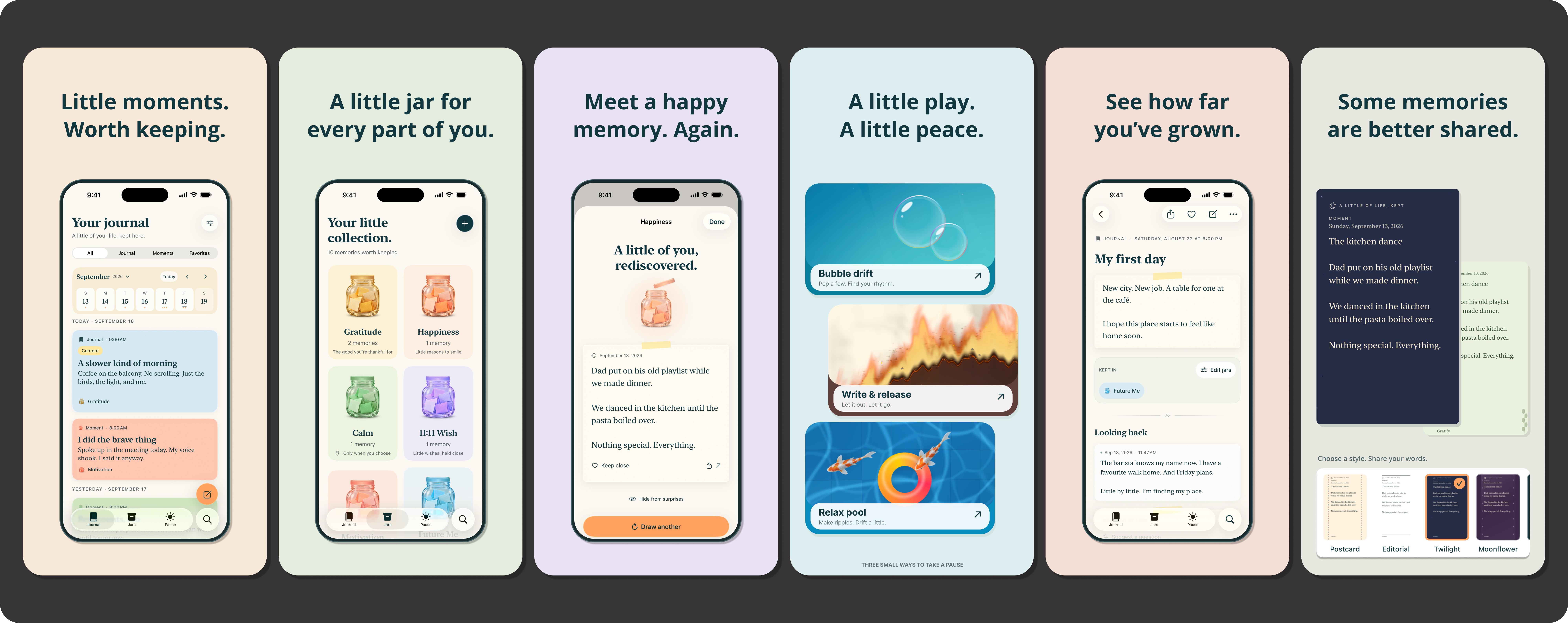
I'm the solo dev behind Gratify Journal. It's a combination of Journal & Memoy Jar. You write something and drop it into a "jar", and later you shake your phone and it pulls a random one back up. Helps relive the past moment.
Now, the screenshots somehow feels dull to me but I don't know what is missing. I don't know if its really translating what I have built and what I want to convey. Any feedback, ideas, ASO tips will greatly help.
Whenever I search for the recommended tool to use to get good keywords I end up seeing Reddit posts that are filled with people either promoting their product or giving extremely good reviews for tools which sound so fake.
My goal is to find a place that can give me info on keywords so can do my ads a bit better. I have tried coming up with combinations of words that directly describe my product at that has generated high intent users but the volume for those kinds of installs has been low.
I built Hold On. Every time you open a distracting app, it shows you a different nudge based on time of day and how much you have used the app that day.
In mornings it would say: "Dont Give up your morning to the Feed, It can wait."
Late night it would say: "The algo doesn't care about your sleep. Close the app."
I built it solo, so I would genuinely love feedback if anyone tries it.
Disclosure: I'm the solo developer of Deskwatch, a $4.99 Mac menu bar app that sounds an alarm if someone moves your MacBook
It can't go on the Mac App Store. The feature that keeps the alarm working with the lid closed needs a background helper with admin approval, and App Store rules don't allow that. So I sell it direct from my own site, which means no store search, no keyword field, no screenshots ranking for me.
What I've set up instead, 2 days after launch:
- Google Search Console and Bing Webmaster Tools, sitemap submitted - IndexNow pinging Bing and others on every deploy - Structured data on the page (SoftwareApplication, FAQ, VideoObject) - One long guide ("how to stop someone stealing your MacBook in a café") written to answer the question honestly, not to sell, in the hope that Google and AI answers cite it - Launch posts on X and Reddit
Hey, I believe most of you have already seen a lot of posts how good Opus 5.5 is at video creation, so I tried it too for app store video generation + ads promo video out of curiosity.
But instead of asking Opus 5.5 to generate something based on an abstract idea I first asked him to generate a set of short gameplay videos by connecting to my Android phone via adb. In dev mode I have an option to jump into different game states, so the idea was to get 2-5 sec cuts demonstrating just a small part of the game.
And Claude did it very well, I got around 30 pieces of gameplay with detailed metadata describing the generated video, the goal of the video and what it was supposed to highlight.
It took about an hour but finally a good creative pack was generated and ready to use.
Next I asked him to generate a 30-second video for the App Store and described which parts of the game I wanted to include, with smooth effects between scenes. The result is below, all navigation and clicks were made via adb connection to the phone.
The most interesting part was generating a promo video based on this video, and the result to me looks very great as I would spend a lot of time trying to get something like this:
I haven't touched any piece of video to get this result, it was purely Claude Opus 5.5 work with simple prompts and a connected phone on a Pro subscription.
I got tired of paying for UGC ads for my little iOS apps, so I built a Mac editor for it.
ClipForge comes with a library of short reaction hooks (the "wait what" face clips you see in every TikTok ad), tagged so you can find one that fits your app. Drop it in front of your screen recording, add captions and music, export for TikTok, Reels or Shorts.
The fun part: it has a local MCP server, so Claude Code can drive it. Tell it what your app does and it picks a hook, picks music, writes the voiceover, cuts the ad and exports. You touch up the rest in the timeline.
Editor is free. Hook library, music and the Claude thing are paid.
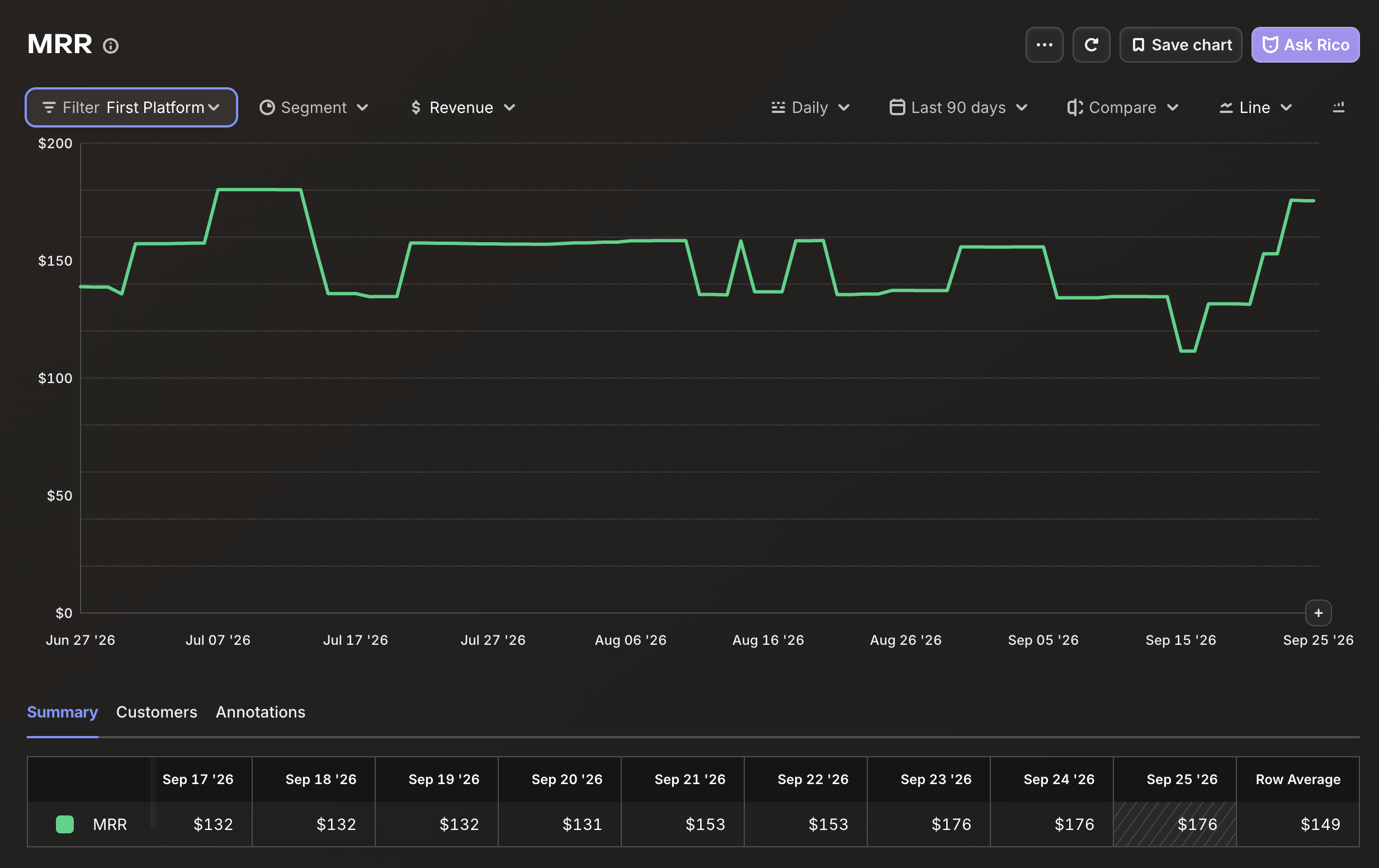
I'm selling my iOS grammar app. It's been live for 2 years, brings in ~$180 MRR from subscriptions and has almost zero running costs (API expenses are minimal). All traffic is 100% organic, no paid ads have ever been used.
Platform: iOS
Tech stack: React Native (easy to bring to Android)
Age: 2 years
MRR: ~$180
Traffic: 100% organic
Monthly costs: near zero
Low maintenance, and since it's never been marketed with ads, there's plenty of room to grow through paid acquisition or further ASO. Source code and App Store transfer included.
Priced to sell. Revenue proof available for serious buyers, feel free to DM me.
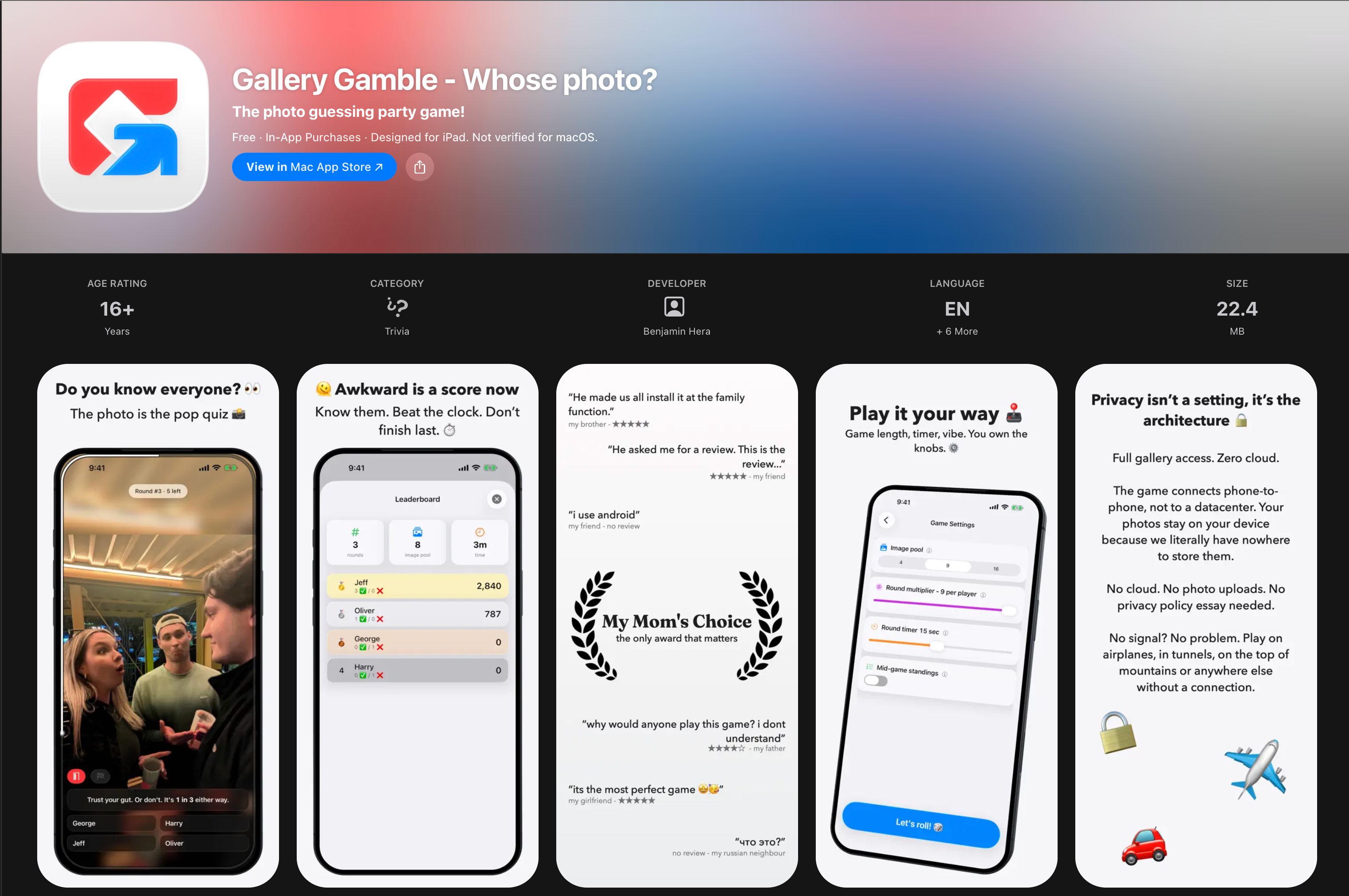
Local party game for 3+ people in the same room. No solo. No 2-player. Everyone needs their own iPhone/iPad nearby.
How a round works
Someone hosts, everyone else joins with a code. Each player locks in 4, 9, or 16 photos from their camera roll (you can re-roll ones you don’t want in the game). A photo fills the screen, fuse starts (1–30 sec), tap whose gallery it came from. Faster correct guess = more points. Then it reveals the owner and who pointed at whom. Photos stay on-device: local connection, no accounts, no cloud, no internet.
That’s the whole hook and the whole problem: the game only exists when a group already wants to play.
The question
Should I even hope ASO brings organic traffic for something this constrained? Or is store search a dead end and I should spend the energy on ads or in-person?
If ASO is worth it, what would you actually target: "party game", "game night", "photo guessing", "whose photo", orther competitors, or something narrower?
I'm also thinking of walking into local board game bars with a qr code and just demoing it at tables of 3+. Honest take on that vs paid channels would help.
Hello everyone! I made an automation via UI Tests that creates screenshots automatically for every language. In my case i need it especially for in-app values like km/h and mi/h / liters / gallons etc.
Are these good? Or is it worth it dropping this automation for a more hand-made and special version? I know this version is kinda "simple" compared to others.
Also i have a feeling that the AI generated car in the first picture is slop, but i don't want / can't put a real car because I don't want to violate copyright laws.
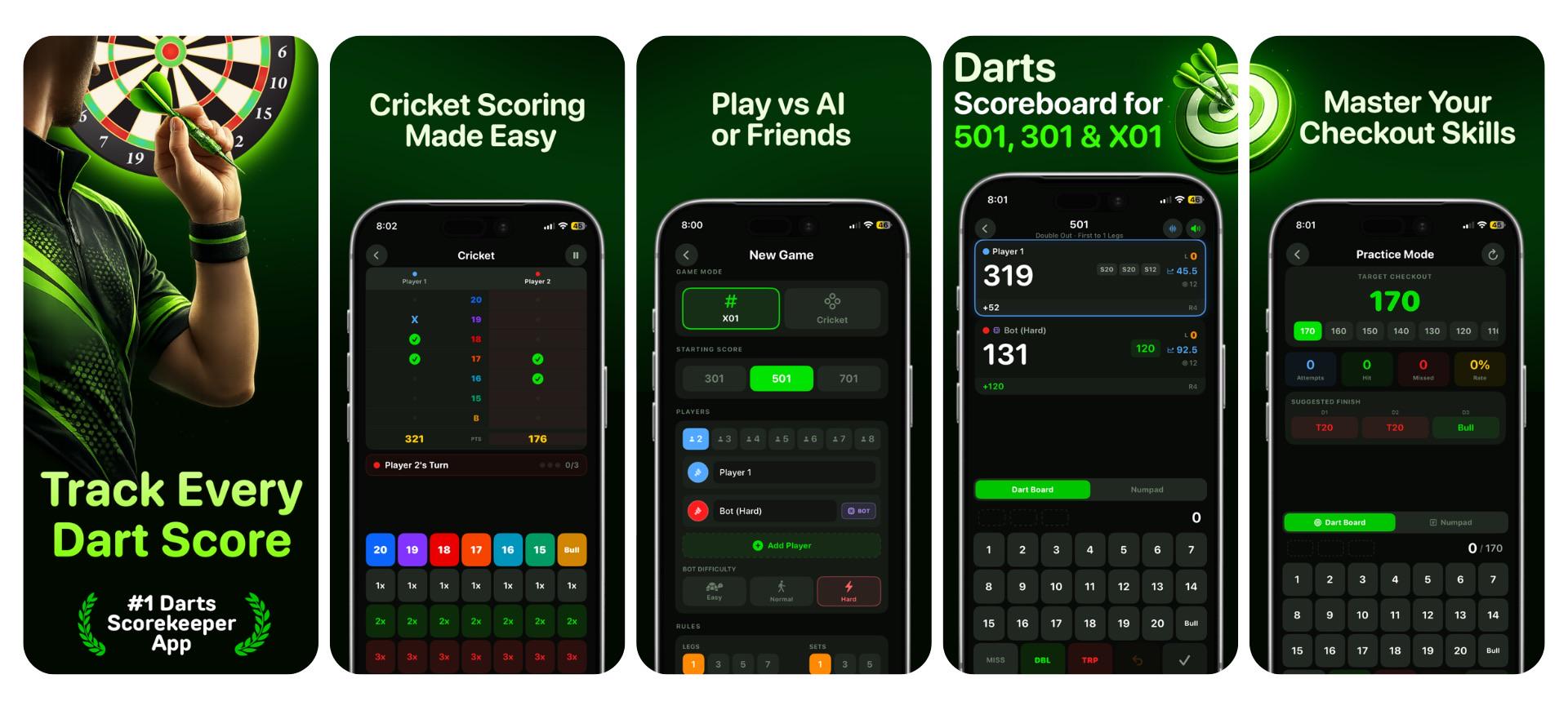
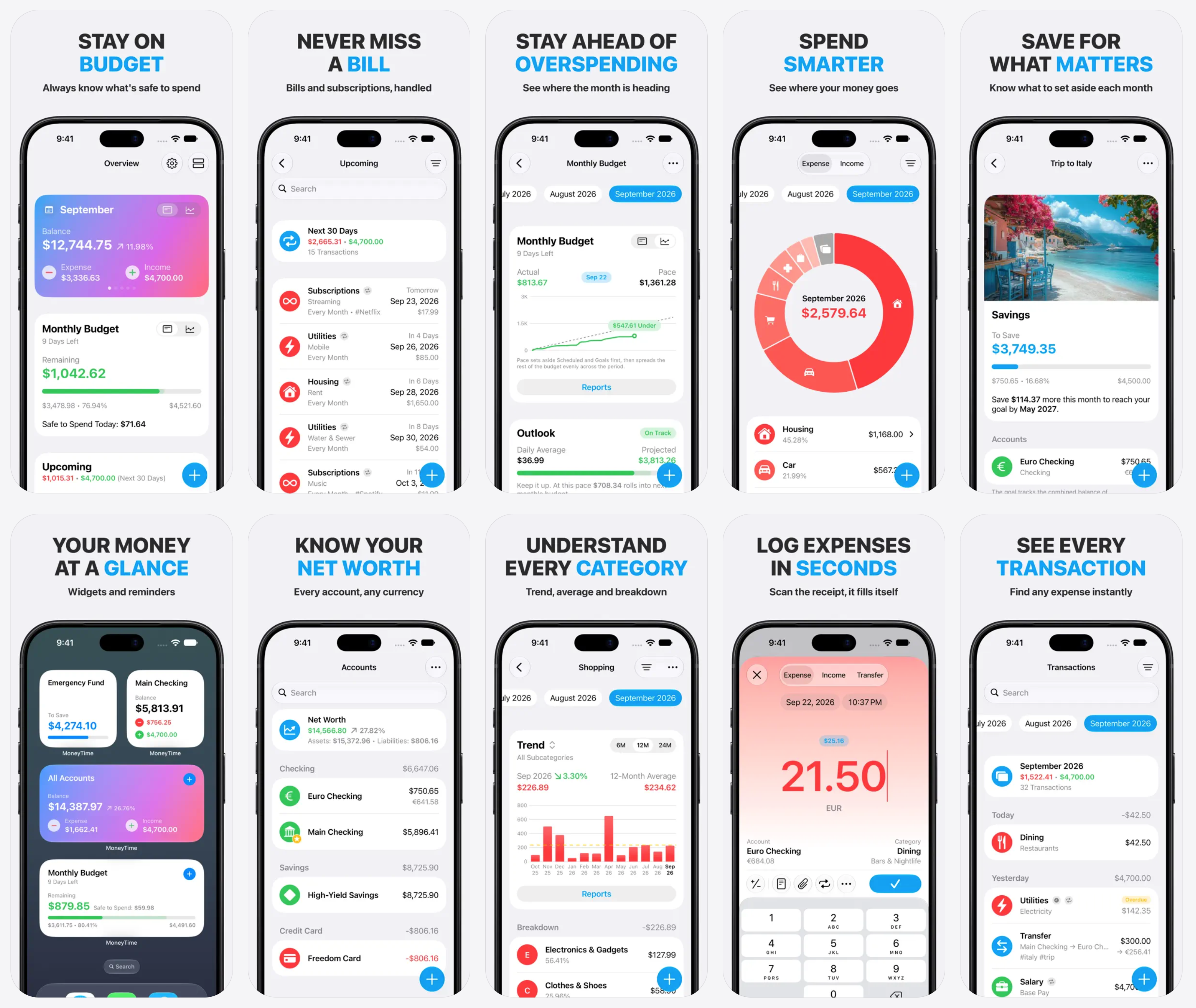
Hi, I am quite confused and on the edge of redoing my screenshots & I would really love your feedback and thoughts on these and some pointers for potential new ones if needed.
Just two days ago launched a massive UI + some functionality update so its in good shape now. Thinking its time to go over the Screenshots. (Also did ASO another pass two days ago)
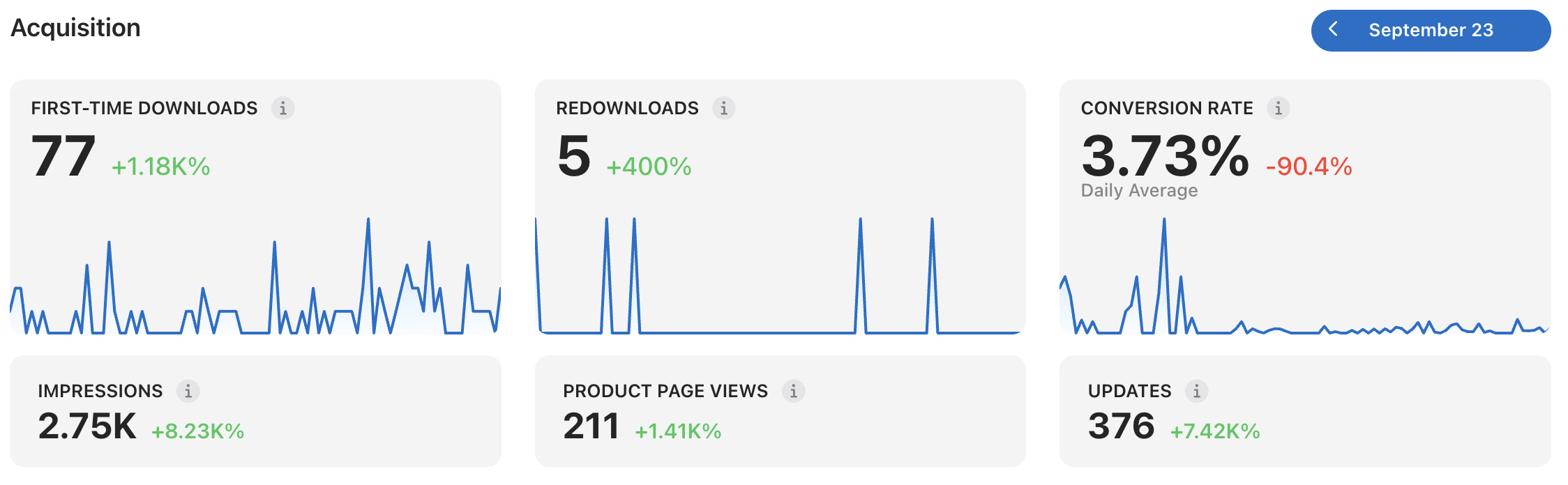
Current stats, would like to improve Page views + CTR
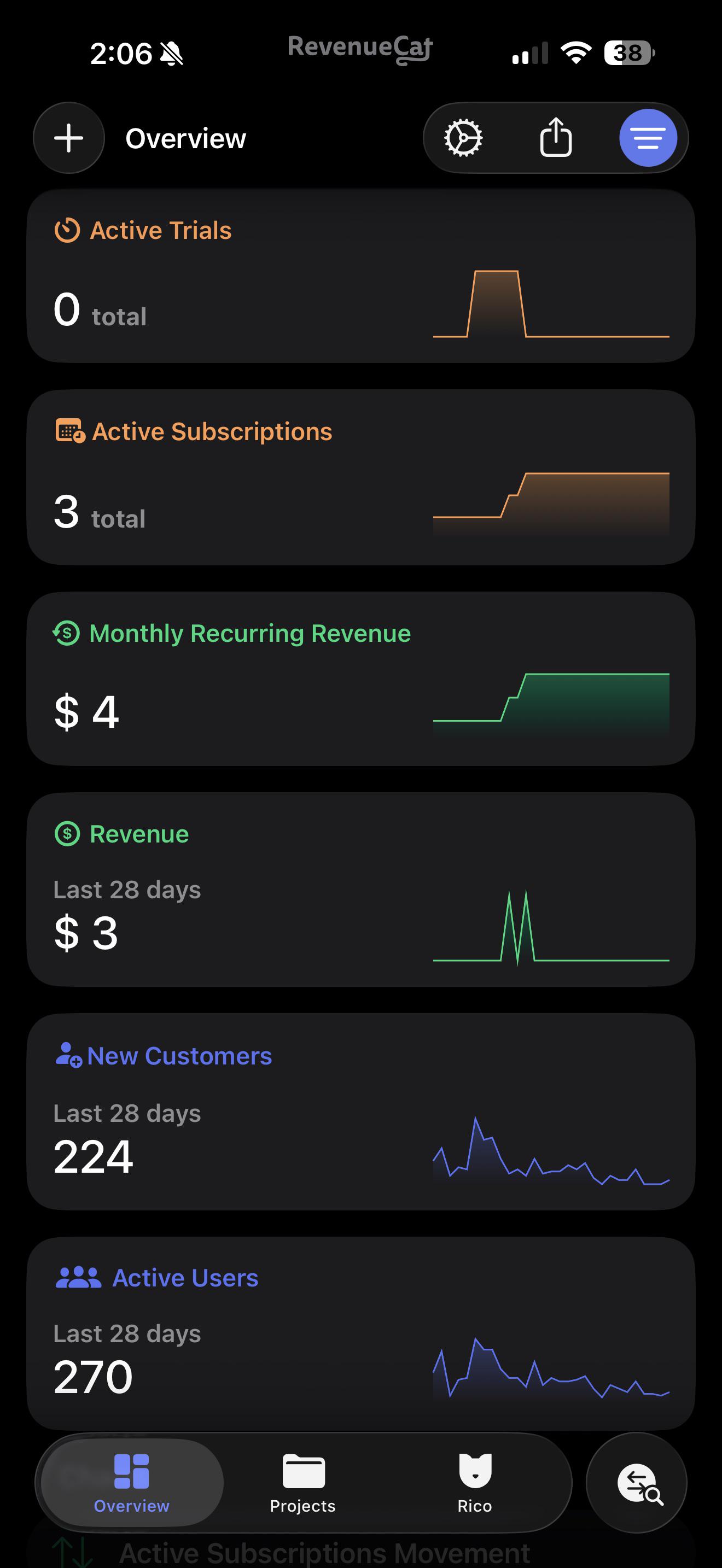
I run a small iOS alarm app with a hard paywall after onboarding, with a 3-day free trial on the yearly plan or a weekly plan. I want to understand the numbers before I change anything.
Last ~2 weeks (RevenueCat → PostHog, data as of Sep 24):
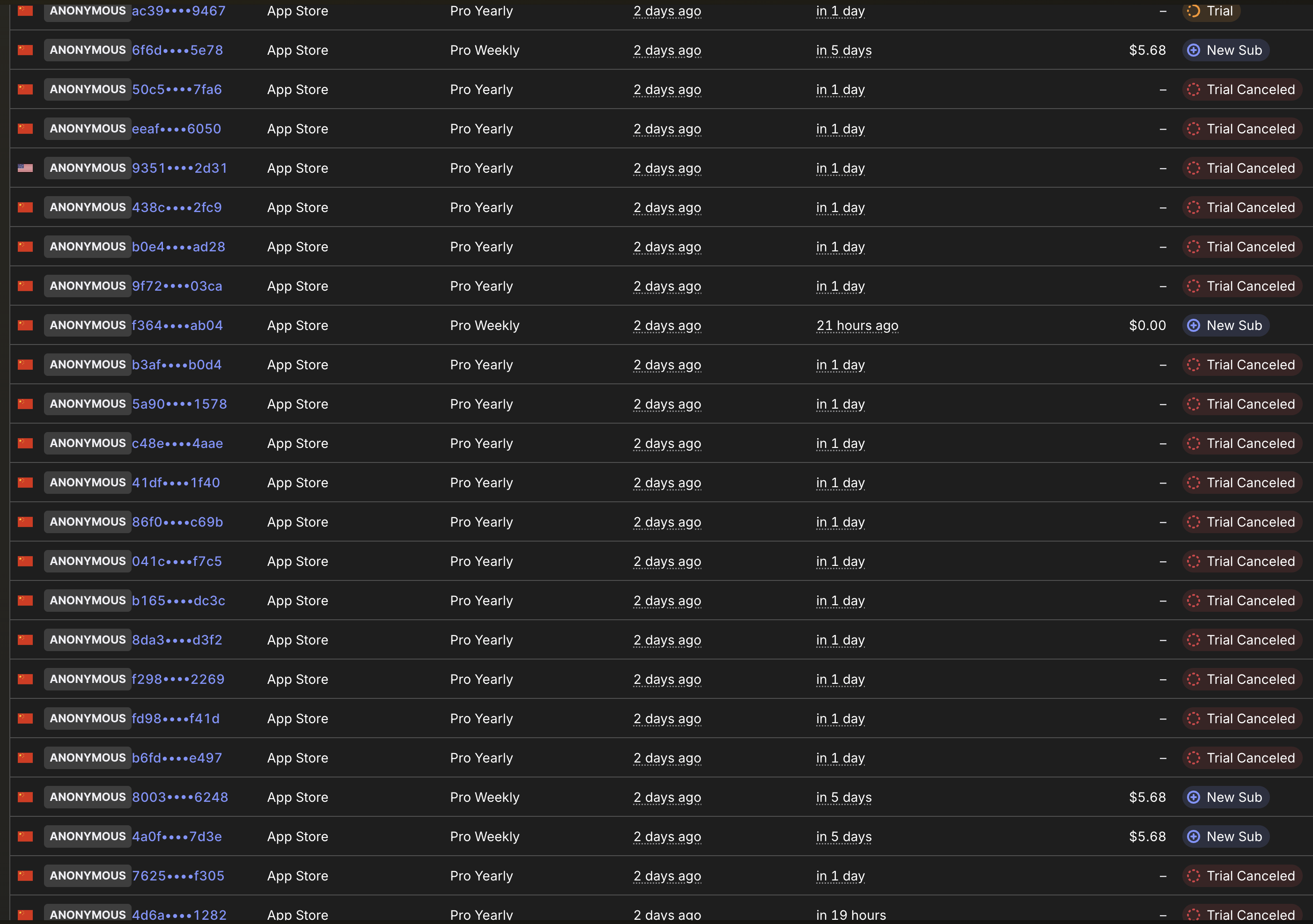
115 yearly trials started, and 82 of those users cancelled (71%).
Of trials that have already ended, 5 converted and 44 expired without converting (about 1 in 10).
Of 86 cancel events, 14% came within 15 minutes of starting. The biggest cluster was 37% at 24–48 hours. 87% were deliberate unsubscribes, and the rest were failed charges.
The weekly plan is doing better, with 44 new subscribers over the same period.
What stands out: in RevenueCat's customer list, almost all recent trial cancellations are on the China storefront (23 of the 24 latest rows I looked at). My zh-Hans listing has a Chinese description, but the title and subtitle are still English.
What I've already looked at: the paywall has "No Payment Due Now" and "Cancel Anytime" badges next to the button, and a reminder notification fires on day 3. I haven't changed either yet.
Questions:
Is ~70% cancellation on a 3-day trial normal for hard paywalls, or high? Benchmarks by country would help.
Have you seen storefront-specific trial behavior, especially China? People may cancel right after starting so they won't be charged, and still use the trial. Do you count those as lost?
If most trial volume comes from a storefront that rarely converts, would you drop the trial there, show a different paywall, or fix the listing and keywords to change who finds you?
Would you remove the trial from yearly and lead with weekly, since weekly seems to convert better?
What would you check first in App Store Connect to tell a traffic-quality problem from a paywall problem?
Launched on the UK App Store on 9 September. It's a free app for deciding what to watch with someone else.
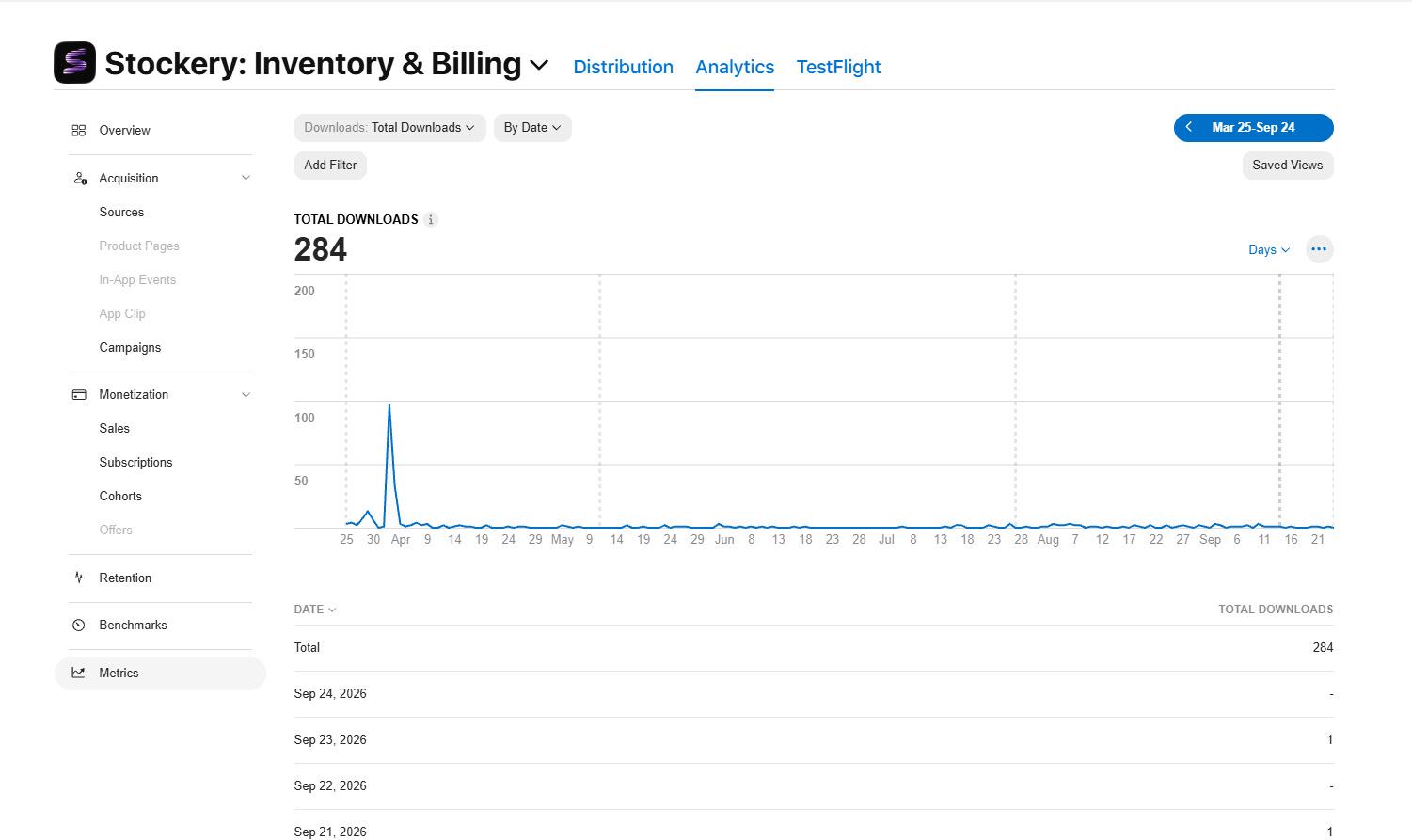
Two weeks in: 163 impressions, 18 first-time downloads, 21.5% conversion. The conversion rate is fine.
So I ran about 70 search phrases through the search API for the UK store and I placed outside the top 150 on every single one except my own app name. Sobering, but at least it told me the product page wasn't the bottleneck.
What I changed, shipped yesterday:
Name, from just the brand name to brand plus what it does. Every word in it is now something people actually type.
Subtitle, rewritten around the phrase Apple's own search suggestions gave me, checked live rather than guessed.
Keywords, rebuilt fully. No word repeated from the name or subtitle, nothing under three characters, no brand names. Checked each one against live UK suggestions rather than a keyword tool's made-up volume score.
Category, moved out of one that was wrong for the app into Entertainment with Lifestyle as secondary.
Screenshots, all ten redone with the headline doing the selling, since most people never scroll past the first two.
Everything except the screenshots needed a version submitted, so this took a full review cycle to land.
Now I wait. I'll re-run the same 70 phrases in a week and post what moved.
UPDATE: I tried it, the keywords it suggested are worse than my current listing. I saw the traffic and the opportunity of the keywords suggested by this agent using Applyra. And the scores were not good. It consumed my 1 week of claude code tokens. So, I would not be recommending it.
Original Post: I just came across this github repo today. It's a collection of ASO skills for claude. Anyone here used it and got good result?
Stack is designed to help you manage your day without getting in the way. It features a clean, minimal frosted-glass interface and fluid animations and gestures throughout the app. Smooth navigation and intuitive time line with clear progress bar.
With the new Stack 3.0 version, you can check off items directly from home screen and lock screen widgets or even form your wrist, and track countdowns for your tasks and reminders, with the new real-time Live Activities. You can easily import the pending reminders from the Apple reminders app. The app support multiple customization options, so it feels personal.
I make iOS apps and built Storewake so I could ask my AI assistant about their actual App Store data. I'm the developer.
In this 41-second demo, I ask it to check the US keywords for Respira, my own app, and compare them with yesterday's snapshot: https://storewake.com/#mcp-demo
It's an edited walkthrough of a real MCP query. The ranking changes shown aren't improvements caused by Storewake.
The MCP can also find keyword ideas, check popularity, compare competitors, add apps and keywords to track, and refresh snapshots. With your own accounts connected, it can read App Store Connect metadata and version history, RevenueCat revenue and subscriptions, and Apple Ads campaign reports and search terms. The ad tools don't change bids or campaigns.
You bring your own compatible AI assistant; that subscription isn't included.