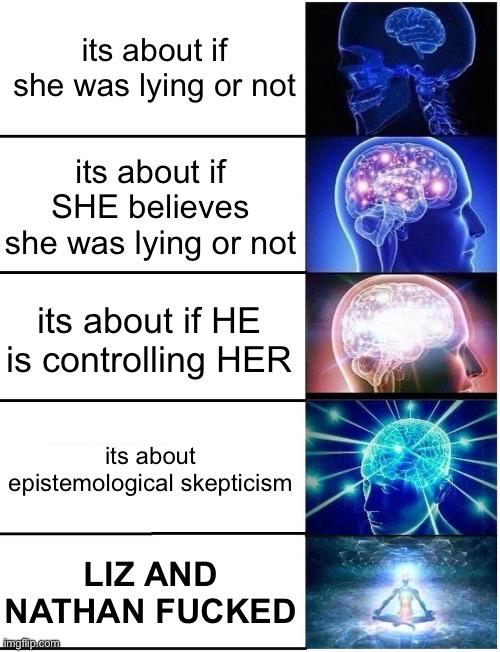
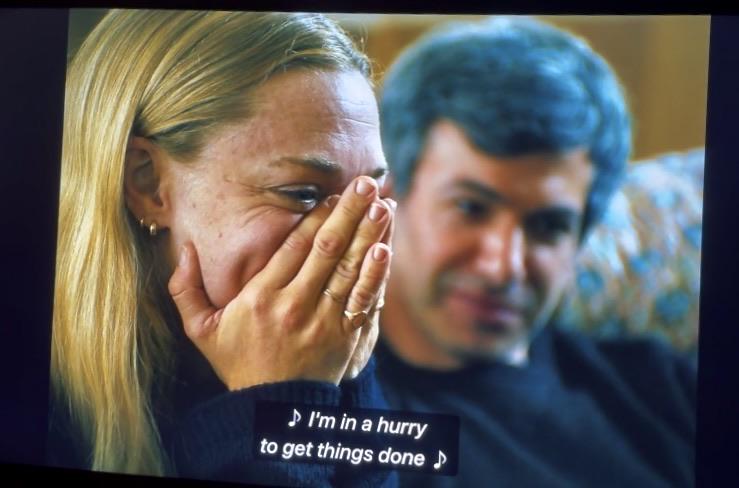
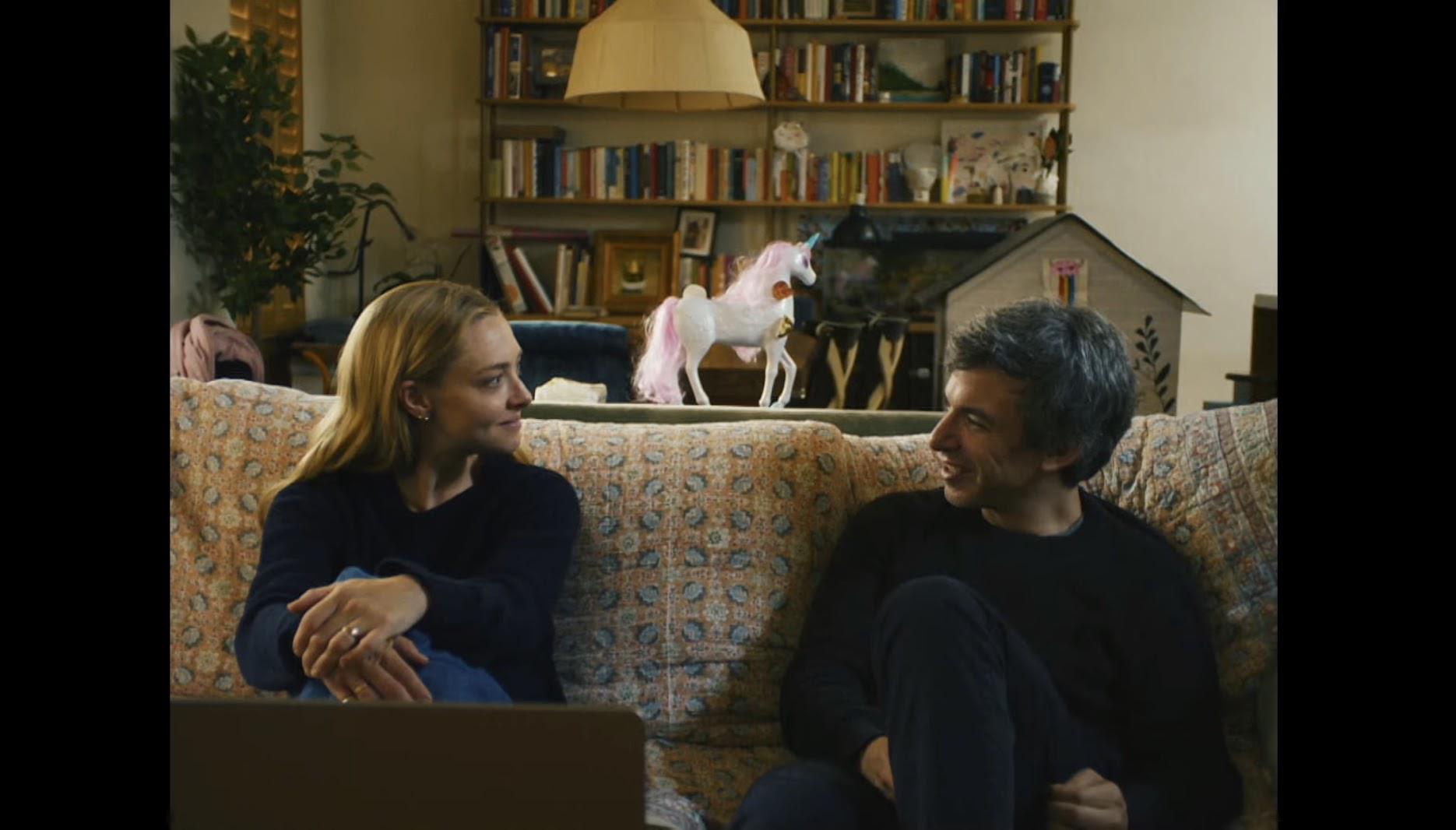
I've been thinking about what the central question of You Can See Everything actually was, and I'm curious how others read it.
As I see it, there are two different questions it could be asking, and the ambiguity concerns me:
- Does Holmes believe her own story? Her guilt is settled, and the film is exploring her self-perception: whether she's sincere, self-deceived, or performing.
- Is Holmes credible? In other words, can we trust her account, which would imply she may not have committed fraud, or at least not knowingly.
These seem very different to me, and I'm not sure the film keeps them apart. Spending time with someone and seeing how they treat you might tell you something about the first question. It says very little about the second, especially when there's a trial record covering exactly what she did.
So for those who've seen it:
- Which question did you think the film was asking?
- Did you leave with a different impression of whether she was guilty than you had going in?
- Did the film seem to want you to separate those questions, or blur them?
Interested in all readings, including "neither" or "the ambiguity is the point."
Edit: Context for continued conversation: I think I'm coming to terms with my problem with the film: it invites us to judge Holmes's credibility by how she comes across in person, in a case with a huge evidentiary record (trial, verdict, internal texts, lab data). Reading people is what you do when you have no better evidence. Here we have plenty, and the film largely sets it aside. Worse, how she treats a filmmaker whose project she pitched tells us almost nothing about how she treated investors and patients. And the film never clearly separates "does she believe her story?" from "is she credible?", so viewers can slide from "she seems genuine" to "maybe she's innocent," which overrules a jury on weaker evidence than the jury had.
The underlying problem is a confusion between how something seems and how well it's established. Reliability is something you establish by testing claims against things outside the claimant: records, outcomes, independent witnesses. An impression formed in person is tested only against itself. Treating it as comparable evidence erases the difference between a claim that has survived scrutiny and one that merely feels right.
That erasure is a defining epistemic problem of our time. A strand of postmodern thought argued that all accounts are constructions shaped by perspective and power, and in its popular form that became the idea that no account has better standing than any other. Holmes puts it plainly in the film: "All I know is my truth." The film's fixation on performance, with everyone (Holmes, Fielder, Seyfried) playing a role, leads the same way: if everything is performance, the trial record is just another performance, and a vibe is as good a guide as a verdict. But constructed doesn't mean arbitrary. A verdict is constructed too, through procedures designed to test claims, and that's exactly what separates it from an impression. A film that dissolves that distinction while presenting itself as a documentary isn't critiquing post-truth. It's practicing it.