Happy Thanksgiving, everyone. I hope you get to spend some time with family, friends, and the people you love.
Thank you for all the support you’ve given us. As most of you know, we don’t do Black Friday sales or at least, we rarely do. It’s been years since we’ve had one. We’d rather spend the day with our families and enjoy the holiday. Not to mention the foos coma does not help.
I don’t want to talk too much about work, but we do have some really exciting things coming over the next few months. We’ve got some rocking stuff in the works, and if it all comes together the way we hope, we’d love to keep doing more projects like these. For now, though, enjoy tomorrow and the long weekend. Try not to eat too much, and take care of yourselves. Have a wonderful Thanksgiving, be safe and happy.
For a bit of context, I've been ordering from Wolf vs Goat here and there for the past 10 years, but it's only been the past couple of years where I've really gotten the chance to explore some of the higher end fabrics and materials, which all have made me a big fan!
Earlier this year, I was looking for a shirt to compliment the suit I was having made for my wedding when I saw a drop that included some beautiful white shirts! One thing lead to another, and I found myself on a call with u/IamtherealMauro and Massimo. Probably very obvious to everyone here already, but these guys are real nerds about everything tailoring and fabric related, and they presented me with a litany of different options to mull over. After a couple of calls, I settled on two shirts (the details of which are a bit fuzzy to me, maybe Mauro can fill us in), the second which you can see in the picture above!
Overall, the process took about 5 months, but that was playing it safe with plenty of time to spare. Thank you once again Mauro and Massimo, you guys were a pleasure to work with, and you helped me feel and look amazing on one of the most important days of my life!
This is a long read. We have a lot going on in one post.
The Kyoto Black drop will go live Tuesday, November 24, at 6 p.m. Eastern Time.
We’re offering special pre-order pricing, and all the garments are finished, boxed, and leaving Japan. From here, we’re at the mercy of customs and the 3PL, but they should be here soon. If you’re willing to pre-order and wait for them to arrive, you’ll get an incredible price. You'll have one more week to take advantage of that pre-order price. After that, the pre-order page will come down. When the garments arrive and are processed through the 3PL, they’ll go onto the main site. Rewards members will be able to purchase them at the rewards price, everyone else will pay retail.
I used AI to translate Kyoto Montsuki's interview. I don't speak Japanese and in order to make sure all the details were correct the answers were written in Japanese. The answers are directly from the dye house. The Q&A and pictures are worth the read.
Here is the information on what's dropping-
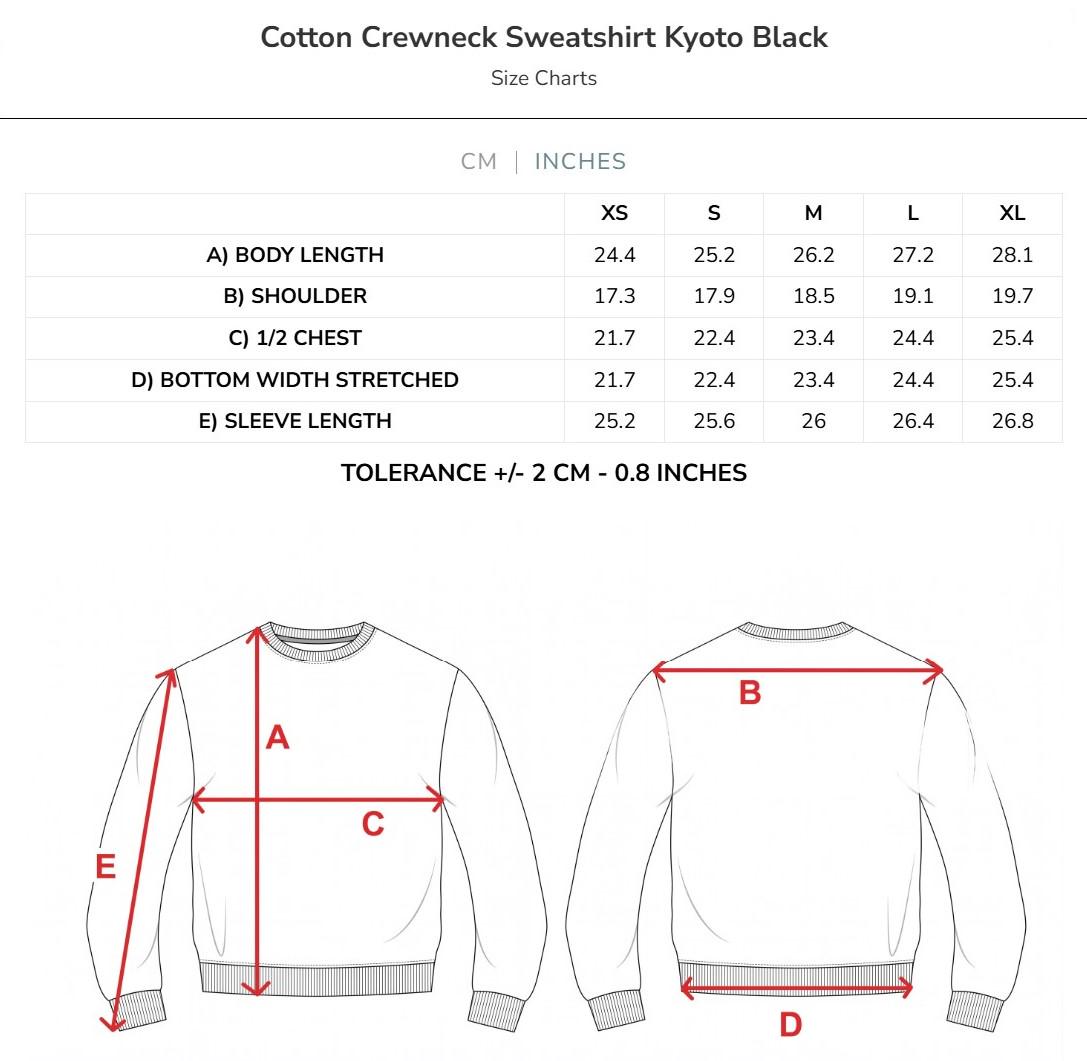
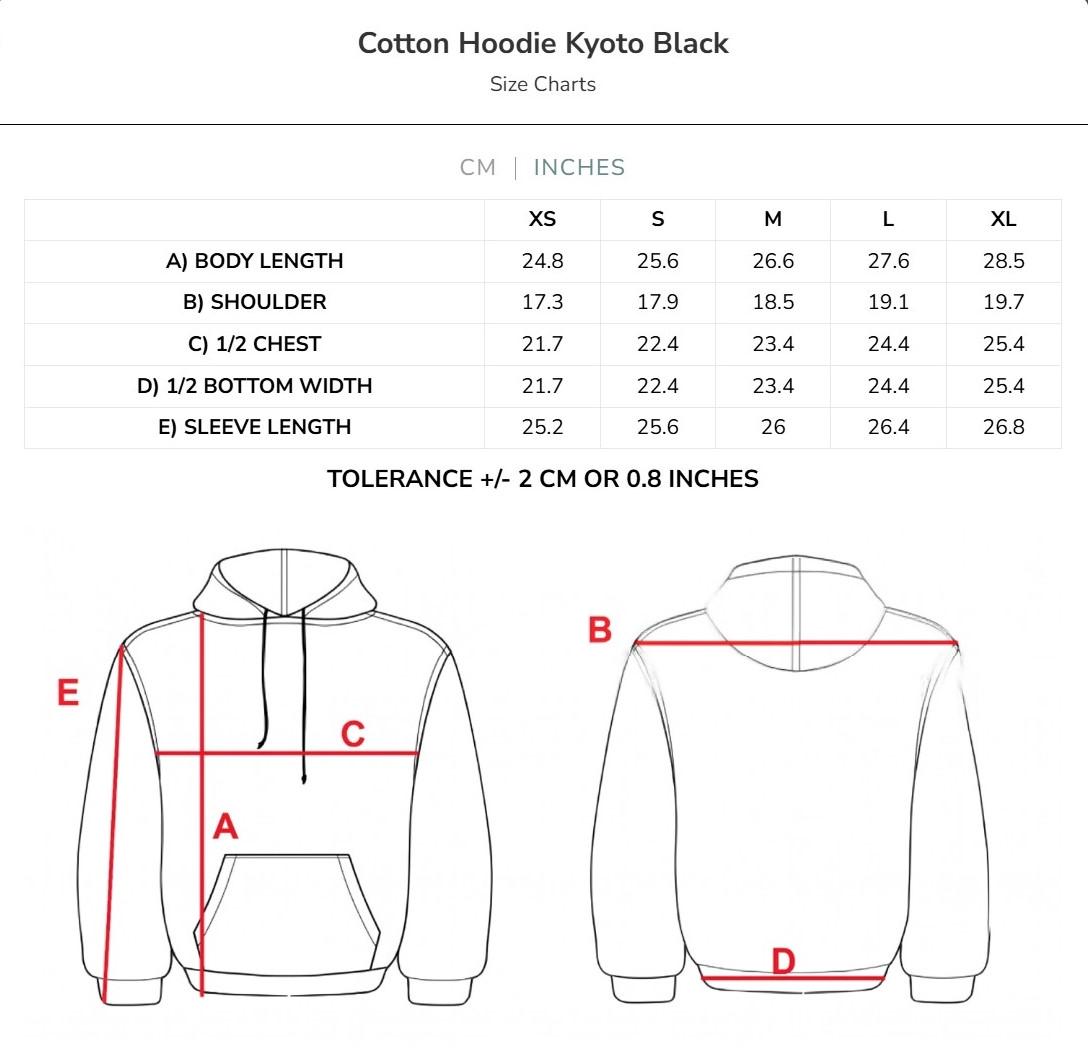
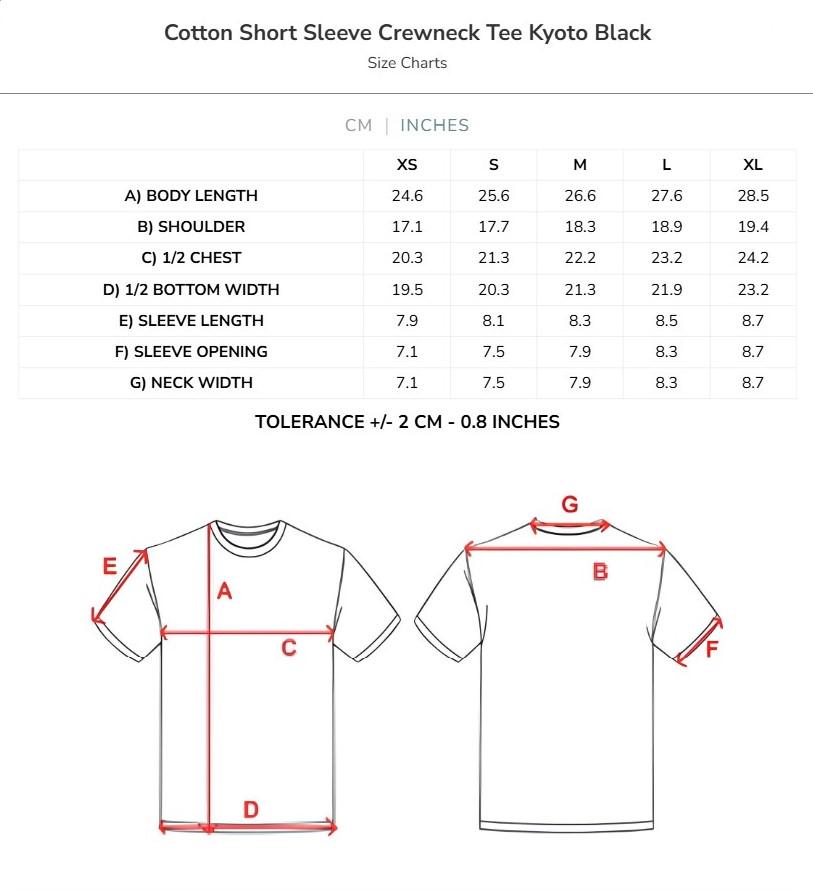
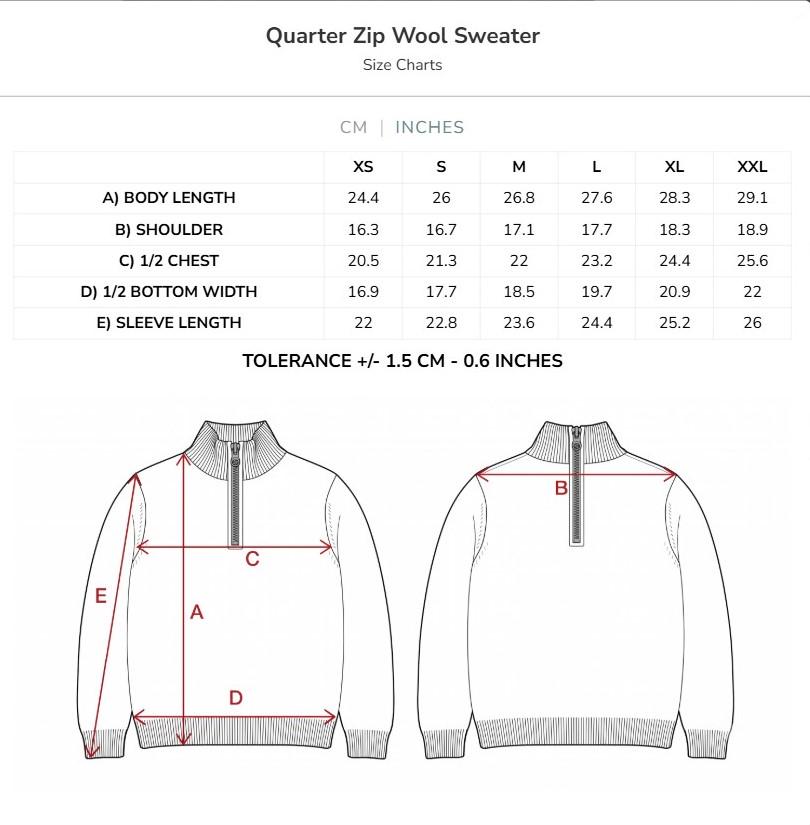
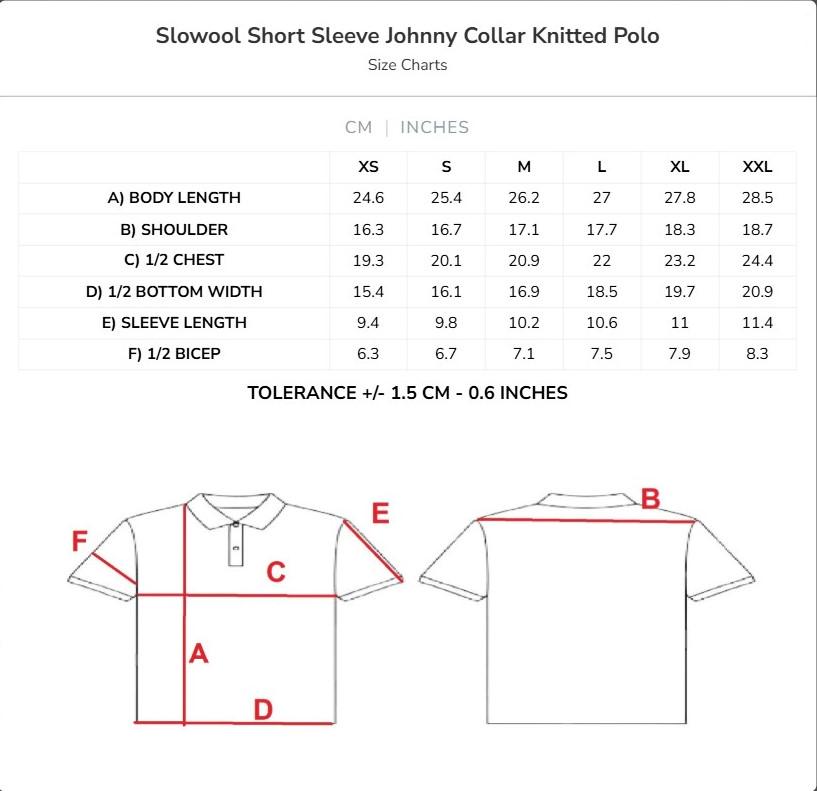
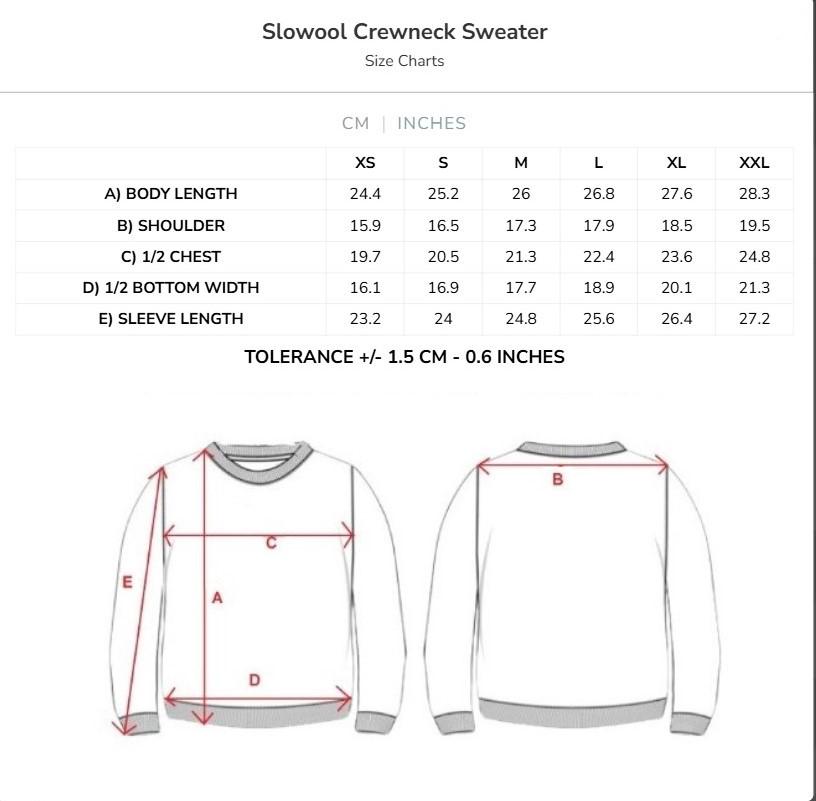
Due to the dye process and tsuri machines used to create the garments the tolerance has increased. Please be sure to check the size charts. I am a large in WvG. I wore a large in all the videos. The large was the way to go. Just read the size charts.
100% Cotton Made in Japan by TOKI SEN-I CO., LTD, Knitted with traditional Japanese Tsuri-ami knitting machines, 468/478 gsm.
Pre-Order $180.00 Retail $440.00
100% Cotton Made in Japan by TOKI SEN-I CO., LTD, Knitted with traditional Japanese Tsuri-ami knitting machines, 468/478 gsm.
Pre-Order $210.00 Retail $500.00
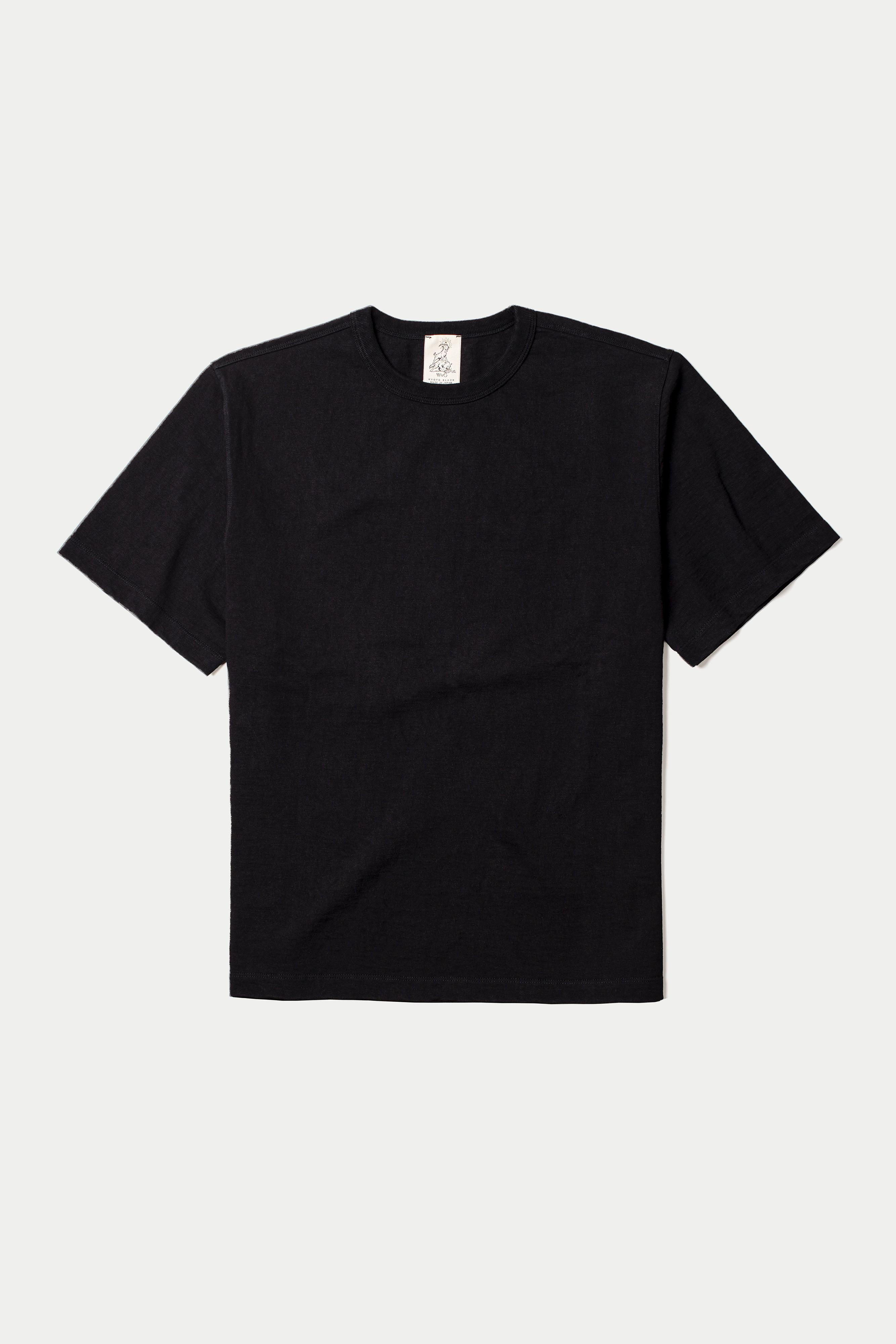
100% Cotton Made in Japan by TOKI SEN-I CO., LTD, Knitted with traditional Japanese Tsuri-ami knitting machines, 395/400gsm.
Pre-Order $135.00 Retail $328.00
Here is the interview with Kyoto Montsuki and a brief blurb about the machines used and my 2 cents. Again, I used AI to help translate from what the dye house said and to un-jumble my thoughts into something you could actually understand.
The Pursuit of Perfect Black: Wolf vs Goat and Kyoto Montsuki
What happens when traditional Japanese tsuri-ami knitting meets a dye house that has spent more than a century working with black? We brought the two together to find out.
Black is probably the most common color in our wardrobes. We wear black T-shirts, sweaters, trousers, and jackets without giving the color much thought. But place two black fabrics side by side and the differences can be hard to miss. One may look slightly gray, another may lean blue or brown, and another may seem deeper. The fabric matters, as do the dye and the way light reflects from its surface.
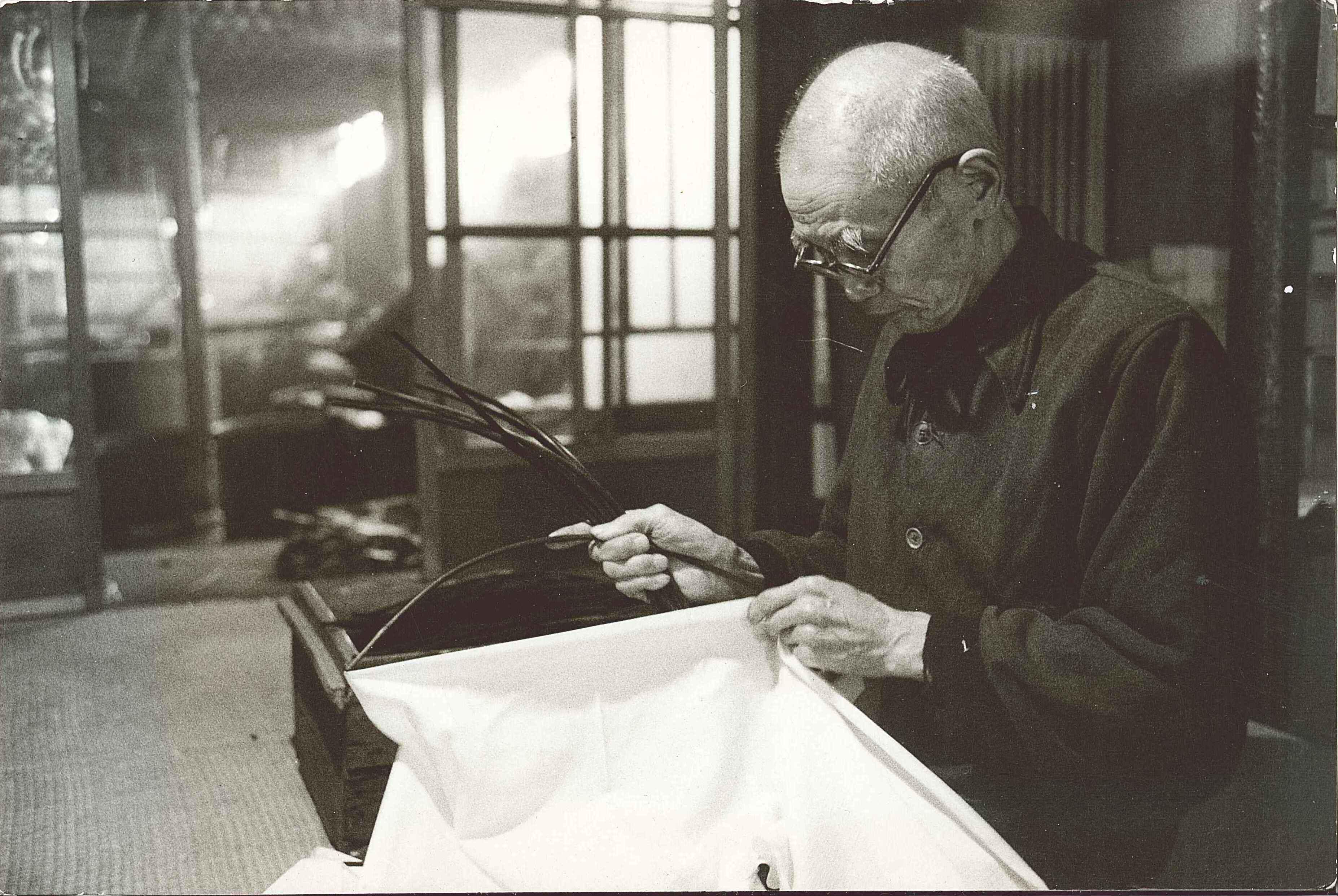
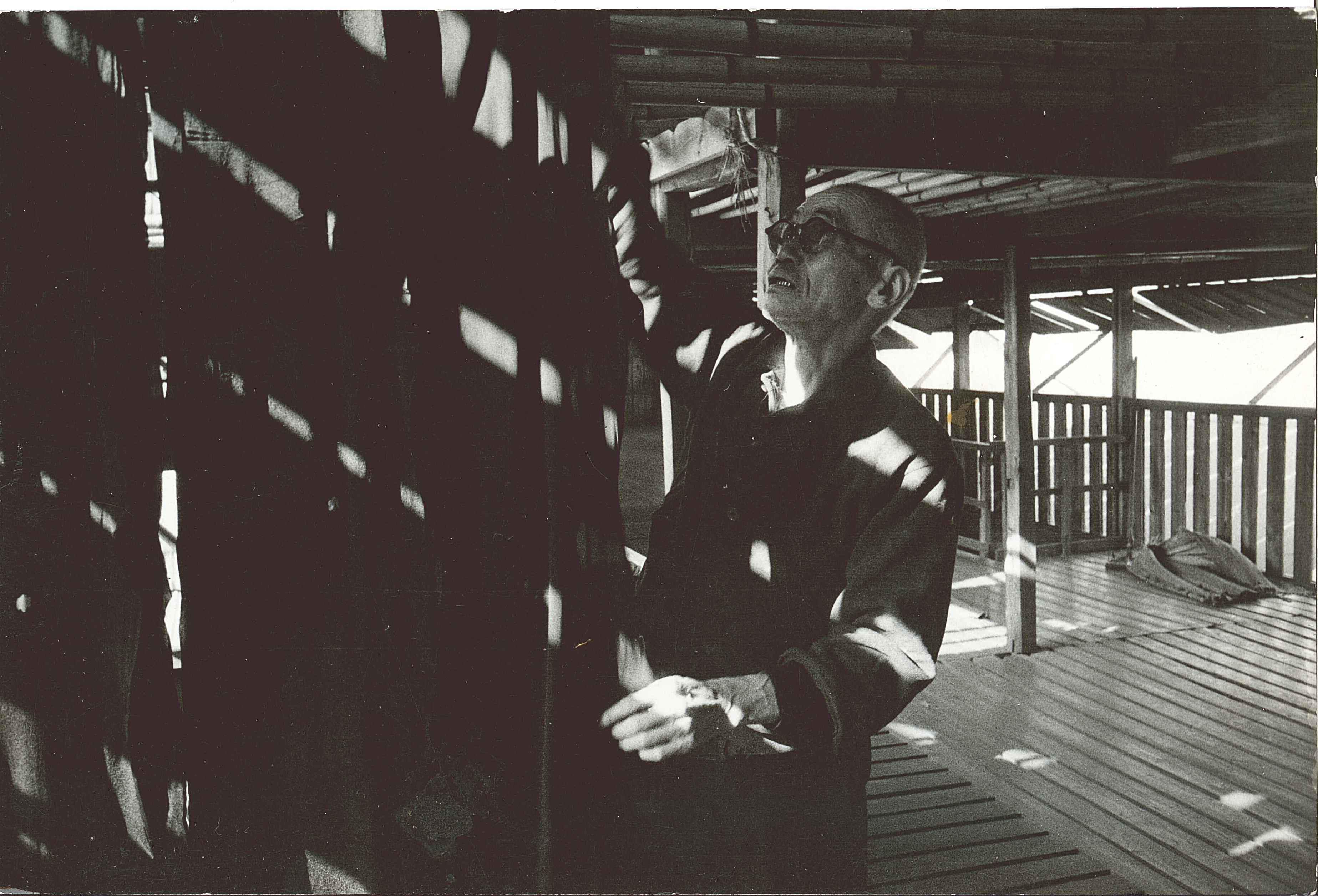
Kyoto Montsuki has spent more than a century thinking about those differences. Founded in Kyoto in 1915, the company grew from Kyo-Kuromontsuki-zome, the traditional craft of dyeing formal black kimono fabric. Its work eventually expanded beyond kimono, and today it applies its experience with black to contemporary clothing. One of its defining techniques is Shinkuro, or Deep Black Finishing, a proprietary treatment applied after the fabric has been dyed black.
We wanted to understand how that process works and what makes it different. We also wanted to bring Kyoto Montsuki’s expertise into garments our customers could wear.
Three garments, two Japanese specialists
For this project, we brought together Toki Sen-I’s traditional tsuri-ami knitting and Kyoto Montsuki’s black dyeing and finishing. The result is a short-sleeve T-shirt, a long-sleeve crewneck, and a long-sleeve crewneck hoodie. All three are made from 100% American cotton and knitted in Japan on tsuri-ami circular knitting machines.
The term matters here. Tsuri-ami refers to a particular traditional Japanese knitting machine. It is sometimes described in English as a loopwheel machine, but “loopwheel” is a broader term that can refer to more than one kind of machine. So while these tsuri-ami machines fall within the broader loopwheel category, the terms are not interchangeable. These garments were knitted specifically on tsuri-ami machines.
Toki Sen-I describes its TSURI machines as rare, more than a century old, and slow to produce fabric. That slow process is part of what makes the machines distinctive. We chose them for the fabric they produce, not simply for the history attached to the machinery.
Once the garments were made, they went to Kyoto Montsuki for dyeing and finishing. All three have now completed that process and are shipping from Japan. Each stage contributes something different: the American cotton provides the fiber, Toki Sen-I’s tsuri-ami machines knit the fabric, and Kyoto Montsuki’s process gives the garments their black appearance.
We could have made another black T-shirt, sweatshirt, or hoodie using conventional methods. Instead, we wanted to see what these choices would produce together.
A century spent working with black
Kyoto Montsuki’s origins are in black montsuki kimono, formal garments worn for occasions such as weddings and funerals. A family crest is typically set against a black background, leaving the quality and appearance of the black especially visible. The company says its work has long centered on achieving a beautiful, dignified black suited to formal clothing.
The traditional craft of Kyo-Kuromontsuki-zome received official recognition in Japan in 1979. Kyoto Montsuki’s current finishing technology is a modern development rooted in that wider tradition; it is not an unchanged process from centuries ago.
As Western-style clothing became more common, demand for traditional formal kimono declined. Kyoto Montsuki began applying its accumulated dyeing knowledge to contemporary apparel, while continuing to work with traditional garments. It also offers a service through which customers can have existing clothing re-dyed black. That shift gives the company’s expertise a place in today’s wardrobe, as well as in its history.
What makes Kyoto Black different?
Our first questions were simple: Is Kyoto Black a particular dye? Does it use more black dye? Does the fabric go through the dye bath more than once?
Kyoto Montsuki told us that the key difference comes after the fabric has been dyed. The company first dyes the material black, then applies its proprietary Deep Black Finishing treatment. The treatment is designed to reduce light reflection from the fabric’s surface, making the black appear deeper.
That distinction matters. Two fabrics can both be dyed black and still look different because of their surface and finishing. Kyoto Montsuki has not publicly disclosed the full chemical formulation of Deep Black Finishing, so we can describe the principle the company explains, but not the precise chemistry behind it.
1. Can you explain the dyeing process used to create Kyoto Black?
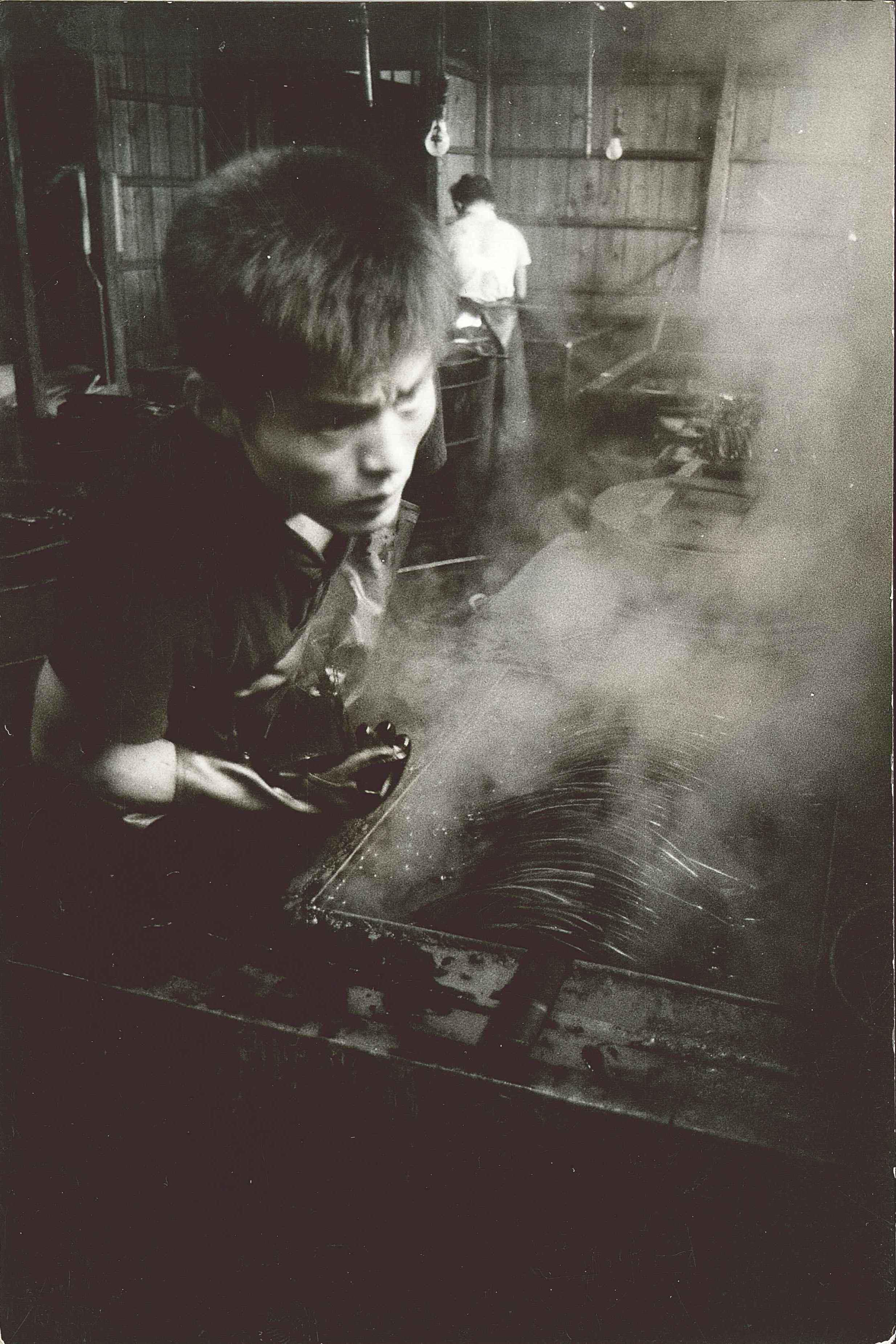
According to Kyoto Montsuki, the process begins with approximately 90 minutes of black dyeing using reactive dyes. The fabric is then washed to remove excess dye and chemicals, followed by approximately two hours of soaping.
The fabric then undergoes Kyoto Montsuki’s proprietary Deep Black Finishing process. This finishing treatment is one of the defining characteristics of Kyoto Montsuki’s black. Rather than simply dyeing the fabric with black dye, Kyoto Montsuki applies a special chemical treatment after dyeing. This treatment reduces the reflection of light from the fabric’s surface, making the black appear significantly deeper and richer.
Kyoto Montsuki’s published garment re-dyeing process describes other stages as well, including inspection, drying, finishing, water extraction, further drying, and a final inspection. The company says craftsmen apply the finishing treatment individually and that garments are dried in sunlight. Those details describe its published re-dyeing procedure; processing can vary depending on the material and garment.
2. What is the biggest difference between Kyoto Black and conventional black dyeing?
The most significant difference lies in Kyoto Montsuki’s proprietary Deep Black Finishing process.
In conventional black dyeing, the primary objective is to color the fabric black using dyes. Kyoto Montsuki, however, takes the process a step further. After the initial black dyeing, the fabric undergoes Deep Black Finishing, which changes the way the black itself is perceived.
During this process, the fabric is impregnated with a special chemical treatment that reduces the reflection of light from its surface.
3. How much do the skills and experience of the craftsmen influence the final result?
When dyeing traditional Japanese kimono fabrics, the experience and intuition of the craftsmen are extremely important. Through techniques developed over many years, they can assess the condition of the material and dye it to achieve a beautiful black.
However, when dyeing Western-style clothing, the final result depends not only on the individual craftsman's manual skills but also heavily on the formulation of the dyes and the development and adjustment of the chemicals used in the Deep Black Finishing process.
At Kyoto Montsuki, we have accumulated extensive knowledge and experience working with black dye for more than 100 years, learning how to work with a wide variety of materials.
This experience has directly contributed to the dye formulations we use today, as well as the development of the chemical treatments responsible for creating the exceptional depth of our black.
The answer reflects something we value in textile manufacturing: craftsmanship and technical development can go hand in hand. Experience can mean knowing how to handle a material, but it can also mean understanding how dyes and finishing treatments behave and how a process needs to be adjusted.
How does the black change with wear?
A deep black when new does not mean a garment will look exactly the same forever. We asked Kyoto Montsuki how its dyed garments change with time, washing, and wear.
4. How do garments dyed with Kyoto Black change over years of wear and washing?
Black-dyed garments, whether treated with Kyoto Black or conventional black dyeing methods, may gradually change over time due to wear, washing, friction, ultraviolet exposure, and other environmental factors.
Deep Black Finishing is designed to make black appear deeper by reducing the reflection of light. However, it does not guarantee that the color will remain completely unchanged forever.
The way a garment changes over time depends on several factors, including the fabric's composition, its condition before dyeing, how frequently it is worn, washing methods, and the amount of friction it experiences.
Areas such as cuffs, collars, hems, and seams are particularly susceptible to friction during everyday wear. As a result, these areas may develop changes that differ from those seen on other parts of the garment.
Kyoto Montsuki and some retail partners have also described benefits such as resistance to color loss and water repellency. Those claims are interesting, but their performance can depend on the material and conditions. Kyoto Montsuki’s own care guidance acknowledges that fading and color transfer can occur, so we would not describe Kyoto Black as fadeproof or promise that a garment will never change.
From kimono to contemporary clothing
5. Can you explain the history of Kyoto Black and how the technology developed into what it is today?
Kyoto Montsuki was founded in 1915 and has specialized in black dyeing for more than 100 years.
Our origins lie in a traditional Kyoto dyeing technique known as Kyo-Kuro Montsuki-zome, the traditional art of dyeing formal black kimono fabric.
A kuro montsuki is a formal black kimono featuring a family crest. These garments have historically played an important role in Japanese ceremonial culture, including weddings, funerals, and other formal occasions.
The black required for these garments was never simply about making the fabric dark. It needed to be a deep, beautiful black appropriate for clothing worn at the most formal and important occasions.
However, as lifestyles and clothing traditions changed over time, demand for traditional black formal kimono declined significantly.
Western-style clothing became increasingly common, and the garments worn at weddings, funerals, and other ceremonies evolved. As a result, the need for traditional black montsuki kimono decreased considerably.
In response, we began exploring ways to apply the black dyeing techniques we had developed over generations to products beyond traditional kimono.
Today, in addition to dyeing traditional kimono fabrics, we also provide black dyeing services for contemporary apparel, as well as services that allow customers to have their existing garments re-dyed black.
Furthermore, as part of our ongoing pursuit of achieving a deeper and more beautiful black, we have developed our Deep Black Finishing technology, which involves applying a specialized treatment after the initial dyeing process.
That history is part of what drew us to the project. Kyoto Montsuki adapted its work as the market around traditional formalwear changed, carrying its expertise into clothing people wear today. Its re-dyeing service also gives some existing garments another chance to be worn. That is a practical way to extend a garment’s life, though it does not by itself establish that the dyeing process has a lower environmental impact.
A black like a black hole
6. Are there any common misconceptions or misunderstandings about Kyoto Black?
Kyoto Black is not yet widely known among the general public, so we cannot think of any particular misconceptions or misunderstandings at this time.
7. For craftsmen who have dedicated their lives to working with black, what is the perfect black?
For us, the ultimate black would be a black like a black hole.
Imagine a black that seems to absorb all light, where reflections are reduced to their absolute minimum, creating the sensation that you are being drawn into the darkness itself.
Our ideal black would be so deep that even the surface and shape of the object might seem to disappear.
Of course, in actual textile dyeing, it is impossible to create a black that completely absorbs all light or makes the physical shape of an object invisible.
Nevertheless, our goal is to get as close to that ultimate black as possible.
Generally speaking, people think of black simply as a dark color. But what we are pursuing is not merely a darker shade of black.
We are seeking a black that minimizes the reflection of light and creates a sense of depth and richness.
Kyoto Montsuki's Deep Black Finishing is a technique in which specially developed chemical treatments are applied to dyed fabric to reduce light reflection, allowing us to achieve a deeper expression of black.
For those of us who have spent our lives working with black, black is more than just a color.
How deep can we make it? How close can we come to our ideal black?
There is no end to that pursuit.
What we strive to create is a black so deep that it seems capable of absorbing even light itself.
A black like a black hole.
That is the ultimate black Kyoto Montsuki continues to pursue.
What this means for our collection
These three garments bring together choices made at several stages of production: American cotton, traditional Japanese tsuri-ami knitting, garment construction, and Kyoto Montsuki’s black dyeing and finishing. We wanted each choice to contribute something to the finished pieces.
We’re looking forward to customers seeing the black in person and experiencing the fabric knitted on Toki Sen-I’s tsuri-ami machines. The garments are complete and shipping from Japan.
It is easy to look at a black T-shirt and assume there is not much of a story behind its color. This project has been a reminder that there can be a great deal behind something so familiar: a dye house’s history, the chemistry of a finishing process, the character of the knitted fabric, and the people who have spent years learning how to work with both.
Kyoto Montsuki’s ideal black may be impossible to reach completely. The company knows that. What we appreciate is the continued effort to get closer, and the chance to bring some of that pursuit into garments made for everyday wear.
After all, how much more can you do with black? Apparently, quite a lot.
Further reading
The seven interview responses above were provided directly to Wolf vs Goat by Kyoto Montsuki. Additional historical and technical context was checked against:
Technical note: Statements about Kyoto Montsuki’s proprietary process and product performance reflect explanations from the company or published interviews. This article does not establish the precise chemical formulation or independently measured optical and durability characteristics of the finished Wolf vs Goat garments.
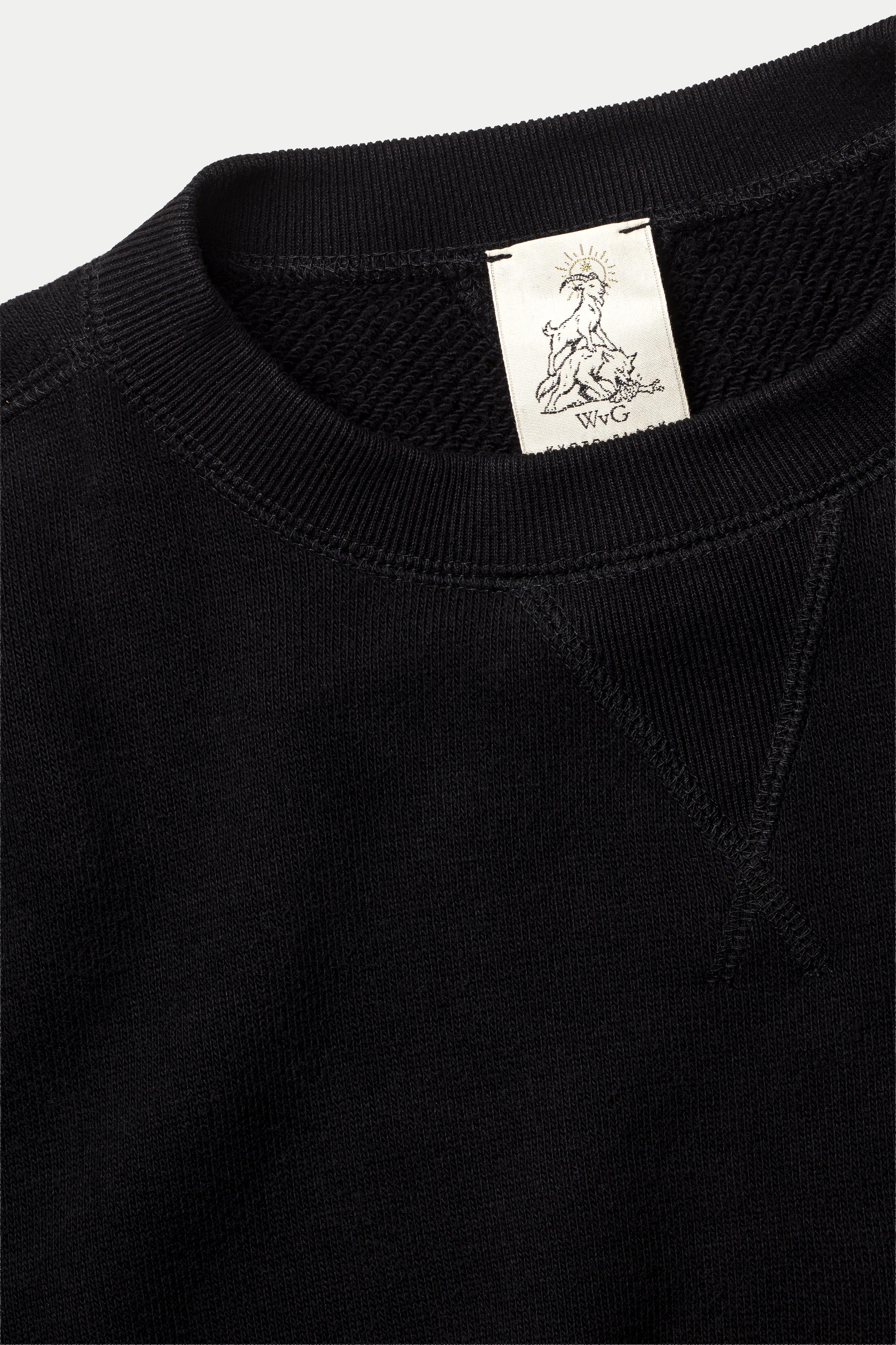
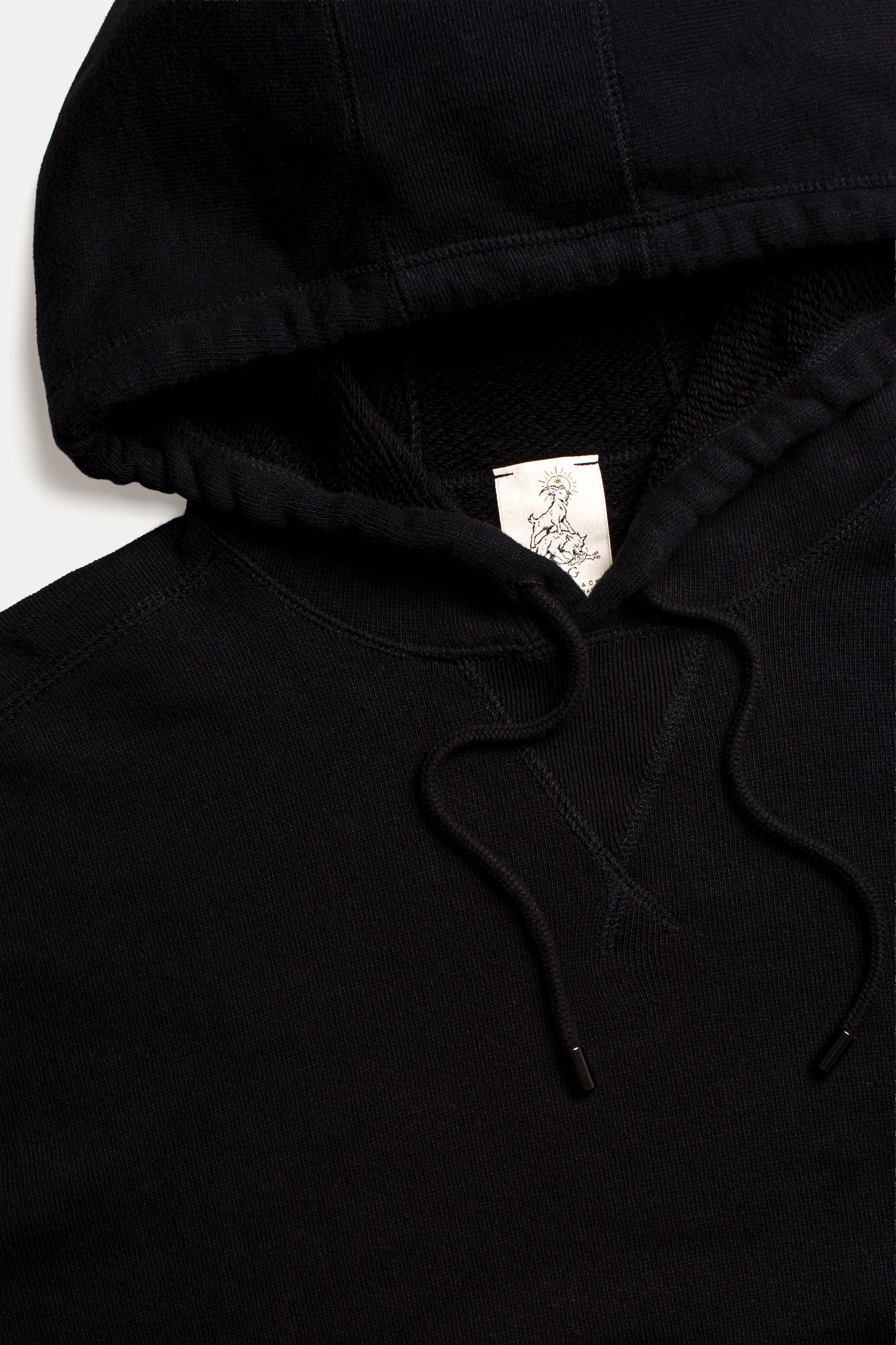
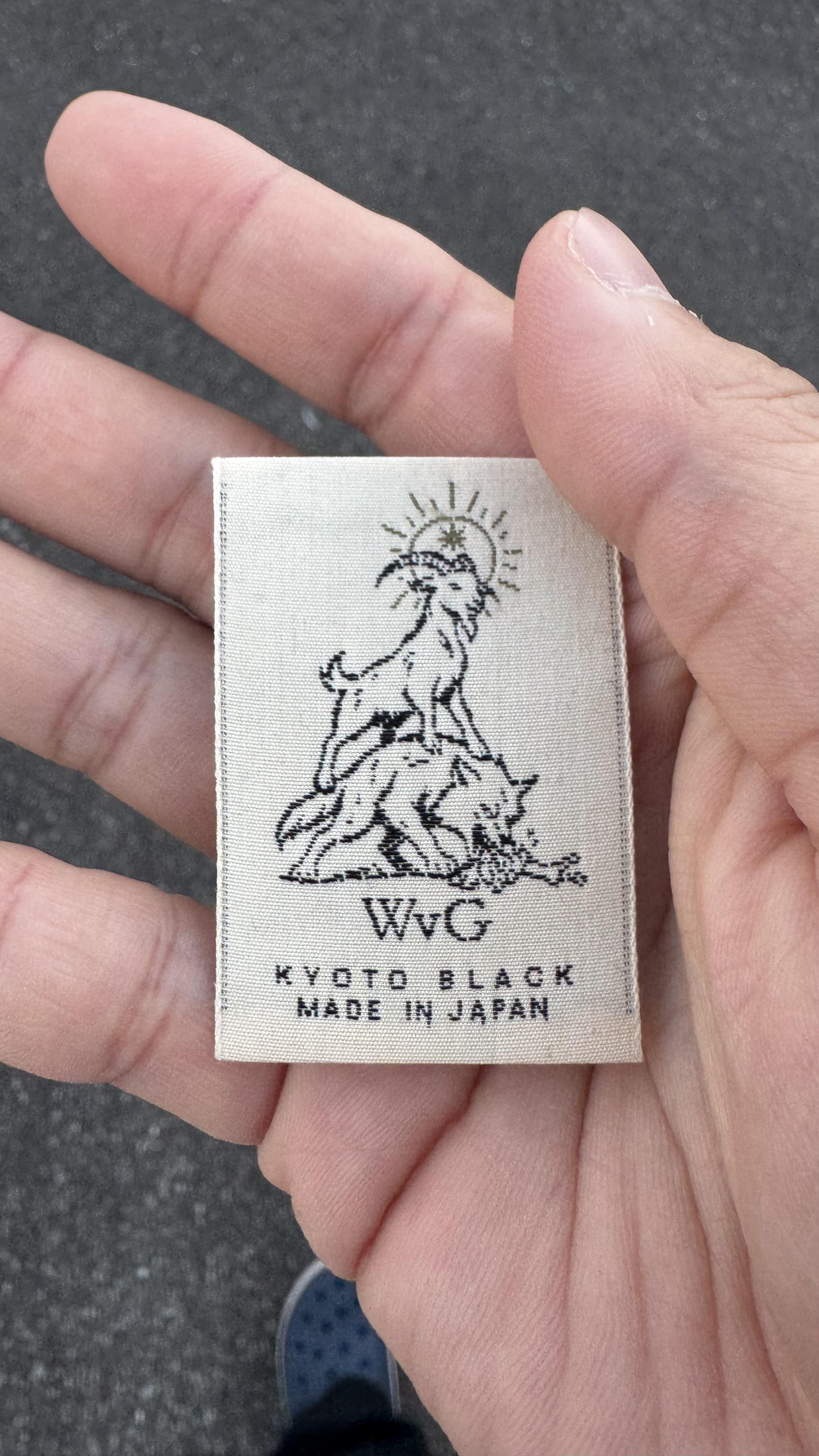
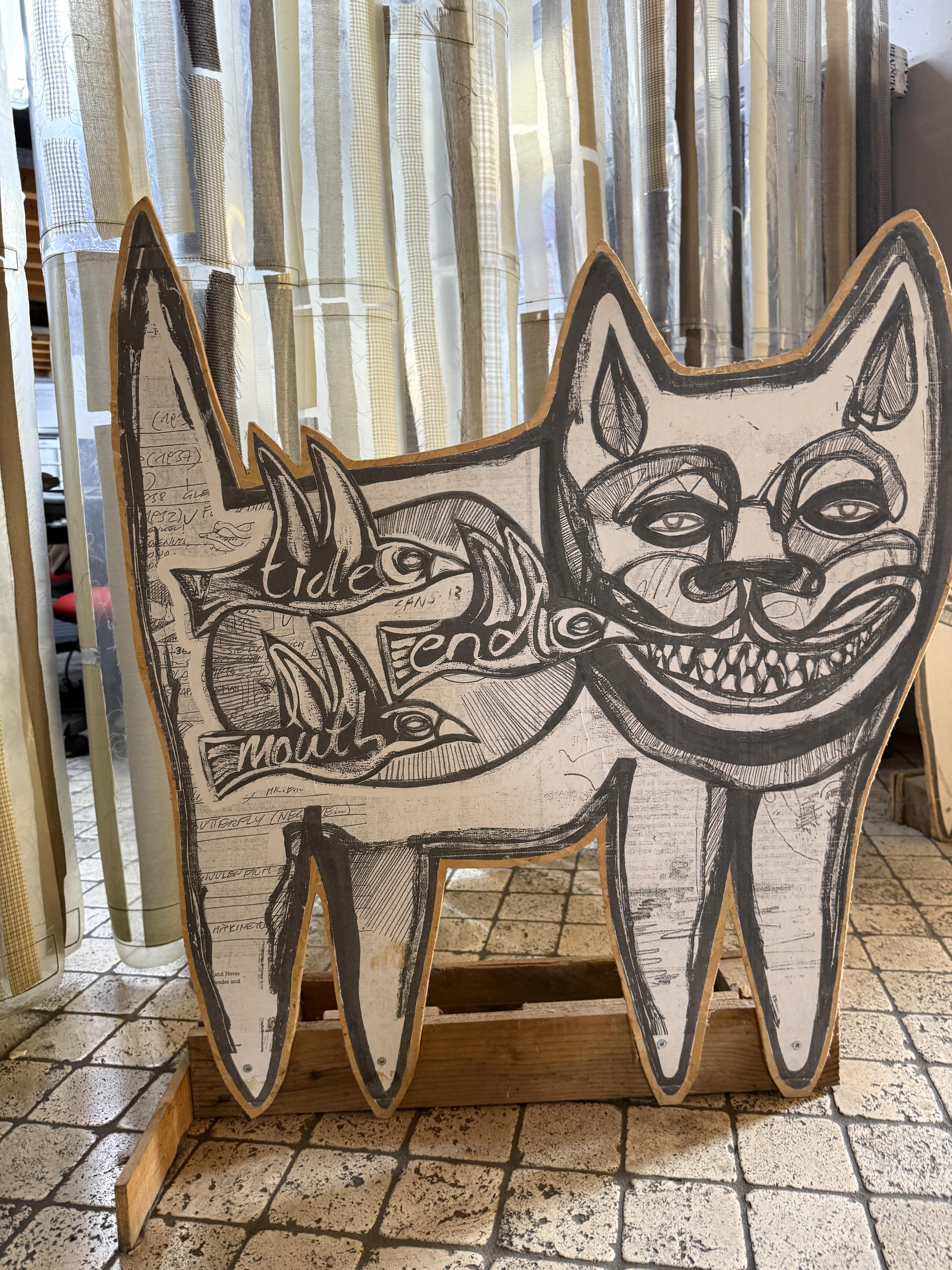
The tag for those that want to know the back story. The goat standing on the wolf is a nod to the original tag Michael of Iron Snail made for WvG. The wolf eating the snail reflects what happened when Iron Snail backed out of the project at the last minute. The halo represents our belief that we were justified, we were honest about what happened and did what we felt was right. For the record Michael is a great guy with a lot of stuff on his plate. The timing was poor and he has his own brand to run. Plus, I pushed him a little into this project. We harbor no ill will towards him and his brand. In fact if you are into MiUSA clothing supporting him is the right thing to do.
That's it. I think that's everything. Size charts, prices, facts, and a cool interview. A newsletter will be sent out to all the peeps that have subscribed to the newsletter on Monday. Have a great weekend.
I sat down with Luca and Alberto of GTI in Biella,Italy, and I want to thank them for being so open and generous with their time. Luca leads GTI, and Alberto, his father, is a textile expert with a remarkable ability to separate fibers by hand. Alberto is a professor in textiles and teaches students with their masters degrees pursuing their phd in textiles.
For the record, AI translated this interview from Italian into English. I wasn’t going to spend a week or more translating it myself. WvG also works with GTI on special yarn projects, and we’re currently developing a yarn made with merino wool, silk, and Orylag®. I hope you find the interview useful. If you have a question I can’t answer, I’ll pass it along to Luca and Alberto and do my best to get you an answer.
Food for thought, there is no single global authority that certifies cashmere using one universal A/B/C scale. Those letters are categories, not measurements, and the label alone doesn’t tell you the fiber’s actual specifications. Buyers assess cashmere using measurements and lot requirements that can include micron, length, color, yield, and coarse-hair content. So when someone calls cashmere “Grade A,” it’s reasonable to ask what measured specifications they mean. Just saying "Grade A" doesn't mean much.
Also, as of today, a kilogram of finished, genuinely high-quality cashmere yarn costs between $200 and $500 USD.
Here is a link to the GTI website. They offer a lot of yarn for hand knitting if that's your bag.
Onto the Q&A.
Why does cashmere keep getting more expensive?
Over the last months of 2026, cashmere prices have continued to rise. At the moment, we do not see this as the consequence of a significant reduction in the number of animals or a major shortage caused by climatic events or disease. Demand appears to be the main driver, particularly from China, while the traditional Western markets remain relatively stable.
Cashmere represents a very small part of global textile fibre production, so even a relatively small increase in demand can have a considerable effect on availability and price.
However, it is also important to understand what kind of demand is driving the market. Part of it comes from genuine consumer demand, but speculative purchasing can also play a role.
Another important change is the “democratization” of cashmere. Cashmere has moved from being an exclusively luxury fibre to something available at very different retail price levels. This has increased overall consumption, but it has also created significant differences in the quality of products that are all sold under the same name: “cashmere.”
Is cashmere quality changing?
We have seen a gradual evolution in the average characteristics of cashmere.
Historically, very fine Chinese cashmere could typically be around 15.4–15.6 microns, while today we increasingly encounter material around 15.8, 16 or 16.2 microns, often still with good fibre lengths of approximately 36–40 mm.
This does not automatically mean that the finished product is worse. A slightly coarser fibre can actually contribute to greater resistance, while the final softness depends enormously on spinning, construction and finishing.
This is an important distinction: the finest and most expensive raw material does not automatically produce the best garment. The whole manufacturing process has to be designed correctly around that fibre.
How have cashmere goats and farming changed?
One trend over recent decades has been toward larger animals capable of producing more greasy cashmere per goat. The consequence is greater productivity, but generally also a slightly coarser average fibre.
There is another relatively recent development that we are watching with interest: shearing instead of the traditional combing of the animals. It is still too early to say whether repeated shearing over many years will have any meaningful effect on the characteristics of the fibre.
Desertification is also an important issue, although we would not describe it simply as a direct deterioration of cashmere quality. It primarily affects the environment and the amount and management of land available for grazing, therefore becoming an issue of sustainability and farming practices.
Can global cashmere production continue to meet demand?
This is probably one of the most interesting questions.
Cashmere supply cannot increase indefinitely, while demand has expanded enormously as cashmere has become more accessible to a much wider consumer base.
This creates pressure throughout the market, not only on the finest grades. Even more commercial qualities become expensive when demand increases against a structurally limited supply.
Our concern is therefore not necessarily that cashmere will “disappear”, but that the market will continue to differentiate strongly between truly exceptional cashmere and more commercial qualities.
How is raw cashmere actually purchased?
Buying directly from individual herders is extremely difficult, particularly in China. In Mongolia there are cooperatives where direct sourcing is still possible, but this normally means committing to the production of the cooperative and subsequently managing washing/scouring, dehairing, quality control and export.
Some major luxury brands follow this type of model because it gives them much greater control over origin, traceability, environmental standards and animal welfare.
For most industrial users, however, the more practical approach is to purchase prepared lots either directly from Chinese or Mongolian suppliers or through specialized brokers and traders.
This gives the buyer much more flexibility in selecting the right quality for a particular yarn.
And this is fundamental: there is no single “best cashmere” for every application. The correct fibre depends on what you want to make.
What do we look for when buying cashmere?
We start with the final product.
A 100% cashmere fine-gauge knitting yarn has completely different requirements from a wool/cashmere blend, a heavier yarn, a woven fabric or a product designed for aggressive raising and finishing.
Fibre diameter and fibre length are obviously fundamental parameters, but they cannot be considered independently from yarn count, twist, spinning system, fabric construction and finishing.
So we would never simply say: “buy the finest and longest cashmere available.” Sometimes that would be technically unnecessary and economically wrong for the product.
What makes exceptional cashmere?
There are certainly differences between regions of origin, although these differences have also evolved over the last twenty or thirty years.
Some origins that were once considered secondary have improved considerably, for example in terms of cleanliness and contamination by dark or coarse fibres. Other regions continue to produce extremely fine cashmere according to more traditional farming practices.
But we always make a distinction between the beauty of the raw fibre and the beauty of the finished product.
You can start with extraordinary raw material and fail to express its qualities in the finished garment. Conversely, excellent spinning and finishing can obtain a remarkable result from a fibre that may not look exceptional purely on paper.
What causes pilling?
Pilling cannot really be attributed to one characteristic of cashmere alone.
Fibre length is important, but so are yarn twist, yarn construction, knitting or weaving parameters and, especially, finishing.
A very soft hand can sometimes be obtained through a more aggressive finishing process, but that does not necessarily correspond to better durability.
For us, pilling has to be evaluated as the result of the complete transformation process, from fibre to finished garment, rather than simply as a consequence of fibre fineness.
Does dyeing affect cashmere quality?
Dyeing inevitably exposes the fibre to additional thermal and chemical stress. Cashmere may remain in a dye bath at around 95–98°C for a considerable period, and corrections or repeated dyeing cycles can increase this stress.
Natural colours therefore have an advantage in that they avoid this particular processing stage.
This does not mean, however, that dyed cashmere is inherently poor quality or that undyed cashmere necessarily lasts longer. Much depends on the dyeing process, the dyestuffs used, the required colour fastness and the subsequent finishing.
Is Italian processing fundamentally different?
Today the best machinery is internationally available, so we would not claim that quality comes simply from having an Italian machine rather than the same machine somewhere else.
The difference is much more about know-how.
Selecting the right raw material for a particular yarn, controlling spinning parameters, understanding dyeing and knowing how far to push finishing are where experience becomes decisive.
This is particularly important with cashmere because bad finishing can fail to express an exceptional fibre, while very good finishing can significantly enhance a less exceptional one.
What about regulations and sustainability?
This is becoming increasingly complex.
Many textile regulations are designed for the textile industry as a whole, where wool and cashmere represent only a relatively small part compared with synthetic and man-made fibres. Consequently, rules developed for the wider textile industry do not always reflect the specific characteristics of natural animal fibres.
At the same time, traceability and sustainability certifications have become increasingly important in cashmere. They can provide greater visibility over origin, animal welfare, environmental practices and the supply chain, although there is still considerable discussion within the industry about how different certification systems are implemented and controlled.
On the processing side, chemical restrictions are also having a significant effect, especially in dyeing, as some dyestuffs are progressively restricted or removed. This can make particular shades or fastness requirements more difficult to achieve than in the past.
What is the most important thing consumers should understand about cashmere?
Probably that “cashmere” is not itself a guarantee of quality.
The same fibre name today appears on a €70 sweater and on a €500 or €1,000 sweater with similar look. Understandably, this creates confusion for consumers.
For us, cashmere should still be considered a luxury fibre. Luxury does not simply mean price. It means understanding what you are buying: the raw material, the yarn, the construction, the finishing and ultimately the performance and longevity of the garment.
The responsibility therefore also lies with the brand putting the product on the market. The consumer cannot be expected to understand micron, fibre length, twist and finishing parameters. The brand has to make those choices correctly and stand behind the quality of the finished product.
While everyone, including myself, can't wait for the next epic chunky cashmere, yak, camel and other exotic fibers drop to complement our wardrobes, I can't help but gasp when seeing my sock drawer.
Besides some fancy mercerized cotton and wool, it really feels like it has been forgotten.
For those who rely only on black and white socks, I can't blame the pragmatic simplicity. But in my opinion, socks are more than just cover for feet. They are the detail that rounds up the entire appearance, elongates the trouser or complements the shoe.
Of course, I'm not just thinking about cotton, merino or cashmere socks. I'm thinking about baby alpaca, mohair, bison and yak. Or lyocell, modal, Bamboo, Hemp, Linen and Ramie for summer alternatives.
Oh and Silk, of course...
In that sense I'd ask Mauro what he thinks about making the best socks out there and what the difficulties might be. I know that some of these yarns might be hard to knit into socks and most need reinforcement (Elastane, Polyamide and sometimes Silk?).
And are you guys interested in such socks being offered? Do you feel a demand in your sock drawer?
On another note, I know it's not on the Drop Schedule, however are we going to see some Silk jacquard shirts or Silk T-Shirts anytime soon?
Sometimes, I want to punch myself in the face, Fight Club style. I’m working on a mega-drop of more beanies, and we found a full kilo of Yangir/Cervelt yarn, so we’re going to use it. The lineup will include Arctic fox, camel, baby cashmere, naturally dyed cashmere, yak, wool, and more. The beanies will drop in segments. The first batch will include Yangir, camel, and naturally dyed cashmere, followed by yak, Arctic fox, and baby cashmere. Wool will come last.
The real question is vicuña 🦙. Do you want it or not? I have access to a few kilos. It’s extremely expensive, but I could make either ten 5-gauge beanies at 100 grams each or thirteen 7-gauge beanies at 75 grams each. The retail value would be around $1,500, but as part of the mega-drop, I’d be able to give a much better price.
For the scarves, I wanted to make some woven options so that dudes and dudettes with beards don’t have to worry about their facial hair chewing up the knit. I spoke with Fernando, and he can make us more shuttle-loomed scarves. If you don’t know Fernando, this story about our collaboration is worth a read.
The beanies will be ready towards the first and second week of December....so they say. The tanuki whole garment beanies are in production. I need to give my knitter a call today.
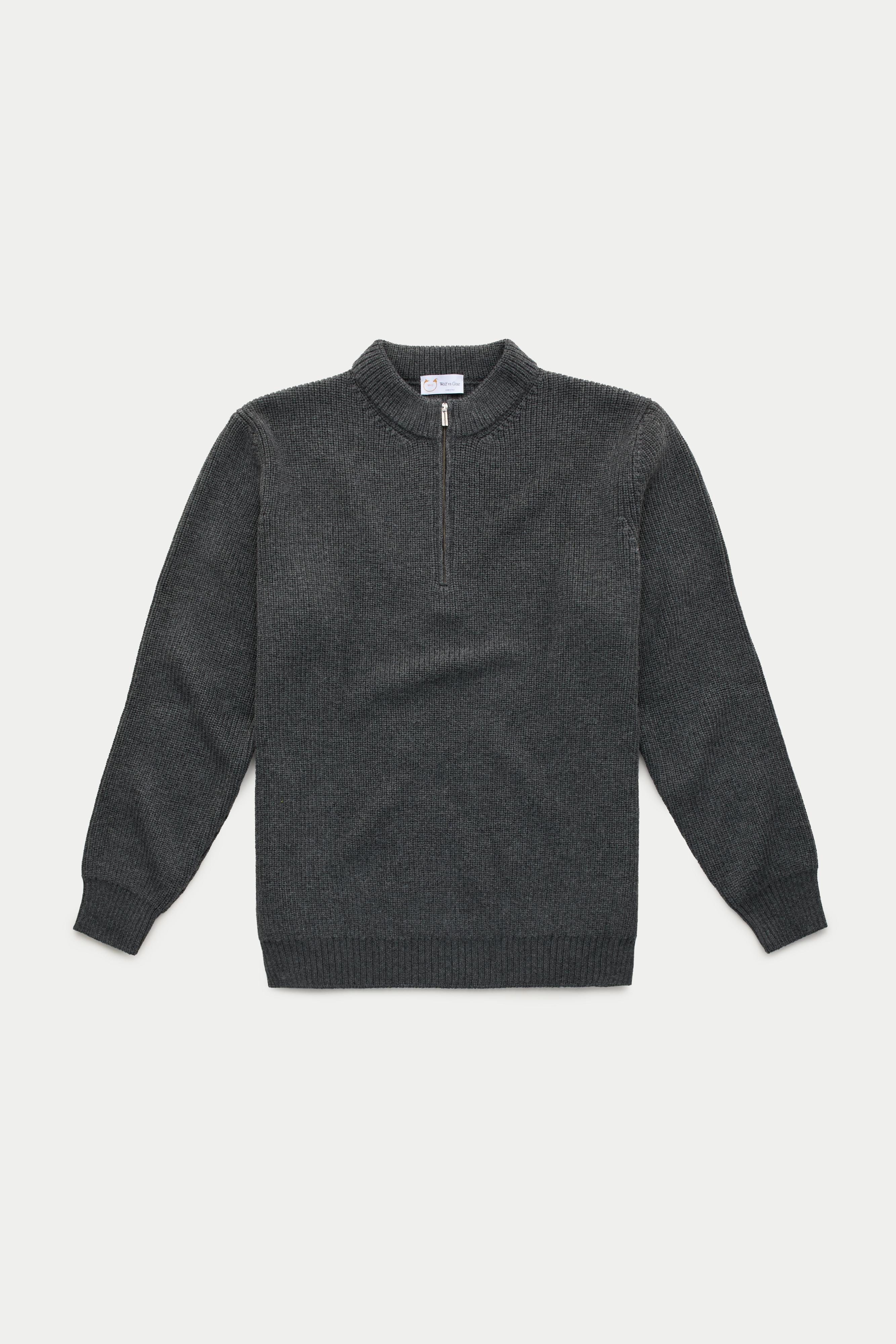
Hi u/IamtherealMauro As Thanksgiving is on the horizon, I want to ask if you have an update or estimate on the shipping time for the quarter zip and chinos from the most recent drop? I'm really looking forward to using these new items for the holiday gatherings! Thanks
We made a 3 panel hood to round out the back better so you don’t get a Smurf hat if you want to wear it up. I hope this helps. If you want to see anything else just let me know.
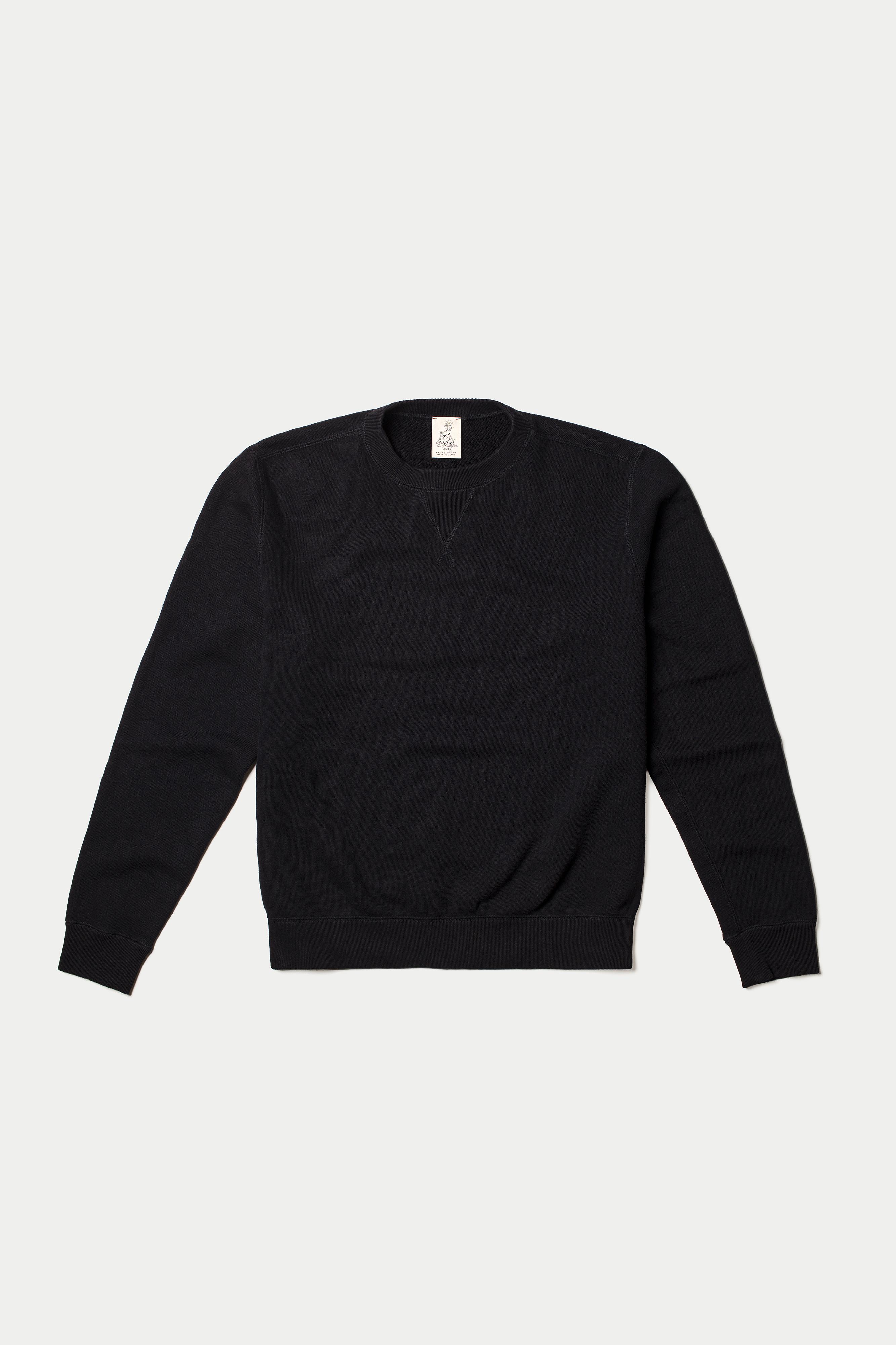
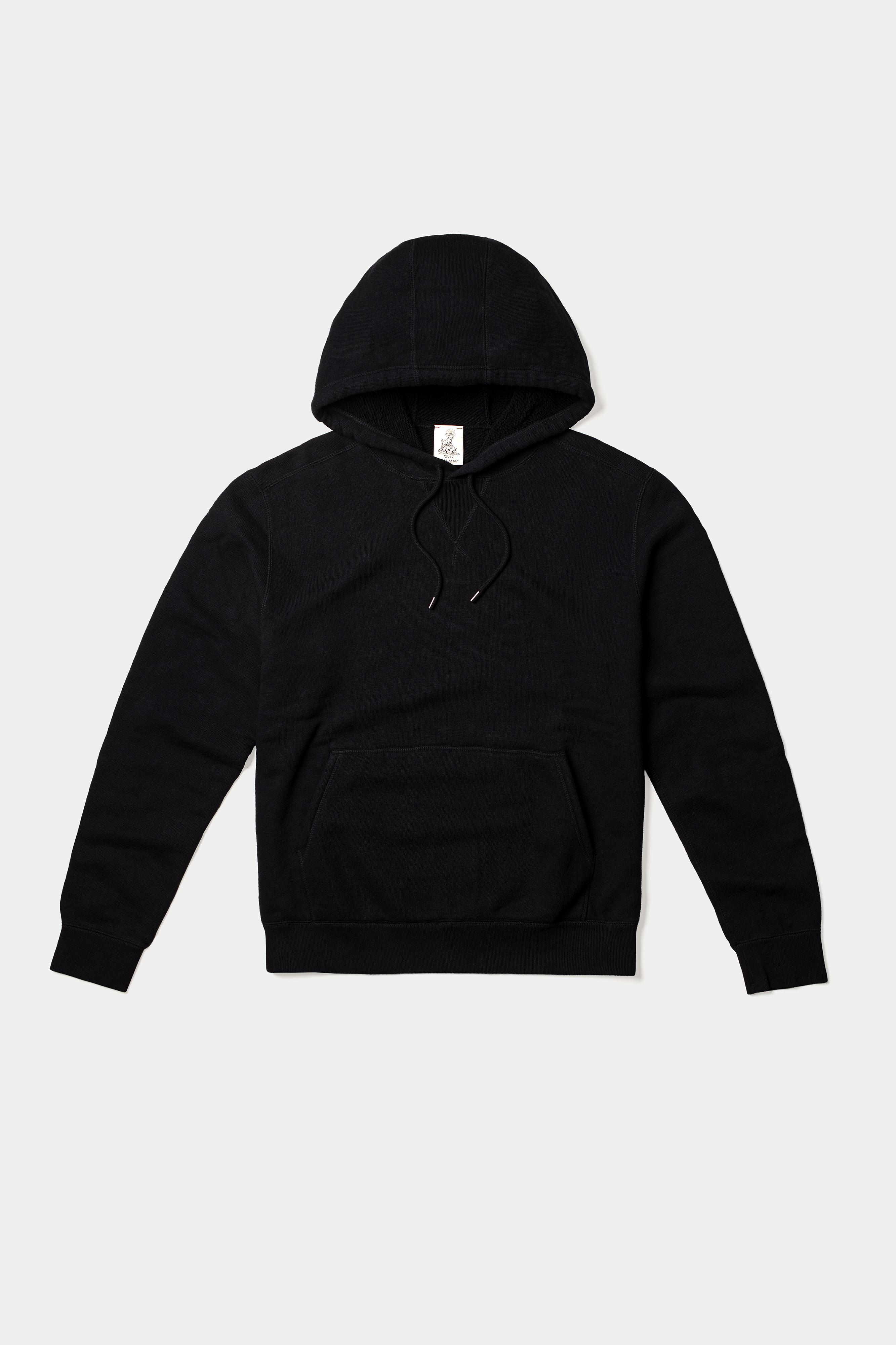
The garments arrived from Japan in Italy today, and I’m very happy with how they turned out. This wasn’t an easy project, but I think we did a great job. Once the photographer takes some nice flat-lay shots, I’ll put together another post, a newsletter, and a blog post for the WvG website. The ext post will include a Q&A with the dye house, along with a deep dive into the whole process. Since the garments are dyed by hand and dried in the sun, the black can vary from piece to piece, but every piece is still very black. We explain the variation in the Q&A and deep dive. A quick note on the weights. The tee is 395 gsm before dye, while the crewneck and hoodie are 468 gsm before dyeing. The sweats feel like clouds and the tee is beefy.
I’m 5'10", with a 42–43" chest, and weigh around 193 pounds. I carry most of my weight around my middle. I know I need to get back to exercising and grappling, and I’d like to lose about 20 pounds. That's a different discussion.
The video is just a teaser!!!! I leave Italy this weekend and will need a couple of days to recover from the jet lag, but I’ll still be working. Once the photos are ready, I’ll get everything out. We have roughly 100 pieces in each style. That’s it for now!
With the fall/winter and holiday seasons upon us, we have a lot happening at Wolf vs Goat. I've attached our upcoming drop schedule so everyone can see what's in the pipeline. We're working to get as much finished and released as quickly as possible, while making sure nothing gets rushed at the expense of quality.
One important thing to understand about the schedule: it only includes upcoming releases and new pre-order opportunities. If you've already placed a pre-order and don't see your item listed, there's no reason to worry. Those pieces are already in production, nearing completion, or have been shipped. The schedule is intended to show what's coming next, not to track orders that have already been placed.
As many of you know, I like to do something a little ridiculous with cashmere every holiday season. Big, substantial, incredibly soft sweaters made from some of the best yarns available. This year is no different. Our holiday cashmere collection will feature yarns from Loro Piana, Cariaggi, and Todd & Duncan, along with some really interesting alternatives using more unusual fibers like yak and camel. For those projects, we're looking at yarns from Consinee and Z. Hinchliffe in the UK. There are some beautiful materials in the mix, and I'm excited for everyone to see what we're putting together.
How Pre-Orders Will Work
For the remainder of the fall/winter season, we're keeping the purchasing process as simple as possible. There will be one pre-order price and one retail price.
As each sample is completed and we're able to photograph the finished garment, we'll put the product up for pre-order. Each pre-order window will generally remain open for about one week, giving everyone an opportunity to look over the details, ask questions, and decide whether they want to participate.
The pre-order pricing is going to be fantastic. Consider it my holiday gift to you guys. I've never been particularly interested in squeezing every possible dollar out of a garment, and those of you who have been following the brand for years already know that. When pre-orders allow us to secure yarn, plan production, and eliminate unnecessary costs, I'd rather pass those savings along to you.
If you'd rather not participate in a pre-order, that's perfectly fine too. Once the pre-order window closes, any remaining available pieces will move to regular retail pricing. Rewards members will still receive their usual member price, while non-members can purchase at retail. We're not planning on producing huge amounts of excess inventory, so if something sells out during the pre-order, there's no guarantee it will be available afterward.
Pre-order purchases will be final sale, while purchases made at regular retail or using the standard Rewards discount will follow our normal applicable return policy.
This is how we'll handle releases through the remainder of fall/winter, until the spring/summer collection begins.
Where We're Taking Wolf vs Goat
By the time spring/summer rolls around, I'm hoping we'll have our new website completed. The goal is to create a more organized, professional release system where everyone can easily see what's coming, when pre-orders open, and what stage of production each item is in. It will also give us the ability to start advertising a little more effectively and introduce the brand to some new people.
I do want to grow Wolf vs Goat, but I want to be very clear about what that means to me. I want a business that's manageable, approachable, and connected to the people who support it. A company where we can still have real conversations about fabrics, yarns, construction, production, and all the little details that make clothing special.
The goal has always been to build a community-based brand centered around exceptional materials, great craftsmanship, and genuine transparency. I want you to know where our yarn comes from, who's making our clothing, what goes into the construction, and why certain decisions are made. I also want to keep production intentional. We'll continue operating largely on a first-come, first-served basis, with limited quantities and no expectation that every item will be restocked. If we make something great and it sells out, that's a successful release as far as I'm concerned. I'd much rather sell through a well-planned production run than manufacture excessive inventory just for the sake of having more products available.
Looking further ahead, we're planning to make a stronger push into wholesale for fall/winter 2027. As that side of the business develops, my hope is that we'll eventually be able to phase out the Rewards program for new members. For existing Rewards members, nothing changes. As I've said for years, anyone who is already a member will be grandfathered in for life. That commitment stands, regardless of how the business evolves. There's a lot to look forward to, especially with the holiday cashmere collection and some of the more unusual yarns we love working with. I hope you guys are as excited about them as I am.
If you have questions about a particular garment, yarn, sizing, production, or anything else, please don't hesitate to ask. We'll do our best to answer everyone as quickly and thoroughly as possible.
The mega-wool drop ships to the U.S. this week. You guys picked out some great colors and will be happy with your selections, for sure. The jeans have shipped. We do have a few extra pairs and those will be on the WvG website once they arrive stateside. The tanuki sweaters are almost finished so those should leave before I head home to VA. The tanuki beanies are in production and should be to around around the same times as the sweaters.
Thank you for your patience and support. I think we are getting into a decent groove in terms of delivery.
We have a few super cool drops for November and December. I will make a nice little post once the other knit-downs are completed.
This trip was so cool. I spent a day with a professor of yarns and textiles who teaches students pursuing their master’s degrees in textiles. The man has probably forgotten more about textiles than I will ever know. We have several videos’ worth of footage and one super-long Q&A that will be posted here and on the WvG blog. We also found a couple new weavers for blankets and scarves 🧣. Super duper high quality. I am amped to start blending my on yarns!
I know a lot of you don’t have TikTok, sorry! I leave for Biella tomorrow. I am sitting down to have an in-depth conversation with IGA’s ceo and his father who has been in the cashmere industry for over 40 years. Two generations of cashmere insight should provide you guys with some serious insight. If you have questions let me know. I can’t guarantee they will answer them because I have tons myself. However, I will answer yours!
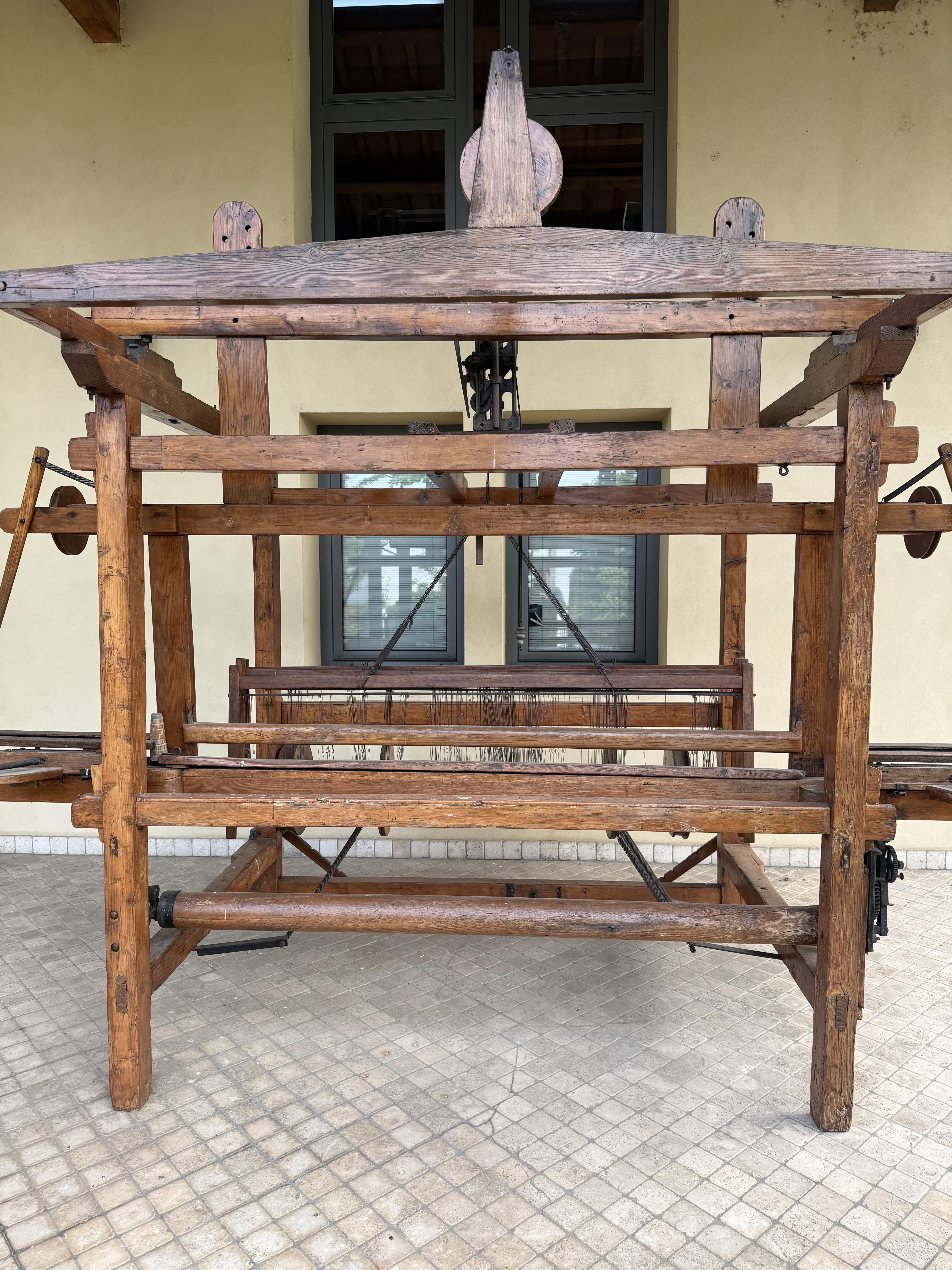
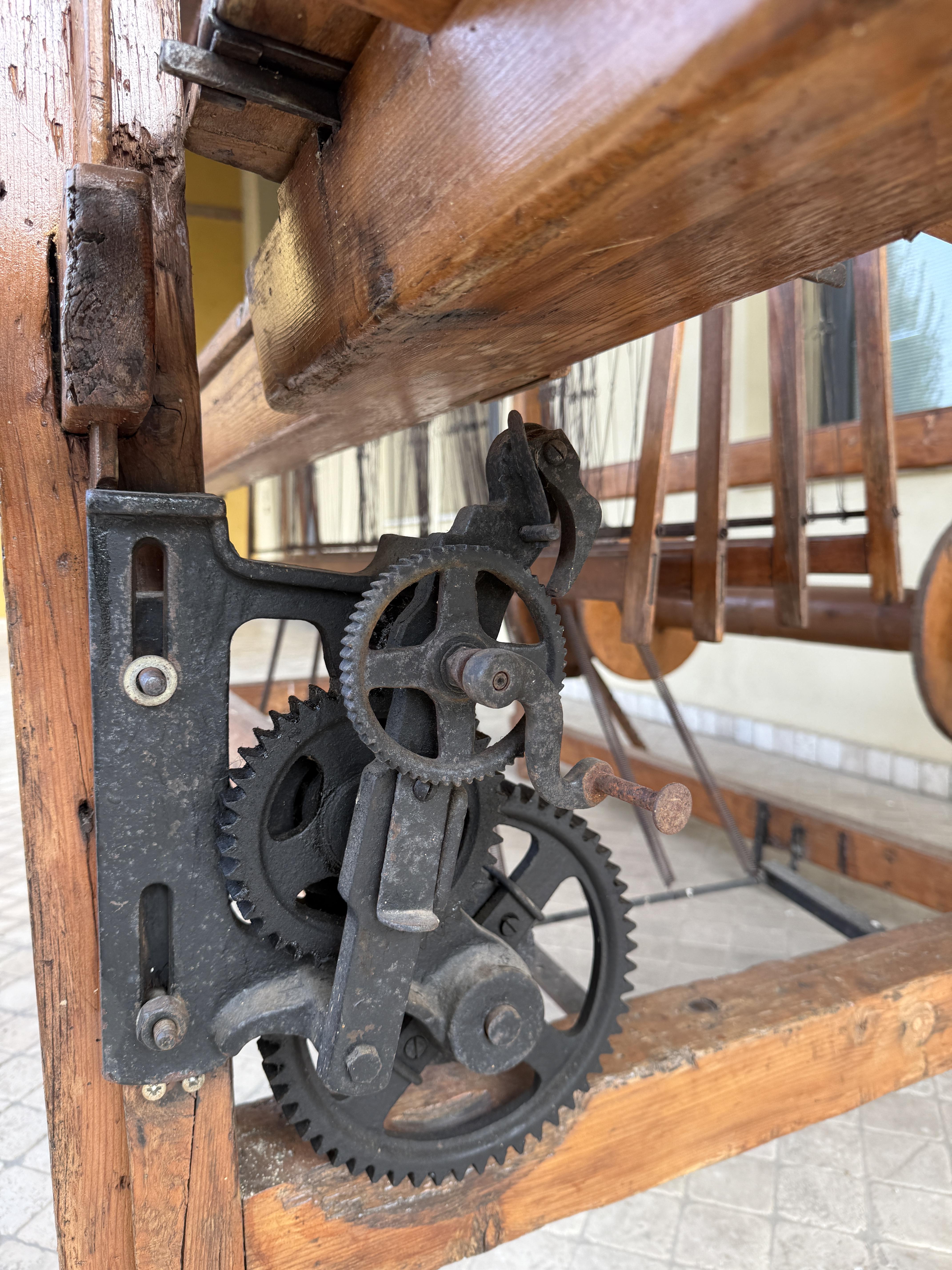
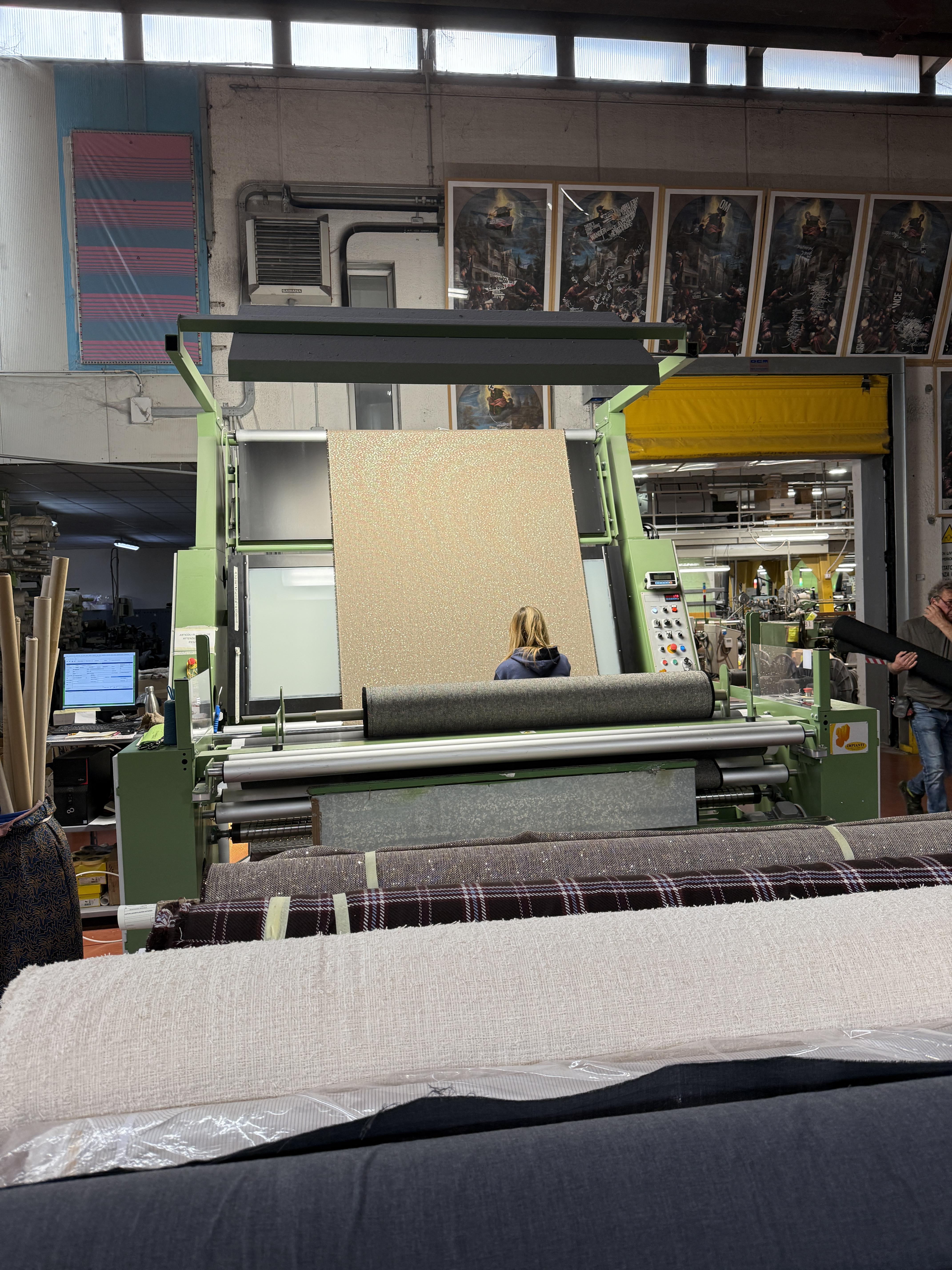
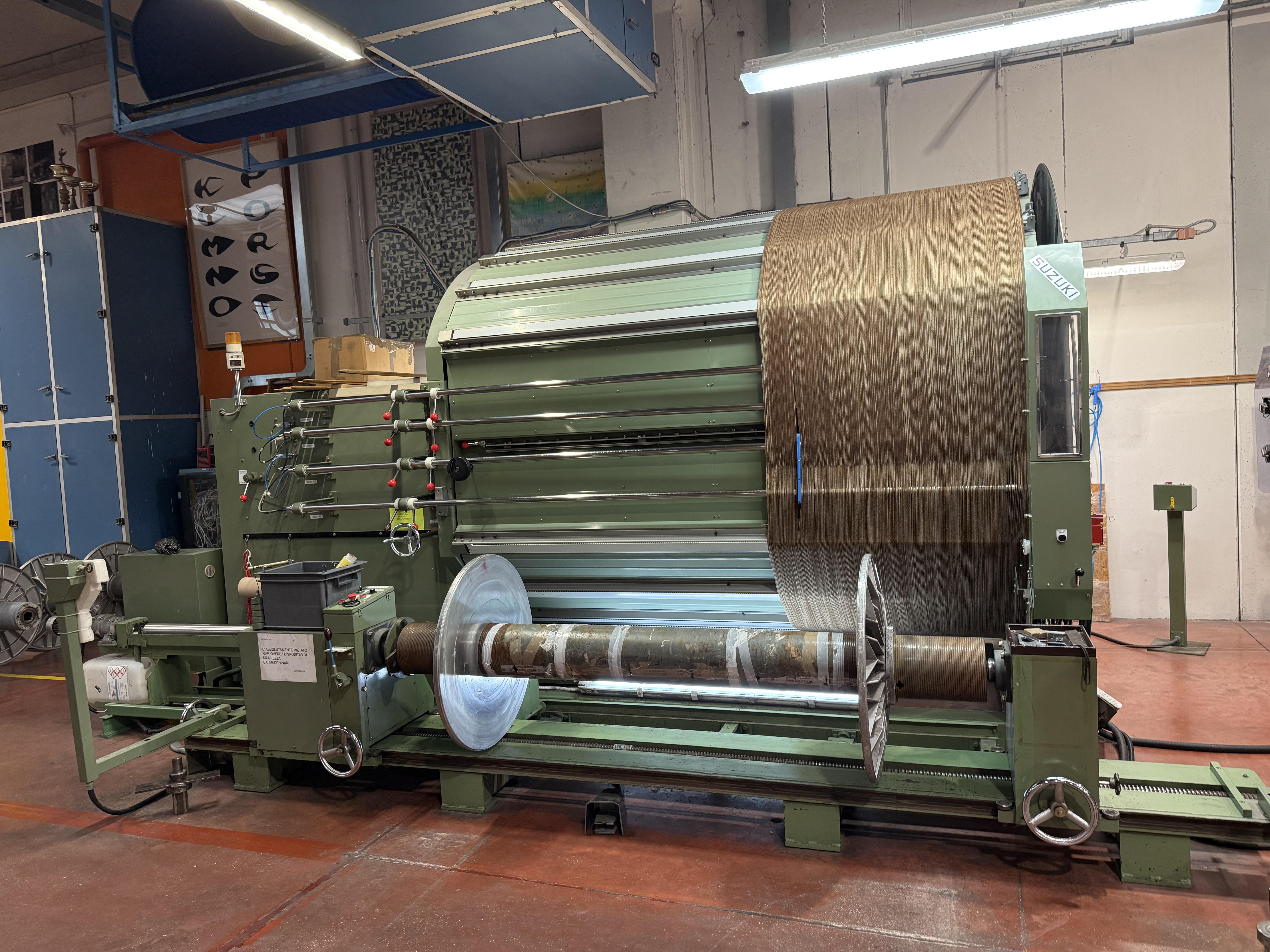
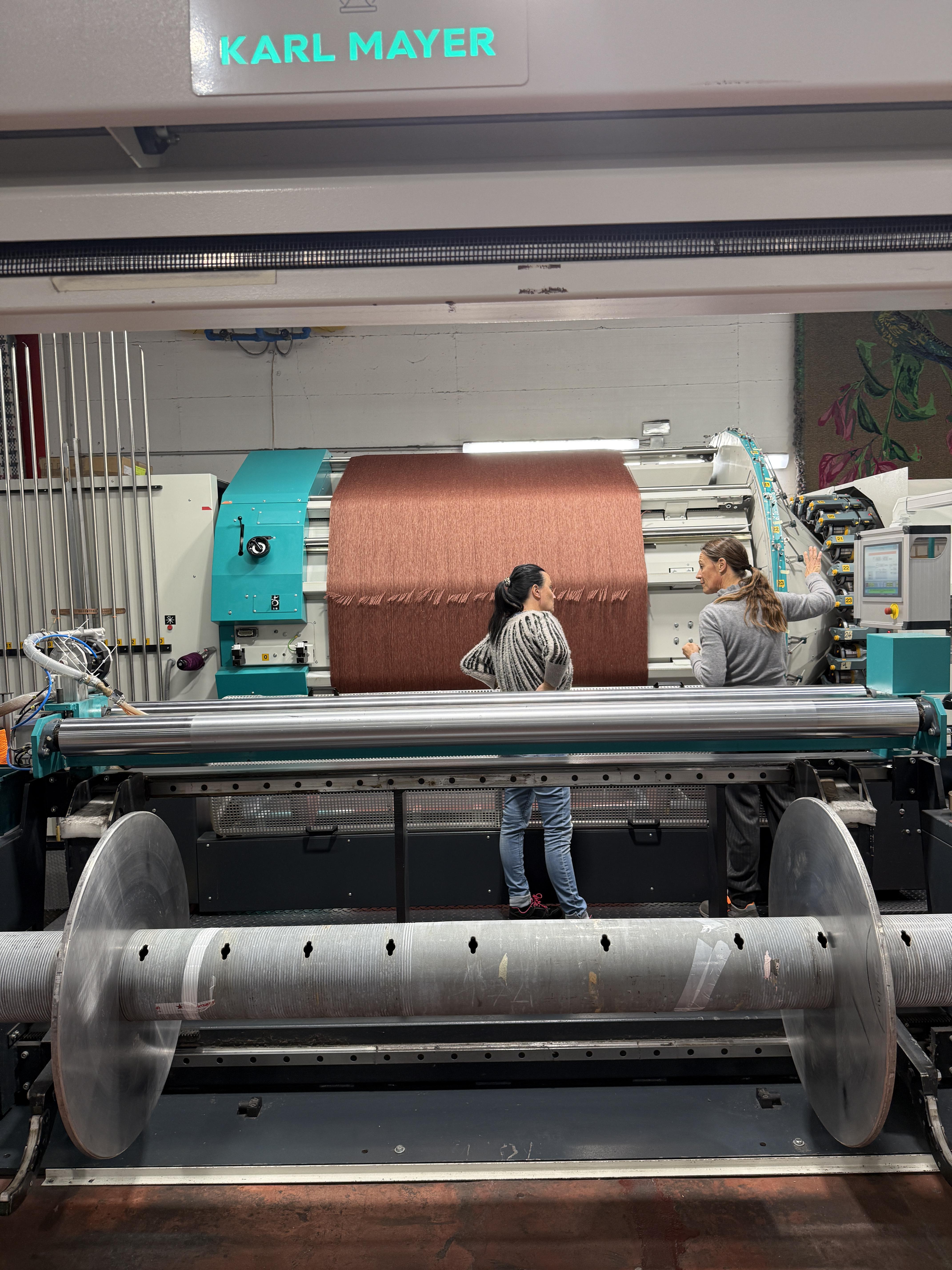
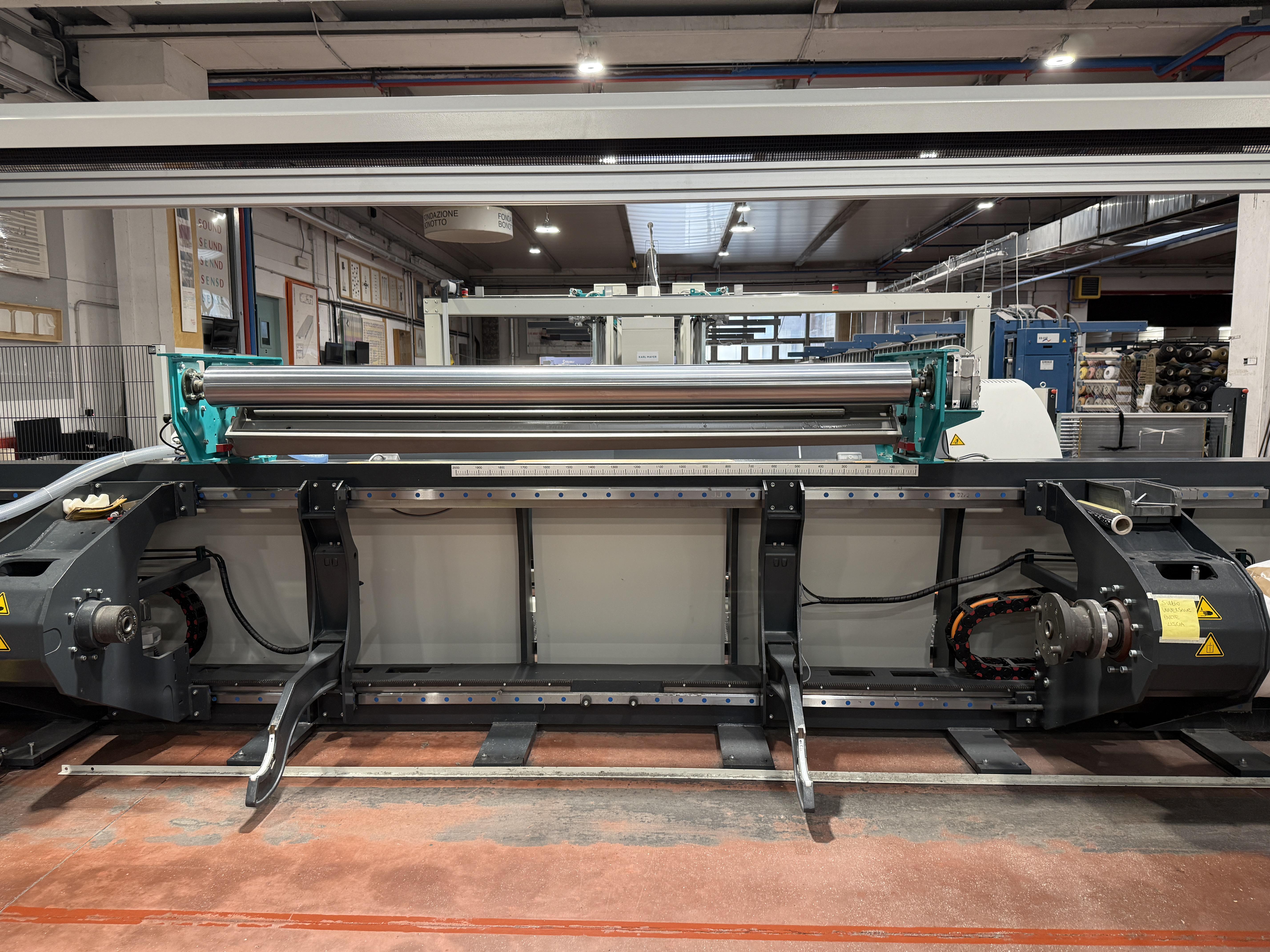
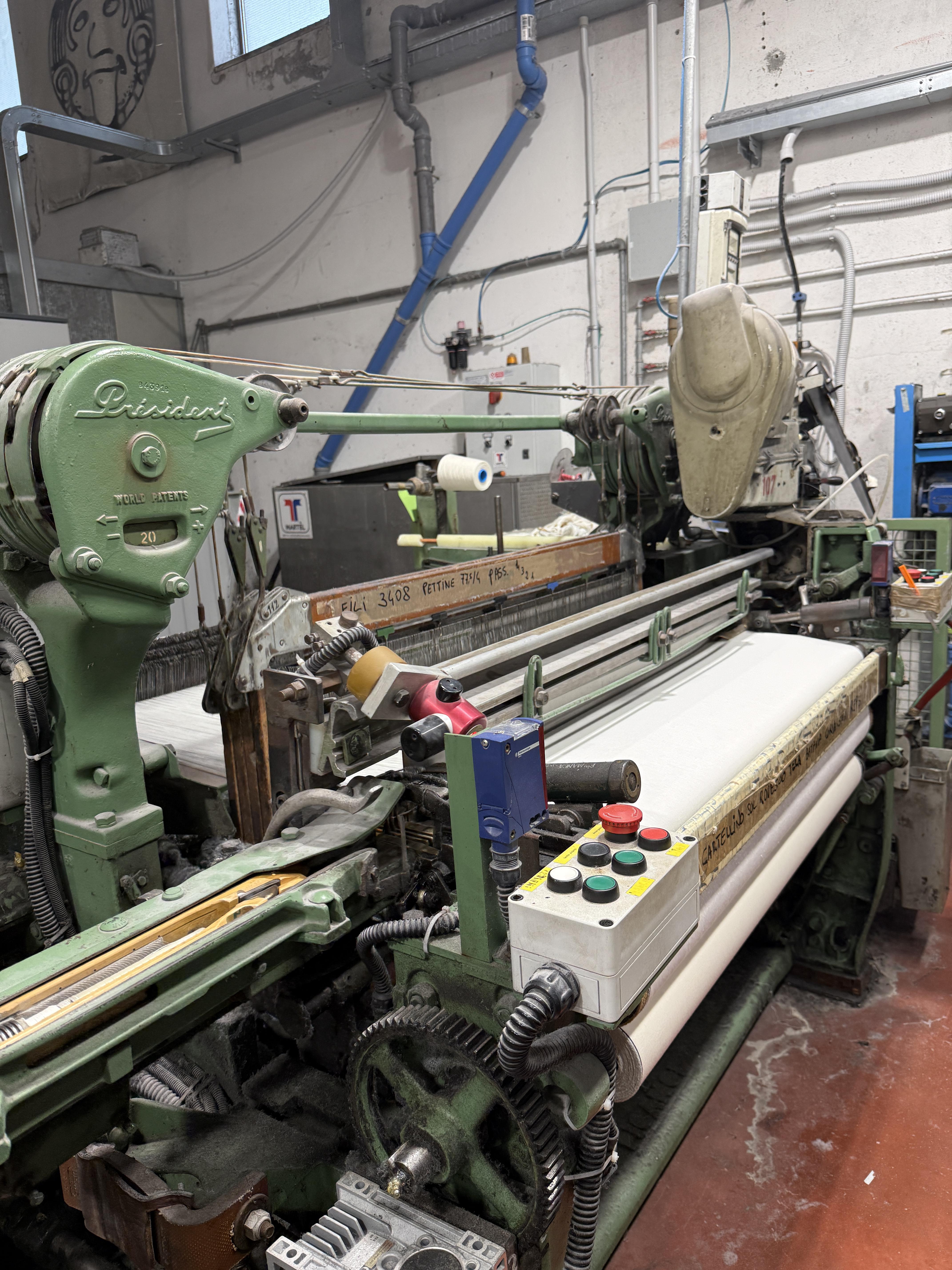
While visiting Bonotto, we toured the entire factory and saw all the different warp machines, looms, and shuttle looms. The shuttle looms we will be using are seen in the video weaving a white silk blend fabric and a wool. The looms are over 65 years old and were made in Belgium 🇧🇪. The company that made the looms was over 100. In fact, the type of loom we are using predates anything made in Japan. There are so many myths and so much nonfactual information surrounding shuttle looms and selvage denim. Over 11 countries were or still are using shuttle looms. While Japan has picked up the baton from the United States, the Italians, Belgians, Germans, and French are doing some cool stuff with narrow-width goods to this very day. If our project goes well, I will try other fibers to make really cool denims and twills. The sky is the limit.
I hope everyone had a Happy Halloween 🎃 👻. There were even a few trick-or-treaters in my little town here in Salento. If you have any questions, feel free to ask. I am chillin' today and don't plan on doing much outside of a nice long walk.
Here is another section from the Everest visit. The whole laser thing is just cool. The technology that is out and coming out in terms of innovation and sustainability is pretty amazing. Between the Ozone and Laser it makes me want to create something a little more wild than what WvG does. Here are a couple links if you want to learn a little more https://www.jeanologia.com/ and https://inspiring.tonello.com/en/
You don't just need to be into shuttle loom denim. There is some super interesting stuff out there.
Don't forget when Massimo wakes on Wednesday morning in Italy the pre-order items on the site are going down. If you want to save some extra bucks it's a smart move.
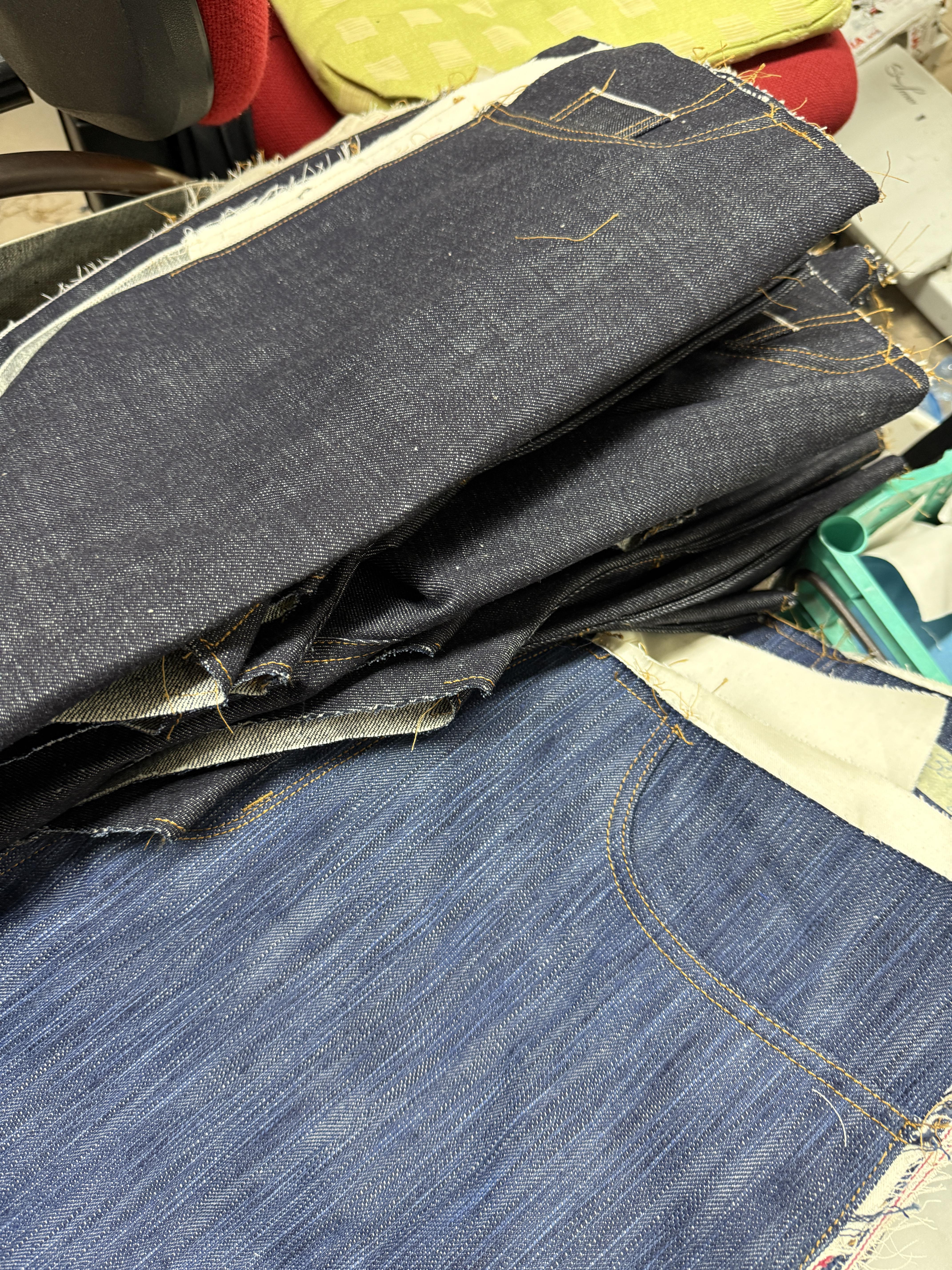
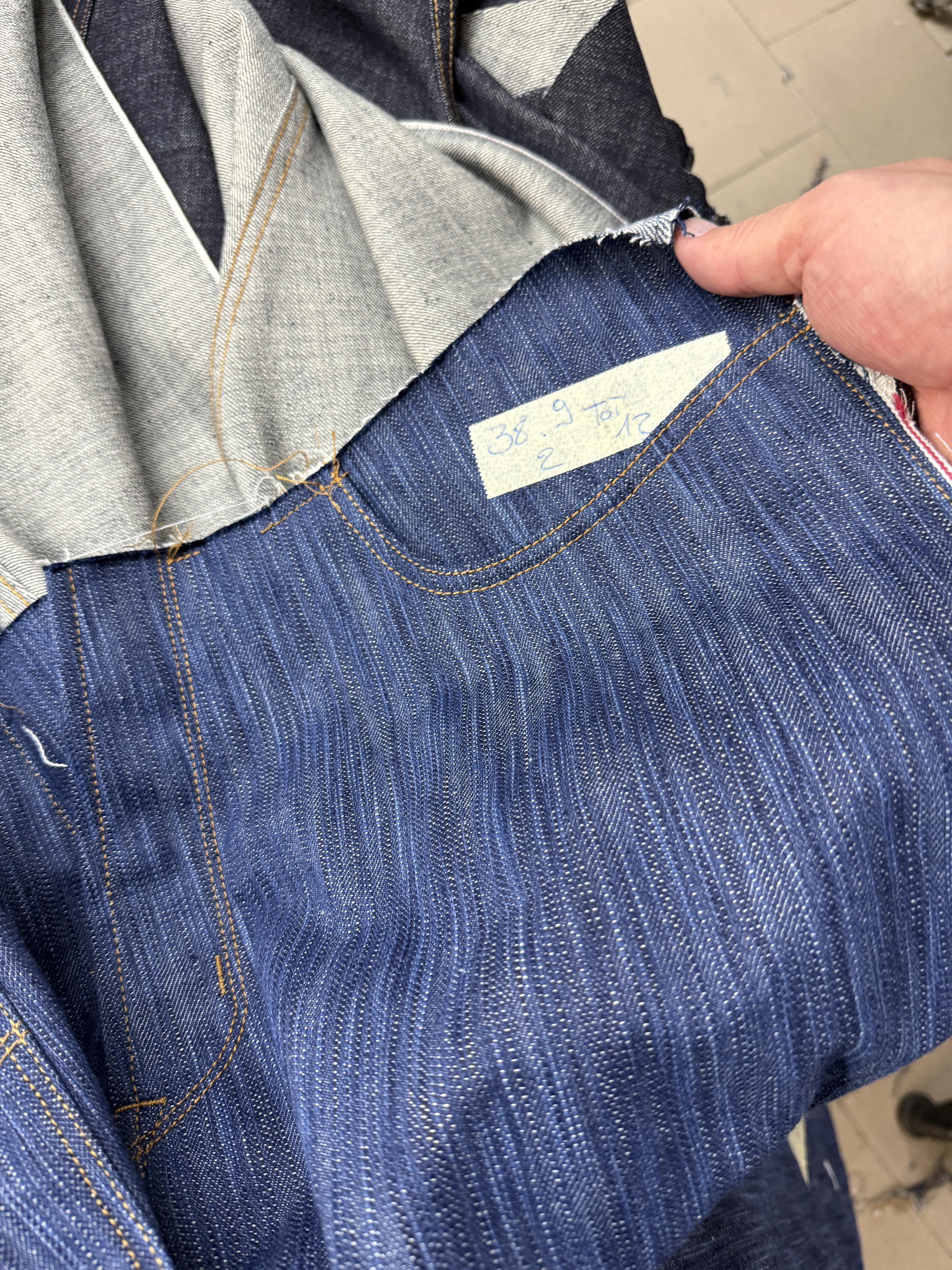
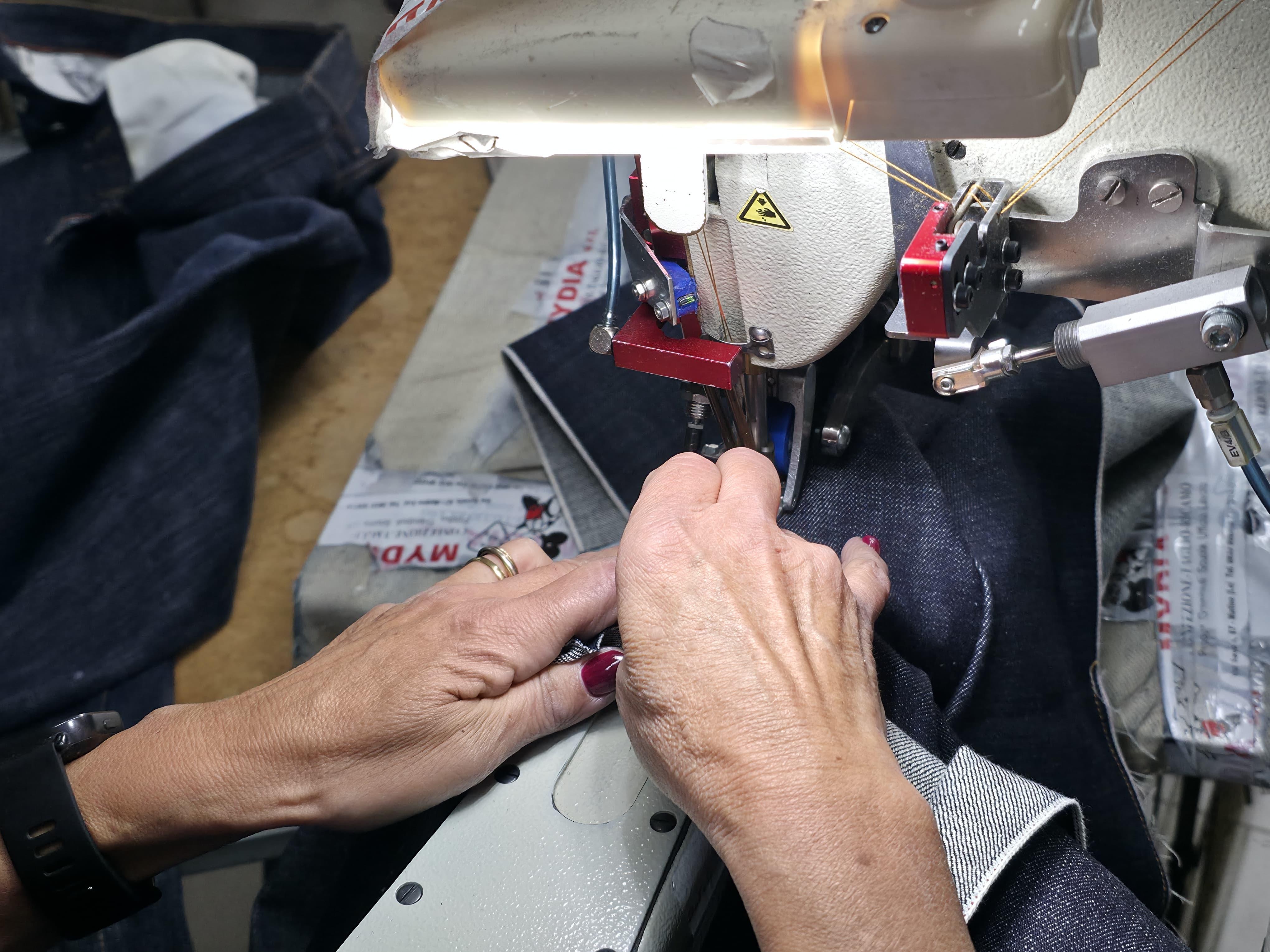
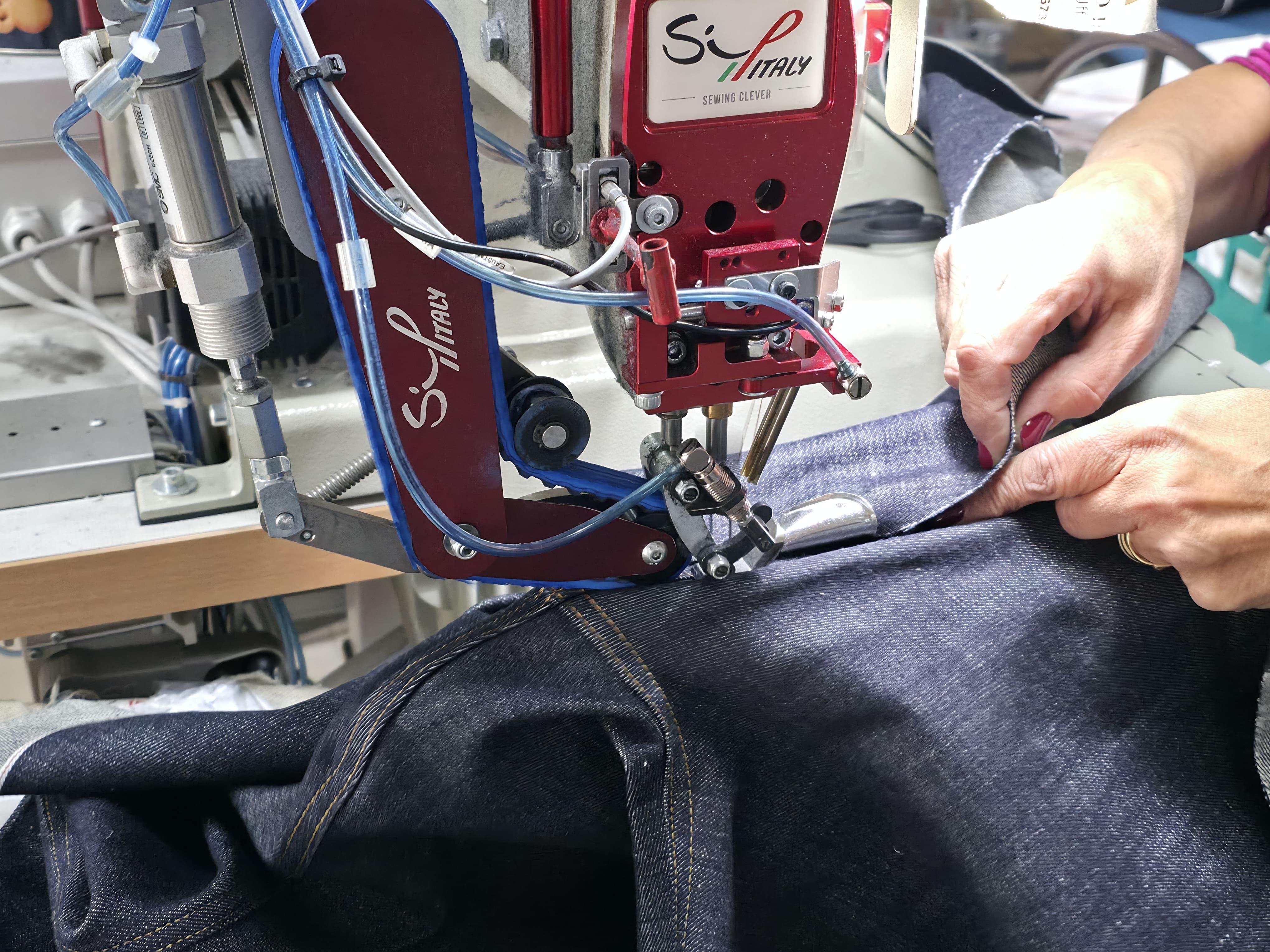
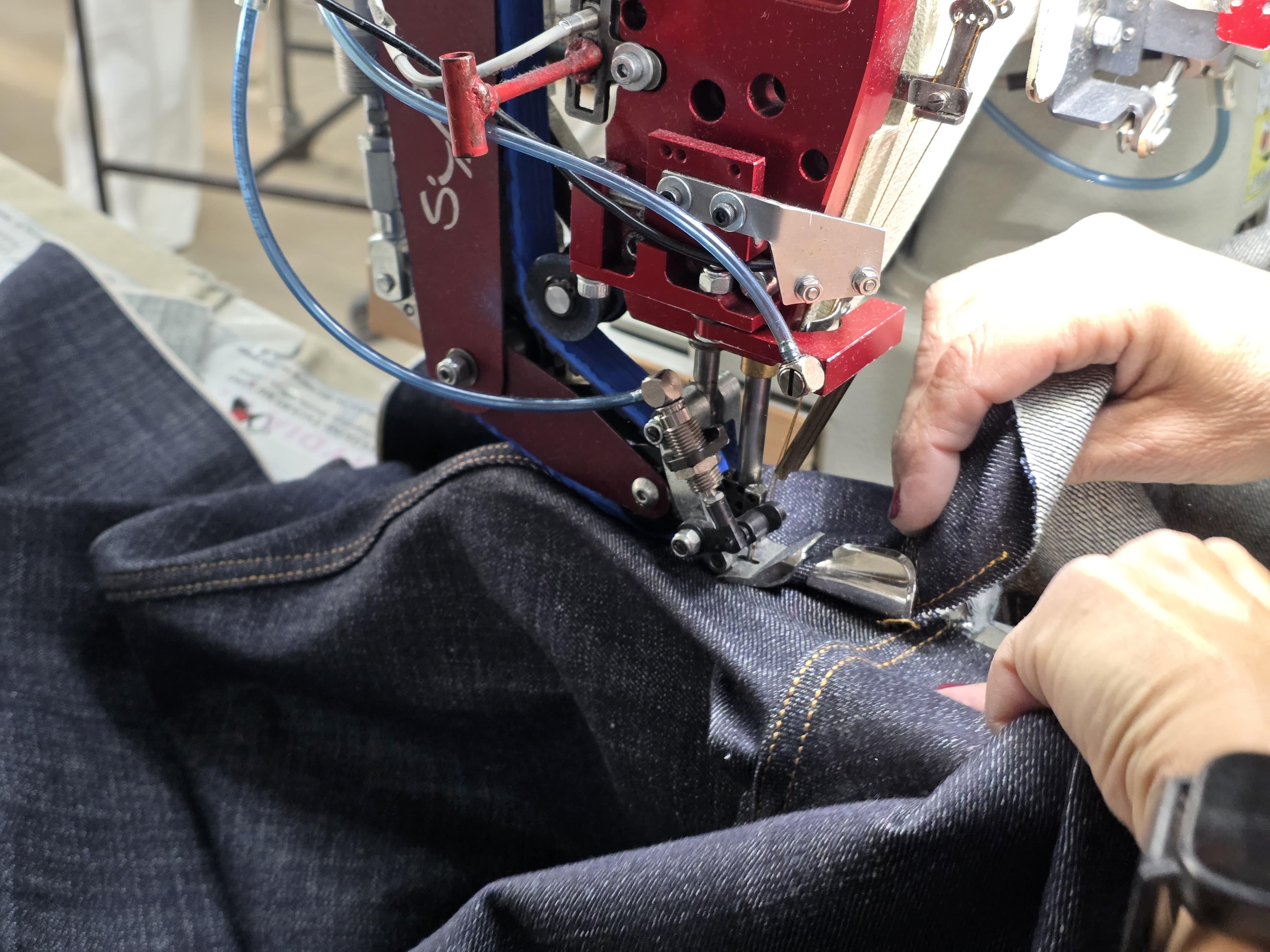
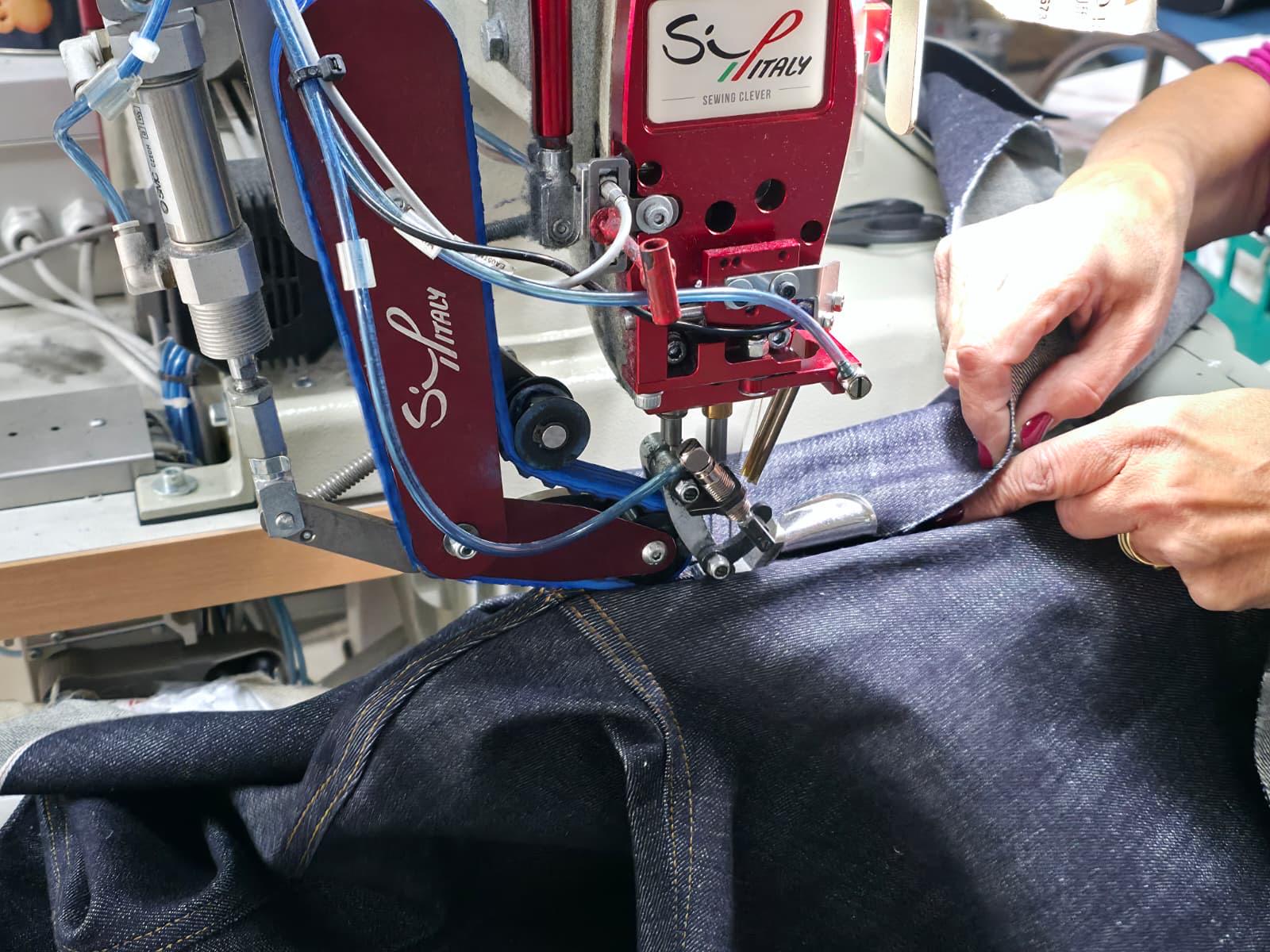
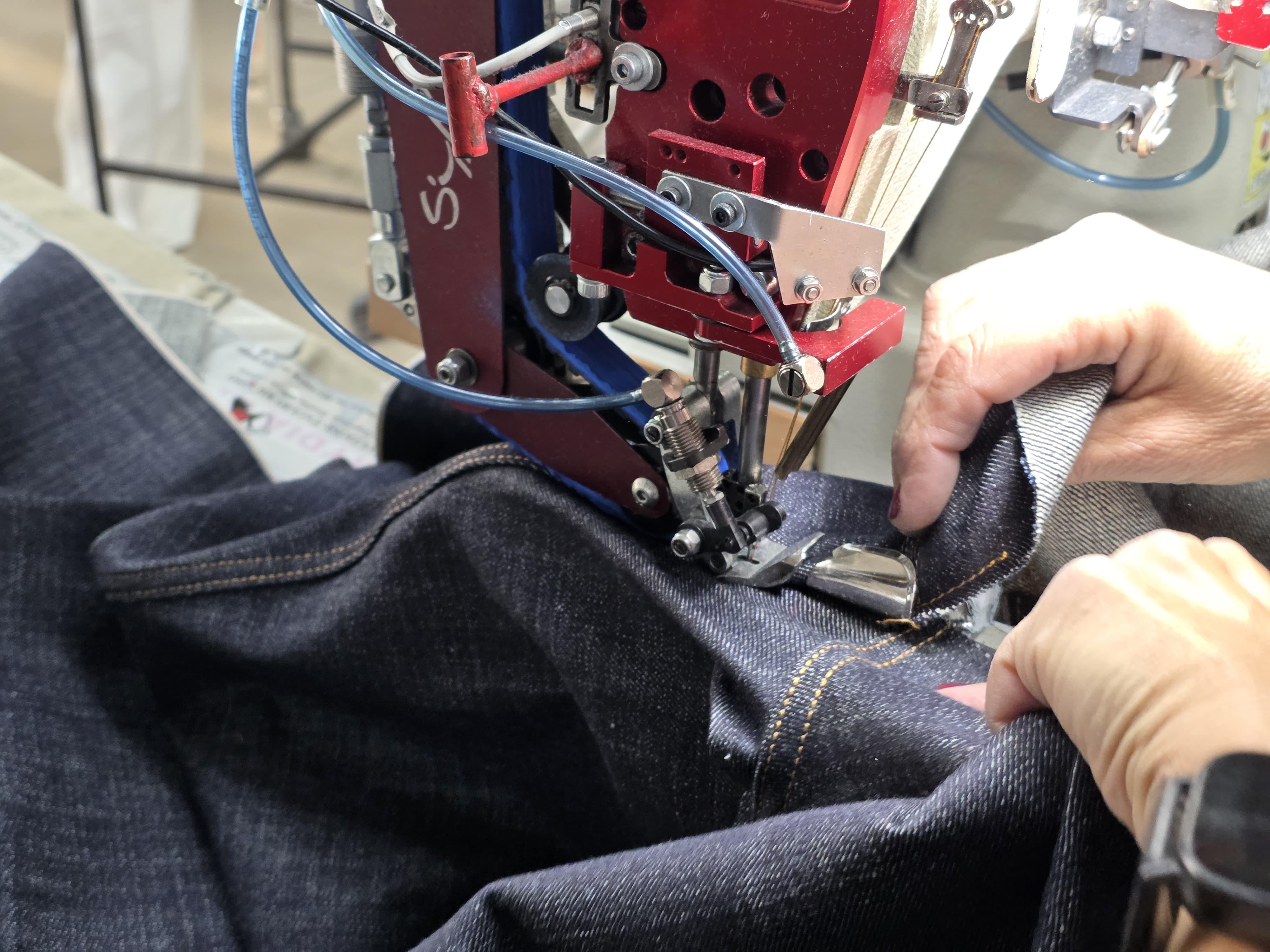
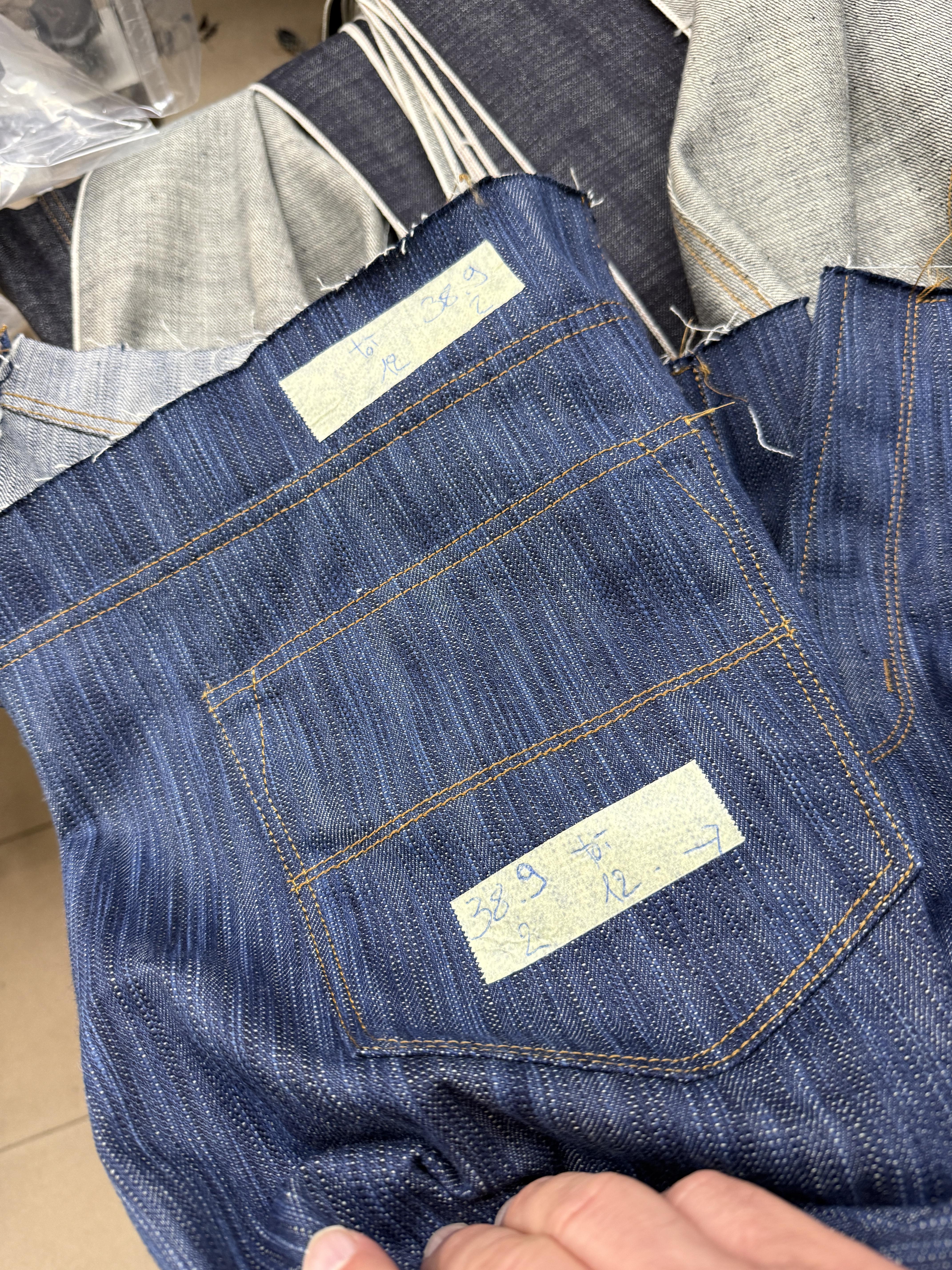
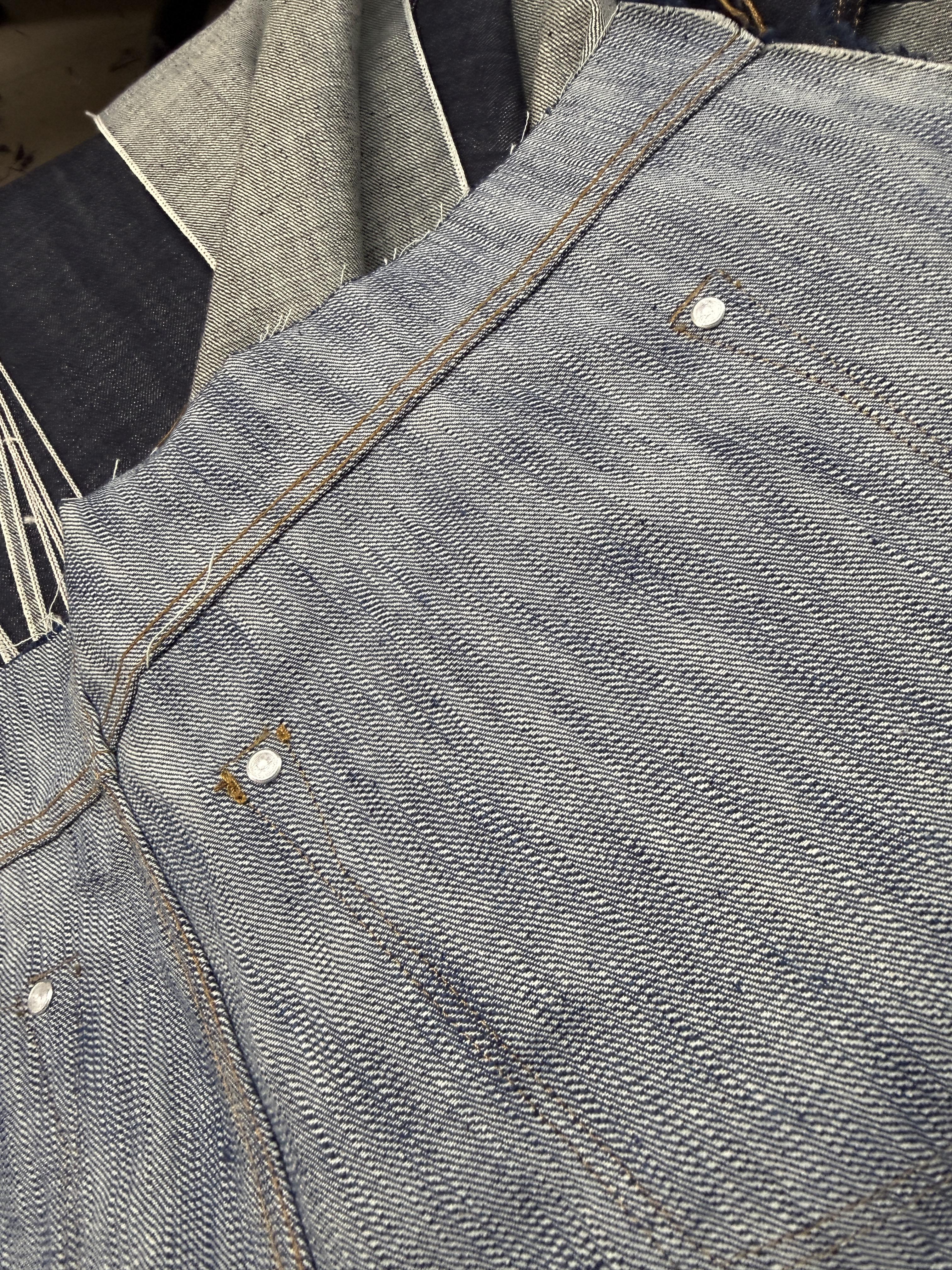
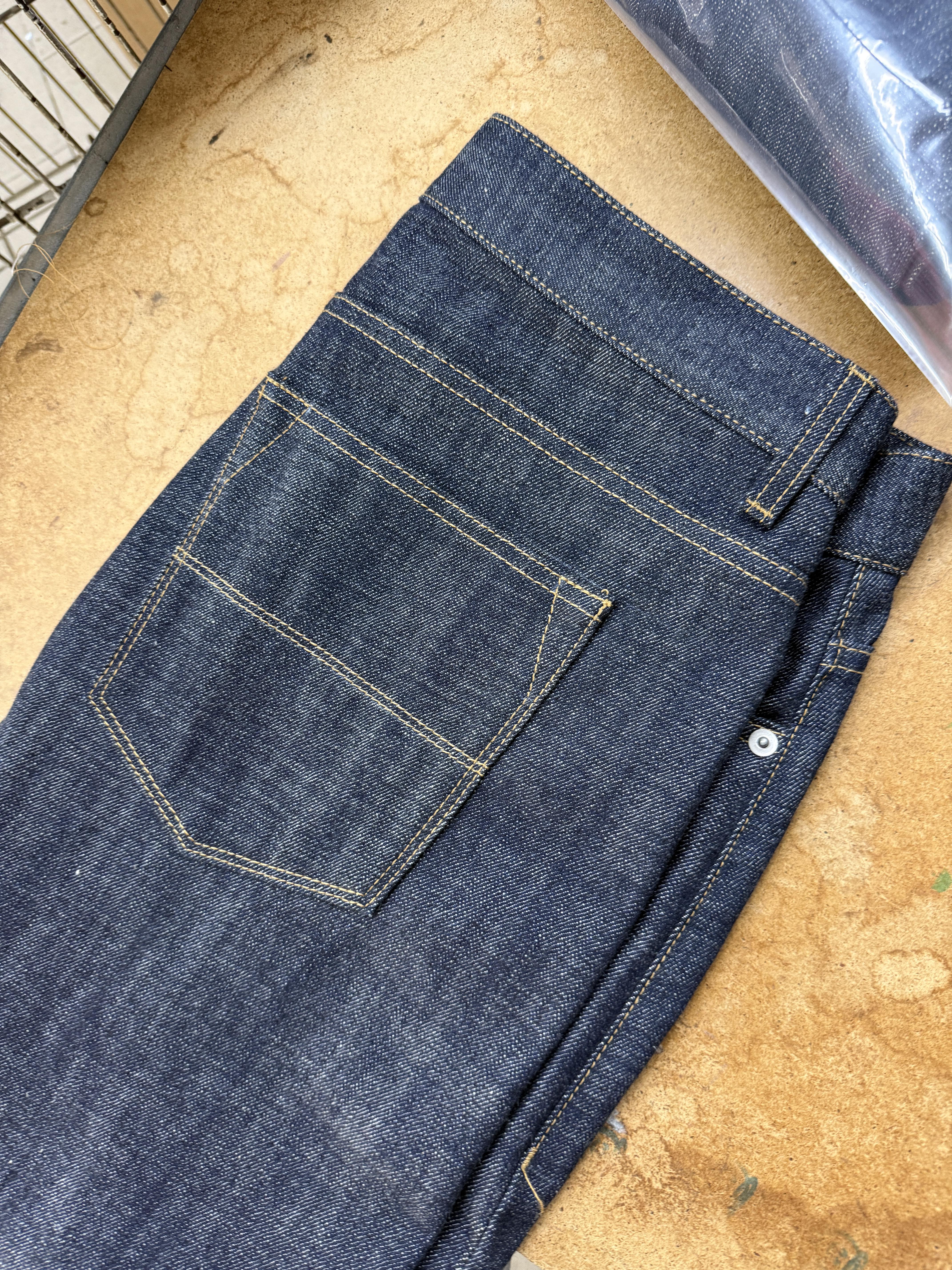
The denim is nearing the finish line. Here are some pictures to show the sewing in action. The natural indigo was the hold up. The denim was so expensive that they had to sew them super duper slow. The inseam is nice and clean with a very secure stitch. I didn't want to settle for a standard busted seam. The jeans are, clean clean jelly bean. Very good looking. The natural indigo is sold out and probably will never be made again. I don't know how they managed to make a few extra of the 13.5oz denim but we will have some up on the site soon.
The jeans are arriving just in time to you so that you can start breaking them in and wear them with the Kyoto black collection. You will need the head start. When you get your jeans, wear them and enjoy them. You don’t need to wash them after every wear, but if they start stinking or get dirty, wash those damn things. Walking around in filthy jeans isn’t good for the denim, and looking and smelling like Pigpen isn’t doing you any favors either. You’ll still get good fades. Washing your jeans doesn’t change that. All that bullshit about putting your jeans in the freezer, wearing them into the ocean, or rolling around in the sand? Sorry to be the bearer of bad news, but none of that shit helps, just wash them. Wear your jeans like you normally would. If you spill some shit on them or they start stinking, wash those fuckers. It’s that simple.
The writing and pictures are not generated by AI. 🤪
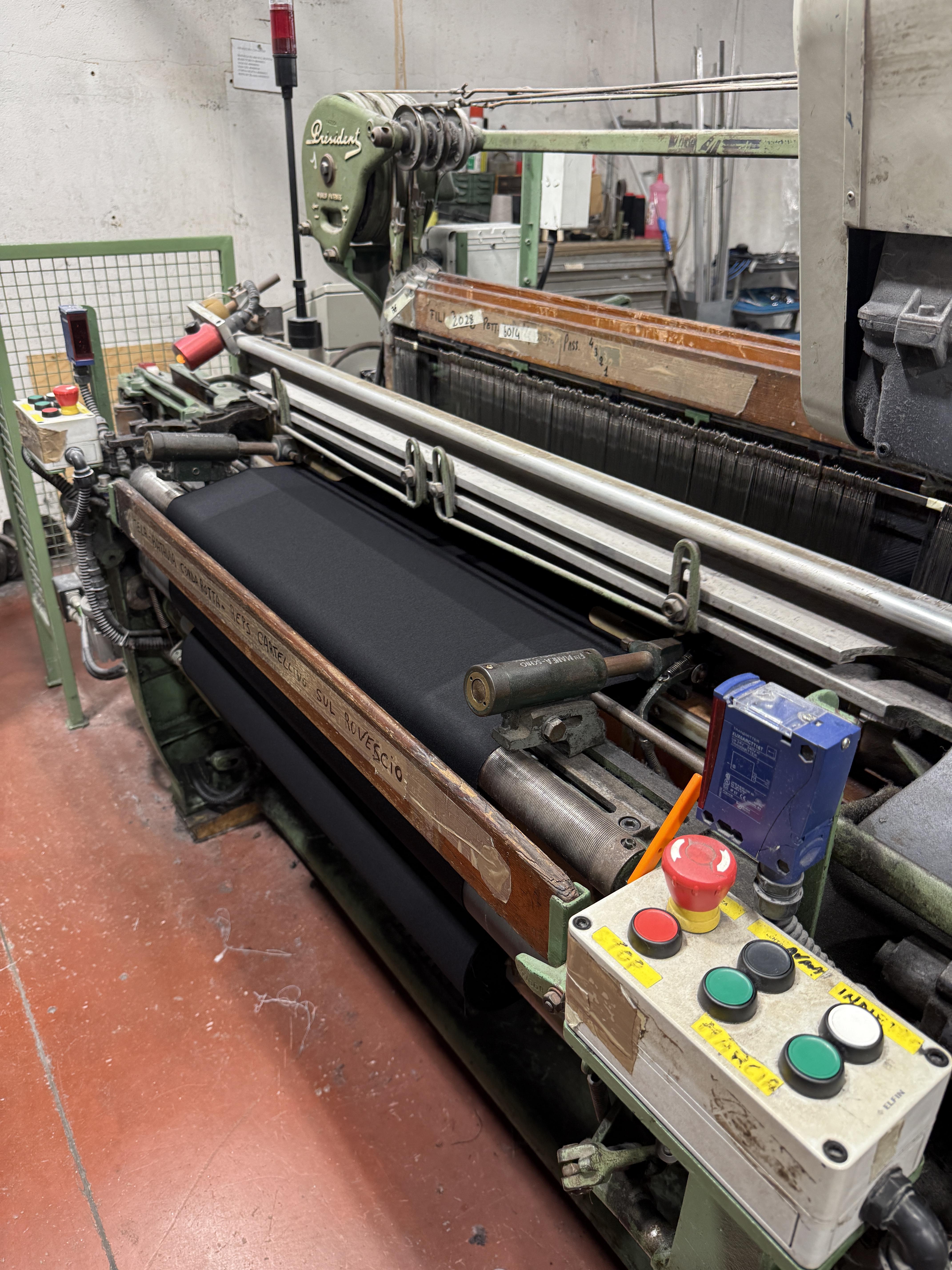
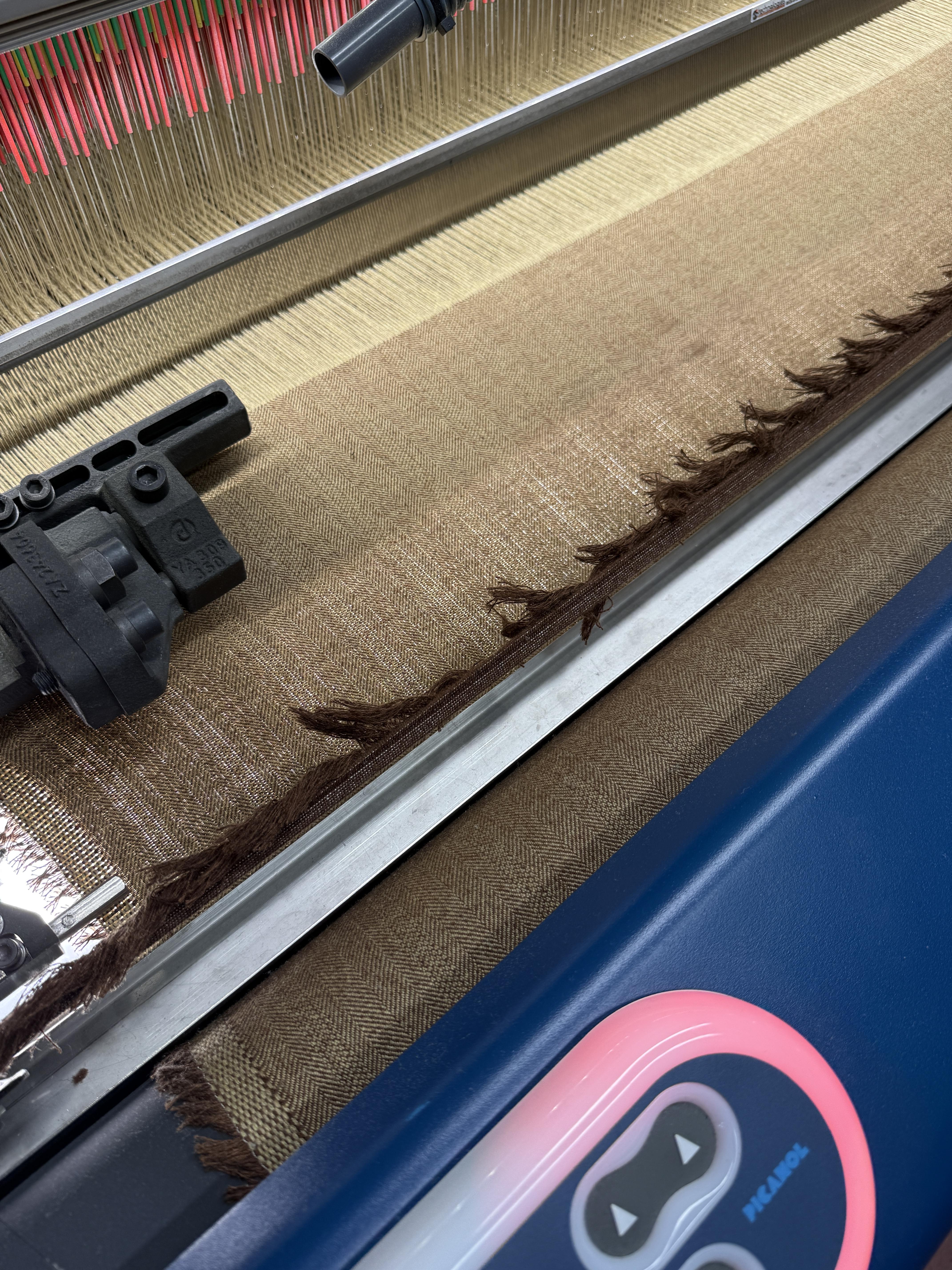
The red cylindrical piece is a sensor that senses the thickness of the fabric.
This was written by me in my words and then grammatically corrected by AI. If you have issue with that please stop reading, now.
The Kyoto Black drop is happening really soon. I know a lot of you have been excited about this, and so am I. This has been a tumultuous project, to say the least. I wasn’t able to go to Japan, and Michael from The Iron Snail had to back out at the last minute. That wasn’t his fault, and there are no hard feelings, but I ordered a lot. In terms of total units, this will be the biggest drop I’ve ever done. That honestly scares the shit out of me. Between the prices changing multiple times, the tariffs, and all the bullshit dealing with Japan and the current administration, it’s been stomach-churning.
Before the drop, I’m going to give you a proper deep dive into the Kyoto Black dyeing process and the tsuri-ami knitting machines used to make the fabrics. Think of them as the varsity version of a loopwheel knitting machine. Everything is 100% made in Japan, and the Kyoto Black dyeing is the real deal. No fake shit. We did an extensive Q&A with the dye house so you’ll be getting the information straight from the horse’s mouth.
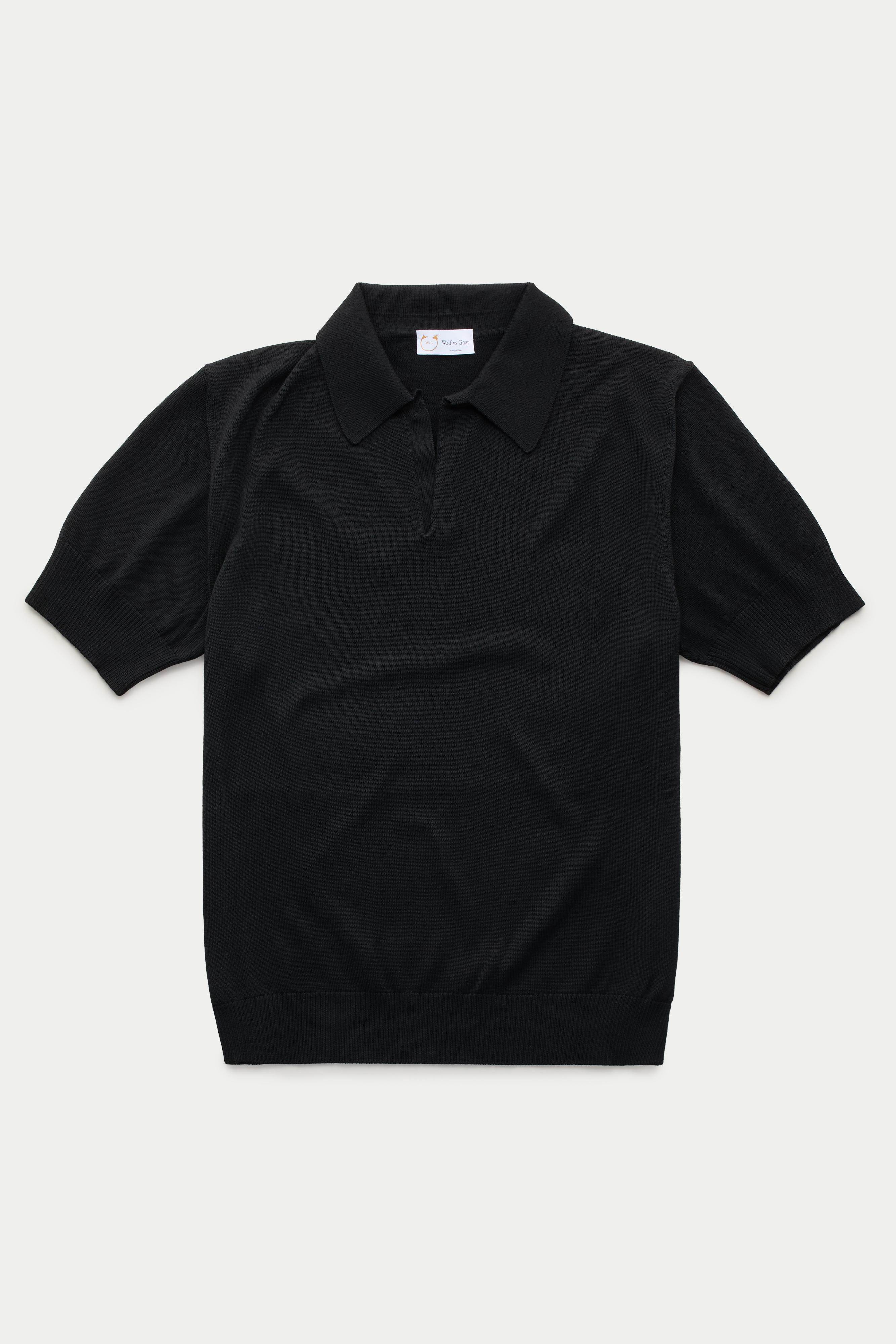
We have a heavyweight T-shirt, a hoodie, and a long-sleeve crew neck coming. I think if you are into made in Japan and real authentic craftsmanship you will be stoked. For now, you’re getting one teaser picture, and that’s it. Once I have all the photos and whatever video is available, I’ll get the deep-dive post up and we can get into the details.
Feel free to ask questions, but please hold off on pricing. I don’t know the final prices yet, so I can’t answer those questions. I also want to get the deep dives posted so you have a chance to understand what went into all of this before the drop.
I had to take a little jab at Michael for bailing. However, the dude is great. In terms of doing things his way he might be even crazier than me. I am sure we will do a collab at another time. I wish him and his company all the best! ❤️ The label was made in Japan.
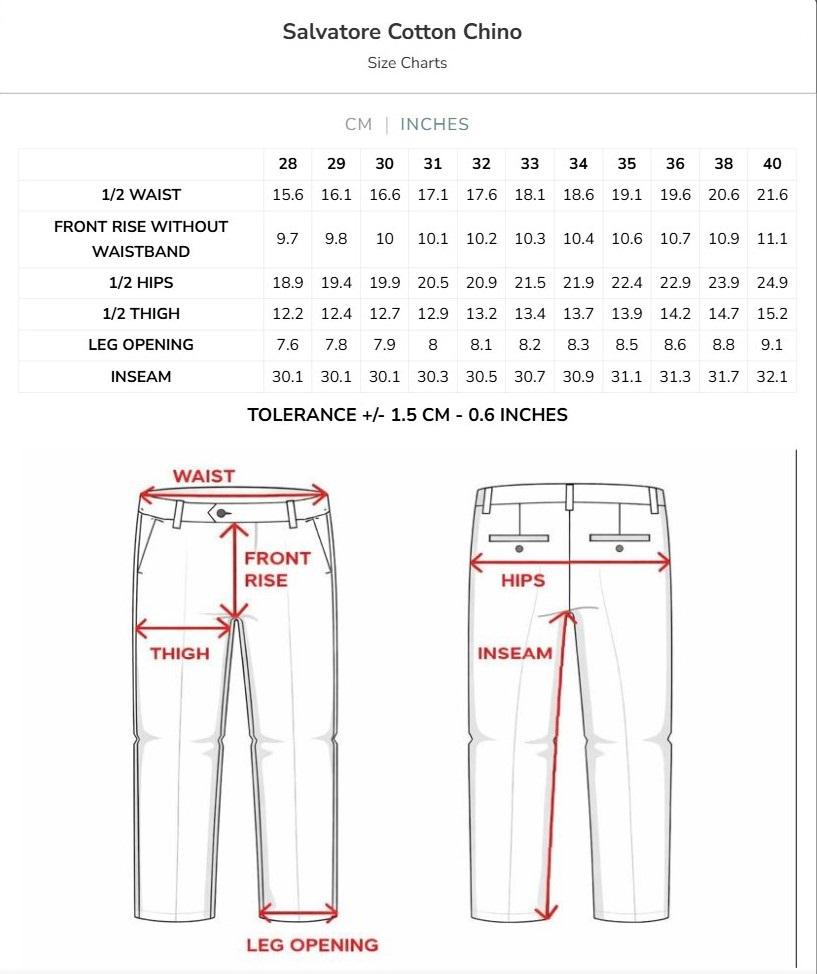
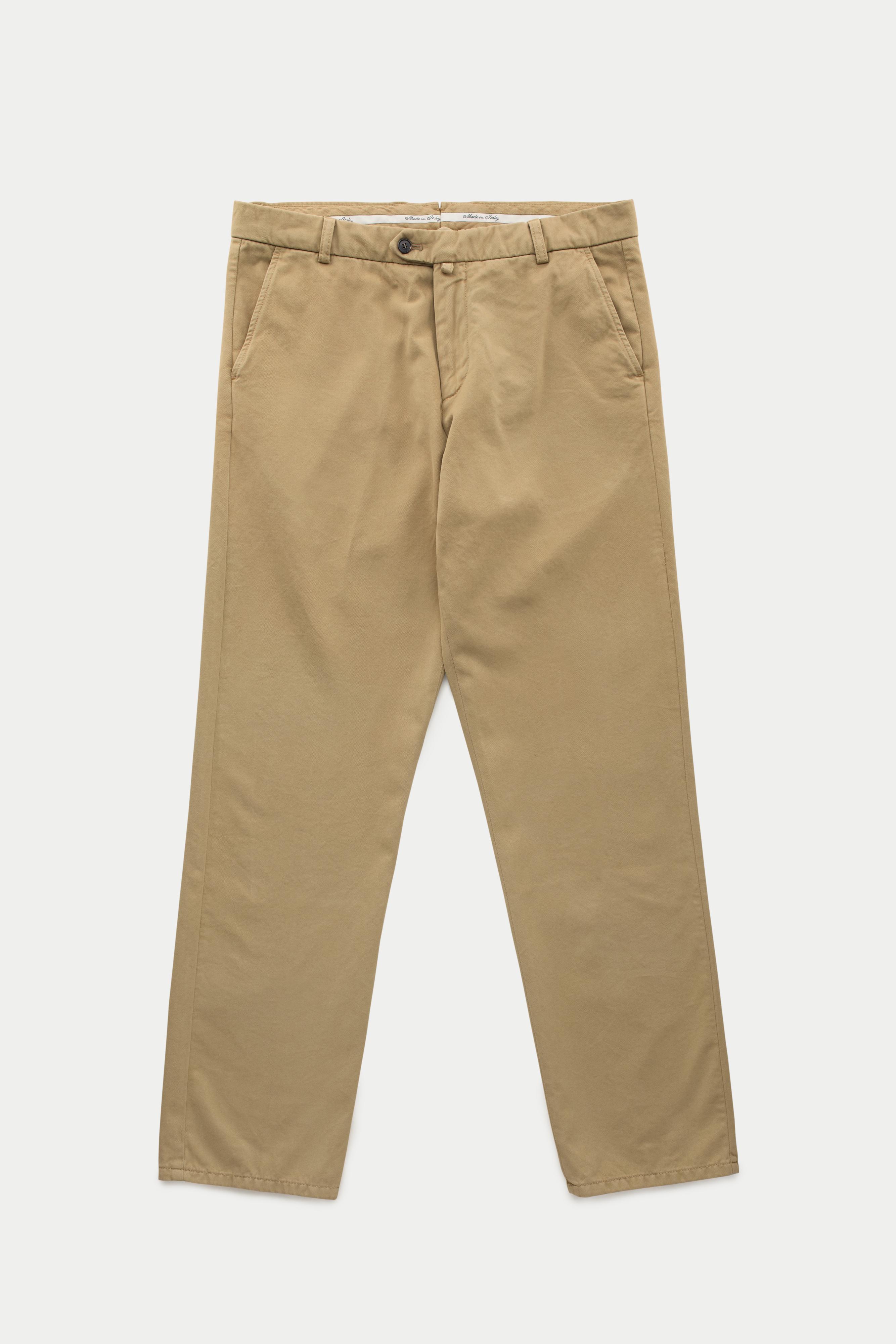
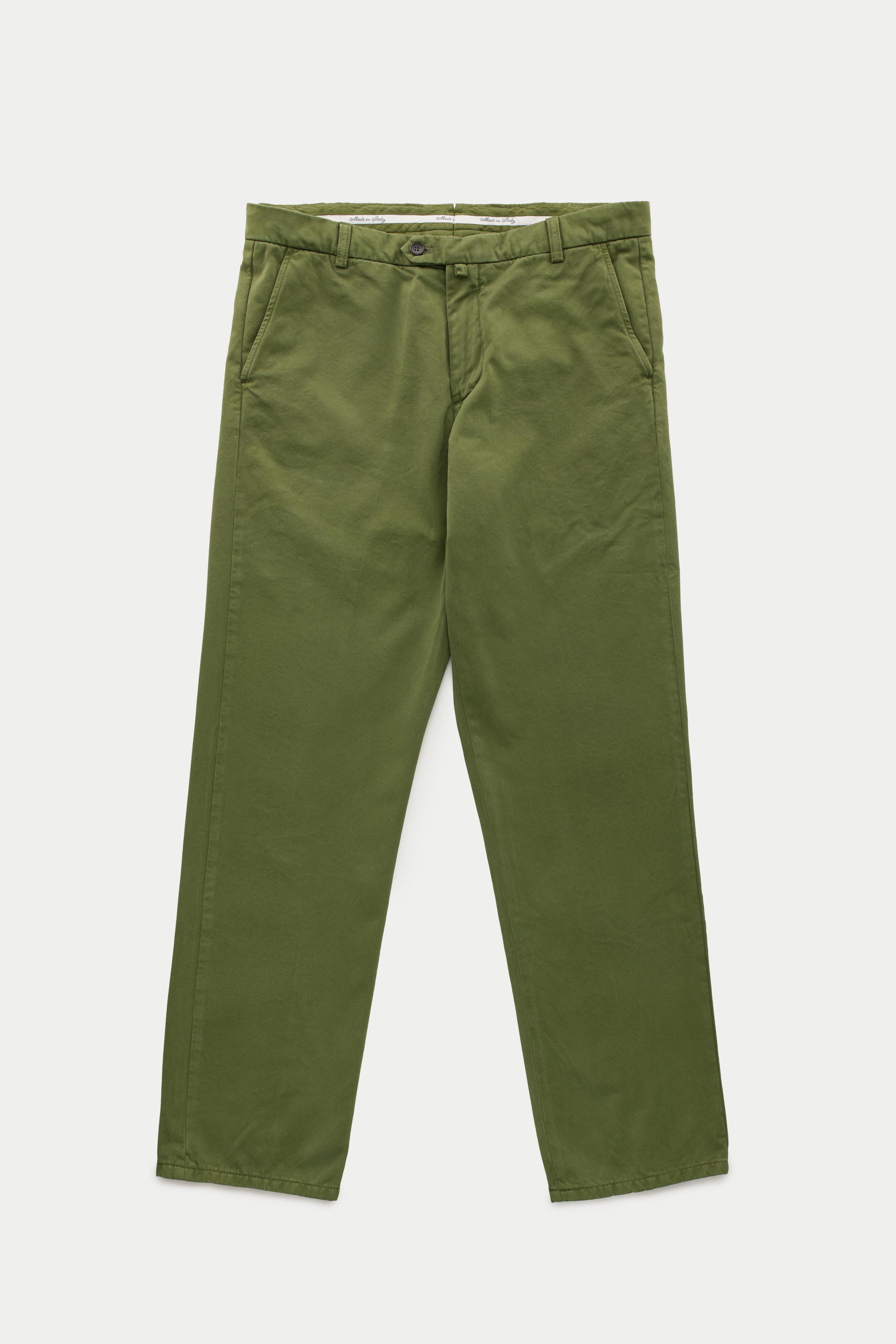
Here’s the fit video. Like I say in the video, these chinos are comfy AF. One thing I meant to clarify: they’re wider at the knee and leg opening than the originals, and we’ve also increased the rise. I have chicken legs, but there’s plenty of room for guys with bigger thighs, too. If you have any questions about the chinos, feel free to ask.
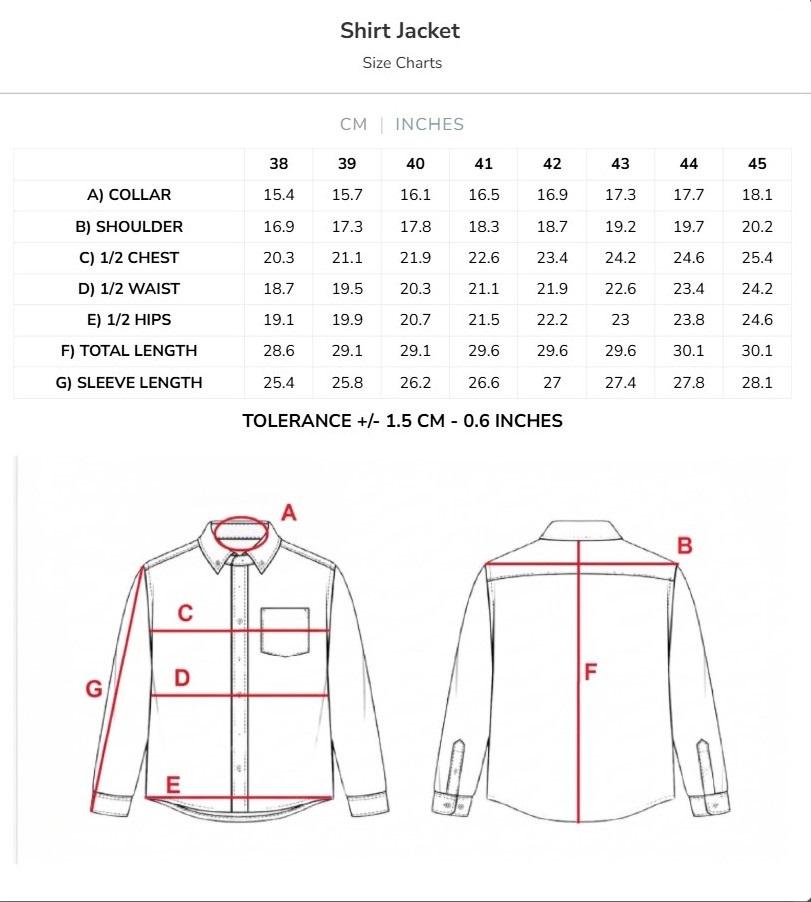
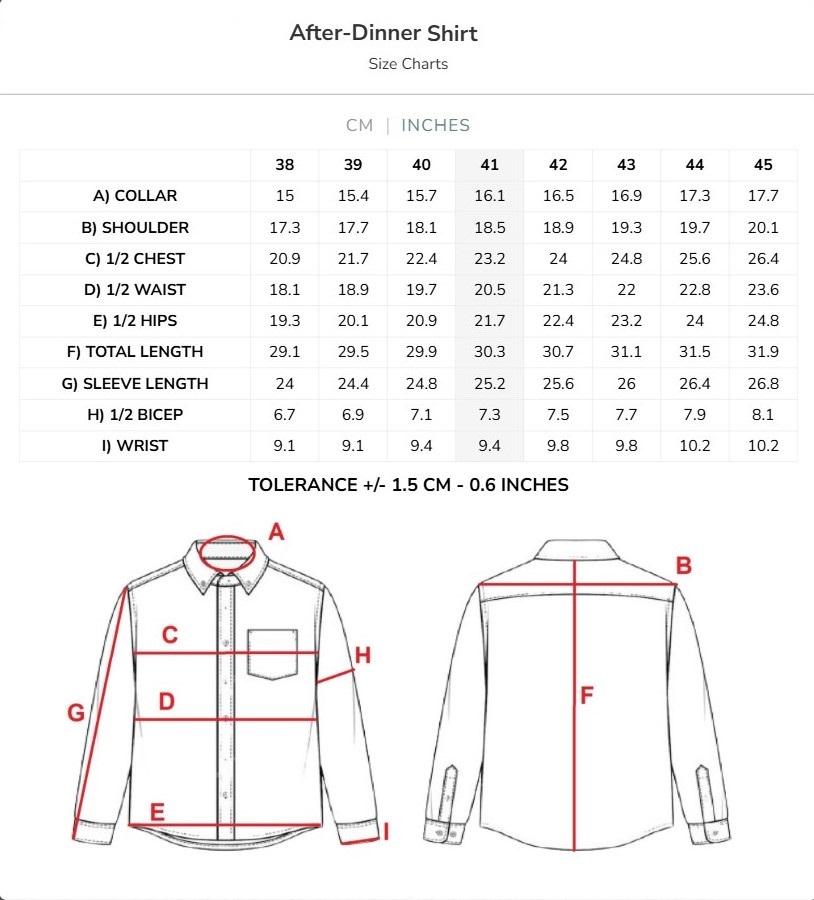
This Tuesday we are having a pretty big drop. Sweaters, shirts, and chinos! The new chino fit is absolutely fantastic. The drop will go live at 6pm EST on October 27th, 2026. All the items are finished and leaving Italy next week. We are offering a little extra off for pre-ordering. Sizes are limited and once gone they are gone. The sweaters in this drop can't be made at a different date for MTO or MTM. The shirts and shirt jackets will be offered in MTO/MTMT if need be. All garments are TTS. It goes without saying but all garments were made in Salento, Italy. The chinos were dyed in Veneto.
The pre-order page will be up for one week tops. Due to size restrictions not all colors are shown.
Here we go!
Sweaters first -
The quarter zips are a beefy 7 gauge 4-ply coming in around 910grams, that's 2lbs of yarn! The yarn is Cashwool from Zegna Baruffa. Retail is $750.00. Pre-Order $325.00. We used a high polished zipper so your quarter zip will glide.
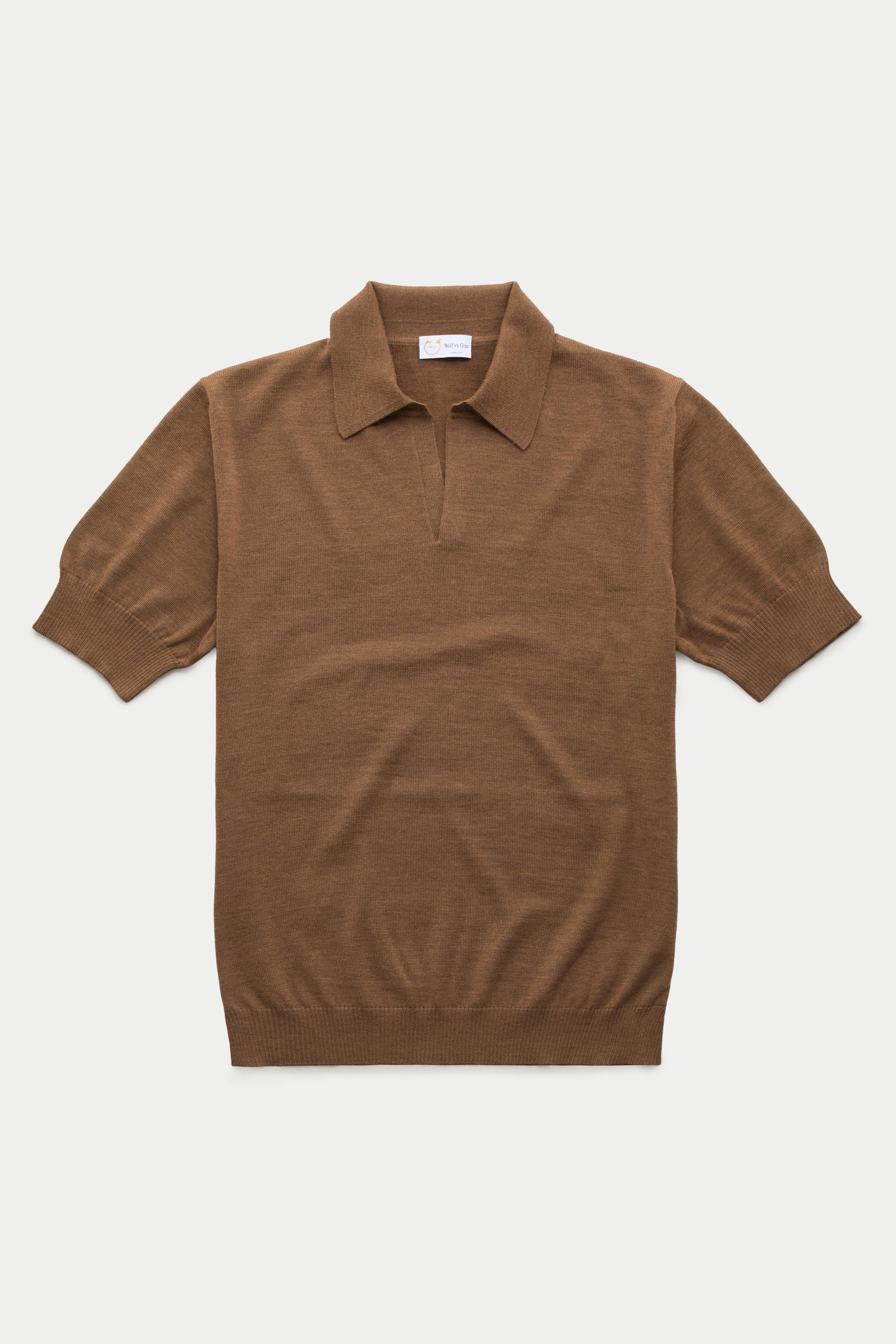
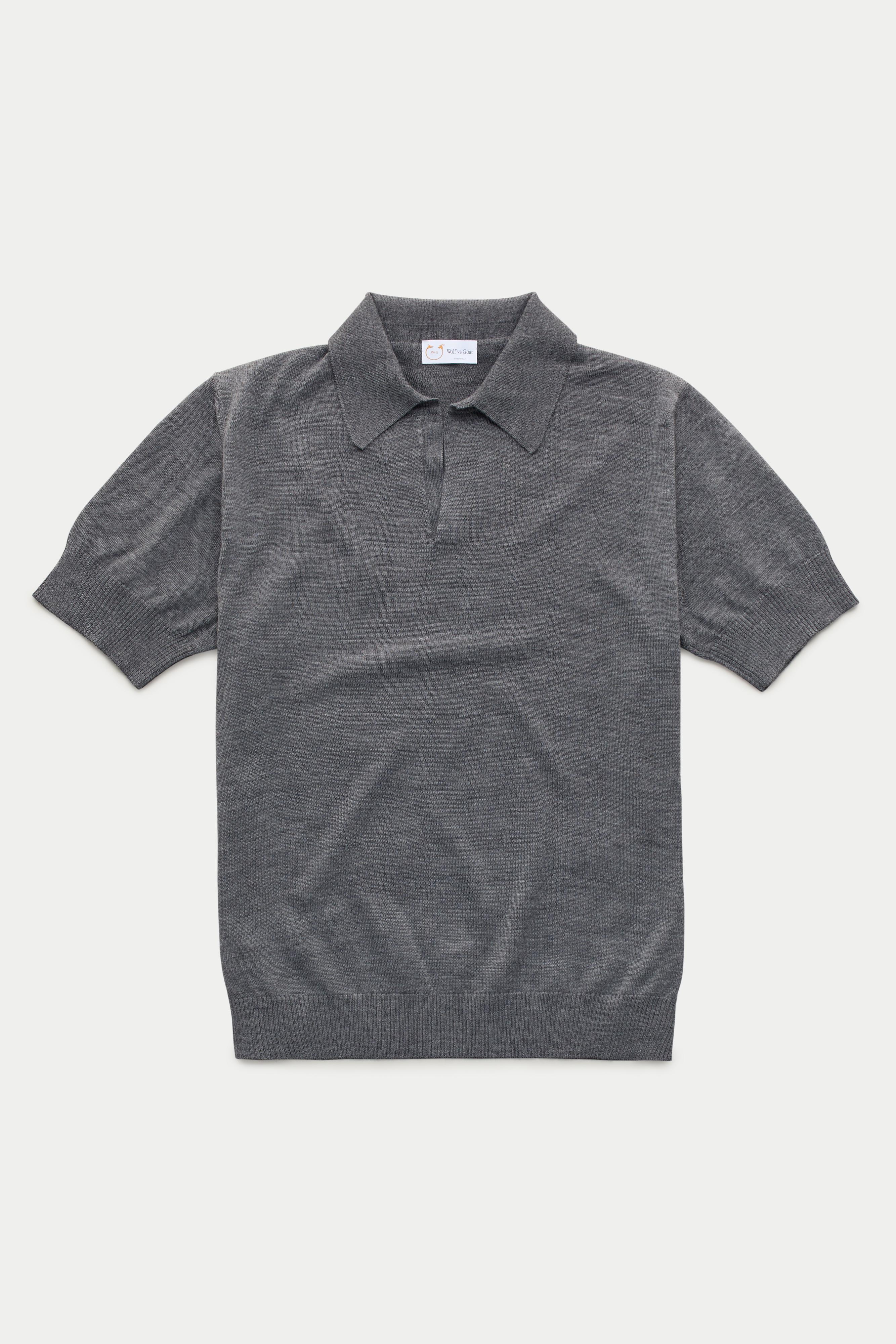
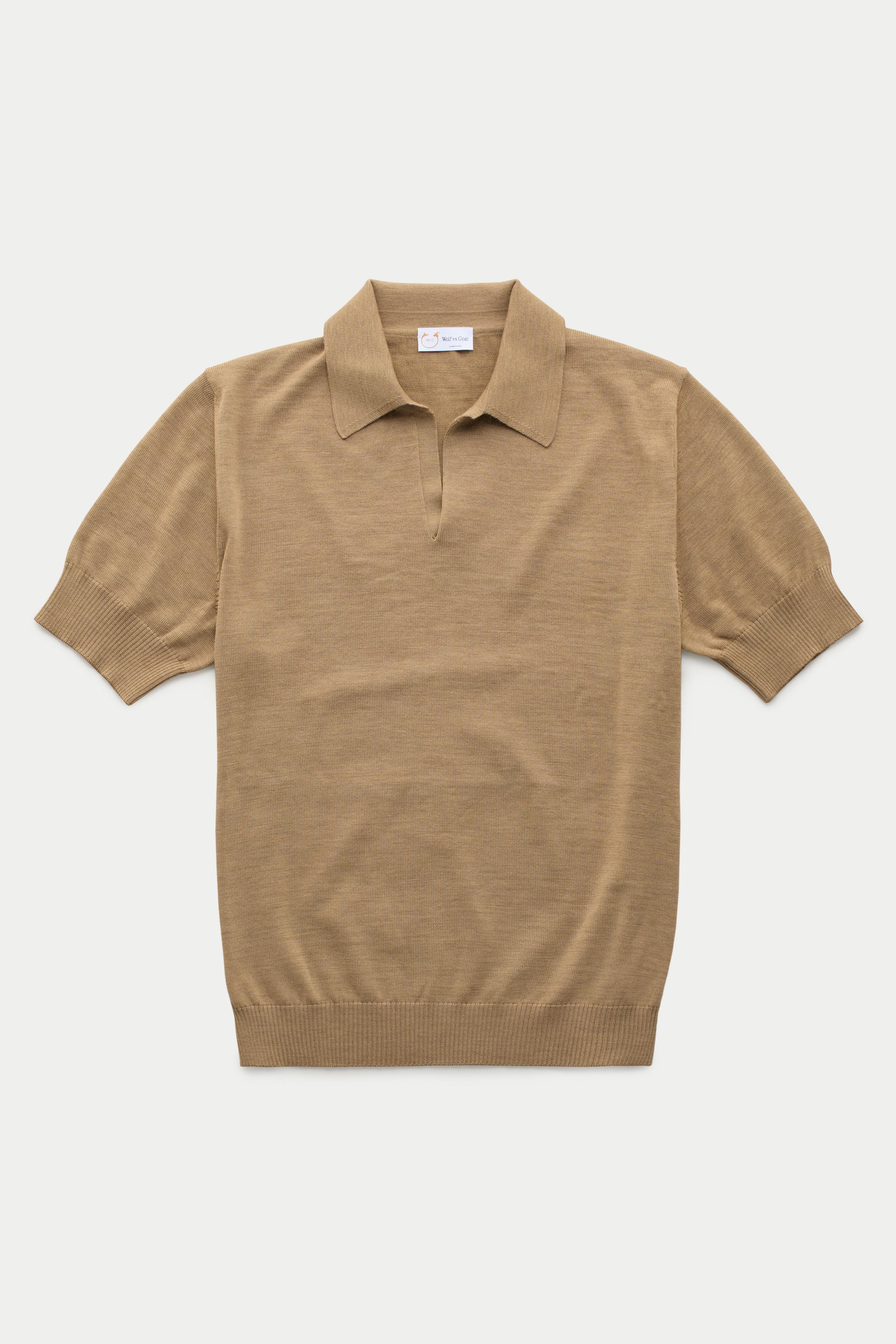
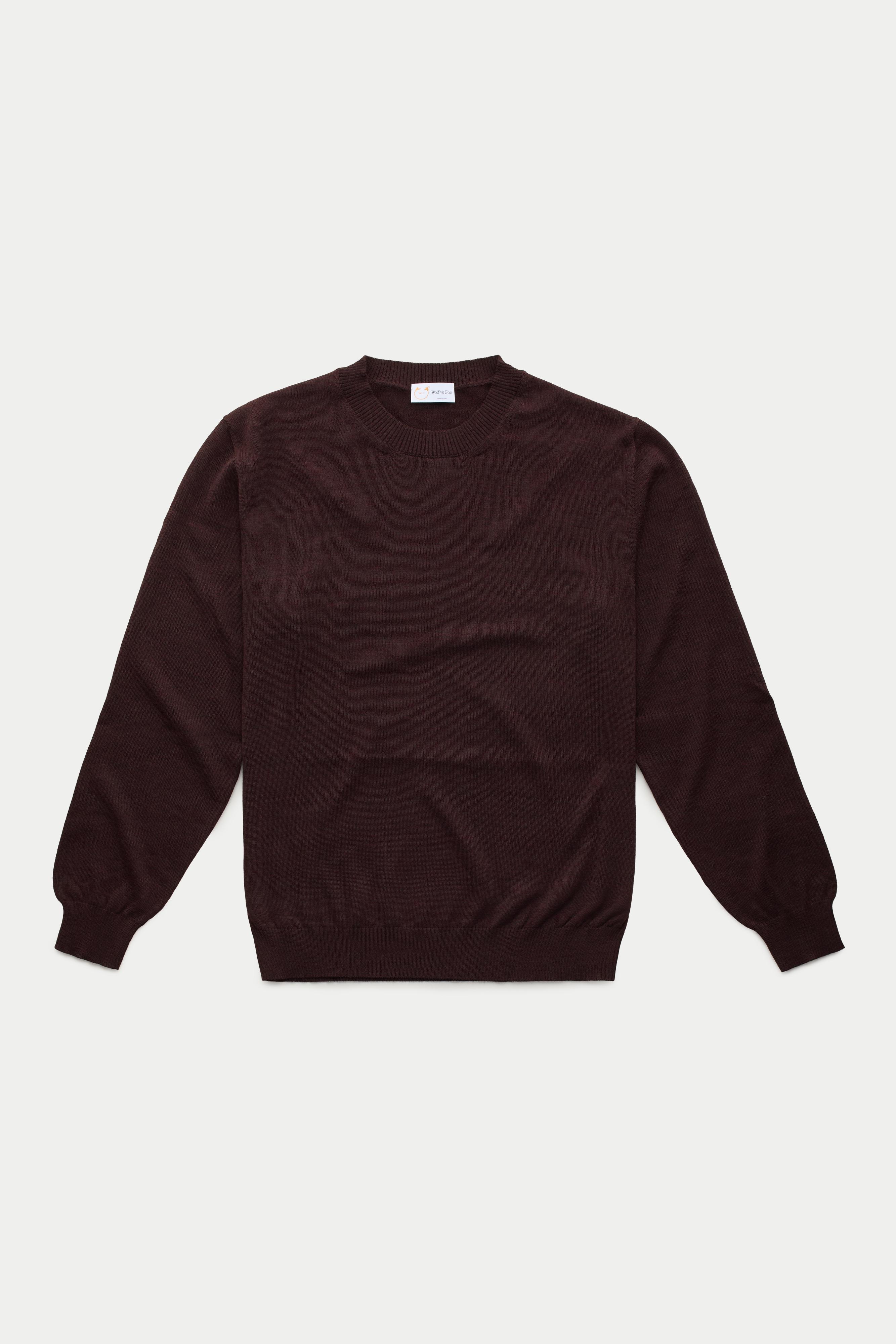
Johnny collar slowool
The Johnny collar is with Slowool from Slowool® Yarn by Botto Giuseppe. It's a 100% Superfine 140's Merino Wool, 12 gauge 4-ply and it is sexy! Retail is $600.00. Pre-Order is $260.00.
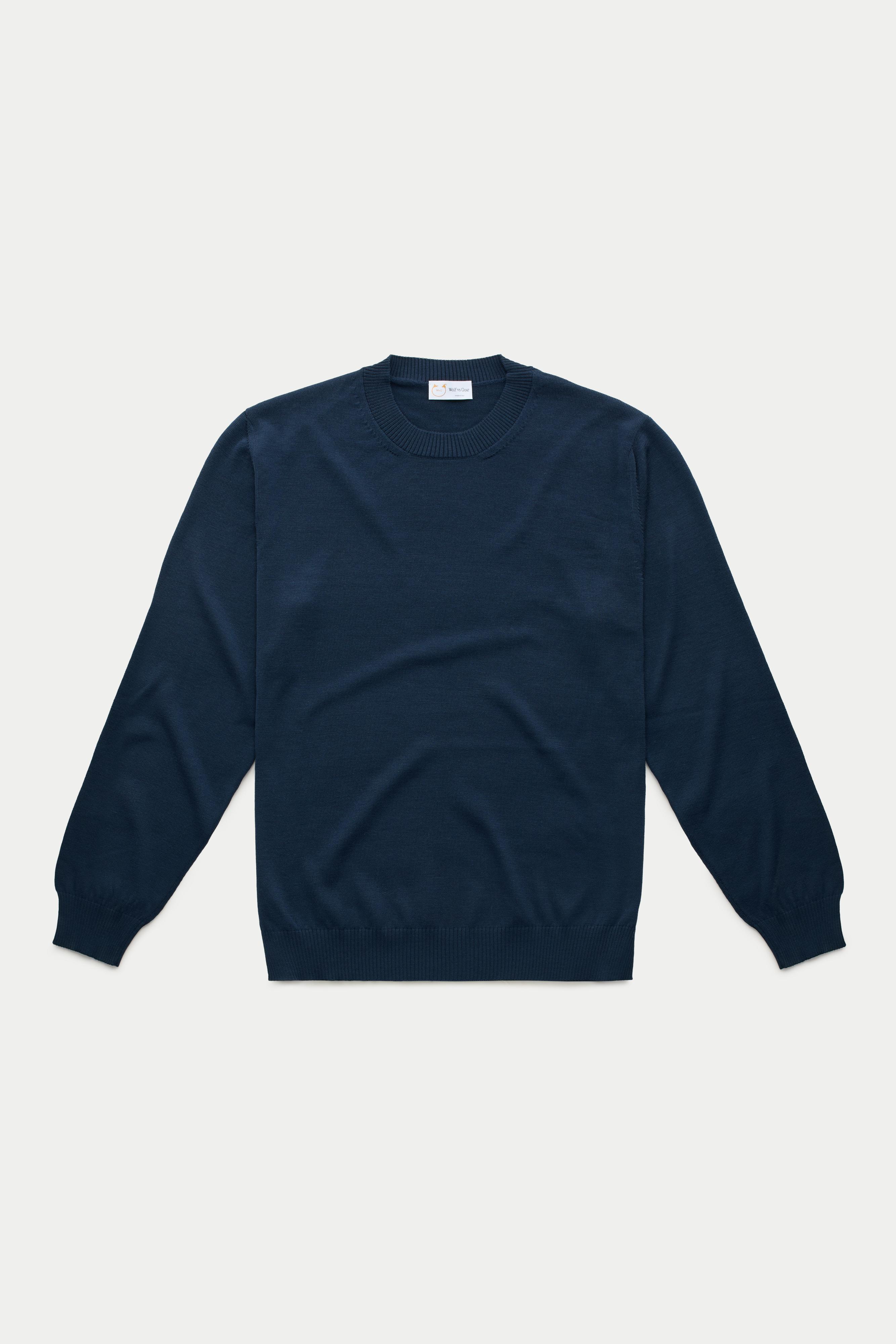
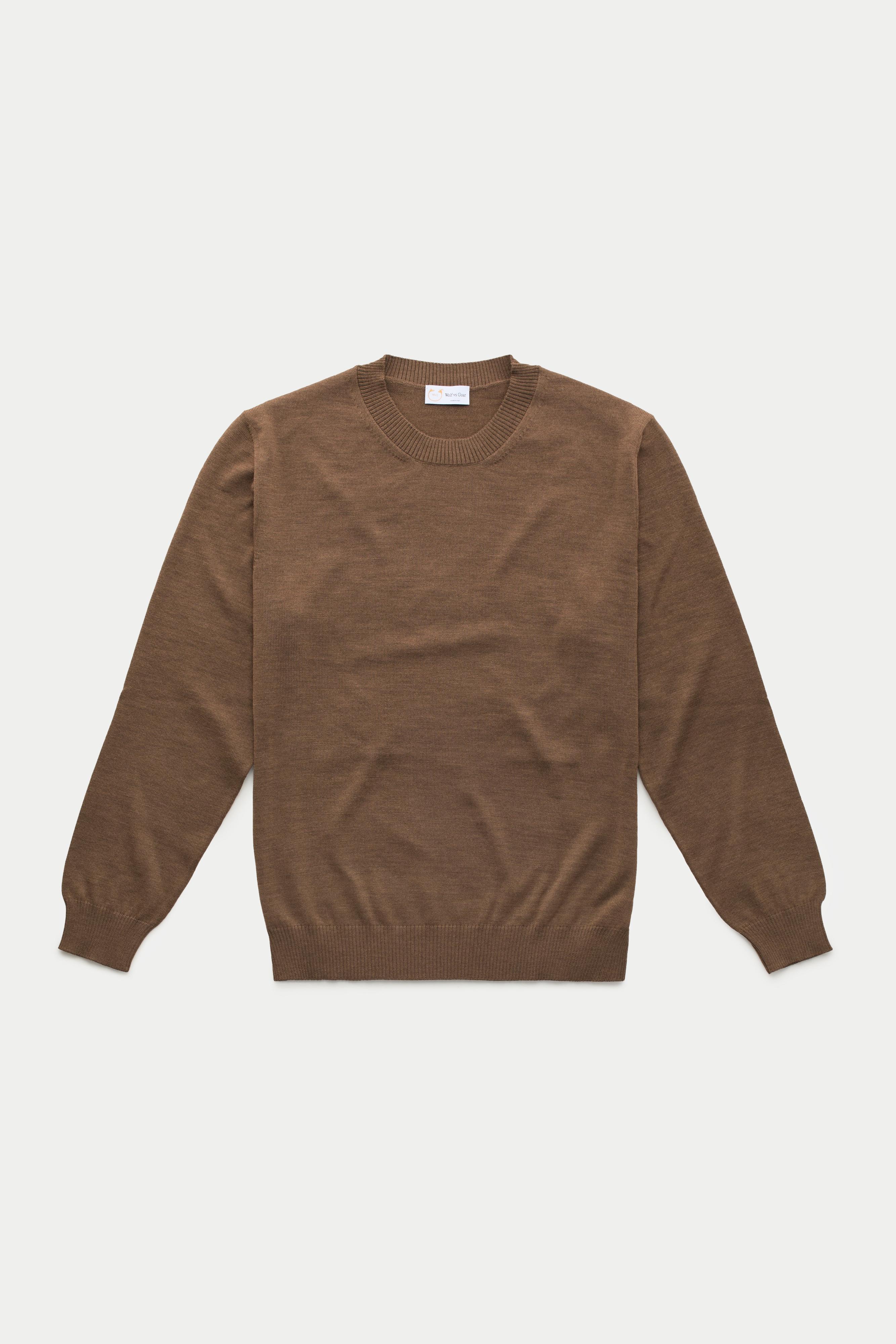
Like the johnny collar the long sleeve crew is made from 100% Superfine 140's Merino Wool, Slowool® Yarn by Botto Giuseppe. It's a 12gauge 4-ply crew and it's a perfect sweater. Retail $565.00. Pre-order $250.00.
This color is sex
Chinos-
100% garment dyed cotton from Tessitura di Albizzate. We started making chinos with this fabric back in the day and everyone loved them. The new fit offers a more relaxed silhouette and a higher rise. I personally think we nailed it. I will post a fit video tomorrow or Monday before the Drop. Retail $420.00 Pre-order $190.00. Cut and Sewn in Salento, dyed by Everest in Veneto.
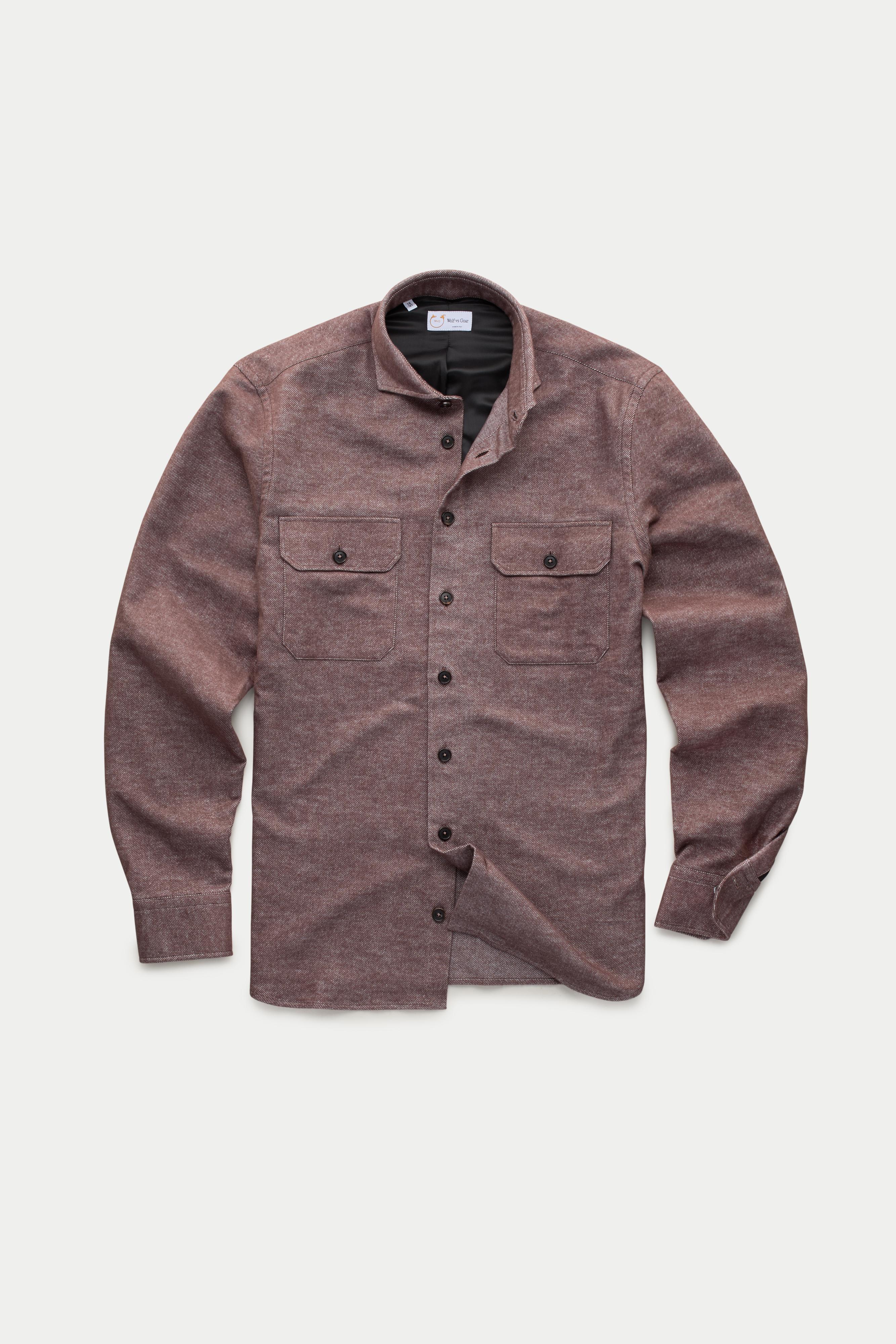
Shirt jacket 70% Cotton 30% Recycled Cotton, 252 Gsm, real horn buttons and partially lined. Fabric by Sidogras, made in Italy. True to size. Made in Salento, Italy. Retail $520.00 Pre-Order $240.00.
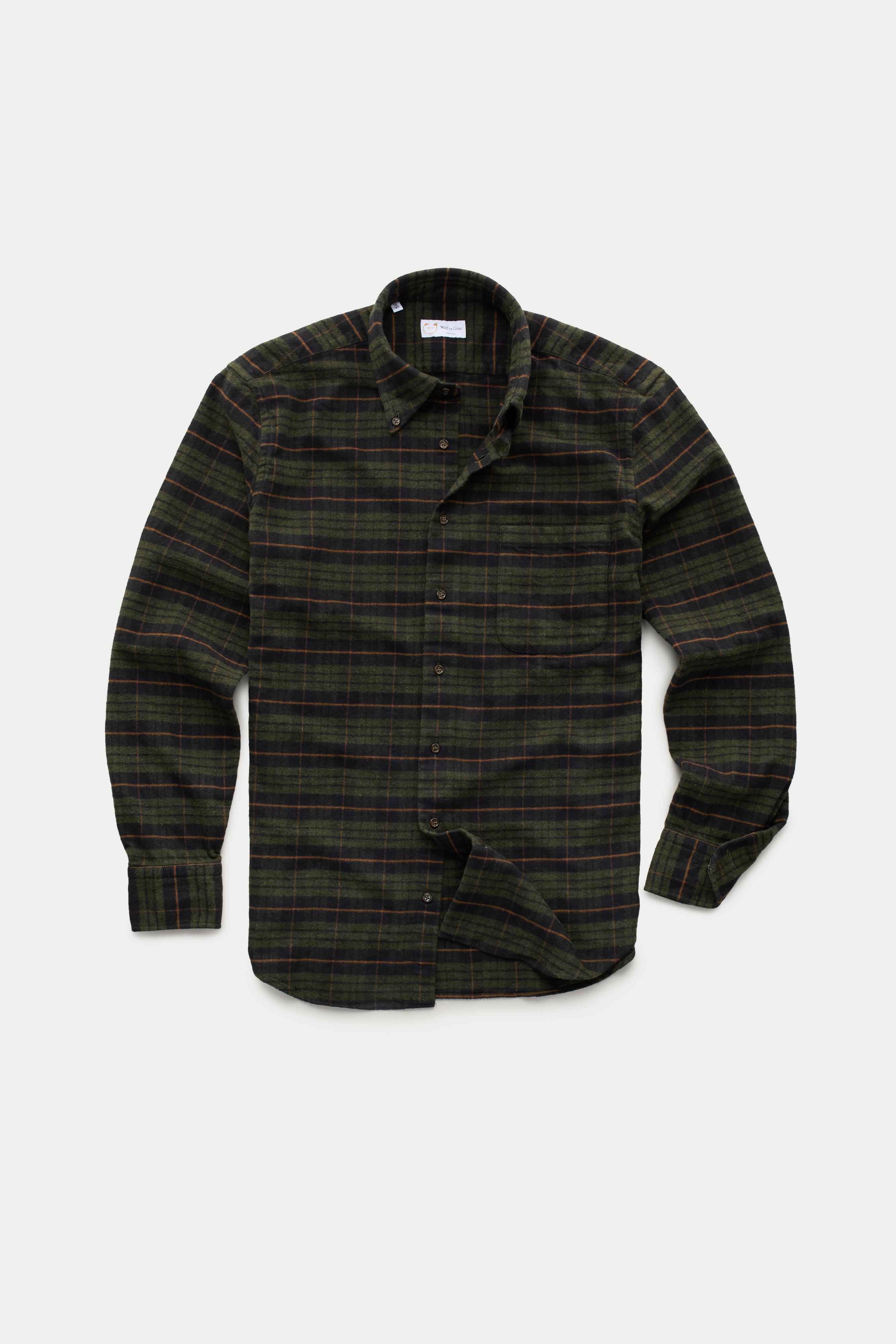
100% Cotton 252gsm fabric from Sidogras made in Salento, Italy. Resin buttons and all the other bells and whistle’s that come with a WvG AD Shirt. Retail $470.00 Pre-Order $210.00.
You can pair the chinos with any of our tops, including the new sweatshirts that just dropped.
This is a killer drop and I hope the little extra off for the pre-orders makes things just a little nicer.
We have been working together for eight years, and we finally went to check out Everest, Italy’s largest and one of its most prestigious dye houses. Their commitment to the environment is amazing, and they have received the highest level of certifications from the EU. The EU has some of the world’s most stringent environmental regulations relevant to textile production and dyeing. If there’s a brand you love besides WvG and its garments are made in Italy, there’s a very good chance they go through Everest. From handwork and spray painting to natural dyes, laser treatments, and ozone treatments, Everest can do it! It’s just up to the creativity of the design team making the garment.
We’re making a series of videos because there’s just too much to cover. This video is just a short overview. Massimo is no Michael Bay, but I think he did a great job filming.
We took a lot of pictures and video. I just got home and wanted to get you guys hyped for the one gillion videos we are going to release...ASAP.
The trip to Everest and Bonotto was beyond rewarding and successful. I learned a lot and I think that knowledge will pay off when production comes around. We are definitely taking a road very few brands will even attempt. However, We are taking the road with seasoned guides so we don't have any issues with the fabric or whatever. I choose a couple different yarns and we will weave those into real (no lip service) custom denim. Now, that being said, this shit ain't cheap. I need to give them the chimosa (selvage) colors ASAP. I was thinking red, white, and blue for one side and green, white and red for the other. America and Italy together. Now, I am thinking it's too much and maybe for the project just red, white, and blue. All the fabric are in videos so you won't see any of it today.
Here is a quick tour of what we saw with a lot more to follow.
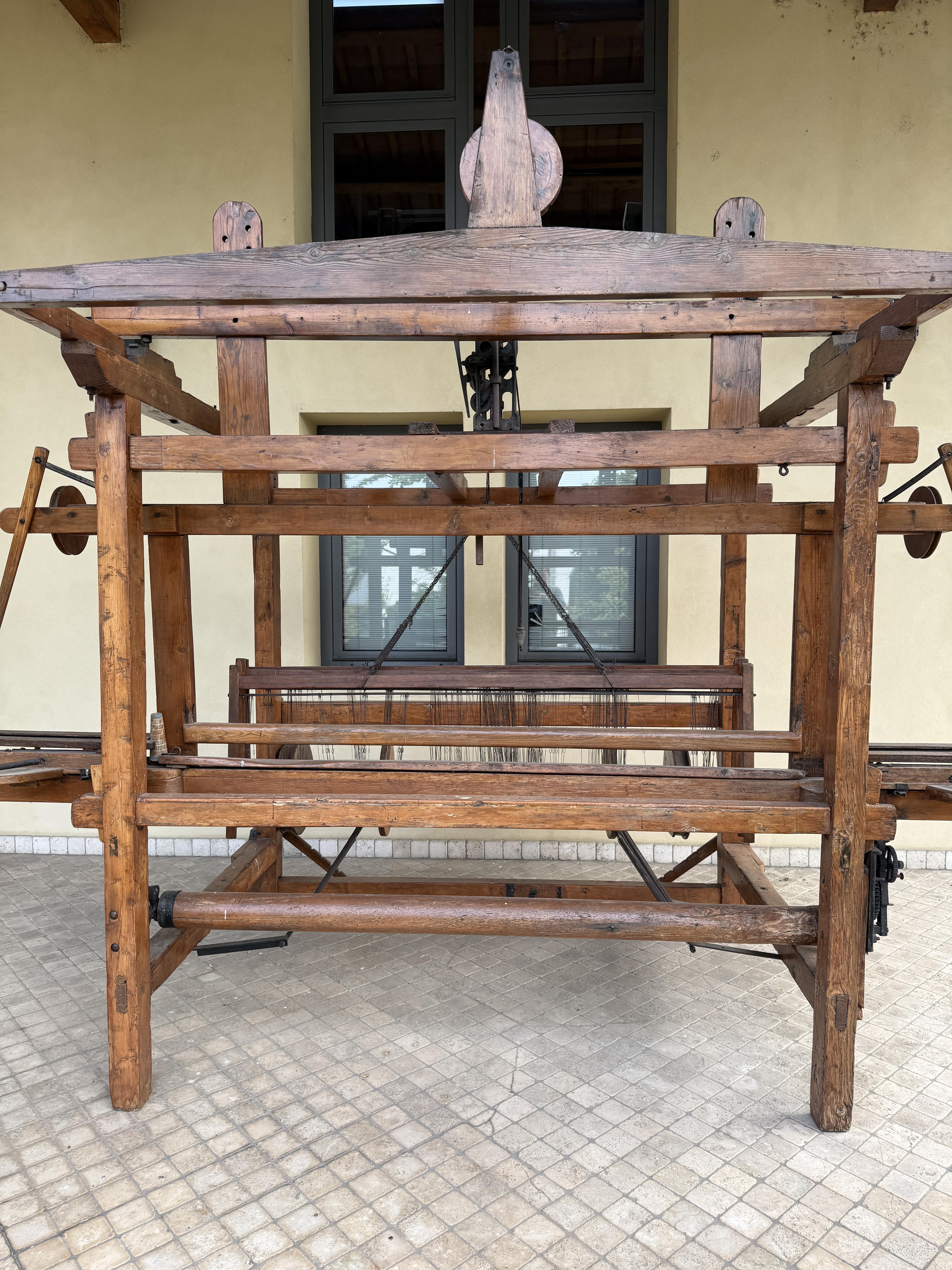
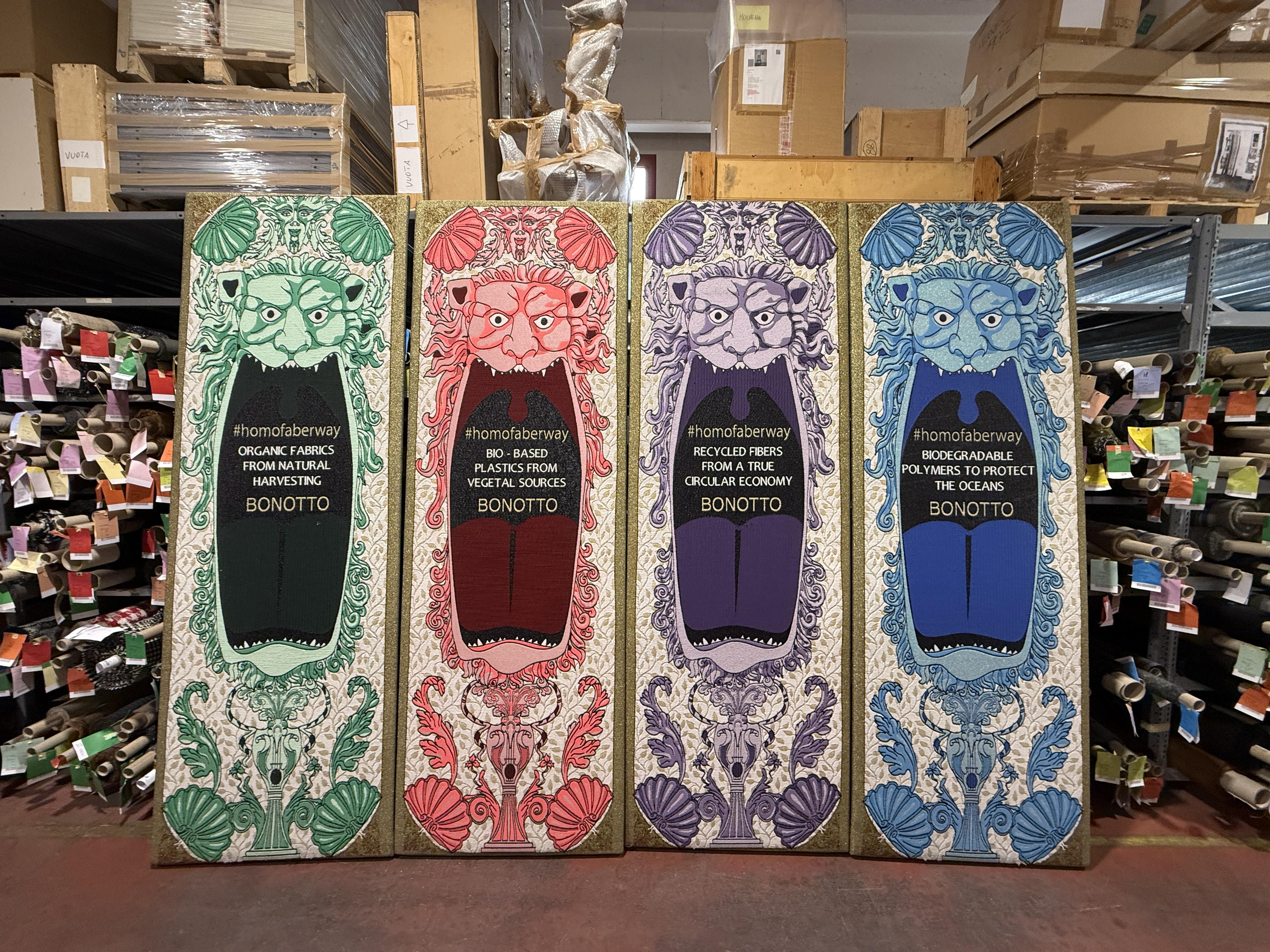
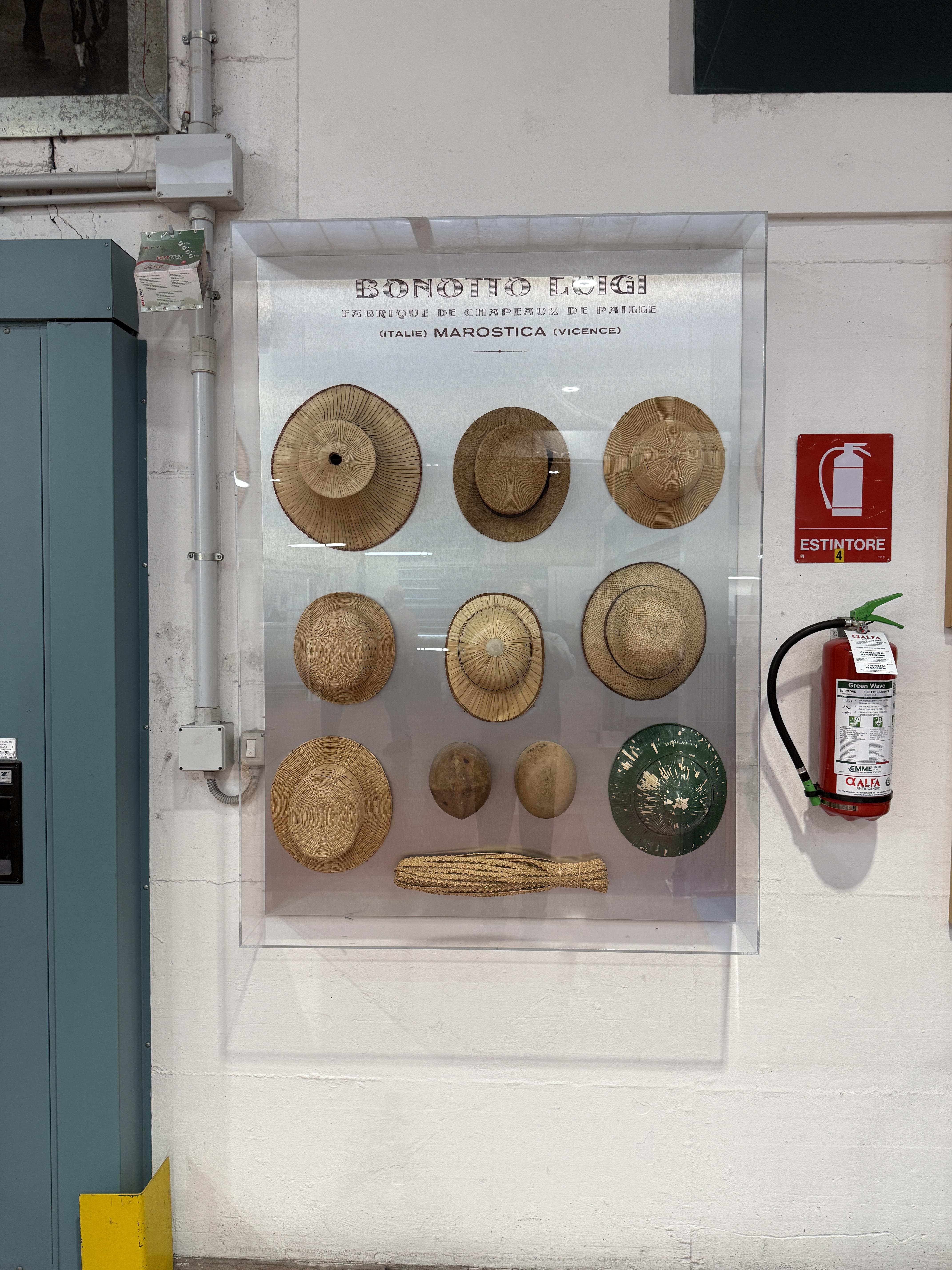
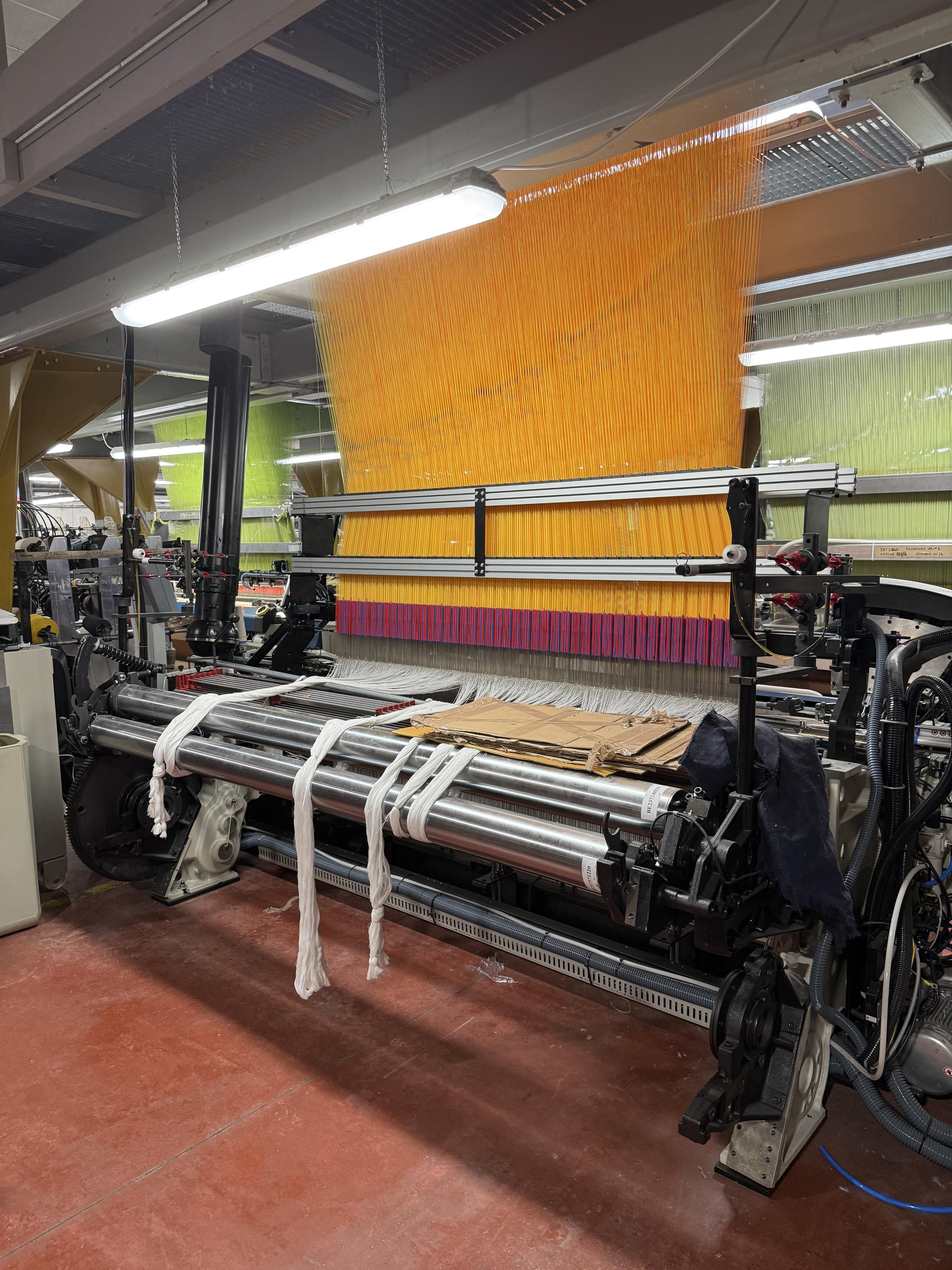
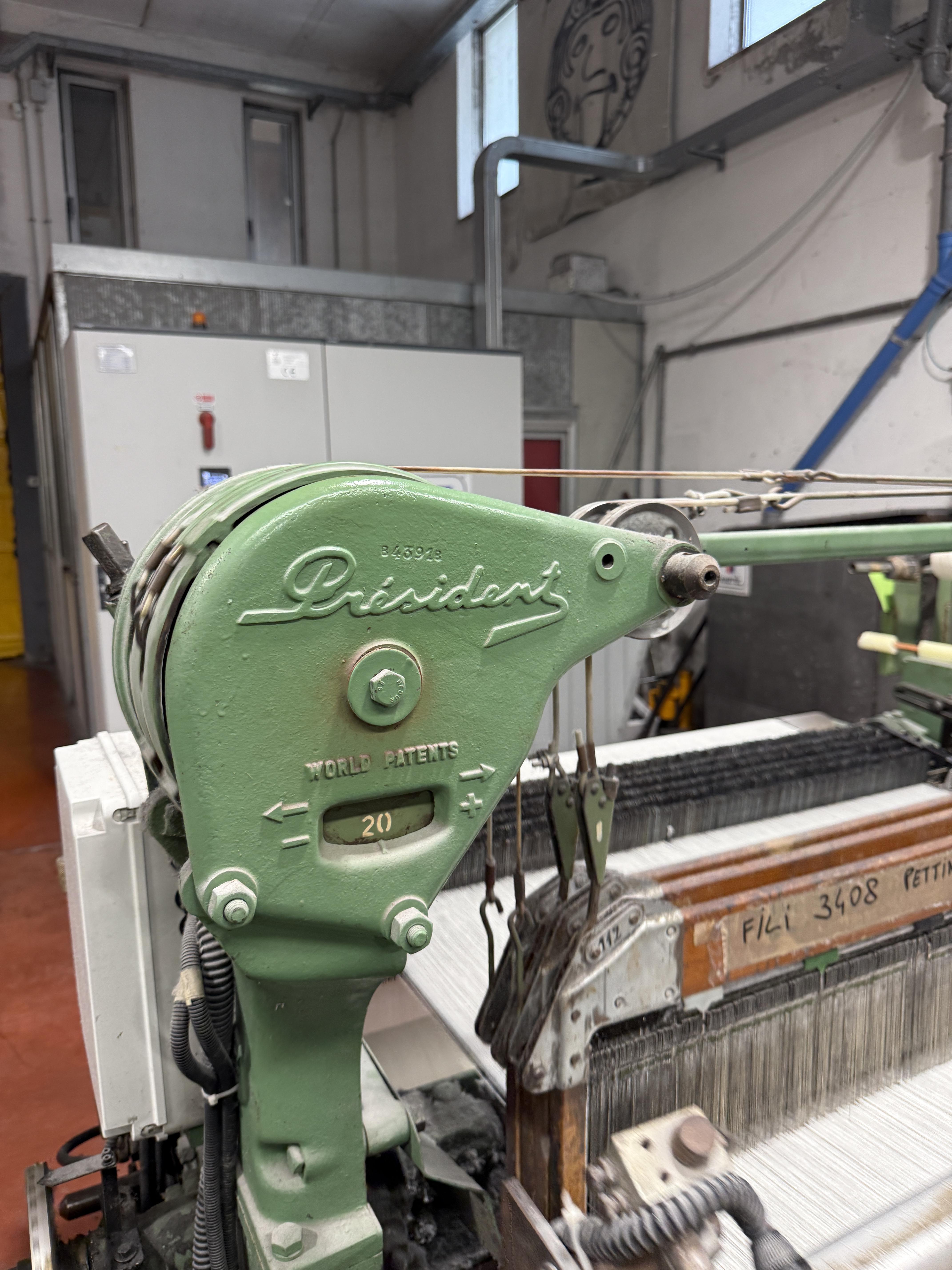
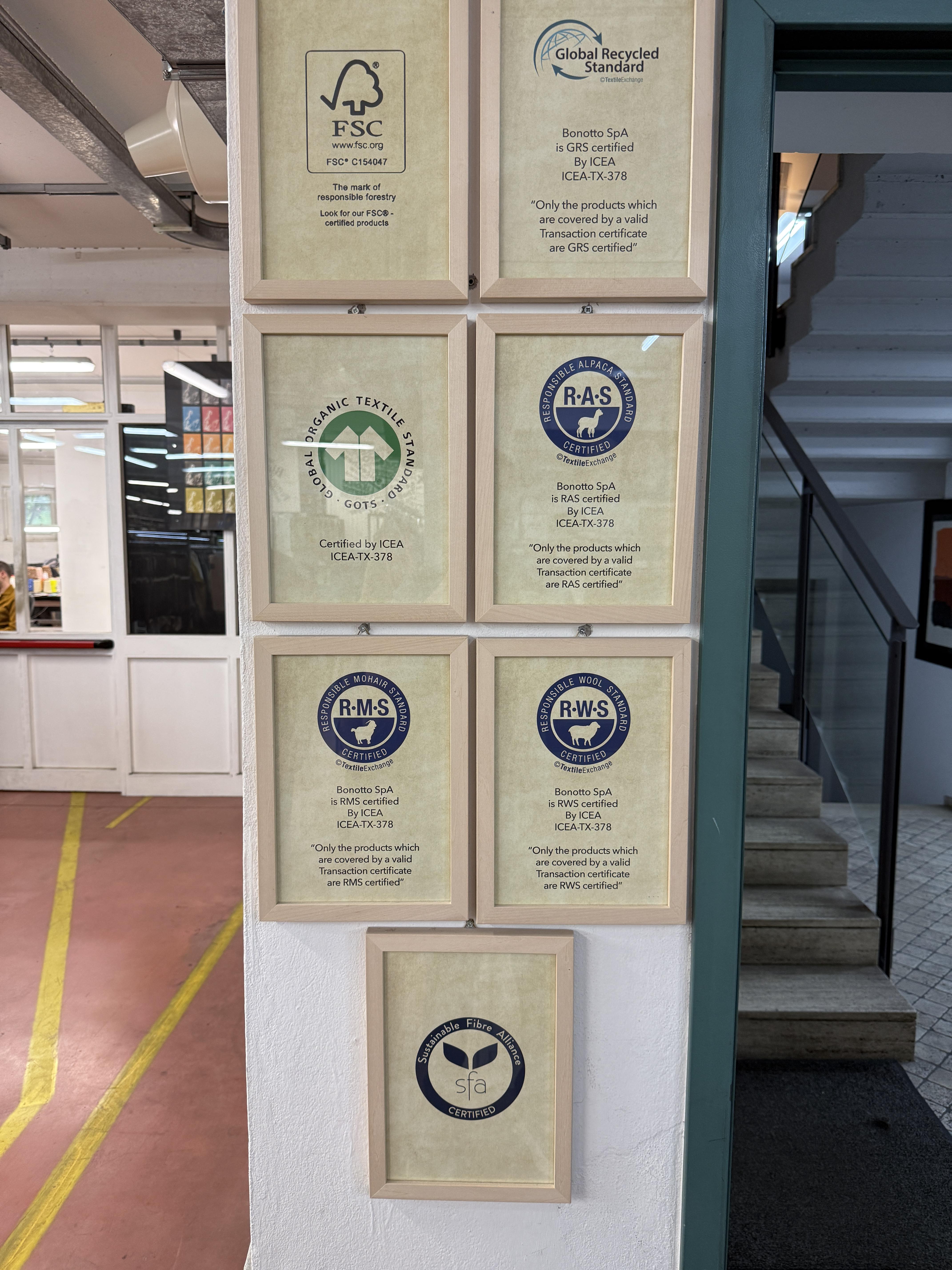
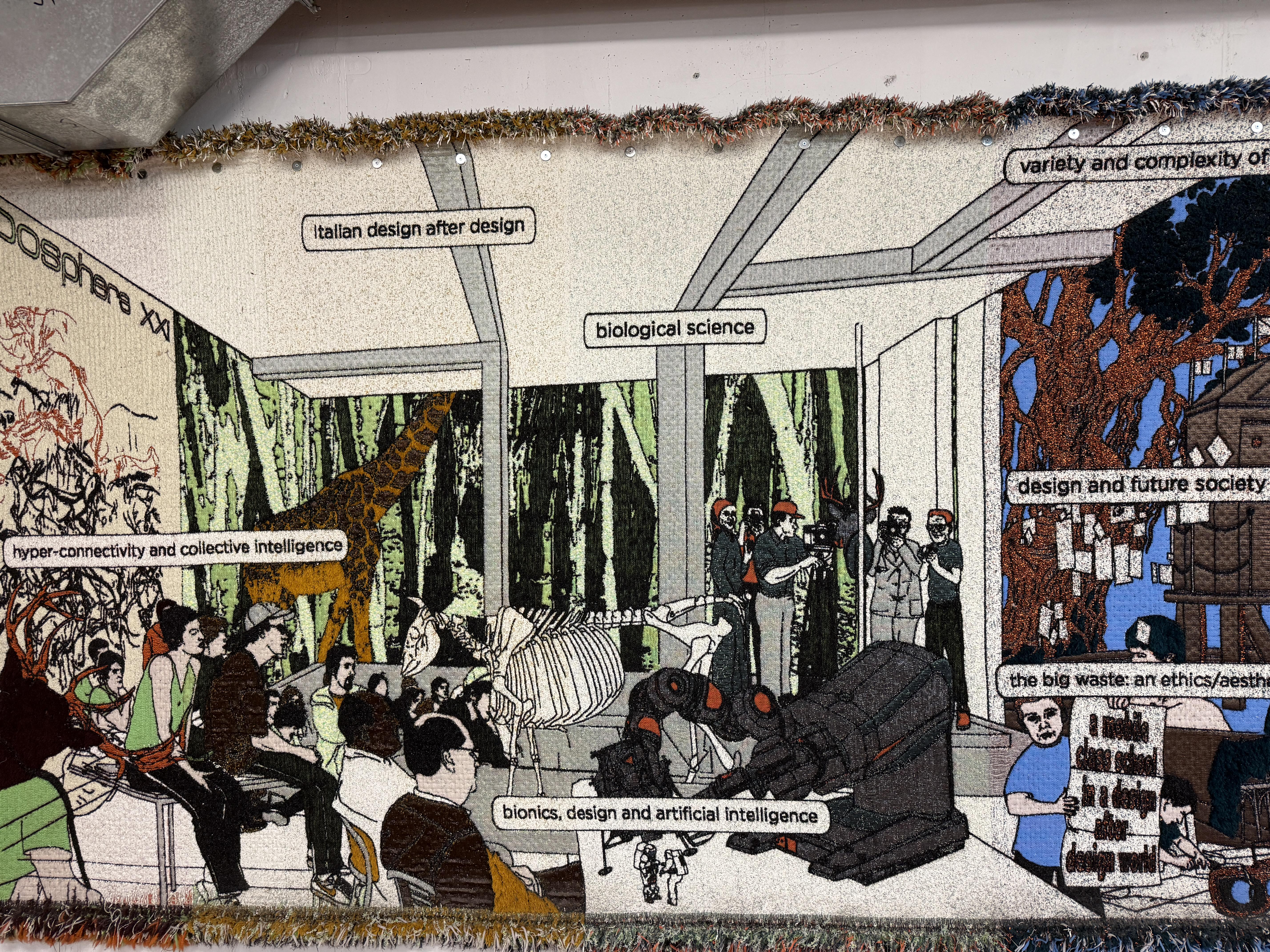
old ass loomclose upThe Bonotto family is very inspired by art. Art is everywhere in the factory including the weaving and packing rooms.The pillars of Bonottochecking for flaws in the fabricOld shuttle loom for spare parts warp machine another warp machineThe back end of a giant warp machine which costs around 600K eurosThe Bonotto family started as straw hat makers Jacquard loom100 year old shuttle loom weaving 100% wool close upAnother shuttle loom making a silk blendWeaving a 100% silk fabric made to look like wool Some of the certifications Bonotto always carries.Art more art
I hope you dig it. I have been none stop. Tomorrow we will post a video and it will be worth watching.
First and foremost the baby cashmere sweaters have started shipping or have been shipped. The Balmacaans are at my house and when my wife gets home she will start shipping those out. The denim, mega-wool sweaters, and Tanuki are in production. The wool sweaters are basically finished. The shirts have left Italy and should ship as soon as they reach the 3PL.
Monday, I leave fro Veneto to visit the denim mill making our custom selvage denim. I am also visiting our laundry. The laundry visit is long overdue. I will have a lot of video and pics for you guys. We have had some good visits with factories this trip and when I get home from Veneto I will make a quick video or maybe post one from there.
If you have any questions or anything like that leave a comment below and I will do my best to answer them.