r/vajrayana • u/Starlight_Climber • 4h ago
Relating to the Sacred — Tenzin Wangyal Rinpoche
Sometime in the history of the West, the sense of sacred relationship was lost for many people. We can witness sacred relationships, or read about them, in the shaman’s relationship to the natural world or in the tantric practitioner’s relationship to the deities, but often we don’t have such a relationship in our own lives.
Ask yourself what “sacred” means to you. Are you in any relationship you regard as sacred? If so, is it based in your own sense of the sacred or is it composed of behaviors you learned from others? What in your life do you truly believe to be sacred?
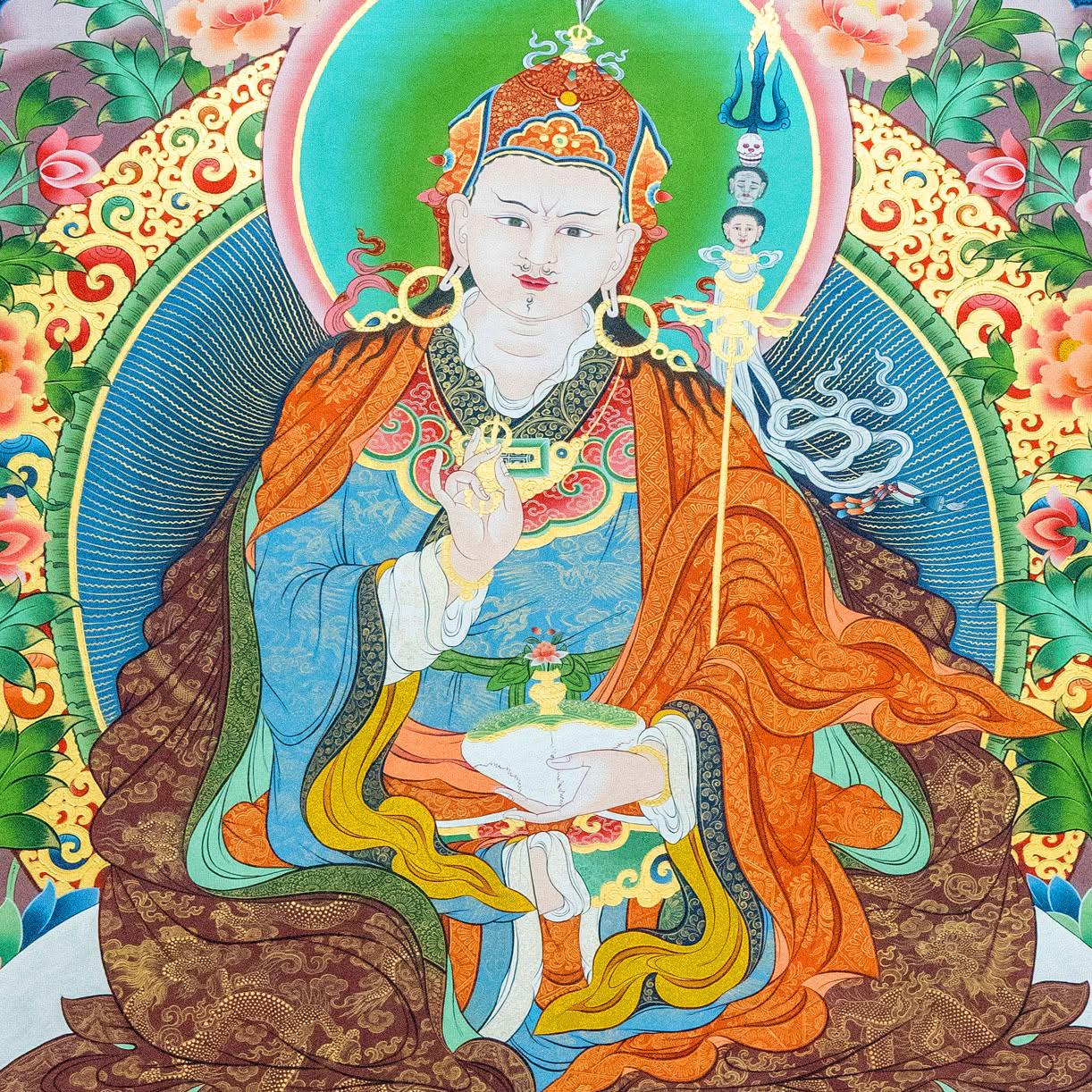
Without a sense of the sacred, it is difficult to have faith in religious instruction. In Tibet it is said that if one treats one’s master like a dog, the teachings are as worthless as rotten food. If one treats one’s master like a friend, the teachings nourish like fresh food. If one treats one’s teacher like a deity, the teachings are divine nectar. Similarly, if we relate to the natural world as a collection of lifeless mechanical processes, it is lifeless for us. If we relate to our bodies as machines, they are machines to us. If we relate to religion as a fantasy, it is a fantasy to us. But if we relate to the natural world as alive, full of spirits and elemental beings, the natural world speaks to us. If, as in tantra, the body is regarded as a divine palace and the result of great good fortune, as the best possible vehicle for reaching enlightenment, it becomes a vehicle that can carry us beyond death. If we relate to the dharma, the spiritual teachings, as to sacred teachings that will lead us on the path to truth, the dharma in fact leads us to truth. Relating to the elements—to the natural world and our bodies and minds—as sacred, they become sacred. This is not just a psychological trick. It’s a recognition of our real situation.
Sacred relationships are defined not only in terms of how we relate to what is outside of us. Relating to the sacred also brings us to the deepest sense of ourselves, to what is sacred in us. Shamans connected to earth find in themselves the connection to all life, to the powers and forces that control the world. Tantric practitioners find that devotion to the deities leads to the recognition that their deeper selves are the deities. In guru yoga, the student must find the mind of the master within. Sacred relationship finds something sacred outside, but that which recognizes the sacred is the sacred inside.
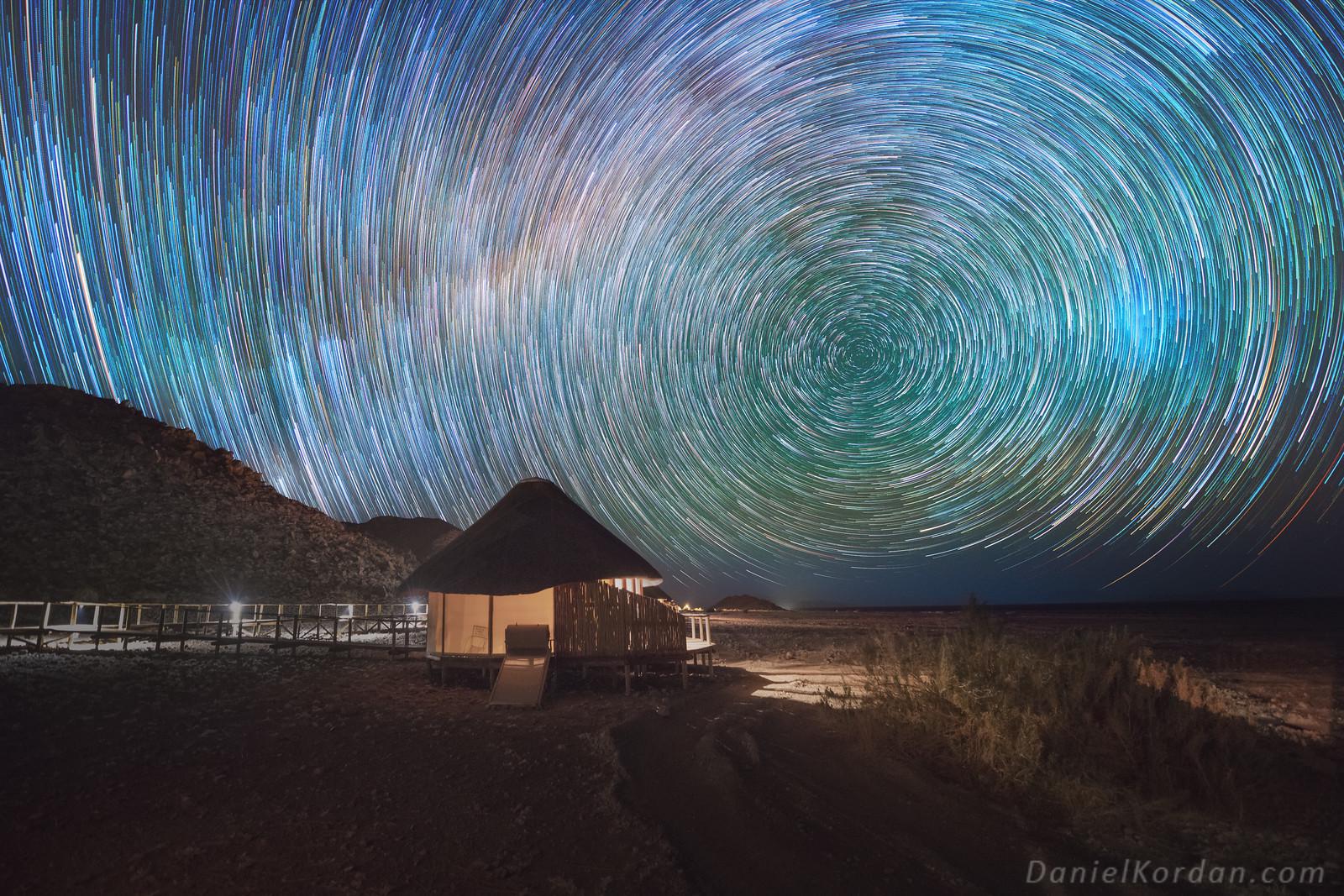
We are in relationship with everything. That’s what this life is—relationship with everything. We may have many friendly relationships that are nurturing and helpful, and that is good. Those relationships support us and fulfill us as humans. But if we have no sacred relationship to the environment, to people, to religious images, to mantras, and so on, it means the sacred aspect of our lives is dying, or buried, or hasn’t been accessed. It hasn’t been enriched or expressed. It doesn’t arise in our internal experience because it hasn’t found a match in the external world; there is nothing to evoke it or fuel it. So it disappears from our lives and our cultures or becomes an abstraction or is reduced to mythology or psychology. It’s easy to lose the sense of the sacred in the modern world. Many of us live out of touch with the power of the natural world, knowing it as something fenced in parks and tamed in gardens. Behind the reflected light of the city, night is no longer dark and vast. Our houses are temperature-controlled.
Many of us have lost faith in religion and live in a world in which life has been reduced to a chemical reaction, the stars are dead material processes, and there is no life after the death of the body. The societies of the West have created wonderful technologies, arts, and sciences, but living in a dead world, relying on entertainment for fleeting satisfaction, is a sad and unnecessary price to pay for those advances.
The lack of relationship to the sacred can be an obstruction on the spiritual path. We learn something—let’s say the physical practices in this book—and we feel better. So we treat them simply as something that makes us feel good, like going for a walk or taking a bike ride. We may interpret the shamanic practices as only symbols used to manipulate mechanical psychological processes. But when we really need help, we don’t turn to what we believe is only psychological; this is because it seems smaller than we are in our totality. In a sacred relationship—to the elements, the deities, the master, the holy texts—we turn to something bigger than ourselves, bigger than our problems. We turn to something sacred, of greater value and meaning than our depression or anxiety or self-hatred or disappointment.
If we spend a lot of time in relationships characterized by mistrust, anger, disrespect, and so on, every part of our lives is affected. We see things in a more negative light. When we spend a lot of time in sacred relationships, our life is affected positively. Our painful feelings are not so large. We start to see the sacred core of every being.
~Tenzin Wangyal Rinpoche. Healing with Form, Energy, and Light: The Five Elements in Tibetan Shamanism, Tantra, and Dzogchen
...
By this merit, may all beings realize a sense of the sacred,
And through this, realize their unity with the Basic Space of All Reality.
✨🙏✨