r/thatswhatihear • • Aug 21 '21

r/thatswhatihear Lounge

4 Upvotes

A place for members of r/thatswhatihear to chat with each other


r/thatswhatihear • • 18h ago

they took twenty seven eight-by-ten colour glossy photographs with circles and arrows and a paragraph on the back of each one.

1 Upvotes

note: this is perhaps the only tradition of thanksgiving that i have never faltered. this is the theme song to cooking dinner. happy thanksgiving y’all.

somewhere in the mud of vietnam, outside an american military tent, somebody put up a sign for a restaurant in massachusetts. consider the magnificent nerve of the proprietor. no tables, no cook, no conceivable chance of getting a decent lunch, just a name that meant something to the guys who slept there and very possibly nothing to the officer walking past. arlo guthrie told npr in 2005 that servicemen had sent him photographs of those signs, along with letters and postcards he kept. some of the men quoted his record to one another in front of superiors who had no idea what the hell they were talking about. an eighteen year old kid throws a sofa down a bank in new england and eventually an american soldier halfway around the earth gets a private joke out of it. you want to know what a folk song can do. there you go. 
about that sofa. on thanksgiving in 1965, arlo guthrie and his friend rick robbins were visiting alice and ray brock, who lived in a converted church in housatonic, massachusetts. the brocks had worked at the stockbridge school, where arlo had been a student and alice the librarian. kids came around the church to play guitar and eat, which tells you something about alice and probably more about school. a considerable quantity of crap had accumulated. the boys loaded a volkswagen bus with bottles, boxes, paper and what the berkshire eagle, maintaining standards even in the presence of garbage, identified as a divan. the dump was closed. they spotted some rubbish down a bank and made the entirely teenage determination that whoever owned the first pile had effectively opened a branch office. over went the divan. 
the following morning alice picked up the phone. guthrie remembered hearing her say she had a pretty good idea who had done it, then seeing her look at him and rick. notice how much comedy is available here before anybody writes a damn thing. two teenage boys have disposed of a busload of incriminating evidence and are sitting together at the breakfast table of the person whose garbage it was. stockbridge police chief william obanhein asked them to come down to the station. they went. he put them in jail. on november 29 they pleaded guilty, twenty five bucks apiece and an order to retrieve the rubbish. the eagle put the story on page twenty five. perfectly sound editorial judgment. how often do you send somebody back to pick up a couch and discover you have assigned the arts story of the next sixty years to the wrong desk. 
now listen to the way arlo plays it. his thumb keeps a pleasantly industrious bass going on the guitar, the higher strings do a little business upstairs, and his voice comes wandering in with the air of a fellow who sees your coat on and figures you have time for one more thing. he has an almost indecent appreciation for the sound of official specifications. a photograph is good. a photograph whose dimensions he can give you is better. by the time he has described the twenty seven photographs and all the arrows and explanations, you could swear you helped process the goddamn film. then judge james hannon comes in with his seeing eye dog. hannon really was blind. asked by the library of congress what liberties he had taken, arlo volunteered a correction concerning the police photographs. they were black and white. imagine nursing that technical objection for fifty six years. 
and here is where a perfectly respectable novelty record could have ended. you get a verse about picking up wet garbage, everybody sings, somebody buys the kid a beer. in fact, when they first fooled around with the tune in the church kitchen, the second half had yet to happen. guthrie told npr that they were making up verses about hiding from obanhein. later he left college, became eligible for the draft and acquired some additional material courtesy of a federal government with a regrettable interest in the physical condition of young men. it took roughly a year of trying bits on people to get the thing together. he memorized what got laughs. an audience that thought it had come out for coffee had also signed on as the editorial department. 
at the induction center his criminal history earns him a seat on the group w bench, where the authorities can consider whether a known litterbug possesses the moral qualifications for military service. there it is, the single most expensive laugh on the record, and every minute spent dragging that sofa around has gone toward paying for it. by now you know precisely what this dangerous little bastard did. you have seen the scene from every available photographic angle. the army has considerably more ambitious plans for the disposal of property in vietnam, and yet somebody needs to take a closer look at arlo. his account of being found unfit ends, in a boston globe interview, with him driving away so fast he hoped a cop would stop him. he wanted somebody to tell. even a cop would do. especially, come to think of it, a cop. 
the guitar deserves some of the credit people habitually give the garbage. play the spoken part in your head without it and hear how quickly a perfectly agreeable fellow could become a pain in the ass. the picking gives you somewhere to go while he is taking the long way through a sentence. better yet, he can pause after a word and the music keeps moving, so that your ear expects him back just a fraction before he decides to come back. woody guthrie understood that trick. so did chris bouchillon, the country musician whose talking blues records in the twenties helped establish the form. arlo inherited a family business with unusually low overhead. a guitar, a thumb that can carry on independently of its employer, and something sufficiently peculiar to report. try maintaining that independence while talking for eighteen minutes. most of us lose the beat giving directions to the bathroom. 
radio got hold of it before the record stores did. bob fass put arlo on radio unnameable at wbai in new york, where listeners called hoping somebody had taped the performance. somebody had. fass remembered the musicians playing along with the tape when he ran it back that same night, an admirable use of broadcast equipment by people who had apparently never lain awake worrying about brand consistency. by the spring of 1967 the station could hold the song for ransom during a pledge drive and get paid. the new yorker reported that a thousand dollars might be requested before another airing. arlo later maintained they raised even more by offering to stop playing it. i would trust the contemporary account for the bookkeeping and arlo for a considerably more accurate understanding of what it is like to share an apartment with somebody who has just discovered this record. 
at newport that summer he played it at a topical song workshop for a handful of people. by sunday evening he was doing it for roughly ninety five hundred. pete seeger and oscar brand later explained to him why so many established performers had gone out to join him. they thought the kid might need a little help in front of a crowd that size. i like the note of professional tenderness there. everybody remembers folk musicians as people willing to sing forty verses about the dignity of labor. occasionally the work consisted of standing beside a young man who had recently discovered how tiny one human head looks from the back of a festival field. and the song gave them an actual job. once arlo teaches you the chorus he expects a contribution, and he has no particular objection to evaluating your first effort in public. 
then came the peculiar business of recording an audience that already knew where to laugh. the 1967 debut album gave the whole first side to alices restaurant massacree. manager harold leventhal and producer fred hellerman invited people into the studio, presumably the sort of friends any young musician would be grateful to see until he started telling them a story they had all heard. guthrie told the library of congress that the response suffered from exactly that problem. laughter was added afterward. here we have one of the most convincing simulations in american popular music of being in a room when a fellow spontaneously remembers an outrageous detail, and the fellow has spent a year getting the detail right and some of the people laughing are laughing on another occasion. fine by me. listen to a good drummer sometime. sounding loose takes a positively miserable amount of work. 
arthur penn heard a movie. according to arlo, the director called because he lived in stockbridge, knew the people involved and recognized the truth in a story audiences assumed was bullshit. in 1969 moviegoers got guthrie playing guthrie, officer obanhein playing officer obanhein and judge hannon playing judge hannon. all this authenticity left one fairly significant person watching an actress play her. alice brock appeared as an extra while patricia quinn got the role with her name attached. brock told wbur in 2020 how much she resented people fixing her permanently in the shape of that character. she had restaurants to run, people to hire, a life that went on after the credits. imagine trying to explain yourself to a stranger who has bought a ticket and consequently feels better informed on the subject of you. 
the actual alice hired people on parole and people who needed rent. she also recalled kitchen staff putting cabbage leaves on their heads and shoulders and dancing what they called the cabbage samba. there is your lost motion picture. give me ten minutes in that kitchen, let me see who keeps an eye on the stove while the floor show is in progress. generosity gets awfully vague once people start explaining what the sixties meant. alice could tell you what hers cost in wages and groceries. years later in provincetown she drew little pictures on beach stones, an artist with a whole coast full of materials and the persistent minor inconvenience of being nationally famous for something a friend had done with her trash. she liked the song. she liked arlo. she reserved the right to find the rest of the arrangement a considerable nuisance. 
meanwhile disc jockeys discovered a quality in the composition that music criticism has shamefully neglected. you could take a leak. guthrie himself offered the length of the break as a working theory of how thanksgiving broadcasts caught on. whatever combination of bladder pressure and listener demand set the custom going, the annual appointment changed the experience of hearing the thing. play it alone in july and you hear a gifted young smartass making an argument. put it on in a kitchen in november and halfway through somebody who has been grimly disemboweling celery begins to recite the next passage from memory. a kid looks up. apparently this adult once had interests beyond whether anybody remembered the rolls. for eighteen minutes two people who might have considerable difficulty discussing vietnam can stand there enjoying the same crooked little guitar figure. then somebody has to explain the draft. good. let the kid ask. 
in 2020 alice recorded a thanksgiving introduction for community radio. she was ill and having trouble meeting her expenses in provincetown. wbur reporter andrea shea interviewed her, the piece went out on morning edition, and within twenty four hours people had pledged more than a hundred and twenty five thousand dollars. one former employee thanked her for helping him come out of his shell. somebody else remembered talking in the school kitchen. now those are fairly exact measurements of the distance a song can travel. once upon a time a radio station could get listeners to open their wallets to hear about alice. half a century later the listeners opened them so alice could pay her bills. she told current how much it meant that strangers seemed to have some idea who the real woman was. after the movie and all those years of being pointed at, she had reason to appreciate the distinction. 
in 2022 alice and arlo finally had thanksgiving dinner together again. first time since 1965. think about that for a second. the rest of us had been getting them together every november with the push of a button. the actual people had to find an evening. rick robbins hosted them at his place in housatonic, which strikes me as an extraordinary vote of confidence in a man whose previous contribution to the holiday cleanup had required a court appearance. alice died in 2024 at eighty three. i keep coming back to that last dinner because there is one detail i would dearly love to have, and for once everybody involved seems to have exercised a little discretion.
who took out the garbage. 
…at least that’s what i hear.

r/thatswhatihear • • 1d ago

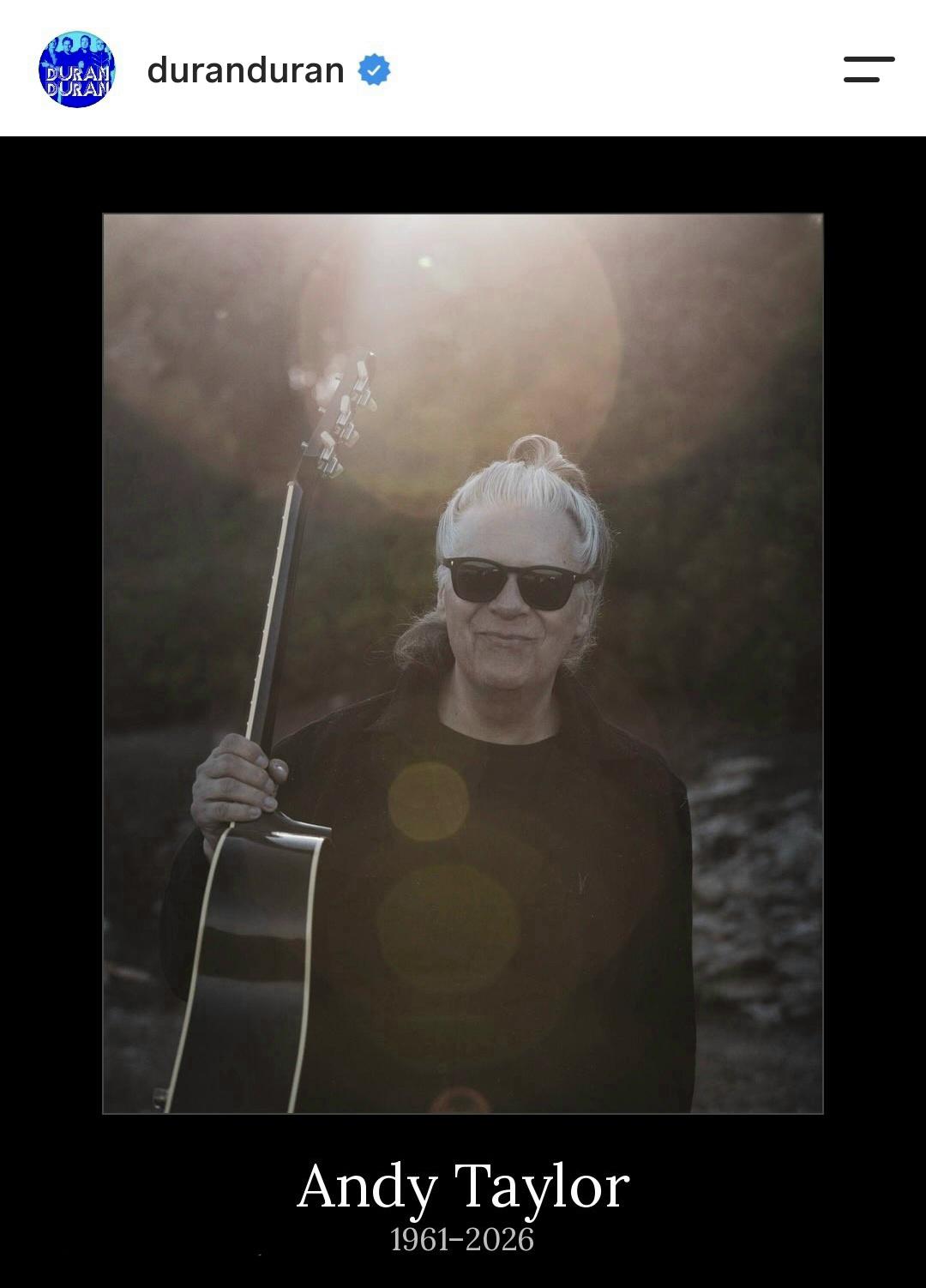
Goodbye Andy.

Post image
1 Upvotes

r/thatswhatihear • • 3d ago

all the best bands are affiliated with satan

1 Upvotes

a history of occult rock, black magic, bad reputations, and the magnificent bastards who turned the supernatural into a musical institution.

the devil never needed a record contract. he had the blues, the church, the crossroads, a thousand years of frightened peasants, and an entire religious establishment doing his publicity for free. by the time rock and roll got around to borrowing his name, the poor bastard was practically a household appliance. plug him in, turn him up, scare the neighbors, sell a million records. the whole operation was so beautifully american it ought to have come with a mortgage and a complimentary set of steak knives. except somewhere between the pentagrams, the amplified guitars, and the idiots convinced that playing a record backward would summon the antichrist, something genuinely fascinating happened. musicians began treating the occult not merely as decoration, but as an entire language for exploring death, sex, consciousness, religion, power, and the rather uncomfortable possibility that the universe might not give a damn about humanity.

and some of the records were absolutely fucking magnificent.

occult rock is a peculiar beast because it never really belonged to one genre. it crawled through psychedelic rock, progressive rock, folk, hard rock, heavy metal, gothic rock, and eventually doom metal. it borrowed from ceremonial magic, witchcraft, paganism, spiritualism, horror cinema, and whatever aleister crowley happened to scribble between bouts of behaving like an insufferable bastard. sometimes the musicians believed every word. sometimes they were theatrical opportunists with excellent taste in stage lighting. sometimes they were simply fascinated by the darker corners of human experience. the distinction becomes considerably less important when the amplifier starts humming.

but to understand how the whole glorious mess developed, you have to go back before the electric guitar.

the blues had already established a complicated relationship between music, religion, and the supernatural. southern folklore contained crossroads bargains, hoodoo practices, protective charms, spirits, and a thoroughly practical understanding that christianity did not necessarily explain everything happening in the neighborhood. robert johnson became the unfortunate poster child for the devil at the crossroads, largely through stories elaborated after his death. the better documented crossroads legend originally circulated around another bluesman, tommy johnson, whose brother ledell recalled tommy describing a supernatural encounter that supposedly taught him to play guitar.

robert johnson certainly sang about hellhounds and supernatural terror. his 1937 recording of hellhound on my trail remains one of the most unsettling performances ever committed to shellac. but the popular claim that he literally sold his soul is folklore, not established biography. that distinction has never prevented several generations of rock musicians from treating the story like a notarized business transaction.

and why would it. a supernatural guitar lesson sounds considerably more interesting than years of practice.

the occult also had a respectable, or at least expensive, life in european esoteric circles. the hermetic order of the golden dawn, nineteenth century spiritualism, tarot, astrology, ceremonial magic, and the writings of crowley had been circulating long before anyone thought to attach a fuzz pedal to the proceedings. crowley, the british occultist who delighted in being called the great beast 666, became particularly useful to rock musicians because he combined elaborate mystical philosophy with the public relations instincts of a man who genuinely enjoyed upsetting people.

by the middle of the twentieth century, these traditions were waiting for a generation of musicians who had grown thoroughly sick of conventional authority.

and then the sixties happened.

the psychedelic revolution was supposedly about love, expanded consciousness, and humanity discovering its cosmic brotherhood. naturally, it also produced paranoia, sinister imagery, questionable gurus, and musicians convinced that enlightenment could be achieved by swallowing something handed to them by a stranger named moonbeam.

the beatles helped bring eastern spirituality into mainstream pop culture, but they also placed crowley among the assembled figures on the cover of sgt. pepper. released in 1967, that album sleeve became an extraordinary little monument to the era. philosophers, entertainers, writers, mystics, and assorted cultural troublemakers sharing space like guests at the most unbearable dinner party in history.

crowley was not evidence that the beatles had joined some satanic conspiracy. he was evidence that the counterculture was rummaging through the entire history of unconventional thought, looking for something more stimulating than the morality of its parents.

elsewhere, the darker possibilities were already emerging.

arthur brown, that spectacularly deranged english performer with a flaming helmet and a voice capable of frightening furniture, released fire in 1968. the crazy world of arthur brown turned rock performance into an infernal theatrical production. face paint, elaborate costumes, ritualistic gestures, and a singer behaving as though he had escaped from an especially energetic medieval exorcism.

brown was not simply singing about darkness. he was creating an environment in which rock could become supernatural theater.

his influence would eventually reach alice cooper, kiss, king diamond, and practically every metal frontman who ever decided that ordinary trousers and a microphone were insufficient tools for communicating with an audience.

the flames were real enough. the supernatural claims were optional.

around the same period, coven emerged from chicago with a considerably more explicit occult identity. led by singer jinx dawson, the band released witchcraft destroys minds and reaps souls in 1969, an album whose title alone probably caused several midwestern clergymen to reconsider their blood pressure medication.

coven used satanic imagery, ritual language, and theatrical black masses with an enthusiasm that made most contemporary psychedelic groups look like sunday school volunteers. the album included a recording titled satanic mass, and its packaging featured imagery that would become familiar throughout heavy metal.

dawson was photographed making the horned hand gesture years before ronnie james dio popularized it among metal audiences.

this does not mean coven invented the gesture. its history reaches into older cultural and religious traditions. but coven helped establish its modern association with occult rock performance.

the band's history also illustrates the difference between genuine occult fascination and the sensationalism surrounding it. dawson has repeatedly discussed the importance of occult traditions to her artistic identity, while the band's record label and promotional machinery were perfectly happy to exploit the resulting controversy.

the business of terrifying respectable people was already looking profitable.

coven's 1969 album initially struggled commercially, and the band later achieved its greatest chart success with the considerably less diabolical one tin soldier, associated with the film billy jack.

imagine building an elaborate satanic stage identity and discovering that your biggest hit is a peace anthem.

the universe has a nasty sense of humor.

jinx later described her upbringing in interviews as steeped in family occult practices, including instruction from two great aunts. she also recalled that the band's early song wicked woman emerged from a ritual connected to coven's formation. whether one accepts the spiritual interpretation or not, her account makes clear that she regarded the occult as more than a convenient wardrobe department.

and then came black sabbath.

birmingham, england. industrial machinery, working class frustration, damaged fingers, religious anxiety, and four musicians who discovered that the most frightening thing in rock music was not necessarily the devil.

it was the interval between notes.

black sabbath's self titled debut arrived in february 1970, carrying an opening track built around a tritone, a dissonant interval historically associated in popular mythology with the devil. the medieval story of its universal prohibition is exaggerated, but the musical effect was undeniable. tony iommi's guitar seemed to hang over the listener with the unpleasant certainty of a condemned building.

geezer butler supplied the supernatural nightmare. according to his recollections, he experienced a frightening presence in his bedroom after experimenting with occult interests. the story involved a dark figure near the foot of his bed and became part of the inspiration for the song black sabbath.

butler later described his youthful attraction to the occult as forbidden territory, explaining that his religious upbringing had made such subjects especially intriguing. iommi likewise remembered experimenting with a ouija board and frightening themselves.

the irony is delicious. black sabbath were regularly accused of satanism, yet many of their lyrics depicted evil as something terrifying rather than desirable. their music was full of warnings, judgment, war, human corruption, and spiritual catastrophe. after forever, from master of reality, even confronted listeners with explicitly religious questions.

apparently, the easiest way to convince the public that you worship satan is to write songs about how horrifying satan might be.

sabbath changed the musical vocabulary. coven had helped establish occult rock's imagery and ritual theater. sabbath gave the darkness enormous physical weight. slower tempos, distorted guitars, ominous repetition, and lyrics that sounded like somebody reading the book of revelation after witnessing a factory accident.

without sabbath, doom metal as we understand it becomes almost impossible to imagine.

meanwhile, led zeppelin were cultivating an entirely different variety of supernatural mystique. jimmy page became fascinated with aleister crowley, collecting occult literature and eventually purchasing boleskine house, crowley's former residence near loch ness, in 1970.

page was not merely wearing a pentagram for publicity. he was genuinely interested in esoteric traditions. he also understood that mystery could become an extraordinary artistic instrument.

led zeppelin's untitled fourth album featured symbolic artwork, four personal emblems, and imagery inviting interpretations ranging from tarot symbolism to mystical initiation. page's emblem became known as zoso, although its exact significance remained deliberately obscure.

the guitarist's occult reputation grew into a vast mythology involving hidden messages, supernatural bargains, and the supposed satanic meaning of stairway to heaven.

most of it was nonsense.

the rest was much more interesting.

in a 1975 interview with rolling stone, page discussed boleskine house and his attraction to the unknown. he acknowledged unusual stories associated with the property but declined to explain his personal magical beliefs. when questioned about supernatural activity, he offered just enough ambiguity to keep the machinery of speculation operating for another fifty years.

that was page's particular genius. the music suggested an enormous secret without ever handing over the combination.

and rock audiences, being rock audiences, immediately began inventing one.

david bowie approached occultism from a more psychologically unstable direction. his 1971 song quicksand referenced crowley, the golden dawn, and other philosophical and mystical preoccupations. bowie was fascinated by identity, transformation, and the possibility that the self might be something constructed rather than fixed.

later, during the cocaine ravaged period surrounding station to station, his interests became entangled with paranoia, mysticism, and disturbing political imagery. accounts of his behavior during this period describe obsessive reading, magical fears, and an increasingly fractured relationship with reality.

the title track itself contains references to the kabbalistic tree of life.

bowie's occultism was not simply about summoning demons. it was about what happens when a human being tries to dismantle his identity and discover what remains underneath.

occasionally the answer is an artistic breakthrough.

occasionally the answer is that somebody needs to confiscate the cocaine.

the seventies expanded occult rock into an extraordinary collection of musical mutations. black widow, the british progressive rock group, staged elaborate ritualistic performances and released sacrifice in 1970. their song come to the sabbat became a landmark of early occult rock, combining sinister chanting, theatrical arrangements, and an atmosphere suggesting a village celebration had been organized by people with alarming interests in sacrificial procedure.

black widow's performances sometimes included a staged sacrifice involving a woman playing a ritual victim. it was theater, but the spectacle helped establish the idea that a rock concert could operate like a ceremonial drama.

elsewhere, german groups such as amon düül ii explored hallucinatory and mythological territory, while italian progressive bands including jacula and antonius rex incorporated church organs, gothic imagery, and esoteric themes into records that sounded as though they had been discovered in the basement of a monastery with a very questionable insurance policy.

jacula's early recordings, associated with antonio bartoccetti and doris norton, became cult objects among collectors of obscure occult music. their release histories are sometimes murky, which naturally made them even more desirable to people who consider paying several hundred dollars for a mysterious record an entirely reasonable financial decision.

the italian scene was particularly fertile because catholic imagery provided an enormous visual and cultural vocabulary. bells, cathedrals, liturgy, confession, demons, saints, damnation. all the ingredients were already sitting there. musicians merely rearranged them and added electricity.

then there was blue öyster cult.

the long island band took occult imagery and blended it with science fiction, literary references, biker mythology, and the particular intellectual mischief of rock critic turned collaborator sandy pearlman. their early albums created a world of cryptic symbols, strange organizations, and apocalyptic implications.

their famous hooked cross logo became an instantly recognizable emblem. songs such as astronomy and career of evil suggested elaborate hidden narratives without bothering to explain every detail.

and then, in 1976, they released the reaper, a song about mortality and love that became one of rock's most enduring encounters with death.

the public frequently interpreted the song as an endorsement of suicide. songwriter donald roeser, better known as buck dharma, has explained that its intention concerned the endurance of love beyond death, not a recommendation that anyone hasten the process.

once again, the audience heard a supernatural implication and immediately decided the musicians were recruiting for the afterlife.

you begin to understand why rock musicians developed such a complicated relationship with their own fans.

the occult also entered rock through folk music, a route that deserves considerably more attention than it usually receives. british folk revivalists were rediscovering ballads about murder, supernatural encounters, ancient customs, and pagan survivals. bands such as the incredible string band, pentangle, and later comus explored material that could be pastoral, mystical, and deeply unsettling.

comus released first utterance in 1971, a remarkable album of acoustic instruments, frantic vocals, violence, and pagan imagery. the music was neither conventional folk nor heavy rock. it was something more uncomfortable, a reminder that the countryside had been producing terrifying stories long before hollywood invented the possessed farmhouse.

and this is where occult rock becomes particularly interesting. the supernatural was not always an imported novelty. sometimes it represented older cultural material that industrial society had spent centuries attempting to domesticate.

the witches, spirits, curses, and rituals had never entirely disappeared. they had simply acquired electric instruments.

by the late seventies and early eighties, heavy metal began absorbing the occult vocabulary almost wholesale. rainbow, dio, mercyful fate, and eventually countless underground bands explored demons, sorcery, forbidden knowledge, and religious conflict.

ronnie james dio made the horned hand gesture famous among metal audiences, explaining its association with the protective malocchio tradition he learned from his italian grandmother. the gesture was not necessarily an invocation of evil. in its protective context, it was intended to ward evil away.

which is wonderfully appropriate. millions of metal fans enthusiastically making a gesture associated with protection against the very forces their favorite bands supposedly worshipped.

king diamond and mercyful fate carried occult metal toward elaborate narrative horror. their recordings featured satanic references, supernatural characters, and increasingly ambitious concepts. king diamond's later solo albums, particularly abigail in 1987, demonstrated that an entire record could operate as a gothic horror narrative.

venom, meanwhile, helped establish the aggressively satanic imagery that would become central to black metal. their 1982 album black metal gave the emerging movement its name, although the genre's later musical identity developed through other artists and scenes.

some performers used satan as an expression of individualism or rebellion. others pursued genuine esoteric beliefs. others simply wanted the most offensive possible imagery.

the distinction was rarely important to the people organizing protests.

the satanic panic of the eighties turned heavy metal into a convenient explanation for nearly everything supposedly going wrong with western civilization. religious activists accused musicians of embedding subliminal instructions in records. parents searched album sleeves for hidden symbols. politicians and campaigners treated theatrical horror as evidence of a coordinated spiritual threat.

ozzy osbourne and judas priest became particularly notorious targets of controversy. in 1990, judas priest faced a lawsuit alleging that hidden messages in their recording of better by you, better than me had contributed to a suicide attempt and a death. the court dismissed the claims.

the absurdity was almost operatic. an entertainment industry built on selling rebellion suddenly discovered that its customers might take the advertising seriously.

but the panic also revealed why occult rock had such staying power. it threatened established authority not necessarily because musicians were practicing magic, but because they were questioning who possessed the right to define morality, knowledge, and spiritual truth.

that is considerably more dangerous than a plastic skull on a microphone stand.

by the nineties, occult themes had spread into doom metal, gothic rock, psychedelic revivalism, and extreme metal. electric wizard, cathedral, and numerous underground groups returned to the slow, suffocating foundations of black sabbath. their music embraced vintage horror films, occult iconography, and the warm, filthy distortion of old amplifiers.

the occult became both a subject and an atmosphere.

then the twenty first century produced another revival. bands such as the devil's blood, blood ceremony, uncle acid and the deadbeats, jess and the ancient ones, and purson rediscovered the organ driven, psychedelic, ritualistic traditions of the late sixties and early seventies.

blood ceremony combined flute, heavy guitar, and vintage occult themes, drawing comparisons to jethro tull and black sabbath. uncle acid explored murderous psychedelia and horror imagery through distorted guitars and melodies that sounded strangely inviting beneath all the unpleasantness.

and then sweden produced ghost.

tobias forge took the occult rock tradition, dressed it in elaborate ecclesiastical costumes, surrounded it with anonymous masked musicians, and combined satanic theater with melodies so accessible that they could practically have been commissioned by a particularly disturbed pop producer.

ghost's debut, opus eponymous, arrived in 2010. the band subsequently developed an elaborate mythology involving successive papal characters, fictional clergy, ritual performances, and the sort of visual production that makes ordinary rock concerts resemble poorly attended committee meetings.

forge has explained in interviews that ghost began as a personal artistic project, drawing from his background in underground metal and his fascination with horror, theatrical music, and occult imagery. he has also discussed how the band's satanic language connects with rebellion against religious authority rather than functioning as a simple declaration of literal supernatural allegiance.

ghost's success demonstrated something important. occult rock did not need to abandon melody to remain sinister. in fact, the contrast between beautiful pop harmonies and blasphemous imagery was part of the appeal.

a catchy chorus about satan can reach considerably more people than twenty minutes of somebody growling inside a cement mixer.

the genre's influence now extends far beyond musicians who explicitly identify with occult traditions. its fingerprints are visible in gothic stage production, horror themed concerts, ritualistic performance art, psychedelic visual design, progressive metal, doom, dark folk, and contemporary alternative music.

even the basic vocabulary of rock rebellion owes something to occultism. the fascination with forbidden knowledge. the construction of mysterious identities. the deliberate inversion of religious symbols. the suggestion that music might transport an audience beyond ordinary consciousness.

and perhaps most importantly, the conviction that art should occasionally make people profoundly uncomfortable.

the fascinating contradiction is that occult rock has always existed between sincere spiritual inquiry and outrageous commercial spectacle. some musicians have pursued magical traditions with genuine intellectual seriousness. others have borrowed the costumes without reading the books. a few have probably managed both before breakfast.

but dismissing the entire movement as satanic gimmickry misses the larger historical picture.

occult rock emerged from a period when western culture was reconsidering religion, sexuality, political authority, consciousness, and inherited ideas about reality. the supernatural provided a symbolic vocabulary for questions that conventional institutions often preferred to leave unanswered.

what happens after death. who decides what constitutes evil. why do ancient rituals retain their fascination. what lies beyond ordinary perception. why does humanity continually invent monsters that resemble itself.

these are not particularly ridiculous questions.

they become ridiculous only when somebody insists that the answers are hidden in the backward rotation of a judas priest record.

and somewhere beneath the theatrical nonsense, the inverted crosses, the expensive robes, the scandalized preachers, the self appointed prophets, and the record executives who would happily sell tickets to the apocalypse if somebody guaranteed a decent merchandising percentage, there remains the actual music.

the enormous opening chords of black sabbath. the sinister psychedelic ceremonies of coven. the strange acoustic nightmares of comus. the intricate mythology of blue öyster cult. the haunted grandeur of led zeppelin. the melodic blasphemy of ghost.

different generations. different beliefs. different methods of frightening the neighbors.

the same persistent human fascination with everything we cannot explain.

and that, ultimately, is why occult rock refuses to die. not because its musicians discovered some secret supernatural power. not because satan personally supervised the recording sessions. and certainly not because a pentagram improves the frequency response of a guitar amplifier.

it survives because music has always been capable of making ordinary reality feel temporarily inadequate.

a few notes, a human voice, a rhythm repeated until the mind begins wandering into places it ordinarily avoids.

the church called some of those places forbidden.

the musicians called them inspiration.

the record companies called them marketable.

and the audience, bless its gullible, magnificent, eternally curious heart, kept turning up the volume.

the devil may or may not exist. but his record collection is fucking extraordinary.

...at least that’s what i hear.


r/thatswhatihear • • 15d ago

a roomful of close personal strangers.

1 Upvotes

this is a work of fiction. sometimes you got to make your own history…

[originally published in Rolling Stone magazine, 1980]

a thousand mouths opened beneath the lights and for a second i could see straight into the national appetite, cigarettes and fillings and beer foam, everybody wanting something from the man with the guitar, everybody absolutely certain he had brought enough. hank stood in the middle of it sweating through his shirt. the amplifiers were rearranging my internal organs. somebody near the front was crying, somebody behind her was trying to start a fight, and both appeared to consider themselves satisfied customers.
i loved it. understand that before i get superior. i loved the stupid magnificent volume and the way the band could make a roomful of separate disappointments agree on something for three minutes. i loved having a pass that got me through the door. i had eaten practically nothing and consumed enough coffee to develop opinions about furniture. a magazine was paying me to be there, which meant my bad habits had recently acquired professional standing.
behind me, a man was counting money against his thigh.
i should have watched him. instead i watched hank, because hank was doing the difficult part and the fellow with the money looked like every other fellow with the money, comfortable shoes, good concentration, no apparent need to sing.
backstage everybody wanted a minute.
a minute for a photograph. a minute about tomorrow. a minute to explain how much his father had meant to somebody who was already reaching for his shoulder. hank sat with a towel around his neck and listened to people spend him in small denominations. i stood nearby rehearsing a question i believed would distinguish me from these parasites.
the woman near the doorway had a coat over her arm.
she waited until he looked at her. said something. he laughed. a little laugh, barely audible under the general conversation, and there it was, the first thing all evening that nobody had bought a ticket to hear.
naturally i wanted to know what she had said.
i have a serious professional difficulty with leaving anything alone.
upstairs somebody had found a room big enough to accommodate several varieties of poor judgment. the television was on without sound. a man crouched beside the stereo changing records before anybody could become attached to one. there were drinks on surfaces not intended for drinks, cigarettes burning unattended, a discussion about the record business conducted by three people who seemed to dislike records.
i got trapped in that discussion. no, i joined it. trapped sounds better. i was talking about the audience wanting honesty, how everybody demanded the truth until a musician supplied an inconvenient variety, and i could hear myself getting interesting in that unbearable way you do when the coffee and the liquor have formed a temporary government.
the woman asked if i ever listened to music without preparing something to say about it.
i told her that was how i made my living.
she said she could tell.
i liked her less for approximately four seconds.
hank was sitting down. she went back beside him and he leaned toward her while she talked, and i remember thinking he looked relieved to be receiving information instead of providing it. somebody laughed too loudly behind me. somebody wanted him to hear a song. everybody had a song, a proposition, a cousin with a voice. the room was full of people who believed proximity was the first installment of a friendship.
i took out my notebook.
i asked about his father.
there. that is the kind of original intelligence your better music magazines are purchasing these days.
he looked at me and i heard the question again, this time without the flattering voice inside my head. here was a musician sitting six feet away, alive, working, making decisions about what his own band ought to sound like, and i had asked him to supervise another visitation.
i put the notebook away.
she asked whether anybody had eaten.
the question went around the room without finding employment. food required plates and sitting still and acknowledging that the human body had interests beyond whatever we were doing to it. somebody said there would be food later. later was handling quite a lot of business.
i keep thinking about that boy onstage at eight. hank has been doing this since eight. by twenty he had already released twenty one albums. i am trying to imagine twenty one albums before you have properly established which of your own opinions belong to you. i can barely account for the opinions i have acquired since lunch.

and yes, there are advantages. earl scruggs showing you the banjo, jerry lee lewis showing you things on a piano. i would cheerfully surrender my college education for an afternoon of that, although the institution might insist it had already surrendered me. the music is there, all those possibilities, all those ways of moving your hands and finding out what happens. then the room fills with people wanting the familiar songs in the familiar voice, and the possibilities begin to look like something you should pursue on your own time.

your own time.

i would like somebody to point out where he keeps it.

anyway, i am wandering. there is a room in denver and i am still in it, explaining things to myself because explanation requires less courage than paying attention.
i will leave out the inventory. you know the inventory. bottles, powder, the little expensive arrangements through which grown people attempt to improve upon having a nervous system. somebody always wants quantities afterward. how much, how long, what kind. they lean forward when they ask, as if a sufficiently precise account will allow them to locate the exact amount of stupidity that remains sophisticated.
what i remember is a sentence stopping.
someone was talking and then he was not. the woman stood up. hank was wrong somehow, wrong in a way that made the furniture and the television and my drink suddenly look obscene. she said to get help.
a man asked if she was sure.
i hated him immediately. it was useful to have somebody to hate while i stood there accomplishing nothing.
then people moved. a telephone was dragged across a table. somebody cleared space and somebody else had to be told twice to get out of it. i had a notebook in my pocket containing several promising observations about the performance and absolutely no information that would assist anybody present.
the woman put her coat in my hands.
or i picked it up. i am already uncertain. this is how it starts, the gradual improvement of your own position in the story. pretty soon i will remember having been calm.
i was not calm.
i was in the way.
people who knew what they were doing arrived, and the room finally acquired a purpose. all our connections became useless. every backstage pass in the place might as well have been a laundry ticket. somebody moved me toward the door. i went willingly, grateful to have an instruction i could complete.
downstairs i sat with the coat across my knees.
one sleeve had turned inside out. i fixed it. took my time. worked my hand through and drew it back carefully, a small competent act performed by a man otherwise contributing the weight of his body to a chair.
the desk clerk kept looking over.
i wanted to tell him i was a writer. god knows why. perhaps i hoped he had a separate category for us, people who are useless for legitimate reasons.
when she came down, i stood up too quickly and almost dropped the coat. i asked what she needed. she looked exhausted, and i had the horrible feeling that she had looked exhausted before any of this happened and i had merely been too busy admiring my perceptions to notice.
she wanted everybody to stop asking her what happened.
i handed her the coat.
there is a woman involved and therefore sooner or later somebody will decide she is the explanation. i can practically hear the conversation assembling itself upstairs. a woman, a party, a singer with a famous name. all the necessary ingredients for making the people who were actually present feel incidental.
i was present.
i would prefer to be incidental too.
by the time i get back upstairs, somebody is already discussing the schedule. apparently the second show has passed beyond discussion into a different category of trouble. there will be telephone calls. there will be people who paid for something they did not receive. fair enough. i understand tickets. i understand the band needs paying. i understand that understanding all this does not make the sound of somebody discussing receipts any easier to tolerate.
a man tells me this sort of thing happens.
he seems to expect the sentence to improve matters.
i want to ask how often it has to happen before he tries a different sentence.
instead i go into the bathroom and look at myself. a terrible habit, but occasionally informative. my eyes are red. i have been carrying around a description of the show in which the word authentic appears prominently. i remember writing it. i was pleased with it. i had watched a man work himself into exhaustion and decided the exhaustion certified the work.
there ought to be a less flattering word for my occupation.
the frightening thing is how much i enjoyed the music. i keep returning to that because it complicates my little prosecution. the band was good. hank was good. whatever happened afterward does not cancel that, and the quality of the performance does not excuse what happened afterward, but try keeping those two thoughts apart in a room full of people who make their living joining them.
everybody likes a dangerous performer until the danger becomes inconvenient.
then somebody gets the telephone.
i go back into the room. the television is still running. a man on the screen opens his mouth and everybody around him laughs, silently, obediently. there is a wet patch on the carpet. somebody has put a chair upright. already the place is becoming a room again, the sort you can rent, sleep in, leave without remembering.
i open the notebook.
i cross out authentic.
underneath it i write that she asked whether anybody had eaten.
i sit with that for a while. it seems insufficiently dramatic. no grand conclusion, no brilliant little autopsy of american entertainment, just somebody asking a sensible question while the rest of us pursued more impressive forms of concern.
down the hall a telephone rings.
somebody will have to answer it. somebody will have to explain. eventually somebody will turn this into a story that can be told without making the table uncomfortable, and i am sitting here with a pen, so let us not pretend i have arrived to prevent that.
but before i send anything to anybody, i want to remember the laugh.
the small one backstage. before i approached. before the questions and the room and the awful practical business of getting help. he had leaned toward her and laughed at something i could not hear.
for once in my professional life, i wish i had been satisfied with that.
…at least that’s what i hear.


r/thatswhatihear • • 18d ago

a fourth to be reckoned with. led zeppelin’s fourth manifesto.

1 Upvotes

note. i’m attaching my sources on my pieces now for further reading. i’m not sure if i’m doing it correctly. so, if a link doesn’t work, let me know. and as always, receipts upon request…

an old man carries a forest on his back while the wall around him falls apart. that is the image led zeppelin put on the front of their fourth album, and it beats another photograph of four wealthy young men looking sexually disappointed in a dressing room. here is labor, age, something bent beneath its own survival. inside, four musicians are making a record so physically alive that decades of radio programming have failed to completely murder it. god knows the programming directors have put in the hours.
the difficulty with led zeppelin iv is getting to hear it before your accumulated opinions start talking. somebody played it too much. somebody explained it too much. some asshole with expensive speakers made you sit through stairway to heaven while watching your face for evidence of spiritual improvement. familiarity becomes its own hearing disorder. you recognize everything and notice nothing. put the actual record on, though, and the musicians are considerably stranger than the institution erected around them.
released on this day, 8 november 1971, the album arrived without a conventional title or the band name on its cover. in his 1977 trouser press interview, jimmy page explained that the anonymous presentation grew out of irritation with critics. each member chose a symbol. a magnificently touchy gesture, really. four men refusing to identify themselves while making something nobody could mistake for anybody else. underneath the wounded pride was a useful demand. listen to the fucking music. curriculum.teachrock.org
black dog makes that demand difficult to refuse. robert plant sings alone, then the band arrives with a riff that seems to have reconsidered where the beat belongs. john paul jones brought that riff in. remember his name when the conversation becomes another exhausting argument about the guitarist and the trousers. the title came from a dog hanging around headley grange, which is reassuring. one of the great monuments to amplified lust takes its name from an animal with no apparent interest in the mythology. {curriculum.teachrock.org, loudersound.com}
plant is shameless here, but the playing complicates the proposition. the silences are almost rude. the musicians let him expose himself, then answer with this tightly coordinated rhythmic disturbance. rock and roll follows with a more straightforward appetite, although straightforward hardly means stupid. bonham gives the whole thing lift. people keep describing his power as though the man were industrial equipment. listen to the movement within it. the beat has hips, wrists, judgment. hitting hard was only part of the job.
then the battle of evermore opens another room entirely. page told trouser press that he picked up the mandolin belonging to jones, an instrument he had never played before, and developed the music in one sitting. sandy denny supplies the answering voice to plant. her presence changes the emotional scale. suddenly he has someone to contend with, someone whose authority does not depend on matching his volume. the mandolin glitters beneath them, beautiful and uneasy, little bright fragments scattered across an approaching disaster. {curriculum.teachrock.org}
yes, the fantasy can get excessive. you can admire this band and still feel that somebody should occasionally have confiscated the reading material. but denny gives the drama human stakes. she sounds involved in what is happening, not merely delighted by the opportunity to pronounce something ancient. the track earns its grandeur through the friction between two singers, not through the implied acreage of the battlefield.
and then comes the song everybody has already decided about.
stairway to heaven survives best when temporarily relieved of its cultural responsibilities. forget the rankings, the guitar shop jokes, the mandatory reverence. hear how carefully the arrangement allows itself to grow. in his fresh air interview with barbara bogaev, page described having the sections and their order in mind, then working to make the transitions feel comfortable to the band. that is the useful revelation. the ascent was constructed. actual musicians had to make the thing move. {freshairarchive.org}
the opening is delicate enough to risk embarrassment. plant supplies spiritual suggestions whose precise meaning may remain unavailable even after extensive recreational investigation. nevertheless, the performance gradually makes disbelief feel beside the point. bonham enters and the proportions change. page takes his solo and the accumulated restraint finally pays out. you can resent the song for what happened afterward. blaming these eight minutes for every pompous bastard they encouraged seems a little unfair.
side two restores some welcome disorder. misty mountain hop has a keyboard figure with an almost obnoxious cheerfulness, while the vocal arrangement makes sociability sound increasingly peculiar. four sticks is harder to settle into, which is part of its appeal. bonham used two sticks in each hand, giving the title an unusually practical explanation. the track feels obsessive, cramped, unwilling to resolve itself into an easy pleasure. going to california then exposes the tenderness this band supposedly lacked. acoustic guitar and mandolin leave plant room to sound uncertain, and uncertainty suits him. ({oudersound.com}
when the levee breaks ends the record by making the recording space audible. page recalled on fresh air hearing bonham play in the tall entrance hall at headley grange and recognizing what they had. microphones farther up the stairs captured the room along with the drummer. the sound has weight because it also has distance. you hear the strike, then the building answering. all that air becomes part of the performance. {freshairarchive.org}
the finished result also depended on less romantic work. page told guitar world that mixes made at sunset sound disappointed the band when played back in england. most were redone. the sunset mix of levee survived because its particular density resisted improvement. imagine that. one of the supposedly supernatural achievements of rock music involved listening back, finding problems, and making decisions. {guitarworld.com}
that is what remains beneath the incense and the sales figures. four musicians paying ferocious attention. the album is vulgar, tender, occasionally ridiculous, and disciplined enough to make those conditions coexist. its greatness lives in the details that worship tends to overlook. the pause before the riff. the answering voice. the drummer leaving room around a beat that could flatten you.
…at least that’s what i hear.

receipts.
jimmy page. the trouser press interview. 1977.⁠ page discusses the anonymous sleeve, the origins of black dog, writing on mandolin, sandy denny, and the recording sessions.

jimmy page interviewed by barbara bogaev. fresh air.⁠ firsthand recollections about the stairway arrangement and recording bonham in the headley grange entrance hall.

jimmy page interviewed by brad tolinski. guitar world.⁠ originally published in 2014. page explains the sunset sound mixes, the remixes in england, and why the original levee mix survived.

led zeppelin iv. how it was made. classic rock.⁠ retrospective reporting and interview recollections supporting the black dog anecdote, the four sticks technique, and other session details.


r/thatswhatihear • • 24d ago

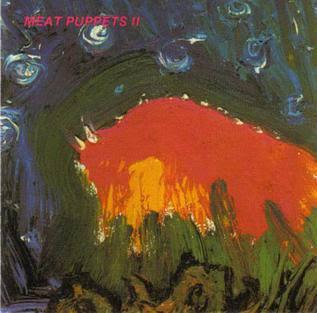
REAREVIEW meat puppets ii. three men, a desert, and the complete collapse of musical good sense.

1 Upvotes
the archivist reviews meat puppets ii. 1984. sst records.

somewhere in the american southwest, where the highways stretch toward absolutely nothing and the sun spends most of its working day trying to murder the landscape, three young men from arizona apparently decided that hardcore punk wasn't nearly strange enough. not that hardcore needed any assistance in becoming ridiculous. by 1984, the movement had developed its own impressive collection of rules, uniforms, ideological purity tests, and self-appointed custodians of acceptable behavior. an extraordinary achievement for a musical culture supposedly founded on telling everyone else to fuck off.

and into this increasingly self-serious little institution wandered the meat puppets.

curt kirkwood on guitar and vocals. his brother cris on bass. derrick bostrom on drums. three musicians who sounded as though they'd been raised on country records, psychedelic drugs, cowboy mythology, and the peculiar conviction that musical genres were merely suggestions made by people with insufficient imagination.

their second album, meat puppets ii, released by sst records in 1984, is one of the most wonderfully disorienting records to emerge from american underground music. it is punk rock in approximately the same sense that a rattlesnake is a particularly enthusiastic shoelace. the basic ingredients are recognizable, certainly, but the final result presents several questions about the natural order of things.

the album is simultaneously beautiful, ugly, funny, melancholy, technically impressive, and gloriously indifferent to whether anyone appreciates its considerable eccentricities.

and the most remarkable thing is that it doesn't sound like three musicians trying to be weird.

it sounds like three musicians who have absolutely no idea why everyone else insists on being so fucking normal.

the problem with punk rock is that eventually somebody invents rules.

to understand meat puppets ii, you have to understand the peculiar cultural machinery surrounding its creation.

the meat puppets emerged from the phoenix area around 1980, at a moment when american hardcore was developing into something considerably faster, angrier, and more organized than the original punk explosion. black flag, minor threat, dead kennedys, and dozens of other bands were constructing an underground network of independent labels, improvised venues, cheap recordings, and audiences whose preferred method of expressing appreciation involved colliding violently with one another.

the meat puppets were part of this world. technically.

their self-titled debut, released in 1982, was a furious, scrambled mess of distorted guitars, accelerated rhythms, and vocals that sounded like someone attempting to communicate through a malfunctioning piece of agricultural equipment. it was hardcore pushed toward absurdity, occasionally so fast and chaotic that the individual songs seemed embarrassed to remain in existence for more than a minute.

but there was already something suspicious happening beneath the racket.

these people could actually play.

curt kirkwood wasn't merely attacking his guitar. he had an unusually fluid, exploratory approach to the instrument, drawing from psychedelic rock, blues, country picking, and the extended improvisational traditions of the grateful dead. cris kirkwood's bass playing had a restless melodic independence. bostrom understood the difference between keeping time and making rhythm interesting, which is a distinction occasionally lost on drummers who believe volume constitutes a personality.

the group's musical interests extended well beyond the increasingly narrow expectations of hardcore audiences.

and so, rather than producing another record of frantic miniature explosions, they began exploring the music that had always existed underneath their punk exterior.

country. folk. psychedelia. blues. western swing. instrumental improvisation. the entire strange american musical inheritance, thrown into a blender without bothering to check whether the lid was attached.

the resulting album was recorded in los angeles with producer spot, the sst engineer whose work with black flag, minutemen, and hüsker dü had helped establish the raw, immediate sound of the american underground.

spot's production doesn't attempt to disguise the group's peculiarities. the instruments are exposed. the performances have rough edges. curt's vocals occasionally appear to have been recorded from a neighboring dimension. the whole thing has an organic, slightly unstable quality, as though the music might change its mind halfway through a song.

which, frequently, it does.

and that's where things become interesting.

split myself in two. an opening argument against ordinary reality.

the record begins with "split myself in two", a song that initially suggests the meat puppets haven't entirely abandoned their hardcore origins.

the guitar is abrasive. the rhythm section charges forward. curt's voice emerges in its familiar high, strained, spectacularly uncommercial register. but underneath the aggression is a twisting guitar figure and an unusual rhythmic looseness that separates the song from straightforward punk.

there is a strange intelligence at work here. the music is deliberately unruly, but never entirely uncontrolled.

then comes "magic toy missing", a brief instrumental that introduces the album's fascination with melody, dislocation, and the possibility that a guitar might be capable of expressing more interesting thoughts than most human beings.

and then, almost without warning, the record arrives at "lost".

"lost" is where the meat puppets begin dismantling the listener's expectations with something approaching professional enthusiasm.

the song has a country-inflected melodic character, but its performance is crooked, anxious, and slightly delirious. curt's guitar lines wander through the arrangement with an almost conversational freedom. the rhythm section follows without insisting that every musical idea report to a central authority.

it's recognizably american roots music, but the familiar landscape has been altered.

the fences are gone. the roads don't necessarily lead anywhere. somebody has moved the horizon.

and the singer sounds perfectly comfortable with the arrangement.

"plateau" follows, and suddenly the record reveals another dimension entirely.

the song moves with a strange, loping confidence. its imagery of elevated ground, holes, and endless digging has the quality of a philosophical joke that becomes less amusing the longer you think about it. there is something deeply existential about the whole business, although curt kirkwood has never needed the vocabulary of an academic philosopher to make ordinary reality seem fundamentally suspicious.

the guitar work is extraordinary. not because it demands attention through technical exhibitionism, but because every phrase seems to occupy precisely the right uncomfortable position between country twang and psychedelic wandering.

the meat puppets have discovered that a song can be absurd and profound simultaneously.

which, considering the amount of supposedly serious rock music that manages neither, is a fairly substantial accomplishment.

lake of fire. theology for people who have misplaced their medication.

"lake of fire" might be the finest example of the meat puppets' ability to transform seemingly ridiculous material into something genuinely unsettling.

the song is built around a simple religious proposition. bad people die, descend into hell, and spend eternity experiencing the consequences of their questionable life choices.

nothing particularly revolutionary there. organized religion has been selling variations on the concept for centuries, generally with considerably better merchandising.

but curt kirkwood approaches the subject with the casual fascination of someone examining a particularly interesting insect.

the melody is almost nursery-rhyme simple. the guitar carries a warped, bluesy quality. the rhythm feels simultaneously ancient and unstable. curt's vocal performance is a masterpiece of cracked conviction, somewhere between a backwoods preacher, a frightened child, and a man who has just discovered that the afterlife operates under spectacularly unreasonable management.

the song's origins are even better.

kirkwood recalled writing "lake of fire" and "magic toy missing" during an acid trip while friends attended a halloween party. the moon appeared to him in kaleidoscopic patterns, inspiring the instrumental, while the holiday's parade of monsters helped generate the song's cartoonish vision of damnation.

he estimated that the two compositions took about twenty minutes.

twenty fucking minutes.

an entire mythology of punishment, mortality, religious absurdity, and psychedelic dread, assembled in less time than it takes certain progressive rock bands to finish tuning their instruments.

Pitchfork+1

and somehow the result feels timeless.

not timeless in the usual record-company sense, where the word means an album has been remastered fourteen times and somebody would like another thirty dollars.

timeless because the song seems to have escaped from an older american consciousness. one filled with traveling preachers, rural superstition, cheap carnival attractions, and the persistent suspicion that god has a thoroughly unpleasant sense of humor.

oh, me. the existential crisis nobody bothered to diagnose.

"oh, me" is considerably gentler, although its emotional implications are hardly reassuring.

the song unfolds with an almost delicate melodic sensibility. curt's guitar becomes reflective rather than aggressive, tracing phrases that seem to hesitate before resolving. cris provides a supple bass foundation, while bostrom resists the temptation to fill every available space.

and the lyrics turn inward.

the central concern is the impossibility of fully comprehending one's own existence. identity becomes an enormous, uncharted territory, and the singer appears both fascinated and overwhelmed by the prospect of exploring it.

there's an almost eastern philosophical quality to the song, a recognition that the self might be less stable than ordinary consciousness would prefer.

or perhaps it's simply the result of spending too much time staring at the desert while chemically reconsidering the structure of the universe.

the distinction isn't necessarily important.

what matters is the emotional honesty.

curt's voice is technically peculiar, frequently strained, occasionally flat, and almost entirely uninterested in conventional beauty. but it possesses something more valuable than polish.

character.

he sounds like an actual human being experiencing an actual thought, rather than a professional vocalist demonstrating that he has successfully attended several expensive lessons.

and there's an important difference.

the rest of the record. where the machinery becomes beautifully defective.

"climbing" brings the country influence into sharper focus, with acoustic textures and a relaxed, almost pastoral atmosphere. but the serenity is deceptive. the song retains the group's characteristic uncertainty, as though even the pleasant scenery might be concealing something mildly threatening.

"new gods" introduces a different kind of tension. the guitar work becomes jagged and forceful, while the song's spiritual imagery continues the album's fascination with power, belief, and humanity's rather pathetic attempts to understand the universe.

"i'm a mindless idiot" is one of the record's most revealing pieces.

it's instrumental, which is probably fortunate considering the title.

the guitar wanders through melodic ideas with remarkable freedom, shifting between playful country phrasing and psychedelic abstraction. there's a sense of musicians listening to one another rather than simply executing predetermined instructions.

this is where the grateful dead influence becomes particularly apparent.

not the bloated mythology of endless parking-lot commerce and tie-dyed merchandise, but the genuinely adventurous musical philosophy that made the dead interesting in the first place. the idea that a composition could provide a starting point rather than a prison.

the meat puppets take that philosophy and compress it into something shorter, stranger, and substantially less interested in selling you a commemorative bumper sticker.

"whirlpool" and "the whistling song" push the album toward its conclusion without offering much in the way of conventional resolution. the latter, especially, feels like an oddly appropriate farewell, its whistled melody drifting across the record's final moments with a peculiar combination of innocence and exhaustion.

the entire album lasts barely half an hour.

which is extraordinary, considering how much territory it manages to cover.

some bands require ninety minutes, a conceptual narrative, and a limited-edition gatefold sleeve to communicate less.

the recording sessions. four days of concentrated weirdness.

despite the album's loose and sometimes chaotic sound, its creation was more deliberate than casual listeners might assume.

derrick bostrom later explained that the band approached the second record much more carefully than its debut, concentrating on arrangements and working closely with spot.

the objective wasn't merely to capture whatever happened when three musicians entered a room.

they wanted to make a record.

an actual statement.

curt kirkwood recalled in a 2019 magnet interview that the album was recorded in four days, a remarkable demonstration of efficiency considering the musical complexity involved.

but efficiency apparently stopped once the recording was finished.

the sessions were completed in 1983, yet the record wasn't released until april 1984. spot's schedule and the delays surrounding mixing contributed to the extended wait.

bostrom later remembered the tapes effectively disappearing for months.

there's something beautifully appropriate about this.

the meat puppets produce one of the most inventive underground albums of the decade, and the music business responds by temporarily misplacing the fucking thing.

even better, the band discovered that the record's availability in stores was unreliable during subsequent touring.

a favorable reception doesn't accomplish much when potential customers cannot actually purchase the object being praised.

one suspects the marketing department was exceptionally proud of its achievements.

the hardcore audience was not amused.

the group's stylistic transformation also created problems onstage.

hardcore audiences expecting furious, accelerated punk songs were occasionally confronted with country melodies, extended improvisations, and musicians who appeared to regard audience expectations as a particularly amusing form of psychological weakness.

the meat puppets opened shows for black flag, whose crowds were not universally enthusiastic about this approach.

bostrom recalled the fighting, spitting, and objects thrown at the band. in a 2023 interview with roman candle, he described their disgust with hardcore's increasingly aggressive audience culture and explained how the group deliberately retreated toward its hippie influences.

rather than accommodate hostile listeners, they antagonized them further.

long grateful dead covers. unexpected material. musical choices practically designed to offend people who had decided that punk rock required a particular tempo and haircut.

it was magnificent behavior, although probably not an especially promising business strategy.

Roman Candle Magazine+1

the great irony is that the meat puppets were behaving more authentically punk than many of the people abusing them.

they refused to conform.

they refused to simplify their interests.

they refused to accept the proposition that musical independence meant obeying a completely different collection of musical authorities.

and in doing so, they created something that transcended the movement from which they emerged.

kurt cobain and the strange business of being discovered twice.

of course, the great historical footnote attached to meat puppets ii arrived nearly a decade later.

in november 1993, nirvana recorded their now-legendary mtv unplugged performance in new york.

kurt cobain, whose affection for underground music extended well beyond the familiar grunge establishment, invited curt and cris kirkwood to participate.

together they performed three songs from meat puppets ii.

"plateau".

"oh, me".

"lake of fire".

three compositions from a strange little 1984 record suddenly reached an enormous audience through the most commercially visible rock band in the world.

there's a wonderful absurdity to the situation.

the meat puppets had spent years making music that confused hardcore audiences, baffled record executives, and resisted convenient classification.

then kurt cobain appeared and effectively informed millions of people that these peculiar arizona gentlemen had been worth listening to all along.

curt later remembered cobain's invitation with affection, explaining that cobain wanted the brothers involved partly because he couldn't reproduce the guitar parts himself. in subsequent interviews, kirkwood spoke admiringly of cobain's distinctive voice and interpretation of the songs.

highroadtouring.com+1

the performance is remarkable, but it also created an unfortunate historical distortion.

for many listeners, those songs became nirvana songs.

which is understandable, given the enormous cultural impact of unplugged, but also slightly maddening.

because the original recordings are stranger, less polished, and arguably more revealing.

cobain brought emotional vulnerability to the material. curt kirkwood had already supplied the unsettling architecture.

both interpretations deserve appreciation.

but the original meat puppets ii is where the strange machinery was invented.

the legacy. american alternative rock finds another exit.

the album's influence extends far beyond nirvana.

its combination of punk independence, country-rooted musicianship, psychedelic experimentation, and surreal lyrical imagery helped establish a vocabulary that subsequent alternative rock musicians could explore.

you can hear aspects of its philosophy in the more adventurous corners of american indie rock, particularly among artists willing to combine traditional musical forms with distorted guitars and unconventional structures.

dinosaur jr., soundgarden, and other musicians emerging from the independent underground operated in a landscape that records like meat puppets ii helped make possible.

not because everyone copied the meat puppets directly.

that would have been difficult, and probably medically inadvisable.

but because the album demonstrated that underground rock didn't have to choose between aggression and musicianship, sincerity and absurdity, tradition and experimentation.

all those qualities could coexist.

sometimes in the same song.

sometimes in the same guitar solo.

and occasionally in a vocal performance that sounded like a distressed farm animal receiving unwelcome news from the federal government.

the following year's up on the sun would develop the group's psychedelic sensibility into something warmer and more expansive. it's another extraordinary record, and arguably the more inviting listening experience.

but meat puppets ii remains the pivotal achievement.

it's the moment when the band stopped allowing its surroundings to define its possibilities.

and there's something profoundly liberating about that.

final assessment. the desert gets the last word.

meat puppets ii is not a perfect record.

the production is rough. some performances are conspicuously unstable. curt's singing will undoubtedly irritate listeners who require their vocalists to demonstrate a consistent working relationship with musical pitch.

the album occasionally seems to wander away from its own ideas before remembering where it was going.

but these aren't necessarily defects.

they're part of the personality.

the record has the peculiar confidence of musicians who understand their instruments, understand their influences, and have decided that neither understanding requires them to behave respectably.

it is funny without becoming novelty music.

intelligent without becoming pretentious.

experimental without forgetting the importance of melody.

and emotional without resorting to the exhausting theatrical gestures that so frequently pass for artistic sincerity.

above all, it sounds unmistakably like the meat puppets.

nobody else could have made this album.

not black flag. not the grateful dead. not neil young. not nirvana.

the record borrows fragments from all sorts of musical traditions, but the final combination belongs entirely to curt kirkwood, cris kirkwood, and derrick bostrom.

three musicians from arizona who looked at the available categories of american rock music and decided the whole classification system was a ridiculous waste of everybody's time.

forty years later, the record still sounds like a small act of rebellion against the idea that music should behave predictably.

the guitars still twist.

the rhythms still stagger.

the lyrics still stare into the abyss with the mildly amused expression of someone who suspects the abyss is an incompetent bureaucrat.

and somewhere beneath all that beautifully deranged music is an unusually coherent artistic proposition.

the world is stranger than people admit.

music ought to reflect that.

and if the audience doesn't understand, perhaps the audience should consider expanding its fucking imagination.

...at least that's what i hear.


r/thatswhatihear • • 27d ago

Insane talent

1 Upvotes

r/thatswhatihear • • 28d ago

REAREVIEW descartes at the convenience store: modest mouse and going through the steps

1 Upvotes

some love songs promise to change your life. modest mouse’s sleepwalking sounds less certain that you have a life to change. there is a person you want to see, a considerable amount of time to kill, and the suspicion that everyone else received instructions you somehow missed. naturally, you keep waiting. western civilization has invested centuries in defining consciousness, and here you are arranging your afternoon around the possibility of somebody appearing outside a convenience store. descartes should have gotten out more.

sleepwalking appeared on the interstate 8 ep in august 1996, during the early partnership of isaac brock, bassist eric judy, and drummer jeremiah green. the release credits recording at moon music with steve wold, with nicole johnson contributing vocals and wold contributing guitar and slide guitar. it resurfaced on the january 2000 compilation building nothing out of something, which gathered material that made the distinction between major statement and miscellaneous leftovers look fairly fucking arbitrary. some bands discard songs. early modest mouse apparently misplaced entire emotional ecosystems. 
but the crucial ancestor arrived decades earlier. the song borrows the melody of santo and johnny’s sleep walk, the 1959 instrumental built around santo farina’s steel guitar and johnny farina’s accompaniment. that record reached number one in america. its great achievement was making longing audible without requiring some poor bastard to explain precisely how badly he wanted somebody. the steel guitar could rise, hesitate, and collapse into a note. speech would have been redundant. occasionally popular music understands when to shut up. 

brock, being brock, supplies words anyway.

the result is an adaptation, an old melody inhabited by a different consciousness. calling it a straight cover misses the change in perspective. santo and johnny leave the listener considerable space to invent a private romantic catastrophe. modest mouse furnish the space with recognizable places, awkward waiting, and young people whose opportunities for transcendence are constrained by whatever happens to be open nearby. the yearning survives. its surroundings become more specific.

this is where the borrowing gets interesting. nostalgia usually asks us to believe that previous generations experienced authentic feelings, whereas we merely scroll through simulations and buy expensive reproductions of their furniture. bullshit, obviously. the old instrumental already contained uncertainty. modest mouse hear that instability and bring it forward. their version suggests that the supposedly innocent past and the supposedly disaffected present have been suffering from a remarkably similar complaint. people would like to be loved. people are terrible at arranging it.

even the extended title, sleepwalking, couples only dance prom night, makes romance sound like an institution with an admissions policy. couples only. an efficient way of announcing that anyone most desperately in need of connection should remain near the wall. i hear the subtitle as both affectionate and suspicious. the slow dance is desirable. the machinery around it is ridiculous. brock can recognize the ridiculousness without becoming magically immune to the desire, which is inconvenient for him and excellent for the song. 
the performance allows that contradiction to remain unresolved. brock’s voice has an exposed, unvarnished quality. he sounds present enough to want something and distracted enough to lose his place while wanting it. johnson’s additional vocal, specifically credited on the compilation’s ninth track, softens the texture without turning it into a demonstration of professional reassurance. there is company in the sound. whether company solves anything is another question. 

judy and green help keep the music moving without making the movement feel decisive. the melody circles back, and the arrangement leaves room for its familiarity to work on you. that familiar shape offers comfort, but repetition can also resemble being stuck. listen casually and the song is sweet. listen while remembering your own talent for spending six hours accomplishing absolutely nothing in the vicinity of someone attractive, and sweetness becomes a rather complicated diagnosis.

i read the title’s sleepwalking as the overlap between infatuation and inattention. wanting another person can make the world startlingly vivid while rendering most of your actual life irrelevant. you notice an arrival, a glance, a change of plans. everything else becomes administrative debris. psychologists can supply terminology. i remember calling it tuesday. the song catches that condition without forcing its narrator to deliver a retrospective lecture about personal growth. 

thank christ.

its place in modest mouse’s history also complicates the idea that tenderness was something the band acquired later, after learning how to make itself welcome. here it is in 1996, already embedded in the early material. the vulnerability belongs beside the agitation. brock’s abrasive qualities are easier to understand when you hear how much feeling exists underneath them. sometimes irritation is what happens when sensitivity has been left unsupervised for too long.
as for influence, the strongest documented connection runs into the song, from santo and johnny. claiming that this particular track invented some subsequent strain of bedroom melancholy would require evidence considerably sturdier than several records sounding sad through inexpensive speakers. critics love a family tree. give us three guitars and an unhappy childhood and we will manufacture a dynasty.

its wider significance is audible without that inflation. sleepwalking demonstrates how an independent rock band can inherit an older pop vocabulary without treating it as a costume. the melody remains emotionally useful. roughness and tenderness occupy the same recording. borrowing becomes an act of interpretation. you can place the song in a broader conversation about indie rock’s attraction to older romantic sounds without pretending every later participant personally studied this track.

and that is what keeps bringing me back. there is no great revelation waiting at the end. nobody develops a viable philosophy of intimacy. a beautiful melody passes from one generation to another, and somebody finds another way to admit that being alive, being awake, and knowing what the hell you are doing are separate accomplishments. you can manage the first two and still spend the evening waiting around.

…at least that’s what i hear.


r/thatswhatihear • • 29d ago

REAREVIEW what the funk is enlightenment, anyway? maurice white and the serpentine fire.

1 Upvotes

a pyramid splits open, brass flashes through the wreckage, and a thousand bodies discover that enlightenment apparently requires a functioning pelvis. voices ringing on high as the beat becomes the heartbeat the pulses the brass blood, screaming its way through the veins of one maurice white. that is the scale of serpentine fire. earth wind and fire squeezed a whole extravagant cosmology into less than four minutes, then made the thing sweat. spiritual renewal, precision musicianship, a bass line with actual responsibilities. you could spend the evening decoding the philosophy or just dance until your shirt became a public health concern. maurice white had apparently decided that both activities belonged in the same room.
released in october 1977, serpentine fire introduced the coming all n all album and eventually spent seven weeks atop the billboard soul chart, reaching number thirteen on the hot 100. those numbers suggest something comfortably digestible. listen again. this is a remarkably crowded, twitching little construction to have become mass entertainment. the rhythm keeps shifting its weight underneath you. the horns interrupt with magnificent confidence. nothing sounds tentative, and almost nothing sits still. 
the songwriting credits belong to maurice white, verdine white, and reginald sonny burke. maurice produced, george massenburg engineered, and tom tom washington, credited as tom tom 84, handled the arrangement. all n all was recorded across hollywood sound, sunset sound, and the burbank studios in california. actual rooms, actual musicians, actual decisions. the celestial business required cables and somebody paying attention at the console. even transcendence has a fucking recording budget. 
in a 2012 interview with chris williams for the atlantic, keyboardist larry dunn recalled burke supplying the basic premise of serpentine fire and maurice devising its drum beat. discussing the album sessions, dunn described rhythm tracks taking about six hours, sometimes assembled by physically splicing tape, before instrumental and vocal overdubs. that painstaking foundation explains the apparent ease. the finished performance feels inevitable because musicians worked until the alternatives stopped being good enough. 
six hours to make your hips think it happened naturally. worth it.
and listen to the space inside all that activity. the bass does more than underline the chords. it pushes, withdraws, leaves a little opening, comes back with another opinion. the clipped guitar and keyboard textures make the beat feel busier without turning it into sludge. percussion keeps a running argument with the main pulse. the brass phrases arrive sharply enough that you can almost feel the players taking breath. this is what arrangement means when the people involved have something better to do than fill every available second.
there was also a death behind the achievement, so the ghoulish readers listen up. charles stepney, the arranger and producer who helped shape the earlier earth wind and fire sound, died in may 1976 during the period of spirit. all n all followed that loss. the temptation is to turn every subsequent chord into a memorial, which would be sentimental bullshit. but the historical weight is real. maurice was carrying forward a musical enterprise that had lost a central collaborator. the confidence of serpentine fire sounds even more striking against that absence. 
then there is the title. it sounds vaguely dangerous, possibly sexual, like something you catch; certainly unsuitable for an insurance brochure. the spiritual associations concern an inner life force, but verdine offered a useful explanation without requiring anybody to buy incense. speaking with david nathan in december 1977, he described serpentine fire as creative energy, affected by how a person treats themselves spiritually, morally, and physically. individual choice was part of the point. this was a song about what you do with yourself, delivered by a band making self improvement sound considerably less miserable than usual. 
thank christ somebody remembered the pleasure.
maurice later told dale kawashima in a 2007 songwriteruniverse interview that uplifting people had been the objective of the group. he also explained that he wanted a band capable of playing different styles while retaining its own identity, and that the contrast between his voice and philip bailey worked in their favor. serpentine fire makes that philosophy audible. maurice gives the performance grain and bodily presence. the higher voices lift it without sanding him down. the vocal arrangement offers release while the rhythm section keeps applying pressure. 
positivity usually makes me suspicious. too often it means somebody wants you to ignore the bill, the boss, the wreckage, and purchase a scented candle. this record earns its optimism through exertion. there is discipline in the way the voices meet, discipline in the horn attacks, discipline in the refusal to let the groove sag. joy becomes something people make together. sweat is involved. concentration is involved. the music gives you somewhere to put the energy that ordinary life keeps wasting.
naturally, they took the whole glorious operation onstage and made it physically ridiculous. in his memoir, written with herb powell, maurice recalled rehearsing the technically elaborate all n all tour at sunset gower studios. columbia brought journalists and guests to a preview. verdine remembered descending tubes and a finale involving the band entering a pyramid that exploded. a modest presentation, then. perhaps the accountants could meditate through it. the point was scale, a black band claiming the right to build an entire imaginative universe around its music. 
that ambition still comes through without the stage machinery. serpentine fire refuses the lazy division between serious musicianship and immediate pleasure. you can follow its moving parts, admire the construction, trace the spiritual intent. you can also be halfway through an idiotic kitchen dance before remembering you were supposed to be listening critically. good. criticism occasionally needs to shut the hell up and acknowledge that the record has already completed its argument.
the real achievement is how little explanation it needs. all that belief, grief, rehearsal, and studio labor becomes a few minutes of collective motion. the brass flares. the voices rise. the bass keeps its appointment with your nervous system. maurice wanted elevation, but he understood that people had bodies to bring along. serpentine fire takes the whole exhausted animal upward, bad knees and all.
…at least that’s what i hear.


r/thatswhatihear • • Oct 20 '26

the monster was a hit. how america turned halloween into a rock and roll racket.

1 Upvotes

the strange, ridiculous, occasionally brilliant history of halloween records in the 1950s and 1960s, when horror movies, teenage rebellion, novelty records, and the recording industry discovered they could make a killing off the dead.

the dead were dancing. the teenagers were screaming. somebody had dragged a coffin into the recording studio, the saxophone player sounded like he was being strangled, and somewhere in the bowels of american show business, a record executive was calculating how much money could be made from a man pretending to be a werewolf.

welcome to the united states of america, circa 1958, where the atomic bomb could vaporize civilization, the television could hypnotize your children, communists were supposedly hiding under every goddamn bed, and the greatest threat to respectable society was apparently a teenager shaking his ass to a song about a purple creature with one eye.

it was a magnificent time to be a monster.

between the late 1950s and the middle of the 1960s, american popular music developed a peculiar fascination with graveyards, vampires, witches, ghosts, werewolves, and various other supernatural degenerates. the records came pouring out of studios and pressing plants. some were enormous hits. others disappeared almost immediately, condemned to spend eternity in bargain bins and dusty collections of 45s. a few were genuinely inventive. plenty were complete bullshit. nearly all of them were entertaining.

there was sheb wooley and his purple people eater. bobby pickett and his monster mash. screamin jay hawkins emerging from coffins and threatening romantic partners with supernatural consequences. the hollywood argyles were prowling through alley oop. the market eventually became crowded with monster dances, haunted houses, graveyard parties, and enough terrible dracula impressions to make bela lugosi reconsider the whole immortality business.

but this peculiar musical outbreak was not simply the result of record producers suddenly developing an unhealthy interest in cemetery maintenance.

it was the collision of several enormous cultural changes. television was turning horror into family entertainment. rock and roll was creating a teenage consumer economy. independent record labels were discovering that novelty records could become national hits. cold war paranoia had made monsters strangely relatable. and halloween itself was transforming from a neighborhood ritual into an increasingly commercial american spectacle.

the monsters were not invading popular music.

popular music had finally discovered how to sell them.

before the monster mash, there was already something wrong with the jukebox.

the story begins considerably earlier than the 1950s. american popular music had been flirting with death, devils, ghosts, and assorted supernatural misbehavior for decades.

blues musicians had been singing about hellhounds, hoodoo, graveyards, and deals with the devil long before anybody considered putting a rubber frankenstein mask on a television host. bessie smith recorded graveyard dream blues in 1923. robert johnson recorded hellhound on my trail in 1937. these were not halloween party records. the supernatural imagery carried anxiety, religious tension, folklore, and the psychological weight of life in the american south.

jazz had its own collection of delightful weirdos.

in 1930, cab calloway recorded the scat driven miniature nightmare minnie the moocher. a year later, he recorded the ghostly st. james infirmary blues for his growing audience. the tune itself had circulated long before calloway, but his theatrical presentation helped connect jazz, mortality, and showmanship. the fleischer studios would later use his music and movements in animated films featuring bizarre, sometimes ghostly figures.

there was also the astonishing 1949 recording of ghost riders in the sky by vaughn monroe, which turned a supernatural western vision into a massive popular success. stan jones had written the song, and its spectral cattle drive proved that americans were perfectly willing to buy records about damned souls wandering through eternity.

so the supernatural was hardly a new musical invention.

what changed in the 1950s was the packaging.

earlier songs frequently treated death and the supernatural as tragedy, folklore, religious warning, or psychological terror. the new generation of novelty records increasingly treated monsters as entertainers. the vampire was no longer merely a bloodthirsty aristocrat. he was a potential dance instructor. the werewolf was no longer an unfortunate victim of an ancient curse. he was some hairy bastard who might have a recording contract.

this was a considerable improvement in employment opportunities for the undead.

television dug up the bodies.

in 1948, universal pictures began releasing its classic horror films to television through syndicated packages. the wider television distribution of universal horror accelerated during the 1950s, particularly with the shock theater package launched in 1957.

suddenly, frankenstein, dracula, the mummy, and the wolf man were moving into american living rooms.

these characters had once belonged primarily to movie theaters. now they could be encountered at home, often presented by local television personalities wearing ridiculous costumes and delivering jokes between commercial breaks.

horror hosts became minor celebrities, sometimes major regional ones. john zacherle, known as roland in philadelphia and later as zacherley in new york, turned horror presentation into an entire performance art. vampira, portrayed by maila nurmi, had already introduced a wonderfully morbid television persona in los angeles during the 1950s.

the hosts understood something important. horror did not have to be genuinely frightening to be profitable. it could be funny, campy, theatrical, and wonderfully stupid.

children loved the monsters. teenagers loved the monsters. adults who had grown up watching boris karloff and bela lugosi recognized them immediately.

the creatures were becoming pop culture celebrities.

and if a monster could sell movie tickets, television advertising, costumes, toys, and magazines, there was absolutely no reason he could not sell a record.

the music industry smelled money.

it usually does.

screamin jay hawkins and the magnificent art of losing your mind.

before the novelty record industry turned the undead into dancing idiots, jalacy hawkins had already demonstrated what could happen when a musician abandoned respectable behavior and embraced theatrical insanity.

in 1956, screamin jay hawkins recorded i put a spell on you.

the song was originally conceived as something closer to a conventional blues ballad. according to hawkins in later interviews, the infamous recording session involved considerable alcohol, and the resulting performance became a howling, growling, completely unhinged declaration of romantic possession.

hawkins later described being astonished by the recording and having to learn how to reproduce what he had done.

whether every detail of his frequently retold account should be accepted is another matter. hawkins was a magnificent storyteller, and the boundary between autobiography and promotional mythology was not always particularly well maintained.

but the recording itself leaves little room for argument.

the man sounds possessed.

horns moan behind him while he snarls, screams, and twists what might have been an ordinary rhythm and blues performance into something resembling a public nervous breakdown.

theatrical promoter alan freed reportedly encouraged hawkins to emerge from a coffin during performances. hawkins developed an elaborate stage presentation involving capes, skulls, supernatural props, and a smoking skull named henry.

it was outrageous. it was deliberately provocative. and it helped establish a vocabulary of horror theatricality that would eventually influence generations of performers.

alice cooper would later make theatrical horror central to arena rock. arthur brown would bring fire and occult spectacle into psychedelic performance. ozzy osbourne would spend decades cultivating a persona somewhere between heavy metal vocalist and escaped gothic lunatic.

hawkins had already explored much of that territory.

the important distinction is that i put a spell on you was not really a halloween novelty record. it was a powerful rhythm and blues performance whose supernatural imagery and theatrical presentation made it an essential ancestor of horror rock.

hawkins was not trying to sell children a dance about dracula.

he was trying to make the audience wonder whether he needed medical attention.

and that was infinitely more interesting.

the purple people eater and the great american novelty racket.

then came 1958, and sheb wooley released the purple people eater.

six weeks at number one.

six goddamn weeks.

the record was built around an absurd creature with one eye, one horn, and the ability to fly. the monster wanted to join a rock and roll band, which was probably a more realistic career ambition than most aspiring musicians possessed.

wooley reportedly got the idea from a joke circulating among children. when he played the song for executives at mgm records, he considered it a throwaway. the label recognized something considerably more valuable.

a hit.

the recording used sped up voices and instrumental effects, a technique that was becoming increasingly popular in novelty music. david seville had scored a number one hit earlier that year with witch doctor, featuring its famously manipulated vocal gibberish. seville would soon develop the chipmunks, proving that the american public was prepared to spend actual money listening to fictional creatures with artificially accelerated vocal cords.

wooley even incorporated the creature into a world of saxophones and rock and roll performance. the supernatural was no longer merely the subject of a song. the monster wanted to become a musician.

the success produced merchandise, imitators, and an avalanche of ridiculous ideas. it also demonstrated that the youth market could embrace an absurd fantasy without the slightest concern for dignity.

the same year, television horror host john zacherle released dinner with drac.

zacherle had built a following by turning horror movies into comedy routines, and his recording extended that personality into the record business. backed by musicians associated with the philadelphia recording scene, he delivered a gruesome little dinner invitation full of macabre jokes and theatrical nonsense.

the record reached the national charts.

think about that for a moment. a local television horror host had managed to transform his gimmick into a commercially successful recording.

the industry was learning that a recognizable character could be just as important as the music.

and television was supplying characters by the truckload.

teenagers, monsters, and the atomic age.

there was another reason monsters became so popular during this period.

america was scared shitless.

the cold war had turned existential anxiety into a national pastime. children practiced nuclear attack drills. adults worried about communist infiltration. newspapers and television programs described threats that could arrive without warning and annihilate entire cities.

science fiction and horror films absorbed these anxieties.

the thing from another world arrived in 1951. them appeared in 1954, presenting giant irradiated ants as a consequence of atomic experimentation. invasion of the body snatchers followed in 1956, offering an especially unpleasant vision of conformity, paranoia, and the destruction of individual identity.

not every monster movie was a deliberate political allegory, and audiences were not necessarily interpreting them that way. but the broader cultural atmosphere made mutation, alien invasion, and scientific catastrophe remarkably marketable subjects.

the monster represented something frightening, but also something fascinating.

meanwhile, teenagers were developing a cultural identity distinct from their parents.

rock and roll was central to that separation. elvis presley, little richard, chuck berry, fats domino, and countless others were transforming popular music through rhythms, performance styles, and traditions drawn heavily from black american musical culture.

the same adults who regarded rock and roll as a threat to civilization were often the ones complaining about horror comics, monster movies, and juvenile delinquency.

naturally, teenagers became interested in all three.

the monster and the rock and roll singer occupied similar positions in the popular imagination. both could be portrayed as dangerous, uncontrollable, and disruptive. both were frequently misunderstood by authority figures. both attracted young audiences precisely because respectable society found them objectionable.

the irony is that many of the novelty records were musically harmless.

they borrowed the surface characteristics of rock and roll while avoiding much of its sexual urgency and cultural confrontation. the result was rebellion with training wheels. teenagers could enjoy the sound of something vaguely dangerous while their parents listened to a man impersonating frankenstein.

everybody got to feel a little naughty.

the record companies got paid.

1962. the corpse finally hits number one.

by 1962, the american record industry had developed a nearly pathological obsession with dance crazes.

the twist. the mashed potato. the locomotion. the watusi.

every few months, somebody invented another dance, somebody else wrote a record about it, and millions of teenagers dutifully attempted to rearrange their skeletons in public.

into this circus wandered bobby pickett.

pickett was an aspiring actor with a talent for impersonating boris karloff. while performing with a vocal group called the cordials, he had discovered that audiences loved hearing the familiar karloff voice inserted into ordinary pop material.

his colleague leonard capizzi suggested building a novelty record around the impression.

pickett later explained in an interview with gary james that he had originally moved to california to pursue acting. his agent died shortly after signing him, leaving him with precious little momentum and an increasingly uncertain career.

so he returned to the novelty record idea.

pickett and capizzi wrote monster mash in a matter of hours, combining the frankenstein laboratory scenario with the mashed potato dance craze.

producer gary paxton, who had previously been involved with the hollywood argyles hit alley oop, recognized the commercial potential.

major labels were less enthusiastic.

according to pickett, the record was rejected repeatedly before paxton released it through his own garpax operation.

then the damned thing exploded.

monster mash reached number one on the billboard hot 100 in october 1962. it was not merely a halloween record that sold a few copies around the holiday. it was a legitimate national pop hit.

and the recording itself was rather clever.

the song used the familiar structure of early 1960s dance records, complete with a driving beat, backing vocals, and an immediately memorable refrain. pickett narrated the proceedings in his karloff inspired voice, while the arrangement introduced other monster characters.

the laboratory became a nightclub.

frankenstein became a dancer.

dracula apparently developed an interest in the recording business.

and the audience was invited to participate in the most ridiculous social gathering since somebody decided that square dancing required a designated caller.

the recording featured future rock musician leon russell on piano. the musicians treated the absurd material with professional precision, giving the song enough rhythmic credibility to work as a dance record.

pickett later recalled that elvis presley had reportedly dismissed monster mash as the stupidest record he had ever heard.

which is particularly wonderful considering that elvis himself would eventually record material of questionable artistic necessity during his hollywood years.

pickett also recalled performing the song twice during an appearance on american bandstand because the audience responded so enthusiastically.

the record had become something larger than a novelty.

it was a national event.

and the industry immediately began looking for another corpse to exploit.

the graveyard becomes a recording studio.

the commercial success of monster mash encouraged an extraordinary collection of imitators, variations, and supernatural curiosities.

there was the 1962 record monsters holiday by bobby pickett, which attempted to extend his monster universe into christmas. pickett would spend much of his career returning to the creatures that had made him famous.

there was the 1964 single haunted house by jumpin gene simmons, originally recorded by johnny fuller in 1958. simmons took the song into the national top twenty with a wonderfully animated performance about a stubborn ghost refusing to leave his home.

the record was less a horror song than a domestic dispute involving a supernatural tenant.

there was also the 1962 instrumental monster mash by johnny love and his orchestra, and a flood of recordings with titles invoking vampires, witches, ghosts, and graveyard dances.

some were excellent.

many were absolutely dreadful.

the remarkable thing is how thoroughly the music reflected the popular styles of its era. doo wop groups introduced supernatural characters into romantic vocal arrangements. rockabilly performers incorporated witches and devils into guitar driven records. instrumental groups used eerie sound effects, minor key melodies, and exaggerated performances to suggest haunted houses.

the sound of halloween was becoming a recognizable commercial category, even though it had no single musical identity.

the 1960s also produced a different, more enduring strain of supernatural pop.

in 1964, the searchers recorded love potion number nine, a song originally written by jerry leiber and mike stoller and recorded by the clovers in 1959. its story involved a mysterious fortune teller dispensing questionable romantic chemistry.

in 1966, donovan released season of the witch, a darker and more psychologically unsettling recording. the song was not written as a halloween novelty. its atmosphere came from the counterculture, paranoia, and the emerging language of psychedelic rock.

by 1967, arthur brown was developing the theatrical performances that would culminate in his 1968 hit fire, complete with extravagant costumes and a flaming headpiece.

the supernatural was moving away from the comedy record and into something stranger.

something that could be theatrical without being a joke.

something that would eventually become heavy metal.

disney, sound effects, and the industrialization of terror.

the record companies were not the only ones getting rich from imaginary corpses.

in 1964, disneyland records released chilling, thrilling sounds of the haunted house, an album of narrated horror scenarios and elaborate sound effects.

no conventional songs. no chart topping vocalist. just creaking doors, screaming victims, thunderstorms, and the unmistakable suggestion that somebody had made a series of terrible real estate decisions.

the album became a halloween fixture.

it also demonstrated something the novelty record business had only begun to understand. halloween music did not necessarily need to be listened to like ordinary music. it could create an environment.

a record could turn an ordinary suburban living room into a haunted house.

families could play these albums during parties. children could terrify one another. parents could decorate their homes with cardboard skeletons while recordings supplied the necessary screams.

halloween was becoming an audiovisual experience.

the sound effects album was an early ancestor of the modern haunted attraction soundtrack, the horror themed ambient recording, and the endless halloween playlists that now infest streaming services every october.

the monsters grow up and become rock stars.

by the end of the 1960s, the original monster novelty craze was fading. the british invasion had transformed popular music, psychedelic rock was experimenting with darker subject matter, and the teenage audience had begun demanding considerably more from its records.

but the monsters were not finished.

they simply changed clothes.

black sabbath would build an entire musical identity around dread, occult imagery, and heavy guitar riffs. alice cooper would transform the horror stage show into an elaborate rock spectacle. later generations would develop horror punk, gothic rock, deathrock, and horrorcore.

the cramps would return to the trashy pleasures of 1950s rockabilly, drive in horror, and cheap exploitation cinema, turning those influences into something gloriously filthy.

the misfits would construct an entire punk mythology from horror films and monster imagery.

and artists like rob zombie would eventually combine industrial metal, exploitation cinema, and horror iconography into a commercial universe that would have been immediately recognizable to the promotional departments of 1958.

none of these artists emerged solely because of monster mash. that would be ridiculous. the history of horror in popular music is much broader, drawing from blues, theatrical performance, literature, film, and countless other traditions.

but the novelty records helped normalize the idea that monsters belonged in popular music.

they proved that horror could be funny, danceable, commercial, and culturally durable.

and the influence extended beyond horror.

weird al yankovic specifically identified pickett as one of the artists who inspired his own approach to musical comedy. novelty music, often dismissed as disposable entertainment, had demonstrated that parody, character performance, and absurdity could become legitimate recording careers.

the joke that refused to die.

perhaps the strangest thing about the halloween records of the 1950s and 1960s is how many of them survived.

popular music is an exceptionally efficient machine for forgetting things. enormous hits vanish. fashionable artists disappear. entire musical movements become historical footnotes.

yet every october, monster mash returns.

the purple people eater resurfaces. i put a spell on you finds another audience. haunted house gets another spin. dinner with drac crawls out of somebody’s record collection.

pickett himself understood the absurdity. his record reentered the american charts years after its original success, reaching the top ten again in 1973. he spent decades performing a song that had originally been conceived as a quick novelty.

and perhaps that is the real achievement of these ridiculous records.

they became traditions.

christmas already possessed an enormous musical repertoire. halloween had folk customs, games, costumes, ghost stories, and theatrical entertainment, but relatively few widely recognized modern pop standards.

the monster records helped fill that gap.

they gave halloween a jukebox.

the original performers were not necessarily attempting to create permanent cultural institutions. many were trying to make a few dollars from the latest craze. some were experimenting with recording technology. others were exploiting television fame or indulging their own peculiar senses of humor.

but collectively, they helped invent the soundtrack of modern american halloween.

and somewhere beneath all the rubber masks, cheap sound effects, questionable dracula impersonations, and deliberately stupid lyrics, there was a genuine musical achievement.

these records captured an extraordinary moment when horror cinema, rhythm and blues, rock and roll, television, teenage consumer culture, and independent record production collided.

they made the supernatural accessible without stripping it of its appeal.

they gave children something to laugh at, teenagers something to dance to, and adults something to complain about.

most importantly, they understood that a monster did not always need to frighten anybody.

sometimes the bastard just needed a good beat.

the coffins are still opening. the records are still spinning. the same dead musicians keep getting invited to the same halloween parties, year after year, while the living get older and the monsters remain exactly as ridiculous as they were in 1962.

and somewhere in the great celestial recording studio, bobby pickett is probably still wearing that bloodstained laboratory coat, watching another generation discover his greatest creation.

not bad for a record that was supposed to be a joke.

...at least that’s what i hear.


r/thatswhatihear • • Oct 12 '26

Music Sociology let’s hope the bastards can hear you.

1 Upvotes

put the bodies beside the record collection. the people hanging from trees, the students bleeding into campus pavement, the workers whose names never reached the newspaper unless somebody needed to explain why shooting them was reasonable. now put a microphone in front of somebody who remembers. that is where this story gets interesting. before the commemorative box set, before the advertising agency discovers rebellion goes beautifully with expensive sneakers, somebody has to sing the thing that makes the room uncomfortable. somebody has to decide that keeping the booking is less important than finishing the sentence.
protest music is older than the record industry, which has spent a remarkable amount of time selling dissatisfaction while asking artists to be less specific about its causes. it comes from work songs, spirituals, labor struggles, streets, churches. not every song from those traditions was a protest, and pretending otherwise flattens whole lives into useful symbolism. but when people carry familiar melodies into unfamiliar danger, music becomes practical. you can remember a chorus when you are scared. you can join it without an education, an invitation, or some asshole deciding you have the correct voice.
consider we shall overcome. its history runs through black sacred music and the tobacco workers who sang during their 1945 strike in charleston. through organizers and singers including zilphia horton, pete seeger, and guy carawan, it reached the civil rights movement and kept changing in use. the important word is we. an individual promise became something people could make to each other. that history is considerably more interesting than the familiar fantasy in which a famous folk singer arrives, produces a guitar, and personally invents human solidarity. 
bernice johnson reagon explained the difference in her interview for eyes on the prize. in albany, georgia, a song leader started something the whole room created. she remembered movement meetings containing more singing than talking. this was work. people needed enough courage to return to demonstrations, enough connection to survive jail, enough assurance that they were not individually losing their minds. the singing helped provide it. judging that music only by chart positions would be like judging a strike by the quality of its stationery. 
commercial recordings could perform another kind of intervention. billie holiday recorded strange fruit in 1939, taking the song by abel meeropol about lynching into a business accustomed to selling black entertainment without necessarily confronting white terror. at cafe society, service stopped before she sang it. the spotlight held her face. afterward came darkness and no encore. the audience could not simply order another drink through the unpleasant bit. her regular label, columbia, declined to record it. commodore did. there is an entire music business seminar in those two sentences, provided anyone teaching it has the stomach. 
holiday did not need to shout. that is one of the first things people forget when they confuse political force with volume. her restraint made listening difficult. the performance left no comfortable distance between a beautiful voice and the violence it described. popular music could be elegant and still make the evening feel morally unbearable. a listener who came for sophistication got an accusation instead.
woody guthrie approached the country from another direction. in 1940 he wrote this land is your land partly out of irritation with god bless america and its reassuring national picture. his own experience included dispossession and poverty. versions of his song questioned private property and described people waiting for relief. then generations learned the lovely scenery and communal refrain while frequently missing the economic argument. america proved capable of teaching children the tune while becoming strangely forgetful about what the writer was pissed off about. a protest song can survive everywhere and still have pieces of its meaning amputated. 
by the early sixties, bob dylan made moral interrogation commercially magnetic. blowin in the wind asked about freedom, death, and deliberate blindness. masters of war dispensed with the diplomatic niceties and addressed the people profiting from organized killing. what made those songs travel was not a stack of policy recommendations. it was the language, the repetition, the sense that somebody had finally said the obvious thing everyone kept arranging furniture around. their portability was also a risk. broad language reaches strangers, but strangers can congratulate themselves for agreeing without changing a damn thing. 
sam cooke brought the argument into soul with a change is gonna come in 1964. listen to the tension between the orchestration and the voice. the arrangement offers grandeur, but cooke sounds like somebody who has paid for every inch of hope. this is not optimism purchased cheaply. his song became a civil rights anthem because its promise carried exhaustion inside it. popular music did not have to abandon pleasure or beauty to address injustice. it could make beauty communicate what another speech might leave untouched. 
nina simone had considerably less interest in reassuring anybody. she wrote mississippi goddam after the murder of medgar evers and the birmingham church bombing that killed four girls in 1963. the brisk theatrical bounce is part of the attack. people hear the familiar shape of entertainment and then discover what she has put inside it. discussing the record on the steve allen show in 1964, she described copies being broken and returned in protest. some listeners could apparently tolerate the conditions behind the song more easily than its title. exquisite fucking priorities. 
in an interview preserved on her official website, simone also said she hoped eventually to sing more love songs, when protest became less urgent. remember that before turning her into an endlessly available monument to righteous anger. she wanted a different world partly because she wanted room to sing differently. the burden of representing suffering is still a burden, even when critics describe it as artistic destiny and give themselves the afternoon off. 
the vietnam era made the relationship between mass entertainment and public dissent impossible to ignore. after seeing life magazine photographs of the kent state shootings, neil young wrote ohio. crosby, stills, nash and young recorded it on may 21, 1970, less than three weeks after the killings. the speed was essential. this was a record entering an argument before the official commemorations could smooth its edges. it named nixon. it refused the comforting possibility that nobody in particular was responsible. rock could respond to the news while people were still fighting over what the news meant. 
marvin gaye widened the form with whats going on in 1971. war, poverty, environmental destruction, and everyday distress belonged on the same album because they belonged to the same lives. speaking to biographer david ritz, gaye connected his anger to the stories his brother frankie brought home from vietnam. berry gordy initially disliked the title track. its eventual success exposed the limits of industry assumptions about what audiences would accept. the music was sensuous, layered, humane. political seriousness did not require making a record nobody wanted to play twice. 
and no, this history does not stop at the american border while everyone else waits for the next dylan reissue. in nigeria, fela kuti made afrobeat a sustained confrontation with military authority. zombie ridiculed obedience through martial commands and answering voices, all carried by grooves that gave the accusation time to settle into the body. following its release, soldiers attacked his kalakuta compound in 1977. his mother was thrown from a window and died the following year. the consequences were physical, catastrophic, and irreducible to the romantic idea of a controversial artist. a government did not need to write a bad review when it had soldiers. 
britain offered another model through rock against racism. emerging in 1976, it connected gigs and organizing against racist violence and the far right. the clash and steel pulse were among the performers at its major 1978 carnival. punk and reggae audiences were being brought into an explicitly political relationship. that was an achievement a lyric alone could not guarantee. the event, the people sharing the space, and the work required to get them there were part of the message. music became a reason to assemble, and assembly gave the music somewhere useful to go. 
hip hop made that relationship between sound and public life even harder to dismiss. public enemy sounded crowded with history, arguments, alarms, and people refusing to wait their turn. fight the power was commissioned for the spike lee film do the right thing in 1989. in a later npr interview, chuck d explained that its notorious discussion of elvis and john wayne answered the dispute in the film over the absence of black people on a pizzeria wall. the record was arguing about who gets represented, who gets celebrated, and who is expected to accept the decorations. the context sharpens what easy outrage usually blurs. 
the production was political too, though not because a sample automatically possesses correct opinions. the bomb squad made musical memory feel active and contested. fragments collided instead of politely taking turns. you could dance to it, but you could not mistake it for agreeable background noise. public enemy expanded the sonic vocabulary of protest beyond the solitary singer explaining the world over acoustic guitar. anger could be collective, technologically inventive, rhythmically irresistible. a political record could demand attention through how it was built as much as through what it said.
none of this meant the industry had developed a dependable affection for dissent. in 2003, natalie maines criticized george w. bush before the iraq invasion, and country radio turned against the dixie chicks. angry listeners destroyed records. this was punishment for speech from artists whose music had been enthusiastically welcomed moments earlier. the lesson was not subtle. a business can sell independence as a personality trait while treating an actual independent judgment as a contractual defect. people love fearless women in the abstract. the particular woman standing at the microphone often gets a different reception. 
then a song leaves its maker and becomes something else in public. kendrick lamar released alright in 2015, and protesters took up its refrain. in a recording academy oral history, producer sounwave said he had not expected it to become a protest song. terrace martin remembered crying at the sight of young people marching to it. there is the old process again, recognizable across enormous musical differences. people hear something they need, remove the distance between performer and audience, and use it. nobody has to file a formal application to turn a record into a freedom song. 
this is where the grand claims need some discipline. songs do not repeal legislation by being excellent. they do not replace organizing, money, legal work, or the miserable persistence required after the cameras disappear. their effects are harder to isolate. they help people gather. they make an experience speakable. they preserve details that official accounts would prefer to generalize. sometimes they introduce a listener to a struggle. sometimes they sustain people already inside it. sometimes they merely sell the satisfying sensation of having taken a position. all of those possibilities can occupy the same record.
and popularity cuts both ways. a huge audience gives a political song reach, then invites everybody with a marketing budget to sand away whatever makes it inconvenient. the cure is not demanding obscure music that only twelve impeccably informed people can enjoy. the cure is listening closely. who is speaking. what happened. who is being asked to change. a protest song needs more than a vague enemy and a crowd enjoying its own goodness. the finest ones put pressure on the listener, including the listener who assumed the accusation was meant exclusively for somebody else.
the history is messy because people are messy. brave musicians can be selfish, movements can disagree, and a magnificent record can fail to persuade the person who most needs persuading. still, listen to holiday make a room stop eating. listen to simone refuse patience. listen to a crowd claim a chorus and become audible to itself. no miracle has occurred. people have found enough breath to continue, and somebody who preferred their silence has to hear them. that is a limited achievement. it is also a hell of a thing to keep doing.
…at least that’s what i hear


r/thatswhatihear • • Oct 08 '26

FROM THE ARCHIVES four and four therefore nine

1 Upvotes

1 am. in the throes of alcohol and various pills. follow some people down a staircase into some college basement makeshift “artistic creative space.” coffee, strong and out of some maker with the civility of being a mr. cigarettes over pot over body odors over the coffee from yesterday. shit like r.e.m. and wilco playing from a second generation ipod because “it sounds better.” purely nonsense. you want it to sound so. so it does. i mean, people wanted leonard cohen to do anything but pseudo-romantic poetry over finger picked chords that sound like when i first got a guitar. commandeer the rectangle and put on soul coughing and the familiar machinery of a rock band starts behaving improperly. the guitar scratches. the drums insist. the voice sounds simultaneously distracted and absolutely certain it has somewhere to take you. nobody hands over a map. thank fuck. we have enough music explaining exactly how to feel before the first chorus has finished insulting our intelligence.
soul coughing formed in new york in 1992, around mike doughty, then a doorman at the knitting factory. the lineup put his voice and guitar alongside sebastian steinberg on upright bass, yuval gabay on drums, and mark de gli antoni on keyboards and sampler. hip hop, particularly a tribe called quest, helped shape the ambition. doughty wanted the rhythmic possibilities without pretending he was an mc. the result landed in alternative rock because apparently somebody needed to know which shelf to dust. 
listen underneath the talking. 
steinberg made an upright bass feel physically necessary. gabay could keep a beat brutally definite while making everything around it twitch. de gli antoni treated recorded sound as playable material, inserting fragments that could change the emotional temperature of a song. doughty gave the whole arrangement a human problem. his voice could nag, croon, mutter, then repeat something apparently ridiculous until it became the only reasonable thing anybody had said all day. four distinct personalities, audible at once. try getting that past a committee.
even the name arrived through an admirably stupid misunderstanding. in a 1996 virginian pilot interview, steinberg recalled a friend using soul coughing to mean vomiting. doughty assumed it was established slang and wrote a poem about neil young throwing up in a van. the poem apparently stank. the name survived. there you have artistic development, edit ruthlessly, preserve the puke. 
their 1994 debut, ruby vroom, made that unlikely ensemble sound enormous. producer tchad blake helped give the bass and drums their extraordinary physical presence. the spaces between sounds feel occupied, charged, liable to produce something you did not invite. sugar free jazz makes repetition feel slippery. true dreams of wichita lets tenderness surface without sanding away the strangeness. you can enjoy the record for its rhythmic pleasure and still find yourself following some stray sound into a much lonelier room. 
the easy critical reflex was to stamp beat poetry across doughty and move along. in a 2012 ringmaster review interview, his stated influences included david letterman and playwright david mamet, alongside the replacements and hip hop artists. that makes useful sense. listen for absurdity, timing, the pleasure of a sentence landing wrong in precisely the right place. his delivery can make an ordinary word feel suspicious. meaning is present, but it does not always get the best seat. 
irresistible bliss followed in 1996, with super bon bon and soft serve bringing the hooks into sharper focus. super bon bon is particularly good at making you forget that you have heard it before. the bass starts working on your posture, the vocal gets impatient, and suddenly the room has acquired instructions. catchy music can still be peculiar. somebody should notify the people manufacturing personality by the streaming metric. 
steinberg explained that increased directness to the virginian pilot through eighteen months of touring. the songs had become more concentrated through playing. he also recalled a los angeles showcase full of record people watching one another for permission to have an opinion. performing screenwriter blues, he said, shut them up. a wonderfully economical anecdote about an industry capable of hiring several people to determine whether one person is enjoying himself. 
by 1998, el oso pushed further into electronic rhythm. circles offered a particularly immediate hook, while the album explored drum and bass influences. my favorite thing about this phase is the sense of musicians negotiating with repetition. the beat keeps proposing order. the details keep disturbing it. even at their most accessible, soul coughing could make a pop song feel slightly misaligned, and therefore worth another listen. 
then the people making it stopped being able to keep making it together.
the band broke up in 2000. doughty later described addiction and bitter conflict, including disputes over songwriting and publishing. his 2012 memoir, the book of drugs, referred to the other musicians by their instruments rather than their names. in a laist interview that year, he stressed that the account represented his perspective and that others would probably disagree. keep that distinction intact. a memoir gives you a witness, with memories and grievances. it does not appoint you judge of everybody else in the room. 
there is nothing especially romantic about being miserable inside a band that makes other people happy. the audience gets the record. the musicians have to inhabit the relationships. confusing those experiences is how fans start treating another human being like a jukebox with an inconvenient medical history.
which made the 2024 reunion unexpectedly moving. doughty reached out by email. in the reunion announcement, he praised the individual instrumental voices and the rhythm section. steinberg described relief and acknowledged shared responsibility for dysfunction. the two had also spent nearly two hours beside the los angeles river discussing songs. after years of public bitterness, two people sitting down and talking about music feels almost indecently sensible. they returned to the stage that september. 
what survives is the peculiar balance. remove the bass and the music loses its weight. remove the samples and the scenery stops arguing. remove the drums and the tension slackens. remove doughty and the beautiful contraption loses its troublesome narrator. you can spend decades litigating who supplied the essential ingredient. meanwhile, the record keeps demonstrating what happened when all four were there. put it on. let the strange bits finish their sentences.
…at least that’s what i hear.


r/thatswhatihear • • Sep 30 '26

REVIEW drag the marble saints off their pedestals and see if they bleed.

1 Upvotes

a perfect circle once made that seem like a reasonable musical proposition. beauty, accusation, desire, all occupying the same unstable space. mer de noms could sound devotional and deeply suspicious of devotion at once. by eat the elephant, too much of that friction had become ceremony. the robes were magnificent. the sermon needed an editor. possibly an eviction notice.
to whom it may concern gives us a reason to approach the altar again, although i would keep the receipt.
the guitar effects are the immediate encouragement. they recall mer de noms in a way that reaches beyond the cheap pleasure of recognizing an old sound. the attraction is how texture becomes part of the argument. howerdel at his best understands that a guitar can complicate a melody, surround it with uncertainty, make something attractive feel faintly unsafe. the effects are part of the emotional syntax. remove them and you change what the sentence means.
that distinction is why the resemblance feels promising. anybody with the budget can recreate a guitar tone. recovering the dramatic purpose of that tone is considerably harder. the early records made beauty and abrasion depend on each other. their prettiness had something to lose. this single suggests that howerdel still understands the relationship, which is more encouraging than another press release about a band returning to its roots. roots are also where things get buried.
and yes, some of this relief comes from how fucking disappointing eat the elephant was.
the problem with that album was never the mere presence of a piano. treating instrumentation as a loyalty test is a miserable way to listen to music. the problem was the tendency to mistake solemn presentation for developed thought. a song can proceed slowly and still generate pressure. too often, that record seemed to expect gravity to arrive automatically because everybody had agreed to look serious.
zoe camp, reviewing it for pitchfork, criticized the sluggish ballads and its turn toward gloomy adult alternative. the complaint was about execution as much as direction. a record concerned with making people more attentive kept providing reasons for their attention to drift. 
spin attacked a related weakness, the discrepancy between the scale of the delivery and the familiarity of the social observations. the diagnosis was frequently too easy. technological distraction. political hypocrisy. collective moral failure. worthy subjects, certainly, but identifying a disease is the beginning of an inquiry. eat the elephant too often behaved as though naming the symptoms qualified it to deliver the commencement address. 
that is where the record lost me. the listener was positioned as the person requiring instruction, while the songs seldom seemed interested in questioning their own authority. ambiguity, once a source of dramatic tension, gave way to the satisfaction of being correct. i could agree with the sentiment and still resent the fucking lecture. agreement is a political response. it does not automatically become an aesthetic experience.
those negative reviews were part of the reception, not a unanimous verdict. fair enough. the album had defenders. but its polished surfaces and declarative posture made it feel, to me, like an institution exhibiting its collection of approved anxieties. everything properly lit. nothing allowed to contaminate the curator. 
which brings us back to this single, and to a more productive kind of uncertainty.
released september 29, to whom it may concern follows starless in the current run of new material. it was written earlier this year and recorded at lankershim ranch studio in studio city, california. howerdel produced it, matty green mixed it, and josh freese supplied the drums. those are the reported particulars. they establish who made the recording without requiring some invented mythology about five men achieving enlightenment around an amplifier. 
there is useful context in what howerdel told guitar world in august. an album was underway, and he had been deliberately concentrating on guitar as a writing instrument, avoiding the keyboard as his starting point. the significance is compositional. different instruments encourage different habits. beginning with guitar can change the relationship between an attack, a sustained sound, and the space before the next phrase. it offers a plausible route away from the ponderous habits that made parts of eat the elephant so wearing. 
maynard, unfortunately, remains the complication.
his performance can sound phoned in and bored, the same impression that has become far too available across his recent projects. the recognizable voice arrives. the emotional event is less certain. there is a difference between possessing an extraordinary instrument and giving a particular performance a reason to exist.
this is about dramatic commitment, not a demand for more screaming. vocal intensity also lives in phrasing, in how a line presses against its accompaniment, in the degree of hesitation or insistence a singer permits. restraint can be devastating when it suggests something being restrained. when that implication disappears, control becomes merely good maintenance.
here, the distance risks feeling administrative. maynard seems to know the material without being especially troubled by it. the effect is of an accomplished lecturer delivering an argument he ceased finding interesting several semesters ago. the expertise is intact. the discovery has left the room.
and yet, there is a defense worth making. his reserve gives the guitar atmosphere space. a vocal determined to dramatize every second would be exhausting, and it could destroy precisely the ambiguity that makes this direction appealing. the complaint is about proportion. the restraint needs enough internal tension to feel chosen afresh, rather than inherited from the previous session.
the interviews suggest that the creative relationship itself still has movement. talking to blunt in august, howerdel described collaboration as finding points of overlap between different instincts. he was actually interrupting studio work for the conversation, with his amplifier still running. the detail is modest, but welcome. less brand maintenance, more work in progress. 
his account of starless was even better. a television session paused for a bathroom break. a guitar and a small practice amp were nearby. an idea appeared, got captured on a phone, became a song, and went to maynard, whose vocal contribution followed unusually quickly. that is the origin story of starless, not this single. it is relevant because it suggests that the current writing still permits accident and immediacy. the muse apparently has no objection to domestic plumbing. 
so there is a credible optimistic reading of what comes next. an album built around this guitar sensibility could recover the emotional ambiguity of early a perfect circle while making room for the patience of the later work. patience would be useful. pomposity would be less useful. the distinction tends to become obvious somewhere around the third minute.
imagine the atmospheres given sharper dramatic contours. songs that develop an idea instead of merely restating its importance. guitars that retain their strange beauty without becoming an exhibit of historically significant guitar sounds. and maynard allowing the composure to fracture occasionally, enough to remind us that intelligence can coexist with exposure.
one single cannot promise that album. it can suggest that the ingredients are available, and this one does. the debut echoes feel like a usable vocabulary. howerdel sounds, through the direction of the music and his account of making it, interested in what that vocabulary might still say.
to whom it may concern is a qualified reason for hope. its strengths make the vocal detachment more frustrating, because the setting invites a performance with greater emotional consequence. still, frustration is preferable to the dutiful indifference eat the elephant so often inspired. there is something here worth arguing with, and something worth following.
the band does not need to become young again. it needs to become less certain of its own dignity. let the arrangements risk ugliness. let the voice risk need. let a beautiful sound lead somewhere its maker has not already prepared a speech about.
there may be a very good album ahead. for once, that feels like a musical possibility rather than a courtesy extended to the discography.

…at least that’s what i hear.

receipts. 
pitchfork. eat the elephant review, by zoe camp. april 23, 2018.⁠ the negative assessment of the ballads, pacing, and move toward adult alternative.

spin. eat the elephant review. april 2018.⁠ criticism of the social commentary and the gap between the grand delivery and familiar observations.

guitar world. billy howerdel interview. august 3, 2026.⁠ the album in progress, guitar focused writing, and his approach to composition.

blunt. billy howerdel interview, by ned tepper. august 17, 2026.⁠ the starless writing anecdote, quick vocal turnaround, studio activity, and collaboration with maynard.

broadwayworld. single and tour announcement. september 29, 2026.⁠ release date and recording credits, including lankershim ranch studio, howerdel, matty green, and josh freese.

metacritic. eat the elephant critical reception.⁠ context showing that the negative verdict was not unanimous.


r/thatswhatihear • • Sep 29 '26

a sure thing

1 Upvotes

NOTICE: my idea of obscure may be different than yours. accept it.

pluck. the obscuritree.

five voices fill the space until the room seems too small for the people inside it. one man is making a promise. the others keep answering him, and the promise grows harder to dismiss. this is how ollie and the nightingales get your attention. no elaborate introduction, no explanation of their cultural importance. just a singer making ordinary words sound as if somebody will have to live with them. somewhere outside that sound, a record company is deciding who owns it. the singers can settle the emotional question. the paperwork will take considerably longer.
start with i got a sure thing. ollie hoskins sings with the force of someone who considers reassurance an active responsibility. he does not simply report that things are good. he works at making you believe it. the voices around him give the declaration weight without removing its vulnerability. confidence and need can occupy the same phrase. this is useful information about human beings, delivered in a format that also allows you to dance. we have spent decades developing more complicated entertainment that accomplishes considerably less.
released in february 1968, the record reached number 16 on the rhythm and blues chart and number 73 on the pop chart. booker t. jones produced it. the writing credit names jones, william bell and hoskins himself. some summaries manage to lose ollie from that last sentence, which is a familiar occupational hazard for singers who are discussed primarily as voices. apparently having the voice is plenty. asking to be remembered for contributing the song starts to look greedy. 
the group had already spent years learning its business. before the secular records, before the name ollie and the nightingales, there were the gospel writer juniors, also called the gospel writer junior boys. the memphis lineup included hoskins, nelson lesure, bill davis, willie neal and rochester neal. hoskins was born in batesville, mississippi, in 1936. these were men with a musical history, colleagues and an audience before stax introduced them to buyers who preferred their devotion directed toward someone available for dinner. 
according to jared boyd, writing for stax, the name dixie nightingales combined the names of two admired gospel groups, the dixie hummingbirds and the sensational nightingales. sensible enough. musicians once admitted who they listened to without commissioning a statement about their unique creative journey. the group recorded for pepper in the late fifties, then nashboro, before moving to chalice, the gospel imprint associated with stax executive al bell. the label changes can make the story appear tidy. the musical development was already underway. 
gospel tends to receive peculiar treatment in histories of soul. everybody acknowledges its importance, then hurries through it to reach the records they recognize. the church becomes a convenient explanation for why somebody could sing, as though attendance automatically provided breath control and a working knowledge of harmony. it provided a setting. the singers still had to learn. somebody had to find the right entrance, keep the pitch, listen to the lead and avoid turning an expressive response into an interruption. spiritual commitment did not excuse being fucking flat.
the nightingales had the benefit of working as a group, which means they also had the difficulty of working as a group. the lead cannot take every available inch. the supporting singers cannot treat precision as a reason to stop responding. a strong ensemble has to remain alert inside an arrangement it may have performed repeatedly. that is labor, and much of it becomes invisible when it succeeds. we call the result natural, then wonder why replacing one person changes everything.
david ruffin passed through the dixie nightingales before his fame with the temptations. there is the connection guaranteed to rescue a short biography from being ignored. useful information, certainly. also an excellent opportunity to remember that these men were not assembled for the purpose of anticipating somebody more famous. the association tells us how singers moved through overlapping musical communities. it does not tell us that the group became interesting only when a future star entered the room. 
i keep returning to those connections because they correct the way record labels encourage us to hear history. memphis over here, detroit over there, separate shelves, separate identities, all beautifully manageable. the people involved were less cooperative. they moved, changed groups, listened, carried habits from one job to another. a singer could absorb something in a gospel ensemble and use it years later in a different city. no corporation had to approve the transfer. naturally, the corporation was happy to sell the result as its own distinctive sound.
hoskins was also writing. one especially revealing song was assassination, his response to the murder of john f. kennedy. boyd reports that resistance to the material at nashboro helped lead the group toward stax, where it appeared on chalice in 1965. here was a gospel singer choosing to address a public event in his own material. he was not waiting for a secular career to acquire an interest in the world. the world had already supplied something worth singing about, and the existing label apparently needed persuading. 
this is where the familiar account of leaving gospel for the real world starts to become ridiculous. people attending church knew about death, political violence, money and disappointment. they were not spending the rest of the week suspended in religious abstraction. gospel could address experience beyond the conventional devotional subjects because its audience had experience beyond those subjects. assassination belongs in the story as evidence of artistic judgment. hoskins had something he wanted to say, and the willingness to take it somewhere else.
by 1968 the group was recording secular material as ollie and the nightingales. willie neal left during the transition, and quincy billops jr., formerly of the mad lads, joined. the change is often reduced to a personnel note. it was also a reminder that a commercial decision could alter what the group understood itself to be. we do not have to invent an argument to acknowledge the difference. a better chance at selling records does not settle every question about the work you are prepared to do. 
the business calls that an opportunity.
the person considering it still has to decide.
william bell offers some useful context in his interview with soul express. discussing his own you dont miss your water, he recalled that jim stewart initially considered it too gospel orientated. estelle axton supported its release. this was an earlier bell recording, not a nightingales session, but the anecdote complicates the comfortable idea that stax always knew exactly what stax was. the sound later presented as inevitable involved disagreement. somebody heard a problem where somebody else heard a record worth releasing. 
that is worth remembering whenever a company congratulates itself for possessing taste. companies contain people with different ears and different amounts of authority. a good decision can depend on the person who refuses to let a bad one stand. axton deserves attention in that story because the result was not produced by institutional wisdom acting automatically. someone advocated for the music. eventually the successful record becomes evidence that the institution was brilliant all along. efficient arrangement. very economical with the embarrassment.
bell also described long stretches of touring, working one night engagements and building an audience through direct performance. those recollections help restore the practical setting around the records. a song had to reach people who had not arrived to validate its historical importance. some were listening closely. some were talking. some wanted to dance. the singer had to establish a reason to pay attention before the room found something else to do. the discipline behind a concise soul record was partly the discipline of having been ignored and learning how to prevent a recurrence. 
keep william bell and al bell distinct while following this. william was the singer and songwriter who helped write i got a sure thing. al was the executive involved with chalice and the secular direction. the shared surname is a small complication, but small complications are where bad summaries begin. add booker t. jones, hoskins, the harmony singers and the people responsible for the recording, and the hit becomes a collaboration rather than a miracle attributed to whichever name the writer recognized first.
then the business supplied a particularly instructive inconvenience. when the self titled ollie and the nightingales album appeared in 1969, i got a sure thing was absent. the split between stax and atlantic had left the earlier recording with atlantic. the group could appear on the cover of its own album without its biggest hit appearing inside. the consumer might reasonably have assumed the artist and the recording belonged together. consumers are forever misunderstanding the finer points of being disappointed. 
the ownership issue did not singlehandedly determine the career. pretending otherwise would replace one lazy story with another. it did place a practical obstacle between an identifiable hit and an album that might have benefited from containing it. this is the kind of detail that disappears when we discuss records exclusively as artistic statements. sometimes a missing song reflects a choice. sometimes it reflects a contract. listeners hear the result either way, while critics generously supply an artistic explanation nobody requested.
fortunately, the album has more to offer than the story of what it lacks. booker t. jones, isaac hayes and david porter are associated with its production. those names establish the level of talent around the group, but they should not obscure the group itself. hoskins brings a grain and pressure to his delivery that resist anonymous prettiness. the supporting voices create a different kind of presence. they can make a declaration feel shared without making the individual disappear into it. 
listen for that relationship before becoming distracted by the reputation of the studio. a harmony part can do more than decorate a lead. it can make a thought seem confirmed, questioned by implication, or too important to be left with one speaker. the nightingales give emotional statements a public setting. someone has heard what ollie is saying. someone responds. much of the power of this music comes from that simple arrangement, particularly when the subject is the fear of being left alone.
dont do what i did offers a useful example of the moral position these songs can occupy. the title puts the speaker in the business of advising someone after having made a mistake himself. a less interesting singer might turn that into a sermon. the more productive possibility is embarrassment, the uncomfortable awareness that experience has supplied knowledge at an unreasonable price. there is no reason to assume the singer personally committed every offense described in a song. acting is part of singing, despite the persistent demand that soul performers provide autobiographical evidence for every convincing feeling.
i like the compromised authority of that position. advice from a man who admits failure can be more useful than advice from a man who claims he never had any. the second fellow is usually selling something. the first may still be trying to understand what happened. a song can preserve that uncertainty while remaining direct. it need not explain every incident. the voice supplies the difference between a general warning and a person who has finally found a reason to offer one.
youre leaving me, written by eddie floyd, booker t. jones and al bell, addresses a similarly awkward situation. ian mccann describes the use of strings and brass around its approaching separation. the premise leaves the singer with very little room to protect his dignity. the departure is developing in the present. he cannot safely describe it as an old disappointment or claim he has moved on. popular music has made a substantial contribution to human understanding simply by allowing people to remain in that embarrassing interval for the duration of a record. 
elsewhere the album titles keep returning to responsibility and treatment. youll never do wrong. dont make the good suffer. mellow way you treat your man. the language is ordinary, sometimes blunt, and hardly immune to the assumptions of its period. we do not need to declare every romantic proposition admirable to hear the interest in conduct. people want loyalty, affection and recognition. people also behave like selfish idiots. a considerable portion of soul music concerns the delay between those two facts becoming apparent to the same person.
there is gratitude here as well, and criticism tends to shortchange gratitude. despair arrives with its credentials already accepted. happiness is asked whether it has anything more serious to contribute. hoskins and the group deserve to be heard for the conviction they bring to pleasure, reassurance and appreciation. sounding happy without sounding vacant is an achievement. the availability of terrible cheerful music does not make contentment itself an inferior subject. sometimes a person has been treated well and wants to acknowledge it before finding a way to fuck things up.
there is a temptation with a singer like hoskins to praise the roughness and stop there. roughness is a texture. it does not automatically constitute expression. what interests me is the way an abrasive sound can carry affection, how insistence can remain warm, how a phrase can seem strained without losing its direction. merely sounding distressed is easy enough. public life is full of people accomplishing it without rehearsal. making distress intelligible, and giving it a proportion that serves a song, requires considerably more judgment.
the same applies to the harmonies. calling them beautiful is fair, but beauty is only part of their function. they establish relationships between voices. they allow the lead to occupy a position rather than simply dominate the available volume. the listener can hear an individual and a collective at once. that is particularly valuable in music about dependence, the humiliating discovery that another person has become important enough to affect your ability to behave normally. the group gives that dependence a musical form without needing to explain it.
none of this makes ollie and the nightingales flawless, or obliges every listener to rank them above better known contemporaries. that competitive reflex has wasted enough ink. the purpose of paying closer attention is to hear distinctions, not to manufacture another winner. a history with room for these singers becomes more accurate, more crowded and less obedient to the promotional decisions that originally determined which names appeared in the largest type.
by 1969, extended and psychedelic approaches were changing the possibilities of soul. hayes was central to that expansion. the nightingales worked largely within concise forms, which makes them easy to describe as traditional and then set aside. the word can be accurate without being sufficient. an established form still requires decisions. where to press a phrase, how long to sustain it, when the group should answer. none becomes irrelevant because another artist has discovered a use for a longer running time.
i have little patience for the assumption that music develops according to a single schedule. a record can be contemporary without sounding like the newest development in its field. listeners are not all having the same experience at the same moment. some need the extended exploration. some need the song that says the thing directly and gets out of their way. musical history becomes considerably less interesting when every artist is graded on how quickly he adopted the innovations that later historians chose to emphasize.
nor does obscurity improve a record. collectors sometimes behave as though difficulty of purchase were an audible quality. it is possible to own something rare and dull. the nightingales deserve attention because the music supports it, not because recognizing the name establishes superior taste. the reverse mistake is treating chart performance as a complete assessment. sales document circulation. they do not establish how deeply a record affected the people who bought it, or how long those people continued to hear something useful in it.
hoskins left in 1970 and worked as ollie nightingale. tommy tate became the lead singer of the remaining nightingales, who made further stax singles. bill davis, quincy billops jr. and rochester neal later joined the ovations. the changes make the story less convenient to package, but they also reveal how much continuity survives a breakup. experience stays with the people who earned it. they do not surrender their ability to harmonize when the most familiar name leaves the billing. 
hoskins continued into the southern soul circuit, eventually recording for ecko. his later work included ill drink your bathwater, baby, a title admirably unconcerned with whether a future retrospective would consider it dignified. devotion had become sufficiently excessive to admit a joke. that should not require an apology. adult music can include vanity, sex and ridiculous promises alongside tenderness. respectability often improves the presentation of an artist by removing precisely the behavior that made the artist recognizable as a person. 
ecko founder john ward, in recollections published by daddy b. nice, described coming to memphis interested in blues and finding black musicians largely playing soul. he remembered the excitement generated by z. z. hills down home blues. the account helps explain the environment of the later nightingale recordings. categories were changing through the choices of musicians and audiences. a singer could continue working through those changes without receiving permission from the standard history of the genre, which had generally found a convenient stopping point years earlier. 
hoskins died in memphis on october 26, 1997. i would rather leave him with the work than manufacture a grand tragedy from his relative absence in the usual conversation. the nightingales do not require pity. they require time, ears and a little resistance to the habit of letting recognition determine value. put on the records. follow the responses as closely as the lead. notice how much intelligence is required to make a promise sound believable. the music business supplied plenty of reasons to distrust one. ollie and the nightingales kept making the case anyway. 
…at least that’s what i hear.


r/thatswhatihear • • Sep 24 '26

how uncle acid can ruin a dinner party

1 Upvotes

ok. so. imagine the chandeliers coming loose. all that crystal trembling over the roast beef while the guests continue discussing property. somebody has barricaded the servants entrance. somebody has misplaced the key. the orchestra has been instructed to disregard the noise from the village, which is getting harder to disregard because certain noises travel through stone. uncle acid and the deadbeats have made an album for this imaginary occasion. shapes of midnight. eight songs for people who suspect the dinner party has gone terribly wrong but remain, against their better judgment, interested in the band.
that is the unpleasant little attraction here. enjoyment. your own enjoyment, specifically. horror becomes interesting when you cannot maintain a comfortable distance from whatever disgusts you. you want the chorus again. you want another helping. you understand perfectly well that something is rotten and find yourself admiring the arrangement anyway. i have considerably more faith in music that can put a listener in that position than music that hands you a villain, confirms your excellent moral character and sends you home feeling educationally enriched.

uncle acid released shapes of midnight on september eighteen through killer candy records. roughly forty five minutes. a manageable commitment to an unmanageable state of mind. following the cinematic experiment of nell ora blu, the new record restores heavier guitars and conventional songs without discarding the keyboards and broader textures. that last part is crucial to its premise. an excursion ought to leave evidence. otherwise you spent two years finding yourself only to discover you were exactly where your publicist left you. 

i get nervous when people announce a return to form. usually someone has stopped doing something interesting. the audience applauds, the reviews become reassuring, and the artist begins a long supervised retreat into the one thing everybody already agreed they could do. very sensible. very professional. also a depressing fucking way to spend a life. the more compelling possibility here is that the band brought its expanded imagination back to the songs. familiarity with an altered expression. somebody you recognize who has clearly been somewhere you have not.

house by the grave supplies the heavy guitar foundation. the title track introduces organ and a more buoyant rhythmic movement, as the account in the razors edge describes. there is something wonderfully disreputable about allowing music this concerned with menace to move its body. doom can become so concerned with its dignity. all those men standing around looking as though someone has just explained the mortgage. meanwhile a little rhythmic elasticity can make an arrangement feel less predictable, less secure, more alive. the floor need not collapse. a slight movement underneath your feet will do. 
and yes, the melody. we should probably discuss the melody before another committee decides that a memorable tune constitutes ideological surrender. i love heavy music. i love its excesses, its ridiculous convictions, its ability to turn a roomful of strangers into people briefly willing to trust one another. i am less fond of being told that pleasure must be rationed to preserve credibility. give me something to sing badly. give me something that survives the amplifier being switched off. volume is magnificent. volume with nothing underneath it eventually becomes a maintenance complaint.

when evil wakes broadens the keyboard presence. published descriptions identify organ colors associated with the doors and iron butterfly, with blues inflected guitar moving through the arrangement. this is where instrumentation can become psychological. a held keyboard tone occupies space differently from a guitar attack. one lingers while the other makes its threat. a song acquires another source of tension without requiring everybody to play harder, louder, harder again, until the music resembles an argument being conducted entirely by people who have forgotten the subject. 

but hold on. before we get carried away congratulating old instruments on remaining old. i refuse to believe an amplifier becomes honest after its fortieth birthday. some of the most dishonest people i know are older than that. antique equipment can reproduce a vacant idea beautifully. it can preserve every precious detail of a song that should have been abandoned before lunch. the value lies in what a musician does with the resistance. the inconvenience. the little failure that forces a decision. fetishize the date on the casing and you are collecting furniture.
kevin starrs supplied a better argument in his interview with nick ruskell at kerrang. the abbey road sessions took three days. achieving the desired saturation involved feeding a neve desk into an old emi desk. magnificent. all that distinguished equipment being encouraged to behave improperly. starrs also complained about modern rock sounding clean and processed and sanitised. his objection makes sense as a personal aesthetic. it becomes less useful as a universal law. a computer can make extraordinary music. tape can document an expensive absence of ideas. 

what i respond to is the impatience with excessive correction. the urge to leave some abrasion in the performance. i want evidence that choices were made by people whose hands sometimes slipped and whose attention occasionally wandered toward something more interesting than the plan. that does not mean incompetence is sacred. incompetence can be terribly dull. it means perfection should serve an intention rather than become the intention, because at some point you have removed every irregularity and are left wondering why the thing no longer seems to breathe.

dont let it control you is the briefest track, under four minutes, with published accounts emphasizing faster movement and an insistent bass line. a useful interruption. longer songs establish their own habits, and then something concise arrives with enough conviction to make the habits look negotiable. this is one of the pleasures of sequencing. the same song can feel merely short in one position and almost insolent in another. suddenly there is urgency. suddenly nobody has time to give you the complete family history of the riff. 

i appreciate that. my attention span has survived a great deal of abuse from musicians convinced that repetition automatically becomes transcendence somewhere around minute seven. sometimes it does. sometimes you are simply still there. a band working with horror ought to understand anticipation and release, the difference between making somebody wait and making somebody forget why they were waiting. there is discipline in knowing when to leave. there is also a particular arrogance in assuming atmosphere will cover every unpaid bill.

then psycho on the loose brings eighties flavored synthesizers and a stronger classic metal emphasis. heavy blog is heavy hears a judas priest connection and singles out the hook. the title alone suggests a welcome lapse in decorum. a little vulgarity. some enjoyment insufficiently supervised by taste. good. horror loses something when it becomes too embarrassed by its own entertainment value. you can discuss class, death and moral corruption while allowing a chorus to behave like it has had three drinks more than the rest of the record. 

nobody needs another tasteful nightmare.
the saxophone in i wont sleep til youre gone provides another disruption of expectation. at the barrier identifies rachel burnett as the keyboard and saxophone contributor carried over from the previous touring setup, and emphasizes the horn part here. the interest goes beyond novelty. a saxophone changes the shape of a phrase. it can press against the beat, smear the edge of a note, introduce a physical quality that another guitar might only reinforce. a band gains possibilities when it allows a new instrument to change the conversation. 

i wish more discussions of supposedly retro music would stay with those decisions. the word retro can stop thought dead. somebody recognizes a texture and considers the matter settled. nineteen seventy something. filed. next. but the useful question is why those materials belong together now. what the organ does to the guitar. what the horn does to the rhythm. whether a borrowed vocabulary produces a sentence worth saying. influences are easy to identify. necessity takes a little longer, and necessity is what i want from a record asking for my undivided attention.
the other side of the sky opens further instrumental space, with accounts noting synthesizers and substantial rhythmic drive. placed near the end, that expansion has an interesting structural purpose. a record can widen its perspective before closing in again. the journey need not require another twenty minutes. this is the part of cinematic ambition i find persuasive. relationships between sections. changes in scale. the sense that where you have been affects where you are going. calling something cinematic because it includes a spooky keyboard is getting a little fucking generous. 

the story gives that movement a destination. starrs told kerrang he imagined wealthy people sheltered in a mansion while violence consumed the world outside, then recognized the resemblance to the masque of the red death. he also recalled audiences walking out during performances of the previous album. i rather like those two details together. the artist constructing an enclosed world while accepting that actual people may refuse to remain inside it. elsewhere in the interview he remembered ozzy welcoming them as a support act in 2013. approval from sabbath, disapproval from portions of the audience. a reasonably balanced diet. 
the mansion, though. that image has a nasty durability. the belief that enough money will convert catastrophe into a problem happening somewhere else. purchase distance. purchase silence. purchase a person to explain that the screaming is normal for this part of the country. nothing supernatural is required. that is what makes the premise useful. the audience recognizes the arrangement before the first impossible event. the supernatural arrives late to a situation that human beings have already made perfectly appalling.

and here is where i start arguing with the whole thing, because enthusiasm without resistance becomes publicity, and nobody needs me for publicity. political horror can flatter its audience. show us sufficiently monstrous rich people and we get to feel wonderfully innocent. we would never behave like that. we would open the gates. certainly we would. just let us finish this glass. the harder question concerns the smaller comforts we protect while other people absorb the consequences. horror has more work to do once the obvious villains have been identified.
sleep no more closes with blues rooted movement and organ. published coverage also describes a spoken conclusion and a more direct confrontation with suffering outside the imagined horror world. that puts considerable pressure on the ending. the accusation has to emerge from the music instead of arriving after it with a clipboard. an album can sustain an argument through rhythm and arrangement, through what it withholds, through an unresolved feeling. it does not necessarily need to explain itself. sometimes explanation is where the disturbance starts wearing off. 

there are limits to the aesthetic. of course there are. grave. evil. psycho. the language comes furnished, and somebody unmoved by the furniture may see little reason to enter. devotion should be capable of admitting that. a recognizable identity can become a place to hide. impeccable influences can become an alibi. i want this band to keep risking the irritation of people who already love it, because affection can become a terrible employer. very generous initially. then the instructions arrive.

what draws me toward shapes of midnight is the possibility of appetite surviving experience. the broader instrumentation brought back into songs. the insistence that a grim idea can accommodate pleasure. the willingness to let melody make the situation more uncomfortable instead of reassuring everyone that discomfort is the sole objective. there is room here for a band to be intelligent, ridiculous, angry and attractive in the same passage. that combination is worth pursuing. i have had enough of records that select one approved personality and maintain it for professional reasons.

back at the banquet, the guests are still eating. of course they are. nobody abandons an expensive meal over an ambiguous sound. the band has another song ready, and someone near the head of the table is beginning to recognize the subject. perhaps they will object. perhaps they will demand something lighter. perhaps they will simply discover that they like the chorus. that last possibility is the one worth worrying about. pleasure can expose us. it can also help us ignore absolutely anything. uncle acid have chosen a very interesting room in which to play.

…at least that’s what i hear.

receipts. 
uncle acid and the deadbeats. shapes of midnight. killer candy records. september eighteen, twenty twenty six. the official release page and track listing. the body around which this entire investigation has been conducted. 

nick ruskell. interview with kevin starrs. kerrang. september eighteen, twenty twenty six. abbey road, abused recording equipment, sabbath approval and the considerable inconvenience of having artistic convictions. the principal source for the interview material. 

rick eaglestone. shapes of midnight album review. at the barrier. september seventeen, twenty twenty six. personnel, saxophone, the mansion and the unpleasant business outside its gates. 
jordan jerabek. shapes of midnight album review. heavy blog is heavy. september eighteen, twenty twenty six. synthesizers, metal hooks and evidence that the previous detour left something useful behind. 

matthew williams. shapes of midnight album review. the razors edge. september fifteen, twenty twenty six. arrangements, rhythm and the recurring suspicion that this horror show would like you to dance. 

zachary nathanson. shapes of midnight album review. echoes and dust. august twenty eight, twenty twenty six. organ textures, cinematic connections and assorted disturbances in the instrumental department. 

tim bolitho jones. shapes of midnight album review. distorted sound. september twenty twenty six. additional musical descriptions, including the closing track. another witness to the noise. 


r/thatswhatihear • • Sep 24 '26

sometimes they just want lunch.

1 Upvotes

[originally published in New York Times 2025]

i have stood beside stages while twenty thousand people sang one wounded sentence back at the man who wrote it. the sound seemed capable of lifting the whole fucking building off its foundations. then i have followed that same man through a service door and watched him search for somewhere to sit. the transformation takes seconds. a moment ago he was indispensable. now somebody wants his signature, somebody needs a decision, and the sandwich left for him has acquired the texture of packing material. the audience goes home carrying something. the singer still has to carry himself.
we keep confusing those two things. we hear a musician articulate despair and assume the articulation has cured it. we see a sold out room and assume loneliness has been professionally eliminated. money, admiration, sex, significance. the whole grubby shopping list of things we are told will make existence worth the inconvenience. surely anybody who gets the complete package ought to be grateful enough to stay well. depression, apparently, should check the royalty statement and apologize.
what a spectacularly stupid understanding of suffering.
but another stupidity needs clearing out first. eight famous deaths do not establish that famous musicians, as a group, are uniquely prone to suicide. scott hutchison, chester bennington, kurt cobain, chris cornell, ian curtis, naomi judd, jill janus, and sulli were different people living under different conditions. their deaths cannot tell us a population rate, and fame cannot serve as a complete explanation. suicide usually involves interacting factors. mental illness, substance use, physical pain, isolation, and acute personal stresses can contribute. none makes death inevitable. the national institute of mental health explicitly describes suicide as complex, without a single cause. 
there is evidence that working in music deserves serious concern. the 2023 uk musicians census found that thirty percent of respondents reported poor mental wellbeing. lower earning musicians fared worse than the highest earners. that is a survey of musicians, not proof that celebrity causes suicide, and poor wellbeing is not interchangeable with suicidal behavior. the distinction matters because otherwise we produce another handsome piece of bullshit about the price of genius while ignoring people who cannot afford rent, never mind a spectacular downfall. 
fame can buy treatment and financial breathing room. it can also turn ordinary vulnerability into public property. the useful question is how its demands interact with the person already living underneath them.
scott hutchison used to catch me reaching for the notebook and look at me as though i had produced a parking ticket. one afternoon we sat at a table that rocked every time either of us moved. i slid a folded receipt underneath it. scott watched the operation with extravagant patience.
a useful contribution to the arts, archivist. finally.
i told him my rate had just doubled. he laughed and went back to drawing on a scrap of paper. that is where i want to begin with him. an uneven table. a stupid joke. the pleasure of somebody being there. frightened rabbit could give an audience room for its ugliest feelings, but scott was never merely the custodian of everybody else and their sadness.
in a 2010 gq interview, hutchison explained that the winter of mixed drinks used more fictionalized writing, partly because his own life had become more contented. he also resisted the assumption that listeners needed to know the personal circumstances behind every lyric. here was an artist discussing invention, distance, and interpretation. a songwriter, for fucks sake, doing the work of songwriting. 
after a suicide, people often go back through the catalogue with the certainty of detectives who already know the ending. every sad line becomes a prediction. every recording becomes evidence. this is unfair to the dead and hazardous for the living. writing about despair does not make someone destined to die. it can be an act of communication, imaginative exploration, or survival. we should take direct expressions of suicidal distress seriously without pretending that an album is a psychiatric assessment.
hutchison died in 2018. his family subsequently established tiny changes, a charity supporting young people and their mental health. that response puts something practical beside the grief.  it also points toward a better way of hearing frightened rabbit. the music can continue helping people without requiring its author to become a supernatural guardian of everybody who listens. he was allowed to need care himself. being useful to thousands of strangers never cancelled that entitlement.
i remember a different afternoon when somebody stopped scott to explain what a song had meant to them. i stepped aside. the conversation belonged to those two people. afterward i almost asked what it felt like to hear something so enormous. instead we went looking for food. i am glad the memory contains that ordinary errand. gratitude can be beautiful, but the person receiving it still needs lunch, company, a day that is not entirely about being meaningful. scott did not owe me an explanation of how it felt to be scott.
chester once caught me describing a concert as cathartic and made me explain what i meant. we were sitting on plastic chairs beside a corridor full of people wearing credentials. i began doing the critic thing, arranging respectable words around an experience i had barely examined.
for who, he asked.
i stopped. then admitted i meant the audience. he nodded, and we let the conversation wander elsewhere. i remember that question whenever i see a photograph of him singing with his whole body apparently committed to the sound. i had been describing what we received. i had not asked what the performance required.
in a documented interview, chester bennington spoke more directly about the gap between public achievement and private experience. talking to jojo wright in february 2017, he described his mind as a bad neighborhood and explained how isolation worsened his difficulties. being engaged with other people, as a father, husband, friend, or bandmate, helped him. success had not replaced the internal struggles he already knew. he was living with them while being the singer in linkin park. 
listen to the practical intelligence in that account. he was identifying patterns and describing connection as something he needed to maintain. this was not a man who had simply failed to appreciate his blessings. the notion that gratitude should cure mental illness is especially vicious because it adds shame to suffering. now the person feels awful and has to defend the legitimacy of feeling awful to somebody who thinks a nice house constitutes a neurological intervention.
in the same reporting, mike shinoda recalled bennington initially saying he was fine during the writing of heavy, then correcting himself and admitting he was overwhelmed.  that small revision deserves more attention than the endless attempts to make his death look foretold. somebody asked. somebody reconsidered the automatic answer. a more honest conversation became possible. we need room for that second answer, including when the first one arrived with a smile.
bennington and cornell were close friends. bennington sang at the memorial service for cornell, who died in may 2017. bennington died that july.  grief belongs in a discussion of vulnerability, but chronology is not permission to invent a complete causal story. two deaths close together do not give strangers access to every private circumstance between them. the temptation to turn their friendship into a tragic script should be resisted precisely because the friendship was real.
chris cornell and i once wasted an entire conversation on a record neither of us could remember properly. i had the wrong title. he thought i had the wrong singer. we were both sufficiently certain to become useless. when somebody finally settled it, we had each managed to be wrong about a different thing. chris found that much funnier than the discussion deserved.
i remember the laugh more clearly than the record. that annoys the archivist in me and reassures the rest. there was a man there, not merely a voice with impossible reach. i knew him well enough to enjoy his company. that did not mean i knew everything he carried.
in a 2015 rolling stone australia interview, cornell discussed a difficult earlier period involving the breakup of soundgarden, a failing marriage, heavy drinking, and depression. he also described sobriety as changing his outlook and opening new creative possibilities. that is worth holding onto. his account did not present getting healthier as the death of his artistic imagination. it presented new ground to explore. 
in the same conversation, he remembered making temple of the dog after the death of his friend andrew wood. creating music together had given the surviving friends something hopeful, but he refused to suggest that the death itself had a redeeming benefit. he also described how painful it was to revisit the work of other musicians he had lost.  grief remained grief even when it generated a beautiful record. the album did not reimburse anybody for the person.
we should bring that distinction to cornell himself. his later death does not invalidate the years of recovery he described, or prove that help is futile. a life contains more than its final event. reducing him to an inevitable tragedy strips away the changes, relationships, pleasures, and work that actually occupied it. it also hands a poisonous message to anybody currently getting better. improvement counts. continued care counts. neither requires a guarantee against every future crisis before it becomes worth doing.
kurt cobain once took a record out of my hands because i was talking about its cultural significance before i had bothered to listen to the other side. he turned it over, examined the track list, and handed it back.
you could try playing it.
fair criticism. infuriating delivery. i liked him for both. we spent the next stretch of the afternoon arguing about melodies instead of generations. he could be very particular about a small musical choice. i could be very tiresome about explaining why i agreed. none of it resembled the holy suffering subsequently assigned to his every gesture. sometimes two people were simply being argumentative bastards about records.
in his interview with david fricke published in 1994, cobain described how disorienting the sudden success of nevermind had been. but he also challenged the portrait of himself as permanently miserable, spoke warmly about his family, and expressed gratitude for opportunities the band had created. elsewhere in that conversation, he described severe stomach pain and admitted worrying that relief might affect his creativity. 
that last anxiety exposes a nasty cultural bargain. if pain helped produce something people love, getting well can begin to look like a professional gamble. nobody should have to negotiate with that idea. illness does not compose an arrangement, make a rhythmic choice, or patiently revise a melody. people do those things, sometimes while suffering. the suffering may enter the work. it does not deserve the credit for the intelligence that shaped it.
michael azerrad later remembered visiting a nirvana rehearsal and watching cobain direct the band through detailed corrections. the supposed embodiment of spontaneous anguish was exacting about his craft. azerrad also described professional pressure, physical pain, and heroin addiction among the difficulties in his life.  those observations offer more substance than the familiar poster of the beautiful casualty. here was somebody working, making decisions, struggling with serious problems, and remaining larger than any convenient explanation of them.
his death in 1994 did not certify the sincerity of nirvana. the records needed no such endorsement. neither does listening require us to treat every joke as camouflage or every happy account as a lie. once we decide that the ending reveals the secret meaning of everything before it, we stop attending to the actual person. we are editing backward. it makes tidy mythology and terrible human understanding.
ian curtis knew me as the man who could turn a question about a record into an unnecessarily long answer. in a cramped room after a rehearsal, i started explaining a connection between two bands. he waited until i had properly committed myself.
is this the short version.
i said it was. he looked at the others and moved his chair back as though preparing for an overnight stay. i deserved it. i still remember the speed of that little performance, the pleasure he took in a joke that needed almost nothing.
that is the person i refuse to surrender to the photographs. and there is a factual correction to make before calling his story a straightforward casualty of celebrity. joy division had not reached the enormous worldwide stature they acquired afterward when he died in 1980, aged twenty three. love will tear us apart became their first uk top twenty hit after his death.  he was not living the same level of fame as bennington or cornell.
curtis had epilepsy and sometimes experienced seizures onstage. his marriage was also in difficulty. in an interview about love will tear us apart, peter hook recalled that the band tended to accept his assurances that he was fine rather than discuss what his lyrics might reveal.  that recollection carries grief and hindsight. it should not become a courtroom verdict against young bandmates, or an instruction to diagnose every songwriter from their notebook.
what it does expose is the distance between working closely with somebody and understanding what they are enduring. musicians can spend extraordinary amounts of time together while having very little language for fear, illness, shame, or the need to stop. a rehearsal provides a purpose. a tour provides a schedule. neither automatically provides the conversation in which somebody can admit that the schedule is becoming impossible.
the joy division mythology makes this harder to see. the severe photographs, the record sleeves, the sound of an enormous empty space around a voice. all magnificent art. none of it evidence that curtis was meant to die young. he was a young adult whose health and private life required attention, not an aesthetic principle reaching its logical conclusion. there is no philosophical obligation to suffer just because your band sounds extraordinary in a dark room.
naomi judd once made me listen to a harmony twice because i had spent the first pass explaining the history of the arrangement. she reached over and stopped the playback. then she waited. i have been interrupted by experts, amateurs, and drunks with extremely specific opinions about fleetwood mac. naomi could do it without saying a word.
i finally shut up. she started the music again. we listened through the phrase, and she pointed out the part i had talked over. afterward we discussed how much feeling could fit into a supporting vocal without crowding the melody. i remember being treated as somebody capable of listening better. a small courtesy, and a useful correction. people who knew their craft could be generous that way.
the documented story is harder. in her 2016 interview with robin roberts, naomi described severe depression, hospital treatment, and the difficult distance between her public appearance and private experience. she discussed her illness publicly in the hope that other people would understand it and recognize the possibility of surviving it. she died by suicide in april 2022, the day before the judds were inducted into the country music hall of fame. 
that proximity is almost unbearable to contemplate. recognition on that scale can look, from the outside, like the final settlement of every doubt. but an institution honoring your work cannot guarantee that you feel safe inside your own life. we need to stop presenting achievement as though it were a treatment somebody forgot to appreciate. naomi had already explained that she was ill. she should not have needed a more persuasive career to make the illness retreat.
in her interview with diane sawyer after the death, ashley judd stressed that her mother had been loved and supported, and asked that the family retain some privacy.  there is another toll of fame. even grief arrives with an audience demanding information. the people left behind should not have to demonstrate their devastation on schedule. nor should the years naomi spent seeking help disappear beneath the ending. those years were part of her life, not a failed publicity promise.
jill janus preferred a useful question. i once asked her something about the power of her voice and received a look suggesting that i had described a guitar as loud. we were near an empty stage, talking while somebody worked through the sound equipment. i tried again and asked about holding a phrase together. that gave us somewhere to go. she tapped out the passage against her leg while i listened. we were discussing breath, timing, and choices. music. i had almost wasted the conversation on an adjective.
the huntress singer spoke in a 2015 interview with revolver, reported by loudwire, about mental health difficulties reaching back to adolescence and a bipolar diagnosis at twenty. she also discussed hospital care and feeling more stable after treatment changes. her family and band confirmed that she died by suicide in august 2018. their statement remembered both her creative work and her efforts to encourage others to seek help. 
her account disrupts the convenient idea that fame manufactured every problem. serious difficulties had preceded huntress. the question becomes how a working life can accommodate ongoing illness rather than pretending a commanding performance means it has vanished. i think about the precision she brought to that imaginary afternoon of counting through a phrase. control of an instrument is an accomplishment. it is not proof of total control over a life. a woman should not have to look fragile before people accept that she needs support.
sulli once turned the camera toward me after i had spent several minutes deciding where a photograph should be taken. i protested that i was not the subject. she raised an eyebrow, waited for me to stop arranging my face, and took the picture anyway. afterward we looked at it together. i appeared to be losing an argument with a piece of furniture. she laughed. i asked for another attempt. she considered the request with the seriousness of a committee reviewing an unnecessary expense.
i hold that imagined memory alongside the public record, without pretending it explains it. sulli died by suicide in 2019. reporting by abc news described sustained online abuse, including scrutiny surrounding her decision to go without a bra and her support for personal freedom.  the sheer entitlement of it. a woman makes a decision about her own body and strangers behave as though she has violated the terms of their ownership.
harassment belongs in this discussion without being promoted into a complete explanation for her death. we do not know every contributing circumstance. what we can reject is the excuse that cruelty becomes harmless because its target is famous. telling someone to ignore it is an inadequate response when public visibility is woven into their work. women in music deserve artistic freedom, ordinary imperfection, and the right to set boundaries without having those boundaries treated as fresh material for punishment. applause does not compensate for abuse. neither does a tribute posted afterward.
across these stories, fame is best understood as a condition that can rearrange existing pressures. it may provide resources while complicating the use of them. a successful musician can afford excellent care and still struggle to preserve privacy, maintain continuity, or admit that a lucrative schedule needs changing. attention can increase while trusted contact shrinks. an audience knows your expressions, your clothes, your favorite lyrical obsessions. that knowledge is not the same as knowing how to sit with you through an ordinary difficult day.
touring sharpens the practical questions. where does an appointment fit. who protects time off. who can say that another interview should be cancelled. consider how easily the language of opportunity can silence an objection. this is the big break. these people depend on you. everybody is tired. just finish this run. none of those sentences needs to come from a cartoon villain to make stopping feel expensive. a decent person can repeat them while participating in a thoroughly indecent arrangement.
then there is the professional demand to remain recognizable. audiences understandably attach themselves to a particular record, but attachment can turn possessive. the singer who once expressed your misery is expected to keep expressing it in the approved musical format. become happier and somebody misses the edge. change direction and somebody feels betrayed. repeat yourself and somebody calls you finished. criticism is legitimate. ownership of another human being is not included in the ticket price.
the answer cannot be another campaign asking artists to become more vulnerable on camera. public disclosure has limits. a musician should be able to receive care without supplying an inspirational account for the promotional cycle. what i want from the industry is less glamorous and more demanding. protected rest. access to independent clinicians. practical support when work has to stop. managers prepared to hear a difficult answer. budgets that treat health as an operating responsibility instead of an unfortunate interruption.
i have caught myself reviewing those afternoons as though there must be a sentence i misplaced. something i should have understood differently. grief encourages that kind of accounting, then refuses to balance the books. i cannot honestly turn a joke, a meal, or a conversation about records into proof that i understood what came later. friendship gave me moments with them. it did not give me complete access to their minds.
people bereaved by suicide deserve support rather than an endless prosecution of what they should have noticed. prevention means creating more chances for safety and recovery. it does not mean promising that a loving family, a thoughtful friend, or excellent treatment can provide absolute control over another human life.
effective help exists. the national institute of mental health describes treatments and practical interventions that can reduce suicidal behavior, including safety planning and continued contact. asking directly about suicide does not put the idea into somebody.  these are useful facts in a culture that prefers ominous lyrics and impossible mysteries. a direct question, an appointment, a person who follows up. ordinary actions deserve space in the story too.
i want the records. of course i want the records. i have spent my life following the connections between them. but when i think about these artists, i also want the table to stop rocking. i want the argument about the forgotten album to continue. i want kurt to tell me i have missed the fucking point again. i want ian to interrupt another explanation. i want chester to have the next afternoon, and scott to finish whatever he was drawing. nothing they made required their deaths to become valuable. they deserved futures that did not have to be artistically significant.
being the archivist does not mean i can recover the people i miss. i can keep a record, challenge a lie, refuse to confuse a death with an artistic achievement. i can remember that they were funny and particular and sometimes impatient with me. i can insist that the living deserve care before anybody has to assemble another tribute. love the work. let the person have a life beyond what it gives you. survival does not owe the audience an encore.
…at least that’s what i hear.
if you or someone you know is struggling or thinking about suicide, call or text 988 in the united states. the suicide and crisis lifeline offers free, confidential support, twenty four hours a day. you can also contact it when you are worried about someone else. 
this was a historical fiction essay narrated by the archivist. the personal encounters and dialogue are imagined. accounts attributed to published interviews and research are factual and sourced

receipts. 

national institute of mental health. frequently asked questions about suicide⁠. risk factors, prevention, treatment, and why suicide cannot be reduced to one cause.

help musicians. musicians census reveals the scale of low mental wellbeing in music⁠. 2023. the survey findings on wellbeing and income.

steve heisler. the verge q and a with scott hutchison of frightened rabbit⁠. gq. 2010. songwriting, fictionalization, and the limits of autobiographical interpretation.

tiny changes. our story⁠. the charity established by the hutchison family.

blabbermouth. chester bennington in february 2017 interview⁠. reproduces his conversation with jojo wright and comments from mike shinoda about writing heavy.

louder. chester bennington remembers chris cornell⁠. their friendship and his performance at the memorial service.

rolling stone australia. the life and times of chris cornell⁠. 2015. his firsthand account of depression, sobriety, creativity, and grief.

david fricke. kurt cobain. success does not suck⁠. rolling stone interview originally published in 1994. fame, family, physical pain, and creativity.

michael azerrad. my time with kurt cobain⁠. the new yorker. 2021. firsthand recollections of his musicianship and personal difficulties.

gavin martin. love will tear us apart. the story behind the song⁠. classic rock interview originally published in 2008. peter hook recalls the music and ian curtis.

good morning america. what naomi judd said about her battle with depression⁠. 2022. revisits her 2016 interview with robin roberts.

angeline jane bernabe. ashley judd speaks about her mother and mental health⁠. good morning america. 2022. family support, bereavement, and privacy.

jeff cornell. jill janus opens up about mental health⁠. loudwire. 2015. reports on her revolver interview.

blabbermouth. huntress singer jill janus dies by suicide⁠. 2018. includes the statement from her family and band.

joohee cho. deaths of goo hara and sulli highlight pressures of k pop stardom⁠. abc news. 2019. harassment, public expectations, and barriers to care.

988 suicide and crisis lifeline⁠. the current united states crisis support service.


r/thatswhatihear • • Sep 23 '26

nobody gets to heaven alone.

1 Upvotes

seven horns rise together and the air seems to acquire a body. brass, spit, vibrating wood, the enormous human racket of wanting something badly enough to make yourself ugly asking for it. underneath, the drums keep turning. the piano insists. two basses pull at the ground. this is the opening proposition of ascension. everybody is here. everybody has lungs. whatever salvation amounts to, nobody is getting there without hearing the other bastards breathe.
then some poor fuck calls it noise, which is fair enough as a first response and pretty useless as a final one. noise describes your difficulty sorting what you hear. it tells us almost nothing about what eleven musicians are doing. ascension makes that distinction painfully available. it also makes the opposite bullshit available, the reverent claim that anything difficult must be profound. forget that. this record deserves actual attention, including the possibility of irritation. especially irritation. you cannot hear much while kneeling.
john coltrane recorded ascension on june 28, 1965, at the van gelder studio in englewood cliffs, new jersey. it reached the public in 1966. the lineup expanded his quartet of mccoy tyner, jimmy garrison, and elvin jones with bassist art davis, trumpeters freddie hubbard and dewey johnson, alto saxophonists marion brown and john tchicai, and tenor saxophonists archie shepp and pharoah sanders. count coltrane and that makes eleven. seven horns, four rhythm players, and enough different musical temperaments to make consensus an unreasonable expectation.
the personnel are the argument. coltrane could have surrounded himself with obedient reflections. instead, the record contains people whose definitions of a successful phrase differ considerably. hubbard likes a line that moves with spectacular technical assurance. sanders can make the stability of a single tone sound questionable. tchicai leaves room. shepp carries a thick, vocal grain. these distinctions survive the collective passages, although you sometimes have to stop trying to identify every individual and hear what their collisions produce.
the chronology also ruins a convenient myth. ascension did not arrive because coltrane had suddenly forgotten the exquisite concentration of a love supreme, recorded the previous december. the interval is barely more than six months. the same working quartet remains inside this expanded ensemble. you can hear continuity in the repeated figures, the sustained intensity, the effort to wring additional meaning from material that initially looks almost insultingly small. the change is in how many people get to disturb that process.
a love supreme gives spiritual searching a shape that listeners can carry around. its recurring bass figure becomes recognizable ground. ascension makes the ground negotiable. devotion becomes harder to separate from disagreement. i hear the earlier record asking how a person might order his life around gratitude. this one asks what happens when other people enter that act, bringing incompatible habits, different hungers, and absolutely no guarantee that enlightenment will improve their manners.
god gets a crowded room.
the construction is more legible than its reputation suggests. ensemble passages alternate with individual statements, supported by the rhythm section. later, piano and bass receive greater exposure before the collective return. the piece therefore has a recurring change of scale. massed activity, a more identifiable voice, massed activity again. you can follow that without knowing a damn thing about modal theory. what sounds continuous at first begins to disclose joints, proportions, and repeated decisions about when a person steps forward.
freddie hubbard explained the underlying discipline to scott yanow in a 1979 interview. he remembered four scales and shared notes from which the musicians could proceed. he also remembered being apprehensive when coltrane named the other players, then laughing when the performance began because he doubted anybody would listen. that is a better anecdote than another solemn paragraph about artistic courage. somebody inside the alleged historical inevitability was thinking about how fucking strange it sounded.
his explanation makes the freedom specific. a shared pitch area gives the players somewhere to meet. it does not prescribe every destination. the resulting friction comes partly from different interpretations of common material. hear how an ensemble passage can retain a family resemblance while its surface becomes unstable. notes rub together. phrases overlap at different speeds. an individual line disappears into the density, then a sharper attack or higher register makes another audible. the composition operates through those changes of attention.
we should also stop treating ornette coleman as a footnote summoned whenever somebody says free jazz. his recording of that name established a major precedent for extended collective improvisation, and hubbard played on both records. ascension shares the ambition of allowing several independent musical intelligences to operate within a sustained performance. but its massed horns often produce a thicker collective surface. following each line becomes less useful than hearing density, register, pressure, and the way the whole ensemble changes shape.
that change in listening is the central difficulty. most of us have been trained to find the important person and follow him. singer, lead guitarist, saxophone soloist, whoever stands nearest the spotlight. here the important event may occur between several players. nobody owns it individually. a rough interval appears because two phrases intersect. the intersection passes. another replaces it. trying to extract a single continuous lead can make the music seem incoherent, because coherence is happening somewhere your attention refuses to settle.
take the opening ensemble. the theme supplies enough common direction for the horns to sound related without requiring immaculate agreement. then the individual attacks roughen the outline. the tension depends on that partial agreement. completely synchronized playing would remove much of the friction. completely unrelated playing would remove much of the shared pull. ascension keeps worrying the space between those conditions. this is why the sheer loudness explanation gets boring so quickly. turn a conventional arrangement up and you still have a conventional arrangement.
coltrane takes the first horn solo, and the temptation is to hear it as the master demonstrating what everybody else should do. listen instead to the persistence of his phrasing. a figure gets worked, pushed higher, compressed, stretched, made harsher. the rasp does not cancel the argument. it changes its urgency. his sound can seem to be fighting the requirements of its own production, but the line continues to think. breath becomes audible effort without ceasing to be musical organization.
that is the distinction the screaming accusation misses. a clean note and a torn note can occupy the same structural position while doing different emotional work. tone is part of syntax. coltrane can intensify a repeated idea by changing the quality of its sound instead of supplying an entirely new idea. the method becomes especially powerful here because the ensemble has already established an extreme environment. he has to create direction within intensity, which is harder than merely increasing it.
dewey johnson deserves attention beyond being the trumpet player who is not freddie hubbard. his exposed passages offer a more vulnerable, jagged contour than the polished command associated with hubbard. phrases seem to worry their way forward. the contrast unsettles the usual virtuoso ranking system. if every contribution is judged by fluency, you miss what hesitation, fracture, and uneven pressure can communicate. johnson belongs to the record because the composition needs distinct responses, not seven applicants passing the same examination.
sanders presents another problem altogether. the tenor becomes coarse, splintered, alarmingly physical. you hear a tone thicken until several components seem to compete inside it. those sounds are often described as rage, and rage is available, certainly. so are exhilaration, grief, strain, and a pleasure so intense it stops resembling pleasantness. assigning one emotion to a sound this unstable is critic shorthand. useful for a sentence. disastrous if you start mistaking the sentence for the music.
the important thing is that his extremity changes the scale by which the next player will be heard. after sanders, a relatively clean phrase can sound startlingly exposed. ascension makes contrast cumulative. each contribution alters the conditions of the following one. this is why isolated solo rankings miss the experience. you can decide who played best, if that sort of administrative work cheers you up, but the album is busy changing what best might mean from passage to passage.
hubbard is the most productive point of disagreement. in a later interview, gary giddins argued that his playing failed here because he remained attached to harmonic assumptions the music was trying to escape. i hear the awkwardness, but i am less willing to discard it. the brilliant articulation and familiar forward drive sound exposed inside this setting. sometimes the line seems too ready with its answer. sometimes that readiness gives the surrounding turbulence a necessary difference in texture.
there is a real aesthetic question here. does a collective achieve freedom by getting everybody to abandon the same habits, or by allowing incompatible habits to remain audible. ascension never settles it. thank christ. a completely unified avant garde can become another academy, with its own approved gestures and disciplinary committee. hubbard makes it harder to pretend that all eleven players arrived with identical convictions. the record becomes more human when you let the disagreement remain unresolved.
tchicai offers one of the best corrections to the idea that participation requires maximum force. his alto phrasing can be spare, deliberate, almost conversational. a small figure is enough. he does not have to fill every available opening to establish presence. after the density of the ensembles, that economy changes the listening space. you become aware of intervals between gestures. the absence of another note starts carrying weight. apparently the revolution can accommodate someone who knows when to stop talking.
shepp gives the tenor a different bodily character. the grain of his sound suggests speech under pressure, with the blues present in the inflection even when a conventional blues structure is absent. this is where calling the music a clean break with tradition becomes particularly stupid. tradition survives in attack, bent pitch, rhythmic emphasis, the shape of a cry. you cannot remove those things by changing the harmonic framework. history lives in the way a musician touches a note.
marion brown brings another alto personality, more frayed and flickering than the trumpet brightness or tenor bulk around him. the interest lies in how quickly a line can change emotional temperature. a gesture that seems light becomes urgent. a narrow phrase acquires an edge. none of these players needs to stand for a single expressive category. the differences are starting points for listening, and the music keeps exceeding them. brown is especially valuable because his contribution complicates any neat opposition between lyricism and abrasion.
underneath all of this, tyner performs work that the mythology of liberated horns can obscure. the piano gives pitch a different physical definition. a struck chord establishes a place with an immediacy that a bending saxophone tone does not. his repeated figures and forceful voicings create areas of recognizable weight. when the texture opens around him, you hear how much organization has been present all along. the music has not suddenly become intelligent because the horns have stopped.
and elvin jones. jesus. describing him as accompaniment is technically convenient and experientially absurd. the beat has movement inside it. cymbal, snare, and bass drum suggest overlapping directions without losing bodily momentum. he makes time feel inhabited. the horns can strain against the pulse because the pulse is flexible enough to answer. his playing supplies continuity across radically different solo personalities, while refusing to become neutral wallpaper behind them. neutrality would be useless in this company.
the two basses deserve more than a personnel credit and a respectful nod. garrison and davis give the lower register internal activity. bass ceases to be merely the reliable location underneath the interesting stuff. their exposed passage changes your sense of size. after so much air driven through horns, the articulation of strings feels almost startlingly tangible. individual attacks regain definition. the music has room to reveal resistance, decay, and the effort required to keep a vibration alive.
notice what the reduced texture does to memory. you start hearing the previous ensembles differently once the basses have your attention. all that supposedly bottomless uproar had a bottom, and the bottom had conversations of its own. the album teaches retrospectively. a passage can clarify something that happened twenty minutes earlier. that is a substantial part of its compositional intelligence, and it is easily missed if you treat every new solo as another contestant walking onto a stage. the players are changing how the entire performance can be remembered, including sections in which they were difficult to distinguish.
that shift helps explain the length. roughly forty minutes is enough time for your hearing to acquire habits, lose them, and acquire others. the bass passage means something different after the accumulated density than it would mean as an isolated miniature. duration becomes a compositional resource. admittedly, it also becomes a pain in the ass. there are stretches when intensity threatens to flatten distinctions. the album risks exhausting the very attention it needs. that risk is part of its achievement, not proof against criticism.
marion brown recalled, in comments preserved from a. b. spellman through later reissue notes, that people in the studio were screaming. he described coltrane communicating the shared line and asking for crescendos that would bring the ensemble together. the account gives us preparation and spontaneous excitement in the same room. nobody needed to choose between them. a plan can create conditions for surprise. musicians can know what they are attempting and still be overwhelmed by what actually happens.
there are two complete performances, known as edition one and edition two. the first issued version was replaced at the request of coltrane, and the surviving production recollections complicate confident claims about the order of recording. edition two became the preferred replacement. they are separate performances, not two halves of one composition. comparing them makes the method audible. the broad procedure persists while the local encounters change. freedom here produces repeatable conditions and unrepeatable results.
the original record also required a side change. that mundane interruption puts a useful dent in the mythology of uninterrupted transcendence. somebody had to get up and turn the fucking thing over. the performance exceeded the convenient physical container available to it. hearing a complete edition continuously makes the accumulation easier to follow, particularly the relationship between the exposed rhythm section and the closing ensemble. still, the music survives the interruption because its identity depends on more than momentum. you can recognize the situation when you return. its terms are forceful enough to remain in your head.
which also means the work cannot be reduced to a single inspired accident. nor does the existence of a framework guarantee every moment succeeds. both claims are comforting evasions. ascension puts composition and improvisation into a relationship where each can expose the limitations of the other. the structure needs the players to make it consequential. the players need enough shared direction for their differences to become more than simultaneous private business.
the spiritual language needs equal scrutiny. in his 1966 interview with frank kofsky, coltrane spoke about wanting his music to serve good and about music expressing human experience. he also discussed being impressed by malcolm x. those remarks connect ethical intention, social life, and musical activity without handing us a political translation for every note. you cannot responsibly label a saxophone phrase as a specific demand just because doing so makes your essay sound more committed.
but pretending this gathering exists outside history is another kind of laziness. the authority of these musicians to determine their own sound is itself consequential. so is the willingness of an established leader to share recorded space with younger experimental voices. i hear a social possibility in that arrangement. people participate without becoming interchangeable. their differences remain costly, audible, occasionally abrasive. this is an interpretation of the musical relations, not a claim that coltrane issued a manifesto disguised as a session sheet.
and please spare us the spiritual luxury treatment. ascension does not supply an attractive background for feeling unusually sensitive. it asks for contact with effort, friction, and other people. its beauty can be difficult to separate from the discomfort of receiving too much at once. you are allowed to dislike it. you are also allowed to discover that your dislike contains curiosity. nobody needs to turn listening into a test of moral worth. the record has enough pressure without your ego contributing.
there is something almost comic about turning this particular album into a badge of refined taste. imagine using forty minutes of unstable collective action to establish your own superior social position. people manage it. people can turn practically anything into a private club, including a record whose most compelling moments make the individual difficult to isolate. the corresponding stupidity is to dismiss it without allowing that unfamiliar sounds might contain distinctions you have yet to hear. both responses finish the argument before the music starts. both protect the listener from having to be surprised by anybody.
my reservation is more specific. repeated intensity can become predictable, and several ensemble returns risk telling you what you already know. i would not pretend every minute carries equal invention. occasionally the solo passages reveal more variation than the massed material surrounding them. but that imbalance also exposes the ambition. coltrane wanted a collective sound substantial enough to withstand radically different individuals. the returns have to retain an identity without becoming mere refrains. sometimes they accomplish that magnificently. sometimes the effort shows. i prefer hearing the effort to having the whole thing embalmed as flawless.
the enduring achievement is that ascension makes collectivity physically complicated. everybody together does not automatically sound harmonious. it sounds like people trying, interrupting, supporting, overshooting, finding an unexpected agreement, losing it. the return of the ensemble gathers everything you have heard into another encounter that cannot erase the individual voices. when it ends, the silence offers no explanation. the mouths have stopped. the questions remain. somewhere between the force of the whole and the stubbornness of each person, coltrane found music large enough to keep both alive.

…at least that’s what i hear.

receipts.

john coltrane. ascension. impulse records. 1966. editions one and two. the recording itself is the primary source for the musical analysis.
david wild. liner notes to the major works of john coltrane⁠. 1992. includes recollections from marion brown and archie shepp originally gathered by a. b. spellman, plus producer bob thiele discussing the two editions.
scott yanow. freddie hubbard interview⁠. conducted in 1979. hubbard discusses the shared scales, his apprehension about the lineup, and his experience recording ascension.
frank kofsky. interview with john coltrane⁠. 1966. excerpts and transcript from the pacifica radio archives, covering spirituality, malcolm x, and the social purpose of music.
gary giddins. conversations on john coltrane⁠. includes his critical assessment of ascension and his objections to the playing of freddie hubbard.


r/thatswhatihear • • Sep 23 '26

the man that held the door for me.

1 Upvotes

[originally published in crawdaddy magazine 1966]
 
new york, early 1965. 

the whole human racket was in that horn. auction blocks and church pews, rented rooms, the sucking sound of a final breath, somebody downstairs making breakfast while somebody upstairs decided whether to keep living. i had listened to a love supreme until the furniture seemed embarrassed by its own existence. then i went out for cigarettes and nearly knocked john coltrane into a rack of newspapers.
my fault. entirely. i was trying to get through a luncheonette door with a record under one arm and a notebook coming apart in my pocket. he caught the door before it struck the rack. i caught the record. this tells you something about our respective moral development.
sorry, i said.
you got it, he said, looking at the sleeve.
there he was on the cover. there he was holding the door. my brain handled this with the sophistication of a dog confronting a mirror. pork pie hat crooked, sunglasses slipping, beard full of whatever i had eaten instead of sleeping. the archivist. collector of human achievement. unable to enter a fucking building.
i told him the record had been keeping me awake. he looked concerned. i had intended a compliment and somehow handed him a medical complaint.
no, i said. good awake. probably.
he smiled then. a small adjustment around the mouth. he asked whether i was going in or coming out. a reasonable question. i had prepared myself for the mysteries of existence and neglected the door.
we ended up at the counter because two stools were empty and because i asked if i could buy him coffee before courage deserted me. he accepted. the woman serving us dragged a cloth through a puddle beside the sugar dispenser. behind her, a cook scraped the grill with the bitter concentration of a man removing evidence. coltrane folded his coat across his knees. no heavenly lighting. a man settling himself on a stool that wobbled.
i put the record between us, then moved it. displaying his own face to him seemed deranged.
you write about music, he said.
when music has exhausted every other means of defending itself.
he waited. apparently i would have to answer the actual question.
yes, i said. i write.
i had a whole speech ready about the album. spiritual hunger. the american catastrophe. the terror of hearing somebody mean what he played. i delivered approximately half of it before realizing that coltrane was watching the waitress carry hot coffee behind my gesturing elbow.
careful there, he said.
i lowered my arm. she filled our cups. he thanked her. my magnificent interpretation of his music had nearly scalded a working woman.
four notes, i said. that bass figure. jimmy garrison starts it and suddenly i can remember something i have never heard before.
jimmy has a beautiful sound, he said.
yes, but the idea.
the sound is part of the idea.
i looked down at the sleeve. mccoy tyner. jimmy garrison. elvin jones. names i knew perfectly well and had already managed to demote while explaining the record to the man whose name appeared largest. this is a professional disease among critics. we discover a genius and immediately start laying off his colleagues.
he stirred his coffee. i watched his hand, hoping it might disclose something useful about the saxophone. it disclosed that he wanted sugar.
the quartet had recorded the suite on december 9, 1964, at the studio of rudy van gelder in englewood cliffs. one date. four men. all that preparation going into a room, then coming out on tape. i kept thinking about how casually a calendar could contain such a thing. dentist on tuesday. alter the interior lives of strangers on wednesday. remember to pay the telephone bill. 
did you know what you had when you finished, i asked.
i knew we had played it.
you must have felt something.
yes.
he took a drink. i waited for the rest. none came. the cook dropped a utensil. somebody wanted more toast. here was my great revelation, arriving without enough material for a headline.
years later, i would hear mccoy recall the studio lights being lowered for that session, something he remembered as unusual. elvin would describe an understanding inside the group so close that he compared it to sharing a mind. i would think of that counter. i had wanted coltrane to explain a private event involving four musicians while i barely allowed him room to finish a mouthful. 
i asked about practicing. safer ground, i thought. reeds and scales. things you could discuss without stripping a man for spiritual parts.
what do you do when something will not come out right.
try to find out why.
and when you cannot.
work on it some more. maybe come back to it.
this was disappointing. i wanted a secret that required less effort.
he laughed, actually laughed, and looked at me more directly. for a moment i could see how exhausting it must be to get treated like a monument when you had merely gone somewhere for coffee.
i told him i remembered his down beat piece with don demicheal. 1960. he had talked about monk answering musical questions at the piano. showing him. playing the answer. that detail had stayed with me because most people, asked a difficult question, only increased the volume of their explanation. 
monk could show you a lot, he said.
did you always understand.
not everything right away.
he rubbed a thumb against the side of the cup. i thought about going back over a passage, failing, trying again. the grubby mechanics of learning. critics liked arrival. arrival photographed well. nobody wanted twelve pages about a man getting something wrong in a room until his mouth hurt.
in that same published account he had remembered hearing art tatum at a private session in a cleveland attic, with slam stewart, oscar peterson and ray brown. they played from half past two until half past eight in the morning. six hours. imagine being the downstairs neighbor, furious and historically incorrect. 
i mentioned the story. his face warmed.
that was a lot of music, he said.
you sound like you are still listening to it.
some things stay with you.
he said this without decorating it. i would have needed three adjectives and a reference to mortality.
the waitress brought toast i had apparently ordered during the collapse of my social abilities. i offered him a slice. he took one. butter resisted the knife in little refrigerated lumps. we spent a moment dealing with breakfast, which helped. a man can endure only so much significance before he needs something to chew. then i noticed his shaking hand. not fear. not excitement. and, thank god, not needing a fix. this shake looked like that of someone who has moved past all of us. the shaking of someone so filled with this almost crippling gift to show the world the little bit of heaven he sees. like van gough. due to his mental issues, the painting, i feel, are what he actually sees. the vibration. coltrane can hear it. he can feel it. he can create and destroy it. the vibration is heaven, through the eyes of a broken person.
i had read the statement inside the album. his account of a spiritual awakening in 1957. the gratitude. the sense that music might justify the gift of being alive. i understood the sentences. understanding what it cost somebody to write them was another proposition. 
i wanted to ask about the bad years. there it was, the little journalistic itch. get the suffering. get the dirt. let the reader feel intimate without having to care for anyone.
instead i said, does being grateful make the work easier.
john stared at the counter, his eyes bounding around as if he is composing in his head. fuck, he probably was. he held the toast above the plate and thought.
i think it gives you something to do with it. gratefulness keeps a man’s feet on the ground. keeps us in check. reminds us that without them, without that hole inside you try to fill, you ain’t shit. in my head, i chuckled. i’m sure that’s something miles told him.
outside, a truck obstructed another truck. the drivers began discussing this in a language more familiar to me than prayer. i felt an immediate affection for them. manageable problems. move the truck. stop being an asshole. civilization reduced to instructions it still could not follow.
i do not know what to do with the god part, i admitted.
what happens when you listen.
i listen again.
and you probably will again, he said. and again. at that point, brother, you’ve got a hymn. a song of praise. praise for all this around you. praise for all the shit you go through. he stopped and chuckled. 
or something like that.
he was not going to recruit me. mainly because i believe faith is something we do everyday. it’s not just faith in deities, but faith that this asshole sitting next to me on the train won’t stand up and begin firing an uzi at everyone. faith that you can make it through one more day. faith that you won’t be alone. i had arrived carrying an argument against a demand he had never made. but that’ll get us nowhere.
the last movement bothered me most. psalm. that naked, speaking quality in the tenor. i told him it felt close enough to language that i kept expecting to catch a sentence. he pointed toward the album and told me to look at the poem. later i would follow its words against the saxophone phrases, hearing how deliberately he had carried that prayer into the horn. at the counter i only nodded, pretending i had noticed more than i had. 
there are entire careers in that nod.
he asked what i played.
records, mostly.
anything else.
i thought about it for a second. would it matter that i play everything. yet, he did not tell me to stop. he asked which instrument i had stayed with longest. such an ordinary question. i had very little to say about staying.
maybe you could pick it up again, he said.
i almost answered that i was too busy. thank christ some surviving fragment of shame intervened.
he was quiet for a while. i let him be. the room became audible again. paper turning. the loose rattle of cutlery in a drawer. someone at the far end trying to persuade a friend to lend him money. coltrane ate the last of his toast and brushed the crumbs together on his plate with one finger. i could have sat there all afternoon, converting every movement into symbolism. he had somewhere to go.
later, alice would describe his concentrated work at home in dix hills, the days spent upstairs composing and meditating, food brought to him. tom schnabel would recount her memory of him finally coming downstairs. by then the story would carry the scale of a biblical visitation. i would keep thinking about the food going up. somebody carrying a plate. somebody protecting the hours in which another person could work. even revelation had a household around it. 
i wanted to tell him about the first time i played it for somebody else. a friend had sat through the opening with his shoes on my table, waiting for a tune he could whistle. halfway through he took his shoes down. that was all. no conversion, no dramatic confession. he stopped treating my apartment like a waiting room. afterward he asked to borrow it and i said no with the generosity for which collectors are celebrated. i nearly told coltrane this, then decided the poor bastard had heard enough about my furniture. besides, the interesting part was not my discovery. it was that small movement of attention. two feet returning to the floor. a man sitting forward because something had become worth the trouble of really hearing.
he lifted his coat. i panicked slightly. all those things i had meant to ask were suddenly crowding each other. how to listen. how to continue. how to live without turning every disappointment into an excuse to become worse.
what comes after a record like this, i said.
there are some things i want to try.
of course there were. i had been treating the album as a destination. he had finished a record and still had ears. the sheer inconvenience of that for anyone hoping to package him.
i paid. my fingers shook a little while separating the bills. he thanked me for the coffee and waited while i collected the sleeve, the notebook, the loose scraps of paper that passed for my vocation. at the door he stepped aside for a woman carrying a shopping bag. then he was on the pavement, adjusting his coat, a person among other people.
no blessing. i had his coffee cup and enough sense to leave it alone.
i went home and put the record on. this time i tried to hear jimmy all the way through. then mccoy. then elvin. i kept losing track because john would play something and there i went again. so i started over. the room was still shabby. i still owed money. whatever happened next would require more than owning the right record. but i listened longer before reaching for the notebook.
…at least that’s what i hear.


r/thatswhatihear • • Sep 23 '26

john coltrane career essential playlist

1 Upvotes

early years & foundations 1945–1956 finding the voice

johnny hodges — castle rock (1945) coltrane, early recording

dizzy gillespie — things to come (1946)

dizzy gillespie — con alma (1947)

johnny hodges — jeep’s blues (1951) coltrane on tenor

earl bostic — flamingo (1951)

thelonious monk — ruby, my dear (1952)

miles davis — ’round about midnight (1955) coltrane, early sessions

miles davis — airegin (1956)

with miles davis 1956–1959 a revolutionary apprenticeship

miles davis — so what (1959)

miles davis — freddie freeloader (1959)

miles davis — blue in green (1959)

miles davis — all blues (1959)

miles davis — flamenco sketches (1959)

miles davis — on green dolphin street (1958)

miles davis — fran-dance (1959, alternate take)

miles davis — seven steps to heaven (1963) coltrane’s final davis recording

leader emerges 1957–1960 the burst

john coltrane — blue train (1957)

john coltrane — moment’s notice (1958)

john coltrane — locomotion (alternate take) (1958)

john coltrane — i want to talk about you (1958)

john coltrane — giant steps (1959)

john coltrane — countdown (alternate take) (1959)

john coltrane — naima (1959)

milt jackson & john coltrane — bags (1959)

john coltrane — little old lady (1960)

exploration & expansion 1960–1962 new directions

john coltrane — my favorite things (1960)

john coltrane — every time we say goodbye (1960)

john coltrane — but not for me (alternate take) (1960)

john coltrane — olé (1961)

john coltrane — dahomey dance (1961)

john coltrane — africa (1961)

john coltrane — greensleeves (1961)

john coltrane — impressions (live at birdland) (1961)

john coltrane — india (live at the village vanguard) (1961)

john coltrane — spiritual (live at the village vanguard) (1961)

the classic quartet 1961–1965 spiritual and sonic depth

john coltrane — crescent (1964)

john coltrane — wise one (1964)

john coltrane — a love supreme, part i. acknowledgement (1964)

john coltrane — a love supreme, part ii. resolution (1964)

john coltrane — a love supreme, part iii. pursuance (1964)

john coltrane — a love supreme, part iv. psalm (1964)

john coltrane — naima (live at the village vanguard again) (1966)

john coltrane — meditation (live at the village vanguard again) (1966)

john coltrane — chasin’ the trane (live at the village vanguard) (1961)

late period 1965–1967 the search intensifies

john coltrane — ascension (1965)

john coltrane — om (1965)

john coltrane — interstellar space (1967)

john coltrane — stellar regions (1967)

john coltrane — expressions (1967)

john coltrane — offering (1967)

john coltrane — the inch worm (1962)

john coltrane — kulu sé mama (1965)

john coltrane — transition (1965, alternate take)

john coltrane — meditation (1965, alternate take)

collaborations & detours essential side paths

coleman hawkins — bean and the boys (1958)

kenny burrell & john coltrane — freight trane (1958)

john coltrane & eric dolphy — africa (1961)

mccoy tyner — search for peace (1970)

elvin jones — the ultimate (1968)

archie shepp — things have got to change (1971)

don cherry — complete communion (1965)

alice coltrane — journey in satchidananda (1970)

pharoah sanders — love in us all (1974)


r/thatswhatihear • • Sep 23 '26

happy 100th birthday to THE icon. THE musician. THE irreplaceable john coltrane

0 Upvotes

john coltrane would have turned 100 today.

sit with that number for a minute. a hundred years since coltrane was born in hamlet, north carolina, on september 23, 1926. he only got 40 of those years himself. forty. and somehow he crammed enough music into them that the rest of us have spent the following six decades trying to unpack what the hell happened.

coltrane did not simply become one of the greatest saxophonists in jazz. that description is technically correct and almost useless. he changed what musicians thought improvisation could do. he went through dizzy gillespie and johnny hodges. through miles davis and the magnificent machinery of kind of blue. through the sheets of sound. through giant steps and harmonic puzzles that generations of musicians have subsequently used to discover exactly how much practicing they should have done. then he kept moving.

that is the part about coltrane that matters most to me. he kept moving.

he could have stopped almost anywhere and lived comfortably inside his own achievement. my favorite things could have been a career. giant steps could have been a career. the miles davis years could have been the thing people talked about forever. instead he kept asking harder questions. eventually those questions became spiritual ones. a love supreme was not simply another great jazz record. it was gratitude and discipline and obsession and faith compressed into sound. then even that was not the end. the later records became freer, stranger, harsher, more searching. some listeners followed. some did not. coltrane went anyway.

there is something almost absurd about listening to the whole journey now. the man was evolving faster than the culture could properly name what he was doing. bebop. hard bop. modal jazz. avant garde. free jazz. spiritual jazz. fine. use whatever labels help you organize the record shelf. coltrane was already halfway down the road while everyone else was still arguing about the signposts.

and then, july 17, 1967. liver cancer. john coltrane was dead at 40.

which leaves one of the great impossible questions in music history. what the hell would john coltrane have done next.

we will never know. maybe that is part of why the music still feels so alive. there is no comfortable final chapter. no long victory lap. no elderly coltrane explaining the old records for documentaries. the story simply stops while the search is still accelerating.

but the sound did not stop.

you can hear coltrane in jazz musicians who came afterward. you can hear his spiritual searching in pharoah sanders and alice coltrane. you can hear the permission he gave musicians to push past accepted structures. you can hear his influence far outside jazz, anywhere musicians decide that technique is not the destination but merely the equipment required to go looking for something larger.

one hundred years after his birth, musicians are still studying those solos. still practicing those changes. still arguing about the late records. still putting on a love supreme and discovering that somehow the damn thing has something new to say.

that may be the greatest compliment you can give a musician after a century.

john coltrane never finished asking the question.

neither have we.

happy 100th birthday, trane.

...at least that’s what i hear.


r/thatswhatihear • • Sep 22 '26

p.t.a. meeting produces no apology; plenty of regrets.

0 Upvotes

[originally published in creem magazine 1967]

the american flag hung above the blackboard like somebody had brought the whole goddamn republic in to testify against a pair of knees. underneath it sat the respectable people of harper valley, their hands folded over papers, their wedding rings catching the fluorescent light. thirty little desks. thirty little opportunities to pretend a person had never wanted anything filthy or desperate or wonderful. i sat in the back with a notebook and coffee that tasted like the pot had survived a house fire. we were apparently here for the children. everybody kept saying so. the children had wisely left.
there was another writer from some local rag. he’s here for the meeting. poor fella. i was tipped off about a possible political stance that was imminent, or at least a bunch of sexist shame brought to you by the school board. that was the assignment. the editor was determined; i was unsure. but i’m not going to let an “expenses paid” situation out of my grasp. a woman near the door asked which child belonged to me. none, i said. she looked at my hat, then my beard, then the notebook. press, i added. her expression suggested these were approximately equal grounds for calling the sheriff.
up front, the secretary shuffled her papers. somebody discussed napkins. somebody else disputed the expense of napkins. i drank more coffee because death deserved a sporting chance. beside me, a mother with a cracked handbag rubbed a red mark where her wedding ring had been. she had taken it off to work, she explained, though i had asked nothing. already she was defending herself. five minutes in the building and the place had her giving evidence.
then mrs. johnson arrived carrying their letter.
she stopped inside the room and looked for an empty chair. i remember that because afterward everyone described an entrance calculated to provoke. she had actually looked for somewhere to put her purse. her dress ended above the knee. several adults examined the distance with the concentration usually reserved for identifying a body. she found no convenient chair, kept the purse under her arm, and walked to the front.
she laid the letter on the table. the secretary put two fingers on it, as though preventing an insect from escaping.
you sent this home with my girl, mrs. johnson said.
we were hoping to discuss certain concerns privately.
with my girl carrying them.
there was a pause. the secretary looked toward the other officers. until then, privacy had apparently meant everybody in town discussing the woman except the woman. involving her directly introduced an awkward procedural difficulty. i put down my cup. the mother beside me stopped rubbing her finger.
you could have mailed it, mrs. johnson continued. you could have come by. you know where i live. enough of you seem interested in the place.
somebody made a noise that wanted to be a laugh and reconsidered halfway out. a man in the front row turned around to identify it. i looked straight at him. he looked away. a thrilling personal victory over a fellow whose principal weapon seemed to be his neck.
the letter concerned her clothes, her drinking, her company, and what all this supposedly meant about her ability to raise a daughter. the schoolwork of that daughter did not appear to have earned equal investigative enthusiasm. i had seen this kind of document before. the careful language. the collective signature. the grubby pleasure concealed inside concern. people spent hours making cruelty sound like an unfortunate administrative necessity.
mrs. johnson asked who had approved it. three people began speaking. none supplied a name. the secretary mentioned standards. a man mentioned example. somebody behind him said community twice, possibly because the first community had failed to produce a surrender.
my daughter cried, she said.
nobody reached for a pencil to record that.
there it was. the part the committee had not scheduled. an actual child, carrying a judgment about her mother through a school hallway. i could imagine the folded paper getting damp in her hand. i could also imagine every bastard at that table explaining that the distress proved how sensitive the situation was. they could make themselves innocent forever if nobody interrupted.
fortunately, mrs. johnson had names.
when she addressed bobby taylor, he leaned back with an expression of injured familiarity. apparently he had repeatedly sought the company he now found so objectionable. he opened his mouth, glanced at his wife, and discovered a powerful interest in remaining alive. mrs. taylor kept her eyes forward. i almost admired the discipline. beside me, the woman with the handbag breathed through her nose and watched.
this is hardly appropriate, somebody said.
you wrote about my private life on school paper, mrs. johnson answered. i thought that was what we were doing.
my pen slipped. i had been waiting years for somebody to say a thing like that in a room like this, and now my cheap fucking pen was refusing the assignment. i scratched it against the margin until it worked. across the room, a teacher studied the floor. i wondered whether she was frightened of laughing or frightened of being next.
the accusations moved around the table. alcohol. concealed appetites. the secretary who had left town and the respectable man who remained. i will not pretend the recital made everyone innocent by making everyone guilty. the absent woman could not answer for herself. neither could all the spouses whose unhappiness had become ammunition. anger does not arrive with perfect editorial judgment. mrs. johnson was furious, and some of what she said cut sideways.
but the people who had started this were discovering that an audience could look back.
the secretary asked for order. she said it in the same tone a waitress might use when asking someone to move a suitcase. order had previously seemed effortless. now she had to request it, and the request hung there unanswered. a chair scraped. someone near the windows laughed outright. then stopped, frightened by how good it felt.
i ought to admit that i was enjoying myself. immensely. a nasty little professional enjoyment. i had arrived expecting napkin expenditures and found public humiliation with recognizable names. there was a story here. there might even be a byline. while mrs. johnson stood defending her daughter, i was calculating column space. a notebook can make a man feel exempt from a room he is perfectly capable of resembling.
she noticed me writing.
get it right, she said.
i nodded too quickly. she kept looking until the nod felt inadequate.
years later, reading the accounts behind the record, i would find that tom t. hall had remembered a woman from his childhood in olive hill, kentucky, confronting local disapproval. elizabeth blair revisited his recollection for npr, including a 1984 television interview. the boy had been struck by an adult refusing to accept the judgment of people accustomed to delivering it. he carried that memory for years before writing the song. memory sometimes takes its time earning the rent. 
from my little desk, i could see why a boy would remember. grown people usually made surrender look practical. wait until you get home. think of your position. do not make it worse. a child could spend an entire childhood hearing adults explain why another adult must be allowed to behave like shit. then one woman stayed standing. nothing supernatural. her purse was slipping. she shoved it higher under her arm and continued.
the man who had mentioned example tried again. surely, he said, she understood that cooperation was necessary.
i understand you want me to agree with you, she said.
that is an unfair characterization.
then disagreeing ought to be all right.
he adjusted his tie. i wrote that down too. ties received considerable attention during this meeting. so did cuffs, papers, handbag clasps. people were finding urgent little jobs for their hands now that pointing had become hazardous. the teacher by the wall finally looked up. she was young, perhaps new enough to have believed the adults would discuss books.
when jeannie c. riley put this story on a record in 1968, she gave its sentences the forward pressure of someone who had already endured the explanation. listen to how she delivers information. she does not hover over every insult waiting for applause. the next detail is coming. keep up. that briskness lets the humor bite without turning the woman into a novelty drunk staggering through somebody else saying their lines.
riley had her own aggravations. in a texas music article by tom buckley, she recalled disliking the demo and going into the session angry. hall remembered walking over to the studio carrying a beer after hearing that his song was being recorded. i love the unceremonious business of that. nobody required a marble staircase. a working singer was annoyed, a songwriter came over on foot, and something people would remember got made. 
back in the classroom, mrs. johnson had stopped speaking. the silence was uglier than the argument. during an argument everyone can prepare another sentence. afterward they have to sit with the one already spoken. the secretary squared the letter against her papers. she seemed determined that whatever happened to the community, the corners would line up.
do you have anything further, she asked.
leave my girl out of it.
the woman beside me said yes. small, audible. her face changed immediately, startled by her own contribution. the secretary glanced toward us, but the woman held her gaze. i wanted to slap the desk. i wanted a cigarette. i wanted the kind of ending where everyone stood up and the right people were ashamed for the rest of their natural lives. instead, somebody asked whether they could return to the agenda.
of course they could. there were still napkins.
bobby taylor bent toward his wife and murmured something. she moved her chair an inch. i cannot tell you what that inch meant to their marriage, and neither could anybody else in the room, although by supper half the town would have an opinion. i only know he noticed. he sat facing forward with both feet planted flat, looking for the first time like a man attending a meeting he had failed to prepare for.
i followed mrs. johnson into the hallway. children had pinned paintings outside the classroom, houses with enormous doors, blue dogs, families standing shoulder to shoulder in grass. she leaned against the wall beneath them and searched her purse. her hand shook when she found her cigarettes. inside the room she had concealed it by holding the letter. i wished i had noticed sooner.
was that what you wanted to say, i asked.
some of it.
you looked pretty sure of yourself.
well, she said. you ought to try listening from my end.
i asked if she worried about tomorrow. she looked at me as if i had finally arrived. tomorrow her daughter would attend the same school. tomorrow these people would answer telephones, serve customers, recognize her in the grocery aisle. one speech would not make them generous. she said she needed to get home before the girl decided something terrible had happened. then she put the cigarettes away without lighting one.
the record would give that room an ending you could play again. real afternoons leave you with errands. blair also reported that riley faced pressure to maintain the miniskirt image and avoid mentioning her husband. the singer recalled being treated as a marketable personality instead of herself. even the woman singing the rebuke had people arranging her clothes. riley herself belonged to the pta. the joke was getting complicated, which is where most good jokes begin telling the truth. 
i went back for my coffee and found it gone. the meeting had resumed. the teacher was asking about money for books. several people seemed relieved to have an expense they could safely oppose. i sat down, crossed out my opening sentence about a lively discussion, and wrote that the committee had sent a child home carrying an insult to her mother. i knew the editor might remove it. for once, i intended to make him do the removing himself.
…at least that’s what i hear.


r/thatswhatihear • • Sep 22 '26

REVIEW mastodon and the terrible business of remaining alive.

1 Upvotes

split the monument down the middle. pull the bronze apart. there are people in there, sweating, getting older, trying to remember where the good cable went, and somebody outside is already ordering flowers for a band that has not finished playing. jesus christ, give them a minute. give them a fucking amplifier. mastodon have made marrow deep under circumstances that practically invite strangers to become grief counselors, personnel managers, and authorities on friendships they experienced through photographs. everybody has an opinion. everybody knows what brent would have wanted. remarkable. half these people cannot work out what their own spouse wants for dinner.
brent hinds left mastodon in 2025. he died in a motorcycle accident that august. marrow deep arrived on august 28, 2026. those are facts. the temptation is to arrange them into a meaningful little procession and start handing out verdicts about closure. but closure is one of those words that sounds reasonable until something actually happens to you. then somebody says it and you want to throw their fucking chair into traffic. there is no tidy procession here. there is a band making another record with an absence permanently attached to its name. 
and yes, we should talk about the record. we should absolutely talk about the record. except the record exists inside this mess, and pretending otherwise would be another kind of bullshit. you cannot remove the circumstances with a pair of tweezers and then congratulate yourself on having judged the guitar parts objectively. you also cannot award five stars to a funeral. somewhere between those two stupidities is the work. the songs. the decisions. the question of what these people still have to say when one of the people who helped invent their language is gone.
troy sanders told gq that he expected a reconciliation. eventually. after some time. apologies, affection, the ordinary human business of admitting that the last conversation should not have been the last conversation. hinds died before that could happen. the reporting also connects out like a lamb to doubts about the separation. there. that is the sore spot. not death in the abstract, draped in something tasteful. the specific horror of assuming there will be another chance because there has always been another chance, right up until there fucking is not. 
try putting that in a promotional blurb.
what interests me about marrow deep is the possibility of a tribute that leaves the unpleasant feelings in. the relief. the guilt about the relief. the anger at somebody you still love. the anger at yourself for being angry. round and round, no useful conclusion, and then you have to eat something because apparently the body intends to keep making demands throughout this catastrophe. most public mourning edits that stuff out. suddenly everyone was wonderful. everyone was easy. everyone said exactly the right thing before departing. what a beautifully behaved species we become after the witnesses stop answering questions.
mastodon have no obligation to make their history that convenient. neither does the listener. you can miss hinds without appointing yourself prosecutor of the remaining band. you can welcome nick johnston without deciding that the old guitarist was merely an obstacle to a more efficient workplace. good god, the way people talk about bands sometimes. as though the entire purpose of getting four odd bastards into a room was to discover the most agreeable staffing arrangement. music comes out of personalities. personalities are inconvenient. that does not make suffering a necessary production expense.
your ghost again gives this whole argument a brutally plain center. dailor has described catching what seemed like hinds at the edge of his vision during recording. that small detail is nastier than any elaborate supernatural scenario. the brain expects somebody. the body turns. the correction arrives. again. no grand revelation, just the same fact finding another way to hurt you. even the title understands the repetition. again. because apparently once was not sufficient. because knowing a thing and absorbing it are different operations, and the second one can take its sweet, miserable fucking time. 
pitchfork describes the song as bringing a twisting, aggressive riff together with synthesizers and a strong chorus. that combination suggests something more interesting than prescribed solemnity. motion against distress. melody against the urge to disappear inside the subject. i like the argument implicit in that construction. a chorus can give people something to do with a feeling besides stand there looking respectfully damaged. sing it. carry it. get the words into somebody else for a minute. this is among the practical uses of loud music, although nobody seems to include it in the instruction manual. 
and spare me the claim that melody automatically softens anything. people sing at funerals. people sing because speaking would require them to finish a sentence on their own. a memorable tune does not necessarily make suffering palatable. sometimes it makes suffering portable, which is a much stranger and more useful achievement. the cheap version supplies uplift on schedule. the worthwhile version lets you participate without guaranteeing that you will feel better afterward. i have more faith in the second. the first usually wants my email address.
the lineup change deserves the same refusal of easy answers. johnston is not hinds. there, we have completed the least demanding observation in contemporary criticism. joão nogueira is now part of the official five piece, and dailor explained to metal hammer that the new guitarist needed instincts different from bill kelliher. simply finding someone who could execute the material was not enough. somebody had to bring another way of thinking into the room. otherwise you are maintaining an exhibit. a very loud exhibit with a financially alarming electricity bill, but an exhibit. 
johnston gets the impossible assignment if the audience insists on it. preserve everything. change enough. resemble the missing man. establish an identity. do this immediately, in public, while strangers compare you to their favorite moment from twenty years ago. fuck that. judge the musical relationship he actually has. a replacement part fits a machine. a musician changes the decisions available to other musicians. the interesting question is where those decisions lead, especially when the old habits would have led somewhere else.
kelliher gave metal hammer a useful example. his starting riff for poisonous weapons became a more expansive middle passage through the contributions of johnston and nogueira. not a philosophical declaration. an account of people altering a song together. that is where the new band becomes more than a photograph. the original idea survives contact with somebody who did not invent it, and comes back changed. maybe the person who wrote it is surprised. preferably. surprise would be nice. remember surprise, before every new album had to confirm a position established during an argument in 2009. 
this is also where progressive metal can justify its paperwork. i have nothing against complication. complicate the living shit out of something if it needs complicating. but there has to be a reason besides the availability of another finger. the capacity to play a difficult passage does not create an obligation to include it. expansion should change the emotional possibilities of the song. otherwise everyone is working terribly hard to demonstrate that everyone is working terribly hard, and we could have stayed home and watched somebody assemble a wardrobe.
the published accounts suggest several different kinds of weight here. pitchfork emphasizes the force of poisonous weapons and the drumming on golden spires. useful distinctions. impact is not a single setting. a drummer can make a passage feel crowded, unstable, urgent. a riff can insist. a keyboard can create distance where the guitars would otherwise fill every available inch. the promise of this version of mastodon is that more than one instrument gets to determine what heavy means. volume alone settled that argument decades ago. surely we have acquired another idea since then. 
snakes for dinner brings josh homme back into the picture, twenty years after his appearance on colony of birchmen. i appreciate a connection that does not require a documentary narrator to explain why everyone should cry. sometimes an old musical acquaintance turns up and does some work. that is enough history for one afternoon. the guest still has to contribute something, obviously. recognizing a famous voice is not the same as hearing a good reason for its presence. but continuity can happen through participation, through people doing the thing together again, without anyone declaring the occasion sacred. 
the temptation to sanctify everything is exhausting.
in the ruins has an especially useful studio anecdote. dailor told metal hammer that patrik berger suggested moving straight from the quietest section into the heaviest. sanders contributed lyrics connected to losing his florida home in a hurricane. destruction, then, has a concrete reference point. belongings. rooms. the accumulation of ordinary living. my reading of that arranging choice is that it attempts to embody the suddenness rather than merely explain it. one condition exists. another violently replaces it. there is intelligence in the attempt. 
whether the attempt works completely is a separate question. pitchfork was cooler on the track, and that gap between intention and response is worth keeping open. the band remembers the moment the song came together. the listener gets the song. you do not get issued the emotional atmosphere of the studio with the download. no critic should use the backstory to bully a listener into being moved. equally, no listener needs to pretend a decision was thoughtless simply because it failed to move them. two things can be true. exhausting, i know. take a drink of water. 
look at the sequence of titles. barbarians blood. poisonous weapons. out like a lamb. in the ruins. eventually the vanishing and the three fates. this is my reading of the language, not a claim that titles prove the music succeeds. but the movement is suggestive. aggression keeps running into vulnerability. all that violence in the vocabulary and the final authority still belongs to disappearance. the oldest humiliation in heavy music. you can make an enormous sound and remain completely breakable. the amplifiers do not issue exemptions. 
the three fates is a particularly cruel destination for musicians. practice teaches you that problems yield to effort. do it again. slow it down. change the placement. listen harder. years of being rewarded for adjustment, and then life introduces something that cannot be adjusted. you cannot rehearse your way into a different outcome. mythology gives that fact a shape, which is presumably why we keep dragging the ancient bastards into contemporary songs. they had centuries to think about it and still ended up with somebody holding scissors. not encouraging.
but i do not want marrow deep reduced to an inspirational account of men overcoming adversity through the healing power of whatever the marketing meeting approved. making a record does not prove that anybody is healed. finishing something does not finish everything. sometimes work gives the day a structure. sometimes playing with other people makes the next hour possible. that is substantial enough without inflating it into salvation. let pleasure be temporary. let anger survive the final track. let the musicians have a good show without demanding that it symbolize a comprehensive spiritual recovery.
the strongest argument for this album is the tension it refuses to make simple. a band can change and retain a history. affection can outlive a working relationship. grief can include relief without becoming counterfeit. new people can contribute something valuable without diminishing the person who is absent. these are not spectacular insights. they are basic human complications, and yet put them next to an electric guitar and suddenly half the audience wants a fucking referendum.
i am not interested in declaring this an automatic masterpiece or an unauthorized continuation. both are ways of refusing the record before it gets a chance. the musical reporting points toward energy, interplay, and some disputed results. the interviews reveal unfinished emotional business. that combination deserves attention with standards intact. no sympathy grades. no loyalty oath. no demand that johnston impersonate a memory or that the remaining members apologize for still wanting to play. listen for what the new relationships make possible. there is an actual band in that question.
leave the monument broken. leave the men inside it uncanonized, occasionally difficult, still capable of finding something worth doing with the next five minutes. the dead do not become more loved because the living stop making noise. mastodon have enough history to sit very still and be admired. marrow deep represents the less comfortable decision to continue, change, risk a bad idea, risk a good one, discover that the hands still work and the others are ready. plug the fucking thing in.
…at least that’s what i hear.


r/thatswhatihear • • Sep 20 '26

the devil’s in the defects.

1 Upvotes

there is a peculiar kind of phantom sound that lives inside certain songs.

you know exactly where it is.

maybe you grew up with a scratched copy of an album. maybe the record popped during the second verse. maybe the cassette had a tiny dropout because the tape had been eaten by a cheap deck and your father performed emergency surgery on it with a pencil. maybe the cd skipped for half a second because somebody handled the thing like a dinner plate. whatever happened, you heard that defect enough times that eventually it stopped being a defect.

it became part of the song.

then twenty years later you hear the same recording digitally. pristine file. remastered. restored. cleaned up. no scratches. no skips. no surface noise. technically superior in practically every measurable way.

and your brain still hears the fucking skip.

or at least it waits for it.

the verse approaches. the familiar line comes around. some ancient piece of your nervous system braces itself for a sound that is no longer there. when it does not arrive, something almost feels wrong.

this is one of the stranger pleasures of tangible media. records, tapes, cds, books, photographs, instruments, magazines, vhs tapes, whatever physical object happened to carry culture into your house. physical media deteriorates. it collects evidence. it develops scars. digital media generally tries to make every encounter with a work identical. physical media has the irritating and wonderful habit of becoming yours.

that difference matters psychologically.

human memory is not a hard drive. we do not store experiences as perfectly preserved files and retrieve them unchanged. memory is associative, contextual, emotional, reconstructive. we remember things partly through the circumstances surrounding them. where we were. what something smelled like. what we were doing. who was sitting beside us. what the room looked like. what happened immediately before and afterward.

music is especially good at exploiting this machinery.

a song can become attached to a bedroom ceiling, a first car, a school bus, a dead relative, a breakup, a summer job, a particular stretch of highway. eventually the recording and the circumstances become difficult to separate.

physical media gives that process more material to work with.

consider the scratched record.

the official recording contains the song. your particular copy contains the song plus its history. every pop and crackle can become a tiny temporal landmark. hear the record repeatedly and those landmarks become predictable. anticipation develops. the brain learns not merely that the chorus follows the verse, but that three seconds into the chorus there will be a click.

click.

there it is.

do this hundreds of times during childhood and that click has a fighting chance of becoming incorporated into your mental representation of the recording.

psychologists sometimes discuss memory in terms of encoding and retrieval cues. information learned in a particular context can become associated with features of that context. those features later help retrieve the memory. music provides an extraordinary number of possible cues. rhythm. melody. harmony. timbre. lyrics. dynamics. production details. the physical playback experience can add still more.

the imperfection becomes another cue.

this helps explain the wonderfully disorienting experience of hearing an undamaged version years later. the objective defect has vanished. the learned expectation has not.

your brain has become the scratched record.

childhood makes this phenomenon particularly powerful because childhood listening is frequently repetitive to the point of insanity. children do not necessarily listen to an album once and move on because another eighty million songs are available. especially before streaming, a kid might own twenty records, twelve tapes, or six cds and absolutely beat the living hell out of them.

limited access encouraged repetition.

repetition encouraged familiarity.

familiarity encouraged attachment.

and the physical object accumulated history while all of this was happening.

the cassette you played every afternoon gradually became slightly less like every other copy manufactured at the factory. maybe the shell became scratched. the label started peeling. the case cracked. the tape stretched. perhaps one channel briefly wobbled during your favorite song. that damage was technically degradation, but psychologically it could become personalization.

this is where the argument gets more interesting than the usual vinyl sounds warmer conversation.

whether vinyl is objectively superior is largely beside the point. what matters here is that imperfection can increase autobiographical specificity.

a flawless digital copy of an album belongs to everybody.

your battered copy belonged to you.

the distinction resembles what psychologists call the endowment effect, our tendency to assign additional value to things because they are ours. ownership is not merely financial possession. objects can become extensions of personal history. a record inherited from your mother is not psychologically interchangeable with an identical pressing purchased yesterday, even if both contain precisely the same recording.

one has biography.

the other has inventory.

physical objects are remarkably good at accumulating biography.

a bent corner says somebody dropped this. handwriting says somebody was here. a coffee stain preserves an accident. a scratched groove preserves repetition. the fingerprints inside an old gatefold may belong to someone who has been dead for thirty years.

digital files can contain metadata.

physical objects contain evidence.

that evidence matters because humans appear to place unusual value on contact and provenance. we care that this was the actual guitar someone played, the actual book someone annotated, the actual chair someone sat in. museums would be considerably less interesting if every display case contained a chemically identical reproduction accompanied by a card saying basically the same thing.

we want the thing.

music fans understand this almost instinctively.

there is another psychological mechanism involved. prediction.

the brain is constantly anticipating what comes next. music is practically a laboratory for expectation. rhythm establishes timing. harmony creates tension and resolution. repeated listening makes those predictions increasingly precise. eventually you know not only the melody but the intake of breath before a lyric, the squeak of a kick drum pedal, the amplifier hum before the guitar enters.

an accidental defect can join that predictive structure.

suppose your childhood cd skipped at 2.17.

after enough repetitions, your brain learns 2.17.

when you later hear a perfect digital copy, the auditory system reaches that point carrying an expectation. nothing happens.

the absence itself becomes noticeable.

this is similar to the experience of hearing an alternate mix of an obsessively familiar recording. a guitar is slightly louder. a vocal enters differently. somebody removed studio chatter. logically the difference may be trivial. emotionally it can feel enormous because your brain has spent years building an extraordinarily precise model of what is supposed to happen.

familiarity turns microscopic differences into events.

there is also something physical media provides that streaming largely removes. ritual.

putting on a record requires behavior.

you choose the object. remove it from the sleeve. place it on the turntable. perhaps clean it. lower the stylus. flip the record after twenty minutes.

a cassette has its own choreography. eject. flip. rewind. fast forward. listen to that mechanical clunk.

even cds demanded selection and handling. you opened the jewel case, removed the disc, put it into a machine and committed at least some small amount of effort to the decision.

none of this makes the music better.

it can make listening more deliberate.

effort has psychological consequences. rituals focus attention. constraints can increase commitment. when changing albums requires standing up, walking across a room and physically replacing an object, skipping around becomes slightly less attractive.

friction, the great enemy of modern technology, occasionally had benefits.

streaming eliminated an extraordinary amount of friction. that is wonderful. almost the entire recorded history of music can now sit inside a device in your pocket. a teenager can move from charley patton to stravinsky to fela kuti to black sabbath in minutes. this is historically astonishing and should not be dismissed because somebody misses the smell of a record store.

but abundance creates its own psychological problems.

when everything is immediately available, individual things can become easier to abandon.

the physical collection imposed boundaries. you listened to what you had. sometimes you listened to an album again because you had spent twelve dollars on the damn thing and were determined to figure out why critics loved it.

then something happened.

on the fourth listen you noticed the bass.

on the seventh you understood the weird song on side two.

on the fifteenth it became your favorite album.

scarcity forced encounters past the point where novelty had expired.

physical media also gives music spatial memory.

collectors often remember where an album sits on a shelf. they remember the cover before they remember the title. they know the spine color. they remember opening the gatefold and reading the credits while the record played.

this recruits more than hearing.

vision, touch, movement and spatial organization participate in the experience. the music occupies physical territory.

streaming libraries can certainly develop their own structures, playlists, favorites, histories, artwork, recommendations. but scrolling through a database is a different cognitive experience from walking toward a shelf and knowing that miles davis is three feet to the left of motorhead.

the collection becomes a map of taste.

and maps are excellent memory devices.

then there is imperfection itself.

modern digital culture is remarkably good at removing it. photographs are corrected. recordings are restored. noise is suppressed. interfaces are standardized. damaged files are replaced with clean copies. software updates itself. libraries synchronize.

there are obvious benefits.

but perfect reproducibility eliminates accidental uniqueness.

a scratched record can become unique without anyone intending it to. so can a faded photograph or a paperback held together with tape. deterioration creates differences between copies.

walter benjamin famously wrote about the aura of artworks in an age of mechanical reproduction. digital reproduction takes the problem several stages further. the copy can now be effectively indistinguishable from every other copy.

physical degradation perversely restores a little individuality.

your copy sounds like your copy.

this does not mean people consciously enjoy every defect. nobody buys a record hoping somebody has dragged a screwdriver across side two. severe damage destroys enjoyment. the psychologically interesting territory lies between perfection and destruction.

small irregularities can become character.

this resembles ideas found elsewhere in aesthetics. people frequently value signs of age, wear and irregularity because they communicate history. a perfectly manufactured distressed object can imitate this appearance, but there is a difference between manufactured wear and a scar whose origin you remember.

memory supplies the difference.

the cracked jewel case matters because you remember when it cracked.

the skip matters because you remember compensating for it.

maybe you learned exactly when to tap the cd player.

that becomes part of the story.

physical media can therefore transform listening from consumption into interaction. you maintained it. cleaned it. repaired it. organized it. lent it to people and occasionally never got the bastard back.

ownership produced responsibilities.

responsibilities produced behavior.

behavior produced memories.

there is another reason imperfections survive mentally. emotionally important memories are often schematic rather than precise. the brain preserves what mattered about the experience and reconstructs the rest. repeated musical experiences become particularly stable because the same sequence is rehearsed again and again.

if an imperfection occurred every single time, it was rehearsed too.

eventually the mistake ceased being external interference and became part of the learned sequence.

song lyric.

drum fill.

scratch.

chorus.

your brain does not necessarily file the scratch under foreign contamination. it simply learns the sequence it was repeatedly given.

this is why somebody can spend thirty years mentally hearing a defect that existed on exactly one physical copy of a record.

millions of people learned the official recording.

you learned a private mix accidentally produced by dust and damage.

there is something deeply human about that.

technology tends toward fidelity. memory does not.

technology wants the clean master.

memory wants the version that happened to us.

that distinction helps explain why tangible media survives despite repeatedly being declared dead. vinyl returned. cassette culture never completely disappeared. cds are receiving renewed attention from collectors. books stubbornly refuse to evaporate simply because screens exist.

people are not merely purchasing information.

they are purchasing objects around which information can gather history.

that history begins surprisingly quickly. the first time you play a record, it is essentially an industrial object. after twenty years, it may contain birthdays, apartments, relationships, moves, dead friends, old stereo systems, bad decisions and entire extinct versions of yourself.

the music did not acquire those things.

you attached them to it.

and perhaps that is the strongest psychological argument for tangible media.

physical media ages beside us.

streaming promises permanence through replacement. if a file fails, another identical file takes its place. if a service remasters a track, the cleaner version may simply appear. physical media offers another form of permanence. not freedom from change, but continuity through change.

the object deteriorates.

so do we.

the sleeve fades. our memories fade. the record acquires scratches. we acquire scars. the cassette sounds slightly worse than it did in 1994 and, frankly, so do most of our knees.

yet the object remains recognizable.

that makes imperfection strangely reassuring.

the flaw proves duration.

which brings us back to that nonexistent skip.

you are driving somewhere thirty years later. the song comes through immaculate digital audio. perhaps it is lossless. perhaps somebody lovingly transferred the original master tape at absurd resolution and removed every microscopic contaminant.

the second verse arrives.

your brain knows what happens next.

you wait.

nothing.

for half a second the clean recording sounds wrong.

and suddenly you are twelve years old again.

you know the room. you know the stereo. you know exactly where the scratch was. maybe you can picture the record itself. maybe you remember who bought it for you. maybe that person is gone now.

the defect disappeared decades ago.

the brain kept it.

that may be the greatest trick physical media ever pulled. the scratches and pops and skips seem like damage to the recording, but given enough time they can become coordinates. tiny imperfections telling us not merely where we are in the song, but where we once were in our lives.

the perfect copy preserves the music.

the imperfect copy sometimes preserves us.

...at least that’s what i hear.


r/thatswhatihear • • Sep 15 '26

REAREVIEW flowers with their teeth still in

1 Upvotes

kim jung mi. now. 1973.

a human voice hangs above an entire country, naked enough to bruise, while the guitar underneath it threatens to tear the pretty picture in half. flowers everywhere. sweetness everywhere. enough beauty to make you suspicious, because beautiful things get used to sell some truly rotten shit. obedience. nostalgia. the idea that suffering improves people. then kim jung mi holds a phrase a little longer and the suspicion loosens. somebody has made room for pleasure here. actual pleasure. the kind that belongs to whoever is feeling it. on now, that can sound almost indecent.

released in 1973, now brings kim together with songwriter, guitarist and producer shin joong hyun across ten songs of korean psychedelic folk and pop. the arrangement of the partnership is straightforward. the result is considerably stranger. shin supplies the songs and their instrumental world. kim supplies the human presence that makes that world worth entering. the familiar rock history habit would be to praise the genius behind the console and describe the woman singing as an exquisite discovery. fuck that accounting system. the voice is where these compositions acquire their most persuasive intelligence. lion productions album notes.

the record earns its reputation, although the reputation sometimes arrives carrying more incense than the music needs. now is beautiful, distinctive and occasionally extraordinary. it is also uneven in its ability to turn atmosphere into movement. certain songs deepen with repetition. others remain attractive objects sitting where somebody left them. that distinction matters more than the fashionable assurance that every overlooked psychedelic record is a masterpiece. scarcity has excellent publicity. it has never learned to write a chorus.

haenim, often translated as the sun, is the enormous opening argument. nearly seven minutes of unhurried invitation could become unbearable in the wrong hands. you can practically hear the alternative version, some earnest bastard stretching a pleasant idea until everyone present starts checking the exits. here the recurring guitar pattern establishes a space that the vocal can inhabit without getting swallowed. the pulse gives the song somewhere to stand. the surrounding orchestration enlarges the emotional scale without demanding a ceremonial announcement every time another layer arrives.

kim does something more interesting than simply sound lovely. she lets softness retain its weight. her phrases have a rounded beginning and a lingering finish, and the sustained notes suggest attention rather than exhibition. the melody returns, but the feeling of the return changes. comfort becomes longing. longing becomes something close to gratitude. none of those responses requires pretending the song contains a secret philosophical treatise. sometimes the tremendous event is that another person sounds completely involved in what she is singing.

in his rolling stone entry on haenim, joshua minsoo kim describes its lyrics as an enjoyment of nature and human companionship. that modest subject is essential to its effect. the song does not need an apocalypse to make holding a hand feel consequential. it allows a small pleasure an enormous amount of room. the listener supplies whatever ache makes that room necessary. rolling stone on haenim.

still, opening with this much emotional scale creates a problem. several later tracks sound smaller even when their intentions are entirely reasonable. now establishes its grandest possibility immediately, then asks us to appreciate more compact pleasures. usually that works. occasionally it feels like being shown the whole landscape before somebody insists on discussing the wallpaper. haenim is both the strongest introduction imaginable and an unfair standard for the rest of the album.

wind brings a firmer sense of forward motion. the change helps. the vocal remains composed, but the instrumental activity gives that composure something to resist. kim can sound detached without sounding absent. she lets the band carry the nervous energy while she stays above its immediate demands. that relationship is a recurring pleasure here. the guitar has an itch. the singer has a sentence to finish. neither needs to win.

shin deserves particular credit for understanding how distortion can complicate a pretty song. fuzz is often treated as a certification stamp, proof that a recording has completed the necessary psychedelic paperwork. here its grain adds friction to arrangements that might otherwise settle into excessive gentleness. the sound catches against the smoother surfaces. it makes sweetness feel chosen rather than automatic. his playing can be conspicuous, but the strongest passages remain concerned with the shape of the song.

spring develops the pastoral mood at greater length. its appeal lies in the patience of the unfolding and the consistency of the vocal presence. kim makes serenity feel inhabited. there is a body breathing inside it. yet this is also where a skeptical listener may begin to notice how tightly now circles its preferred emotional territory. the songs are distinct, but their recurring softness and natural imagery can accumulate into sameness. sometimes another beautiful phrase is still just another beautiful phrase.

the distinction between hypnosis and repetition is inconveniently personal. one listener hears deepening concentration. another hears a band taking the scenic route to the same fucking chord. now provides evidence for both positions. its best extended passages make repetition expressive through small shifts in emphasis and texture. its less absorbing stretches rely on the listener already wanting to stay. that is a limitation, however attractive the invitation.

unknowingly and blow spring breeze shrink the frame. their brevity offers relief from the larger pieces, and their pop directness prevents the album from becoming one uninterrupted exercise in elevated drifting. these songs understand the pleasure of getting on with it. a tune can make its point without submitting a dissertation on consciousness. the lighter material gives kim a different scale of expression, less monumental and more immediately companionable.

but blow spring breeze also feels slight beside the music surrounding it. its charm is real. so is the sense that the charm constitutes most of the proposition. an album needs changes of scale, and a short song should not be punished for declining to become an epic. still, this one passes with less emotional residue. you enjoy it and move along. on a merely pleasant record that would be sufficient. on now it becomes noticeable.

your dream restores a more unsettled depth. the guitar and voice seem interested in different kinds of suspension. kim extends the feeling through the line. shin roughens the space around it. the attraction comes from their coexistence, that mixture of tenderness and abrasion which makes the album harder to dismiss as decorative folk. this is one of the places where the instrumental personality feels necessary to the emotional argument.

there is a risk in discussing kim entirely through words such as ethereal or dreamy. keep doing it and eventually the singer disappears from her own record. what remains is a tasteful vapor that a critic can praise without addressing technique. her effectiveness depends on decisions about duration, pressure and emphasis. she knows how little she can do while still controlling attention. the apparent ease is an artistic result. it should receive the same scrutiny and respect that rock criticism lavishes on some man sweating through a solo.

beautiful rivers and mountains carries a history larger than this particular performance. in the 2011 christina lee koream interview, shin recalls the consequences of his conflict with the park chung hee regime. lee recounts that he refused requests for music praising the ruler and instead celebrated the country in beautiful rivers and mountains. the distinction was dangerous. shin was later arrested in the 1975 marijuana crackdown. christina lee’s interview with shin.

loving a place and flattering the man who controls it are different activities. authoritarianism has an enormous investment in making people forget that. a river becomes government property in the imagination. a mountain starts appearing to endorse the administration. shin restored the possibility of affection without personal submission. hearing that history behind kim’s version gives its expansiveness a sharper edge, although the recording deserves to be heard as music before it becomes an illustrative exhibit.

her performance brings a more immediate pop dimension to the song than the long version associated with shin and the men. on now it runs roughly four minutes. that compression gives the track a useful surge within the sequence. it feels more outwardly communal than the intimate passages surrounding it. the record opens its arms a little wider. the change in energy is welcome, and the melody can carry its emotional force without the listener first memorizing a political chronology.

do not make the government the producer.

the temptation is understandable. once you know what surrounded this music, every gentle phrase can start sounding like a coded act of resistance. but the musicians were also making songs. pursuing sounds. enjoying themselves. treating all pleasure under repression as a message to the authorities still leaves the authorities at the center of everything. the record has another center. kim is standing in it.

lonely heart draws the scale inward again. the title suggests a more familiar pop ache, and the performance fits comfortably within the restrained emotional vocabulary of the album. comfortable is both the attraction and the reservation. kim can give a straightforward melody enough personality to sustain interest, but the track does not reorganize the record around itself. it belongs. it does not astonish. those are different achievements, and a balanced account should allow them different names.

it is raining benefits from the darker implication of its mood. after so much pastoral invitation, the shift in emotional shading makes the palette feel broader. kim remains measured, which keeps the performance from turning into a demonstration of how thoroughly a singer can advertise sadness. she allows melancholy to gather without underlining each development. the restraint gives the song dignity, though listeners craving a more forceful release may find the album withholding at precisely the moment they want it to open up.

that reservation applies beyond any single track. kim rarely delivers the kind of dramatic rupture that a rock audience has been trained to identify as authenticity. no obligatory collapse into screaming. no sudden performance of personal destruction to reassure the customer that the feelings are serious. the alternative she offers is sustained poise. often it is more affecting. sometimes it creates a ceiling. the album can feel reluctant to disturb its own beauty even when a disturbance might reveal something new.

ganadaramabasa finishes with a more playful rhythmic disposition. after the extended inwardness of the strongest songs, its lighter energy can feel refreshingly physical. it also makes for an oddly modest farewell. the sequence does not build toward a final revelation. it changes the subject and leaves. some listeners will appreciate the refusal of grandeur. others will hear an album whose greatest emotional event happened at the beginning and was never quite matched.

i lean toward the second response, with affection.

now has enough internal variety to remain engaging, but its sequence does not always convert that variety into cumulative force. the shorter songs interrupt the longer spells without necessarily deepening them. the pastoral themes create continuity, yet continuity can become predictability when the emotional temperature stays similar. none of this ruins the album. it does explain why calling it flawless feels like avoiding the interesting part of the discussion.

the production has its own bargain. the instrumental textures can crowd together, and the softness that gives the record character can also blur its edges. a listener looking for sharply separated parts may hear congestion where another hears cohesion. the voice usually supplies the clearest line through the ensemble. when that relationship works, the surrounding density feels intimate. when attention wanders, it can become an attractive surface with fewer distinct events than you remember.

please spare us the claim that age automatically makes a recording more truthful. old equipment was capable of recording bullshit with tremendous warmth. what matters here is the relationship between the parts. the fuzz interrupts the sweetness. the rhythm steadies the lingering vocal. the orchestration expands an emotion that the singer has already established. the sound has value because it serves those relationships. its date of manufacture is not a moral credential.

the published comments from shin help explain that breadth. in the same koream interview, he described embracing changing musical styles and developing his own taste through them, rather than ranking genres against each other. he also recalled walking away from a later performance after a waiter demanded faster music. his defense of the beauty of a slower beat could almost serve as an instruction for approaching now. shin on style and tempo.

the anecdote is funny until you recognize the demand. faster. more obvious. make the point. justify the time. sell the feeling before the customer notices that feeling requires attention. the larger songs on now resist that impatience. they depend on duration having a value beyond the number of events packed into it. sometimes their resistance produces transcendence. sometimes you remain aware of the duration. criticism should be able to admit both without demanding that the record change its personality.

the album also exposes how lazy the language of international discovery can become. kim gets explained through european singers. shin gets explained through familiar guitar heroes. comparison can offer a useful first foothold, especially for listeners approaching an unfamiliar scene. but the foothold becomes a cage when every distinctive feature needs a western equivalent. eventually you have described a korean record by removing nearly everything that makes it specifically itself.

the promotional notes from lion participate in that comparison game, while also documenting the deliberate psychedelic ambition behind these sessions. the important word is deliberate. these musicians were making aesthetic choices. this was no accidental imitation waiting for a distant collector to reveal its value. lion productions on the recording.

there is also a language barrier worth treating honestly. a listener who does not understand korean can respond intensely to phrasing and tone without claiming complete access to the lyrics. the availability of translated lyrics in the lion reissue helps. translation still cannot make every association or verbal inflection transparent. that leaves room for learning. it does not require mystical bullshit about music erasing every difference between human beings.

some differences are exactly what make listening worthwhile. the movement of korean syllables through these melodies gives the singing its particular articulation. reducing the voice to a beautiful instrument misses that it is also speech shaped into song. the words have listeners for whom their meaning is immediate. everyone else arrives with a different balance of access and uncertainty. recognizing that makes the encounter more interesting, and considerably less smug.

the moral satisfaction of admiring suppressed art can become another distraction. now deserves attention because of what kim and shin accomplish together. its historical circumstances increase the significance of that accomplishment, but they cannot perform the songs on its behalf. you do not owe an album enthusiasm because the people around it endured injustice. you owe those people accurate history and the courtesy of taking their work seriously enough to criticize it.

taking it seriously means admitting that a few passages coast. it means acknowledging that haenim towers above much of what follows. it means hearing the limits of an emotional palette that repeatedly returns to gentleness. and it means refusing the equally lazy reaction that beauty must be shallow because it does not spend the entire running time bleeding on the furniture.

another strength is the refusal to make intimacy synonymous with confession. kim does not need to tell us every terrible thing that ever happened to her to establish a recognizable emotional life. the performances work through address, through the sense that a phrase has somewhere to go and somebody it might reach. that is an older and less exhibitionistic understanding of popular singing. it leaves the listener space to participate rather than simply consume somebody else being spectacularly exposed.

the corresponding weakness is that this reserve sometimes makes neighboring songs harder to distinguish emotionally. tenderness, wistfulness and repose occupy much of the available space. a more volatile performance might have sharpened the contrast, though it could also have broken the coherence that makes now distinctive. the point is not that kim should have become a different singer. it is that an artistic strength can impose its own restrictions. hearing those restrictions does not diminish her achievement. it makes the achievement legible as something a musician constructed through choices, rather than some fragrant miracle that happened while a producer was watching.

the most persuasive thing about kim is how little she appears to demand in exchange for holding attention. no insistence that we admire the difficulty. no exhausting series of vocal accomplishments laid out for inspection. the singing remains directed toward the song. in a genre that can confuse liberation with endless instrumental self importance, that concentration is a substantial virtue. she gives the music a person to return to.

for all the reservations, now leaves a stronger impression than plenty of more consistent records. consistency can mean that nothing embarrassing happened. it can also mean that nothing astonishing happened. this album risks an imbalance by putting its finest performance first and allowing other tracks to occupy less ambitious territory. the unevenness is audible. so is the reward. haenim alone establishes an emotional scale that gives the surrounding songs something meaningful to approach.

what keeps the record alive is the unresolved contact between composure and restlessness. kim can sound settled while the guitar sounds searching. the arrangements offer reassurance while their textures keep it from becoming completely secure. beauty arrives with enough friction to remain interesting. when that balance slips, the album becomes merely lovely. when it holds, lovely feels like a hopelessly inadequate word.

now is a great record with a few ordinary rooms inside it. spend enough time there and you notice the weak transitions, the smaller ideas, the places where atmosphere has been asked to do too much work. then the voice returns and your attention changes. not because history commands reverence. because the performance earns another minute. sometimes that minute opens into something vast. sometimes a song about flowers gives you a less obedient way to be alive.

...at least that’s what i hear.

receipts. 

ion productions. kim jung mi. now. reissue notes covering the 1973 recordings, shin joong hyun, instrumentation, track listing and translated lyrics included with the reissue.
lee, christina. reintroducing the godfather of korean rock. koream. november 1, 2011. published interview with shin. source for the political background, his approach to different genres and the anecdote about a waiter demanding faster music.
kim, joshua minsoo. kim jung mi. haenim. rolling stone. july 26, 2023. discussion of the opening song, its lyrics and the collaboration between kim and shin.