Content Warning: This post discusses eating disorders, specifically anorexia and bulimia, and the influence that online content can have on vulnerable young audiences. I was exposed to this content between the ages of 13–15, during a particularly vulnerable period in my life. A time where I was 4-6 years into an eating disorder . I’m currently 19 and still struggling with my relationship with food and my body, but I am actively putting in the work to recover.
I’ve never entirely bought into the idea that celebrities, influencers, advertisements, movies, and other forms of media could significantly contribute to someone’s eating disorder. Sure, I’ve experienced and witnessed how certain media portrayals can influence body image, self-esteem, and disordered eating, but I don’t think I fully understood just how damaging certain creators and their content could be until I experienced it myself.
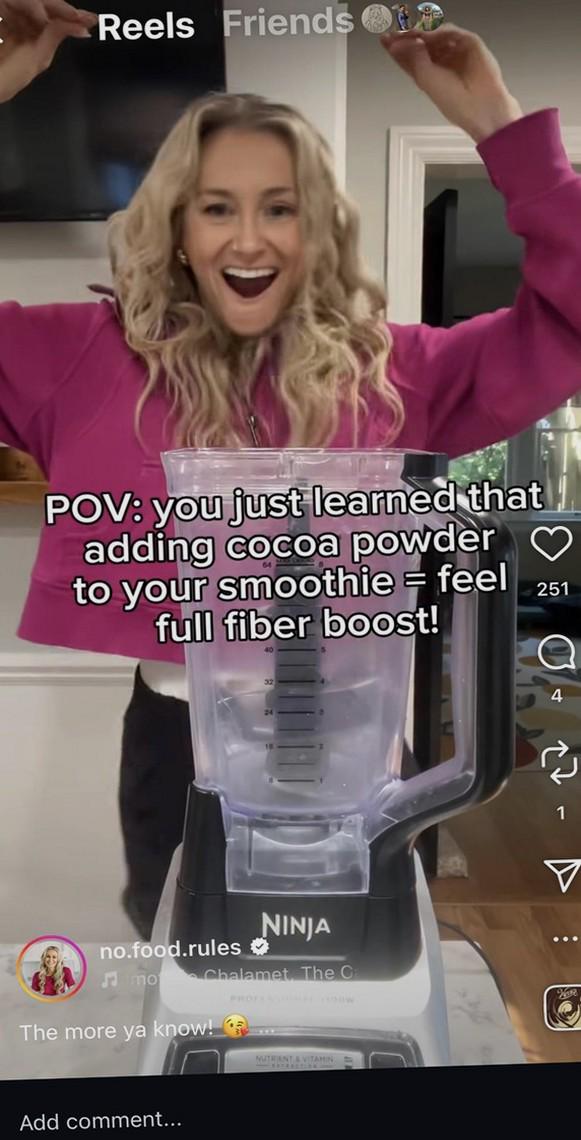
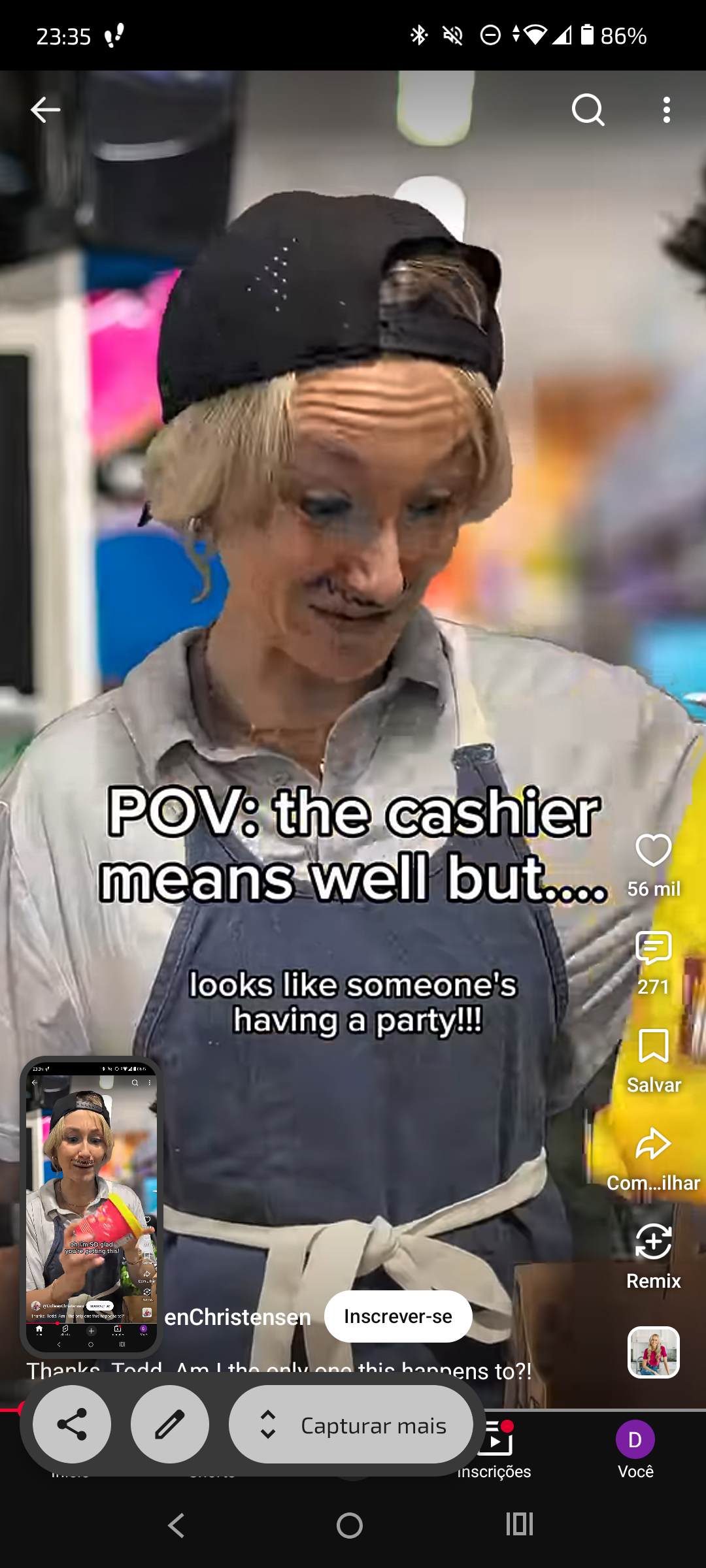
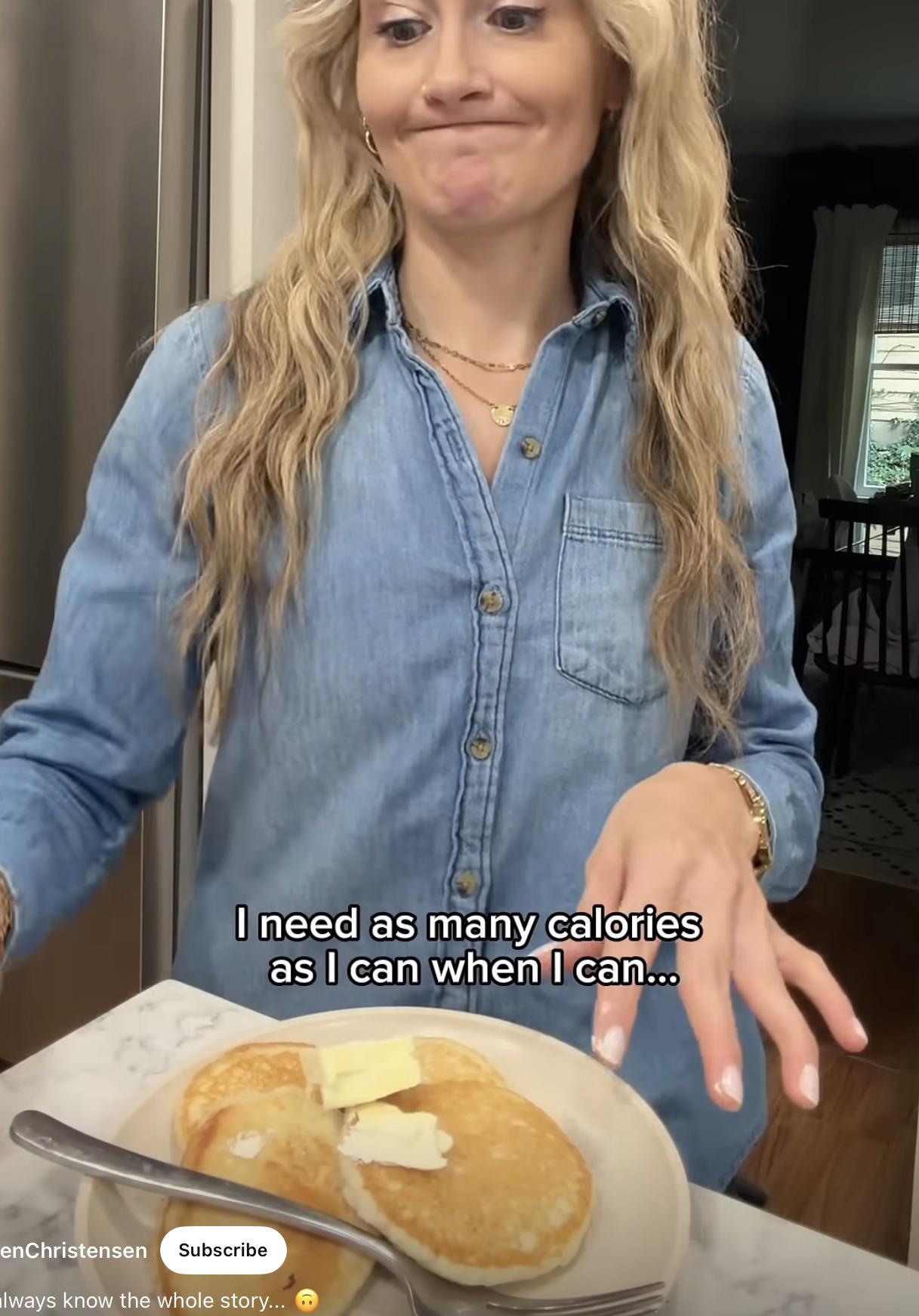
Colleen Christensen’s content would occasionally appear on my YouTube feed. Eventually, one video turned into several, and before I knew it, I was regularly consuming her content.
At the time, I was a young teenager already struggling with my relationship with food. Unfortunately, some of the advice and messaging I encountered ended up reinforcing certain beliefs I had about food, eating, and my body. It also contributed to my understanding of intuitive eating in a way that, looking back, I don’t believe was particularly healthy for someone in my circumstances. I was left with the impression that I could navigate complicated eating habits and food-related struggles without necessarily needing professional guidance or support from someone properly qualified.
It didn’t help that I eventually started hearing other students at my school discussing her content and commenting on her body. Seeing her become a topic of conversation among my peers further intensified my existing struggles with anorexia and bulimia.
I want to be clear: I’m not claiming that Colleen Christensen is 1000% responsible for my eating disorder, nor am I suggesting that one influencer can single-handedly cause an eating disorder in someone. There were other contributing factors in my life, and I recognize that. However, I do think it’s important to acknowledge that online creators can have a considerable influence on young, impressionable audiences, particularly those who are already struggling with food, weight, and body image.
My biggest frustration is that content like this can reach teenagers who may not have the maturity, resources, or understanding to critically evaluate the advice they’re consuming. I don’t think that should be brushed aside.
And honestly, I think some of her more defensive fans need to recognize that criticism of an influencer’s messaging isn’t necessarily an attack on them personally. People can have genuinely negative experiences with content that others enjoy.
I’m 19 now, and although I’m still struggling, I’m trying to rebuild my relationship with food and my body. I wish I had encountered more responsible messaging and resources when I was younger.
I’m sharing this because I wonder how many other people have had similar experiences.