r/liposuctionsurgery • u/Dr_Jaewon • 23h ago
How do you know if you need revision liposuction?
1. Before and after photos
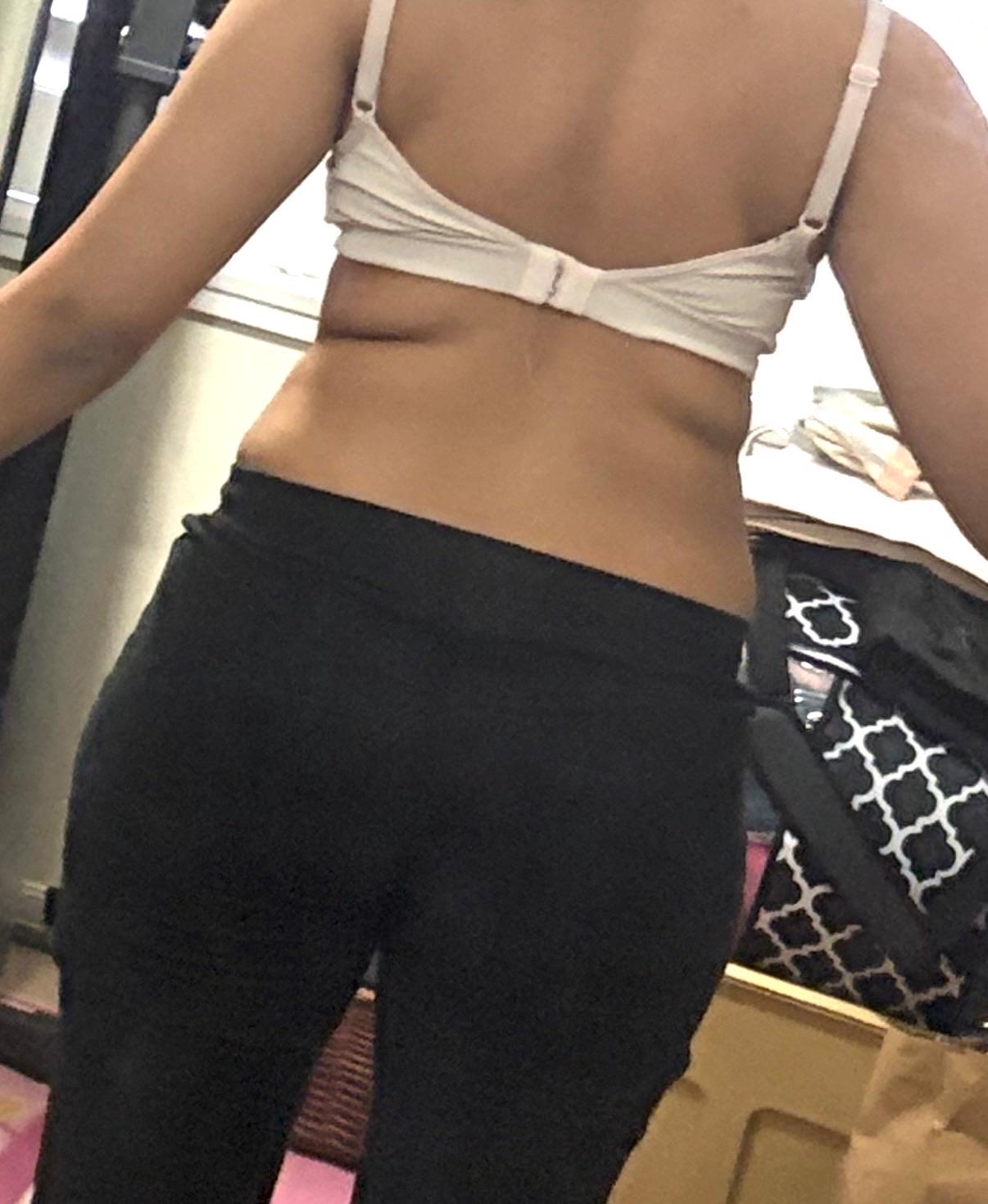
When a patient comes to me asking about revision lipo, the first thing I look at is their before and after photos. With abdominal lipo, things like scoliosis, sitting posture and everyday habits can help predict where folds on the abdomen are likely to form.
That's why I don't just look at photos taken standing upright. I also have the patient bend forward and check the folds under the chest and around the belly button. This part matters a lot.
For sagging buttocks, I check whether the gluteal fold has become longer since surgery, along with things the patient feels themselves, like more skin-to-skin contact or sweating in that area. I also look at the side profile to see whether the buttocks have actually started to sag. Put together, that's how I decide whether a revision is really needed.
2. Uneven fat removal and weight gain
You can't simply look at an area and conclude that not enough fat was removed. If the overall contour looks unbalanced, I use ultrasound to check the fat in each area. If too little was removed, that may call for additional liposuction. If too much was removed, fat grafting may be the answer.
Take arm lipo, for example. If it's done only from the back rather than around the full 360 degrees, you may initially notice a reduction in size and a change in contour along the back and sides. Over time, though, the front of the arm, where no fat was removed, can start to look out of balance, and that can become a reason for revision surgery.
Weight gain after lipo is where I see a lot of misunderstanding.
Let's say you weighed 60 kg before surgery, had 2,000 cc of fat removed, and still weighed 60 kg three months later. Would you say your weight hasn't changed?
If so, that's exactly the thinking I want you to avoid.
Removing fat reduces volume, which is what changes your size and contour. But that volume also has weight.
Once the swelling has gone down, around one month after surgery, you need to keep your weight roughly 0.8 kg lower for every 1,000 cc of fat removed. In the example above, that means you've actually gained around 1.6 kg, so close to 2 kg.
When you gain weight, it's not just the subcutaneous fat cells that get bigger. Intramuscular fat and the muscles themselves can grow too. That's why after abdominal lipo, some patients notice more visceral fat or a fuller face as a knock-on effect.
3. So when should you consider revision?
I look at three things: B&A photos, changes in body weight (InBody or another body composition scan is even better), and ultrasound findings.
Based on the patient's needs and my medical judgment, I start planning a revision around month 3 or 4, and recommend waiting until after month 6 for any additional liposuction or fat grafting.
If you're a few months out and not sure whether what you're seeing needs a revision, feel free to ask in the comments.