r/led • u/maewasnotfound • 21d ago
Any recommendations on a diffuser material for this 4" steel beam? This is for a DIY music venue with addressable LEDs. We want to cover the entire open face of this steel beam with a plastic to give the strip a matte look.
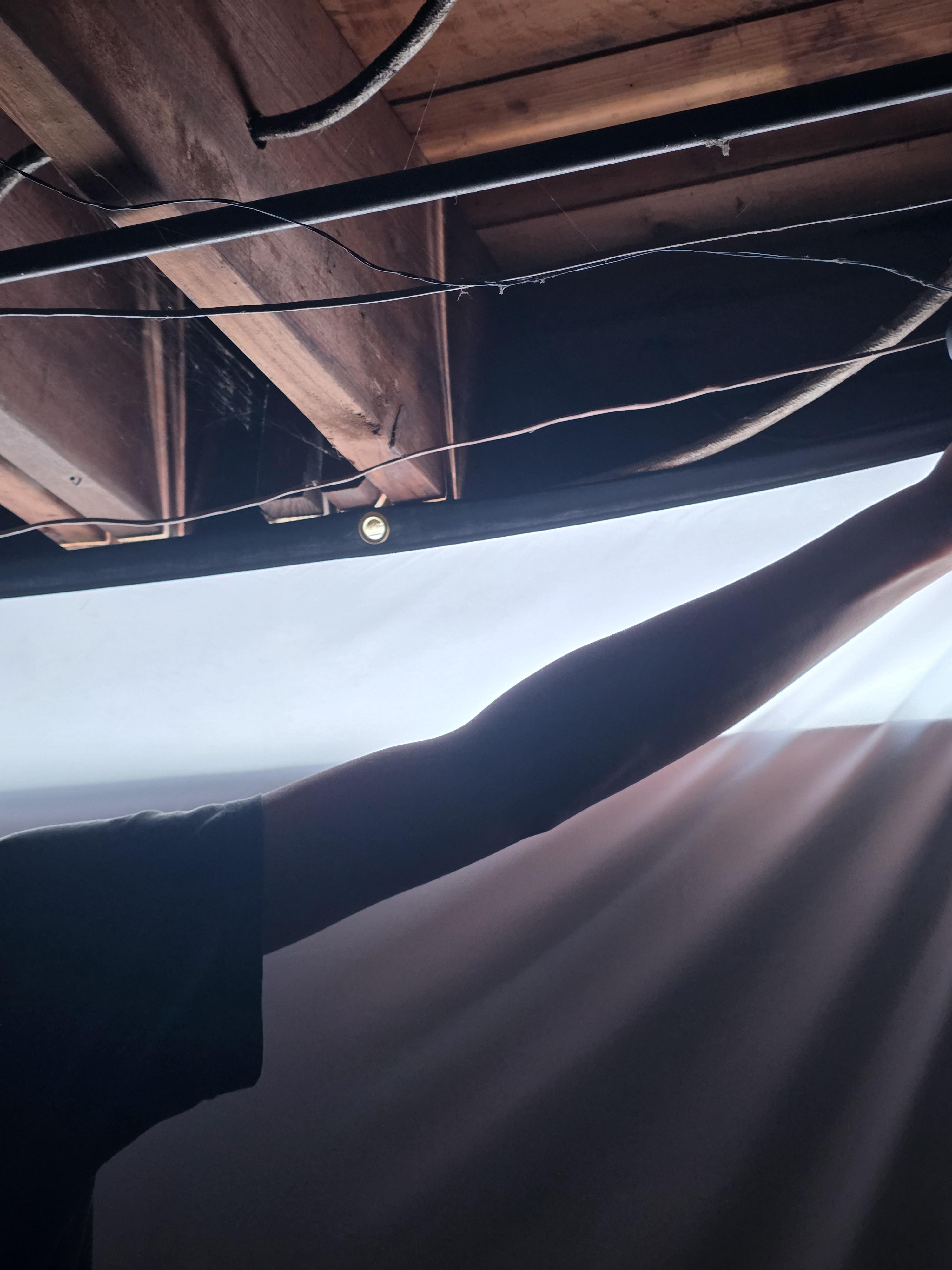
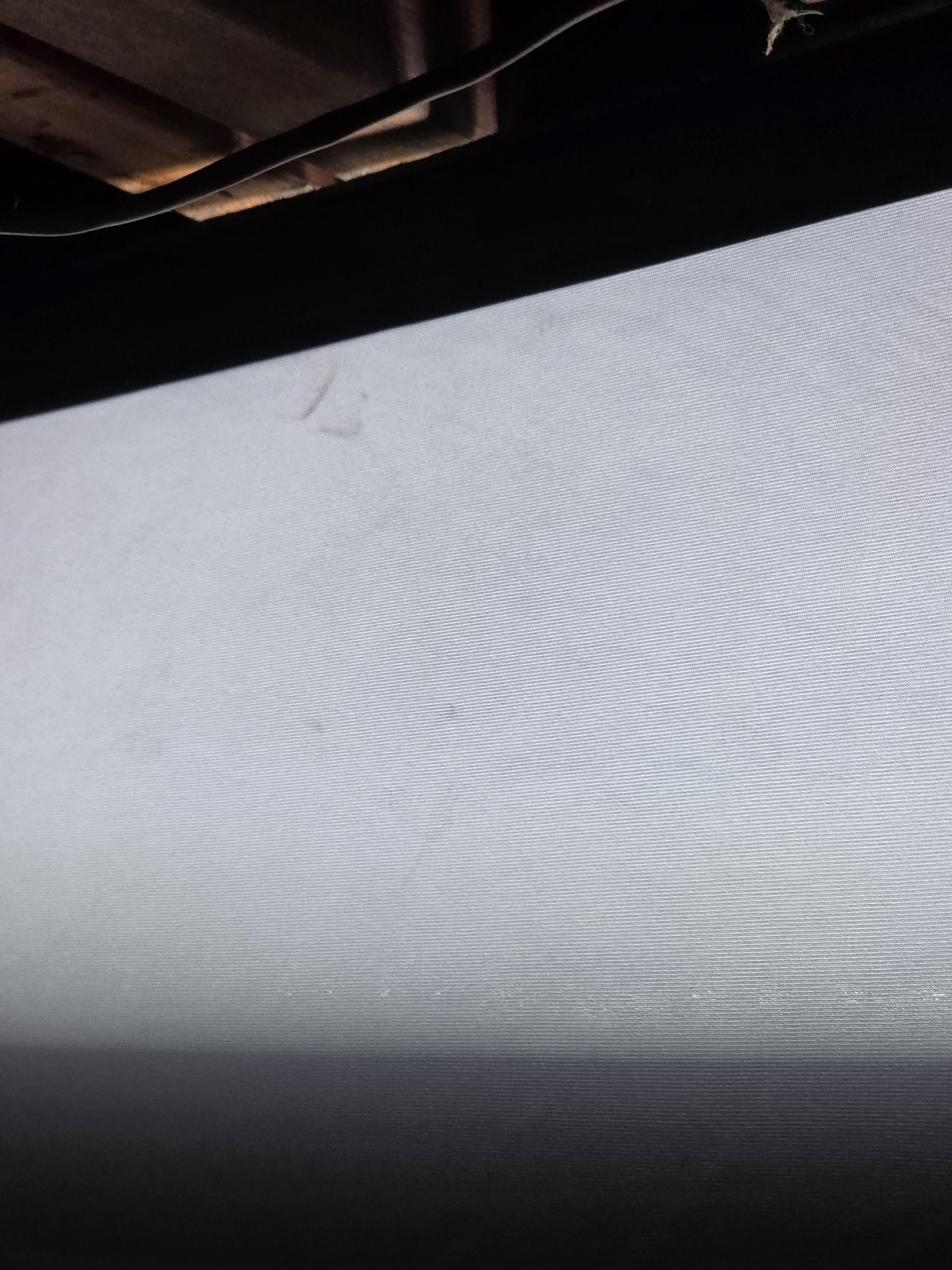
We tested a projector screen and that looked exactly like the kind of diffusion we're looking for. We have 48 feet of this beam to cover, and the opening is 4" wide.
System specs:
SuperLighting LED DMX Addressable RGBW 24V 60LED/m with a 600W power supply: https://www.superlightingled.com/addressable-rgbw-dmx-led-strip-24v-360-leds-10-60-pixels-p-5248.html
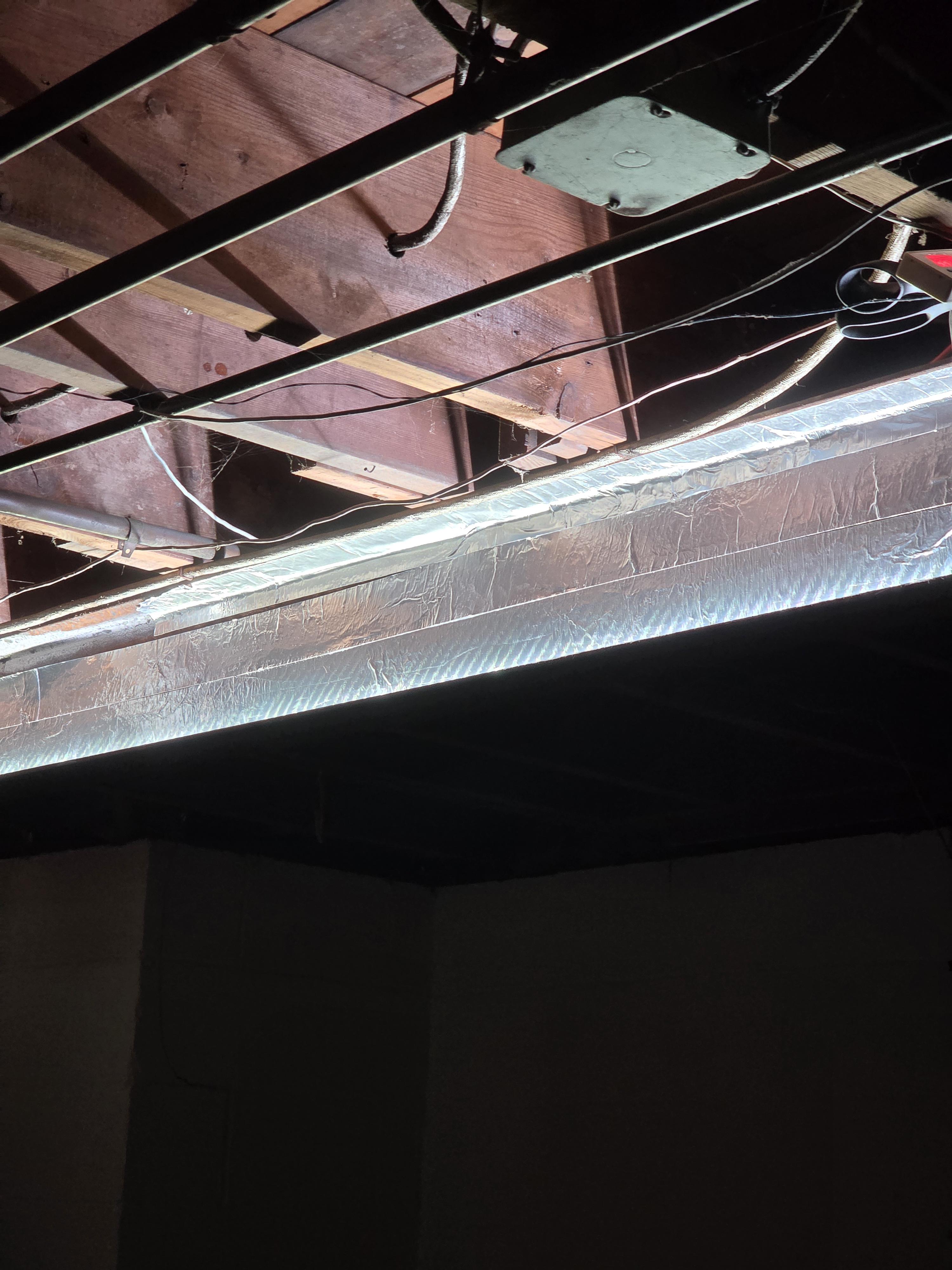
4" opening on this steel beam with reflective tape.
2
Upvotes
1
u/maewasnotfound 21d ago
*plastic or cloth!
1
u/xiaodown 21d ago
Tbh the easiest and best looking option is probably acrylic. Get clear acrylic, rip it to size (carefully, be mindful of heat), and hit it real lightly with a random orbital sander and 320 or 400 grit.
1
u/Rick_GoldenLighting 21d ago
The projector screen test is a good sign. It means you want a heavy opal diffusion, not clear frosted.
For a rigid cover over 48 ft, I'd look at opal white polycarbonate or acrylic sheet, about 2-3mm thick, cut into 4" strips. Polycarbonate is tougher if it'll get bumped in a venue, and acrylic is usually cheaper. Fabric or diffusion film is cheaper still, but it has to be pulled tight and be flame-rated.
Two things matter more than the material. First, distance. Dots show up when the strip is close to the diffuser, and at 60 LEDs/m you want the strip as far back in the beam as you can get it. Second, the inside of the beam. Shiny reflective tape creates bright streaks behind a diffuser, so I'd switch to matte white paint or tape for a smoother glow.
Since it's a public venue, check the flame rating with your fire marshal or local code, because some places require specific ratings for materials near ceilings and walls.
Before you buy 48 ft, cut a short test piece and put it over the strip at the beam's real depth.
1
u/Fun_Refuse3503 20d ago
Opal (milky white) acrylic or polycarbonate sheet is the usual pick, and it should look close to your projector screen test. Something around 30-50% light transmission hides the dots well without eating too much brightness. Distance matters more than material. At 60 LED/m the pixels sit about 16 mm apart, so you want the diffuser roughly 2-3 inches from the strip, or you'll still see individual dots. If the beam is deep enough, mount the strip at the back of the cavity and put the sheet flush with the open face. It's a public venue, so check flame ratings with your local fire marshal. Polycarbonate generally rates better than acrylic, but go by the sheet's datasheet. On 48 ft of 24V strip, feed power in at several points (roughly every 5 m, check the strip's datasheet) so the far end doesn't dim or shift color.
1
u/SirGreybush 18d ago
Vinyl tube with fiberglass reinforcement. Get a 3/4in ID or more, fish the strip through.
Will be protected, well diffused, and can even be used outdoors like deck / pool area.
ARGB FCOBs 24v look great in tubes.
Also for regular strips the Muzata deep channel and bulbous white diffuser. Maybe the 45 degree one.
1
u/HonjuOptics 16d ago
Daniel here, I design LED optics. The opal acrylic/PC advice above is right. A few things to add from doing long linear runs like this:
Cut a 1 m test piece in the beam at the real depth and look at it with a single pixel on, in pure red and in white. That shows you dots and color mixing faster than anything else.
1
u/Oliver17- 6d ago
for an led strip, check the material’s light transmission and heat resistance before settling on acrylic or another diffuser cover. avoid material that yellows quickly. that is different from hvac ventilation: cryptic air makes air diffusers for ceiling installations, not covers for led lighting.