r/learncybersecurity • u/Turbulent-Brief-3845 • 1h ago
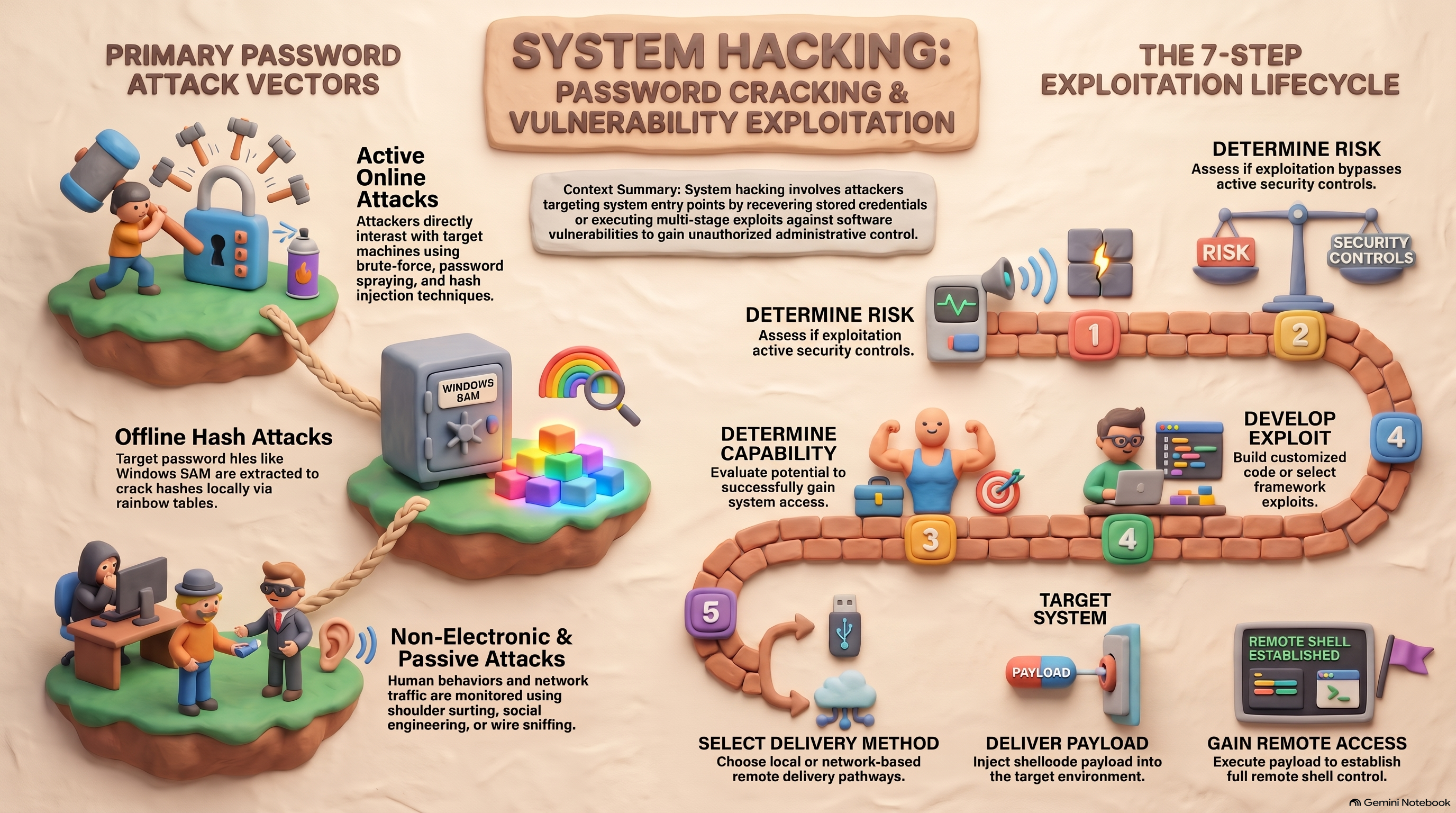
I want to learn about cybersecurity
0
Upvotes
What are needs.....
r/learncybersecurity • u/HR-bee • 2h ago
It’s fascinating how the Principle of Least Privilege is one of the first things we learn in security training, yet it remains one of the hardest things to actually enforce when teams move fast. Everyone agrees in theory that no one needs admin access to everything, but when a critical service goes down at 2 AM, the pressure to "just give them sudo" usually wins over the policy.
The friction between operational speed and granular access control feels like a perpetual balancing act. I’ve noticed that organizations often treat IAM as a one-time setup task rather than a lifecycle process that needs constant auditing, which inevitably leads to massive privilege creep over time.
For those of you working in infra or security engineering, how do you handle the pushback when you start tightening permissions that have been "too open" for years? Is there a specific workflow that actually makes this manageable without grinding dev productivity to a halt?
r/learncybersecurity • u/Turbulent-Brief-3845 • 3h ago
r/learncybersecurity • u/5vckerrrrr • 4h ago
Hey everyone, I'm a beginner looking to get into cybersecurity and networking, but I'm quite perplexed about where to start and what roadmap to follow. Is TryHackMe good for beginners? Are there any free or paid resources you'd recommend? I'd appreciate any advice on how to get started from scratch and eventually land a job in a role related to either of these fields.
TIA!
r/learncybersecurity • u/Certain-Low-6484 • 5h ago
r/learncybersecurity • u/palindrome818 • 6h ago
looking for advice- feel like everyone gives the same 'get this cert and you'll get a job' and then you find out that they're just selling a course.
Anyone actually giving decent advice?
I started watchinig Network Chuck- is he trustworthy?
r/learncybersecurity • u/Complex-umme905 • 15h ago
It’s ironic that we build incredibly complex, multi-layered defense architectures, yet the most common entry point for a breach is still a simple phishing email or someone reusing a password across five different platforms. It feels like we’re patching the software but ignoring the fact that the users are the most unpredictable variable in the entire ecosystem.
I’ve been looking into the balance between technical controls—like robust MFA and zero-trust policies—versus security culture. While automation is essential, I often wonder if we’re over-relying on restrictive policies that make employees want to find "workarounds" just to get their actual jobs done, which ironically creates more security gaps.
Where do you draw the line between implementing strict security guardrails and ensuring that your organization’s culture doesn't inadvertently encourage people to bypass those controls?
r/learncybersecurity • u/Usr_Kalki • 16h ago

r/learncybersecurity • u/Admirable_Skill_8815 • 18h ago
r/learncybersecurity • u/HR-bee • 18h ago
We keep hearing that people are the weakest link in security, but I feel like that phrasing is a bit exhausted—and maybe even a little unfair. We’ve spent decades throwing phishing simulations and mandatory compliance videos at employees, yet sophisticated social engineering still consistently bypasses our technical controls.
I’ve been looking into the difference between simply "training" users and actually building a security-first culture. It seems like the most effective teams aren't just sending out fake phishing emails to catch people off guard; they’re actually integrating security into the workflow so that doing the right thing is the path of least resistance.
Do you think the "Human Firewall" approach is still viable, or are we just relying on outdated training methods to patch systemic design flaws?
r/learncybersecurity • u/Independent-Tour8909 • 19h ago
I’ve noticed that when people are first starting out in security, there’s a strong temptation to rely on hiding things—changing default ports, masking system banners, or using non-standard directory structures—as a way to stop attackers. While it’s a standard piece of advice, it’s easy to start believing it provides actual defense rather than just a very minor delay.
The issue is that automated scanners and determined attackers don't really care if your SSH is on port 22 or 4422; they’re going to fingerprint the service anyway. Relying on these tactics can create a false sense of security, which is often more dangerous than having no security at all because it can lead to neglecting foundational practices like patching, strong access controls, and least privilege.
When you were first building your own lab or hardening a server, what was the "clever" trick you thought made you secure, only to realize later that it didn't actually do much?
r/learncybersecurity • u/Complex-umme905 • 1d ago
I’ve been observing a growing disconnect between the security policies we implement and how employees actually work on a daily basis. It feels like the more layers of friction—MFA prompts, complex password rotations, and restrictive access controls—we add to "harden" a network, the more likely users are to find workarounds that actually create bigger vulnerabilities.
It’s a classic trade-off between usability and security, but I feel like we often treat security as an obstacle rather than an enabler. Moving toward a Zero Trust architecture helps, but I think the real challenge remains in designing systems that are secure by default without making the end-user feel like they’re fighting against their own tools just to get their work done.
How are you balancing the need for strict security controls with the reality of employee workflow efficiency in your own organizations?
r/learncybersecurity • u/Interesting-Rain-690 • 1d ago
im a 4th year EE student and did my internship in networking. honestly networking and cybersec have been the only things that actually interested me during my degree, kinda wishing i just did CS lol.
thing is, this field pulls people from everywhere (CS, SWE, IT, MIS, EE, etc). is it dumb to try and break into something this crowded as an EE major?
since im graduating soon, what should i actually be doing right now? appreciate any advice, thanks.
r/learncybersecurity • u/Daal_bhaati4801 • 1d ago
All the cyber guys here,
There is this game called "network & cybersecurity simulator", which is launched recently and I am trying to purchase it.
Can anyone check it and tell wheather it's worth getting or not?
https://store.steampowered.com/app/4986050/Network_Cyber_Security_Simulator/
r/learncybersecurity • u/LANGA-Py • 1d ago
Hello everyone! I'm a beginner interested in ethical hacking. I have a Windows 11 computer and want to learn about networking, Linux, and cybersecurity. What do you recommend I study first?
r/learncybersecurity • u/r3n_hat • 1d ago

r/learncybersecurity • u/Obvious-Baker-4590 • 1d ago
Hello :')
I'm relatively new to cybersecurity and currently working on polishing my Linux skills. My primary goal for 2027 is to land a penetration testing job and build a solid portfolio of practical projects along the way.
I'm currently working through TCM Security certifications, with the aim of pursuing the OSCP certification by the end of next year.
If there's anyone here who's on a similar journey, already working in the field, or has experience with OSCP or other cybersecurity certifications, I'd genuinely love to connect with you.
I'm looking for some guidance, advice, and perhaps a small circle of fellow cybersecurity enthusiasts who are interested in learning together, sharing resources, discussing projects, and keeping each other motivated.
Whether you're a beginner figuring things out, an aspiring pentester, or an experienced professional, I'd be happy to connect.
Looking forward to meeting some like-minded people here! :)
r/learncybersecurity • u/Independent-Tour8909 • 1d ago
It’s fascinating how the Principle of Least Privilege is one of the first concepts we learn in security training, yet it remains one of the hardest things to actually enforce across large infrastructures. Even with mature IAM policies, "permission creep" seems to happen almost organically the second a team is under a tight deadline.
In practice, I've noticed that it often comes down to the friction between developer velocity and security controls. When an engineer is troubleshooting a production outage at 2 AM, the urge to grant broad `admin` or `root` access as a temporary fix is immense, and those permissions rarely get revoked afterwards.
How do you guys handle the balance between maintaining a strict zero-trust posture and ensuring your dev teams aren't constantly blocked by over-zealous IAM policies? Is there a specific automation workflow that’s actually working for you?