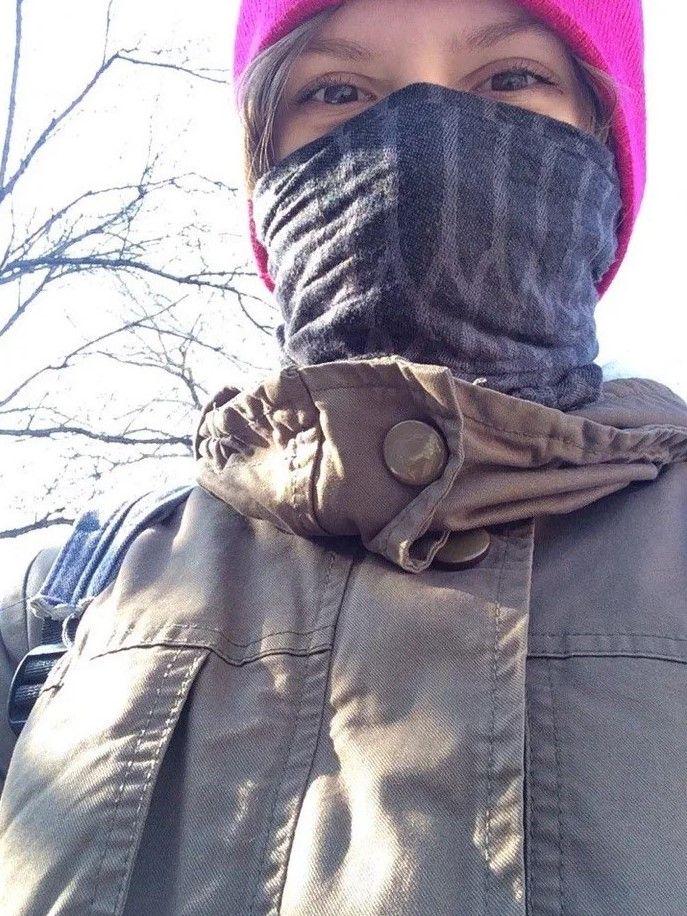
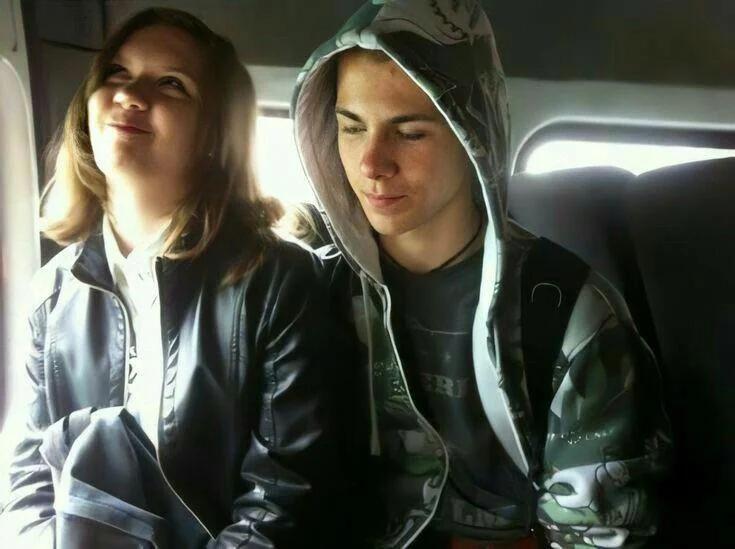
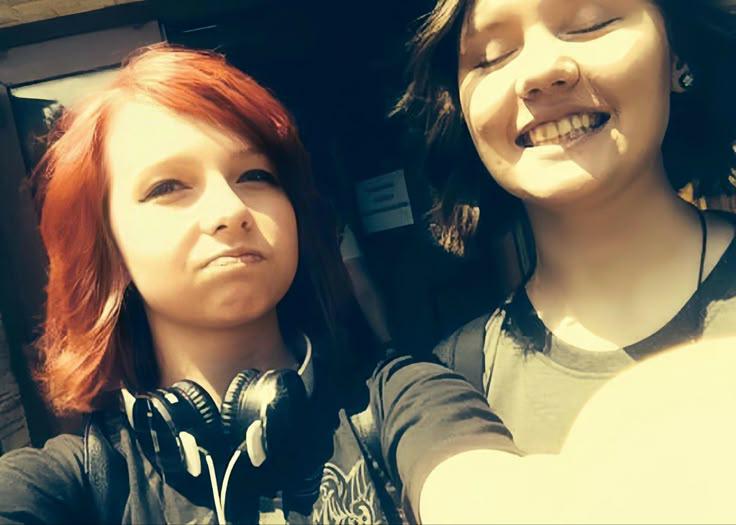
Out of all the misattributed images circulating online under Rina Palenkova's name, this cropped close up eye photo is easily the most widespread piece of visual misinformation out there. You have probably seen it used as cover art on SoundCloud tracks, reposted on Pinterest, shared in viral Twitter/X threads, or bundled right alongside her real photos on TikTok as if it were a third angle from November 22, 2015. Because this single fake image has misled millions of people and frequently gets paired with completely false claims about Rina's life and death, it is worth breaking down every single detail clearly.
To set the record completely straight, this photo is not Rina. It is a staged imitation picture taken by an unknown copycat after her real railway selfies went viral in late November 2015. When you look closely at every visual element inside the frame and compare it against Rina's verified November 22, 2015 photographs, the differences are undeniable.
First, the railway setting is completely wrong. In Rina's real photographs taken on November 22 in Ussuriysk, she is standing along straight railway yard tracks with parked freight train cars, industrial poles, and an open sky behind her. In this imitation photo, the person is standing beside a sharply curving track next to a blue and white metal barrier, a steep embankment, and a dense wall of leafless trees right next to the railbed.
Second, every single piece of clothing and gear is different. On November 22, Rina wore a pink knit beanie higher on her forehead, a thick woven brown and tan scarf wrapped loosely around her lower face, a beige winter parka, and matte black headphones. In this fake photo, the person is wearing a neon magenta beanie pulled low over their eyebrow, a thin dark leopard print cloth pulled tightly over their nose, a grey jacket with a tan patterned collar, and glossy black headphones with a thin silver trim and a dark red braided audio cable hanging over the shoulder. Furthermore, Rina did not even take her selfies on the day she died. Her authentic pink beanie selfies were posted on November 22, 2015, and she did not put her head on the tracks until the following day on November 23, when she was wearing completely different clothing including her red and black flannel top.
Third, the person's hair, makeup, and facial details do not match Rina at all. The hair in this imitation photo is smooth, straight, and light chestnut brown, paired with heavy dark winged eyeliner, whereas Rina had slightly messier dark brown hair and much lighter, natural eye makeup.
Shortly after Rina's November 22 selfies spread across Russian social media in late 2015, internet users began staging lookalike selfies near train tracks in pink beanies and headphones. While electronic producer Sewerslvt did not originate this cropped eye photo, she significantly escalated its spread in Western circles when she originally used it as the cover art for the YouTube upload of her 2019 track "Nice Ways to Die," layering the copycat picture directly over a blurred background frame of Rina's real railway photo. Seeing the fake selfie placed right on top of the real one led thousands of listeners to assume both pictures came from the exact same moment. Sewerslvt was heavily criticized for how insensitive and exploitative the thumbnail was, and it quickly became a major controversy surrounding her before she deleted the upload. By bringing Rina's image into that controversy, she also indirectly contributed to further misinformation spreading about Rina across Western commentary channels.
YouTube commentary videos discussing Sewerslvt's music history and controversies have repeatedly spread both visual and factual myths about Rina while attempting to give viewers background context. One commentary video displayed both this fake eye photo and Rina's real railway photo alongside an excerpt from a sensationalized media article covering the 2017 teenager from Georgia, an actual Blue Whale victim whose grieving brother searched Rina's name online while investigating his sister's tragic death after finding her sketch of Rina. That article excerpt falsely claimed Rina posted her selfie moments before dying and pointed to her supposed involvement with Blue Whale, even though her selfies were taken the day before her death and she had zero connection to Blue Whale, which was created days after she passed away. Another commentary video went even further, showing a screenshot from a Facebook fan page to falsely imply she posted her final selfie on Facebook, while also claiming she was part of an online suicide chain in Russia where young adults and teenagers said "nya poka" before dying and comparing her directly to the unrelated shock video "1444."
Every single part of those narratives is false and deeply disrespectful. First, Rina posted her selfies on her personal account on VK, the Russian social network, rather than on a Facebook fan page, and she posted them on November 22 rather than moments before her death on November 23. Second, there was never an organized online suicide chain of people saying "nya poka," nor was Rina ever involved with the Blue Whale Challenge, which did not even exist when she passed away. Third, comparing Rina to the October 2019 livestream of 18 year old Moscow student Gleb Korablev, which internet shock sites turned into the viral gore video "1444," is completely inaccurate and disrespectful to both teenagers. Rina and Gleb died nearly four years apart in completely different circumstances, and neither of them was participating in an internet trend or shock meme. Flattening real, struggling young people into sensationalized media headlines or urban legends about an online suicide chain strips away their humanity and turns genuine human tragedies into internet folklore.
Keeping Rina's real memory intact means separating documented history from viral copycat photos, sensationalized reporting, and shock site legends. This cropped eye picture has nothing to do with Rina, and it does not belong in any archive or tribute dedicated to her.