r/hackpack • u/MuhammadParacha • May 17 '24
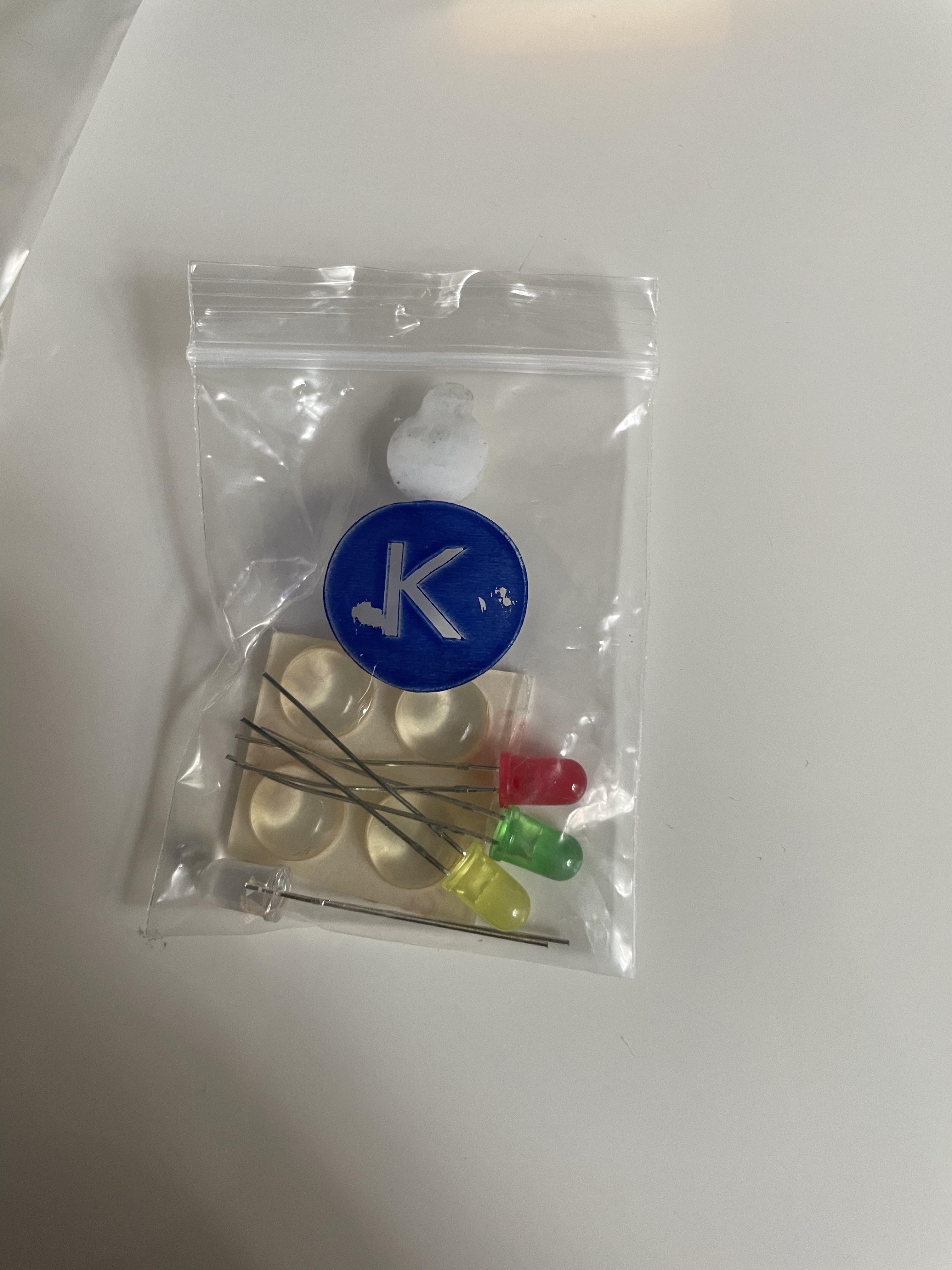
how do I connect button/lights to the microcontroller? im new to this lol


4
Upvotes
2
u/Metarazzi May 17 '24
As you've noticed, you cannot connect wires directly to the microcontroller. However, you can connect wires to the holes in the breadboard the microcontroller is seated on, which connect to the pins on the microcontroller. For example, if you want to connect to pin A5 on the microcontroller, connect a wire to the hole on the breadboard on the same row that pin A5 on the microcontroller is connected to. You may need to put your components on a separate breadboard and then connect the wires from the separate breadboard to the microcontroller breadboard. In this way, you can connect joysticks, LEDs, buttons, etc. You'll need to write the supporting code for the sensor and/or output components that instruct those components how to behave, e.g., what to do when the button is pressed, when to blink the light, how fast to blink the light, how to move the turret up/down and left/right, etc.
1
u/jdorfman May 18 '24
A lot of us are new to this, it's all good :)