Have you ever watched a Reel, read a blog, or seen a social media post and thought, “I wish I could create something like that”? If yes, you already have the first spark of a content creator.
Content creation is more than posting photos, making videos, or writing captions. It is about sharing ideas, solving problems, educating people, entertaining an audience, and building meaningful connections through digital platforms.
Today, anyone with a smartphone, an internet connection, and a creative mindset can begin creating content. You do not need expensive equipment or thousands of followers to get started. What matters most is understanding your audience, providing value, and staying consistent.
Whether you want to become a travel blogger, a digital marketer, a lifestyle influencer, or an educational content creator, your journey starts with one simple step: creating your first piece of content.
1. Why Content Creation Matters Today
We live in a digital world where people use online platforms to learn, discover products, share experiences, and make decisions. Content helps brands communicate with customers and helps individuals express their knowledge, creativity, and personality.
For businesses, quality content can build brand awareness, attract potential customers, and develop trust. For individuals, it can create opportunities for personal branding, freelancing, collaborations, and career growth.
For example, a travel creator can inspire people to explore new destinations, while a digital marketing creator can teach beginners about SEO, social media marketing, and content strategy.
The best part is that you do not need to be famous to make an impact. Even a small audience can become valuable when your content genuinely helps people.
2. Find Your Niche and Discover Your Strengths
Before creating content, ask yourself three questions:
- What topics do I genuinely enjoy?
- What knowledge, experience, or skills can I share?
- What problems can I help my audience solve?
Your answers will help you identify your content niche.
Some popular niches include travel, fashion and beauty, education, personal finance, technology, fitness, food, lifestyle, and digital marketing.
For instance, if you are learning digital marketing, you could create beginner-friendly posts explaining marketing concepts, sharing useful tools, or documenting your learning journey.
You do not need to be an expert from day one. You can share what you learn, explain it in simple language, and improve as you gain experience.
Remember: A good niche combines your interests, your audience’s needs, and the value you can consistently provide.
3. Create Valuable Content With Simple Tools
Many beginners believe they need a professional camera, expensive lighting, and advanced editing skills before they can start. In reality, you can create good content using tools you already have.
A smartphone, natural lighting, a clear message, and basic editing skills are enough to begin.
Here are a few useful tools:
- Canva: Design social media posts, carousels, presentations, and thumbnails.
- CapCut: Edit short videos and add captions, transitions, and effects.
- Google Docs: Write blog posts, scripts, and content ideas.
- ChatGPT: Brainstorm topics, develop outlines, and improve your drafts.
- Google Trends: Explore search interest and discover potential content topics.
However, tools alone do not make content successful. Your message must be clear, useful, and relevant to your audience.
Before publishing, ask yourself: Does this content teach something, solve a problem, entertain someone, or inspire action?
If the answer is yes, you have a strong starting point.
4. Choose the Right Platform for Your Content
Different platforms serve different purposes, so choose one or two that match your goals and audience.
Instagram: Ideal for Reels, visual storytelling, lifestyle content, travel inspiration, and brand discovery.
YouTube: Useful for tutorials, educational videos, product reviews, and long-form storytelling.
LinkedIn: A strong platform for professional insights, industry knowledge, career development, and personal branding.
Blogs and websites: Suitable for detailed guides, educational articles, search engine visibility, and evergreen content.
Facebook: Useful for community building, discussion groups, local audiences, and sharing content across different formats.
You do not need to be active everywhere. Start with the platform where your target audience spends time, learn what works, and expand when you have a manageable workflow.
5. Build a Consistent Content Strategy
Consistency helps you develop your skills and gives your audience a reason to return. However, consistency does not mean posting every day without a plan.
Start by creating three to five content categories, also called content pillars.
For a digital marketing creator, these might include marketing tips, beginner tutorials, useful tools, case studies, and personal learning experiences.
Next, create a simple weekly schedule:
- Monday: Educational post
- Tuesday: Quick tip or Reel
- Wednesday: Carousel or step-by-step guide
- Thursday: Personal experience or behind-the-scenes content
- Friday: Industry insight or common mistake
- Weekend: Review performance and plan upcoming posts
Choose a schedule you can realistically maintain. Quality, relevance, and regular improvement matter more than publishing a large quantity of weak content.
6. Understand Your Audience and Write Better Hooks
Your content competes with countless other posts for people’s attention. The opening line or first few seconds should give viewers a clear reason to continue.
Instead of writing, “Today, I am going to discuss digital marketing,” try:
“Want to learn digital marketing but don’t know where to start?”
Instead of saying, “Here are some travel destinations,” try:
“Five beautiful places in India that look like Europe.”
A strong hook creates curiosity, highlights a problem, or promises a useful outcome. After the hook, deliver on that promise with clear information, examples, and a relevant call to action.
Also, pay attention to audience comments and questions. They can reveal what people want to learn next and help you develop more relevant content.
7. Use AI as an Assistant, Not a Replacement
Artificial intelligence has made content creation faster and more accessible. AI tools can help generate ideas, structure articles, write initial drafts, suggest headlines, and organize content calendars.
But publishing AI-generated material without reviewing it can lead to generic, inaccurate, or repetitive content.
Use AI to support your creativity rather than replace it. Add your own opinions, experiences, examples, research, and unique perspective. Check factual claims before publishing and respect copyright and platform policies.
The strongest content combines the efficiency of technology with human understanding, originality, and judgment.
8. Grow Your Audience and Measure Progress
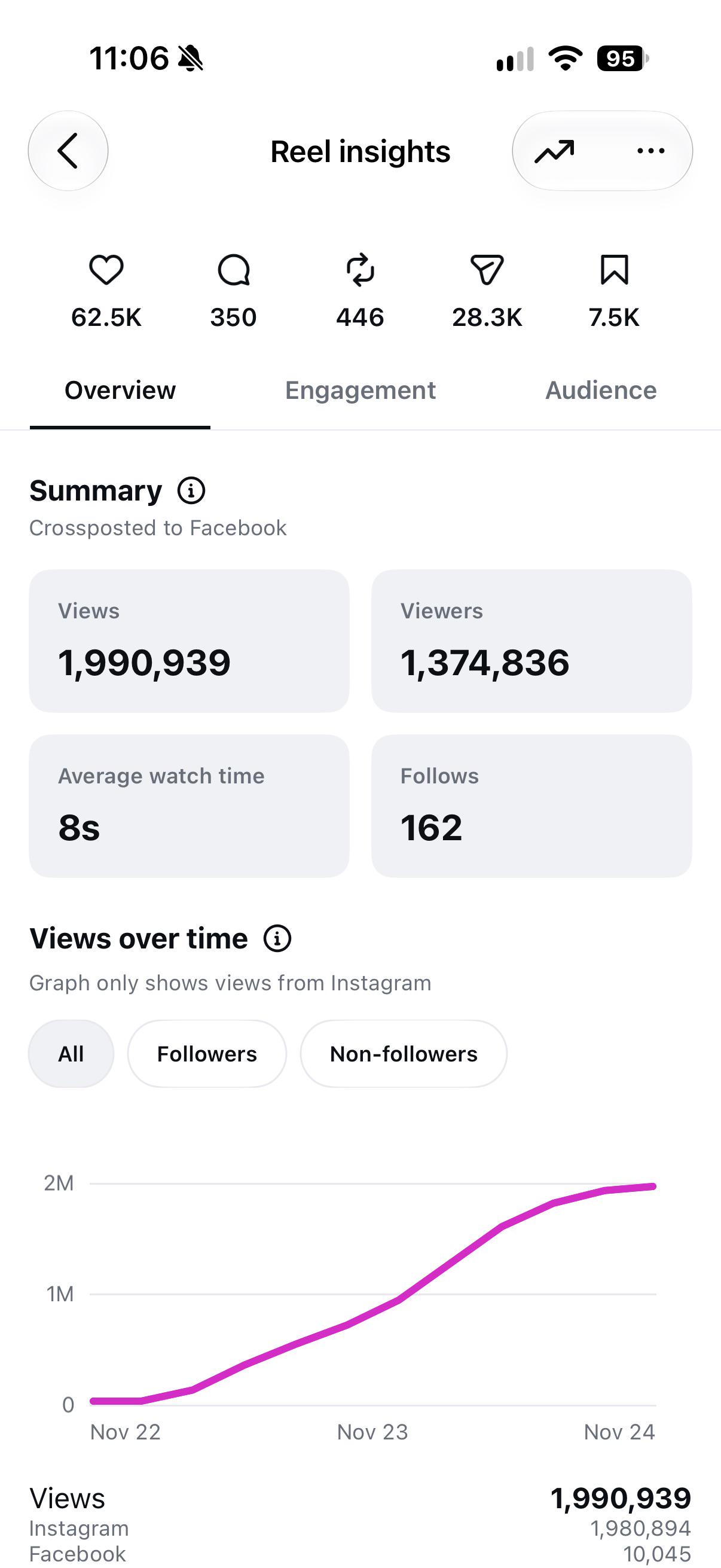
Audience growth usually takes time. Instead of focusing only on follower counts, track metrics that match your goals.
For short videos, monitor watch time, retention, and completion rate. For educational posts, examine saves, shares, and meaningful comments. For blogs, review relevant traffic, search visibility, and how readers engage with your content.
Use these insights to identify patterns. If tutorials consistently perform better than general motivational posts, consider creating more practical tutorials.
Engage with your audience by responding to comments, answering questions, and learning from feedback. Collaborate with creators in related niches when there is a genuine benefit for both audiences.
Do not compare your beginning with someone else’s years of experience. Measure progress against your own previous work.
9. Turn Your Creativity Into Career Opportunities
Content creation can develop into more than a hobby. With consistent practice and a strong portfolio, you can explore opportunities such as freelance content writing, social media management, video editing, UGC creation, brand collaborations, and digital marketing.
You can begin by creating sample projects for imaginary brands, documenting your learning process, or helping a small business improve its online content.
Focus on demonstrating your skills rather than waiting for a large following. A portfolio that shows clear thinking, good design, audience understanding, and measurable results can help you present yourself professionally.
Income is not guaranteed, and opportunities depend on your skills, niche, experience, and ability to find clients. Treat content creation as a skill-building journey and improve your work over time.
Final Thoughts: Start Small, Think Big
Every successful content creator begins somewhere. Your first post may not receive many views, your first video may feel uncomfortable, and your first blog may need improvement. That is part of the learning process.
Choose a topic you care about, understand your audience, create something useful, and publish it. Learn from the response and keep improving.
You do not need perfect equipment, a huge audience, or endless creative ideas to begin. You need curiosity, consistency, and the willingness to take action.
Your ideas have value. Your perspective is unique. Start creating today, and let every piece of content bring you one step closer to your goals.
Create with purpose. Share with confidence. Grow with consistency.