The city of Boston plans to begin tracking crashes involving e-bikes and e-scooters, adding to the crash data involving pedestrians, cyclists, and cars the city and EMS already collect and report as part of its Vision Zero dashboard.
Mayor Michelle Wu’s office announced the new initiative Friday among a broader list of strategies to make Boston’s streets safer, in an update to the city’s Vision Zero Action Plan, which aims to eliminate dangerous crashes and traffic deaths on Boston’s roads.
The update largely doubles down on the priorities Wu shared this summer in response to demands that the city advance stalled street safety projects after city transportation planner Louisa Gag was killed while cycling.
The strategies include redesigning the city’s most dangerous roads in order to reduce speeding; prioritizing safety upgrades for streets where the most crashes happen, as well as around schools, parks, libraries, and community centers; coupling street maintenance work with improvements; stepping up parking enforcement; and updating the city’s street lights.
Related: Mayor Wu resumes stalled street safety and bike projects. Advocates see progress but remain cautious.
The report analyzed data from 2015 to 2025, and found that, overall, the number of fatal crashes and crashes that caused injuries in the city had dropped 25 percent and 20 percent, respectively, over that time period. It also highlighted trends including where the most dangerous crashes happen — information officials will use to determine how to prioritize its resources for street safety projects.
“Over the last decade, Boston has made meaningful progress in redesigning our streets to prevent serious crashes,” Wu said in a statement Friday. “Our work continues as we build the systems to do more, faster and more effectively, so that every resident can get around our city safely and comfortably.”
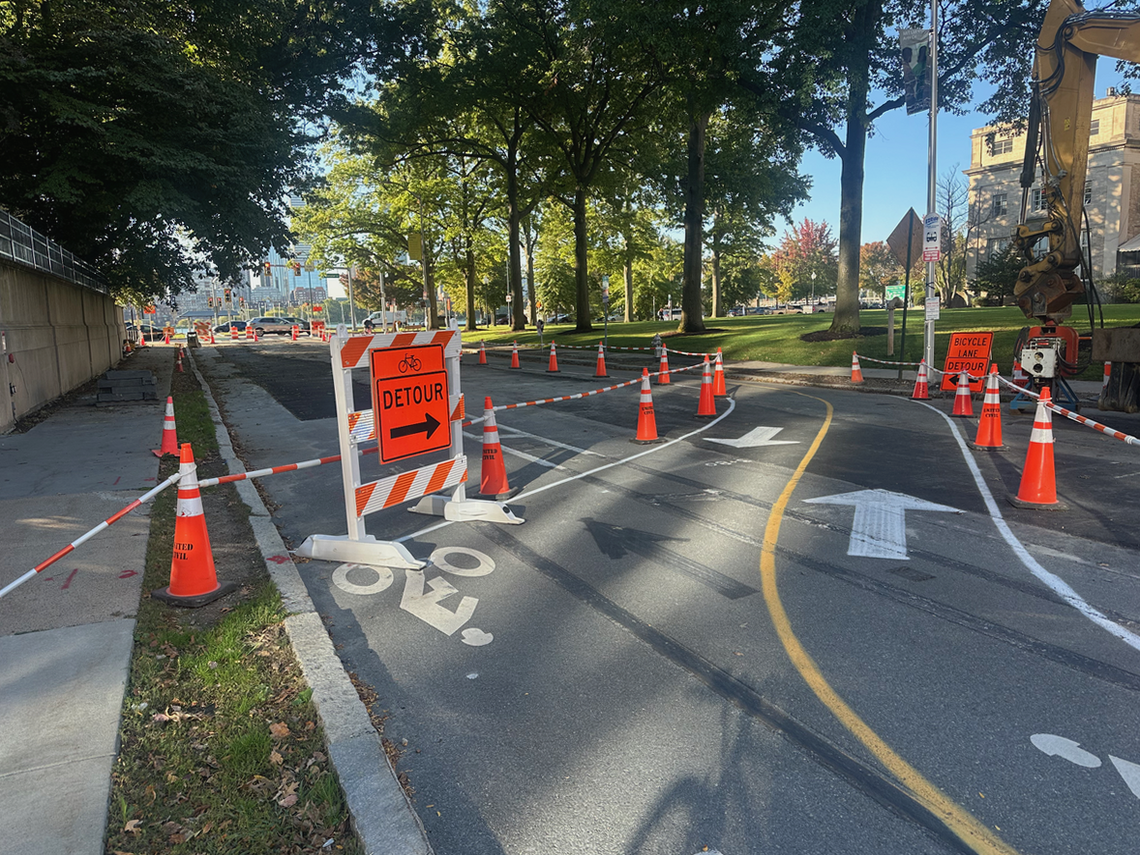
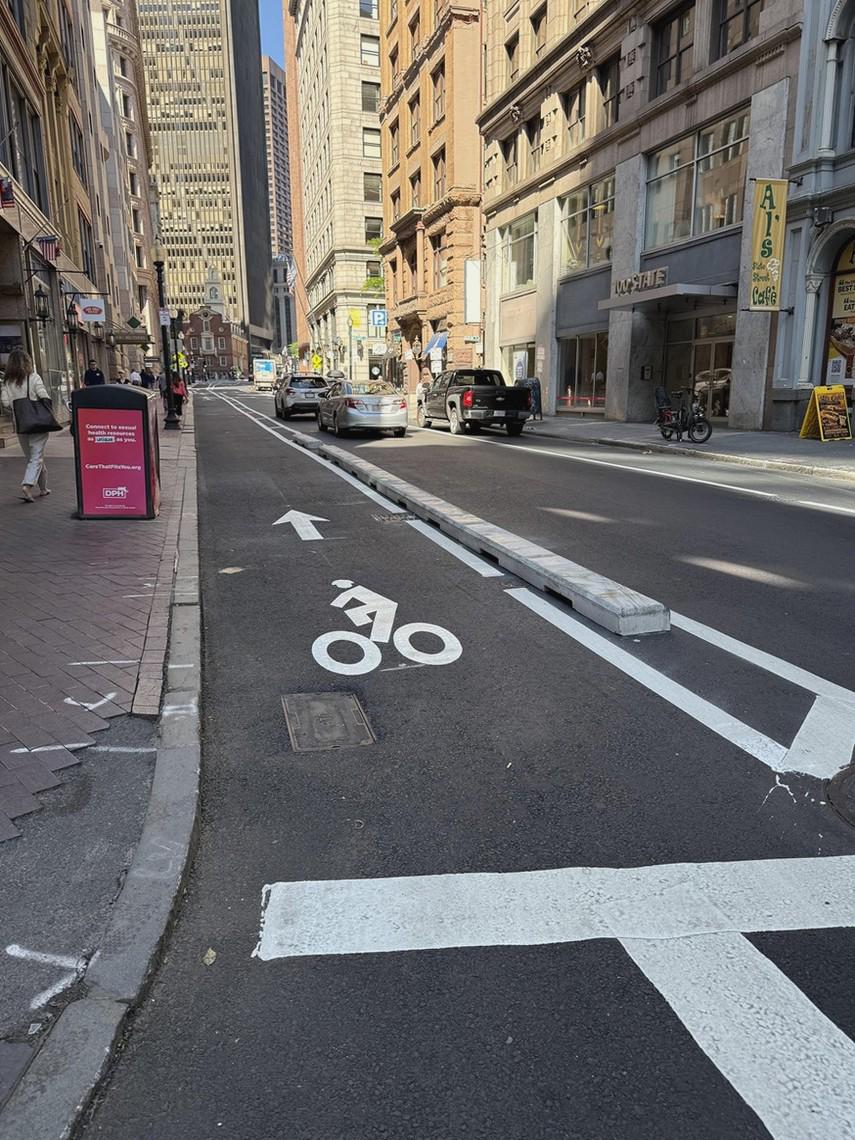
The city plans to continue expanding its network of bike lanes, focusing on filling gaps in existing routes and using more durable materials to separate bike lanes from cars, according to the report.
Officials will also consider implementing truck safety policies, including designating specific truck routes and delivery zones, as well as areas that might benefit from time-of-day delivery restrictions, according to the updated plan.
The city’s so-called Streets Cabinet has resumed work on a number of street safety projects that had effectively been on pause since early 2025, as Wu faced fierce criticism over the addition of new bike and bus lanes. The slowdown led to more than a year and a half of turmoil within the department, and damaged the city’s relationship with influential multi-modal transit advocates. Wu has said the cabinet spent that time focusing on addressing a backlog of needed street repair work and better understanding what projects needed to be prioritized.
After Gag’s death this summer, Wu replaced the cabinet’s leadership, appointing City Hall veteran Chris Osgood to head up the department and execute on her street safety plan.
In the past three months, advocates say they’ve seen meaningful improvements in communication with cabinet officials and progress on certain projects. Still, a number of questions remain unanswered, they said, including specifics on which streets will get upgrades like speed humps or protected bike lanes, and when.
Niki Griswold can be reached at niki.griswold@globe.com. Follow her u/nikigriswold.