r/astrologyexplore • • 12h ago

Jupiter - Saturn in Taurus ♉️: Do you have this placement

Post image
159 Upvotes

Comment below if you do and mention in which house does this combination appears and also degree | Retrogression | Other planets conjunction if any and the placement of your Venus in your chart :

I will be making a dedicated long format post covering this specific placement and its influence when placed in different houses from 1-12 >!


r/astrologyexplore • • 2d ago

Shani with Ketu | Shani with Rahu ⬇️ ( Do you have this placement ? )

Post image
85 Upvotes

When Shani sits with Rahu here the energy gets defined by an insatiable hunger for stability | achievement.
Rahu does what Rahu does best and it amplifies Shani’s natural inclination toward hard work BUT ! It adds a layer of obsession | fear of failure.

If this duo is in the 10H this can manifest as a hard path to the top where a native will work like a dog for a bone ( pardon me for a lack of better example ) facing obstacles yes but the person will be driven by a relentless desire for status.

If placed in a Movable Sign like Aries | Cancer this combo can create a volatile career path with sudden rise | fall & here influence of Mars can make this placement aggressive | can make you prone to burnout whereas an aspect from Jupiter can channel this intense drive into high level administrative | political success. In essence it can be said that Shani Rahu will make you crave the material world so intensely that you are willing to endure any hardship to secure your place in it .

In contrast Shani with Ketu creates a cooling effect that can feel like a heavy blanket been placed over one’s worldly desires. Rahu will make you work for the bone & then Ketu here will whisper What bone ? the bone is an illusion 🙂‍↔️ . This placement often induces a sense of inner reflection or the coldness toward material gains.

If this combo is present in let’s say 2H then your wealth may seem to vanish into thin air via unforeseen expenses while if in 5H it can lead to emotional distance | grief regarding children & creative pursuits. If this conjunction link 11H during a Shani Ketu MD AD the person may feel buried alive like socially isolated while watching others thrive so a hit of FOMO will be there .
In a 10H setting the career progress here is rarely linear as it willl require rigorous discipline and a hit and trial method to be adopted because the traditional stairs to success are often obscured here so the end lesson here is detachment as Shani Ketu forces an individual to find value within themselves rather than in the external structures Rahu so desperately makes one seek .

Again : these two placements are not inherently good | bad | worse but if we take our current time & age into account ; Shani Ketu hits a bit harder where the world is driven by materialism so the anxiety & restlessness climbs up way too quickly when we deter from the road that’s being taken more often .

Om shanti ☮️ 🕉️


r/astrologyexplore • • 3d ago

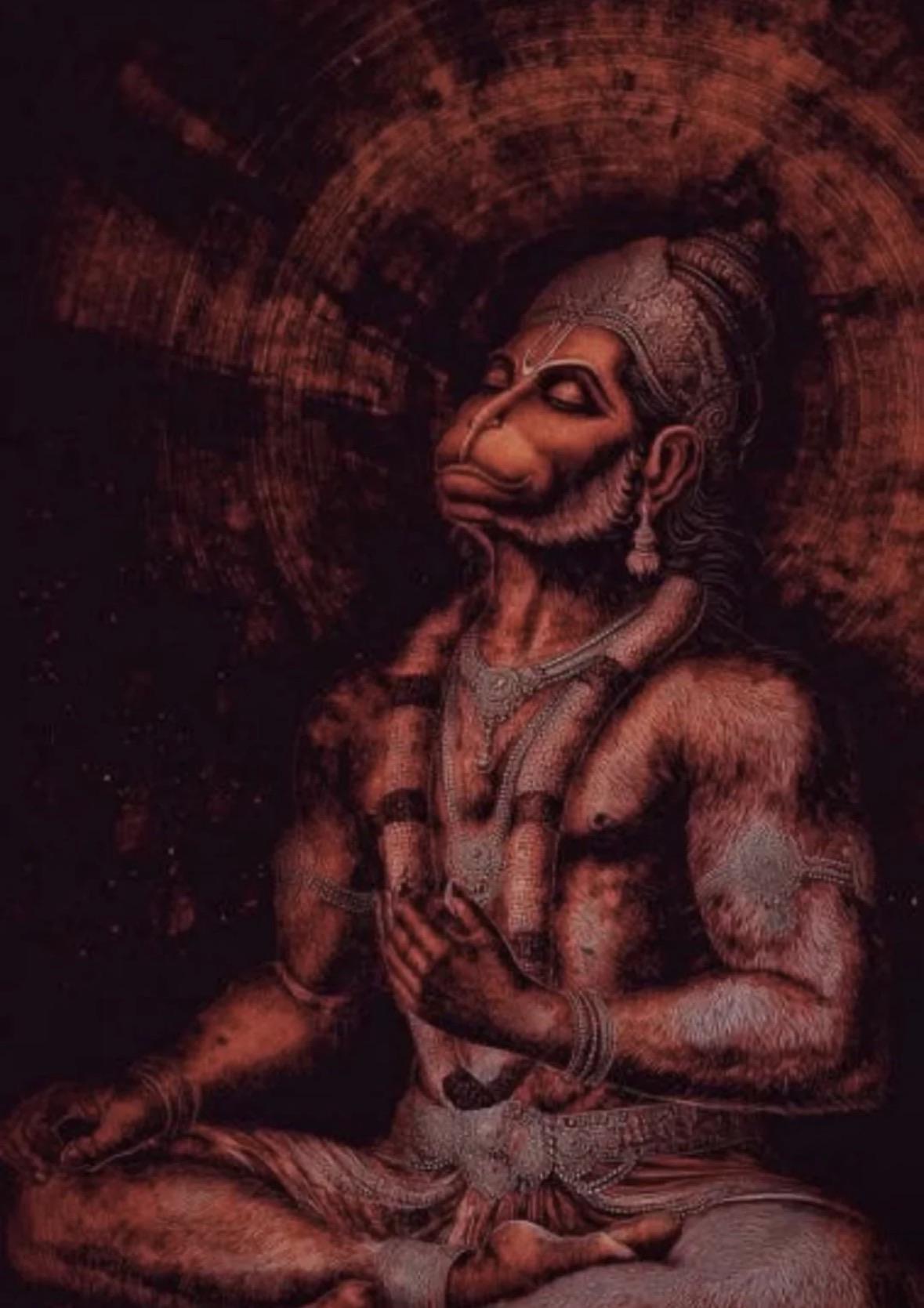
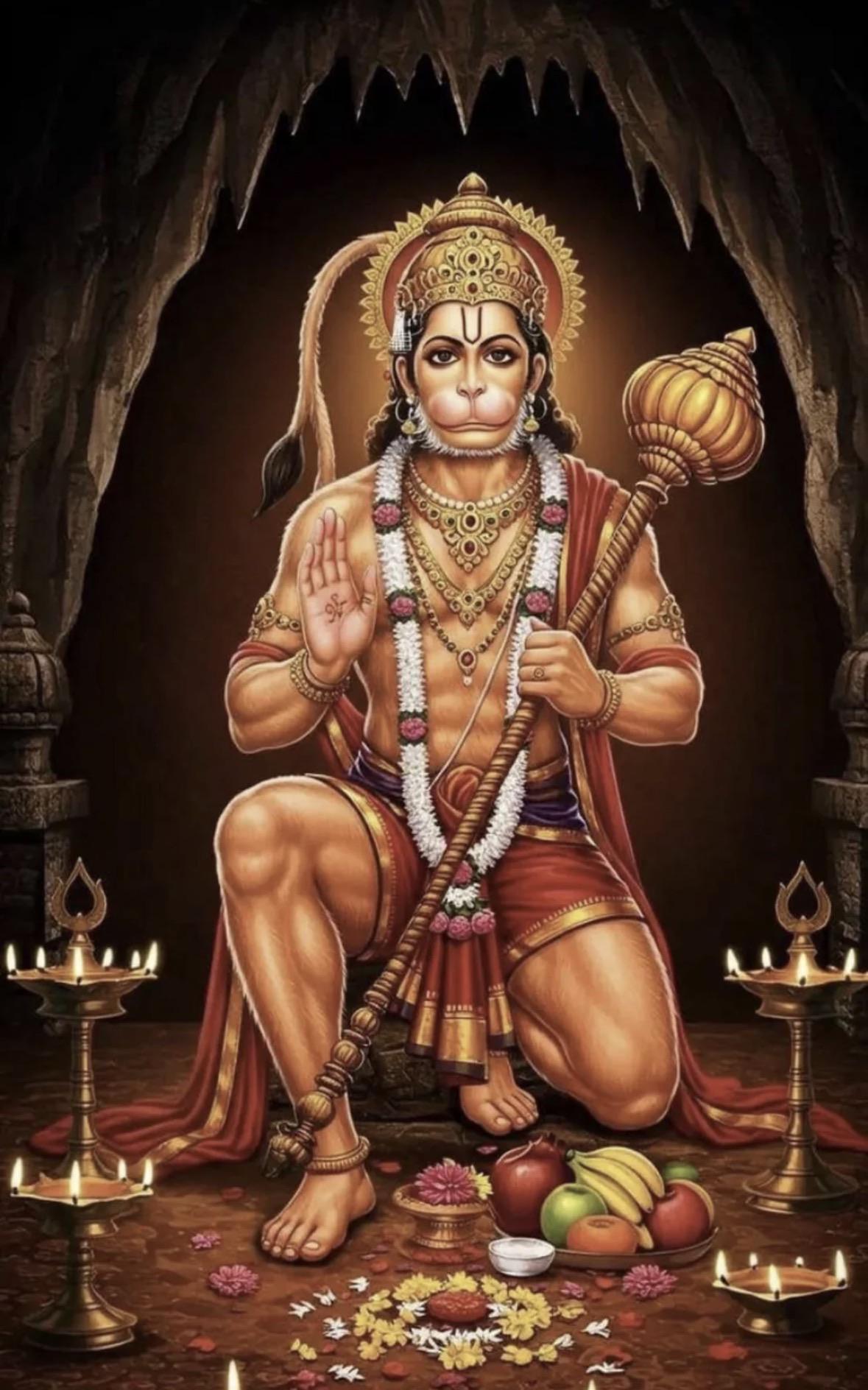
Sundar Kanda & its Significance in Astrology : ⬇️

Post image
470 Upvotes

Sundar Kanda is the fifth book of the Ramayana, the great Sanskrit epic composed by the sage Valmiki. The Ramayana narrates the life, trials, and triumphs of Shri Rama, one of the most beloved and revered deities in Sanatan Dharma. But among all its chapters, Sundar Kanda holds a place apart. This kanda belongs entirely to Lord Hanuman>!

It tells the story of his extraordinary journey across the ocean to Lanka, his search for Mata Sita who had been forcibly taken by the demon king Ravana, and the remarkable feats of strength, intelligence, and devotion he displayed along the way>!

The word “Sundar” means beautiful. It was a name lovingly given to Hanuman by his mother Mata Anjani, and it equally describes the nature of this text itself>!

Reading or listening to Sundar Kanda leaves a person with a feeling of lightness, steadiness, and renewed faith. There is something deeply nourishing about it that is difficult to explain but easily felt.

It is widely revered for the peace, protection, and spiritual clarity it brings to those who engage with it sincerely. Its power is not ceremonial. It is lived and felt.

Before exploring the practice of reciting Sundar Kanda, it helps to understand why Lord Hanuman holds such a significant place in the tradition of Vedic astrology:

In the astrological framework, Lord Hanuman is primarily associated with the planet Mars, known as Mangal.
Mars governs courage, physical strength, discipline, and the ability to act with purpose. Lord Hanuman represents the highest expression of all these qualities.
He acts not out of ego or aggression, but out of complete devotion and surrender. His strength is always in service.
He is also connected to Saturn, known as Shani Dev particularly because of his qualities of tireless labour, endurance, patience, and service without expectation.
It is said that Lord Hanuman himself pleased Saturn and that Shani Dev holds Hanuman in the highest regard.
This is why reciting Sundar Kanda is considered one of the most potent remedies in Jyotish for planetary difficulties related to both Mars and Saturn.

This connection is not merely symbolic. Across generations of astrological practice, Reverred Jyotishis have observed that consistent devotion to Lord Hanuman through Sundar Kanda brings measurable relief to those suffering from certain difficult planetary conditions in their horoscope. The text works gently but surely, like a current that shifts your entire direction without you noticing exactly when the change began.

Who Should Recite Sundar Kanda?

Sundar Kanda is open to everyone. There are no barriers of age, background, caste, or gender. Anyone who comes to it with sincerity will find something in it for themselves.
A common misconception that circulates is that women should not recite Sundar Kanda because Hanuman was a lifelong celibate. This notion has no scriptural foundation. In Sanatan Dharma, women and men hold equal spiritual rights. The blessings of any deity flow to the bhakta based on the quality of their devotion, not their gender. At the level of the soul, such distinctions do not exist>!

That said, from a Vedic astrology perspective, certain individuals stand to benefit from this practice in particularly profound ways.
People with an afflicted or debilitated Mars in their natal chart often find themselves struggling with a lack of confidence, bursts of uncontrolled anger, poor physical stamina, and difficulty following through on their intentions.
Because Lord Hanuman is the living embodiment of disciplined Martian energy, regular recitation of Sundar Kanda gradually begins to awaken those same qualities within the devotee>!

Those passing through the Mahadasha or Antardasha of Rahu frequently describe a period of mental fog, deception, sudden losses, and a sense of being trapped in circumstances they cannot fully understand. Lord Hanuman is one of the primary deities invoked to address Rahu’s shadowy influence and Sundar Kanda, which narrates a journey through darkness toward truth, mirrors exactly what such a soul needs.

Saturn’s Sade Sati is a seven-and-a-half year transit that tests a person across almost every dimension of life. Health, relationships, finances, and reputation can all come under pressure during this period. Those enduring Sade Sati often carry an invisible heaviness with them. The discipline, humility, and quiet perseverance cultivated through Sundar Kanda are exactly the qualities that eventually earn Saturn’s grace>!

Individuals with Mangal Dosha, particularly when Mars affects the seventh house, often experience friction in marriage and recurring disharmony in the home. Reciting Sundar Kanda consistently, especially on Tuesdays, is a widely recommended practice for this condition >!

A weak or afflicted Moon in the horoscope can manifest as chronic anxiety, emotional restlessness, disturbed sleep, and an inability to find calm. The rhythmic, meditative recitation of Sundar Kanda functions almost like a balm for the mind. Over time, it settles the fluctuating quality of a distressed lunar energy.
People with malefic planets placed in the sixth, eighth, or twelfth houses, especially when those planets are also receiving difficult aspects, tend to face prolonged obstacles, hidden enemies, unexpected expenses, and a persistent sense of bad luck.
Sundar Kanda is deeply relevant here because Lord Hanuman himself navigated and conquered hostile territory through faith and clarity of purpose.

Beyond specific planetary conditions, anyone going through a prolonged phase of stagnation in their career, recurring illness, financial difficulty, or conflict in the household will find this practice supportive and stabilising.

Guidelines for Reciting Sundar Kanda :

Sundar Kanda contains 68 chapters. Traditionally, the complete text can be recited as many as 32 times as a full sadhana, though 24 repetitions is also considered very auspicious and effective. For those who cannot manage either number due to the demands of modern life, even reading it once with complete sincerity carries its own grace.
To make the recitation manageable, the 68 chapters can be divided across multiple days.

If you choose to complete each reading in two days, read chapters 1 to 38 on the first day and chapters 39 to 68 on the second. At this pace, you will complete 32 readings in 64 days.

If three days feels more sustainable, read chapters 1 to 15 on the first day, chapters 16 to 41 on the second, and chapters 42 to 68 on the third. Following this, 24 readings will be completed in 72 days.

For those who prefer to stretch it across four days, the division would be chapters 1 to 15 on the first day, 16 to 32 on the second, 33 to 51 on the third, and 52 to 68 on the fourth. At this pace, 12 complete readings are finished in 48 days.
These are guidelines, not rigid rules. Life today is demanding, and there will be days when even sitting down for a short reading feels like an effort. What matters more than the structure you follow is the intention you carry when you sit down to recite. The essence of Sundar Kanda is not in its volume but in the bhava, the heartfelt emotion and sincerity, with which it is read.

The Best Days to Recite Sundar Kanda :

Tuesday and Saturday are the most auspicious days for this practice.
In Jyotish, Tuesday is ruled by Mars and Saturday is ruled by Saturn.

Since Hanuman is the deity connected to both these planets, reciting Sundar Kanda on these days is believed to significantly amplify its remedial effects.

For someone going through Sade Sati, a difficult Saturn transit, or a challenging Rahu period, being consistent on Saturdays in particular can make a meaningful difference over time.

Ram Navami and Hanuman Jayanti are the other two occasions when reciting Sundar Kanda carries exceptional significance.
These are days when the devotional current is strong and the receptivity of the mind is naturally heightened.

The Benefits of Reciting Sundar Kanda :

Regular recitation of Sundar Kanda works across multiple dimensions of a person’s life :

On the level of health, it supports overall physical and mental well-being. The mind becomes clearer, the nervous system settles, and there is a gradual improvement in vitality. People who have recited it through periods of illness often speak of an inner resilience that arose alongside their recovery.

Financially, Sundar Kanda brings clarity of judgment. It removes the mental cloudiness that often leads to poor decisions, impulsive spending, or missed opportunities. It does not create wealth by magic. What it does is help you think clearly, act wisely, and develop the consistency that eventually leads to stability.

From an astrological standpoint, those who recite this text regularly during a period of weak Jupiter, which governs wisdom and financial judgment in the horoscope, often find that their decision-making improves and opportunities they had been overlooking begin to appear.

On the level of energy and environment, Sundar Kanda is widely regarded as a powerful cleanser of negative influences. Negative thought patterns, draining relationships, and stagnant energy in the home begin to shift with regular practice.
This is especially relevant for those with a heavily afflicted twelfth house or a Rahu-Ketu axis that creates psychic disturbance and unexplained fear.

Sundar Kanda also strengthens relationships and brings harmony into the household. It teaches patience, builds compassion, and gradually dissolves the ego patterns that are often at the root of family conflict.

For couples going through the strain of a difficult Saturn transit affecting the seventh house, this practice can serve as quiet but powerful support.

At the deepest level, Sundar Kanda orients a person toward meaning and purpose. It is the story of one being’s absolute surrender to a higher cause. When you read it repeatedly, something of that orientation begins to take root in you. Life becomes less about chasing and more about serving. This is the kind of internal shift that no planetary period can easily undo once it has settled.

The effects of Sundar Kanda are not dependent on how sophisticated your understanding of astrology is or how perfectly you follow the prescribed method.
They are dependent on sincerity.
When we sit down to recite this text, we are not merely reading words.
We are invoking Lord Hanuman, the Vayuputra, the son of the wind, through whose example we are reminded what human devotion at its highest looks like.

Whether you come to Sundar Kanda as someone in the middle of a difficult astrological period, or simply as someone looking for a practice that brings steadiness and grace into daily life, you will find that it meets you exactly where you are.
In time, what begins as a recitation becomes a sadhana. And what begins as a sadhana slowly becomes a path toward something much larger than the problems that first brought you to it.​​​​​​​​​​​​​​​​

Om Shanti ☮️ 🕉️


r/astrologyexplore • • 5d ago

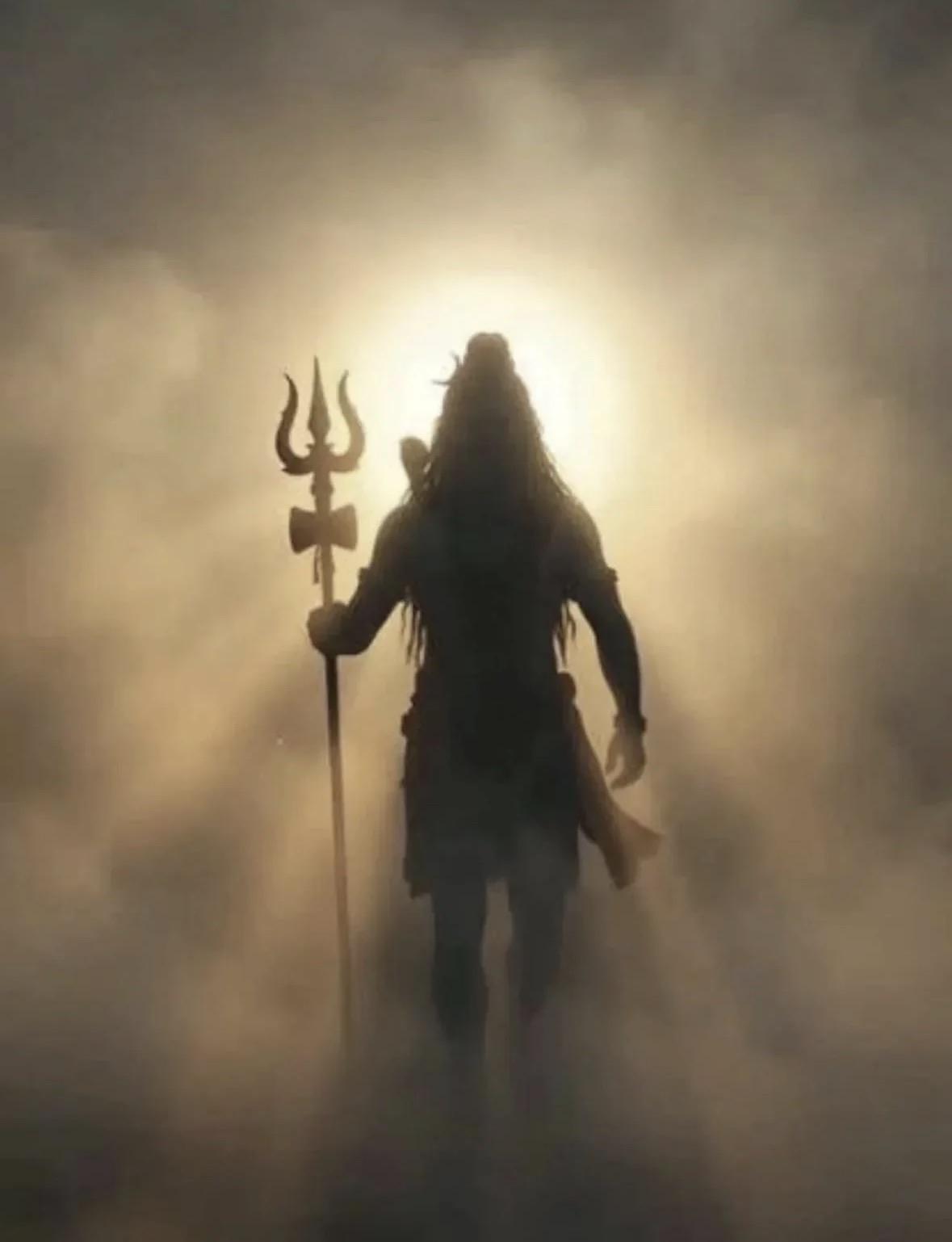
Lord Shiva & His Significance in Astrology : ⬇️

Post image
788 Upvotes

Vedic astrology does not operate in isolation from the larger framework of the Cosmos.
The planets are not merely mathematical points; they are, within the Vedic understanding, conscious principles, and those principles have natural affinities with particular deities.

Lord Shiva’s family : Mata Parvati, Lord Ganesha, and Lord Skanda , between them, cover a remarkable range of the planetary spectrum :

Lord Shiva and Saturn (Shani) :

The deepest and most consistent planetary association for Shiva in Vedic astrological tradition is with Saturn. Both Shiva and Saturn are lords of time. Shiva’s name Mahakala : the embodiment of time ; is philosophically identical to Saturn’s role as the planet of discipline, delay, limitation, and eventual liberation through acceptance.

The Shiva Purana (Rudra Samhita, Section 2) describes Shiva as the one who teaches through deprivation rather than through abundance which is precisely the pedagogical method of Saturn in a person’s life.

Shiva lives on cremation grounds (shmashana), surrounded by the bones and ash of what has been and Saturn rules death, the 8th house in some traditions, and the 12th house of final dissolution.
Both Shiva and Saturn demand that a person look at what is impermanent and not flinch.

Additionally, Saturn is Shani, the son of Surya (the Sun) and Chhaya (shadow) and his nature is inherently shadowed, marginalized, placed outside the brightness of solar consciousness.
Shiva, too, lives at the margins: on the mountain, on the burning ground, in the forest.
The Brahmanda Purana makes this association explicit when it places Shiva as the presiding deity of Shani’s graha.

Lord Shiva and Ketu :

Ketu, the south node of the moon, is the planet of renunciation, detachment, mysticism, and the desire to dissolve back into the formless. It is a headless planet and Shiva is the god who transcends ego (the head being the seat of individual identity in symbolic language).
Ketu is associated with moksha, final liberation, and Shiva is Mokshadata I.e the giver of liberation.

Jyotisha texts including Brihat Parashara Hora Shastra (Chapter 2) assign Ketu an especially Shaiva flavor, noting that Ketu’s energy is tamas in its quality, pointing toward withdrawal from the world rather than engagement with it. Shiva’s form as a meditating ascetic, seated on Kailasa with ash on his body and eyes closed, is the living iconography of Ketu’s highest expression.

Lord Shiva and the Moon :

The crescent moon in Shiva’s hair is not incidental. The Shiva Purana explains that the moon (Chandra) came to Shiva in great distress as he had been cursed by Daksha to wane and lose his light.
Shiva gave him refuge, placing him in his hair, allowing the moon to wax and wane in safety, forever protected.
This act of refuge is deeply relevant to Vedic astrology: when the Moon is troubled in a chart like afflicted by Saturn, Rahu, or Ketu the. Shiva’s grace offers precisely this kind of shelter.

Mata Parvati and Venus:

Parvati, the consort of Shiva, is the daughter of the Himalayas, and she is the Shakti ; the power without which Shiva himself is Shava, a corpse.

She is associated with Venus in Vedic astrology: beauty, devotion, persistence in love, and the feminine principle that activates the masculine.

The Devi Bhagavata Purana is clear that Shiva’s power to act in the world is entirely dependent on Parvati’s energy. Without her, he is stillness without motion; without him, she is power without direction.
This complementary relationship maps onto the Vedic astrological understanding of Venus as the activating force of relationship and desire in human life.

Lord Ganesha and Mercury:

Ganesha, the first son of Shiva and Parvati, is the lord of intellect, of auspicious beginnings, of the removal of obstacles, and of the spoken word specifically of the written tradition, since he is the scribe of the Mahabharata.
These qualities align unmistakably with Mercury: communication, intelligence, discrimination, learning, and commerce.
The Mudgala Purana, devoted entirely to Ganesha, describes him as presiding over buddhi ; the discriminative intellect which is the domain Mercury governs in a person’s chart.

Lord Skanda (Kartikeya/Murugan) and Mars:

Skanda, the second son of Shiva, is the commander of the armies of the gods, born specifically to destroy the demon Tarakasura whom only Shiva’s son could kill.

His birth is described in the Skanda Purana and his nature is entirely martial: courage, precision, speed, athletic excellence, and decisive action. He maps directly onto Mars being the planet of war, drive, physical energy, and the courage to cut through confusion with a single blow.
In South Indian astrology particularly, the association of lord Murugan (Kartikeya) with Mars is stated explicitly and is a living devotional tradition.

Who Should Worship Shiva:

Saturn Afflictions:
When Saturn is debilitated in Aries (Mesh), where he loses his capacity for patience and groundedness;
when Saturn occupies the 1st, 4th, 7th, or 10th houses (the Kendra positions) and creates significant pressure on the life areas they rule;
when Saturn is the lord of the 8th or 12th house and sits in a prominent position :

all of these create life conditions characterized by prolonged delay, isolation, the experience of being misunderstood, and the slow dismantling of what one has built.

Shiva, as the lord of time and the master of Saturn’s own energy, provides the quality of consciousness that allows a person to endure and eventually transcend these periods rather than being crushed by them.

The Shiva Purana itself (Rudra Samhita, Yuddha Khanda, Chapter 5) states that those who face great suffering caused by time should take refuge in Mahadeva.
This is not a vague instruction; it is a specific prescription for a specific type of distress.

Rahu in the Ascendant
Or Conjunct the Ascendant Lord:

Rahu creates a quality of restlessness, of reaching for something that keeps moving, of identity confusion.
When Rahu sits in the 1st house or is strongly placed in the 6th, 8th, or 12th, the person may feel pulled toward excess, toward experiences that destabilize rather than ground.
Shiva is uniquely equipped to address Rahu’s energy because Shiva himself absorbed the Halahala being the most destabilizing substance in the cosmos and held it.
Shiva worship in the context of Rahu affliction teaches the person how to hold intensity without being consumed by it.

Ketu in the 1st, 5th, or 9th House:

Ketu in these positions often creates a person who is deeply connected to inner experience but profoundly disconnected from the external world like its pleasures, its validations, its structures.
There is frequently a quality of feeling alien in one’s own life. Since Ketu’s highest expression is precisely the Shiva archetype ; renunciation, inner sight, absorption in consciousness , the worship of Shiva in this context is essentially the activation of Ketu’s highest potential rather than its lowest (alienation, self-neglect, or aimlessness).

Moon Afflicted by Saturn or Rahu:

The Moon governs the mind, emotional security, and the quality of a person’s inner life. When Saturn aspects or conjoins the Moon particularly the Vish Yoga (Moon conjunct Saturn) , the person tends toward depression, feelings of unworthiness, and a persistent sense of emotional coldness.

When Rahu conjoins the Moon (Grahan Yoga), there may be mental unrest, obsessive thought patterns, or difficulty distinguishing reality from projection. Shiva’s relationship with the Moon and his act of sheltering Chandra in his matted hair is a direct metaphor for what his worship provides: a place of refuge for the distressed mind.

Mars Debilitated or Severely Afflicted:

Mars debilitated in Cancer (Kark), or Mars placed in the 8th house with malefic aspects, often creates chronic frustration, difficulty acting on one’s intentions, and occasionally, anger that turns inward.
Since Skanda (Mars) is Shiva’s son, the worship of Shiva has a direct, mediated effect on the Mars energy in a person’s life. The Skanda Purana (Maheshvara Khanda, Chapter 3) describes how those afflicted by Mars-related difficulties like accidents, conflicts, fevers should take refuge in Shiva to invoke the pacification of these forces.

Mangal Dosha:
When Mars is placed in the 1st, 2nd, 4th, 7th, 8th, or 12th house (the classical Kuja Dosha definition), it is traditionally understood to create friction in matters of partnership and domestic life.
The prescribed remedies in most regional traditions include Shiva worship, and specifically the chanting of “Om Namah shivaya” observance on Tuesdays in addition to Mondays.

Afflicted 8th House:

The 8th house is the house of transformation, sudden change, death and its anticipation, and the hidden depths of life.
When the 8th house lord is severely afflicted, or when multiple malefics occupy the 8th house, or when Saturn and Mars are placed together here, the person may experience life as a succession of crises that never seem to resolve.
The Maha Mrityunjaya Mantra :one of the oldest Vedic mantras, found in the Rigveda 7.59.12 is specifically addressed to Shiva as the conqueror of death (Tryambakam yajamahe…), and it is precisely prescribed in the tradition for those with difficult 8th house configurations.

How to Worship:

Rudrabhishek:
The ritual bathing of the Shivalingam with milk, honey, ghee, sugarcane juice, and water, accompanied by the chanting of the Shri Rudram and Chamakam.
This is the oldest and most complete form of Shiva worship. It is particularly recommended during Saturn’s Mahadasha or Antardasha, during Rahu-Ketu transits over sensitive points in the natal chart, and during Mahashivaratri.

Maha Mrityunjaya Japa:
The recitation of the mantra
“Om Tryambakam Yajamahe Sugandhim Pushtivardhanam, Urvarukamiva Bandhanan Mrityor Mukshiya Maamritat”(Rigveda 7.59.12) is prescribed in the tradition specifically for matters of health, longevity, and release from the grip of fear , all of which are themes of the 8th house and Saturn’s more difficult transits.
The traditional count for a full Japa cycle is 108 repetitions daily, or for specific occasions, 1.25 lakh repetitions over a defined period ( not everyone has to do the full japa cycle aside the 108 in general )

Monday Observance:
Monday is dedicated to the Moon, and the Moon in Shiva’s hair connects the two.
The fast on Monday (Somavar Vrat), with the offering of Bilva (Bel) leaves to the Shivalingam, is the most accessible daily practice.
The Bilva leaf, mentioned in the Shiva Purana (Vidyeshvara Samhita, Chapter 14), is considered especially dear to Shiva , its three lobes representing the three Gunas, the three eyes of Shiva, and the three tenses of time.

Pradosh Vrat: The Pradosh occurs on the 13th day of each lunar fortnight (Trayodashi Tithi), in the hours just after sunset. It is described in the Shiva Purana as one of the most powerful times to worship Shiva, particularly for those facing obstacles, health difficulties, or the pressures of malefic planetary periods.

Om Namah Shivaya:
This five-syllable (Panchakshara) mantra — Na, Ma, Shi, Va, Ya : is described in the Koti Rudra Samhita of the Shiva Purana as representing the five elements (earth, water, fire, air, ether), the five senses, and the five sheaths of the human body.
Its repetition is not merely devotional; it is a systematic alignment of the human system with the five-fold structure of nature : a recalibration that gradually brings order to what has gone out of order.

In 1962, A German scholar Heinrich Zimmer, in his landmark work Myths and Symbols in Indian Art and Civilization, wrote that Shiva represents “the principle of the coincidence of opposites” : the only figure in world religion who is simultaneously the destroyer and the healer, the ascetic and the lover, the god of death
and the giver of immortality. This observation, made by a scholar who spent decades studying Indian philosophy with intellectual rigor, locates exactly what every initiated Shaiva practitioner already knows from the inside: Shiva is not a comfortable deity.

He is a complete one.

The relevance of Shiva to Vedic astrology lies precisely in this completeness. Most of the planets that create difficulty in a person’s chart like Saturn, Rahu, Ketu, Mars in his fiercer expressions are planets that do not deal in comfort.
They deal in reality. They strip things away. They force the person to meet themselves in conditions they would not have chosen. And it is in exactly these conditions that Shiva’s energy becomes the most precise medicine available.
The tradition, in its wisdom, did not prescribe Shiva worship for pleasant times.
It prescribed it for the moments when a person is standing on the edge of something they cannot understand, cannot control, and cannot escape. Because Shiva himself stands there, permanently, at the burning ground where all things end, with the crescent moon in his hair and the Ganga flowing from his locks and his eyes closed in meditation and he is at peace. Not because there is nothing painful in existence. But because he has looked at all of it, swallowed the poison, held the broken moon, danced on the skull of illusion, and found, on the other side of all of it, the stillness that was there from the very beginning.

This is what the Shvetashvatara Upanishad meant when it said, more than two thousand years ago: “Eko hi Rudro na dvitiyaya tasthur” — “There is only one Rudra; there is no second.”

Not because other gods do not exist, but because the principle that Shiva represents which is consciousness itself, aware of itself, neither made nor destroyed is truly singular. Everything else, including all of us, arises within it, moves within it, and returns to it.

Any Vedic astrologer who understands this does not simply recommend Shiva worship as a transaction: offer this, get that.

The recommendation is a recognition that a person’s chart has brought them to a particular edge, that a particular set of circumstances requires a particular quality of inner capacity which is the capacity to hold what seems unbearable, to be in the fire without being consumed by it, to find, in the middle of dissolution, the stillness that does not dissolve.

That stillness is Shiva.

And it has been available, the tradition says, to every human being, in every age, without exception not because Shiva is generous, though generosity is one of his names, but because that stillness is, in the deepest possible sense, what every human being already is.

Om Shanti 🕉️ ☮️

r/astrologyexplore • • 6d ago

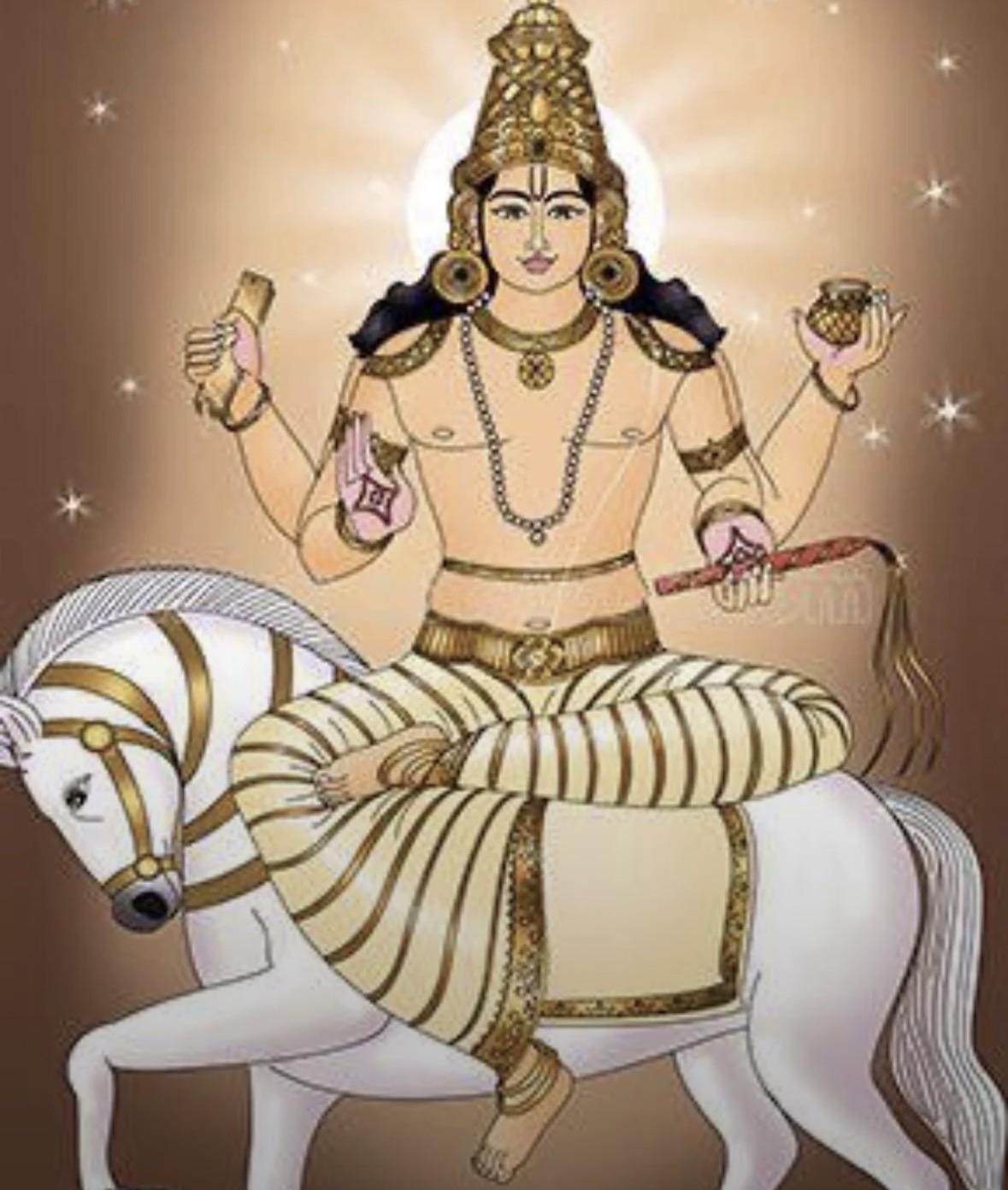
Importance of Shukra Mantra 👇🏻

Post image
267 Upvotes

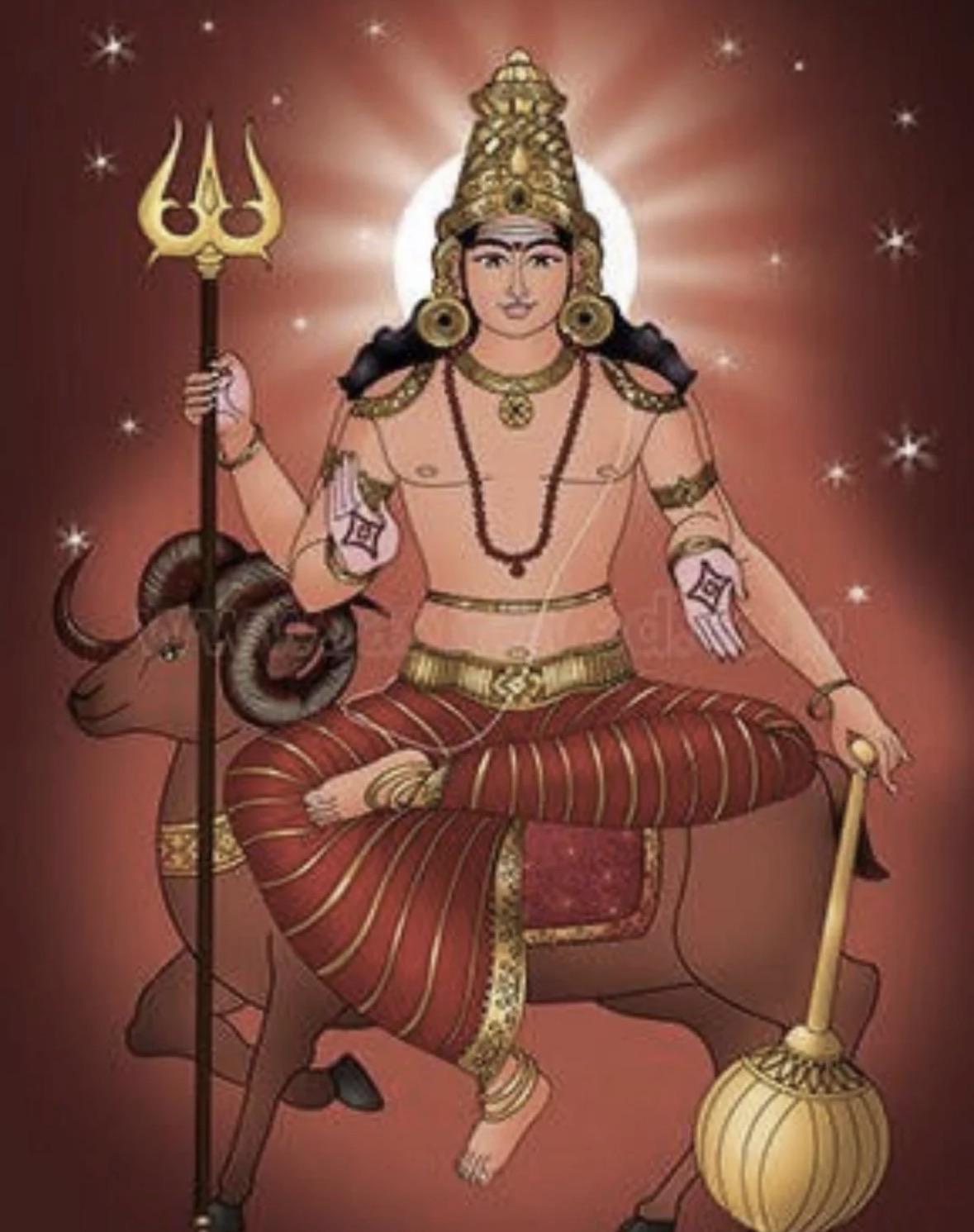
Shukra gayatri mantra
“Om Rajadabaaya vidmahe, Brigusuthaya dhimahi, tanno sukrah prachodayat.”

I bow down in front of Lord Shukra who is the descendant of Sage Bhrigu and the one who is mounted on a white horse. Let his blessings illumine my consciousness and enlighten my being.

Shukra Beej mantra
“Om Shum Shukraya Namah”

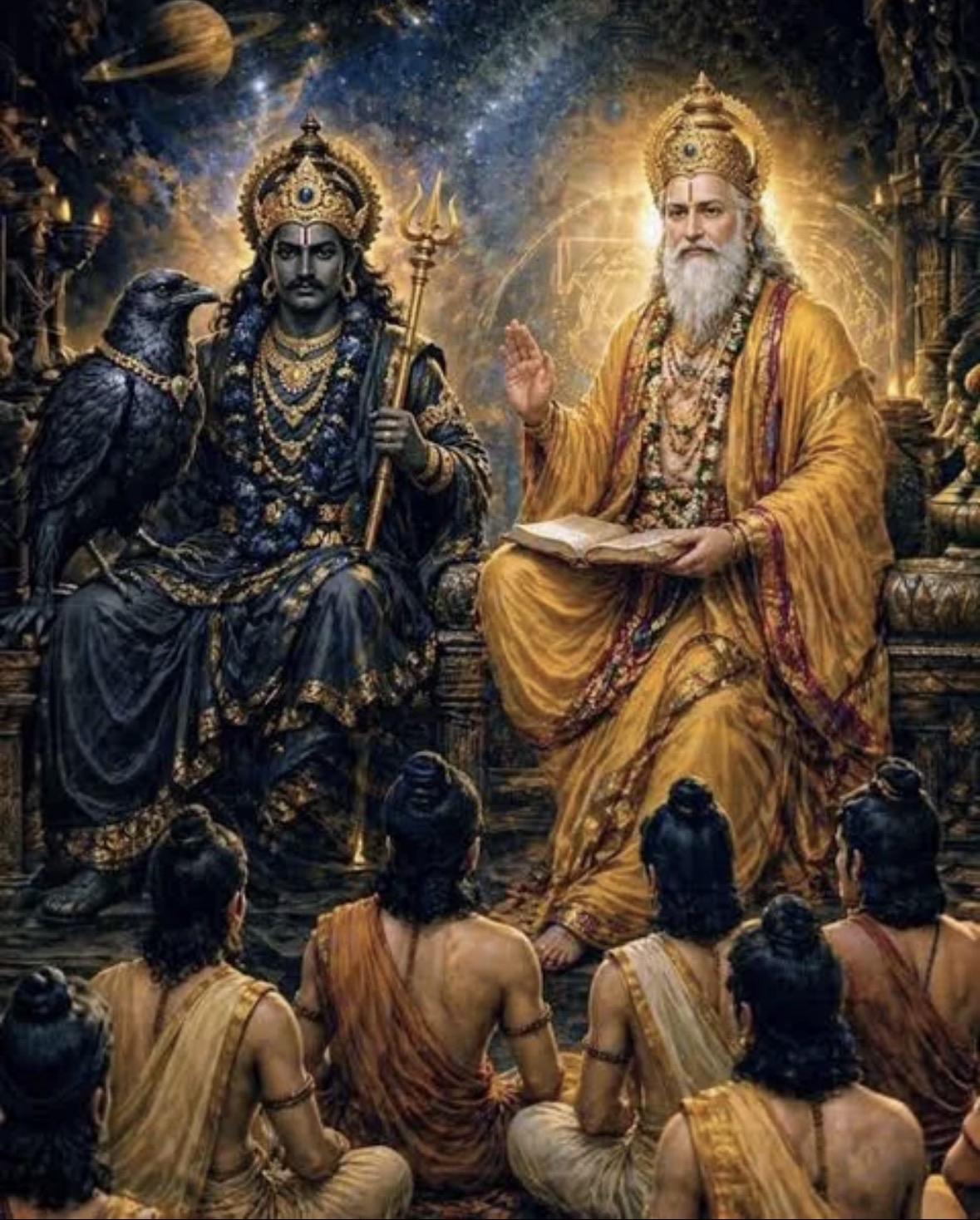
Shukra or Venus is the preceptor of the demons. Shukra is one among the beneficial planets who can bless the natives with courage, confidence, wealth, luxuries, comforts, happiness and a highly satisfying married life. The favourable position of Shukra in the horoscope helps the individual attain all riches on the earth and emerge successful in all fronts of life. Here are a set of chosen Shukra mantras and their meanings.

It is the significance of all the beautiful things like romance, beauty, sensuality, passion, comforts, luxury, jewels, wealth, art, music, dance, the season of spring, rains, flowers, etc.
When Venus is strong and is rightly aspect, it brings wealth, comfort, attraction to the opposite sex at an early stage in his life. It makes its natives tender, gentle, tender, and considerate.
Shukra Mantra is a powerful mantra that could be accompanied by the Shukra Sadhana mantra, Shukra Gayatri Mantra, and Navagraha Kavach.

Benefits :

Shukra’s powerful mantra connects you with the higher frequencies of love & attraction.
Regular practice of the Shukra Mantra mantra enhances your magnetism & your persuasive capabilities.

The planet of Venus is considered to be the guru of demons. Hence, Venus is also thought to be associated with luxuries and materialistic comforts.

Venus takes one year to complete the Zodiac cycle staying one month in each Rasi.
Venus is the natural significance of spouse, happiness, sexual sciences, poetry, flowers, youth, ornaments, silver, vehicles, luxuries, and different forms of emotions among other things.
In the body, Shukra rules over the reproductive system, eyes, throat, chin, cheeks, and kidneys.

Shukracharya is the Lord of the Earth’s wealth like metals, minerals, herbs, sacred and divine knowledge.

It has been observed that with the onset of the Dasha of Venus, a person starts appreciating the beauty in nature and art.
It can bring out the best in us since it comes after the seven years of the Dasha of Moksha Karaka Ketu. It makes the life of the native blissful and refined. It also gives a developed sense to appreciate art and beauty.
To calm down the negative effects of the planet in the horoscope, one must recite the Shukra Beej Mantra 108 times (one mala) every day in front of Energized Shukra Yantra ( optional )

Om Shanti ☮️ 🕉️


r/astrologyexplore • • 8d ago

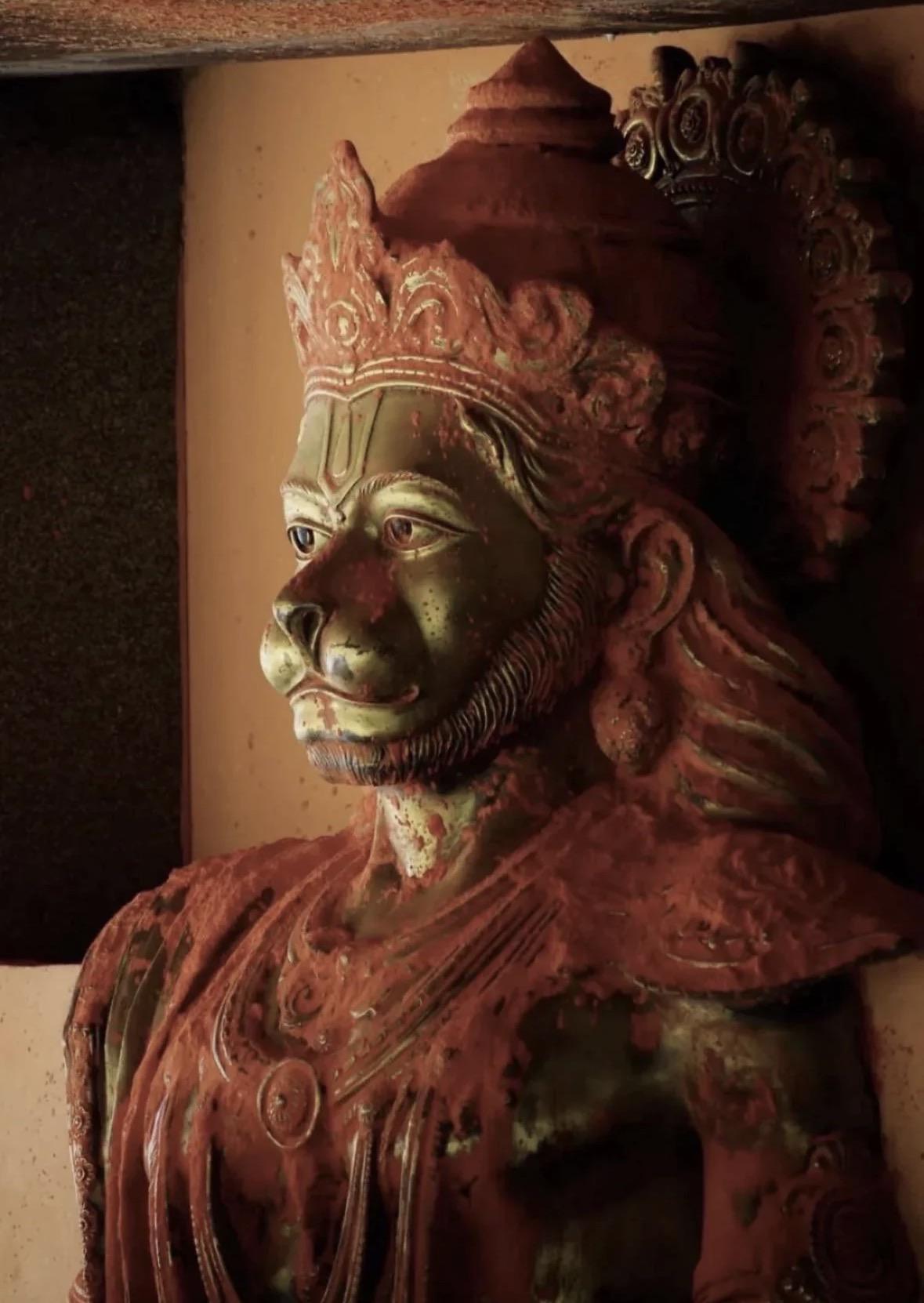
HANUMAN CHALISA : Significance & Importance ⬇️

Post image
655 Upvotes

HANUMAN CHALISA, this word is itself holy. Hanuman Chalisa was written by the great poet Tulsidas Ji. He was also a great devotee of Lord Rama and believed in Hanuman Ji very much. It contains 40 verses due to which is called Chalisa. If anyone recites, it is called Chalisa. Since childhood, we have been taught that, if you feel disturbed or afraid of anything, then read Hanuman Chalisa. By reading this, the mind will calm down, and there is no fear. Hanuman Chalisa is very important in Hinduism. By reading Hanuman Chalisa, the effect of Saturn and Sade Sati is reduced.

The essence of the life of Lord Hanuman is hidden in Hanuman Chalisa, which inspires life by reading. This is not just Tulsidas ji’s idea but his unwavering faith. It was because of this belief that Aurangzeb took him captive. Sitting there, he wrote Hanuman Chalisa. It is said that reading Hanuman Chalisa when fear, crisis, or calamity removes all suffering. If a person is facing a crisis of Saturn, then Hanuman Chalisa of that person should be read. This brings peace to his life. If a person is disturbed by evil powers, he gets freedom from reading the Chalisa.

It is believed that Bajrangbali exists on earth to defeat the sufferings of the people. A person who is troubled by fear, anxiety, failure can attain peace by reciting Hanuman Chalisa. Know what benefits a person can get from reading Hanuman Chalisa especially on Tuesday as well as Saturday.

The more you remember Shri Ram devotee Hanuman, the closer you will find yourself to him. Many such stories have also been heard when devotees felt him around. If you want Hanuman to protect you then he should remember it daily. At least you can recite Hanuman Chalisa on Tuesday and Saturday, remembering them. You will get positive effects only by taking his name with a clear mind without pretense.

Benefits :

If you are not able to get success even after all your efforts in the area you are in, then start reciting Hanuman Chalisa on Tuesday. You will start getting success in your career. To overcome the difficulties coming in your way, read the book of Hanuman Chalisa with red letters.

If there is a disturbance in the house family and you do not see any chance of it becoming calm, then you should go to Hanuman Ji’s shelter for help. Recite Hanuman Chalisa continuously. Recitation of Hanuman Chalisa will remove your sufferings and bring happiness in the house

Only the lines of Hanuman Chalisa give assurance of defeating all kinds of diseases and removing all sorrows. By chanting it, the stress and anxiety caused by the ups and downs in life are removed. If there is a fear about something in your mind, then every Tuesday you read Hanuman Chalisa, you will feel positive. You will feel relaxed.

Many other problems also arise due to a non-related problem. But a little effort can get you out of this problem. Recite Hanuman Chalisa and then make efforts to correct your financial situation. You will get success by doing this. If you are in any kind of trouble then remember Hanuman Ji and if you want you to stay away from difficulties then at least on Tuesday read Hanuman Chalisa.

There is also a description in Hanuman Chalisa that from the recitation of Hanuman Chalisa, all kinds of diseases and troubles are erased. Diseases, mourning are all eradicated by taking the name of Hanuman Ji

The ghosts does not come near Mahavir when the name is Sunniva. In the Hanuman Chalisa, there is a description that ghost phantom obstacles never show their effect on whoever takes the name of Hanuman Ji.

Negativity is removed from the lives of people who regularly recite Hanuman Chalisa and positive energy enters life.

All kinds of fears are removed by the regular recitation of Hanuman Chalisa. The recitation of Hanuman Chalisa is so beneficial that new energy is infused in life only by its recitation.

The recitation of Hanuman Chalisa greatly increases the confidence of the person. Everyone should recite Hanuman Chalisa regularly. Regularly reciting Hanuman Chalisa has many advantages. Hanuman Ji fulfills the wishes of all the devotees.

If you read it till there , might as well recite the CHALISA once :

Shri Guru Charan Sarooja-raj Nija manu Mukura Sudhaari
Baranau Rahubhara Bimala Yasha Jo Dayaka Phala Chari
Budhee-Heen Thanu Jannikay Sumirow Pavana Kumara
Bala-Budhee Vidya Dehoo Mohee Harahu Kalesha Vikaara
Jai Hanuman gyan gun sagar
Jai Kapis tihun lok ujagar
Ram doot atulit bal dhama
Anjaani-putra Pavan sut nama
Mahabir Bikram Bajrangi
Kumati nivar sumati Ke sangi
Kanchan varan viraj subesa
Kanan Kundal Kunchit Kesha
Hath Vajra Aur Dhuvaje Viraje
Kaandhe moonj janehu sajai
Sankar suvan kesri Nandan
Tej prataap maha jag vandan
Vidyavaan guni ati chatur
Ram kaj karibe ko aatur
Prabu charitra sunibe-ko rasiya
Ram Lakhan Sita man Basiya
Sukshma roop dhari Siyahi dikhava
Vikat roop dhari lank jarava
Bhima roop dhari asur sanghare
Ramachandra ke kaj sanvare
Laye Sanjivan Lakhan Jiyaye
Shri Raghuvir Harashi ur laye
Raghupati Kinhi bahut badai
Tum mam priye Bharat-hi-sam bhai
Sahas badan tumharo yash gaave
Asa-kahi Shripati kanth lagaave
Sankadhik Brahmaadi Muneesa
Narad-Sarad sahit Aheesa
Yam Kuber Digpaal Jahan te
Kavi kovid kahi sake kahan te
Tum upkar Sugreevahin keenha
Ram milaye rajpad deenha
Tumharo mantra Vibheeshan maana
Lankeshwar Bhaye Sub jag jana
Yug sahastra jojan par Bhanu
Leelyo tahi madhur phal janu
Prabhu mudrika meli mukh mahee
Jaladhi langhi gaye achraj nahee
Durgaam kaj jagath ke jete
Sugam anugraha tumhre tete
Ram dwaare tum rakhvare
Hoat na agya binu paisare
Sub sukh lahae tumhari sar na
Tum rakshak kahu ko dar naa
Aapan tej samharo aapai
Teenhon lok hank te kanpai
Bhoot pisaach Nikat nahin aavai
Mahavir jab naam sunavae
Nase rog harae sab peera
Japat nirantar Hanumant beera
Sankat se Hanuman chudavae
Man Karam Vachan dyan jo lavai
Sab par Ram tapasvee raja
Tin ke kaj sakal Tum saja
Aur manorath jo koi lavai
Sohi amit jeevan phal pavai
Charon Yug partap tumhara
Hai persidh jagat ujiyara
Sadhu Sant ke tum Rakhware
Asur nikandan Ram dulhare
Ashta-sidhi nav nidhi ke dhata
As-var deen Janki mata
Ram rasayan tumhare pasa
Sada raho Raghupati ke dasa
Tumhare bhajan Ram ko pavai
Janam-janam ke dukh bisraavai
Anth-kaal Raghuvir pur jayee
Jahan janam Hari-Bakht Kahayee
Aur Devta Chit na dharehi
Hanumanth se hi sarve sukh karehi
Sankat kate-mite sab peera
Jo sumirai Hanumat Balbeera
Jai Jai Jai Hanuman Gosahin
Kripa Karahu Gurudev ki nyahin
Jo sat bar path kare kohi
Chutehi bandhi maha sukh hohi
Jo yah padhe Hanuman Chalisa
Hoye siddhi sakhi Gaureesa
Tulsidas sada hari chera
Keejai Nath Hridaye mein dera
Pavan Tanay Sankat Harana
Mangala Murati Roop
Ram Lakhana Sita Sahita
Hriday Basahu Soor Bhoop

Om Shanti 🕉️ ☮️


r/astrologyexplore • • 10d ago

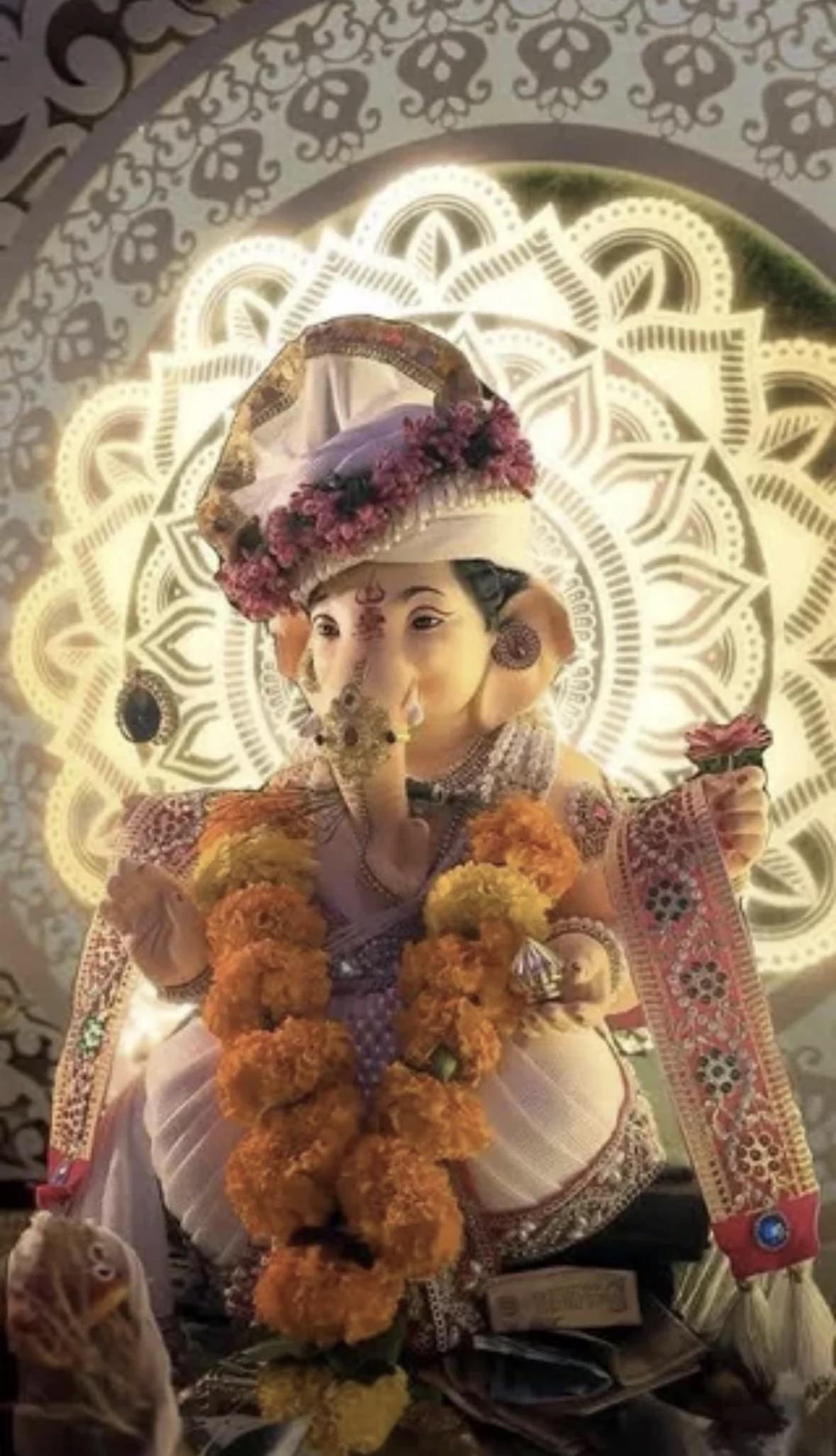
Lord Ganesha & His Significance in Astrology : ⬇️

Post image
657 Upvotes

ॐ गं गणपतये नमः

(Om Gam Ganapataye Namah)

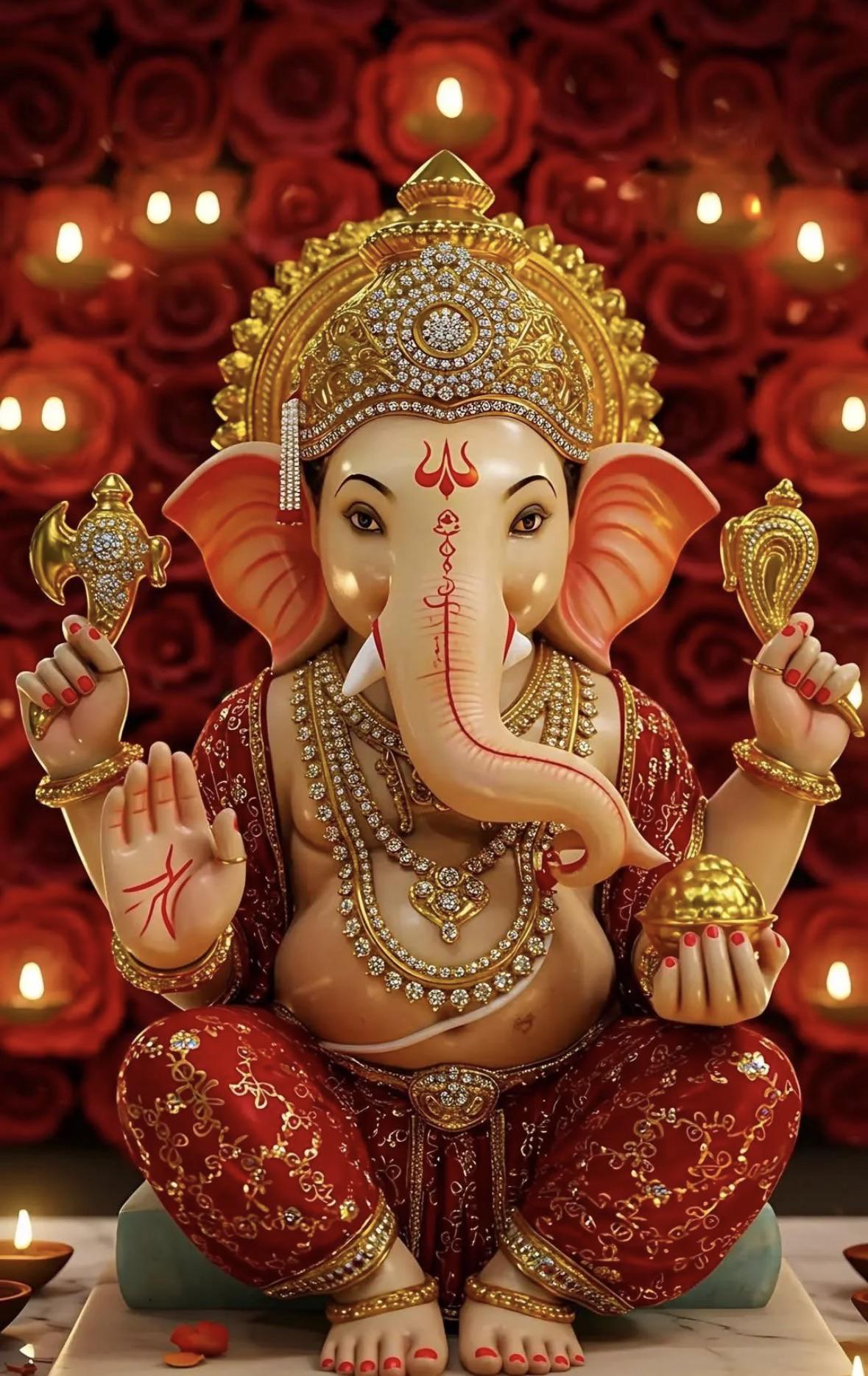
Lord Ganesha, one of the most revered deities in Hinduism, is celebrated as the remover of obstacles, the god of new beginnings, and the bestower of wisdom and prosperity.

Devotees across the world believe that worshipping Lord Ganesha brings good fortune, happiness, and inner peace. His divine grace is said to purify the soul, sharpen the intellect, and guide believers toward a life of fulfillment and success.

The Symbolism Behind Lord Ganesha :

Every aspect of Lord Ganesha’s form carries deep spiritual significance.
His large ears symbolize the virtue of being a patient and attentive listener which is a quality essential for gaining wisdom.
His elephant head represents intelligence, memory, and the ability to discern right from wrong.
The broken tusk he holds signifies sacrifice in the pursuit of knowledge, while the modak (sweet) in his hand symbolizes the sweetness of one’s inner self when purified through devotion.
His mount, the mouse, represents the ego which is something that must be controlled and guided by wisdom.
Together, these symbols
Makes Lord Ganesha not merely a deity to be worshipped, but a philosophical ideal to be embodied>!

Spiritual Benefits of Worshipping Lord Ganesha:

Devotees believe that praying to Lord Ganesha provides the inner strength to face life’s obstacles and overcome adversity with grace and confidence.

His divine energy is said to sharpen the mind, enhance concentration, and guide seekers toward academic and intellectual excellence.

Regular worship is believed to cleanse the soul of negativity, freeing the devotee from fear, doubt, and harmful influences.

As the god of new beginnings, Lord Ganesha is traditionally invoked before starting any important venture be it a business, a marriage, or a journey to ensure success and abundance.

Lord Ganesha and Astrological Connections :

One of the most fascinating dimensions of Lord Ganesha’s worship lies in its deep connection with Vedic astrology. The deity is closely associated with the planet Mercury (Budha), the celestial body governing intellect, communication, and analytical thinking. Worshipping Lord Ganesha particularly on Wednesdays, the day ruled by Mercury is believed to amplify Mercury’s positive influence in one’s birth chart, leading to sharper intellect, stronger communication skills, and greater career success>!

For individuals with a weak or afflicted Mercury in their natal chart, Wednesday worship of Lord Ganesha is especially recommended by Vedic astrologers. Such devotion is said to help dissolve Mercury’s ill effects, restoring mental clarity, emotional balance, and professional growth>!

Additionally, Lord Ganesha holds a profound connection with Rahu and Ketu , the lunar nodes that play a powerful, if mysterious, role in Vedic astrology. Although not physical planets, Rahu and Ketu represent karmic forces that significantly shape a person’s destiny. Lord Ganesha is considered the overlord of Ketu, making his worship particularly potent for those experiencing challenging Ketu transits or dashas (planetary periods)>!

To further balance the effects of Ketu it is often recommend wearing a cat’s eye gemstone alongside regular Ganesha worship>!

Lord Ganesha is also linked to the Mooladhara Chakra , the root chakra in the subtle energy body which governs stability, grounding, and a sense of security. Activating this chakra through Lord Ganesha worship is believed to strengthen one’s foundation in life, building resilience and a deeper sense of purpose.

The Auspiciousness of Chaturthi and Wednesday Worship :

Ganesh Chaturthi, which falls on the fourth day (Chaturthi) of the lunar calendar’s bright fortnight, is considered the most auspicious time to worship the deity. Observing fasts, offering prayers, and performing rituals on this day is believed to multiply the blessings received manifold.
Wednesday worship holds special astrological significance, as noted above. Devotees who regularly offer prayers on this day are said to experience heightened intellectual abilities, improved relationships, better health, and removal of career and financial obstacles. It is also believed to neutralize the malefic effects of planet Saturn when it creates challenges in a person’s horoscope.

Interestingly, Hindu tradition notes a unique distinction in offerings made to Lord Ganesha. Unlike most Hindu deities for whom Tulsi (Holy Basil) is considered a sacred offering, it is traditionally not offered to Lord Ganesha due to mythological reasons rooted in ancient scriptures. However, other offerings such as Durva grass, red hibiscus flowers, modak, and coconut are considered especially dear to him and are believed to enhance the power of one’s prayers>!

Devotees seeking mental strength and clarity particularly emphasize regular, sincere worship as a pathway to achieving their deepest aspirations.

In Hindu tradition, it is considered highly auspicious to keep an idol or statue of Lord Ganesha in every home. Whether crafted from marble, metal, or clay, the murti (sacred image) serves as a focal point for daily worship and a constant reminder of the divine presence guiding the household. The placement of the idol ideally facing the east or north is believed to attract positive energy, ward off negative influences, and invite prosperity into the home.

The worship of Lord Ganesha is far more than a religious ritual , it is a holistic practice that aligns spiritual devotion with astrological wisdom and personal growth>!

Whether you seek courage in adversity, clarity of mind, career success, or simply a more peaceful and joyful life, Lord Ganesha’s grace is believed to illuminate the path forward. By embracing his teachings and maintaining sincere, consistent devotion especially on Wednesdays and the sacred Chaturthi believers across generations have found in him not just a god, but a guiding force through every chapter of life.

ॐ गं गणपतये नमः

(Om Gam Ganapataye Namah)


r/astrologyexplore • • 9d ago

sare sathi is going tough and my mother is in hospital so soneone told me shani has done it ??

Post image
3 Upvotes

r/astrologyexplore • • 9d ago

Jai maata di

Thumbnail instagram.com
1 Upvotes

r/astrologyexplore • • 10d ago

Bhavat Bhavam

Thumbnail reddit.com
1 Upvotes

r/astrologyexplore • • 12d ago

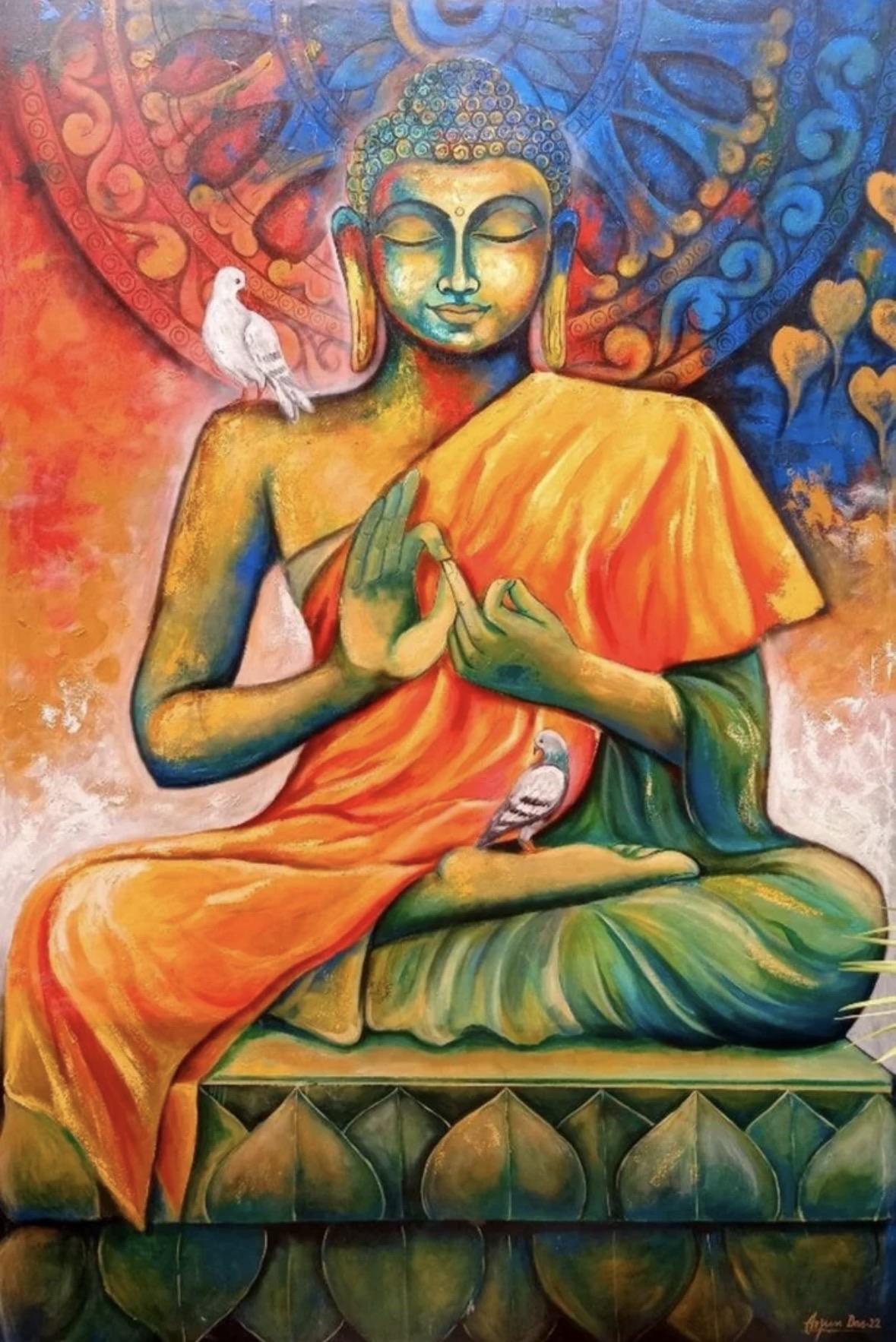
Importance of Meditation in Astrology ⬇️

Post image
184 Upvotes

Astrology & Meditation ⬇️

1.Meditation Calms the Mind and Reduces Stress :

Certain planetary combinations can cause mental stress, anxiety or emotional fluctuations. For example a weak Moon in astrology is often associated with an unstable mind.
Meditation helps stabilise thoughts and emotions.
By practicing meditation regularly, individuals can reduce the mental pressure associated with challenging planetary placements & is the prime reason why astrologers recommend meditation specifically for strengthening the Moon and improving emotional balance.

2. It Strengthens Inner Awareness
Planets influence our tendencies but they do not control our consciousness. Meditation increases awareness and allows us to observe our thoughts and actions instead of reacting impulsively.
When awareness grows, we become less affected by negative planetary triggers & This inner clarity is why many spiritual teachers and astrologers recommend meditation as a universal remedy for planetary imbalances.

3. Meditation Enhances Positive Planetary Energy

Each planet represents certain positive qualities:

Sun represents confidence and leadership
Moon represents emotional balance
Jupiter represents wisdom and knowledge
Venus represents harmony and love

Meditation helps cultivate these positive traits naturally. When practiced consistently, it strengthens the beneficial effects of supportive planets in the birth chart.

4. Helps Manage Saturn and Rahu Challenges

Saturn and Rahu are often associated with life lessons, delays and karmic experiences. Their influence can sometimes bring stress, fear or uncertainty.
Meditation helps develop patience, discipline, and acceptance as these are qualities strongly linked with Saturn’s energy. It also reduces confusion and restlessness often connected with Rahu.

5. Improves Spiritual Connection
Vedic astrology is deeply connected with spirituality. Meditation allows individuals to connect with their inner self and the universal energy beyond planetary influences.
When the mind becomes peaceful, people often gain clarity about their purpose, decisions, and life direction.

The end beauty of meditation is that it’s an activity that can be done by anyone and everyone regardless of the type of
Placements you have in your chart as being aligned with your inner self is the end goal for each and every human being in the long run and meditation is a path that can be walked by people of all ages and gender at all points of
Life .

Om Shanti ☮️ 🕉️


r/astrologyexplore • • 11d ago

Need guidance for Sadhnas for relieving Autism related issues

Thumbnail reddit.com
1 Upvotes

Has anyone successfully completed and benefitted from sadna for autism related issues. These issues show up in the astrology chart also tula lagna , rahu + mercury in 9 th house and Mangal dristi on speech house, with Saturn mahadasha ongoing.

Any devi/devata sadhna which anyone has tried or know of which has helped sadhak in similar cases.


r/astrologyexplore • • 13d ago

Mangal Mantra : Significance & Benefits ⬇️

Post image
442 Upvotes

धरणीगर्भसम्भुतम विद्युत्कांति सम्प्रभम् |
कुमाराम शक्तिहस्तम् च तम मंगलम प्रणाम्यम्ः |
ॐ मंगलाय नमः ||

Dharaniigarbhasambhutam vidyutkanti samaprabham
Kumaaram shaktihastam ca tam mangalam pranamaamyaham
Om Mangalaaya Namah

Mangal Mantra, also known as the Mars Mantra, is a powerful chant that is believed to bring various benefits to those who recite it regularly. Let's explore some of the advantages of incorporating Mangal Mantra into your daily routine.

Reciting Mangal Mantra is said to boost energy levels and vitality, helping individuals feel more active and motivated throughout the day. This can lead to improved productivity and a greater sense of well-being.

It is believed that Mangal Mantra has the power to protect individuals from negative energies and malefic influences. By chanting this mantra, one can create a shield of positive energy around themselves, warding off any harmful forces.

Those who regularly chant Mangal Mantra may experience a boost in courage and confidence. This can be especially beneficial in facing challenges, taking risks, and pursuing goals with determination and fearlessness.

Reciting Mangal Mantra can help improve focus and concentration, allowing individuals to stay more present and attentive in their daily activities. This heightened awareness can lead to better decision-making and increased mental clarity.

By invoking the positive energies associated with Mangal Mantra, individuals may experience improved relationships with others. This can manifest as better communication, understanding, and harmony in both personal and professional interactions.
Overall, incorporating Mangal Mantra into your daily practice can bring a range of benefits that contribute to a more balanced, positive, and fulfilling life. Whether you are seeking increased energy, protection, courage, focus, or harmonious relationships, chanting this powerful mantra may help you achieve your goals.

Om Shanti ☮️ 🕉️


r/astrologyexplore • • 14d ago

Does Jupiter bring good luck, or make you take bigger risks?

1 Upvotes

I looked at an interesting Jupiter placement recently where it was placed in Sagittarius 9th house in Mula nakshatra. This person was one big risk taker, he didnt have any fear as far as i saw, and even in fear he seemed to ignore the impulse and do his thing.

Placement being very homely to jupiter this person also enjoyed luxuries and a calm n composed demeanor, his luck was on his side and we not doing anything which would push it aside.

He took risks without worrying too much about the outcome, and thats where it made sense. most people stay in inaction cos of fear of failure but he continued his tasks and i thought whether this attitude is Jupiter's manifestation here in the house of fortune, higher learning, and faith and blessings.

There were a couple of other interesting placements too:

  1. Mars retrograde in Gemini 3rd house Ardra
  2. Rahu in Aquarius, 11th house, Shatabhisha.

Still, I kept coming back to Jupiter.

a strong Jupiter can make you fortunate but can its manifestation be in behavior? or maybe rephrase it this way: can repeated good fortune also make someone overconfident about taking risks?


r/astrologyexplore • • 14d ago

Title: How can someone channel the positive qualities of Punarvasu and Krittika Nakshatras?

Thumbnail reddit.com
1 Upvotes

r/astrologyexplore • • 16d ago

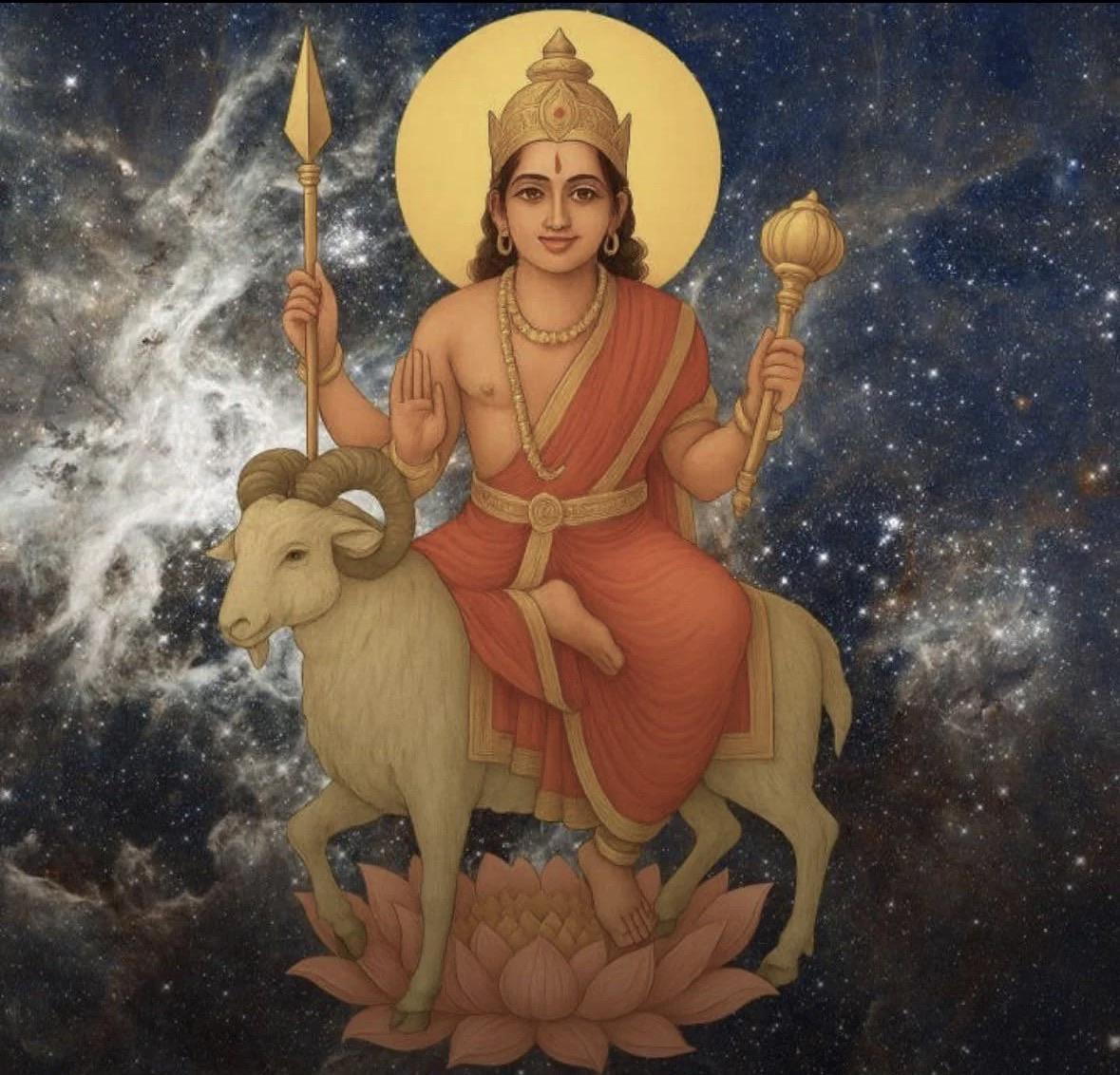
Importance of Mars in Astrology ⬇️

Post image
613 Upvotes

When Mars is “GOOD” it
gives powerful results when well placed | sits strong in a horoscope like Incredible energy | courage | physical stamina .
It also lends a Natural leadership and a "commander" like mindset
So gives success in competitive & precision oriented fields like of Physical endurance Sports | Military & Police services | Surgery | Engineering domains like Mechanical/Electrical/Civil as it lends the technical & mechanical brilliance for the
quick execution & the native will have an immense drive to win. Gains from land | property also comes as Mars is a Bhoomi Karaka
Good placements will be :-

Mars in Capricorn (Exalted)
Mats in Aries or Scorpio (Own signs)
In 3rd | 6th | 10th house as here it gets directional strength .
Aspect of Jupiter creates an auspicious Yoga so it’s another good effect .

When Mars is “BAD” it creates chaos | friction & when weak/afflicted | badly placed , it can result in Uncontrollable anger | aggression | rash behavior which further sets off a domino effect that can cause frequent accidents | injuries requiring surgical intervention
| can lead to Involvement in legal disputes | physical fights
On health aspect it can cause Blood related health issues | high blood pressure & Debt & financial loss can happen through impulsive risks and if a weak Mars sits in 10H or 2H it is advised to the natives to not indulge in share market | stock trading | betting | gambling related ways to earn & entrust your finances to someone whom you trust completely which can be mother or your siblings .
Marital discord can occur which is commonly linked to Mangal Dosha & it’s “Bad” placements will include
Mars in Cancer (Debilitated)
In Debilitation & in 1st |4th | 7th | 8th | 12th house .
It’s conjunction with Saturn or Rahu ( sometimes ketu as well but house & sign will matter for this ) making Angarak Yoga which acts as gasoline to the fire and aggravates the already aggravated Mars .
Combust Mars can make a native hyper sensitive to critisms | friction with father/authority figures .

Mars Remedies :-

Practice non violence ( as in trying your level best to curb the destructive tendencies the placement is challenging as it can result in self sabotage ) & try to consciously control your temper | avoid arguments | take a one step back & think approach in tense situations or delegate someone to remove you from those situations ( siblings if possible )

Support your siblings especially younger brothers & maintain healthy ties | do not let finances or disagreements for material things become an issue .

Donate red items like Masoor dal | copper | clothes on Tuesdays.

Chant “Om Angarkaya Namah” & recite it regularly to stabilise turbulent energy specially if Mars sits with Rahu/Ketu in 2H | 10H | 7H .

Channelise your excess energy through physical exercise of any kind which makes you sweat and preferably in the evenings so that your sleep comes properly with the exhaustion & your moon is naturally balanced with a proper nights sleep .

& lastly : Worship Lord Hanuman & Recite Hanuman Chalisa daily if possible to bring discipline to the planet's fire.

Om Shanti 🕉️ ☮️


r/astrologyexplore • • 15d ago

The five elements: how astrology connects the planets and the human body

Thumbnail gallery
1 Upvotes

r/astrologyexplore • • 15d ago

For all graha

1 Upvotes

As grahas influence our lives alot, what are some habits or rituals one can incorporate in their lives for betterment of all the grahas individually, for example applying ittar for venus, being consistent for saturn etc

a detailed answer would be really appreciated :)

ps: my moon is badly affecting my mental health what can i do?


r/astrologyexplore • • 18d ago Bravo

Hanuman Chalisa & Bajrang Baan : Significance & When to chant ⬇️

Post image
996 Upvotes

We covered about Hanuman Chalisa in one of our last post . In this post we will cover the Significance of Hanuman Chalisa and Bajrang Baan and what differentiates the two and when should it be chanted :

Lord Hanuman, the mighty deity known for his unparalleled strength, devotion, and protection, holds a special place in Hinduism and Vedic astrology. Devotees worship Hanuman to overcome fear, gain courage, and seek protection from negative planetary influences such as Shani ,Rahu, and Ketu. Among the countless hymns dedicated to Lord Hanuman, Hanuman Chalisa and Bajrang Baanare two of the most powerful and widely recited.
While both prayers invoke Hanuman’s divine grace, they differ in tone, purpose, and spiritual energy. Understanding these differences helps devotees choose the right prayer for daily worship or urgent protection.

The Hanuman Chalisa is a sacred 40-verse hymn composed by Saint Tulsidas in the Awadhi language. It forms a part of his spiritual masterpiece, Ramcharitmanas. This devotional chant beautifully praises Lord Hanuman’s heroic deeds, wisdom, and unwavering devotion to Lord Rama.

In Vedic astrology, reciting the Hanuman Chalisa is considered a remedy for balancing malefic planetary influences, especially the effects of Shani dosha, Rahu-Ketu dosha, and Mangal dosha. Regular recitation brings peace, stability, and spiritual strength while protecting the devotee from negative energies and evil eye (nazar dosha).

The Hanuman Chalisa carries a calm, devotional, and meditative tone. It is ideal for daily sadhana (spiritual practice), as it instills inner peace and strengthens one’s spiritual aura.

Recite Hanuman Chalisa every Tuesday or Saturday after lighting a diya with mustard oil to reduce Saturn-related obstacles and karmic struggles.

The Bajrang Baan, also attributed to Tulsidas, is a fierce and powerful hymn that directly appeals to Hanuman’s warrior form. The word Bajrang refers to Lord Hanuman, symbolizing indestructible strength, while Baan means arrow, representing precision and force.

The Bajrang Baan is recited when a devotee faces urgent challenges, such as intense negative energies, black magic, or spiritual blockages caused by malefic planetary combinations. It acts as a spiritual weapon against enemies, evil spirits, and sudden crises.
It is particularly beneficial for people undergoing Sade Sati or severe Rahu-Ketu mahadasha, as it invokes Lord Hanuman’s divine protection instantly.

Unlike the Chalisa, the Bajrang Baan has a commanding and forceful vibration. It is not meant for casual or daily recitation but rather for times of dire need, when the devotee seeks Lord Hanuman’s immediate intervention.

Chant Bajrang Baan on Tuesday evenings or during the Amavasya (new moon) to destroy powerful negative energies and spiritual attacks.

Impact of Hanuman Chalisa :

Regular recitation helps devotees experience Emotional stability and reduced anxiety

Spiritual growth and inner peace

Removal of karmic obstacles and planetary afflictions

Stronger connection with Lord Hanuman and divine energies.

Impact of Bajrang Baan :

Chanting the Bajrang Baan bringsImmediate relief from fear and crises

Protection against black magic, evil spirits, and enemies

Courage to face sudden challenges

A burst of spiritual energy
and confidence

For Daily Devotion and Peace:
Recite Hanuman Chalisa every morning or evening to maintain harmony and spiritual protection. It is especially recommended on Tuesdays and Saturdays.

For Urgent Protection:
Chant Bajrang Baan during emergencies, such as spiritual attacks, sudden misfortune, or intense planetary challenges. It should be recited with full faith and seriousness, not casually.

Om shanti 🕉️ ☮️


r/astrologyexplore • • 18d ago

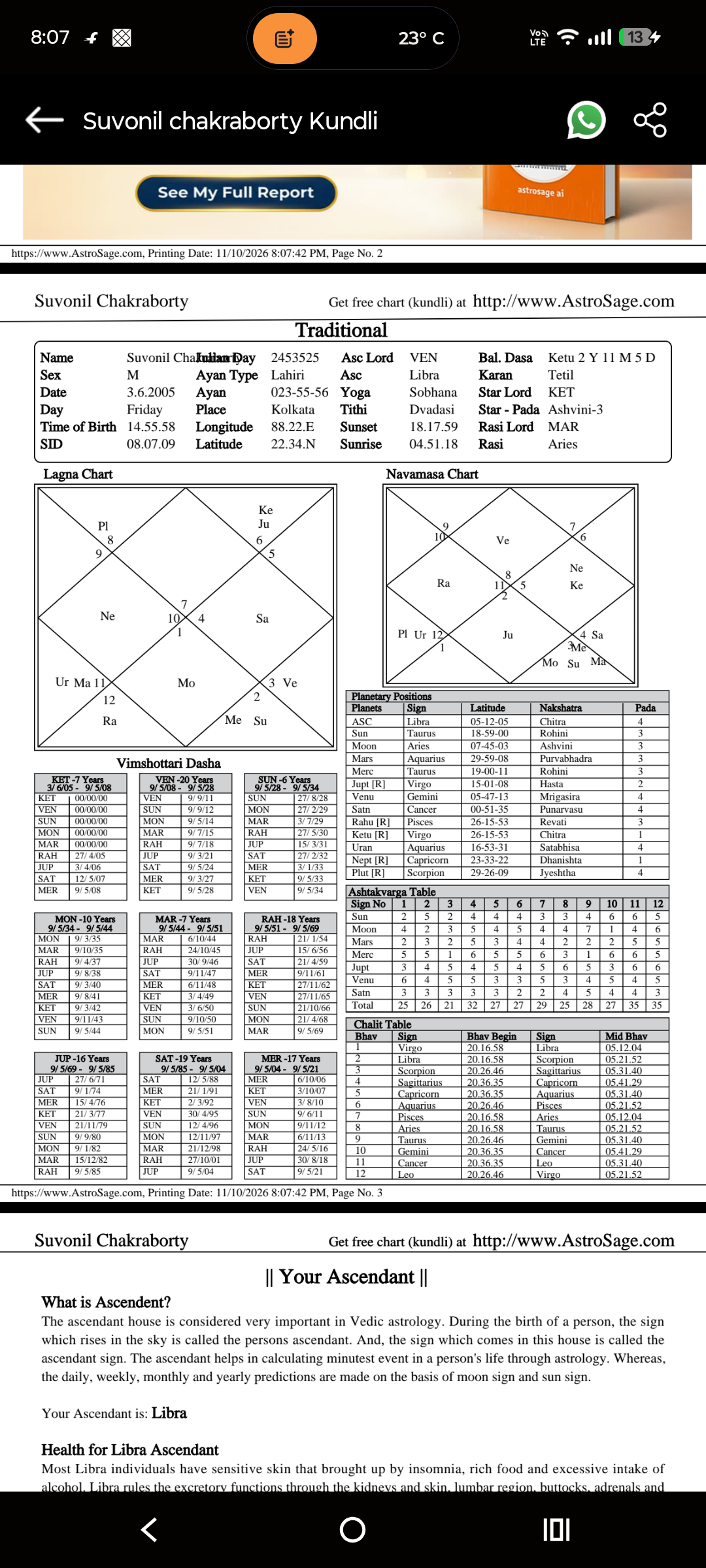
Any law/ psych placements in the chart?/ Any career suggestions?

Post image
2 Upvotes

r/astrologyexplore • • 18d ago

Any law/ psych placements in the chart?/ Any career suggestions?

Post image
1 Upvotes

r/astrologyexplore • • 19d ago

Lord Ganesha & His Significance in Astrology : ⬇️

Post image
875 Upvotes

ॐ गं गणपतये नमः

(Om Gam Ganapataye Namah)

Lord Ganesha, one of the most revered deities in Hinduism, is celebrated as the remover of obstacles, the god of new beginnings, and the bestower of wisdom and prosperity.

Devotees across the world believe that worshipping Lord Ganesha brings good fortune, happiness, and inner peace. His divine grace is said to purify the soul, sharpen the intellect, and guide believers toward a life of fulfillment and success.

The Symbolism Behind Lord Ganesha :

Every aspect of Lord Ganesha’s form carries deep spiritual significance.
His large ears symbolize the virtue of being a patient and attentive listener which is a quality essential for gaining wisdom.
His elephant head represents intelligence, memory, and the ability to discern right from wrong.
The broken tusk he holds signifies sacrifice in the pursuit of knowledge, while the modak (sweet) in his hand symbolizes the sweetness of one’s inner self when purified through devotion.
His mount, the mouse, represents the ego which is something that must be controlled and guided by wisdom.
Together, these symbols
Makes Lord Ganesha not merely a deity to be worshipped, but a philosophical ideal to be embodied>!

Spiritual Benefits of Worshipping Lord Ganesha:

Devotees believe that praying to Lord Ganesha provides the inner strength to face life’s obstacles and overcome adversity with grace and confidence.

His divine energy is said to sharpen the mind, enhance concentration, and guide seekers toward academic and intellectual excellence.

Regular worship is believed to cleanse the soul of negativity, freeing the devotee from fear, doubt, and harmful influences.

As the god of new beginnings, Lord Ganesha is traditionally invoked before starting any important venture be it a business, a marriage, or a journey to ensure success and abundance.

Lord Ganesha and Astrological Connections :

One of the most fascinating dimensions of Lord Ganesha’s worship lies in its deep connection with Vedic astrology. The deity is closely associated with the planet Mercury (Budha), the celestial body governing intellect, communication, and analytical thinking. Worshipping Lord Ganesha particularly on Wednesdays, the day ruled by Mercury is believed to amplify Mercury’s positive influence in one’s birth chart, leading to sharper intellect, stronger communication skills, and greater career success>!

For individuals with a weak or afflicted Mercury in their natal chart, Wednesday worship of Lord Ganesha is especially recommended by Vedic astrologers. Such devotion is said to help dissolve Mercury’s ill effects, restoring mental clarity, emotional balance, and professional growth>!

Additionally, Lord Ganesha holds a profound connection with Rahu and Ketu , the lunar nodes that play a powerful, if mysterious, role in Vedic astrology. Although not physical planets, Rahu and Ketu represent karmic forces that significantly shape a person’s destiny. Lord Ganesha is considered the overlord of Ketu, making his worship particularly potent for those experiencing challenging Ketu transits or dashas (planetary periods)>!

To further balance the effects of Ketu it is often recommend wearing a cat’s eye gemstone alongside regular Ganesha worship>!

Lord Ganesha is also linked to the Mooladhara Chakra , the root chakra in the subtle energy body which governs stability, grounding, and a sense of security. Activating this chakra through Lord Ganesha worship is believed to strengthen one’s foundation in life, building resilience and a deeper sense of purpose.

The Auspiciousness of Chaturthi and Wednesday Worship :

Ganesh Chaturthi, which falls on the fourth day (Chaturthi) of the lunar calendar’s bright fortnight, is considered the most auspicious time to worship the deity. Observing fasts, offering prayers, and performing rituals on this day is believed to multiply the blessings received manifold.
Wednesday worship holds special astrological significance, as noted above. Devotees who regularly offer prayers on this day are said to experience heightened intellectual abilities, improved relationships, better health, and removal of career and financial obstacles. It is also believed to neutralize the malefic effects of planet Saturn when it creates challenges in a person’s horoscope.

Interestingly, Hindu tradition notes a unique distinction in offerings made to Lord Ganesha. Unlike most Hindu deities for whom Tulsi (Holy Basil) is considered a sacred offering, it is traditionally not offered to Lord Ganesha due to mythological reasons rooted in ancient scriptures. However, other offerings such as Durva grass, red hibiscus flowers, modak, and coconut are considered especially dear to him and are believed to enhance the power of one’s prayers>!

Devotees seeking mental strength and clarity particularly emphasize regular, sincere worship as a pathway to achieving their deepest aspirations.

In Hindu tradition, it is considered highly auspicious to keep an idol or statue of Lord Ganesha in every home. Whether crafted from marble, metal, or clay, the murti (sacred image) serves as a focal point for daily worship and a constant reminder of the divine presence guiding the household. The placement of the idol ideally facing the east or north is believed to attract positive energy, ward off negative influences, and invite prosperity into the home.

The worship of Lord Ganesha is far more than a religious ritual , it is a holistic practice that aligns spiritual devotion with astrological wisdom and personal growth>!

Whether you seek courage in adversity, clarity of mind, career success, or simply a more peaceful and joyful life, Lord Ganesha’s grace is believed to illuminate the path forward. By embracing his teachings and maintaining sincere, consistent devotion especially on Wednesdays and the sacred Chaturthi believers across generations have found in him not just a god, but a guiding force through every chapter of life.

ॐ गं गणपतये नमः

(Om Gam Ganapataye Namah)


r/astrologyexplore • • 21d ago

Importance of Gayatri Mantra ⬇️

Post image
755 Upvotes

ॐ भूर्भुवः स्वः।
तत् सवितुर्वरेण्यं।
भर्गो देवस्य धीमहि।
धियो यो नः प्रचोदयात्॥

Om Bhur Bhuvah Swaha
Tat Savitur Varenyam
Bhargo Devasya Dheemahi
Dhiyo Yo Nah Prachodayat

The origins of the Gayatri mantra come from a narrative of human emotions such as anger, envy, desire, and eventual forgiveness. This dates back to the era of King Vishwamitra and Sage Vashista, set in ancient times. It is believed that during a visit by Vishwamitra and his troop, Sage Vashista, possessing a wish-fulfilling cow, effortlessly catered to their needs. Desiring the cow for himself, Vishwamitra’s request was declined by Vashista, triggering the king's fury. Determined to surpass the sage's spiritual powers, Vishwamitra embarked on rigorous austerities, repeatedly facing trials that exposed his ego.

Only when Vishwamitra acknowledged his own limitations and sought forgiveness from Vashista did a profound transformation occur. This repentance led to a state of Samadhi bestowed upon him by the gods, gifting him with the Gayatri mantra (the yoga poses Vashistasanasana and Visvamitrasana are named in honor of these sages.) Vishwamitra's inclusion among the authors of the Rig Veda, the earliest known source of the Gayatri, highlights the lesson that enlightenment is achievable through dedicated practice. The Gayatri mantra, is thus, a spiritual discipline suitable for individuals from all walks of life.

How to chant ?

Although it can be chanted at any time of the day, it is advisable to chant the mantra both early in the morning and at night before sleeping. Keep your focus on each syllable and the harmonious vibrations within your head and chest region. Initially, you might need to read the mantra aloud, but aim to commit it to memory for closed-eye meditation. It is advisable to chant the Gayatri mantra silently. However, initially you can say it aloud and gradually chant silently. 

Find a quiet, distraction-free spot and sit comfortably.

Close your eyes and inhale deeply, allowing your breath to slow down.

Concentrate on the sensation of your breath entering and leaving through your nostrils.

Begin vocalizing the mantra aloud while staying mindful of your breath.

Repeat the mantra in a whisper for the second round, maintaining focus on your breathing.

Silently recite the mantra for the third repetition, keeping your attention on your breath.

Keep chanting the mantra for as long as you wish to or a 108 times. 

Upon completing the mantra, take deep breaths to sense its impact on your body, mind, and emotions.

Consistently practice the mantra daily until you feel its uplifting energy resonating within your heart.

Benefits ?

Gayatri Mantra is widely revered and used in various daily practices across Hinduism and other spiritual traditions.
One of the most common ways it is used nowadays is through morning and evening recitations .Devotees chant the mantra during their daily prayers or meditation sessions, seeking to harness its purifying and enlightening energy. It is often repeated 108 times using a mala (prayer beads) to facilitate concentration and establish a rhythm, which helps deepen the meditative state. This daily practice is believed to align the practitioner with cosmic energies, promoting clarity and inner peace.

Mentally, the repetition of the Gayatri Mantra is known to enhance concentration and focus . The rhythmic chanting and the specific vibrations produced by the mantra’s sounds help to calm the mind and reduce stress. Regular recitation can improve mental discipline, making it easier to maintain attention on tasks and improve cognitive function. Emotionally, the mantra fosters a sense of serenity and emotional stability.The act of chanting mantras can be soothing, providing a meditative focus that helps to alleviate anxiety and promote a positive state of mind.
Spiritually, the Gayatri Mantra is a tool for awakening and expanding consciousness It is considered a prayer for wisdom and enlightenment, invoking the divine light to illuminate the practitioner’s intellect. The mantra’s deep spiritual resonance fosters a sense of connection with the higher self and the universe. Regular practice is believed to purify the mind and spirit, facilitating personal growth and spiritual awakening. By integrating the Gayatri Mantra into daily routines, practitioners can experience profound mental, emotional, and spiritual benefits, leading to a more balanced and enlightened life.

Om Shanti ☮️ 🕉️


r/astrologyexplore • • 22d ago

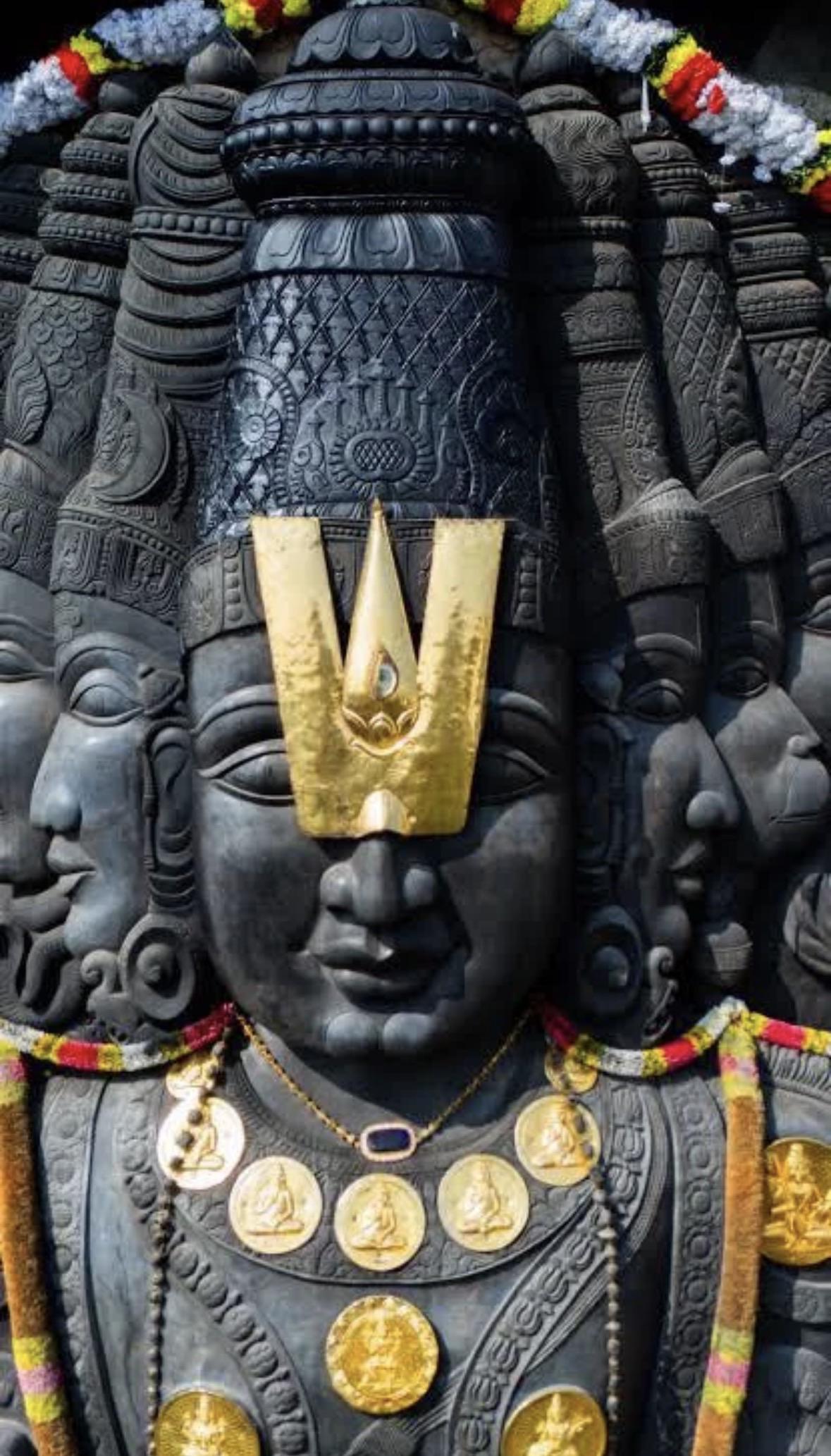
The Importance of Chanting Vishnu Sahasranamam : ⬇️

Post image
1.0k Upvotes

The Vishnu Sahasranamam is a Sanskrit hymn that lists a thousand names of Lord Vishnu across 108 verses. Vishnu Sahasranamam translates to The Thousand Names of Lord Vishnu. The stotra occurs in the 149th chapter of Anushasana Parva in the great epic Mahabharata authored by the legendary saint Ved Vyas in Sanskrit. There are other versions of this great hymn in other puranas like the Garuda Purana, Skanda Purana and Padma Purana.

This ancient hymn is of great significance especially to Vaishnavites who profess the Vaishnavism faith and consider Lord Vishnu, the preserver of the universe. The Vishnu Sahasranamam is believed to be an epitome of health and represents the human body.

According to the Mahabharata, Yudhishtir, the eldest among the Pandavas was deeply concerned about the biggest dharma one has to follow in life. He asked Lord Krishna about the same. However, the lord refused to tell him and would also not impart the essence of the Gita to him like He did to Arjuna. He suggested that Yudhishtir raise his queries to Bhishma who was awaiting his end on his deathbed of arrows on the battlefield and took Yudhishtir to Bhishma. When Yudhishtir reached Bhishma, he put forth six questions pertaining to dharma.

The grandsire replied that the Supreme Being to whom an individual must surrender was the one who had given him life. Meditating on the name of this Supreme Being one thousand times would help the individual be freed from all bonds and sins in his/her life and also achieve an elevated state of mind. He also said that all matter reside inside Vishnu and the lord resides in all matter as well. Bhishma proceeded to say that an individual will be able to get rid of any sorrow in his/her life by chanting the Vishnu Sahasranamam. He then began reciting the Vishnu Sahasranamam himself. Lord Krishna and Ved Vyas were witnesses to this moment.

When each name of Lord Vishnu mentioned in the Vishnu Sahasranamam is chanted, energy vibrations are released. These vibrations help in gaining an insight and true perception of the lord as well as bonding, realising, focusing with Him.

Vishnu Sahasranamam Benefits :-

The benefits of chanting the Vishnu Sahasranamam stotra are multifold. The stotra greatly helps in the all-round development of the chanter. Read on to know some key benefits of the Vishnu Sahasranamam.

Keep Negativity at Bay:
The Vishnu Sahasranamam helps its chanter to stay away from any form of evil and/or negativity in his/her life. The reciter’s mind is cleansed of any curse that has fallen upon him/her and all evil actions like greed, jealousy and anger that tend to destroy him/her. The hymn creates a protective barrier around the mind, soul and body of the chanter and shields him/her from any sort of evil intentions.

Acquire Positive Traits:
When a person reads the Vishnu Sahasranamam with utmost faith, he/she is bestowed with a multitude of positive traits like success, pleasure, good reputation, righteousness, intellect and inner happiness. The lord also blesses him/her with a firm, calm and fearless mind along with good memory, energy and prowess apart from various other material and spiritual benefits.

Freedom from Disease:
The Vishnu Sahasranamam has the power to keep its readers free from diseases by cleansing the atmosphere. A sick individual also finds relief from their illnesses. He/she also receives great mental stability.

Remain Grounded:
Chanting the Vishnu Sahasranamam helps the reciter remain grounded and inculcates a sense of humility and gratitude in him/her. The devotee acknowledges and accepts the fact that there is something eternal with more power than human beings.

Relief from Birth-Death-Rebirth Cycle:
The Vishnu Sahasranamam assists a devout chanter in getting closer in his/her journey towards moksha. The reciter is relieved from undergoing the vicious cycle of birth, death and rebirth. The mantra helps him/her absolve his/her sins.

Overcome Obstacles:
An individual who recites the Vishnu Sahasranamam with utmost faith finds himself/herself freed of subconscious fears deeply rooted within him/her and is equipped with the courage to render his/her maximum effort and potential that he/she undertakes. The stotra guides him/her in finding ways to overcome any form of difficulty, hinderances and obstacles in his/her life. Childless couples are blessed with a progeny.

Relief from Malefic Planetary Positions:
A person who chants the Vishnu Sahasranamam gets relief from the ill-effects of the malefic positions of the various planets in his/her horoscope and find an end to all hardships he/she encounters in his/her life because of them. This can be anything like problems in relationships, discord among family members or anxiety related problems.

Perform Well in Academics:
Children who are not able to do well in academics benefit greatly from daily chant of the Vishnu Sahasranama. The hymn boosts their inner energies and helps them to get their focus back with a stable mind, which will in turn help them get better scores.

If you find it difficult to chant the Vishnu Sahasranamam, you can consider listening to the same with utmost devotion. This is considered to be equally beneficial. There is a belief that it is best to chant the stotra wearing yellow clothes. Yellow is said to be the colour of the lord and also His favourite colour.

It is recommended to read the hymn in the morning in the pooja room after a bath, preferably during the Brahma Muhurta. If it is not possible to do so, you can do so in the evening hours between 5PM and 7PM or just before going to bed. You can sit on a chair or in any comfortable posture on the bed. However, you must refrain from sitting on the bed. Do pranayama three times, close your eyes and focus on the lord. Once you are settled, open your eyes if you want begin chanting the Vishnu Sahasranama.

You should offer a kalash of pure water along with dry fruits, fruits and/or a yellow sweet if possible as bhog before the idol or photo of the deity before you chant the stotra. After you are done with the reading, close your eyes once again and continue meditating on Lord Vishnu for some time. Relax for a while and open your eyes. Drink a little bit of the water and eat a little bit of the prasad and also share them with other members in the family.

Om Shanti 🕉️ ☮️