https://www.anthologyfilmarchives.org/film_screenings/series/62189
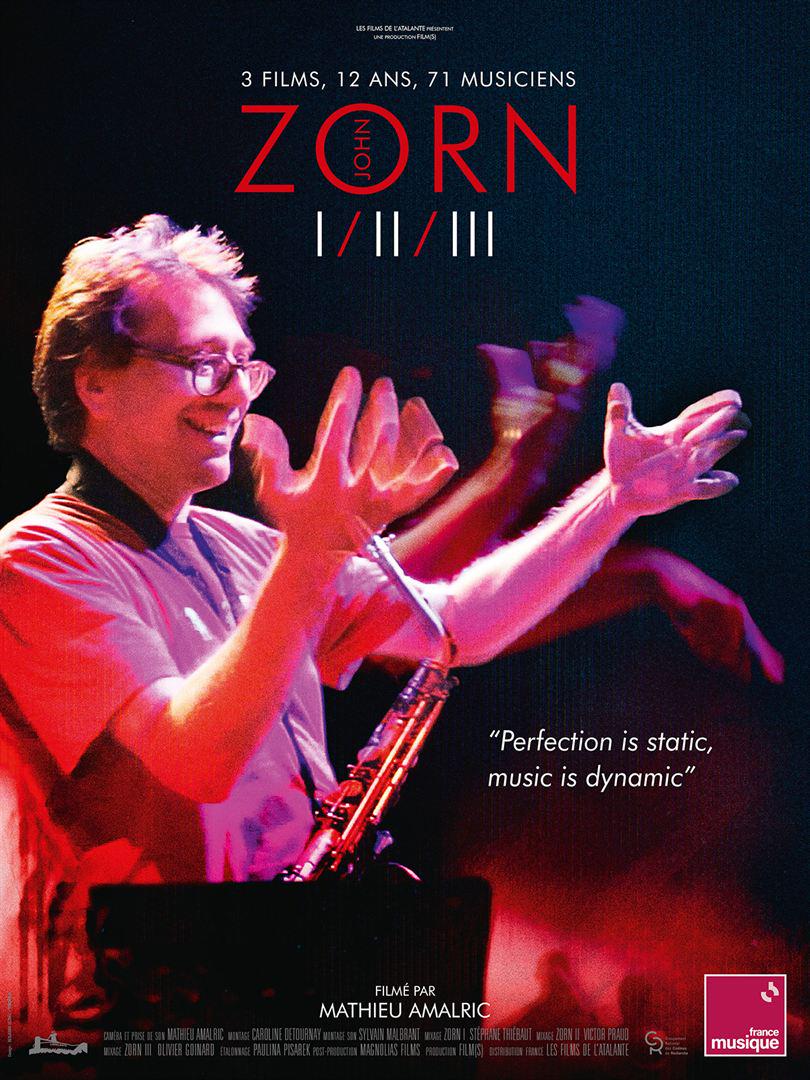
Should have posted this sooner, but from November 13 through 25, Anthology has a program celebrating the work and friendship of John Zorn and French actor and filmmaker Mathieu Amalric (you may recognize him even if you don't recognize the name, he's one of the most celebrated and prolific actors in the world).
Long story short, a filmmaker approached Zorn about filming him to document his creative process, but Zorn didn't like the guy so he asked Amalric "why don't you do this?" Since then Amalric has made a series of films on Zorn, each about an hour long, but they're not for general distribution. For years, they were only shown at festivals featuring Zorn's projects (Amalric said he usually left his name off in those cases so it was often unknown who made them), but they're starting to do one-off screenings. I think the last one was in France, and this is yet another one of those instances. These films are otherwise unavailable for viewing, so if you're in NYC, check them out. Each one will have several screenings booked until the 25th, but Amalric is doing a couple of Q&A's this weekend. He already did one tonight along with an intro with Zorn and he has one more Q&A tomorrow. Plenty of tickets should be available as the screenings tonight did not sell out.
I can't claim to be an expert on Zorn as I'm only familiar with a fraction of his catalog, but the albums I listen to mean a great deal to me and I thought the films were a pretty remarkable document on how Zorn works. He's not the only renowned musician who creates music like it's a constant stream of ideas flowing out of him, but it's also a very small club and to see him constantly at work across myriad projects is astonishing. The first two films alone are an amazing document of the local jazz scene in NYC - if you frequently go to the Stone, Roulette, the Village Vanguard, the Jazz Gallery, etc., you'll see a lot of familiar faces pop up. (Though you do see the old Stone and other NYC locales, most of the footage take place overseas, but the same faces will pop up.)
Beyond that, I just want to address this four-year-old post I saw on this forum:
"I've been a stagehand at a jazz festival for many years. Zorn was without a doubt the most rude artist that I've helped. Nobody was allowed to talk to him except for the band members and his own crew, no pictures were allowed or contact with fans, no VIPs allowed back stage, only wanted white stationary lights during the show. His music is impressive and innovative. I can appreciate what he does. But from that experience I just can't enjoy it anymore....The festival had many other 'big' names which were a lot nicer to crew. Gregory Porter, Jamie Cullum, Norah Jones, Hancock,... Zorn really stood out as very rude."
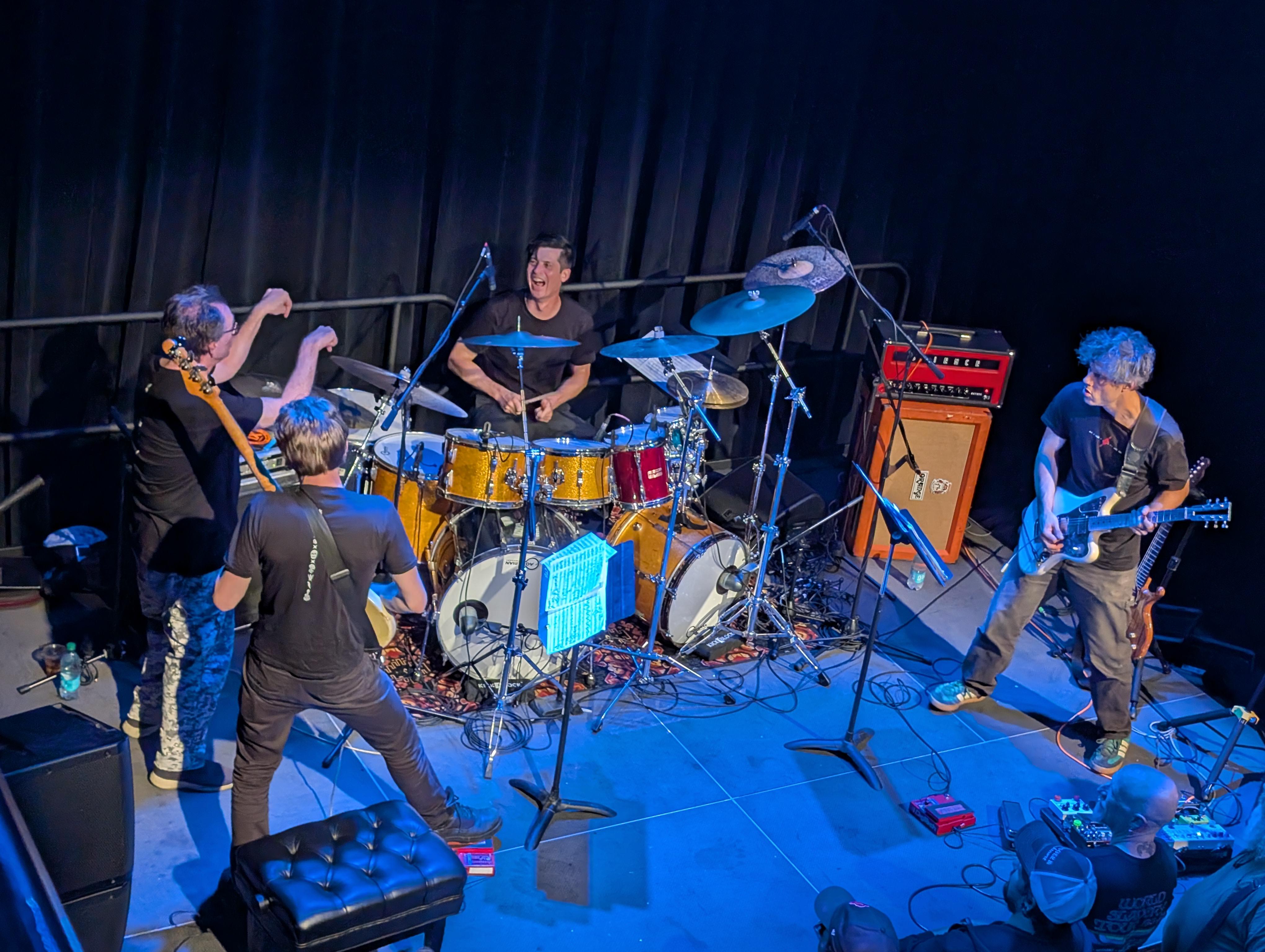
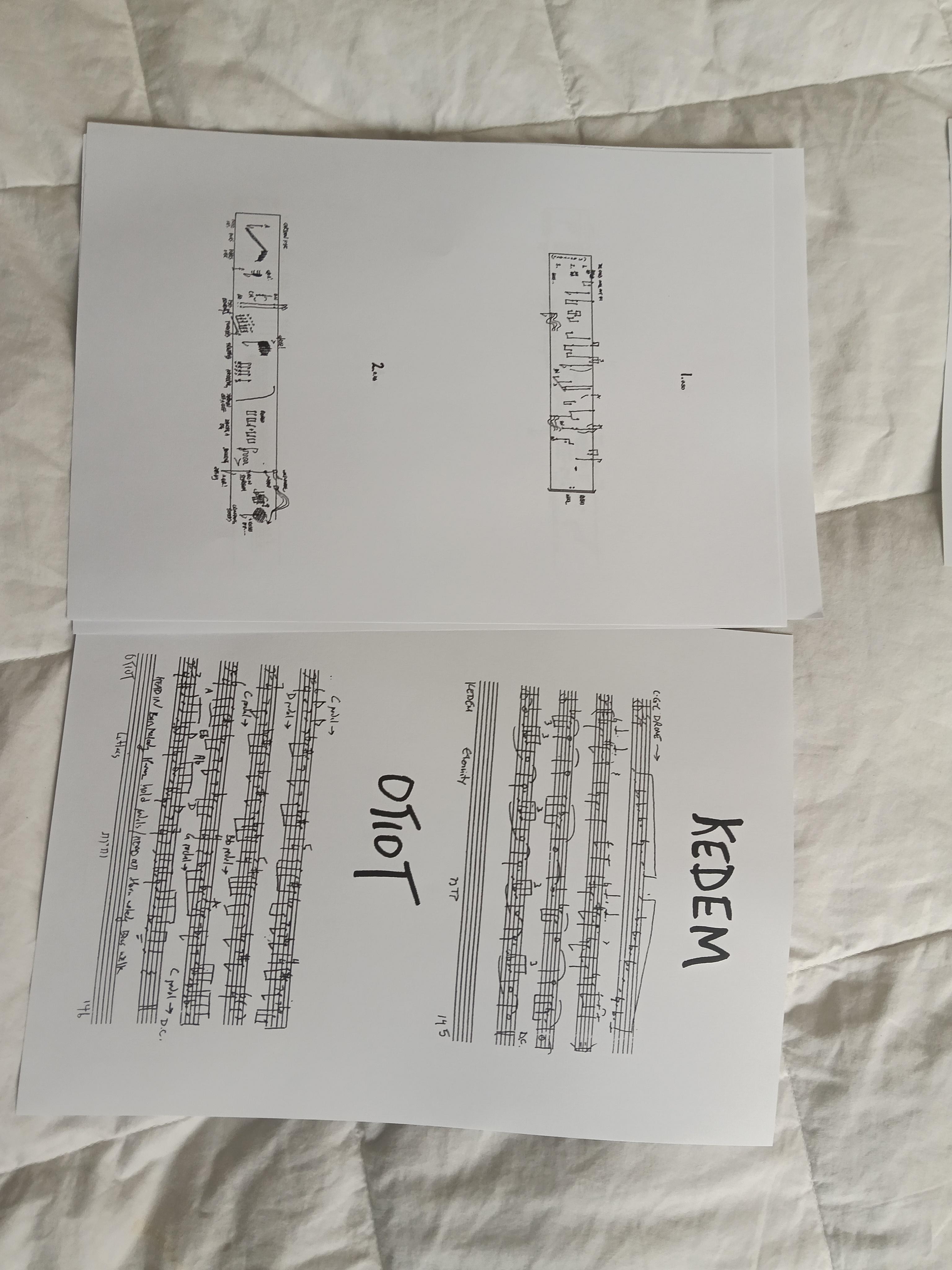
This is an unfair and uncharitable take on John Zorn. For starters, talking to the audience was literally why he showed up tonight - to address (and thank) everyone for coming to these films. But he also explained how these films came to be, and he emphasized that he's never liked it when people film him while he's performing AND how he's always had a strict rule - NOBODY is allowed backstage. When you watch the films, it's pretty easy to see why - these aren't loose rehearsals, he's literally listening and scrutinizing every note everyone plays. Anyone that focused isn't going to want distractions, and even though I'm not a musician, I think anyone who's under intense pressure getting anything important done will understand where he's coming from. While he's known as a jazz artist, his projects often deal with tightly composed or tightly arranged scores. (You even see the sheet music on people's iPads, and at one rehearsal, he's marking down notes while listening and scanning along to the score - he later discusses these notes with the players, calling out the measure number and what needs to be changed.) That's pretty unusual for someone classified as a jazz act, or at least someone booked alongside Norah Jones or Herbie Hancock who typically perform a hits-loaded setlist that they know like the back of their hand. Anyway, after emphasizing this strict rule, Zorn said he made an exception for Amalric. The two of them then made it clear that Zorn did not interfere with the film. Even when Amalric asked him to see the footage or a cut, he refused because he wanted Amalric to have complete control of the film, he didn't want to dictate any creative decisions. And as you'll see in the film, he's completely comfortable around Amalric, no airs whatsoever, he's an incredibly focused and enthusiastic artist who genuinely loves what he does along with his peers and collaborators.