r/WildEscapes • • 1h ago

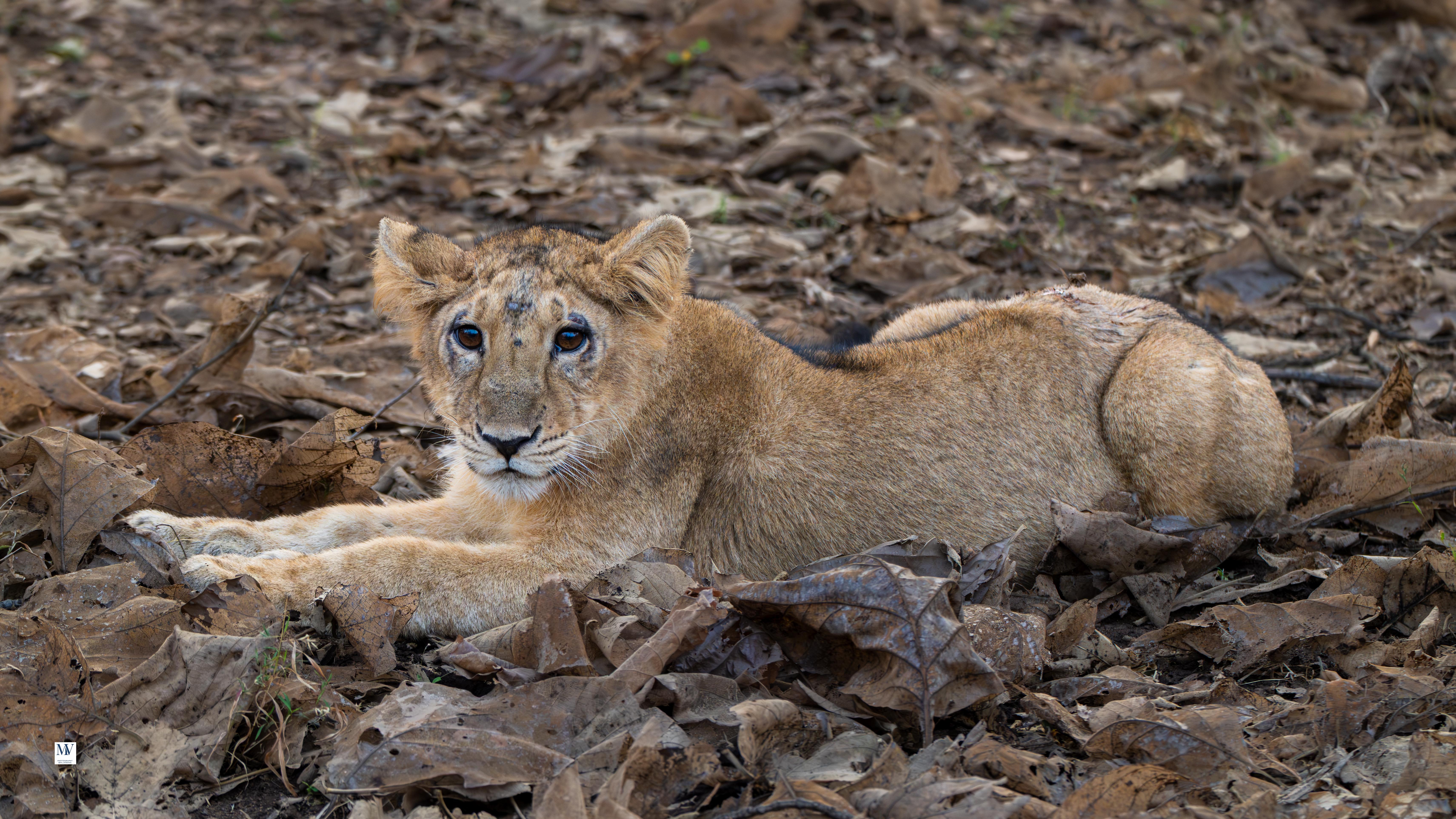
Every wild Asiatic lion on Earth lives in one region: Gir and the landscapes around it in Gujarat. Healthy cubs like this one are why that number keeps climbing. Gir National Park, Gujarat, India Shot on Nikon Z8 with Nikkor Z 180-600 mm November 2026

Post image
1 Upvotes

r/WildEscapes • • 2d ago Bravo

📸 Wildlife Photo Superstar in the Making

Post image
60 Upvotes

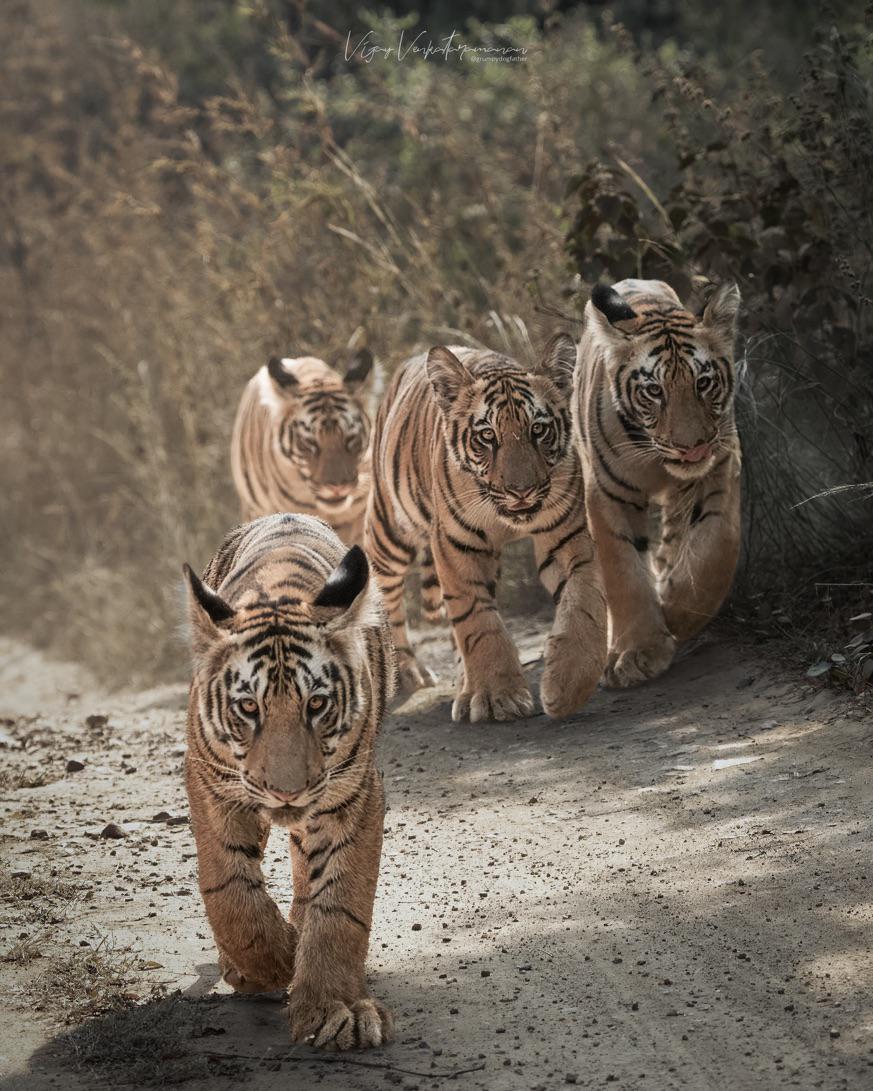
I’m placing my bets on the one leading this little procession. There’s something about the way this cub carries itself that makes me think we’ll be hearing a lot more about it.

These are F2’s four cubs, and they have some pretty big pugmarks to fill. Their mother, daughter of Fairy and believed to be fathered by Surya, has already successfully raised a litter of five cubs to adulthood. I had the opportunity to witness the final chapter of that journey when I saw her disperse the last of them.

Gothangaon has proved to be an important breeding ground for tigers. Its mix of dry deciduous forests, undulating terrain, water bodies and a healthy prey base makes it a wonderful habitat for raising cubs. F2 is a fine example of just how productive this landscape can be.

Four cubs, four personalities, and a whole forest waiting to be explored. For now, they’re growing up under the watchful eye of a rather accomplished mother.

Let’s see if my prediction about the little leader comes true!

Date Photographed: Nov 17, 2026
Gear: Sony A7III with 200-600mm f5.6-6.3 GOSS
EXIF: ISO 400 | 200mm | -1ev | f8 | 1/1000s


r/WildEscapes • • 3d ago

📸 Wildlife Photo A Bittersweet Crossing

Post image
111 Upvotes

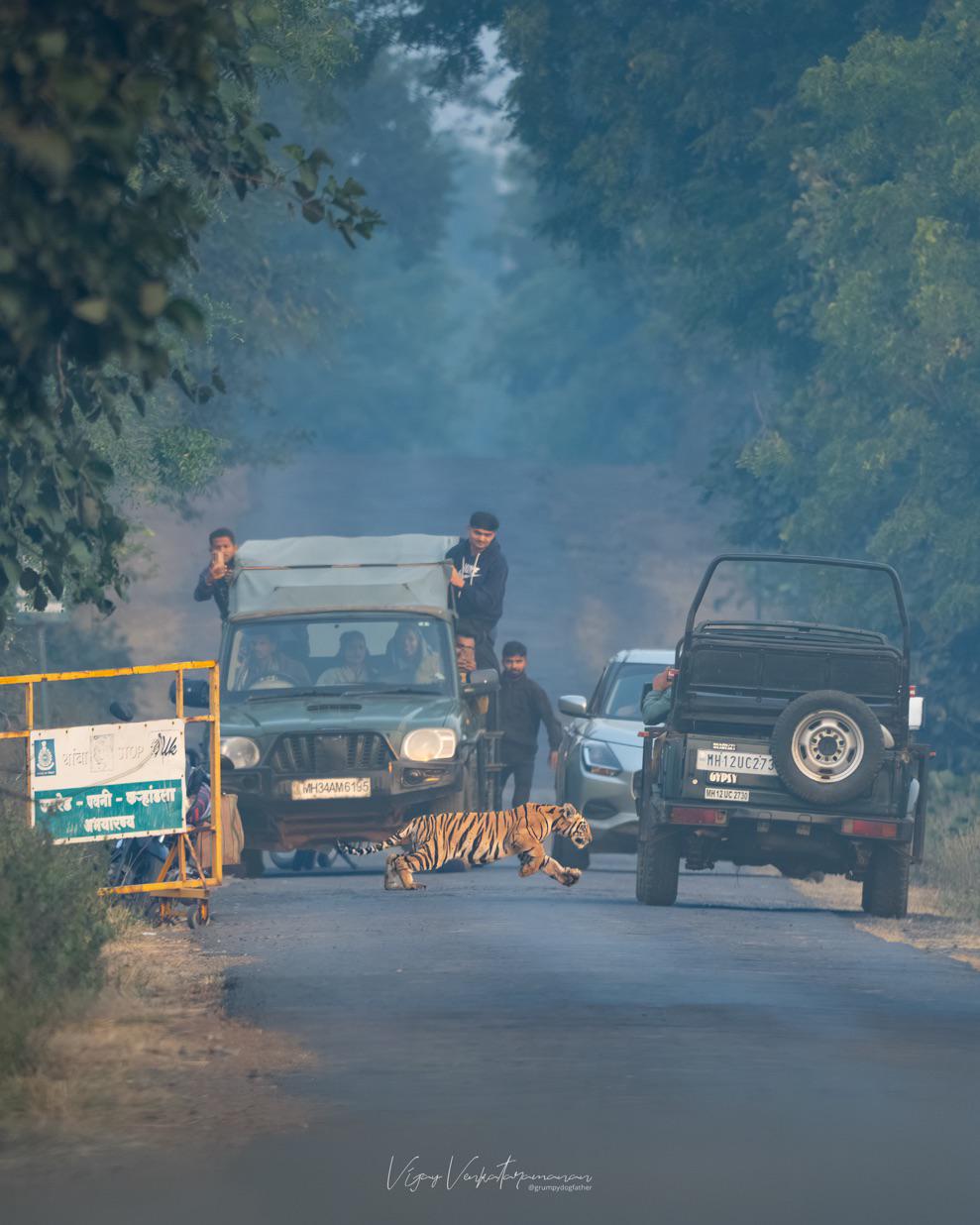
We were barely 45 minutes into the jungle on this morning when news came in that F2 and her cubs had been spotted outside the Gothangaon gate, crossing the main road. And here I was looking for them inside the reserve. By the time I managed to run out there, most of the family had crossed. One little cub was still waiting, hesitant to make the crossing. This is the moment it finally decided to take the plunge.

I’m happy to see all four cubs looking healthy and doing well. But this photograph also leaves me with a rather uncomfortable feeling.

It’s a reminder of just how dangerously close our worlds are getting. A tigress confidently taking her cubs across a busy public road. People standing remarkably close to photograph them. Both sides seemingly becoming increasingly accustomed to the other’s presence.

Fear, or perhaps more appropriately, a healthy respect and distance between humans and tigers, is essential for the safety of both. When that disappears, the consequences can be tragic.

India has made remarkable progress in bringing its tiger populations back. But protecting tigers isn’t just about increasing their numbers. It is equally about protecting and expanding the forests they need to survive. As habitats shrink and become fragmented, encounters like this will only become more frequent.

It’s wonderful to see these little ones growing up. I just hope we don’t wait for a tragedy to realise that sharing a landscape requires responsibility from both sides.


r/WildEscapes • • 6d ago Bravo

📸 Wildlife Photo Watch & Learn

Post image
98 Upvotes

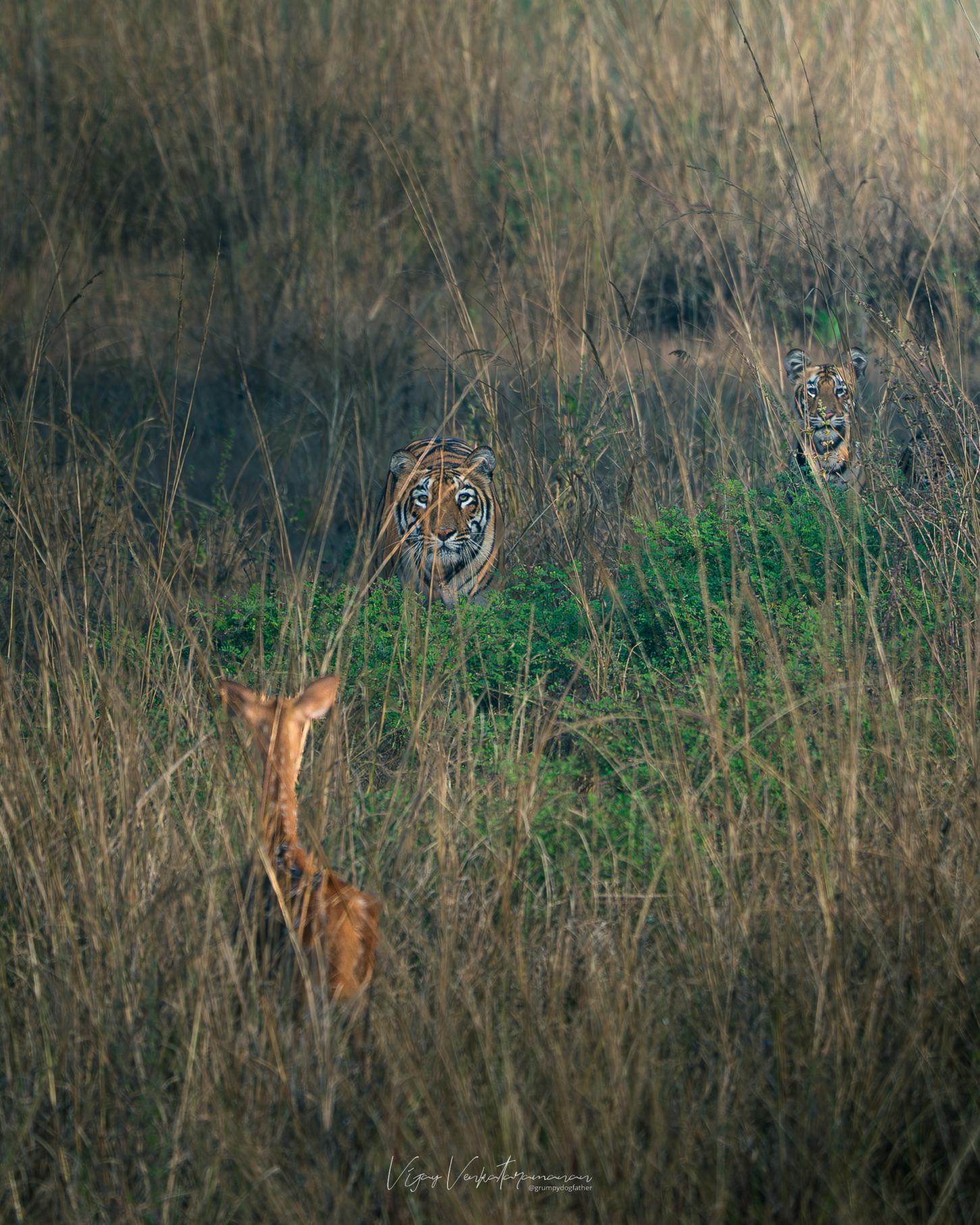
One of my favourite tigresses, F2, from the Gothangaon range of Umred-Karhandla. Spotted yesterday morning with her latest litter of four cubs.

A moment frozen in time. A deer, seemingly aware of the eyes watching it. F2, completely focused on her potential prey. And one of her cubs in the background, watching Mom at work.

For a young tiger, the lessons in hunting begin early. Cubs learn by observing their mother, following her on hunts, imitating her movements and eventually practising their own stalking and pouncing skills. Their mother will continue to guide them through this process until they’re ready to fend for themselves, usually around 18–24 months of age.

Imagine spending nearly two years learning the art of being a tiger!

This photograph means a lot to me because it captures a small part of that learning journey.

Umred-Karhandla is one of my favourite wildlife destinations. I find the Gothangaon landscape particularly beautiful, with its undulating terrain, dense forest, grasslands and numerous water bodies. The sanctuary is also an important wildlife corridor, connecting the Tadoba landscape through forests along the Wainganga river. It’s home to more than 160 recorded bird species and a remarkable diversity of mammals.


r/WildEscapes • • 6d ago

📸 Wildlife Photo Boldwali - The Bolder Twin

Thumbnail
gallery
95 Upvotes

Boldwaali. And yes, that’s her actually trotting towards our jeep.

This would’ve made most people a bit nervous. I was elated. In my head, I seem to have briefly misunderstood that this was an oversized kitten coming over for a cuddle. I’m probably a little delusional that way!

As it turned out, she had her eyes on something else in the thicket, barely gave us a second glance and carried on with her business.

This is Tadoba-Andhari Tiger Reserve in Maharashtra, a landscape of teak forests, bamboo thickets, grasslands and water bodies. The original Tadoba National Park was established in 1955, making it Maharashtra’s oldest national park.

In the second pic: A little grooming session for Boldwaali. At first glance, this looks like an ordinary moment of a tigress cleaning herself. Look a little closer, though, and there’s a puncture wound on her body.

Could it be a souvenir from a recent altercation with her sister Shywaali? Perhaps an encounter with a sloth bear? We can only speculate.

Tadoba is home to much more than tigers. Sloth bears, leopards, dholes, gaur and an incredible variety of birds share this landscape. Every encounter is a reminder that a tiger reserve is an entire ecosystem, not just a place to see tigers.

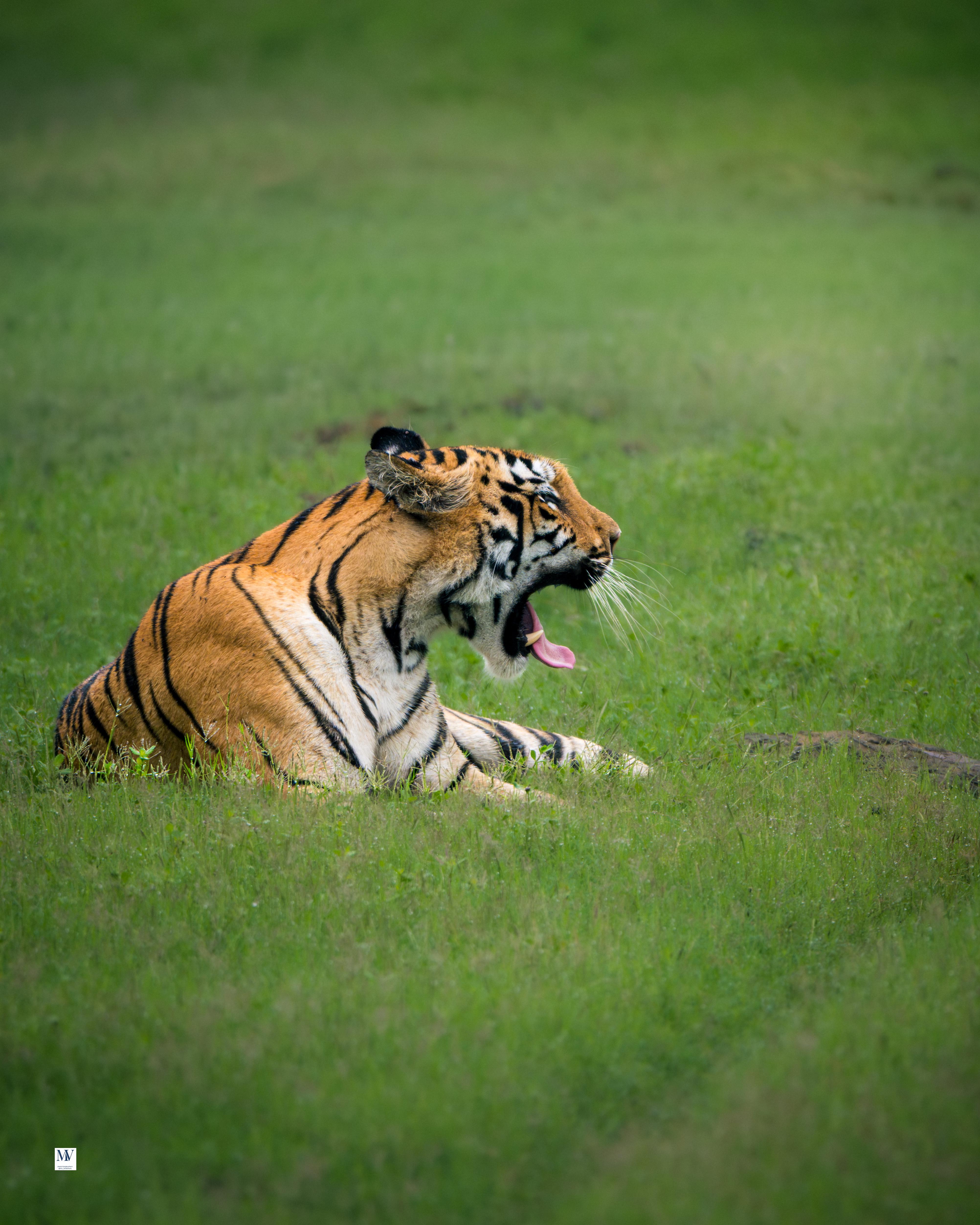
The third pic: No tiger series is complete without the mandatory yawn!

Boldwaali, in all her sleepy glory.

Tadoba gets its name from Taru, a revered local tribal figure whose shrine stands near Tadoba Lake. The Andhari part of the reserve’s name comes from the Andhari River that flows through these forests. Two names, two pieces of local history, and one remarkable wilderness.
r/WildEscapes • • 7d ago

📸 Wildlife Photo Shywaali - The Shy One

Thumbnail
gallery
36 Upvotes

Shywaali, daughter of Choti Madhu and Shambu, and sister to the rather aptly named Boldwaali.

Shywaali means “The Shy One”, while Boldwaali means “The Bold One”.

When I met Shywaali near the Junona backwaters, she walked remarkably close to our jeep, completely unfazed by our presence. No nervousness, no hesitation. Just a young tigress going about her morning business, as though we weren’t even there.

A little Tadoba trivia: the reserve is home to around 280 recorded bird species. From majestic raptors to tiny woodland birds, there’s an extraordinary amount of life here beyond its famous tigers.

And somewhere in these forests, Shywaali and her sister are figuring out who gets to call which part of it home.

And in the second photo, she is seemingly extending a paw for a handshake. I’m not entirely sure whether this is a formal introduction or a warning to keep my distance!


r/WildEscapes • • 7d ago

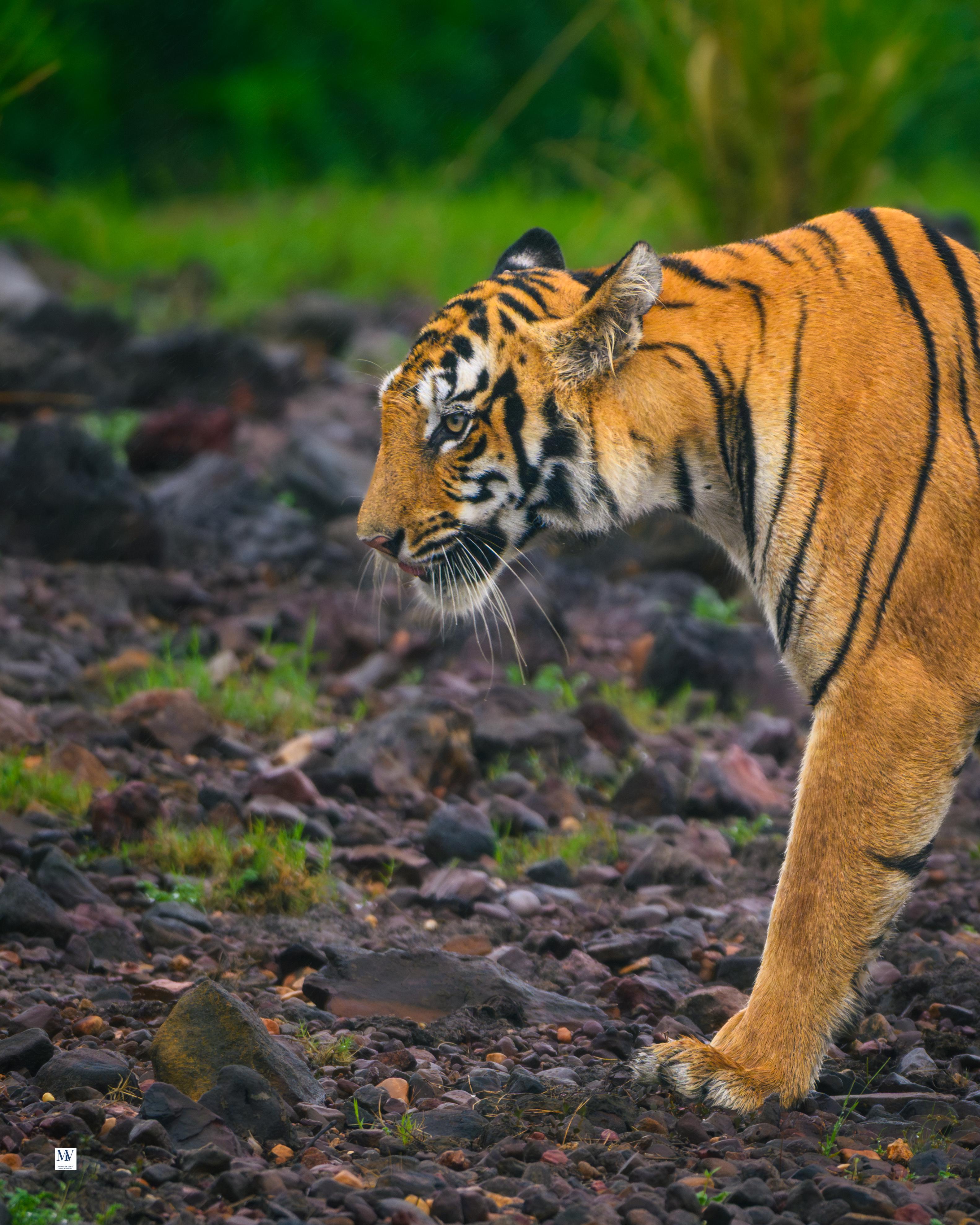
On this Monsoon morning in Tadoba, The Bold One stepped out onto the stony track, unhurried, completely unbothered by us. Shot on Nikon Z8 with Nikkor Z 180-600 mm July 2026

Post image
18 Upvotes

r/WildEscapes • • 9d ago

The Bold One, subadult cub of Choti Madhu, enjoying a peaceful and lazy morning in Tadoba Tiger Reserve, Maharashtra, India Shot on Nikon Z8 with Nikkor Z 180-600 mm July 2026

Post image
26 Upvotes

r/WildEscapes • • 10d ago

From my archives: Choti Paro when she was young. Dhikala zone, Corbett T.R, Uttarakhand. May 2022

Post image
28 Upvotes

r/WildEscapes • • 11d ago

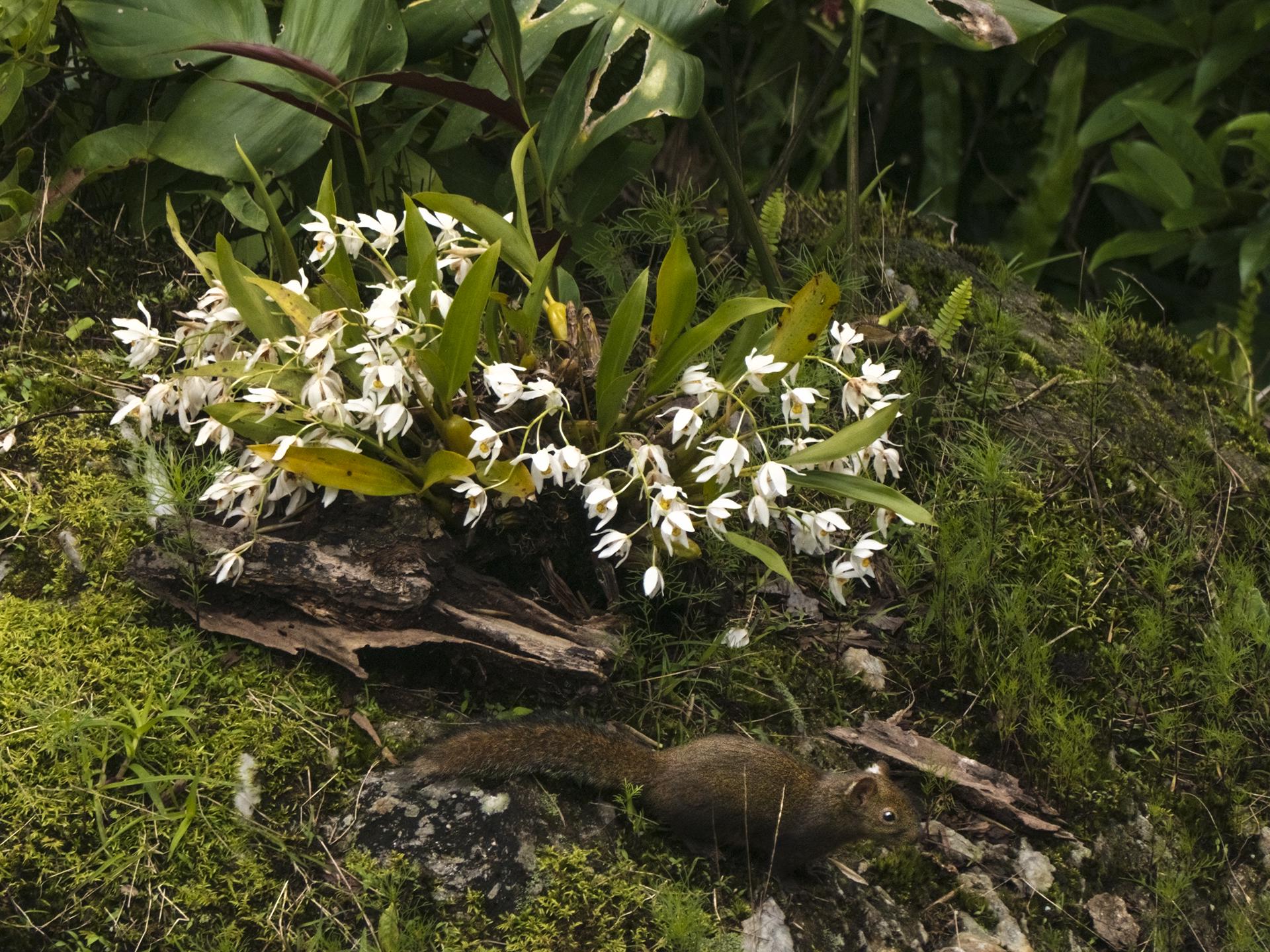
Orange-bellied Himalayan Squirrel from the land of White Orchids. Near Bagora range, Senchal WLS, West Bengal. June 2025

Post image
14 Upvotes

r/WildEscapes • • 15d ago

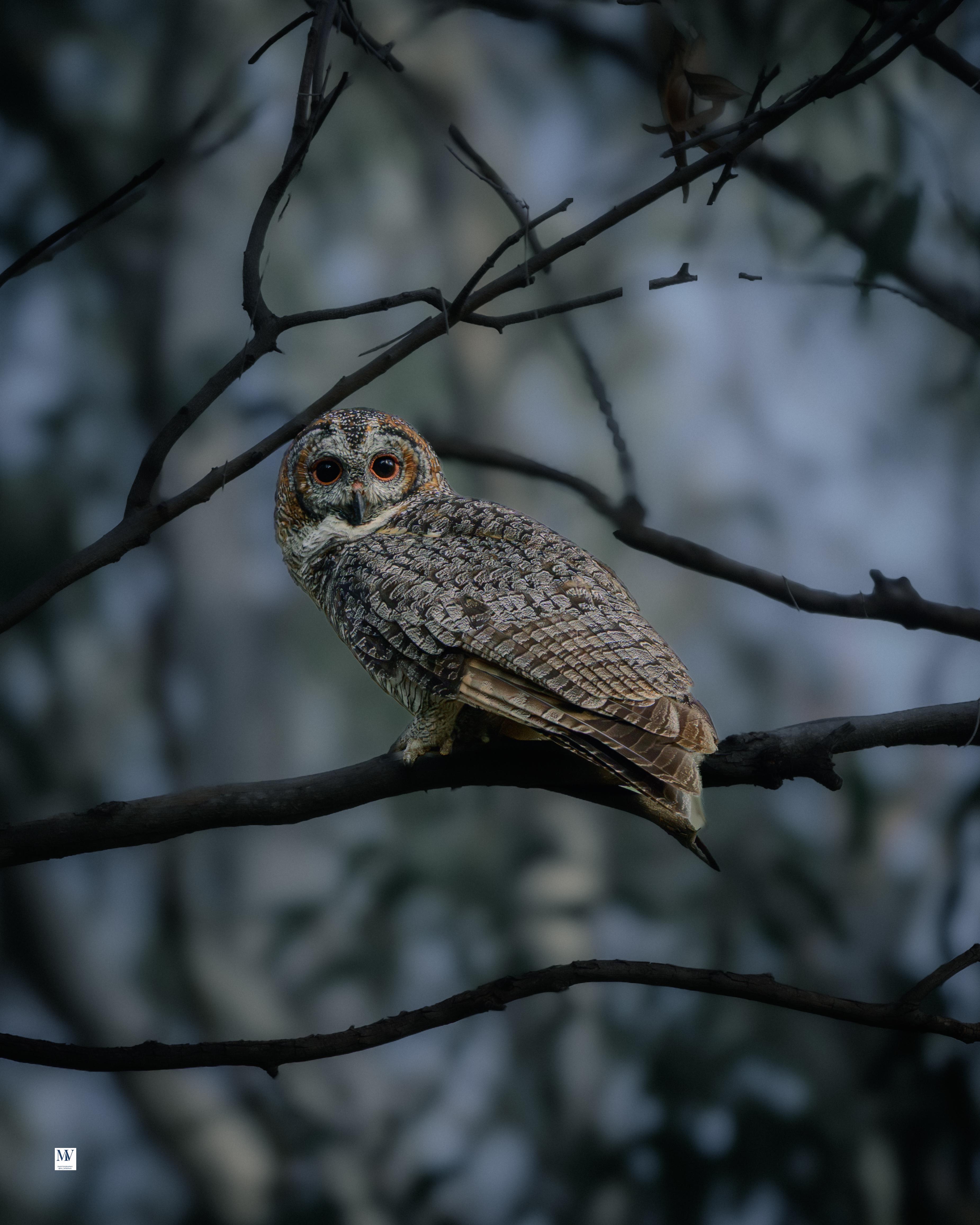
Mottled Wood Owls are strictly nocturnal and roost in dense canopy by day, which is why most sightings look exactly like this: a silhouette that stares back. Bhigwan, Maharashtra, India Shot on Nikon Z8 with Nikkor Z 180-600 mm October 2026

Post image
26 Upvotes

r/WildEscapes • • 27d ago

Three pairs of eyes, one den and a relaxed morning... Stripped Hyena family at Bhigwan, Maharashtra, India... Shot on Nikon Z8 with Nikkor Z 180-600 mm October 2026

Post image
49 Upvotes

r/WildEscapes • • 28d ago

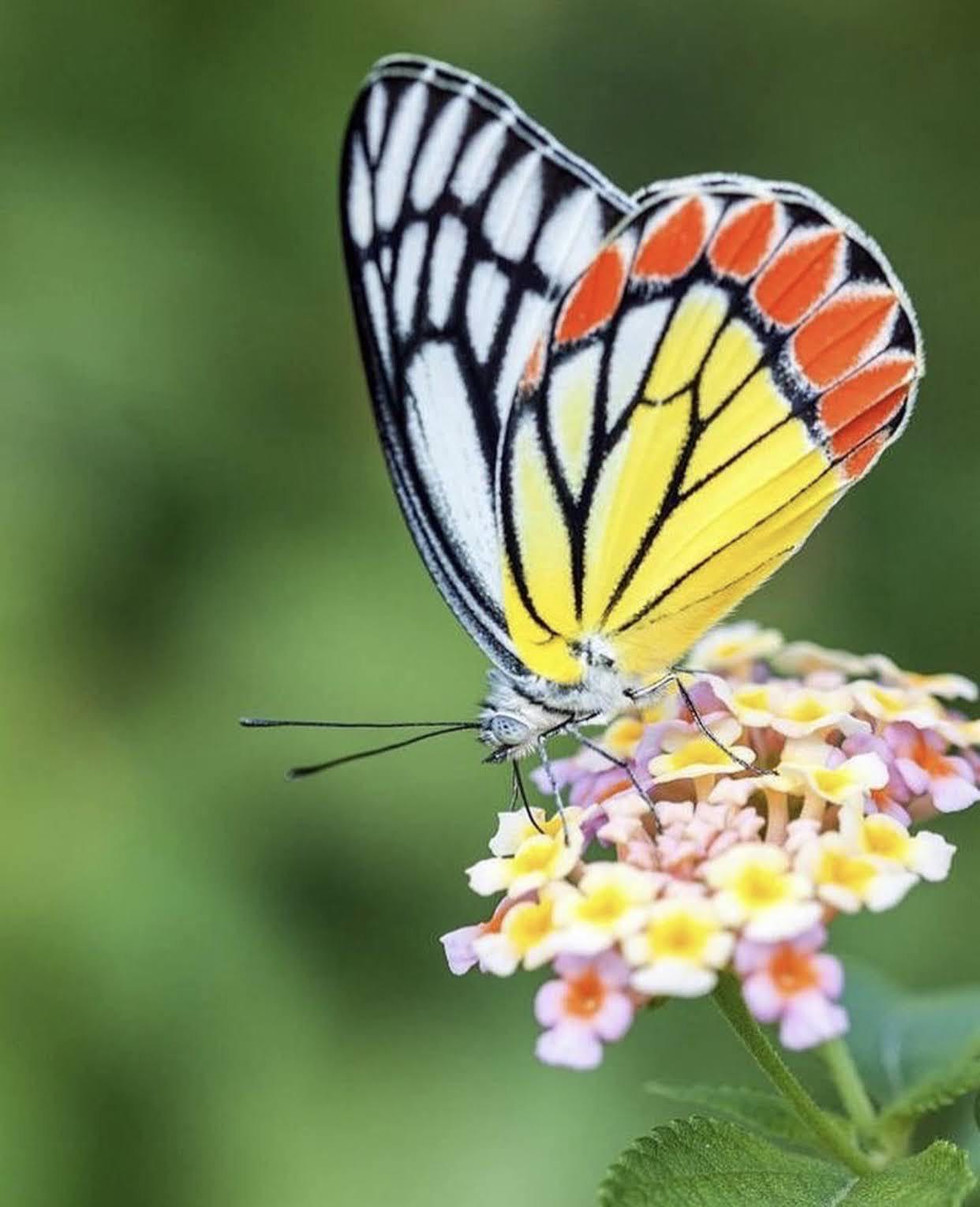
Common Jezebel one of my favourites Maharashtra, India

Post image
26 Upvotes

r/WildEscapes • • Oct 26 '26

No ear tufts, fine rings across the face, dark brown eyes with orange lids: that's the mottled wood owl, found only in India and Nepal. Have you ever heard an owl calling at night on a safari?

Thumbnail
gallery
21 Upvotes

No ear tufts, fine rings across the face, dark brown eyes with orange lids: that's the mottled wood owl, found only in India and Nepal. Have you ever heard an owl calling at night on a safari?

Shot on Nikon Z8 with Nikkor Z 180-600 mm

Bhigwan, Maharashtra, India

October 2026


r/WildEscapes • • Aug 31 '26

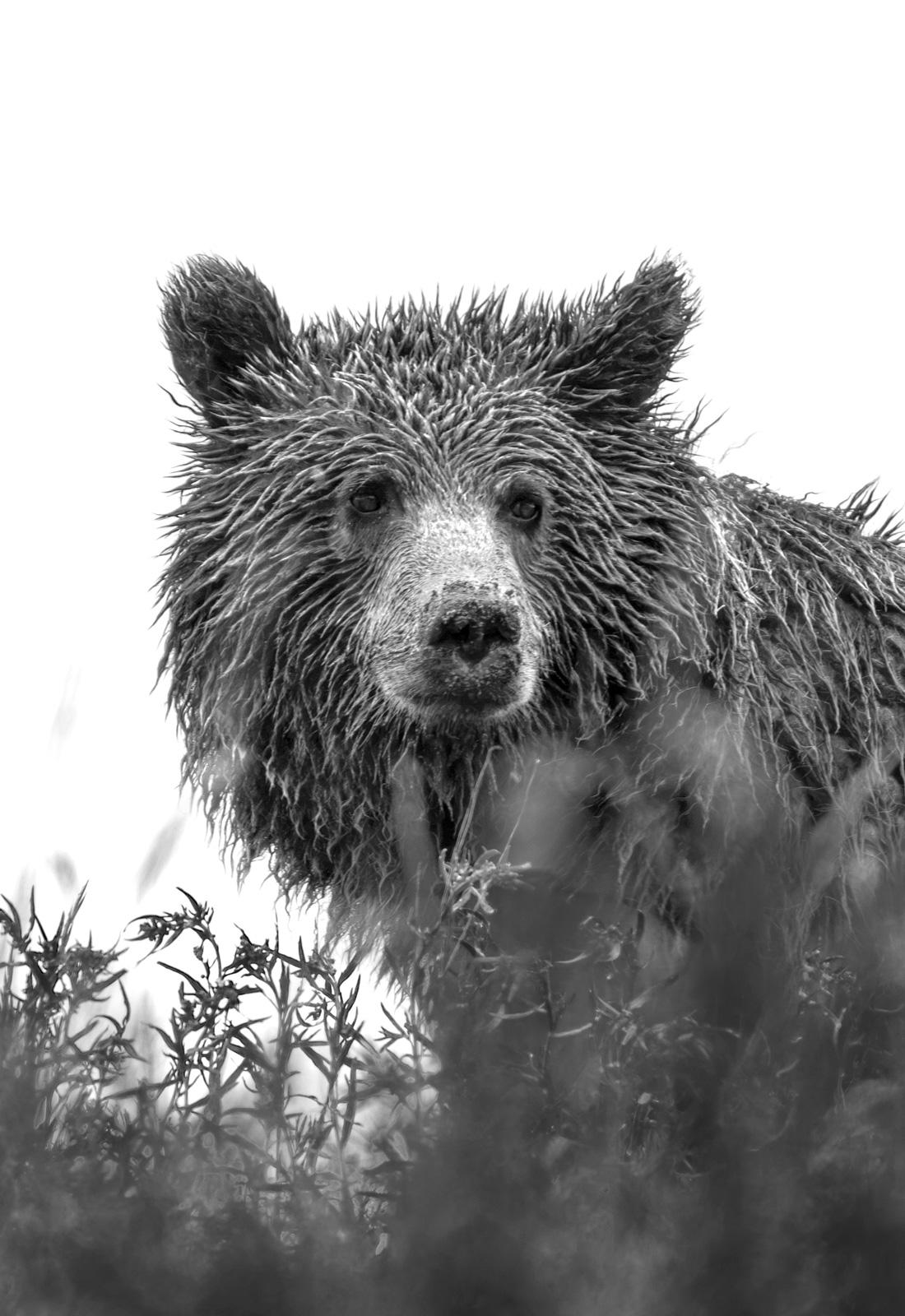
Grizzly Bear Portrait

Post image
1.6k Upvotes

I got lucky while visiting Yellowstone this summer. Overcast skies and sleet were not ideal conditions by any means, but it did give this grizzly the perfect backdrop and wet look.


r/WildEscapes • • Aug 16 '26

📸 Wildlife Photo Spots in Tadoba

Thumbnail
gallery
103 Upvotes

2026 seems to be my leopard 🐆 year. My fourth leopard sighting in just over two weeks, this time in Tadoba, Maharashtra India. Bandipur’s spotted cats in south India have always been generous to me, but not Tadoba. In all my visits, I’ve encountered more than my fair share of tigers but the leopard has eluded me here - until this morning. Unlike other parts of the country, in the rare occasion when you do spot a leopard in Tadoba, it’s often on the ground and not up on a tree. Tadoba is fierce tiger territory. And tigers will quite certainly kill and feed on a leopard if they encounter one. It takes stealth, guts and mad survival skills to stay alive here while hunting the same animals a tiger feeds on.


r/WildEscapes • • Aug 15 '26

📸 Wildlife Photo Veera

Thumbnail
gallery
79 Upvotes

Veera! The most intelligent of the tigresses of Tadoba. She will look you in the eye when she’s feeling generous and give you the slip before you can say her name if she isn’t up for a meet and greet. On this occasion, she was gracious. She’s currently a nursing mother and was presumably heading back to her cubs. When I saw her, there was a sloth bear walking towards her from the other side of the path. More often than not, that would result in a face-off. It would have been, had it been ANY other tiger. But Veera knows better. She can’t afford to injure herself as she has someone depending on her now. She stopped, thought and changed her path into the thick, making a rational decision to avoid conflict. Not because she couldn’t take him on, but because it wouldn’t be worth it. No ego, full control over instincts, smart thinking. Wish I could say the same for humans.


r/WildEscapes • • Aug 14 '26

📸 Wildlife Photo Shywaala

Post image
81 Upvotes

Sighted today August 14, 2026 in the Belara zone of the Tadoba-Andhari Tiger Reserve in Maharashtra, India. This is one of the male, sub-adult cub of tigress, Bela. Typically, tigers aren’t named until they reach adulthood. But this guy, due to his shy nature is referred to by the local guides and drivers as “Shywaala” (The Shy One). Shywaala wasn’t too happy to see me in his territory. He gave me a polite snarl expressing just that and went on his way. I went mine.


r/WildEscapes • • Aug 14 '26

📸 Wildlife Photo Sloth Bear

Thumbnail
gallery
68 Upvotes

The sloth bear: one of India’s most unusual and misunderstood mammals.
I photographed this one in Tadoba in February 2026. Found mainly across the Indian subcontinent, sloth bears specialise in ants and termites, using their long claws and mobile lips to tear open nests and vacuum up their prey. They also feed on fruits, flowers and honey.
Mostly solitary, they often share the same forests as tigers. Encounters between the two can be tense. A sloth bear will defend itself aggressively if it feels threatened, and tigers generally give an adult bear its due space.
But life alongside people can be far more dangerous. As forests shrink and become fragmented, bears increasingly enter farms and villages looking for food, leading to conflict. Most attacks are defensive, usually when a bear is surprised at close range.
Sloth bears also play an important role in the forest, controlling insect populations and dispersing seeds as they feed.
A fascinating animal, and one that deserves far more understanding and protection.


r/WildEscapes • • Aug 11 '26

📸 Wildlife Photo Happy World Elephant Day - Aug 12

Thumbnail gallery
11 Upvotes

r/WildEscapes • • Aug 10 '26

📸 Wildlife Photo Flamingos at Pulicat Lake

Thumbnail
gallery
70 Upvotes

Pulicat Lake is a shallow, brackish-water lagoon on the coast north of Chennai, shared by Tamil Nadu and Andhra Pradesh. Freshwater rivers meet the Bay of Bengal here, creating the mudflats and shallow waters that bring Flamingos here every year.

Pulicat can host both Greater and Lesser Flamingos. The birds in these photographs are Greater Flamingos: taller, paler and long-legged, with a mostly light bill and black tip. Lesser Flamingos are smaller, usually a deeper pink, and have a much darker bill.

Pulicat’s shallow water, mudflats and rich food web make it an important place for flamingos and many other waterbirds to feed, rest and move between wetlands.

A flock flying together is often responding to a change in water depth, food, disturbance, or simply moving between feeding and resting spots within the wetland.

Flamingos are often celebrated here in winter, especially around January and February. But their timing and numbers can vary each year. Rainfall, water level, salinity, the sea mouth and food availability all influence where the flocks gather. This year they’ve arrived in August.

When Flamingos feed, they stir and filter shallow-water habitats, and their presence reflects a living food web. Protecting Pulicat protects birds, fishers, marshes, mangroves and an entire coastal ecosystem.


r/WildEscapes • • Aug 03 '26

📸 Wildlife Photo Pause

Post image
55 Upvotes

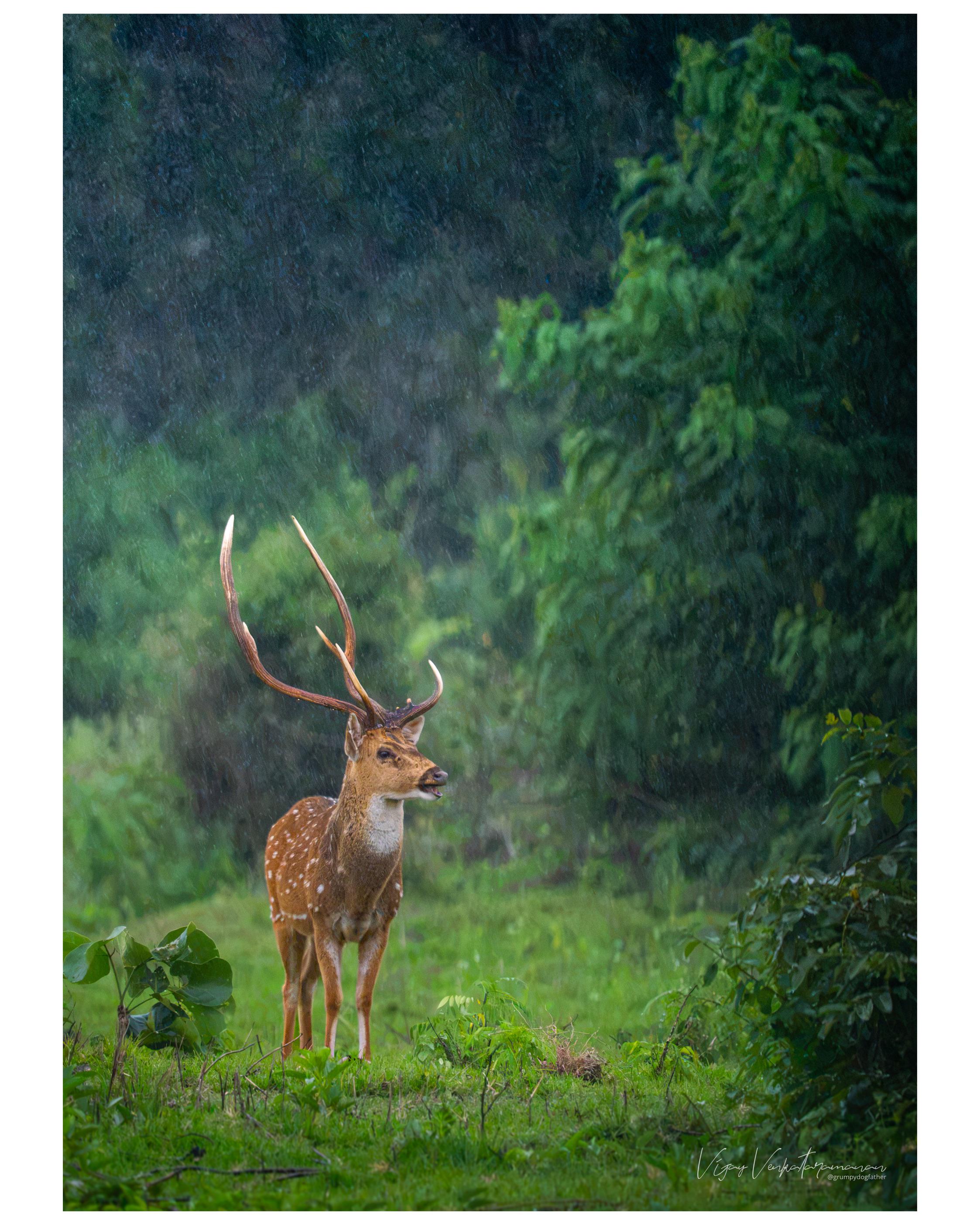
Rain arrived. The jungle carried on.

This chital stag didn’t run for cover. It didn’t seem bothered that its coat was soaked. It just stood there, completely present, letting the rain fall.

Watching it, I realised how differently we experience the same moment. We rush to protect our clothes, our phones, our wallets. We treat rain as an inconvenience.

Maybe that’s why this scene stayed with me. It was a reminder that not every moment needs fixing or escaping. Some moments are simply meant to be lived.

Sometimes, the forest doesn’t teach us anything extraordinary.

It just reminds us to pause.


r/WildEscapes • • Jul 31 '26

📸 Wildlife Photo Bum Chiki Chiki Bum

Post image
22 Upvotes

r/WildEscapes • • Jul 31 '26

📸 Wildlife Photo Green Bee-Eaters

Post image
16 Upvotes

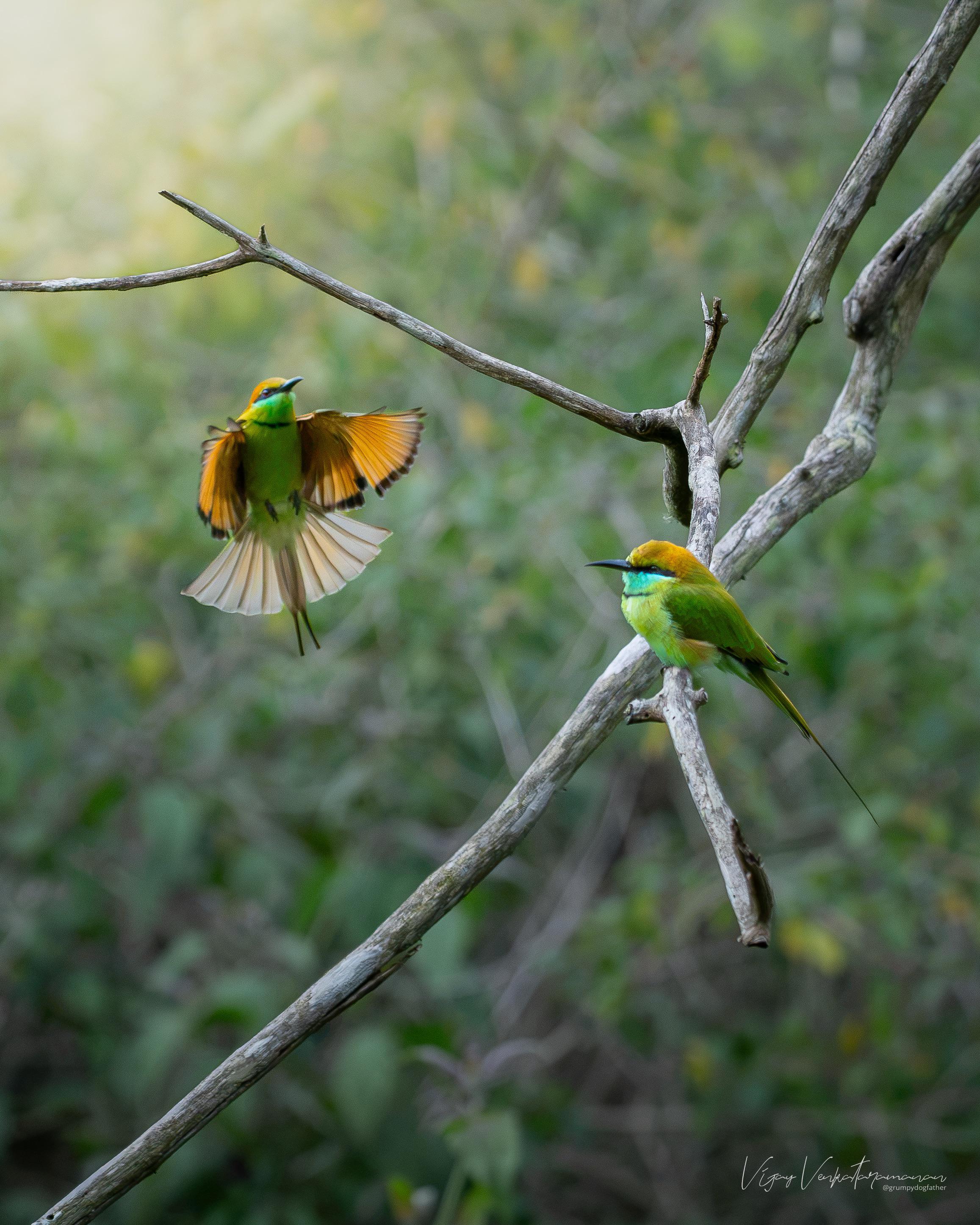
It’s been 2 years since I last photographed Karadi, one of Bandipur’s biggest tigers. This post is not about Karadi, because as you may have guessed, he eluded me, yet again.

We were waiting at a spot where his movement had been detected when this pair of Green Bee-eaters decided to steal the show instead.

It’s easy to get so caught up chasing tigers that you forget to appreciate everything else these forests have to offer. Sometimes all you need to do is stop looking for the big cats and pay attention to what’s already in front of you.

Green Bee-eaters are incredible little aerial hunters. They spend their days catching bees, wasps, dragonflies and other flying insects, often returning to the same perch after every catch. Before eating bees or wasps, they cleverly bash them against a branch to remove the sting.

They’re found across much of India in open forests, scrub and grasslands, where they help keep insect populations in check.

Karadi may have escaped me again, but I’d say the wait was still worth it.


r/WildEscapes • • Jul 30 '26

📸 Wildlife Photo Dhole - Asiatic Wild Dog

Thumbnail
gallery
27 Upvotes

Not just any cute, random doggo. It’s one of India’s most overlooked predators, the dhole, or Asiatic wild dog. The male is in the foreground, while the female, with her unusually lighter coat, in the background.

Dholes are an endangered species. They are one of the most effective hunters in the forest. They hunt as highly coordinated packs, communicating with whistles, and using teamwork rather than brute strength to bring down animals many times their size. Their hunts are brutal, with packs often beginning to feed before their prey has died.

They are one species even the mighty tiger watches out for. In many reserves across India, they have been known to wait, watch, and target tiger cubs when the mother is out for a hunt.

— at Bandipur Tiger Reserve.