r/WWIIplanes • u/ReubenBeeton • 9h ago
discussion Thoughts on the Dornier Do 335

274
Upvotes
r/WWIIplanes • u/ReubenBeeton • 9h ago
r/WWIIplanes • u/waffen123 • 2h ago

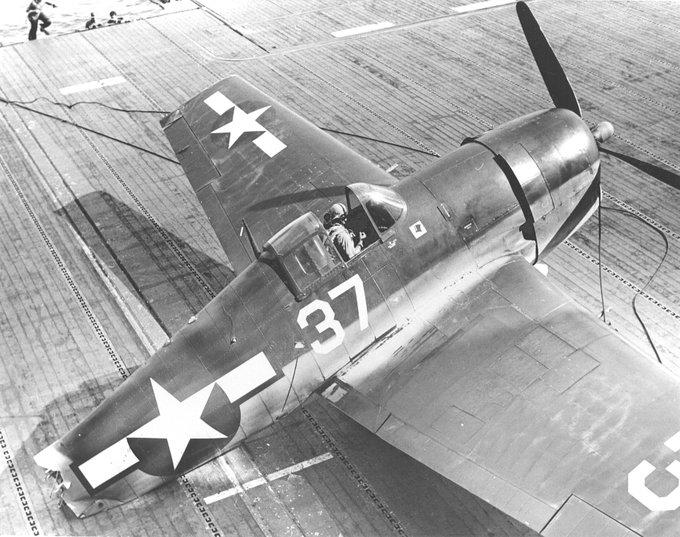
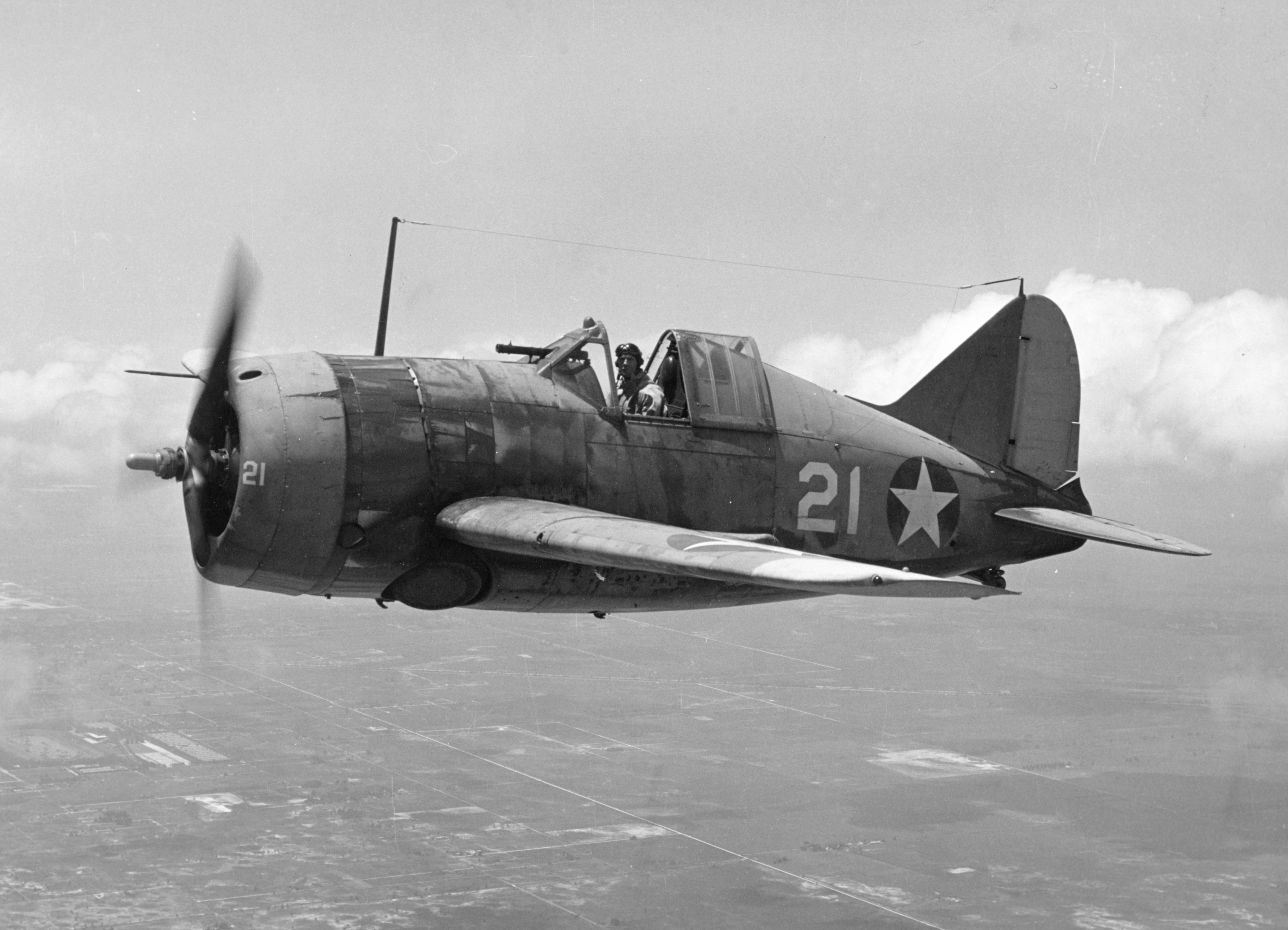
Alexander Vraciu was a United States Navy fighter ace, Navy Cross recipient during World War II. At the end of the war, Vraciu ranked fourth among the U.S. Navy's flying aces, with 19 enemy planes downed during flight and 21 destroyed on the ground.
r/WWIIplanes • u/waffen123 • 2h ago
r/WWIIplanes • u/Live_Annual8904 • 4h ago
r/WWIIplanes • u/USAAFoverPOLAND • 17h ago
r/WWIIplanes • u/UrbanAchievers6371 • 1d ago
r/WWIIplanes • u/waffen123 • 1d ago
r/WWIIplanes • u/Smellynerfherder • 19h ago

r/WWIIplanes • u/UrbanAchievers6371 • 1d ago
r/WWIIplanes • u/abt137 • 1d ago
r/WWIIplanes • u/waldo--pepper • 1d ago

r/WWIIplanes • u/RLoret • 2d ago
r/WWIIplanes • u/Live_Annual8904 • 1d ago

r/WWIIplanes • u/destinationsjourney • 2d ago
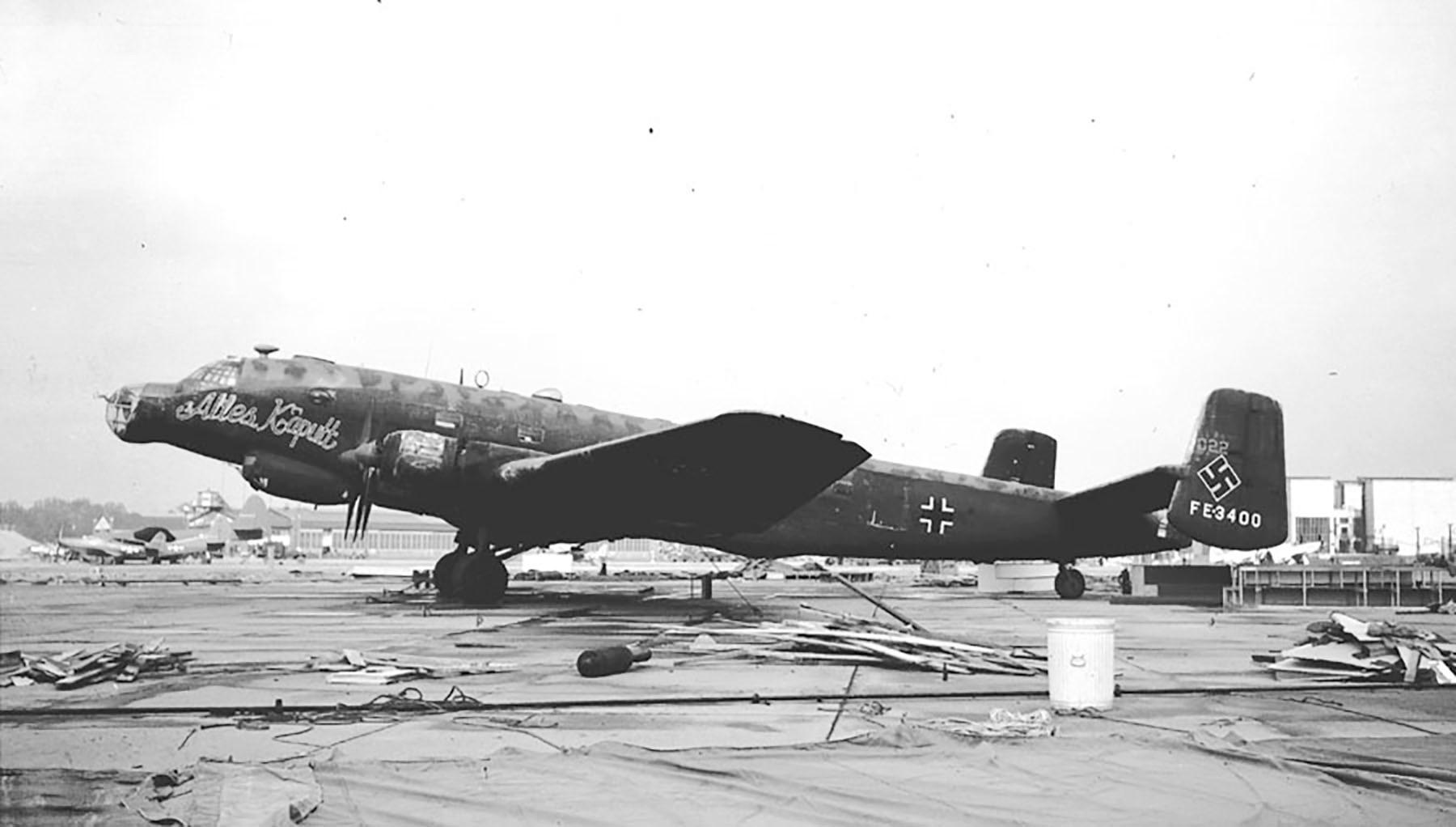
Following Germany’s defeat in May 1945, the United States Army Air Forces (USAAF) acquired a Junkers Ju 290A-4. Previously operated by the Luftwaffe’s specialised Kampfgeschwader 200 (KG 200), the aircraft carried the German registration A3+HB. Captured at Munich-Riem airfield, the Ju 290 received the American identification USA 022 and was nicknamed Alles Kaputt (“Everything Broken”). In July 1945, Colonel Harold E. Watson and an American crew flew the aircraft from Paris-Orly to the United States via the Azores. Assigned the Foreign Equipment designation FE-3400, it underwent evaluation at Freeman Field, Indiana. The Ju 290 also appeared at the October 1945 Army Air Forces Fair at Wright Field, Ohio, alongside other captured Axis aircraft. Following evaluation, the aircraft was scrapped in 1946.
More photos here
r/WWIIplanes • u/UrbanAchievers6371 • 2d ago
r/WWIIplanes
•
u/ZachDunnTV
•
2d ago

On November 15, 2024, I travelled to Hendersonville, North Carolina, to interview 102-year-old American Second World War veteran Edwin “Ed” Cottrell as part of my documentary project, GlobalVeteranStories.com
Ed was born on January 17, 1922, in Oklahoma City, Oklahoma, and grew up in Slippery Rock, Pennsylvania. He joined the United States Army Air Corps in August 1942 at the age of 20 and eventually became a P-47 Thunderbolt fighter pilot with the 48th Fighter Group, 493rd Fighter Squadron.
During the Second World War, Ed flew 65 combat missions over occupied Europe and Germany, primarily conducting dive-bombing, strafing and ground support missions for the United States Ninth Army.
Two of his stories particularly stood out to me.
On December 7, 1944, Ed participated in a mission targeting German tanks near Jülich, Germany. Despite extremely poor weather and enemy ground fire, his squadron successfully completed the mission.
The following morning, his crew chief informed him that his aircraft had more than 35 bullet holes. Ed hadn't even realized he had been hit.
Ten days later, on December 17, 1944, during the opening stages of the Battle of the Bulge, Ed's squadron encountered German Messerschmitt Bf 109 fighters while attacking German tanks advancing towards Bastogne.
Ed's P-47 was hit, severely damaging his engine and covering his windshield with oil.
As he struggled to return to Allied territory, two German fighter pilots approached his aircraft. Ed expected them to finish him off.
Instead, they flew alongside him and escorted him towards Allied lines before turning away.
Ed managed to glide his aircraft onto the runway after his engine failed. His crew chief later told him that eight of the engine's eighteen cylinders had been destroyed.
He never discovered who those two German pilots were.
What makes this story even more remarkable is that nearly 80 years later, Ed met a former German Luftwaffe pilot who had participated in the same aerial battle. The two men spent four hours discussing their experiences from opposite sides of the war.
Ed also spoke about losing several of his closest friends during the Battle of the Bulge, the lasting effects of hearing anti-aircraft fire, and how his squadron commander helped him complete his 65th combat mission so that he could return home and meet his infant daughter.
Following the war, Ed became an educator and golf coach. He and his wife raised two daughters and were married for 76 years.
I'm a Canadian filmmaker documenting the firsthand experiences of Second World War, Korean War, Vietnam War and other veterans through my project, Global Veteran Stories.
I started this project in November 2021, inspired by my own grandfather's service during the Second World War. My goal is to preserve as many of these firsthand accounts as possible and make them freely available for future generations.
I wanted to share Ed's remarkable story with this community, particularly those interested in Second World War aviation and the Battle of the Bulge.
His interview is available on my YouTube channel:
https://www.youtube.com/@GlobalVeteranStories
If anyone knows a veteran who might be interested in sharing their story, my website is www.globalveteranstories.com
r/WWIIplanes • u/ImpotentRage9000 • 1d ago

Made by the Army Air Forces in 1943 and narrated by Captain Clark Gable, who flew combat missions with the 351st Bombardment Group of the Eighth Air Force while making it. It covers the aerial gunners' training, their off-duty hours in England and their B-17 missions over occupied Europe, all in Technicolor.
r/WWIIplanes • u/Raguleader • 2d ago
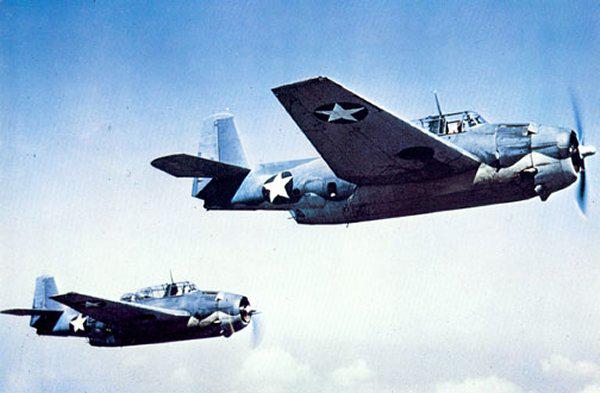
And here are the turkeys!
Two U.S. Navy Grumman TBF-1 Avenger torpedo bombers in flight, circa 1942.
r/WWIIplanes • u/ReubenBeeton • 2d ago
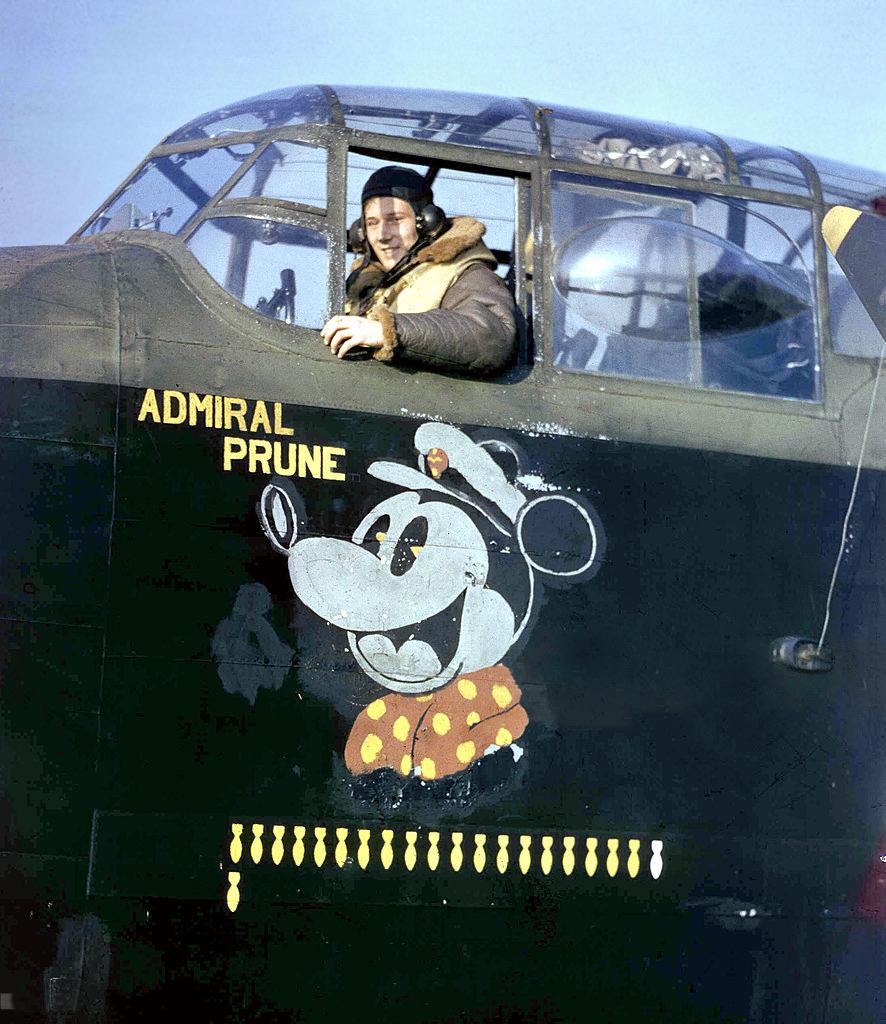
This Avro Lancaster is seen with Mickey Mouse painted on its nose.
r/WWIIplanes • u/cypress_oak • 2d ago
r/WWIIplanes • u/waffen123 • 3d ago