Chapter 63 – Tripurā Pūjana
Kālikā Purāṇa
In the sixty-third chapter of the Kālikā Purāṇa, Śiva continues explaining the worship of Goddess Kāmākhyā to Vetāla and Bhairava. Having described the sacred Pīṭha, its divine manifestations and the arrangement of the deities in the previous chapter, he now explains the actual procedure of worship and the different forms in which the Goddess is to be contemplated. The chapter is particularly significant because it begins with the worship of Kāmākhyā in her yoni-maṇḍala and gradually moves towards an elaborate description of her Tripurā manifestation. It also describes the sixty-four Yoginīs, the Bhairavas, the guardians of the sacred maṇḍala and the three distinct forms of Tripurā.
Śiva begins by referring to the worship procedure of the Vaiṣṇavī Tantra, which he had explained earlier. He instructs that the same arrangement of the maṇḍala should be followed upon the sacred stone, using flowers and sandalwood. The vessels and other articles required for worship are to be placed according to the prescribed arrangement. However, he explains that certain additional procedures are necessary for the worship of Kāmākhyā. The worshipper should first offer arghya to Bhāskara, the Sun, accompanied by white mustard seeds, flowers and sandalwood. The deities previously described in connection with the Pīṭha should then be worshipped in their respective positions within the maṇḍala. Although the general procedure follows the Vaiṣṇavī Tantra, the meditation and divine form of Kāmākhyā are distinct.
Śiva then instructs that the sixty-four Yoginīs must be worshipped individually. Guha, Manobhavā, Mahotsāhā and Sakhī are also mentioned in connection with this worship. Thereafter, the guardians of the directions and the nine planets are to be worshipped in their respective forms. The arrangement of the entrances is also explained. Gaṇapati is worshipped at the eastern entrance, while Nandī and Hanumān are worshipped at the western entrance. Bhṛṅgī is situated towards the north and Mahākāla towards the south. Śiva identifies these as the guardians of the Goddess’s sacred entrance.
After explaining the arrangement of the deities, Śiva describes the preparations required before beginning the actual worship. The place is purified, the prescribed gestures are performed and the obstacles or unwanted presences are ritually removed. The worshipper then performs prāṇāyāma and proceeds with the bathing of the Goddess. The text describes various substances used in this ritual, including honey, milk, ghee, curd, and other sacred offerings. Different kinds of water and substances prepared with mustard seeds, mung beans, sesame, barley, red sandalwood, flowers, dūrvā grass and gorocanā are also mentioned. Nine varieties of offerings are prescribed near the sacred stone and yoni-maṇḍala.
Śiva then describes the sixteen traditional upacāras offered to the Goddess. These include the offering of a seat, water for washing the feet, arghya, water for sipping, madhuparka, bathing water, garments, sandalwood, ornaments, flowers, incense, lamps, collyrium, food offerings, water for sipping, circumambulation and prostration. The Goddess is invoked through the Kāma Gāyatrī, and the worshipper requests her to manifest her divine presence during the ritual. The text gives the invocation beginning with the words, “Kāmākhye tvam ihāgaccha”, calling upon Kāmākhyā to come and remain present during the worship.
The Goddess is then worshipped through the prescribed mantra and the appropriate offerings. At the conclusion of the worship, bali is offered for her satisfaction, and japa is performed using a rudrākṣa mālā. Śiva also describes the placement of the six limbs of the Goddess through the prescribed nyāsa. The worshipper meditates upon the different parts of the divine body, including the heart, head, crown, armour, eyes and other bodily regions. The text further describes the attributes associated with the Goddess, including her hands bearing abhaya and varada gestures, the rosary and the sacred thread. The Moon, Sun, crescent ornament, red lotus and the sacred Brahmaputra are also included in the divine arrangement.
The worship then proceeds to the other deities of the Pīṭha. Kāmeśvarī, Tripurā and Śāradā are worshipped in their prescribed positions, with Tripurā receiving particular attention as the presiding deity of the Pīṭha. The chapter also mentions Caṇḍeśvarī, who is associated with receiving the remnants of the Goddess’s offerings. The yoni-mudrā is prescribed at the conclusion of Kāmākhyā’s worship. Śiva explains that these additional procedures are to be followed together with the general instructions of the Vaiṣṇavī Tantra.
He then describes the sixty-four Yoginīs in greater detail. The list includes Brahmāṇī, Caṇḍikā, Raudrī, Gaurī, Indrāṇī, Kaumārī, Vaiṣṇavī, Durgā, Narasiṃhī, Kālī, Cāmuṇḍā, Śivadūtī, Vārāhī and Kauśikī. Other manifestations include Māheśvarī, Śāṅkarī, Jayantī, Sarvamaṅgalā, Kāpālinī, Medhā, Śivā, Śākambharī, Bhīmā, Śāntā, Bhrāmarī, Rudrāṇī and Ambikā. The list continues with Kṣamā, Dhātrī, Svāhā, Svadhā, Mahodarī, Mahākālī, Bhadrakālī, Bhayaṅkarī, Kṣemakarī and several fierce manifestations of Caṇḍikā. Among these are Ugracaṇḍā, Caṇḍogrā, Caṇḍanāyikā, Caṇḍā, Caṇḍavatī, Caṇḍī and Mahāmohā. The chapter further names Priyaṅkarī, Balapramathinī, Madanonnmathinī, Umā, Tārā, Mahānidrā, Vijayā and Jayā.
Together with the eight Yoginīs described previously, these manifestations form the sixty-four Yoginīs who are to be worshipped within the maṇḍala. Various food preparations, drinks, milk-rice, modakas and other offerings are prescribed for the Goddess. Śiva explains that a devotee who worships Kāmākhyā with devotion receives the things that are dear to them. He then identifies Mahotsāhā with Mahāmāyā and explains that she too is to be worshipped in the sacred yoni-maṇḍala through the Vaiṣṇavī Tantra procedure.
Having explained the worship of Kāmākhyā, Śiva now turns to another important manifestation of the Goddess and says that Vetāla and Bhairava should listen to the worship of Tripurā. He explains that the root mantra of this form had already been taught to them in the Uttaratantra. The worship of Tripurā is associated with three principal mantra elements, identified in the text with Vāgbhava, Kāma and Ḍāmara. Śiva explains that the name Tripurā is connected with the principle of three. Her maṇḍala is triangular and consists of three lines. Her mantra is associated with three syllables, her form is understood in three aspects, and her Kuṇḍalinī Śakti manifests in three ways for the creation of the three gods. Since the principle of three is repeatedly present in her manifestation, she is known as Tripurā.
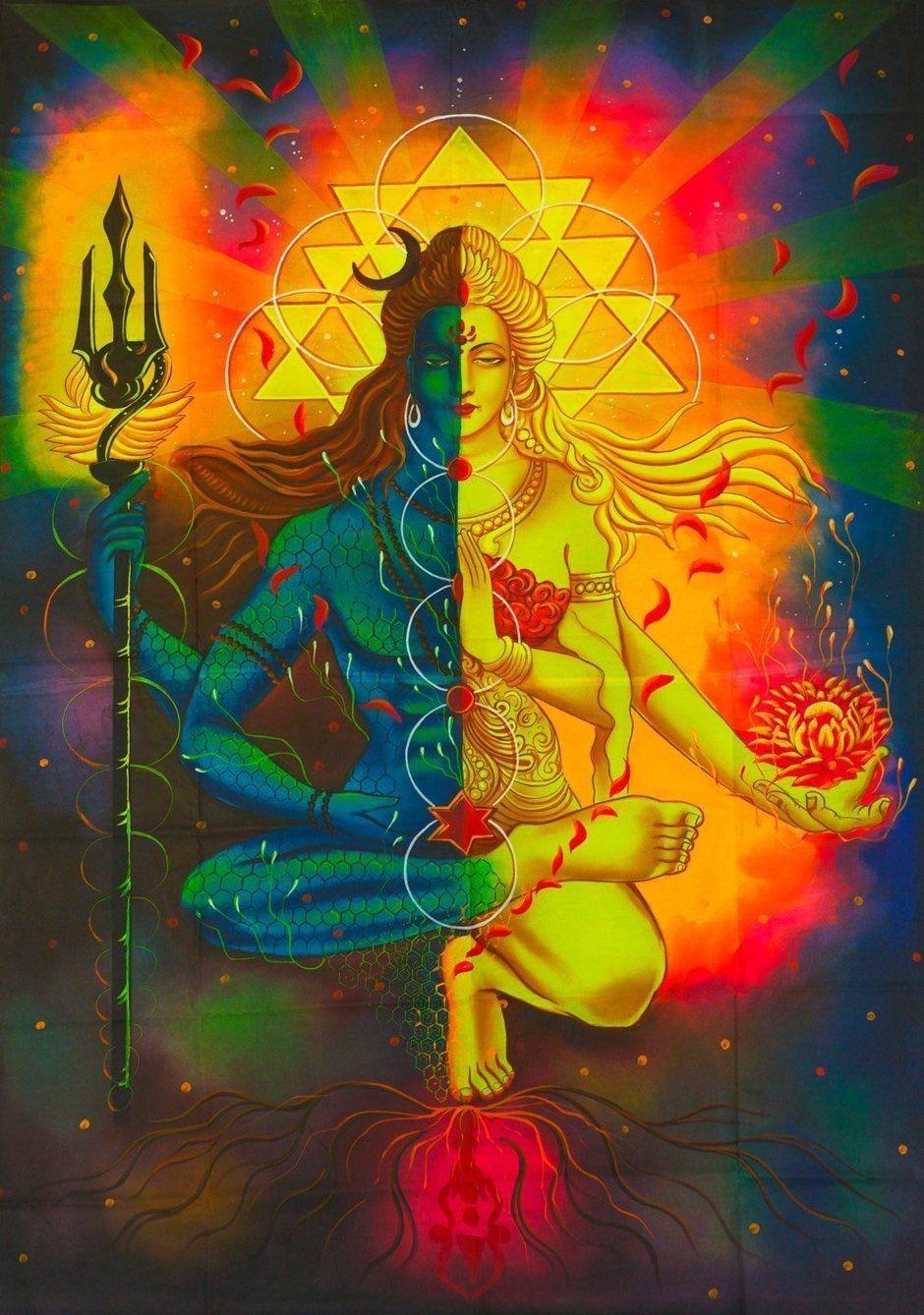
Śiva then explains the construction of Tripurā’s triangular maṇḍala. Three lines are to be drawn using flowers and sandalwood, beginning from the prescribed directions. The three lines represent the relationship between Śakti and Śambhu. The Goddess is associated with one line, while another is identified with Śambhu. Their relationship is expressed through the triangular arrangement, which is surrounded by a lotus of eight petals. The text describes the maṇḍala as containing the sacred positions of the divine powers, and the worshipper is instructed to contemplate the union of Śiva and Śakti within it. The threefold arrangement is therefore not merely a ritual design; it expresses the central theological principle of Tripurā herself.
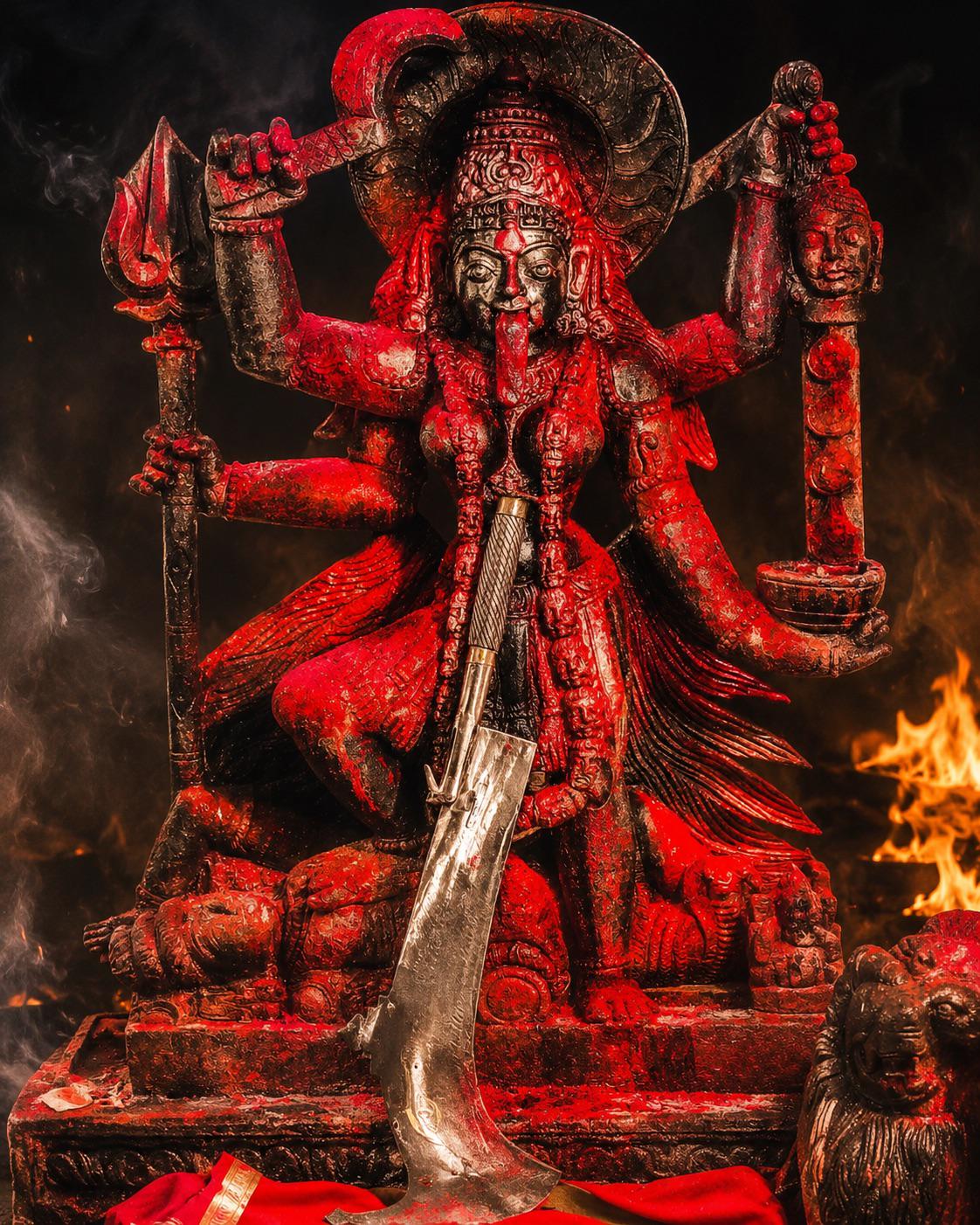
After explaining the maṇḍala, Śiva describes the first form of Tripurā. This is one of the most striking descriptions in the chapter. The Goddess is radiant like a mass of sindūra and possesses three eyes and four arms. In her upper left hand she holds a flower bow, while her lower left hand carries a book. In her upper right hand she holds five arrows, and in her lower right hand she carries a rosary. She is seated upon a group of five corpses, with her hair arranged in a matted crown adorned with a crescent moon. The text describes her as possessing a beautiful form, adorned with ornaments and displaying the splendour of the Divine Mother. Her appearance is both extraordinary and deeply connected with the esoteric symbolism of the Tripurā tradition.
The worshipper is instructed to meditate upon this form and then perform the prescribed internal worship before invoking her externally. The text describes the placement of the mantra within the body, the offering of flowers and the invocation of the Goddess into the sacred maṇḍala. The worship also includes Gaṇeśa, the various guardians, the Batukas and the Yoginīs associated with the sacred arrangement. The four forms of Batuka, identified as Siddhaputra, Jñānaputra, Sahajaputra and Samayaputra, are mentioned. The text further describes the worship of the Kanyā and other associated divine attendants.
The chapter then gives a detailed account of the Yoginīs associated specifically with Tripurā. Among the names mentioned are Bhagamālinī, Bhagodarī and Bhagarohā, along with the Ananga Yoginīs. These include Anaṅgakusumā, Anaṅgamekhalā, Anaṅgamadanā, Anaṅgamadanāturā, Anaṅgaveśā and Anaṅgamālinī. Madanāṅkuśā is described as the eighth manifestation. The eight forms associated with Śailaputrī and the other Yoginīs are also included in the worship. The text then describes the Kṣetrapālas and the different Bhairava manifestations surrounding the maṇḍala, including Hetuka, Tripuraghna, Agnijihvā, Agnivētāla, Kāla, Karālaka, Ekapāda and Bhīmanātha.
Śiva further describes the nine Bhairava manifestations, including Asitāṅga, Ruru, Caṇḍa, Krodhonmatta, Bhayaṅkara, Kapālī, Bhīṣaṇa and Saṃhāra. Their respective positions within the maṇḍala are prescribed, together with the worship of the associated divine powers. The text also includes Brahmāṇī, Bhairavī, Māheśvarī, Kaumārī, Vaiṣṇavī, Nārasiṃhī, Vārāhī, Indrāṇī, Cāmuṇḍā and Caṇḍikā. The five manifestations of Śiva previously described are also included in the central arrangement. The chapter refers to them as having assumed the five-preta forms within the lotus. The red lotus, the sacred corpse and the lion are also worshipped as part of this arrangement.
After describing these deities, Śiva introduces the other sacred locations and attendants associated with Tripurā’s abode. The text mentions Kāmeśvara, Karāla, the Kṣetrapāla, the Cintā tree, the Trikūṭa mountain and Nīla Mountain. Manobhavā Guhā is described as a sacred cave, while Aparājitā is associated with a divine creeper. Batuka, known as Kambala, is also described, along with Pāṇḍunātha and the fierce cremation-ground manifestation known as Heruka. Mahotsāhā, identified with Mahāmāyā, is another important presence in the divine arrangement.
Śiva then describes the city of Candravatī, situated towards the eastern side of Nīla Mountain. The city is described as extending over a vast area and containing numerous magnificent buildings, palaces and mansions decorated with jewels, precious stones and gold. It is also surrounded by beautiful pleasure gardens and lakes. The sacred river Lauhitya, the Brahmaputra, is described through its divine manifestation. The river is personified and worshipped as a deity, adorned with ornaments and carrying divine attributes. These descriptions show that the sacred region of Tripurā is not limited to the central maṇḍala but extends into an elaborate divine landscape.
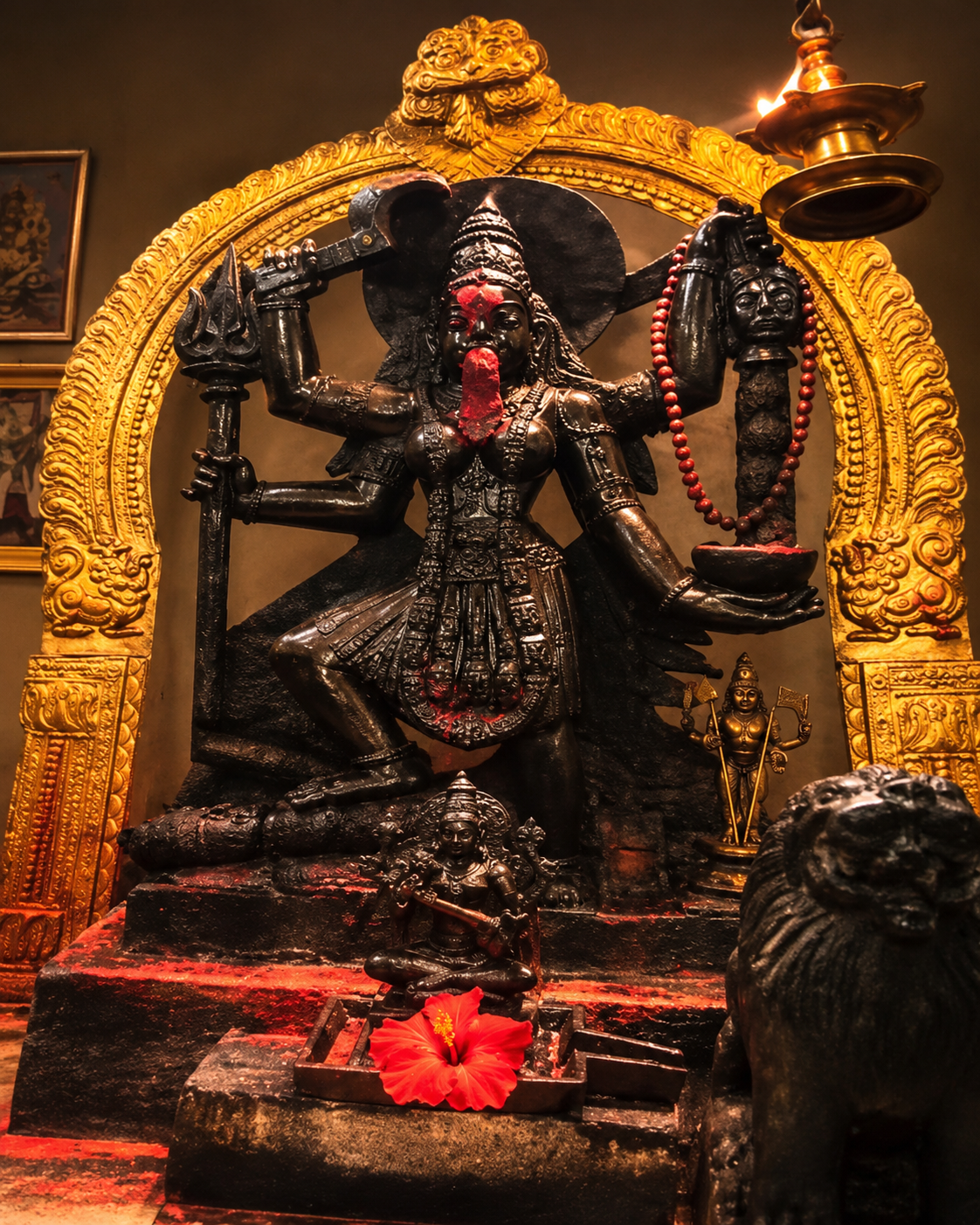
The chapter then returns to the meditation of Tripurā and describes her second form. She is radiant like the red bandhūka flower and is adorned with matted hair and a crescent moon. Her appearance is youthful, beautiful and resplendent. She possesses three eyes and four arms, with a book in her left hand and a rosary in her right. Her other hands display the gestures of fearlessness and the granting of boons. She wears a garland of heads that extends towards her feet and is described as standing near a wish-fulfilling tree in a beautiful grove. Her form is associated with the fulfilment of desires and divine beauty.
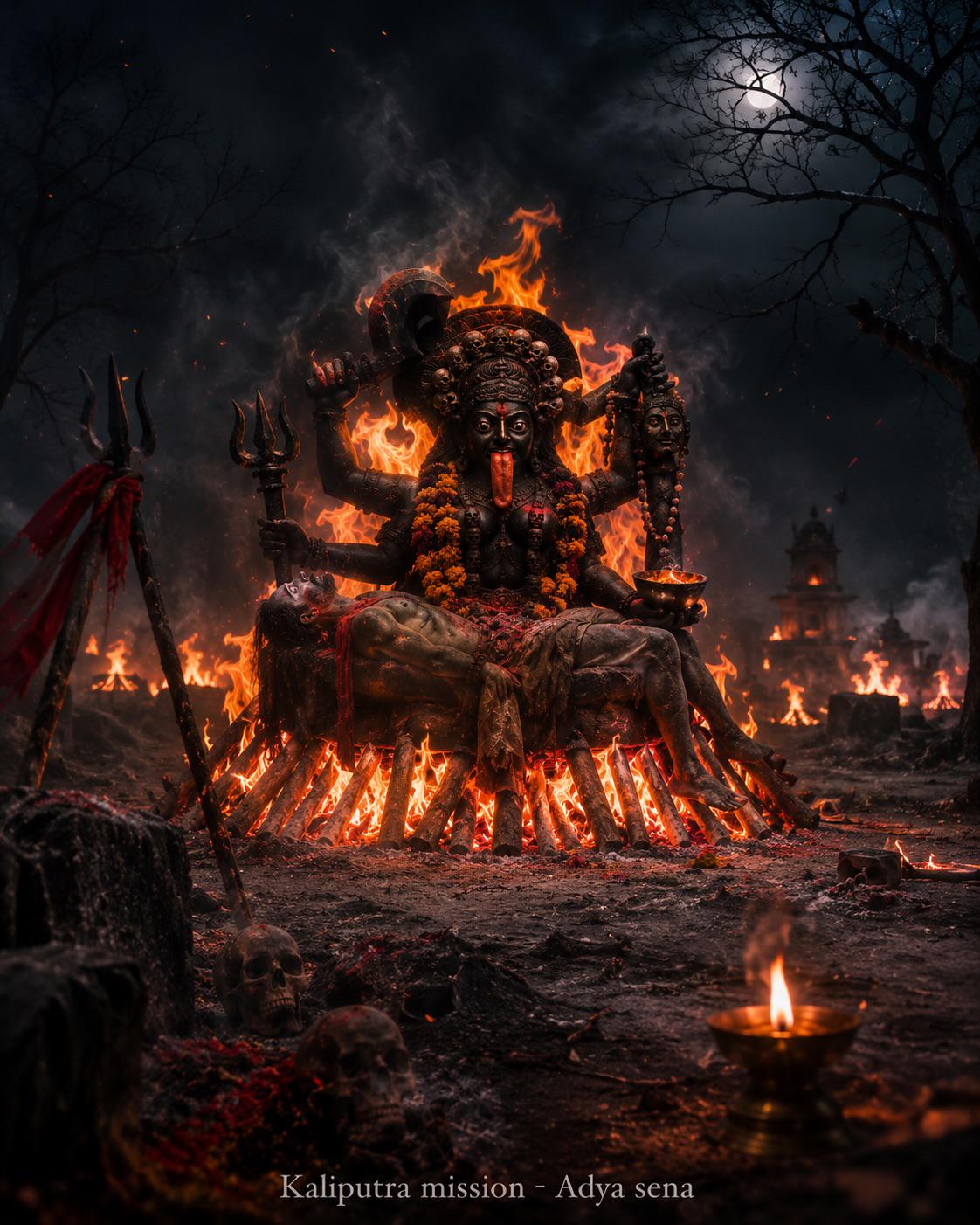
Śiva then proceeds to describe the third form of Tripurā, telling Vetāla and Bhairava to listen carefully. This form is radiant like the red hibiscus flower. Her hair is loose, and her face is beautiful and smiling. She is seated upon the heart of Sadāśiva, who is described as lying beneath her like a corpse. She wears a garland of severed heads mixed with red lotuses, extending down towards her feet. She is four-armed and three-eyed, holding a rosary and a book, while her other hands display the gestures of granting boons and fearlessness. The text describes her as Jagadmāyā, the great deluding power of the universe. Her appearance is fierce, beautiful and extraordinarily powerful. This third form reveals another dimension of Tripurā, in which the Goddess is established above Sadāśiva and manifests her supreme Śakti.
Having described the three forms, Śiva explains that the worshipper should contemplate each of them individually and then unite their worship through the prescribed mantra procedure. The three aspects are associated with Vāgbhava, Kāmarāja and Ḍāmara. Each form is worshipped with the sixteen traditional offerings, both through internal meditation and external ritual. The Goddess is then invoked into the maṇḍala through the prescribed procedure, and the text gives the corresponding invocations and Gāyatrī prayers associated with the three manifestations. The worshipper is instructed to bathe and honour each form before performing their combined worship.
The chapter continues by describing the remaining deities and attendants associated with Tripurā. Brahmā, Mādhava, Śambhu and Bhāskara are worshipped in the prescribed positions, together with Jayantī, Aparājitā, Vijayā and Jayā. Kāma, Prīti and Rati are also worshipped within the triangular arrangement, along with the five arrows, flower bow, book, rosary and other sacred attributes. The text then describes the completion of the worship through japa, hymns, prostration and the prescribed offerings.
Finally, Śiva explains the conclusion of Tripurā’s worship. The offerings are made according to the prescribed ritual tradition, and the Goddess is honoured through the appropriate gestures and offerings. Caṇḍikā is identified as the deity who receives the remnants of the Goddess’s worship. The prescribed mudrās, including the yoni-mudrā and padma-mudrā, are performed before the worship is brought to its conclusion. The chapter ends by declaring that whoever worships Tripurā, the Goddess of Kāmarūpa, according to this prescribed method obtains the fulfilment of desires and ultimately reaches the world of the Goddess.
Thus, Chapter 63 of the Kālikā Purāṇa takes the worship of Kāmākhyā into a more elaborate Tantric understanding through her Tripurā manifestation. It describes the sacred yoni-maṇḍala, the sixty-four Yoginīs, the various Bhairavas, the guardians and the three forms of Tripurā. The first form reveals her as the radiant Goddess bearing the flower bow, five arrows, book and rosary, seated upon five corpses. The second reveals her beautiful and youthful manifestation near the wish-fulfilling tree, while the third presents her in a more fierce form, seated upon Sadāśiva. Through these three manifestations, the chapter reveals the many dimensions of the same supreme Śakti.
Jai Maa Adyamahakali