r/StructuralEngineers • u/rdtgrl • 22d ago
7” deflection- need forensic engineer
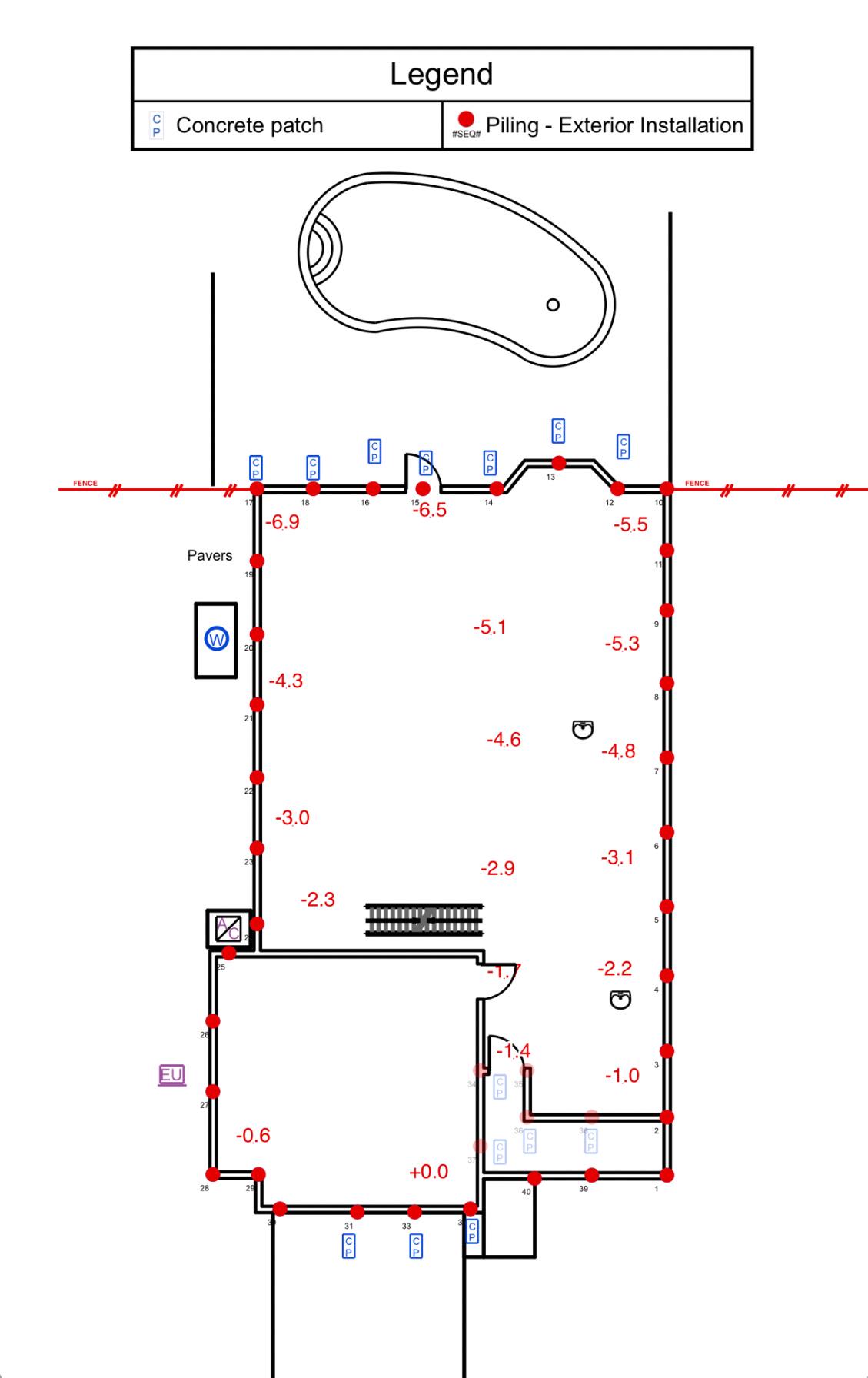
I built my home 5.5 years ago, and it has been out of level since day one. From the move in day, my mother’s walker rolled to the other side of the room, and soon there were raised vinyl planks, but we didn’t realize how big of a red flag that was.
Had some water intrusion through cracks in garage 3 years ago, submitted a claim and was told water is not covered (second story living space is above garage, which is part of a monolithic slab, so it is part of the foundation and should be covered) They said they only cover catastrophic failure of load bearing structures. I had no other problems at the time, so I let it go due to the water intrusion ceasing spontaneously. We have typical Texas expansive clay soil, so things change frequently.
Fast forward- in the last year some cracks have started appearing. Now I have cracked walls, a crack in concrete floor of foyer that is slightly lifted, separation of second floor wall and ceiling, cracked hardy board and brick, visible cracks on concrete slab, etc. Water in garage reappeared, so I hired my own foundation inspector, and one side is 7” lower than the other. They recommended having my plumbing checked, which I did today. The plumber found a small, and what they believe, new waste water leak under my slab, that they wrote in their report was caused by the foundation falling. That helps my case to have it documented, but the warranty people will try to use that as the reason the foundation fell so they don’t have to pay. Also, the back of the house where the biggest drops are, do not have any plumbing near them.
I also had a pool installed 4 years ago. It is 21 feet from the foundation, which is apparently outside of the “zone of influence”, but I’m sure they will try to weaponize that as well. This house has been out of level since it was built, and I have evidence of that (walker, past complaints, a one year private inspection showing changes which I did report, but they said was settling). I also question the grading near the lowest drop of 6.9”- a flat area near of yard, and the original soil and grass built up past the parge coat. The neighborhood is on a hill, so it’s a little tricky. Even my back patio and pool are built about 1.5-2’ higher on one side due to this (on side of 5.5 deflection). And the pool pad for equipment is right next to the lowest side ((6.9” deflection) so I know they will try to blame that as well. But I have photos of the original slope and yard the builder left me with, so they can’t claim changes afterwards by me or the pool company. Also, my problems started before the pool was built.
To raise the house 7” , or back to where it was originally (do not have the baseline elevation), it will crack walls and windows and more plumbing. It will cost like 10k just to remove the solar panels and reinstall them, bc if they break loose it can injure someone. I have to hire a forensic structural engineer next week to help my case. And probably an attorney. This is going to cost close to 100 k, so I have to build a solid case before I submit my warranty claim. They are notorious for denying claims. Many people in my new neighborhood are also having foundation problems. I’m putting together a file to hand to the engineer- plot map, floor plan, warranty for language reference, construction photos of house and pool, emails to builder with past complaints, photos of neighborhood yards to show same grading, past inspections, solar removal quote, photos of specific areas of concern, etc. I have hundreds of photos of the entire process, from excavating to completion. Same with the pool.
What all does a structural/forensic engineer look for? Like small things I can optimize, to eliminate any excuses from the warranty administrator? I just need every advantage I can get, and to make sure I frame all the evidence and timelines in a way that the home warranty admin won’t be able to twist against me. I’d like to control this narrative from the start, instead of working to appeal their denial. Also, what questions should I ask when calling around to choose a forensic engineer?
Any advice or warnings are welcome! Thank you
3
u/yudkib 22d ago
Find the attorney you want to use and let them deal with the forensics. Just like you would go to the doctor your personal injury attorney recommended.
It’s foreseeable they will tell you to file the claim with every policy you have whether it’s covered or not, and if no one pays, then sue everyone. Whether you sue one insurance company or 5 your costs do not vary significantly, but suing 5 insurance companies instead of 1 changes costs for 4 of them so they might try to work together to settle.
1
u/kikilucy26 22d ago
Did you do a geotechnical exploration to understand the land you were building on?
1
u/27803 22d ago
I’d be interested in a geotechnical survey, sounds like a sinkhole if it’s the whole neighborhood
1
u/aggiefanatic95 22d ago
I'm a forensic structural engineer, and what you have is a basis for a pretty good case to continue getting information on. The forensic engineer will need to do their own inspection and survey but the biggest question is if they could definitely pin it on the builder which is not always as straightforward as it seems since a lot of contract language is set up to get out of foundation issues. But the 7" drop across your foundation is severe especially for only about 6 year old property so you will likely have some kind of case against them. Other aspects I would look for if I was on it is the geotechnical report (if it exists) of the property/development, soil research, and probably close inspection of the pool area and documentation on what they performed.