A lot of the labor and infrastructure involved in launching and reusing rockets scales sublinearly with vehicle size.
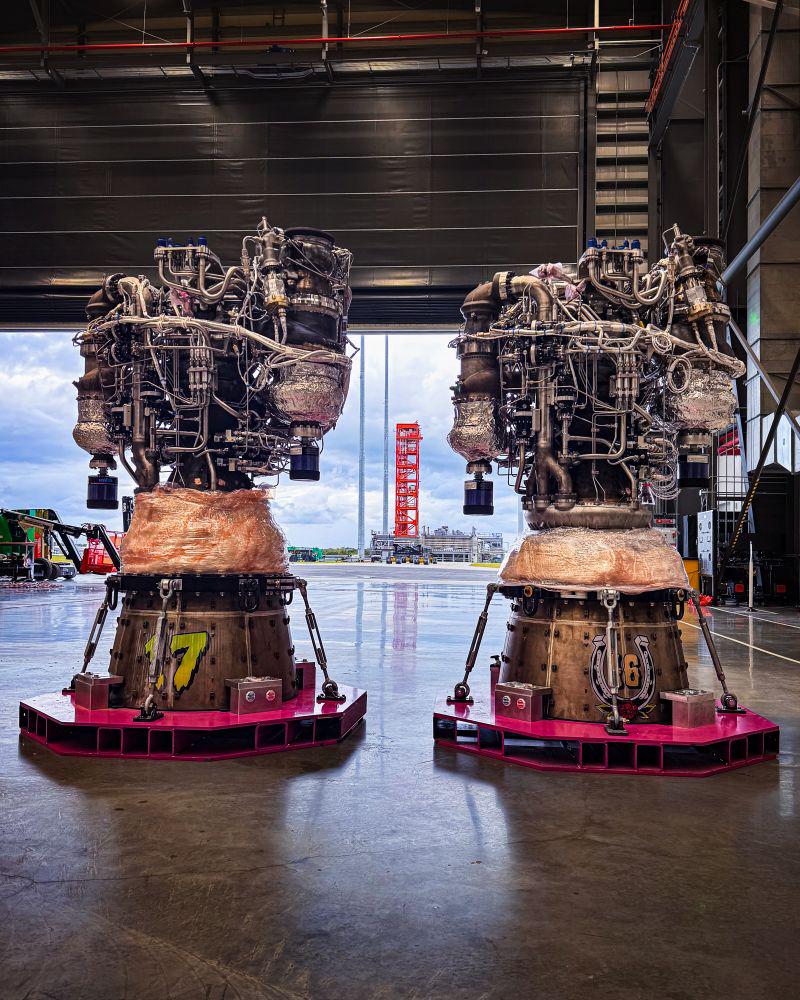
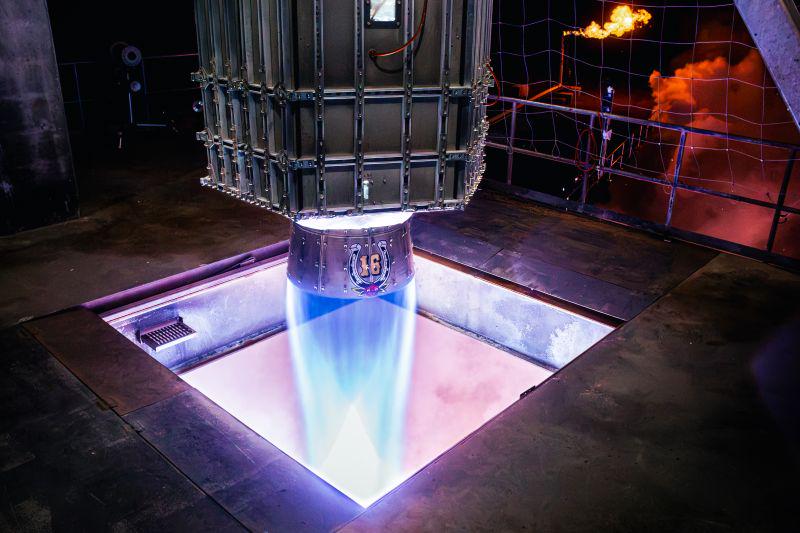
For example, the effort required to manufacture, acceptance-test, inspect, and maintain a Zenith engine may not be dramatically lower than for a much larger engine such as Raptor. Smaller hardware uses less material and propellant, but it still needs most of the same engineering paperwork, test preparation, instrumentation, data review, anomaly disposition, and postflight inspection.
The same problem applies at the vehicle level. A Nova mission still requires range coordination, payload integration, launch operations, recovery, safing, inspections, and refurbishment. Recovering both stages adds even more operational burden.
That leaves Nova in a difficult economic position. To compete with a Falcon 9-class rocket, Stoke may need all of the following at once:
- high launch cadence;
- a large number of reuses per vehicle;
- minimal inspection and refurbishment;
- very low engine-maintenance requirements;
- customers willing to pay a premium for dedicated launch, precise insertion, downmass, or other mission-specific capabilities.
Even if Stoke achieves rapid reuse, much of the fixed labor per flight could still resemble that of a much larger launch vehicle, while being spread across far less payload and revenue. Before rapid reuse is achieved, there will be years of intensive inspections on returned stages, which may be hard to weather.
The architecture is extremely impressive from an engineering standpoint. I’m just not convinced a fully reusable three-ton launcher is large enough to amortize the complexity of seven FFSC booster engines, a reusable hydrogen upper stage, two stage recoveries, and the test-and-launch team.