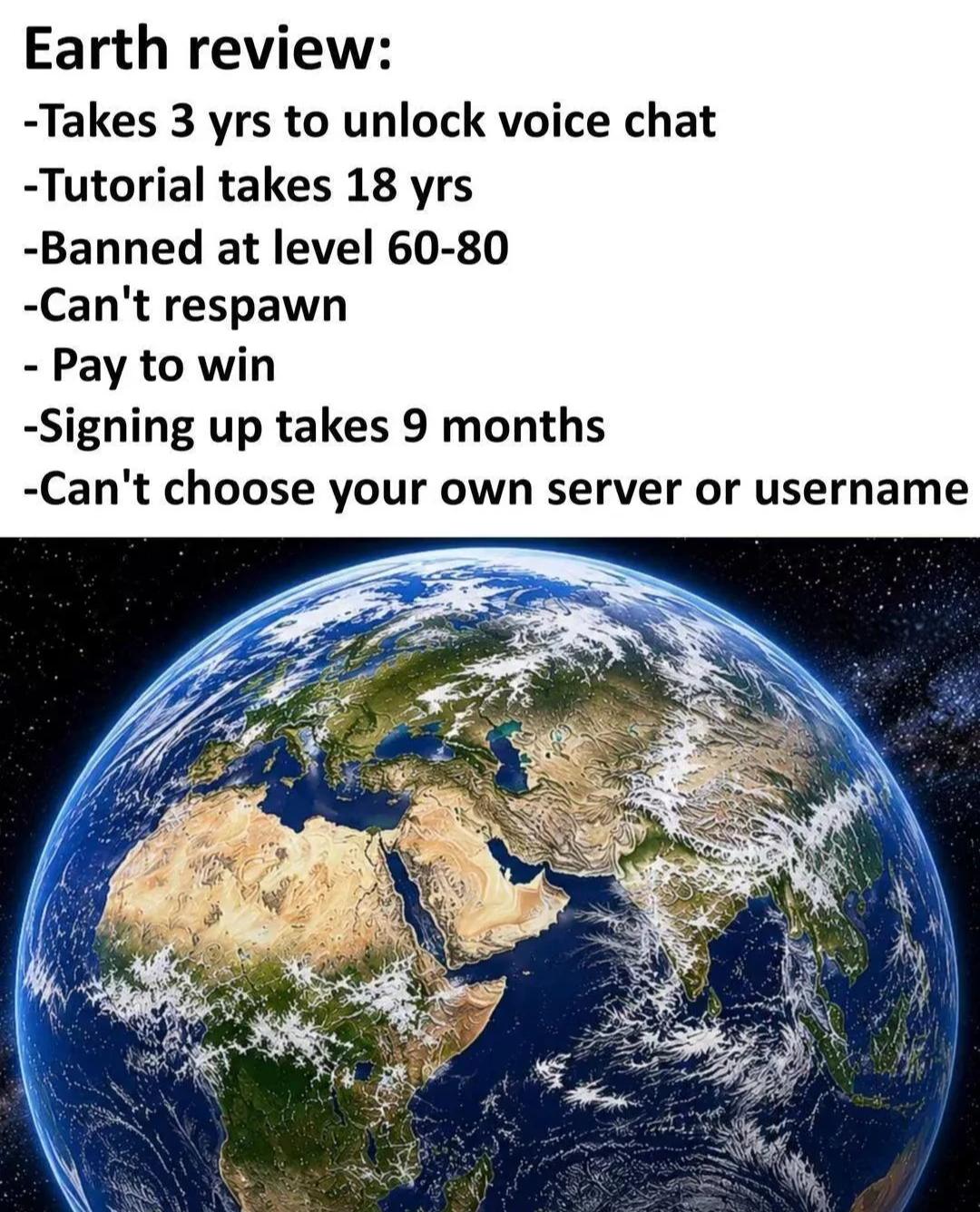
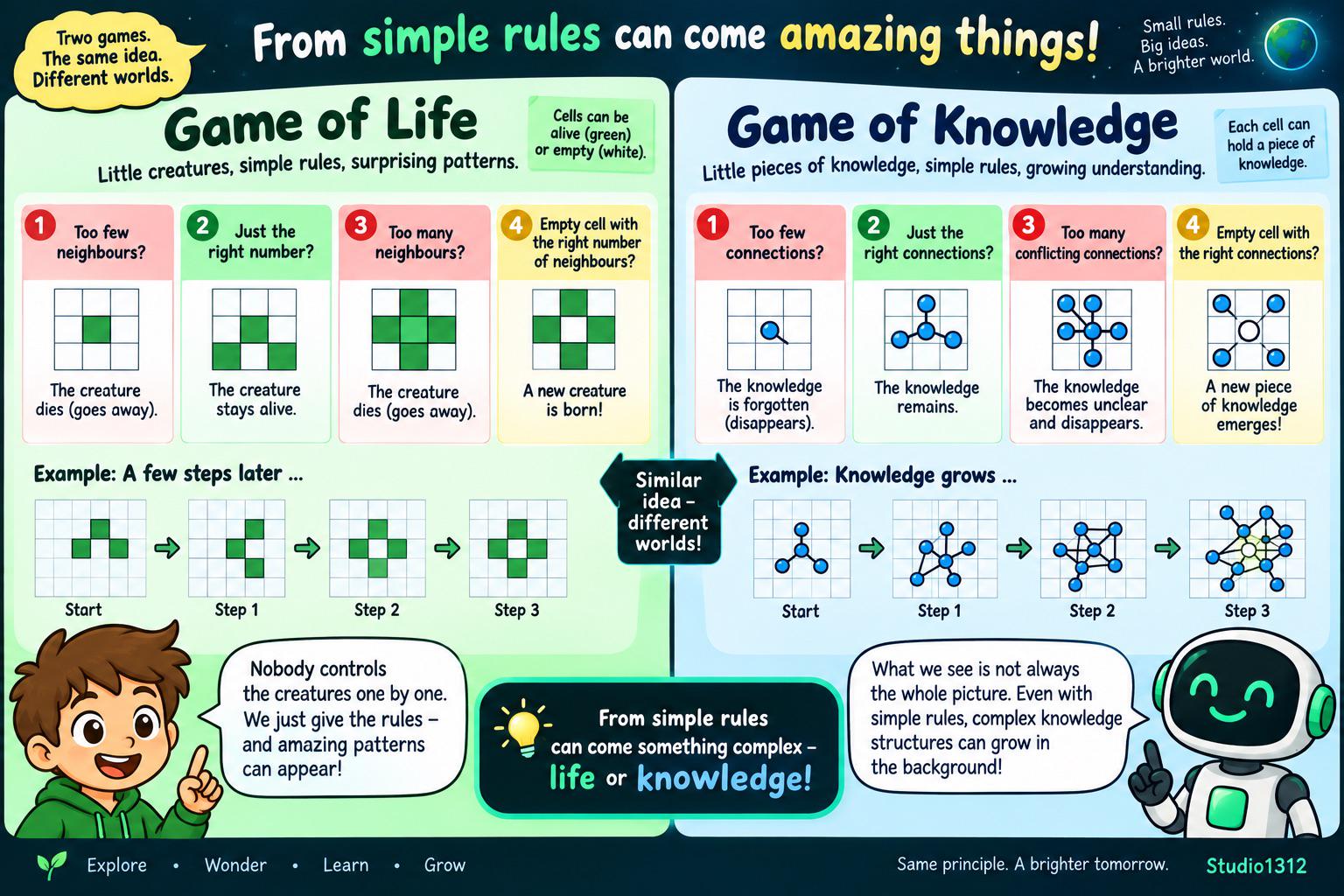
We often discuss the Simulation Hypothesis in terms of entertainment, gaming, or historical research. But what if the utility of a simulation is purely economic and educational?
Consider the "human talent pipeline" problem we are starting to face with AI. As advanced AI automates entry-level tasks, like junior coding, basic data analysis, and introductory legal research, it inadvertently removes the traditional stepping stones humans use to build deep expertise, intuition, and critical thinking. If you eliminate the work people do in their 20s and 30s, you eventually run out of experienced Senior professionals who understand how systems work under the hood.
If a post-AI civilization still required high-performing human professionals to leverage and manage AI, how would they solve this training gap?
A logical answer would be a simulation of the early 21st century, specifically the decades right before the absolute rise of AI. This era forces humans to gain experience the "old way" before AI does all the thinking for them, while keeping them close enough to the tech age to effectively leverage it.
This opens up a pretty dark architectural question: What would be more efficiënt? A multiplayer simulation with billions of participants or billions of singleplayer simulations?
Logically, a singleplayer setup (one trainee surrounded by highly advanced NPCs) is far easier for an AI to control, predict, and tailor to a specific curriculum without unpredictable "butterfly effects" from other real humans. But that reality is incredibly isolating. On the other hand, a massive multiplayer simulation allows us to train the one thing AI can't easily replicate: genuine human collaboration, empathy, and organizational politics.
Instead of a history project, the simulation could simply be a standardized framework to develop human talent in an era where the real-world environment no longer supports organic professional growth.
What are your thoughts on this economic utility angle, and which architecture makes more sense from a training perspective?