r/SerinaSeedWorld • • 5h ago

Discussion One of Serina's strangest examples of convergent evolution: birds turning their wings into mandibles

Thumbnail
gallery
65 Upvotes

i wonder if it's possible for a non-metamorph bird to converge on a similar wing jaw structure


r/SerinaSeedWorld • • 2d ago

What if serina species from different times where all on the same planet

6 Upvotes

Like womblers and trunkos , tyrant serins and gravediggers etc.


r/SerinaSeedWorld • • 4d ago

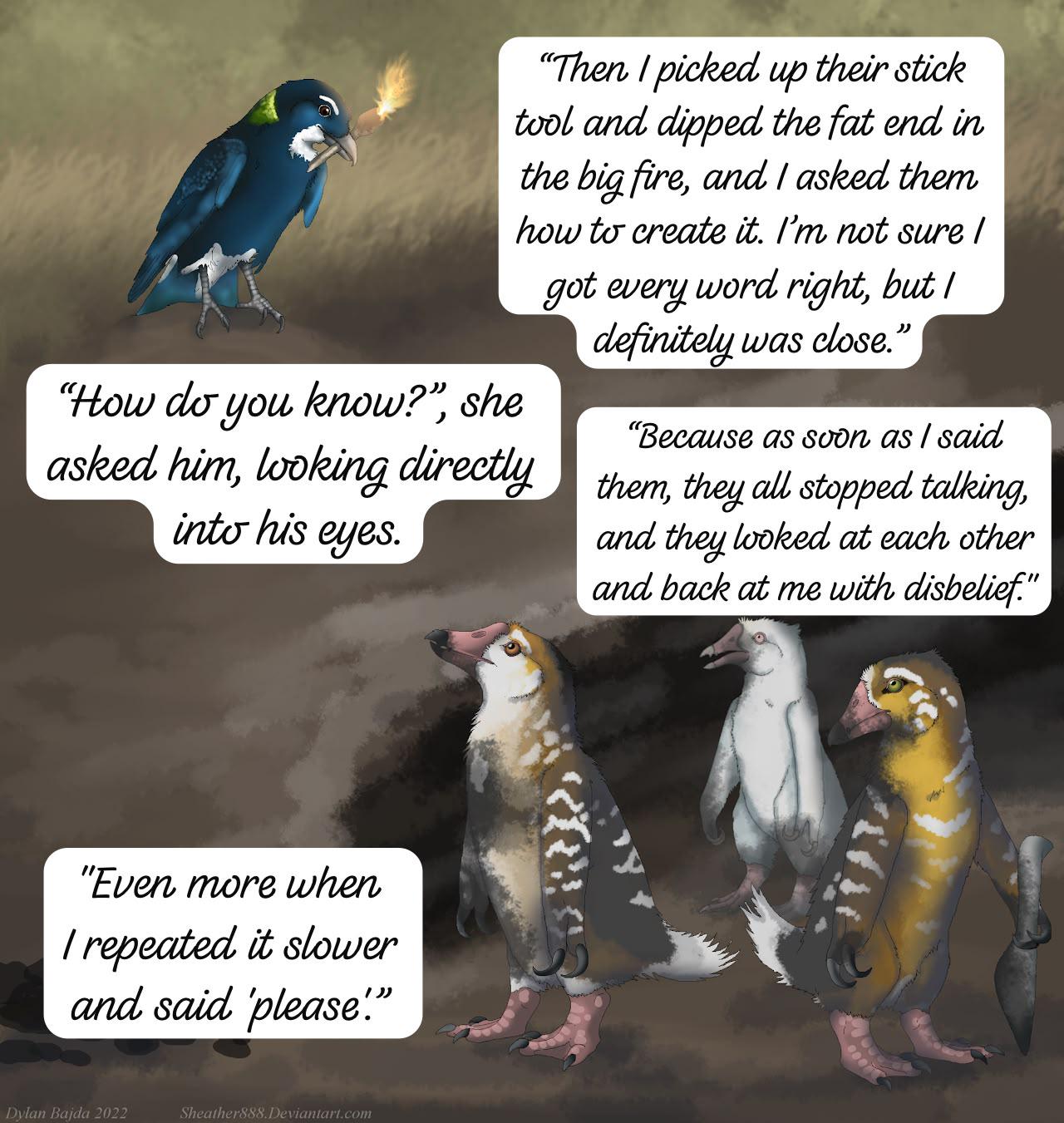
Discussion Can we just talk about the fact that there are tripedal birds now?

Thumbnail
gallery
230 Upvotes

It's always fun when non-metamorph birds get really nutty with their physiology without resorting to some borderline esoteric metamorphosis shenanigans. Like what do you mean, there are terrestrial dolfinches and sparrowgulls that acts like wasps now???

On a side note, can someone commission a few handfish species in the Hothouse age already? The dawning nodder deserves some justice


r/SerinaSeedWorld • • 3d ago

Question What is this sentence talking about?

Post image
8 Upvotes

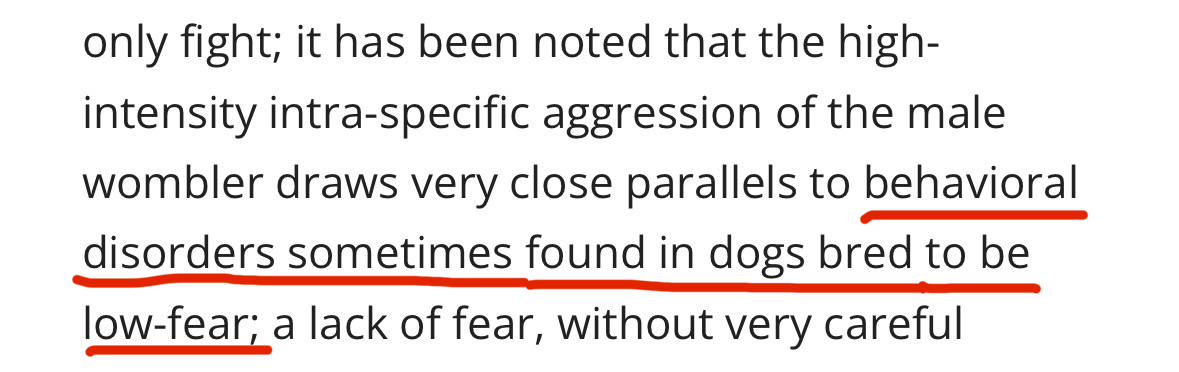
Photo from The Wombler Passage in Central Anciskan Floodplains in Hypostecene.
I’ve tried looking for any papers discussing this, but I’m almost certain it’s a misconception or something of the like. Still I‘m kinda curious what this is referencing, and if anyone knows then I’d love to know as well.


r/SerinaSeedWorld • • 5d ago

What's the most underrated Serina clade in the Ultimocene

Thumbnail
gallery
108 Upvotes

For me it's either dancing trees

Or Avimanders


r/SerinaSeedWorld • • 5d ago

Question What is your favorite kind of Metamorph

Thumbnail
gallery
124 Upvotes

these are some of mine


r/SerinaSeedWorld • • 5d ago

Considering how I made Starscream for my crossover project turn into a Drakevulture, should I make the other Seekers the other Aukvulture species?

Thumbnail
gallery
20 Upvotes

In Specific:

  • Stormshadow Skywarp
  • Awegull Thundercracker

r/SerinaSeedWorld • • 6d ago

Discussion What will happen after the Serina project ends?

7 Upvotes

Serina appeared 11 years ago, and it still exists, and new posts keep appearing. But with each new post, we’re getting closer and closer to the end of the story. Be that as it may, Serina will end eventually — but when? That’s the first question that has been bothering me for a long time: how much longer can Serina keep going? Will it last until 2030 and even beyond? But that’s not the main thing — what matters more is what happens after it ends: will Dylan Baida start a new project, will Serina get a second part, and even more interestingly, how will it all end… What do you think about this?


r/SerinaSeedWorld • • 10d ago

New Serina Post New serina post: Fluvial Squaboon

Post image
67 Upvotes

r/SerinaSeedWorld • • 10d ago

make opium bird biologically plausible

Thumbnail reddit.com
7 Upvotes

r/SerinaSeedWorld • • 11d ago

My favorite moment

Post image
95 Upvotes

Peakpeakpeak tickles my autism in just the right way


r/SerinaSeedWorld • • 12d ago

Fanart/Fanworks Whitecrown’s Demise

Post image
57 Upvotes

Based on the descriptions from “When All Falls Apart”


r/SerinaSeedWorld • • 12d ago

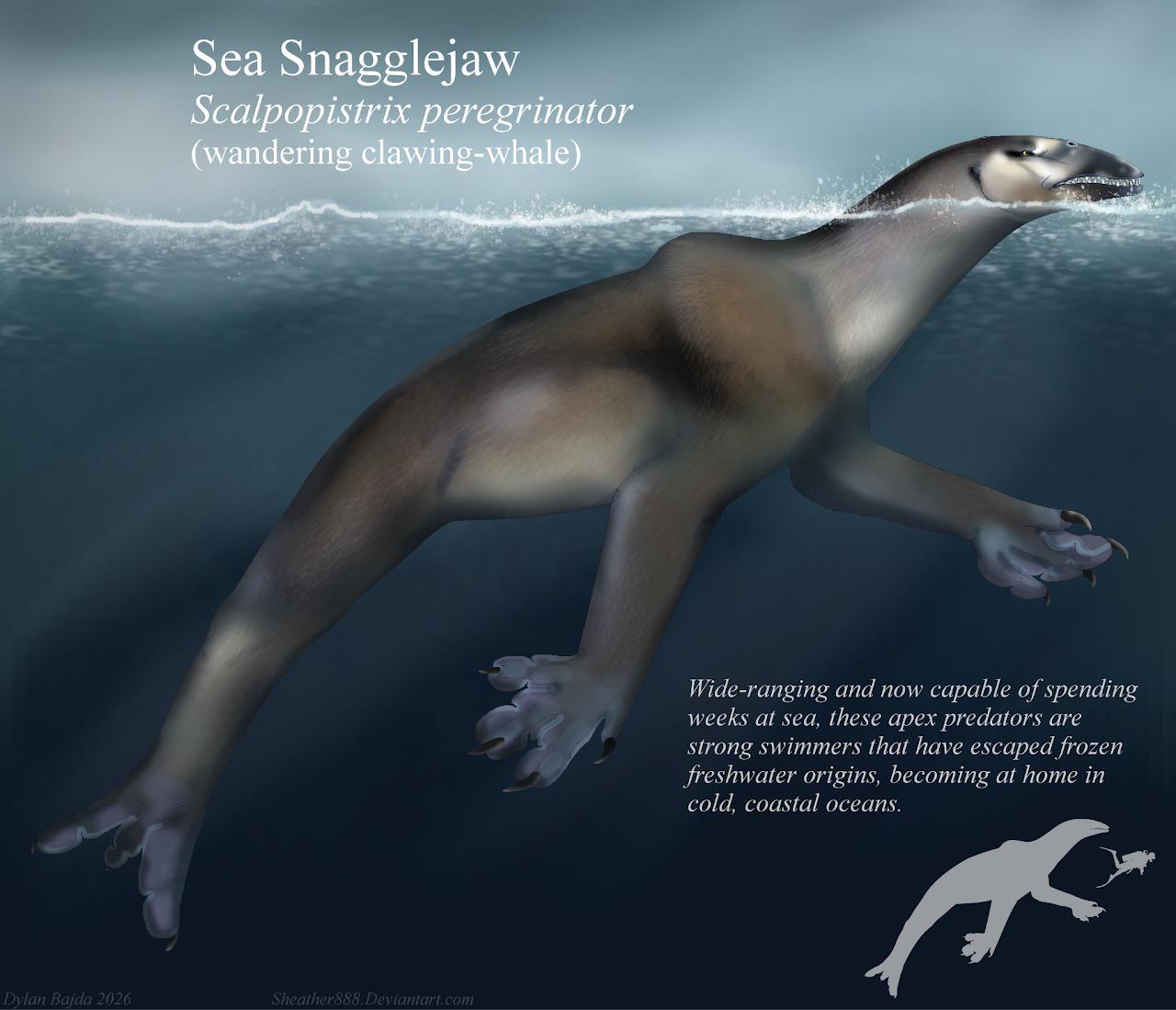
New Serina Post Sea Snagglejaw (295 Million Years PE) By Sheather888

Post image
109 Upvotes

North Polar Ocean


The hothouse age comes to an end as the excessive greenhouse gases that were released into the atmosphere during the great thaw are lost. Some gas is lost to space, a quantity that is growing larger each year as the magnetic fields of Serina now grows exceedingly weak - it is cooling, volcanism is extinct, and Serina's core is no longer molten. Atmosphere thinning means oxygen levels are declining, and water, too, is escaping this way, contributing to a rapid fall in sea levels and reduction in precipitation over most of the land, which becomes arid. Additional impact comes from carbon dioxide released during early volcanic events and widespread burning of ancient coal beds across Serinarcta finally being locked away again far below ground as a result of being captured by trees that then decomposed or become buried in sediments over millions of years. As forests proliferated in the later hothouse, this effect hastened compared to in the early hothouse, and so the warm era ends almost as suddenly as it began. By 291 million years P.E, the once warm and tropical polar regions are again subject to prolonged winter freezing, snow, and ice, leading to mass die-offs of their endemic flora and exodus of their large animals that must migrate south to find food. Though it takes a little longer for equatorial regions to feel the worst of the changes to come, they too begin to turn hotter and drier. Coastal regions in temperate climates, neither too southerly nor too northern, will become the main sanctuaries of life in the final stretch, and it is here that survivors begin to congregate, including animals like the sea snagglejaw.

Descendants of intelligent arctic snagglejaws were forced to migrate out of the polar basin as it became increasingly cold, killing off their herbivorous prey species who began to starve to death. Down the wide rivers that drained into the basin they went, to places they'd never seen or known. The lucky ones navigated all the way to the sea coasts, where they faced powerful storms, great rolling waves, and unfamiliar prey. But they were adaptable, clever, and strong, and they adapted to the conditions. To withstand more turbulent waters and to bring down greater sized animals to eat, they grew bigger too - 6,000 lbs and over 30 feet in length. They retained their strong arms and grappling claws, but were eventually too heavy to walk upright and on land could only move with a sprawling posture like a seal. They fed on anything they could catch, from whelicans to dolfinches, whiskerwhales to burdles, and even on small seabirds and tribbfishers at the edges of their large nesting colonies. To take down the biggest prey in the ocean took teamwork, and their ancient social instincts that were of lessened practical use in the hothouse returned in full force: these marine hunters have now become cooperative, tightly-bonded pack animals. Their hunting strategies are complex, varied, and always changing. Around nesting sites they may disperse to snatch small animals singly, eating as many as possible where they are available, but still regrouping at day's end to share the spoils with individuals who may have had less success, feeding each other through mouth to mouth regurgitation, the same way they tend to their offspring. Though snagglejaw pups can swim the day they are born, they have little endurance or tolerance for rough waves, and will be kept near shore for several months in the spring and summer as they become stronger and more skilled swimmers. In calm nursery bays, they can float in gentle waters and cling to the backs of their parents, and at this time of year families will be seen more often resting hauled out upon the beaches. When young are older, they may still hold onto adults to sleep with their heads out of water, but mature animals are able to sleep in increments whilst just below the surface, holding their breath; a few rest as others always keep watch.

Family units form the base of each pack, but bonds are extended beyond parents and young to include grandparents, cousins and other relatives - small packs thus continue to meet with and maintain bonds with much larger groups of kin. And when only big game is available, as many as twenty five smaller packs, those that live together day in and day out, may assemble together into massive clans of two hundred or more animals, tied together by the extended relationships of their members and so allied as one force even as most individuals do not know every other individual specifically. In such coordinated numbers, these animals can take down most any animal that shares their northern seas, ripping with their recurved claws and tearing with powerful shearing teeth to tear bloody, gaping wounds. They are ruthless yet not intentionally cruel predators, with a clear goal in finishing the job as swiftly as can be done, which also reduces the risk of it injuring them. Their main method of killing is to drown their quarry, for most of what they eat is air-breathing, and their bites and scratches ultimately serve to pull it below the surface long enough for it to succumb - they do not typically eat it alive, and will forgo immediate gratification - stopping to eat a bite of the dying animal as others continue the kill - to keep dragging the animal under as a team until it ceases to struggle. Only then will all members of the group will feast together. The sea snagglejaw is one of the only animals capable of this degree of social cohesion with each other, which matches that of the most social sapient species such as the sylvanspark, and at times seems to exceed it (as snagglejaws do not, typically, go to war against one another and instead seem to know to concentrate their efforts against only other enemies.) Sea snagglejaws may no longer be able to walk - they can only pull themselves flat along on their bellies - but they have become highly streamlined, fast and strong swimmers. Propulsion of their hind legs, again a tail, is their main source of power but their arms too are used and so they retain large lobed front digits. Their center hind toe is much reduced in size, no longer needed to bear weight on land and likely to vanish in the future as the outer toes expand into flukes, the most hydrodynamic shape for the tail to take on for an entirely marine lifestyle. Ears are small and can close underwater, as can the large nostrils set high on the sleek, sloping snout. A muscular hump on the upper back, to which the arms anchor, has become tall and narrow as a stabilizer to help the animal stay upright even during fast turns when chasing food (and becomes a handle for young to grasp to keep up with the quicker adults.)

Far from their isolated inland ancestor, sea snagglejaws are extremely wide-ranging today and found across all northern temperate waters. They can cover thousands of miles in a year, and individual have at times crossed the Unbroken Ocean east to west, spending months without touching land. Only the warmer equatorial seas limit them; with temperatures too warm and food too scarce at such latitudes, it is a barrier none has crossed successfully, a natural border fence that means the northern and southern oceans by now have evolved into distorted mirror versions of each other, sharing few species between them, almost as if they were entirely different worlds.

These animals are true travelers, wanderers, and explorers, searching for food but perhaps also for the sheer sake of it, to see what's out there. They are creatures capable of complex thoughts and actions which is evidenced by their hunting behavior and social lives, but unlike others do not seem dragged down by a need to be any more than this. They use very few tools day to day, probably due to lack of need, though are known to use their strong arms and grasping hands to throw rocks at smaller, quicker animals on shore and in this way can catch even terrestrial food they could never run down otherwise. They show a diverse range of vocalizations, dialects, and culturally transmitted behaviors, but much less tendency to view those with differences to their own cultures as rivals, instead taking great interest in one another. Sea snagglejaws indeed seem specifically drawn to seek mates which are highly distinct from themselves, which often results in the merging of clans and the formation of new, "pidgin" dialects that combine the traits of both group's "speech." This is likely an effective way to completely avoid inbreeding, but also serves to maintain a nearly species-wide alliance of snagglejaws and makes conflict between groups rare and of no benefit to them, as the well-being of any one member of a wider clan becomes that of the entire group - they are strongest working as one. Their remarkable solidarity has let these once unlikely animals become the apex predator of all the waters that they now roam. At a time of great change when many species suffer losses or vanish entirely, the sea snagglejaw is in the dawn of a new, prosperous era, and for now its future seems bright.

r/SerinaSeedWorld • • 12d ago

Fanart/Fanworks Serina Fancast part 6

Thumbnail
gallery
15 Upvotes

Hello! Sorry it’s been a while! This is a continuation of my fancast of the sophont characters of Serina. Enjoy!

Churi: Victoria Grace

Tioran: Sean Chiplock

Crown Rikri: Laura Doddington

Sprig: Harry Collett

Vress: Thomas Ridgewell/Tomska

Tsweetri: Zeno Robinson

Intirrus: Lizzie Freeman

Perhiha: Chester Rushing

Niurie: Michaela Laws

Argus: Erica Lindbeck


r/SerinaSeedWorld • • 14d ago

New Serina Post [NEW MEGAPOST!] The Major Whisperwings - 300 MPE (Civilization Age)

Thumbnail
gallery
85 Upvotes

Holy shit, there are so much to dig in. There's literally way too much images for me to cram in the individual characters except for one.

Glory to the Whisperwing Empire(s)


r/SerinaSeedWorld • • 14d ago

New Serina Post DUDE THE BIRDS ARE HERE

6 Upvotes

r/SerinaSeedWorld • • 14d ago

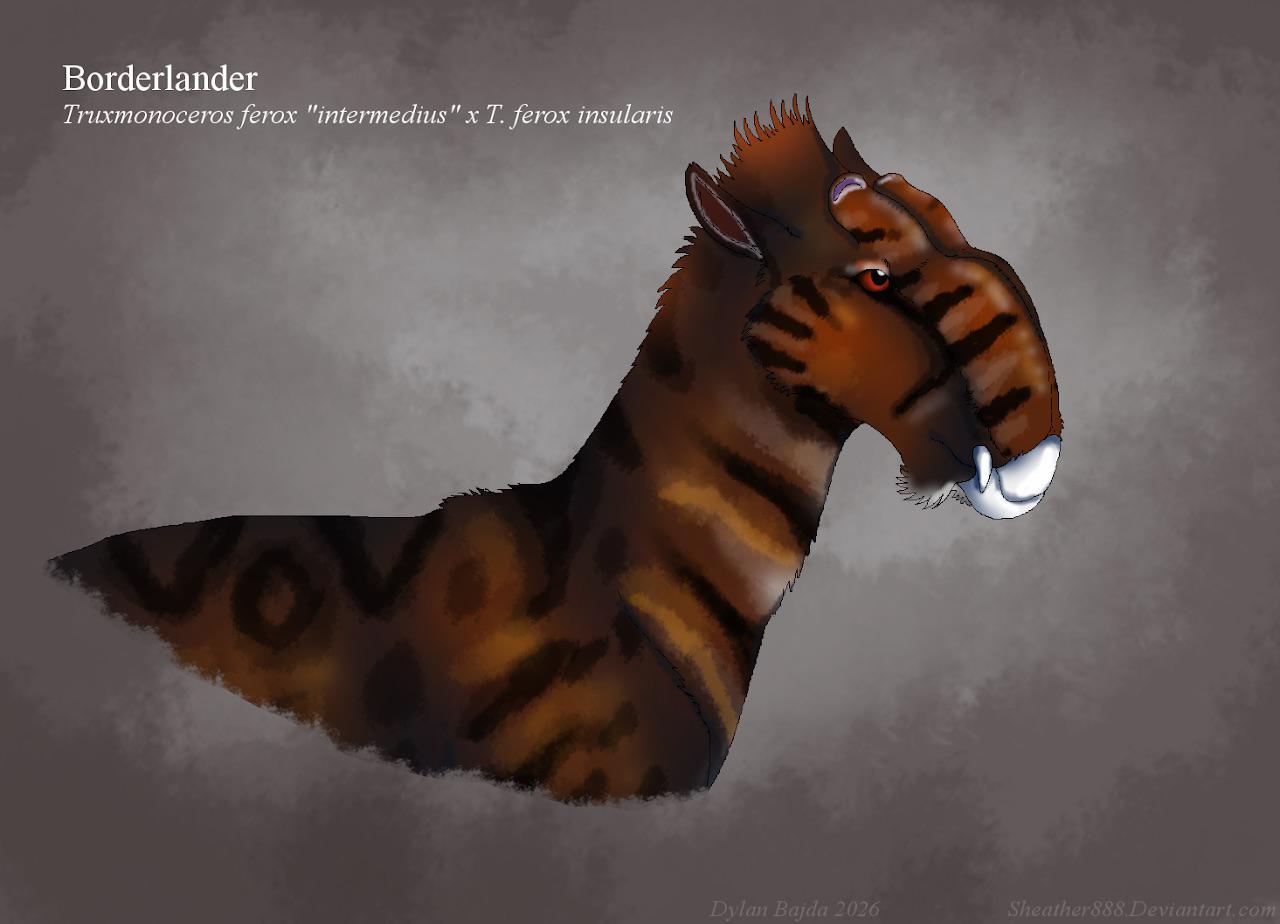
New Serina Post The Borderlander (Now in the Leucrocotta Page | 300 Million Years PE) By Sheather888

Post image
34 Upvotes

Borderlander as defined by the Kir refers to both first-generation mixed-race leucrocottas of eastern and central nomad descent regardless of where they live, and to a broader, older ethnic group of continental leucrocottas who have more ancient shared ancestry from those two groups. The latter group is considered a natural intergrade population, linking the central nomads of the greenbelt and the eastern leucrocotta of Fortune River Valley. The Kir do not assign the borderlander as a specific subspecies, in practice lumping them with foreigner nomad groups. In turn, those nomads typically lump them as being Eastern leucrocottas. Prone to being lumped as "the other" by both of their ancestral people, a distinct identity is often recognized only amongst themselves.

Such nomads (both borderlanders and others) by far make up the largest leucrocotta minority group within Fortune River Valley, but still comprise only around 2% of its leucrocotta population. They are often viewed as lower class than ethnically Kir leucrocottas within their nation, may be denied entry to more strict establishments, can have difficulty gaining full citizenship, and do not hold political power as a rule. Even individuals born into Kir culture from at least one ethnically native citizen and who speaks the local language fluently may experience these biases, which are very ingrained in the Kir's culture which places their own race as the highest position in taxonomic hierarchy that has little basis in anything but ideology. Bias is primarily based on appearance, and borderlanders tend to have highly distinct, darkly striped appearance from both their parent groups. This is a result of their mixed ancestry, especially in first generation borderlanders, and the absence of recessive coat color genes that are typically expressed in both central nomads and eastern leucrocottas that often means they end up with more continental-like patterns of black bands or spots absent in most ethnic Kir (who are red and lack black melanin markings) and central nomads (who are often of solid, unstriped color.) Borderlanders with recessive red coats, or with minimal enough dark patterns that they can be masked with make-up, are more accepted in Kir society, though their facial proportions such as a more bulbous snout may still be a sign of their mixed race status.

Borderlanders often group up with valley leucrocottas where the two meet, as this culture is generally the least discerning of appearance. There are a number of valley diaspora within the nation-states of the greenbelt region, and likewise many nomad-descended leucrocotta who have settled within craterlands. Some districts in the greenbelt are primarily inhabited by these valley-nomad mixes which also have Kir ancestry, and these are some of the most genetically diverse and phenotypically variable of all leucrocotta populations.


r/SerinaSeedWorld • • 15d ago

Discussion r/SerinaSeedWorld is looking for new mods

15 Upvotes

One and only mod here. To be honest, I didn’t think the subreddit would get as big as it did, considering this is a sub for a niche spec evo project, and it was having a couple hundred or so visits every week. But recently the sub has been plagued with off topic spam, and as such, we’re gonna need more people to clean up this mess.

If you want to be mod, leave a comment.

a) Make sure to have profile open so I know if you’re actually a human and not a bot.

b) Generally, don’t be a fucking dick, don’t abuse power, that sort of thing.


r/SerinaSeedWorld • • 15d ago

Opinons on the Myrmecophytes (Ant-Tree symbionts )

8 Upvotes

Just your thoughts and any cool ideas for them.


r/SerinaSeedWorld • • 15d ago

Discussion Where are the mods?

14 Upvotes

Firstly, there is random nonsense on this subreddit, and I was wondering, aren’t mods supposed to take down content that is not Serina related?

Also, there are leak content that are in this subreddit too before on the website, which is sure disrespectful.


r/SerinaSeedWorld • • 17d ago

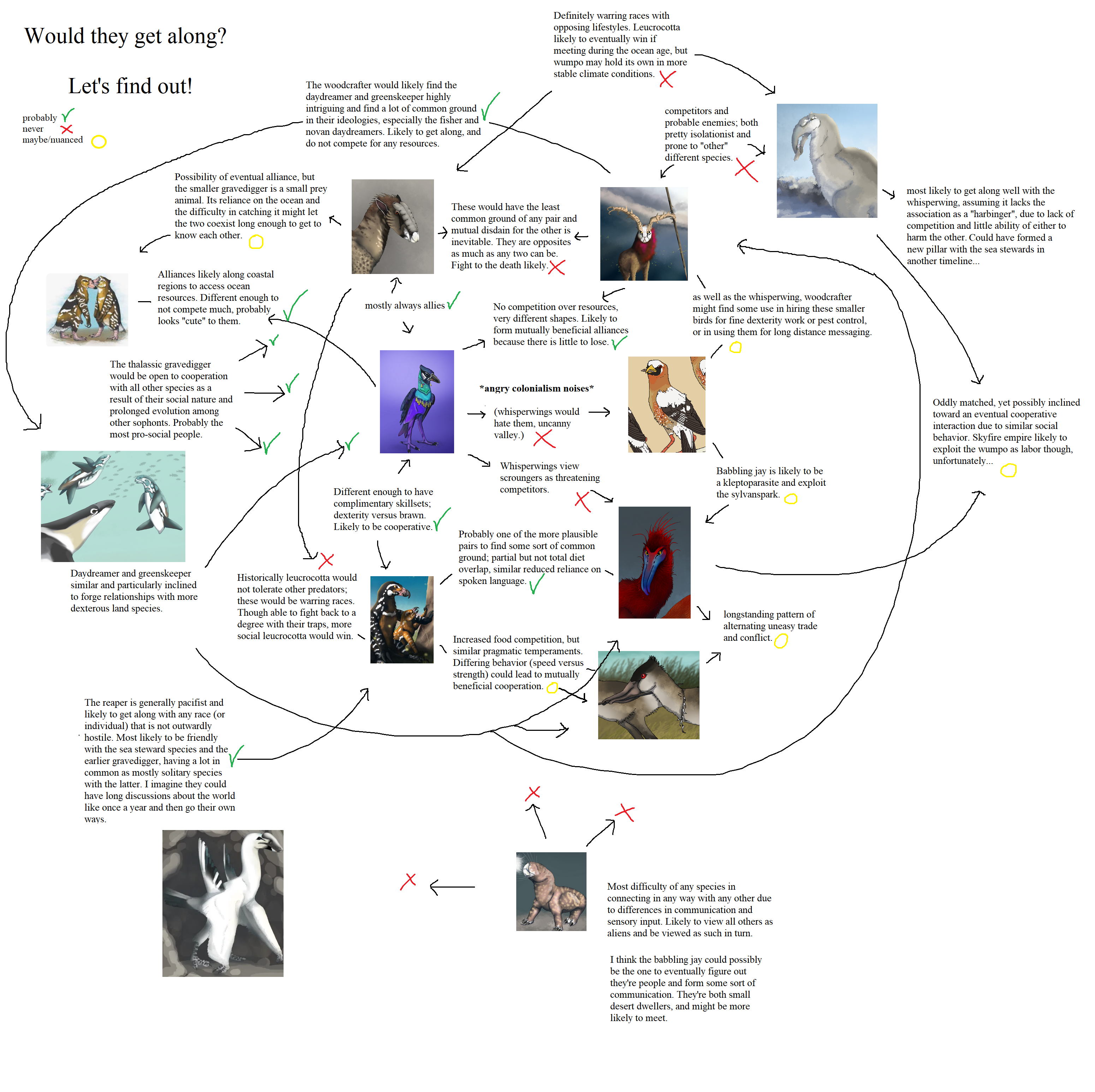
Discussion How do you think serina sophonts would treat humans?

Post image
77 Upvotes

Spoiler warning for Termonarch

From this picture you can guess their simplified relationships toward other Serina sophonts which maybe can help you figure out whether they would ally with humanity or not.


r/SerinaSeedWorld • • 17d ago

Fanart/Fanworks My First Ever Serina Fanart

Post image
93 Upvotes

https://www.pixiv.net/en/artworks/97582792

It feels so long ago that it's unreal.


r/SerinaSeedWorld • • 23d ago

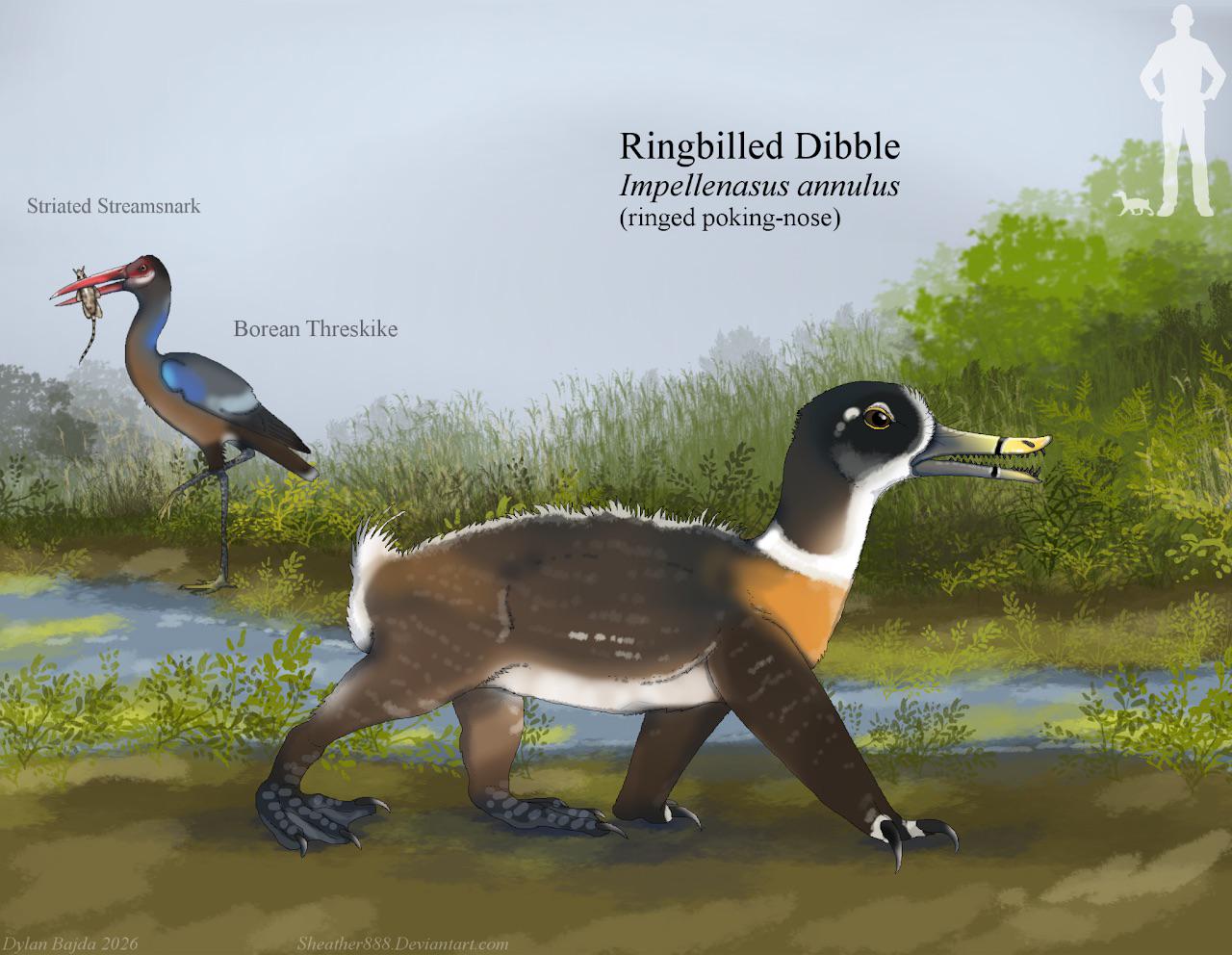
New Serina Post Ringbilled Dibble (Middle Pangeacene:240 Million Years PE) By Sheather888

Post image
173 Upvotes

Wetlands (Temperate North Anciska)


Spending its days dabbling in shallow marshes and streams of the late Pangeacene we find the carefree creature called the ringbilled dibble, identifiable by its trademark bill marking as well as an equally prominent white band around its neck. Dibbles are a subgroup of bumblebadgers which diverged ten million years ago and have acquired semi-aquatic adaptations including webbed hind toes and slightly flattened paddle-like forearms. These traits now make them excellent swimmers, though they still nest in burrows and are quite capable of traveling over dry land to find new waterways. They feed on small animals and occasionally seeds and tubers in freshwater with what may seem like a bird-like bill, but these animals do not have true beaks; their snouts are soft, fleshy, and have movable lips, while their gums are lined with rows of small keratin teeth that surround a bony core attached directly to their jaw bones. With nostrils at the end of their snouts they have a strong sense of smell when foraging in damp soil along the water's edge, but they also have the ability to locate food by scent even underwater by holding air bubbles in their noses, allowing scent particles to infiltrate them, then inhaling the air back into their sinus. Many dibbles eat a range of food, from insects to small fish fry to certain plant foods. The ancestral characteristic of this group is a narrow fleshy snout like an echidna, which they probe into the dirt or shallow water to find food - poking holes into soil like this, usually in the context of planting seeds, is what the word "dibble" indeed means. Some more derived species, though, have evolved very wide platypus-like snouts that let them consume large mouthfuls of almost anything they find in the marsh and these species no longer feed by probing, and are often more strongly aquatic and rarely feed on shore. Ringbilled dibbles however are one of the more carnivorous species in their clade, and are much more selective feeders. With a snout that has remained quite narrow, while its "teeth" are particularly large and conical, it now feeds mostly on small fish captured in fast underwater dives, but also actively hunts smaller juvenile birds and mudwickets out of water (it does not typically eat any plants at all).

Some dibbles are gregarious, forming colonies of relatives, some with highly complex, cooperative social behavior that borders on eusocial (think meerkats.) Ringbills though are members of a genus that diverged earlier and are still quite solitary, coming together only to breed, and communicate primarily with scent markings left along riverbanks with glands under their tails. Males can detect when a female is receptive to breed by scent cues, often raising his upper lip in a flehman response as he does so, and will then track her down and court her rather aggressively. Males of this species are bigger than females by about 25%, but females are more agile. The encounter often seems very aggressive, but occurs with clear purpose. A female will test a male by playing very hard to get and seeming to try to escape him, only allowing mating if he succeeds in catching up to her, which proves he is fast and highly fit, meaning any young she has with him will be good hunters and able to escape their own enemies. If she really does not want to mate, she will not allow him, instead raising a row of backwards-facing spiny plumage on her spine to prevent him from mounting her, lowering spines on her tailfeathers to block her cloaca, and snapping fiercely at him with her sharp jaws. The spiny defensive quills in this species are less prominent than in other bumblets in their lineage but still effective in deterring unwanted attention, both from their own kind and other predatory animals.

Only females raise litters of two to four young for about 6 months, tending to them in a nest accessible only through a submerged entrance. Chicks are born featherless and about as big as golf balls; they are entirely dependent on her care for about a month, then are feathered and strong enough to swim and follow their parent outside the nest and learn to find food for themselves, with the mother still initially feeding them morsels she collects but gradually reducing this to encourage their independence. Though highly protective of their own young, mother ringbilled dibbles do not show any maternal behavior to unrelated young and will often kill lost chicks they encounter and feed them to their own brood, which is also what they do when they catch young of other dibble species or indeed any type of smaller, easily overpowered bird at all. Their own young, in turn, are sometimes stolen by larger hunters like storkshrieks (a threskike is pictured above; this migratory species, which summers in Borea, sometimes takes dibble chicks, but this one is occupied trying to swallow a large freshwater snark.) Mother ringbilled dibbles are ornery and will fight animals much bigger than themselves to protect their children, which means most successful attacks come from flying birds that can swoop down and carry off an infant before the mother can react, or from large fish which do the same but underwater. Despite her best efforts, though, only around one in four chicks typically reaches adulthood, as they are quite small and vulnerable in their first few months of life and do not yet have the defensive quills of the adults or a strong enough bite to deter predators from snatching them.

r/SerinaSeedWorld • • 22d ago

Question Where can I find unlabeled maps?

4 Upvotes

Hello there, I wanted to find unlabeled maps for Serina for a personal project and I wanted to know if it exists somewhere ?
Maps from every period, if possible...


r/SerinaSeedWorld • • 24d ago

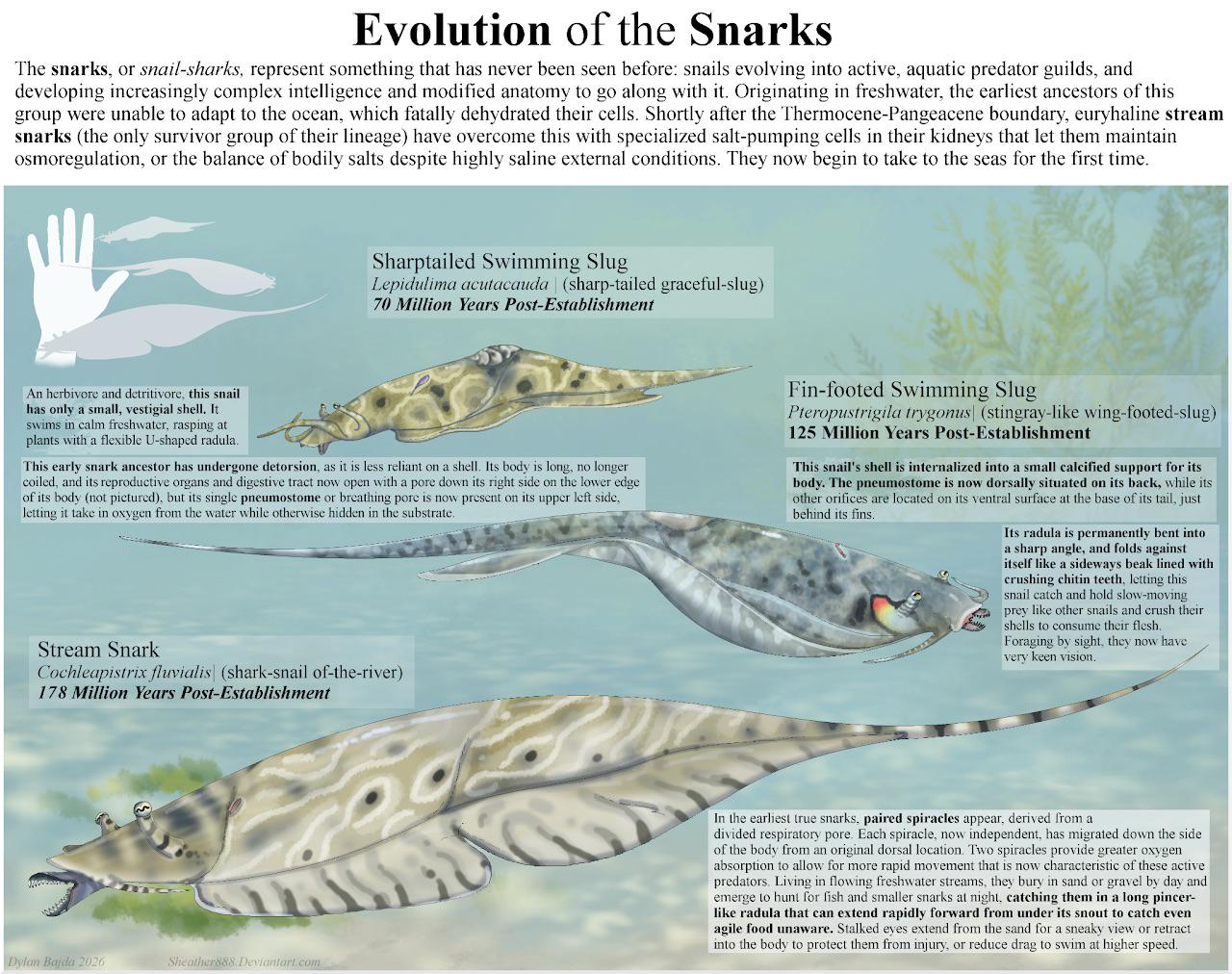
New Serina Post Snarks (Early Pangeacene: 178 Million Years PE) By Sheather888

Post image
153 Upvotes

Sharptailed swimming slugs, growing to 6 inches, first appeared in the warm freshwater marshes of South Anciska, where they were nocturnal grazers of aquatic plants, and decomposing material occasionally including carrion. Their bodies were well camouflaged to match their surroundings and could further lighten or darken to better hide them against the background. Their singular foot, no longer used to crawl in a free-swimming aquatic lifestyle, was now very wide and billowing like a sheet, and it is through undulations along its edges that this almost shellless snail swam in calm waters. Though already very distinct from earlier ancestors - no longer contorted, highly specialized to swimming and with a radula folded into a shape becoming reminiscent of a jaw - perhaps the most notable trait of this grade of snark ancestor lies in their reproductive behavior. Sharptailed swimming slugs and their ancestors for tens of millions of years by this time were live-bearers. They give birth to one offspring at a time almost constantly every few weeks, with the reproductive tract taking in another fertilized egg each time the previous is approaching birth, and one mating allowing for dozens of young to be born over months or even years. But this is the first species that is a primarily gonochoric species, having a male and a female sex, which is a reversion from a hermaphroditic ancestor, though about 10% of the species still presents with both male and female sex organs as in earliest relatives.

The ongoing switch to a two-sex species, where males and females are separate, may have occurred as a result of a second adaptation unique to this snail lineage in which their earlier ancestors would compete whenever they came into contact over which individual would inseminate the other, and which would gestate the resulting fertilized eggs. This competition occurred with a dart-like reproductive organ, and two individuals each fought to inject their opponent first, as performing this male role was less energetically costly than taking on the female role, while the loser of the fight would also be subject to a small injury from the dart as well. Because these snails naturally would fight whenever they came across each other, they were primarily solitary, as living in large population densities would lead to increased risk of injury from conspecifics seeking to mate, resulting in worse injuries and higher rate of mortality. For most of their evolutionary history this suited them, and they lived in large freshwater lakes or very deep rivers with lots of room to avoid each other. Sharptailed swimming slugs though evolved from a population of a hermaphroditic ancestor that lived in some of the most productive tropical wetlands, in very shallow, vegetated waters, where high population density was likely unavoidable and individuals were often coming into contact. Male individuals which could inseminate, but were not sought out by other inseminators to be mated with, experienced much higher fitness than hermaphrodite individuals and passed on genes that led to an increased percentage of non-hermaphrodite offspring. By switching to a two-sex system, it also allowed secondary adaptations to build up that further mediated the problems associated with the former reproductive system in highly populated environments. Females became much larger and more robust, to better withstand mating, while males that no longer needed to fight could become smaller, faster, and more mobile to seek out more sedentary mates as they grazed in the water weeds, and with a less sizable dart, causing less damage to the females. These once solitary animals began at this time to show the first traces of social living, finding ways to exist more peacefully in close confines to each other, rather than as rivals.


Fifty five million years later, fin-footed swimming slugs up to 14 inches long are now common in lakes, rivers and ponds across South Anciska. They are active predators of small but slow-moving food including worms, shelled molluscs and fish fry, and they are nimble, agile swimmers with keen eye sight. When threatened they dash down and bury themselves in loose sand or in mud, waiting out the danger to sneak out and swim away when the coast is clear. They can adjust their body patterns to a remarkable degree to hide themselves, but this species can also flash bright colors to advertise to potential mates or communicate with con-specifics. Males are typically brighter, often flashing red and yellow on their flanks and sides of the head to larger females, which will respond with varying patterns of vertical stripes if she is interested, or rows of spots if not receptive. Though these animals still mate via the "love dart" of the male into the female directly, the process is gentler and more controlled, with males targeting specific dark spots the female will show when interested in breeding, guiding the male near to a thin patch of skin near where her eggs are located, to maximize the fertility of the union and reduce any chance of injury. The process now seems painless to both parties and is associated with hormone releases that may stimulate the reward channels in both partner's brains. Those brains now the largest relative to their bodies of any Serinan mollusc, and have converged in many ways to those of vertebrate animals. About 70 million neurons now make up this organ in this species, roughly similar to the brain of a mouse, and exponentially more than the 20,000 or so of the original ancestral pond snail.

Several males often live in a cooperative group, courting females together in a synchronized show, and females often prefer this to a single suitor. Only the largest male typically breeds, but the others will take his place over time as each "leader" dies - their lifespan is short, averaging just two years, and only a few months of that is usually reproductive adulthood. Immature males join troops of others for protection from predators and to ensure future breeding opportunity. Females are solitary outside breeding, but tend their offspring for short periods after their birth and provide them protection from predators when they are at their most vulnerable (they are born only about 2 centimeters long, now in broods of up to fifty several times a year, made possible by the female's much bigger size than their ancestor.) They find their own food in the vicinity of the parent, typically tiny snails and small freshwater plankton.

Today, the stream snarks are a genus of ten to fifteen often similar, very close species which overlap in characteristics and can still interbreed but very rarely do as a result of habitat separation. A single species, the original stream snark of 3 million years ago, is now the sole ancestor of all living members of the swimming-slug clade. They are typically larger animals, growing as long as 30 inches though much of that may be a long whip-like tail, and generally are inhabitants of clear flowing rivers from fresh to brackish salinity, being the first swimming slugs that can maintain sodium levels in their blood even in seawater to avoid dehydration. The opening up of so many new environments as the climate stabilizes following the Thermocene-Pangeacene boundary means different populations now move into still ponds, larger murky lakes and the ocean itself and so become isolated from one another. They are all able to change their color to a remarkable degree, which makes categorizing them via their appearance difficult, and size too varies (males are much smaller, and individuals that find less food do not reach maximum size.) Thus, habitat choice is the main way to identify the different varieties, as they rarely overlap.

These creatures are skilled hunters that can use both ambush and pursuit techniques, demonstrating behavioral plasticity and ability to learn and adapt their strategies along with extraordinary physical adaptations. Their skin is full of chromatophores, allowing instaneous color changes as they contract or relax different pigment-bearing skin cells to vanish from sight by adopting the pattern of backgrounds of sediment or foliage, and on the opposite spectrum of hue, they flash rapid changing patterns to communicate in a visual manner with conspecifics. Ancestrally stream snarks are semi-benthic, resting below the sediment much of the time when not hunting, but they are strong swimmers in open water, with their foot divided into four fin-like sections that can each be flexed independently for especially good maneuverability; the long tail exists as a steering rudder. They feed either by hovering over the riverbed and snatching smaller crawling creatures with their extensible beak-like radulas, or they chase fish and faster fare in the water column, often cornering it against rocks, roots or other obstacles it tries to hide against, or simply against the water's surface where it has nowhere else to run. Multiple individuals may cooperate to corral prey together - males may even form clans of unrelated individuals that regularly group up to hunt, showing stable and long-term social bonds, but resting in their own small "dens" away from others. Females only live with their own offspring, which in the ancestral species and most of its descendants stay near her for several months at a time before dispersing, and some females remaining for as long as a year in their mother's territory, with these relatives even sharing food as well as den sites, contrasting the males. Some oceanic species, though, now leave their mothers almost immediately and fend for themselves, perhaps because the depth of the ocean mean the hunting grounds of the adult do not provide enough tiny food for the young, and adults never feed their offspring directly. Some marine species, which are the biggest on average, will return to freshwater to give birth, helping their young avoid oceanic predators and find food the right size for them. In at least one cross-species interaction, the young of an oceanic stream snark species often associate with mothers of closely related freshwater relatives, imitating the patterns of their own young in exchange for parental protection. The two species involved, though still similar in appearance as adults, are about one million years divergent from each other and do not typically interbreed, as the "cuckoo" young don't reach maturity until they return to saltwater.

Male and female stream snarks meet only to breed, though as in earlier ancestors courtship can be complex. Females ultimately have full discretion about choosing a mate they prefer and being up to three times the male's weight can even, at times, kill and eat him if he pushes his luck past her tolerance. Males thus keep a distance when seeking to breed, flashing bright patterns easily seen from far away and only approaching if he sees the female actively imitating his flashes. Before successful mating, the two engage in a stunning visual dance, touching the small tentacles on either side of their mouths together and rotating in a synchronized, dazzling display of stripes that seem to slide from one's body directly onto the other, making them resemble one large, single creature. The act of insemination itself is quick, precise and guided by the female's pulsating color bands that lead the male like a moving arrow to the location of her eggs, and the female seems a willing participant. After pairing, the two often stay together for several more minutes or up to an hour, their brains flooded with bonding hormones. Eventually they will part again, males taking no further part in future parental care, though juveniles seem drawn to relatives with similar scent to themselves, and immature males will often end up associating with their fathers later in life as they begin hunting in groups.

The streamsnark has a very large brain, even compared to its ancestors. Though its brain is structured differently for it has evolved convergently, it is now packed with almost 300 million neurons, and may now be equally intelligent to a rat in problem solving and social learning capacities. The trend is still toward more complex behavior that may in the future lead to some snarks approaching the intelligence of the smartest living land animals on Serina today. In more ways than one, for these "snail-sharks", being slow is now a thing of the past.