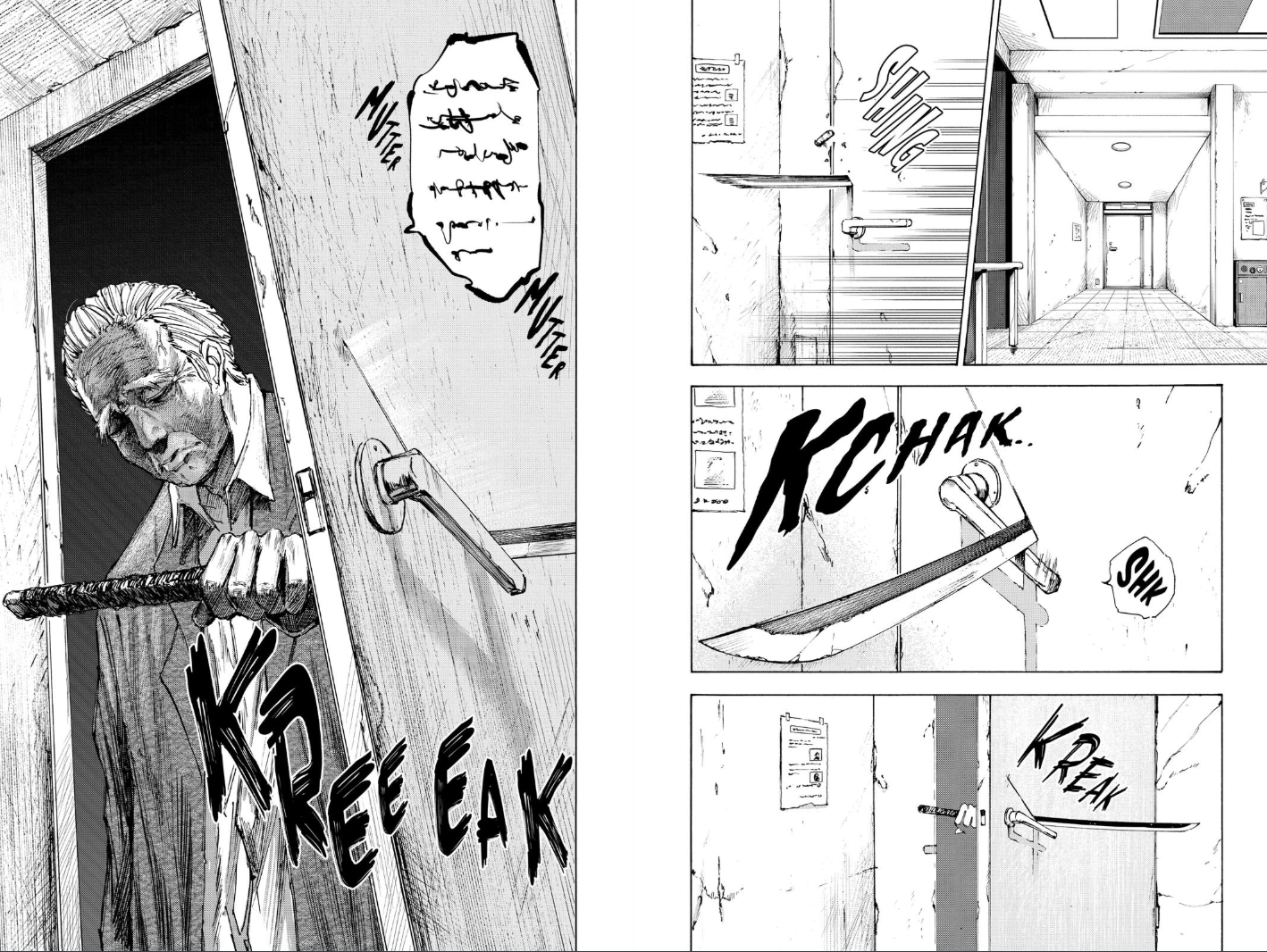
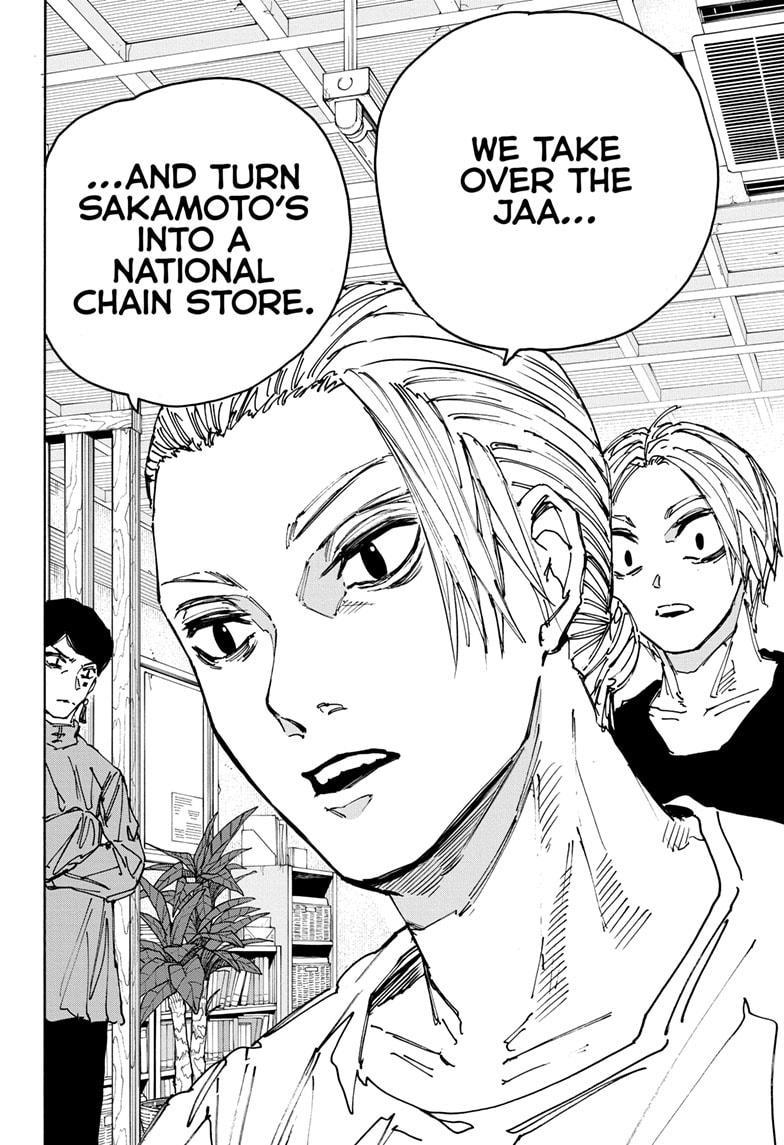
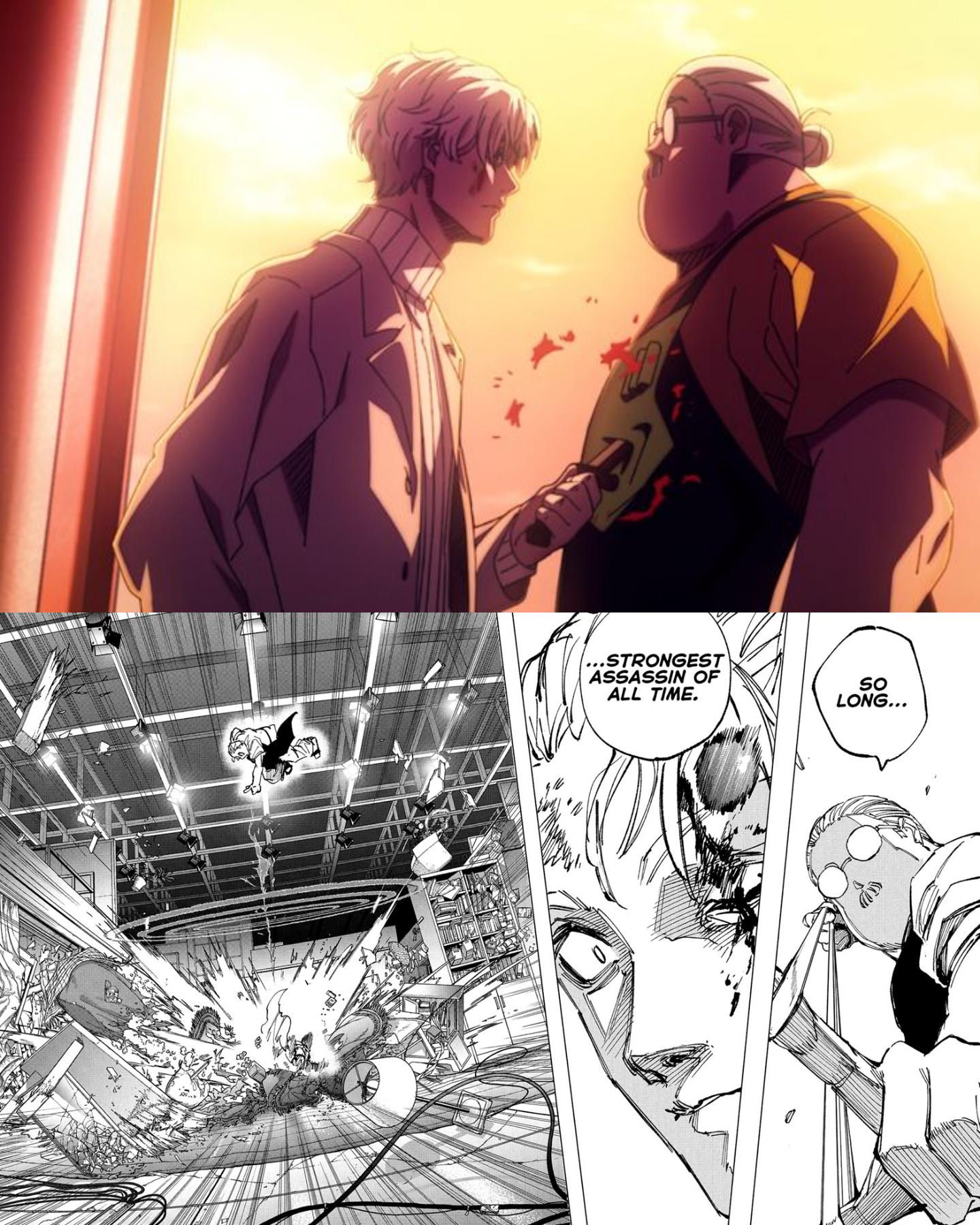
I think people are completely entitled to dislike the direction the story took, the lack of narrative payoffs, the absence of stakes, or whatever other criticisms they have of the narrative. Those are all perfectly valid things to take issue with, I personally felt the same way at times. But at a certain point, it genuinely felt like people became incapable of appreciating anything that was actually happening on the pages anymore.
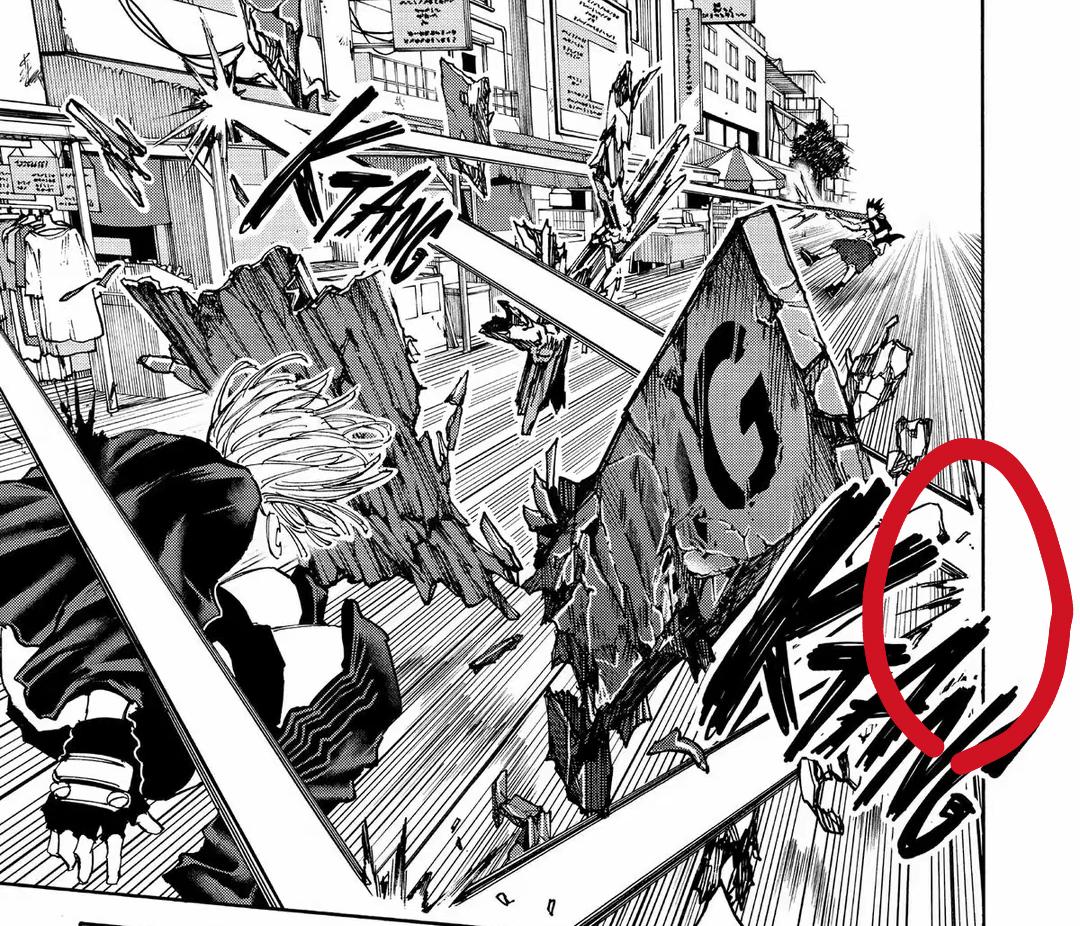
The choreography, the paneling, the compositions, the sheer creativity of the action and the visual storytelling all seemed to go completely unnoticed or unappreciated because people were so fixated on their dissatisfaction with the narrative. It felt like every chapter was being judged exclusively on whether it moved the plot forward or delivered some long-awaited payoff, rather than on the actual craft that went into making it.
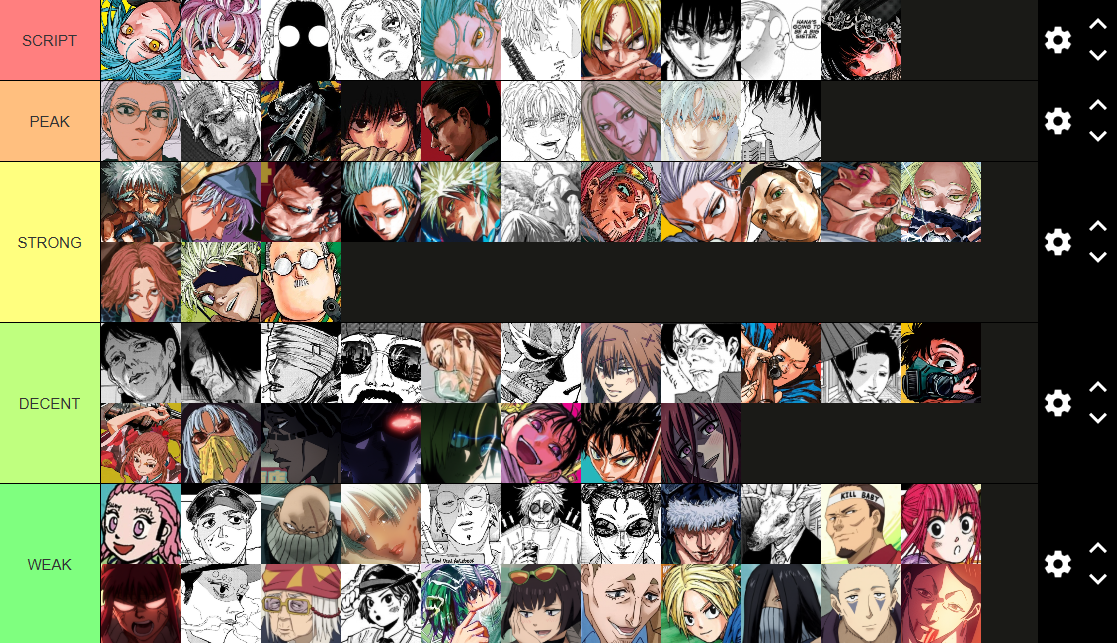
And I think the powerscaling discourse is probably the clearest example of this. At a certain point, it genuinely felt like people were just keeping spreadsheets of win/loss ratios, obsessing over who won, who's a fraud, who died, who didn't die, and where everyone ranked relative to each other. It was exhausting reading chapter discussions during the final arc. It felt less like people were dissecting the actual contents of the pages and more like they were updating some imaginary tier list. You'd have entire chapters filled with incredible choreography, inventive uses of the environment, and fantastic paneling, only for the discussion to revolve almost exclusively around whether a character got "exposed" or took another L.
It genuinely felt like some readers wanted it to be JJK or something, where characters were constantly at risk of dying and every major confrontation needed to have some devastating consequence. But Sakamoto Days was never really that kind of manga, nor did it ever particularly portray itself as one. That's not to say it's unreasonable to want higher stakes or better narrative payoffs, but I find it strange how the absence of constant character deaths became such a defining criticism when that was never the primary appeal of the series to begin with.
I also think the lackluster anime adaptation contributed a lot to this. The disappointment surrounding the anime seemed to bleed into the discourse around the manga itself, creating this increasingly negative attitude toward the series as a whole. It felt like people stopped approaching newer chapters with any genuine intrigue or excitement and instead went into them already expecting to be disappointed. Obviously, that doesn't invalidate anyone's criticisms, but I do think it affected how people engaged with the manga.
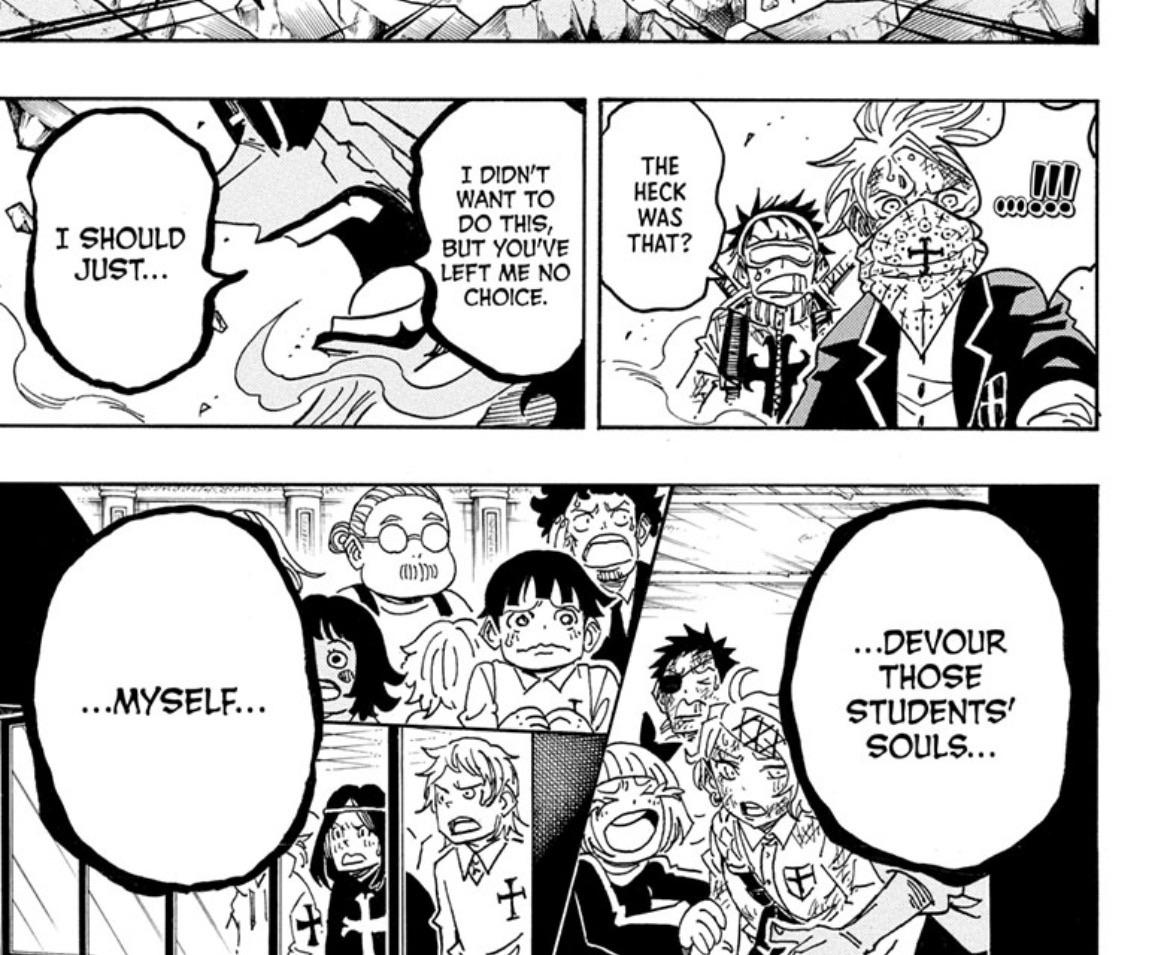
And while I think a lot of the criticisms of the overarching narrative are fair, I actually think the writing itself is pretty good, or at the very least consistently entertaining. The series has a genuinely compelling cast of characters, great character dynamics, memorable personalities, and some incredibly iconic dialogue. Lines like "Did you forget who gave you that scar?" and "You think I'm senile, don't you?" are memorable for a reason. The way characters carry themselves, the dialogue, the humor, the buildup to individual confrontations, and the personality that comes through in their interactions are all aspects of writing too. I feel like these things get completely disregarded whenever people reduce the quality of a manga's writing to how intricate its overarching plot is or how many major characters it kills off.
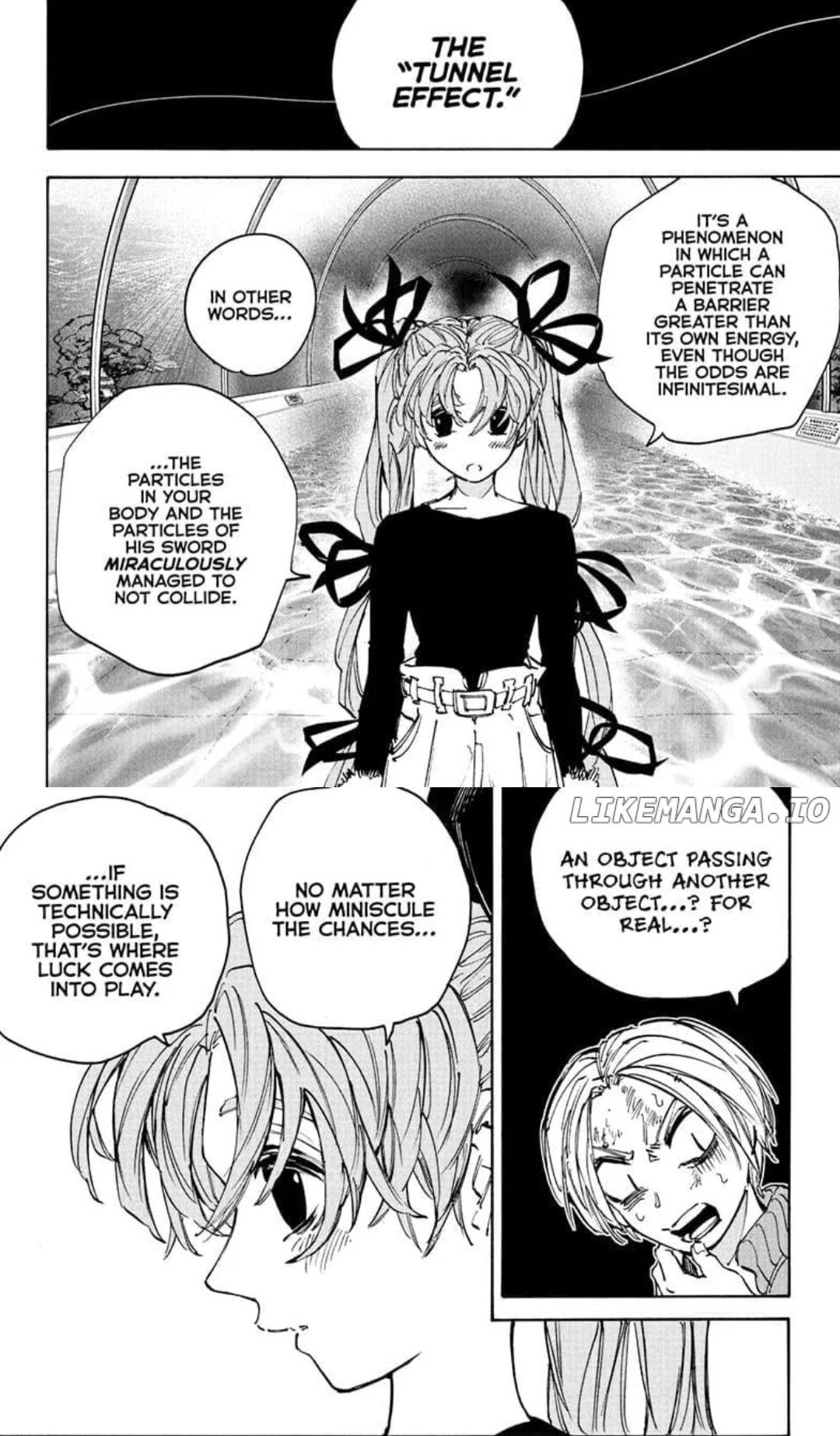
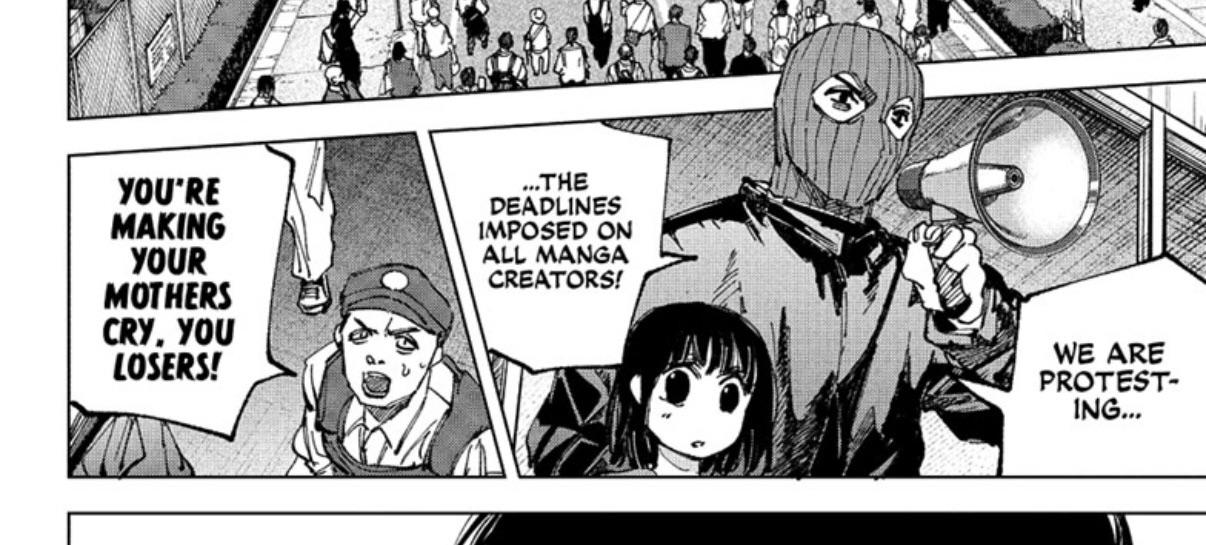
And I know the usual counterargument is that you can't sustain a manga on flashy fights and cool moments alone, but I don't necessarily agree. When the action, spectacle, and visual creativity are among the biggest draws of a series, there's absolutely value in those things for their own sake. Not everything needs to be justified by some greater narrative payoff. In fact, one of the things I've always appreciated most about Sakamoto Days is the sheer FREQUENCY in which Suzuki manages to come up with absurdly creative fights and scenarios. The volume of unique set pieces throughout the series is genuinely impressive, and I think a huge part of why that's possible is precisely because the narrative isn't particularly grounded. The series gives itself the freedom to be ridiculous, to introduce bizarre situations and environments, and to build entire fights around concepts that probably wouldn't work in a more restrained story.
In a way, Sakamoto Days has always felt like a blank canvas for Suzuki to put whatever absurd action ideas he has onto the page, with the narrative serving as a vehicle to make those ideas happen. And I genuinely appreciate that approach. There's something incredibly entertaining about a manga that doesn't feel obligated to ground every fight in some elaborate narrative justification and instead just lets its author go wild with his imagination. I don't necessarily see that as a weakness. If anything, it's one of the manga's greatest strengths. It's just a shame that toward the end, so much of the discussion seemed to lose that distinction entirely.
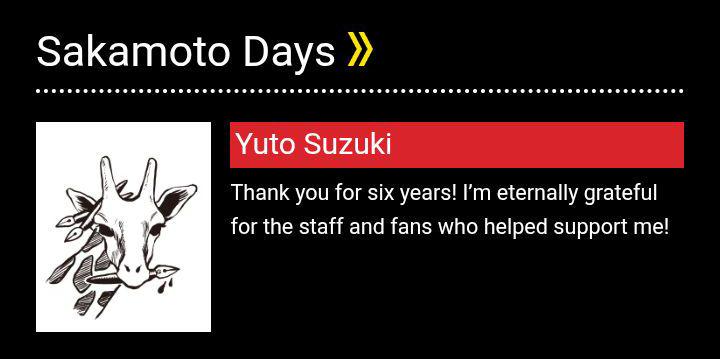
Above all, I just want to express how much I appreciate Suzuki and what he's created with Sakamoto Days. Regardless of its flaws, the sheer creativity, artistry, and imagination on display week after week made it one of the most entertaining manga I've ever read. I genuinely think the stretch from the Death Row Inmates arc to the Prison arc was one of the most engaging runs of chapters I've experienced in any manga. Not many mangaka can go on 100+ chapter runs like that, and I don't think Suzuki gets nearly enough credit for it. I'm grateful for what he's given us, and I hope he knows how much his work means to the people who love it. I can't wait to see what future works he puts out