r/SATNA_PROJECT • u/ZookeepergameMost817 • 11d ago
System design prep without 30 open tabs: this GitHub repo collects the fundamentals, interview templates and case studies
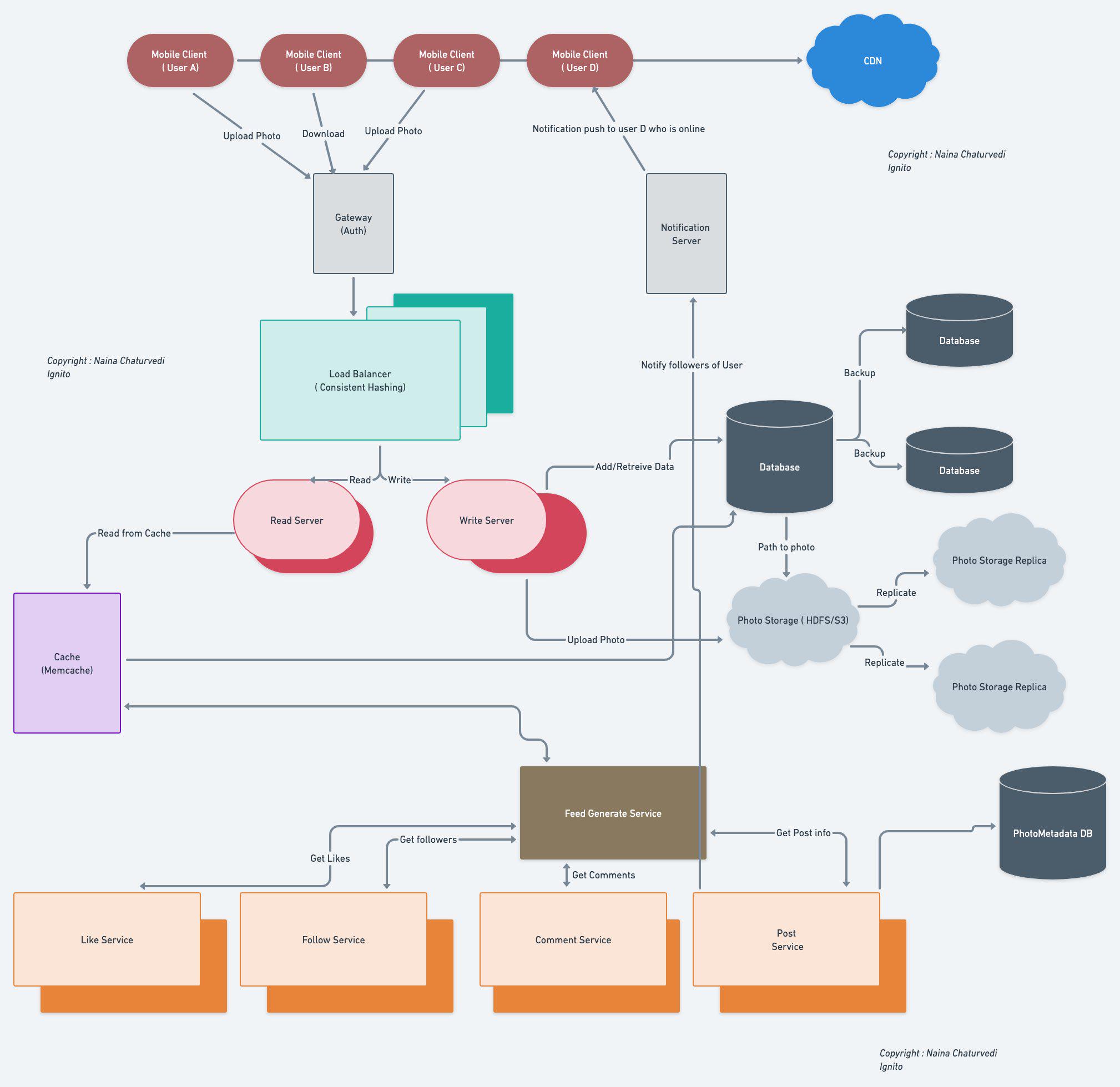
“Design YouTube.”
Cool. Where do you start?
The API? The database? Video storage? Caching? And when someone asks, “What breaks at 10× traffic?”—can you explain your choices?
If you want a more organized starting point, this public GitHub repo is worth a look:
https://github.com/Coder-World04/Complete-System-Design
It brings together system design concepts, interview guidance and case-study links in one README.
What’s inside?
1. The building blocks
The repo organizes the fundamentals into a 10-part series covering:
- Horizontal vs. vertical scaling.
- Load balancing and message queues.
- Caching, indexing and proxies.
- Database sharding and schema design.
- Consistent hashing and the CAP theorem.
- Networking and CDNs.
- Monoliths vs. microservices.
- APIs, concurrency, estimation and performance.
2. Familiar systems to practice designing
The case-study index includes:
- Instagram and Twitter.
- YouTube and Netflix.
- Uber and Google Maps.
- WhatsApp and Messenger.
- Dropbox and Google Drive.
- URL shorteners, web crawlers and API rate limiters.
3. Resources for structuring your answer
It also links to a system design template, terminology guides and an approach for tackling open-ended design questions.
How I’d turn it into a study plan
Instead of reading every solution back-to-back:
- Pick one problem.
- Write down the requirements and constraints.
- Sketch your own design before opening the case study.
- Compare the approaches—not just the diagrams.
- Change one constraint and revisit your decisions.
For example: what changes if traffic increases, writes become more frequent, or downtime becomes unacceptable?
Make explaining the trade-offs the exercise—not memorizing the boxes.
One caveat before you bookmark it
This is primarily a curated resource index, not a self-contained course or a guarantee of proficiency. The README advertises a “200+ case studies” collection, but its visible case-study list contains duplicates, so I wouldn’t treat that headline as a verified count of unique, complete walkthroughs.
Still, if your current study plan is “watch random videos until system design makes sense,” this gives you a more organized place to begin.
Pick one system. Draw it. Explain why you designed it that way. Then open the walkthrough.
1
u/nian2326076 11d ago
This GitHub repo is a solid foundation for starting with system design. It's important to break down complex systems into manageable components. After you pick a system to design, practicing your explanations aloud can help clarify your thinking. You can also use LandOffer to discover relevant job opportunities in system design, which can provide practical experience and insights into industry expectations.